Critical thinking development Science Worksheets for Ages 8-9
4 filtered results
-
From - To
Unlock your child’s potential with our engaging Critical Thinking Development Science Worksheets for ages 8-9! Designed to enhance analytical skills, these worksheets encourage kids to explore various scientific concepts while fostering a deeper understanding of the world around them. Through fun activities that promote observation, deduction, and problem-solving, your child will develop essential critical thinking skills necessary for academic success. Whether it's comparing ecosystems, understanding weather patterns, or experimenting with simple scientific principles, our thoughtfully crafted worksheets provide an interactive learning experience. Empower your young learner today and watch them thrive in both science and critical reasoning!
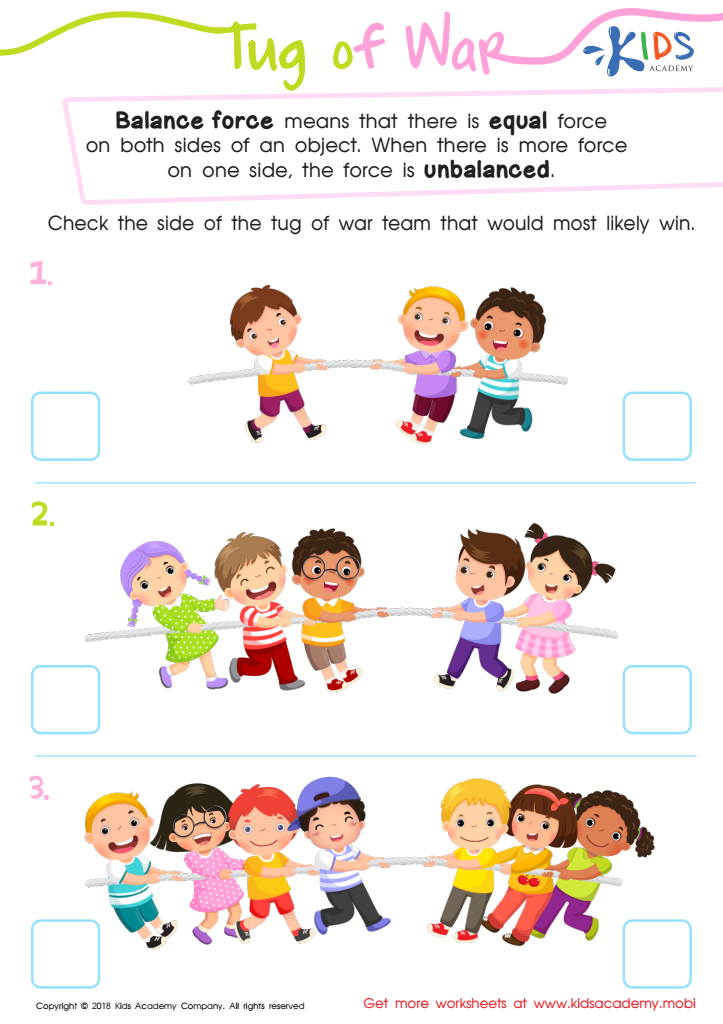
Balanced Forces Worksheet
 Assign to My Students
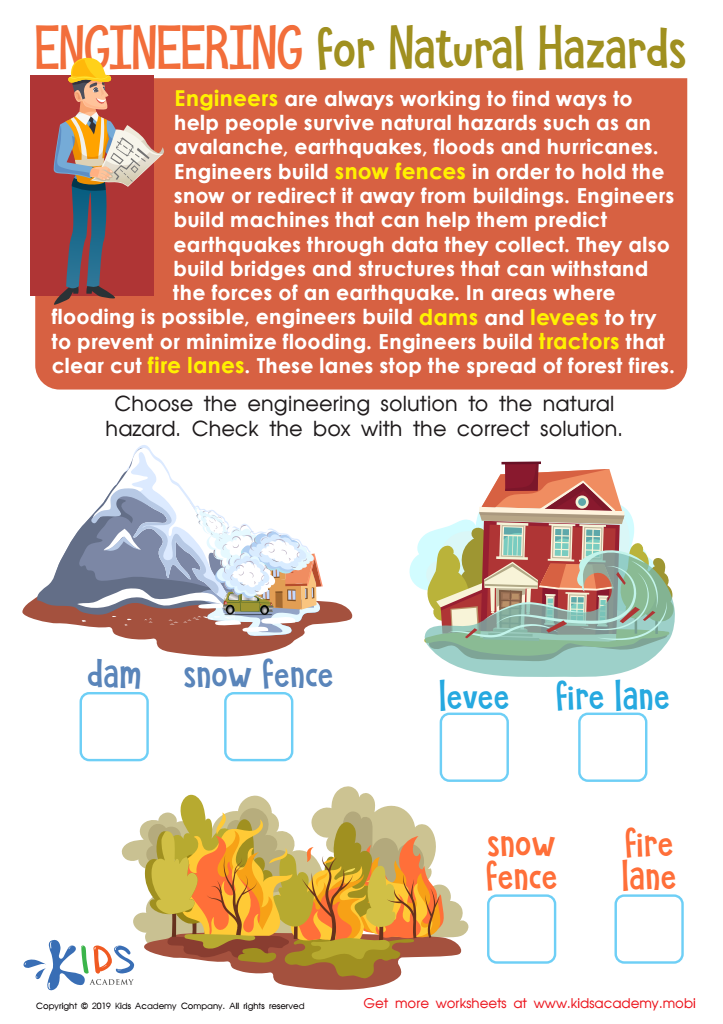
Engineering Natural Hazards Worksheet
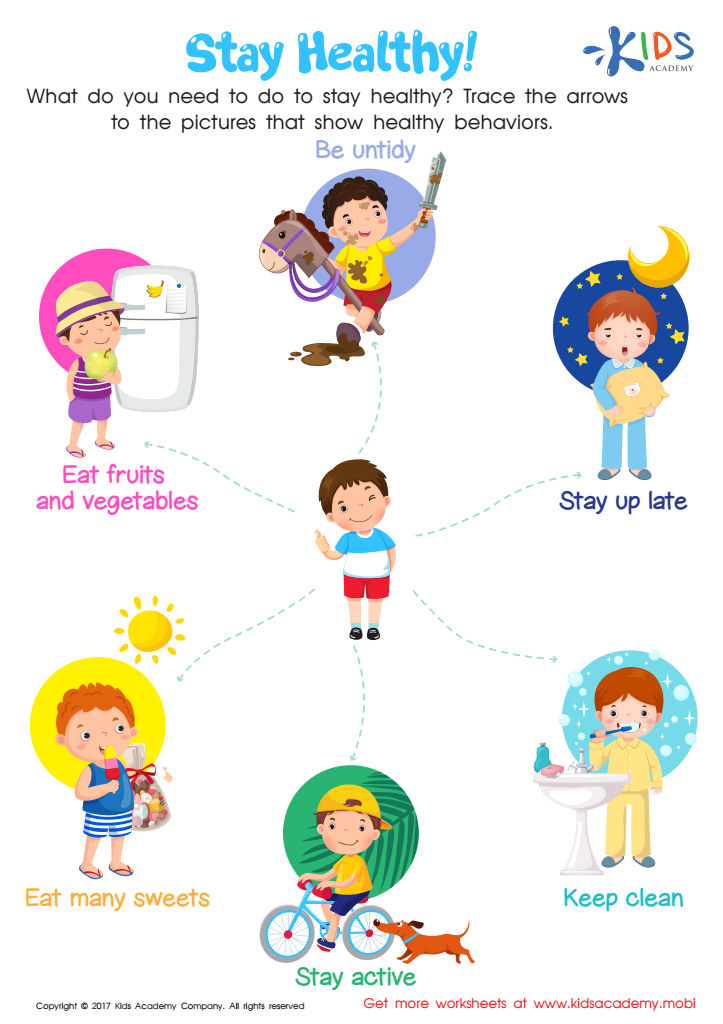
Healthy and Unhealthy Behaviors Worksheet
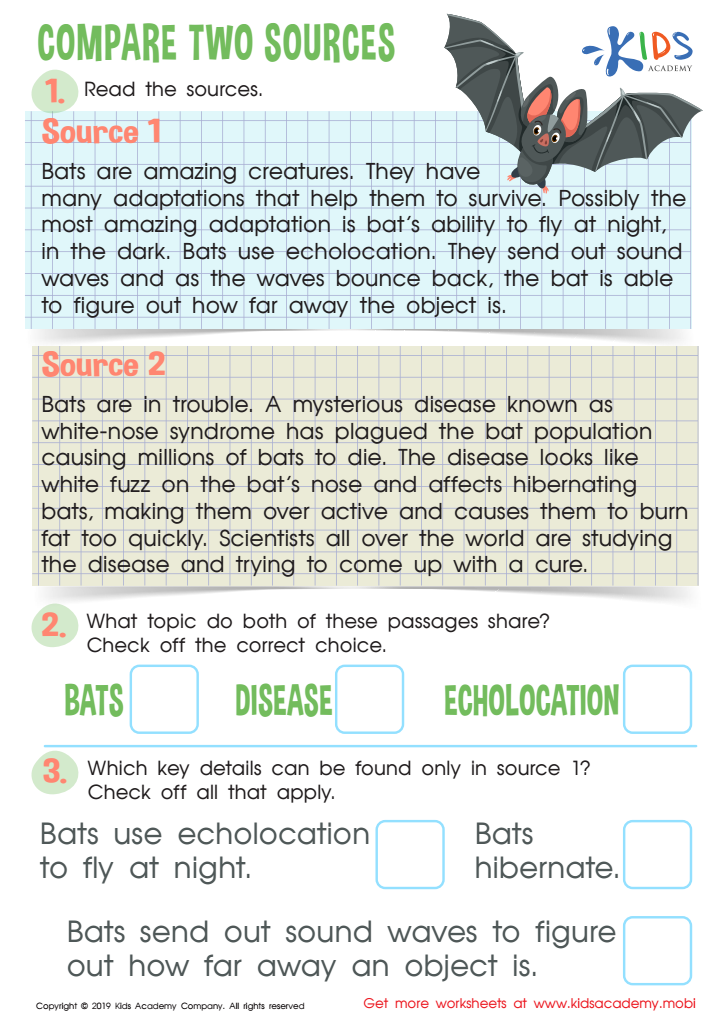
Compare Two Sources Worksheet







Critical thinking development in science is crucial for children aged 8-9, as this period marks a pivotal stage in cognitive growth. At this age, children are beginning to think more logically and analytically, making it an ideal time to cultivate their critical thinking skills, particularly through science education.
Science encourages curiosity and open-mindedness, prompting children to ask questions, explore unknowns, and devise solutions based on evidence. By engaging in scientific inquiry, children learn to observe systematically and assess information critically, processes that are foundational for scientific literacy and informed decision-making in real life.
Moreover, fostering critical thinking through science helps children differentiate between facts and opinions, an essential skill in today's information-rich world where misinformation is prevalent.
Parents and teachers play a vital role in this development by providing opportunities for hands-on experiments, encouraging exploration, and prompting discussions that require reasoning. Incorporating science into everyday learning contexts nurtures a love for inquiry and enhances problem-solving abilities that extend beyond the classroom, equipping children with the skills they need for future academic challenges and life situations. By prioritizing critical thinking in science, adults can instill a lifelong enthusiasm for learning and creativity in young learners.







