Enhancing observational skills Science Worksheets for Ages 8-9
5 filtered results
-
From - To
Enhance your child's observational skills with our engaging Science Worksheets designed specifically for ages 8-9. These thoughtfully crafted resources help young learners hone their ability to notice details in their environment, fostering curiosity and analytical thinking. Each worksheet features fun activities that encourage exploration and critical observation, making science both exciting and accessible. Perfect for classroom or home use, these worksheets support key learning concepts while promoting observational skills vital for scientific studies. Empower your child to become a keen observer and ignite their passion for science with our comprehensive and interactive educational materials!
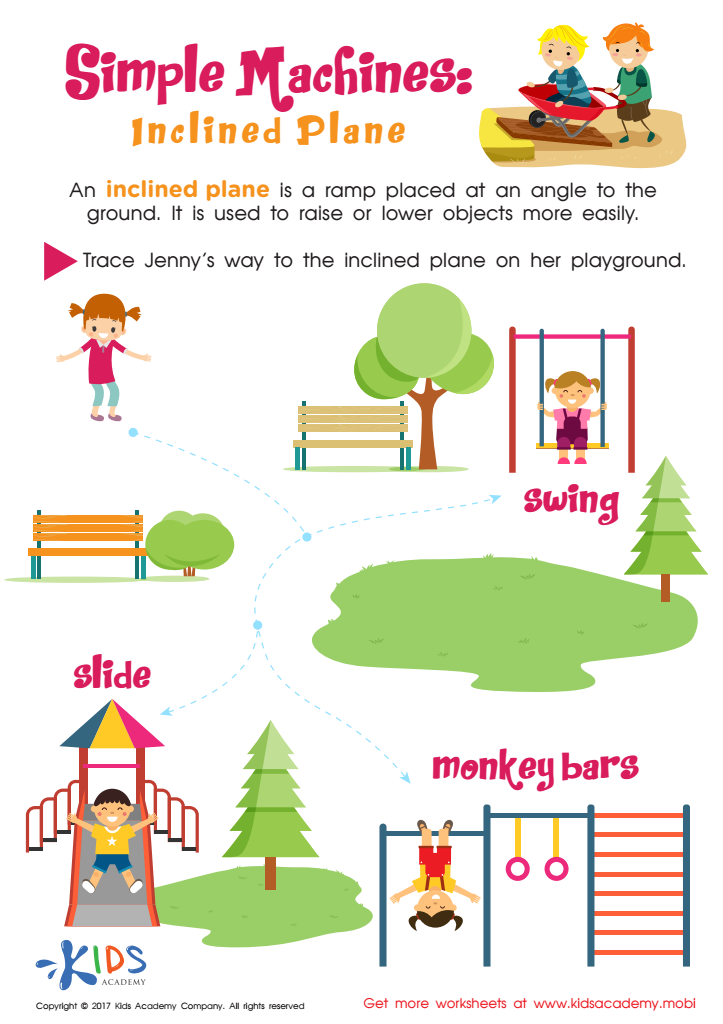
Simple Machines Inclined Plane Worksheet
 Assign to My Students
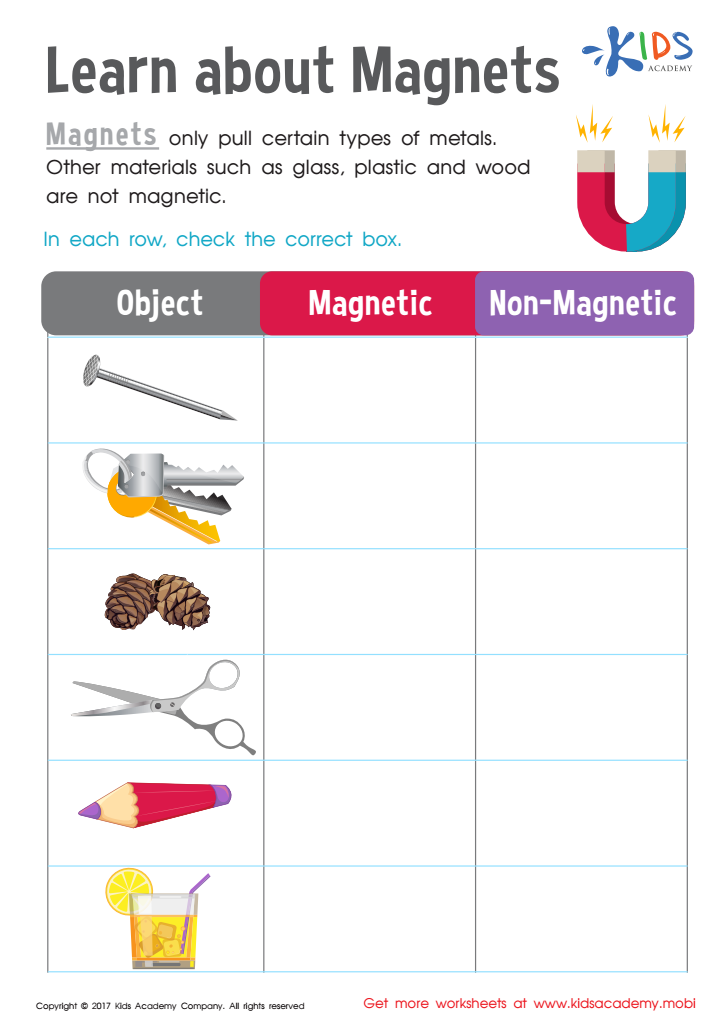
Magnetic Or Not Worksheet
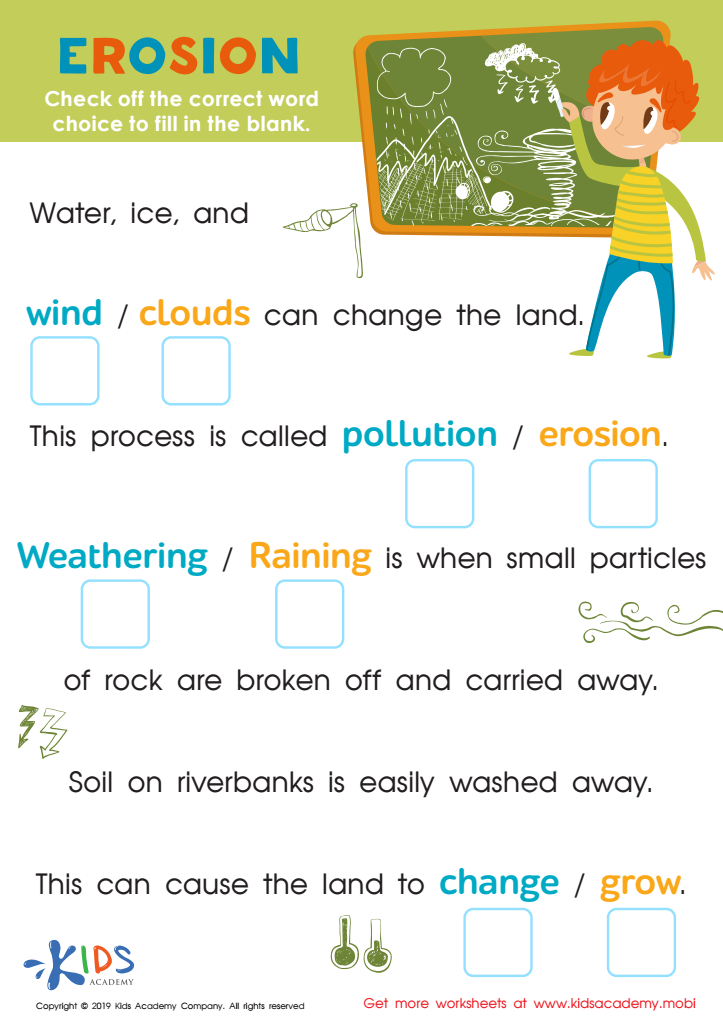
Erosion Worksheet
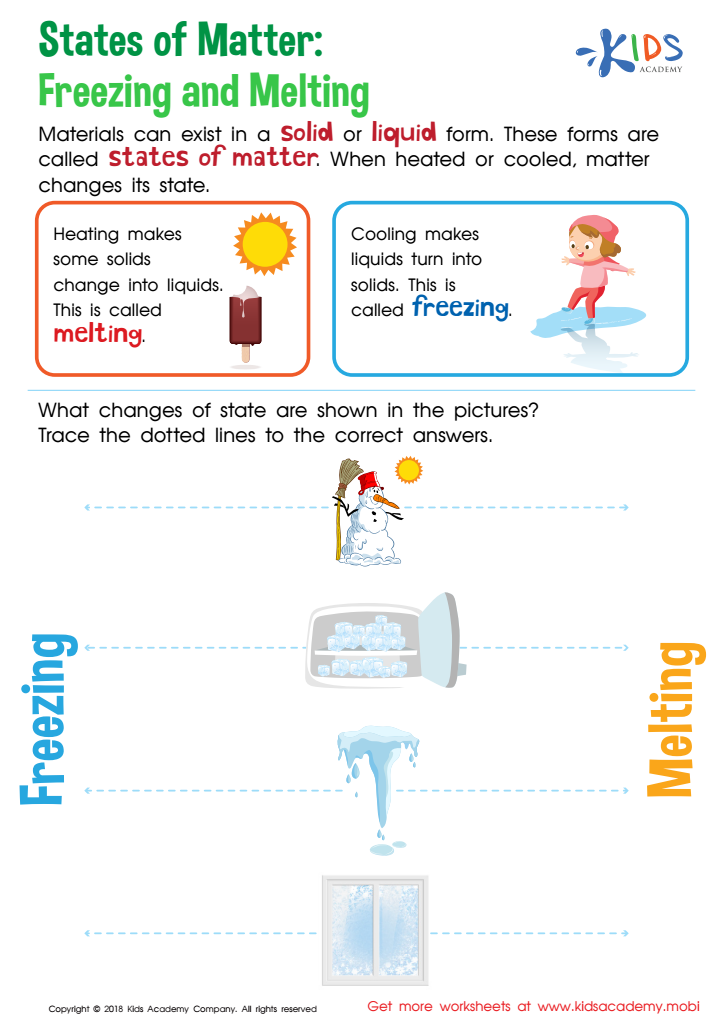
States of Matter: Freezing and Melting Worksheet
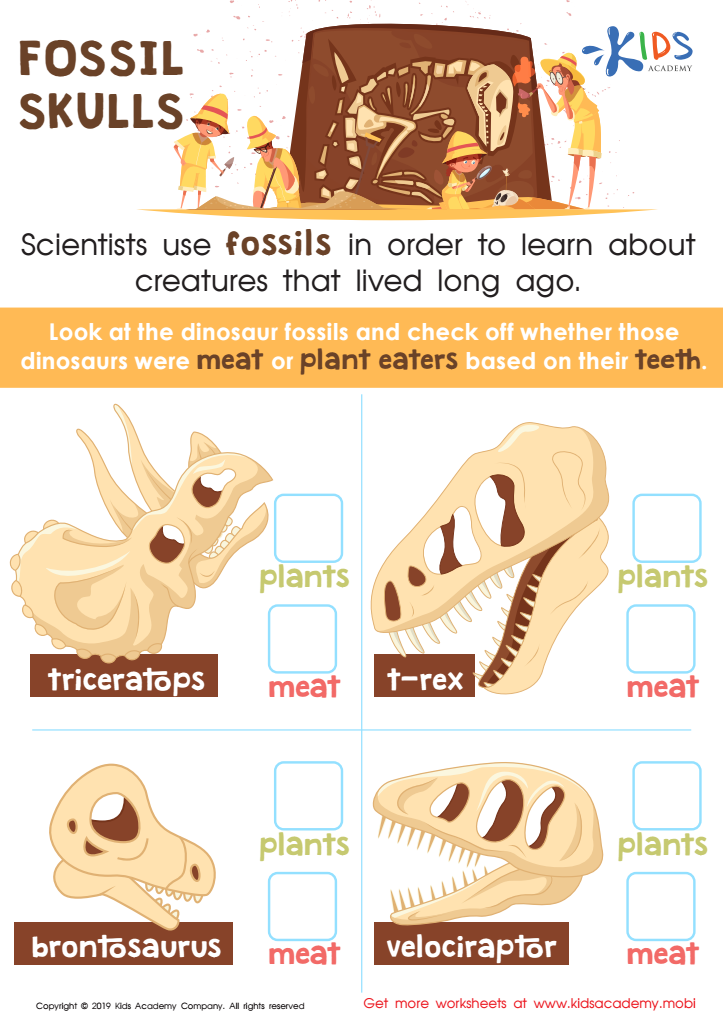
Fossil Skulls Worksheet








Enhancing observational skills in children aged 8-9 is crucial for their cognitive and social development. At this stage, children are naturally curious and eager to explore their environment. By fostering keen observation skills, parents and teachers can help children develop critical thinking, problem-solving abilities, and a deeper understanding of scientific concepts. When children observe closely, they learn to identify patterns, make connections, and draw conclusions based on evidence, all fundamental aspects of scientific inquiry.
Moreover, observational skills extend beyond science; they enrich children's overall learning experiences. Strong observation promotes attention to detail, enhances creativity, and encourages inquiry, leading to a more profound engagement with their surroundings. This engagement can boost curiosities about various subjects, inspiring a love of learning that lasts a lifetime.
Additionally, cultivating these skills can improve communication and collaboration among peers. Children learn to articulate their observations clearly, leading to meaningful discussions and collaborative investigations. This social aspect is essential for developing teamwork skills that they will carry into adulthood.
In summary, enhancing observational skills at this age empowers children academically, socially, and personally, making it a vital area of focus for parents and educators alike.







