Environmental awareness Science Worksheets for Ages 8-9
6 filtered results
-
From - To
Discover our engaging Environmental Awareness Science Worksheets designed specifically for children aged 8-9. These interactive worksheets aim to foster a deeper understanding of the environment, encouraging young learners to explore vital topics such as recycling, ecosystems, and conservation. Each worksheet incorporates fun activities, thought-provoking questions, and vibrant visuals to make learning enjoyable and relatable. Perfect for enhancing classroom lessons or supplementing home study, our materials promote critical thinking and encourage students to take an active role in protecting our planet. Start inspiring eco-conscious habits in your students today with these educational resources!
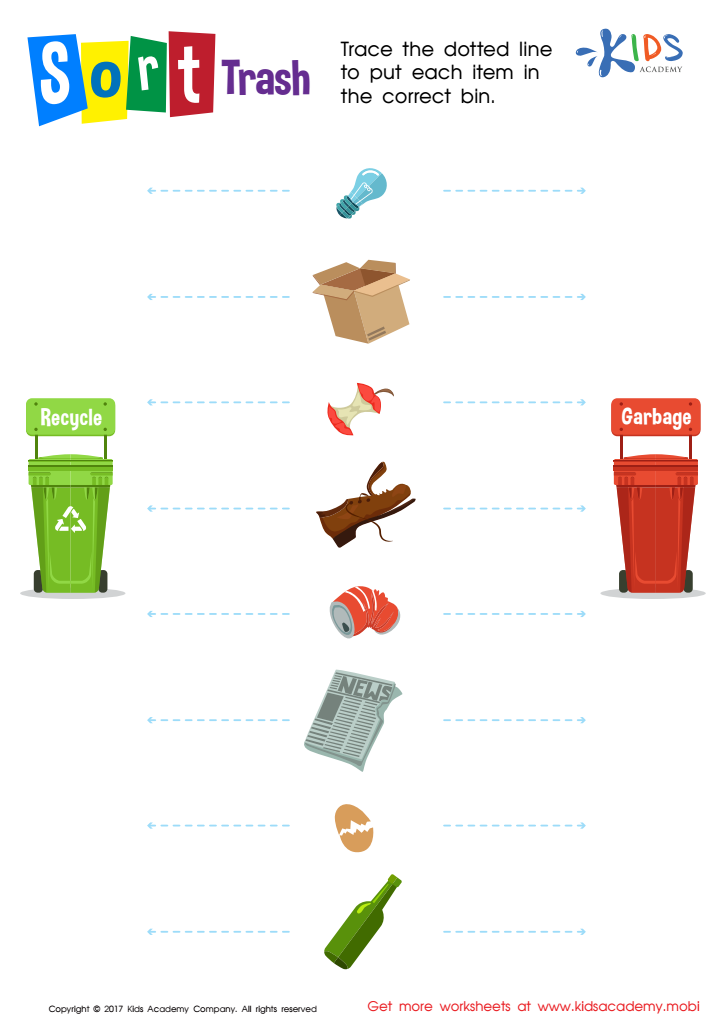
Trash Sorting Worksheet
 Assign to My Students
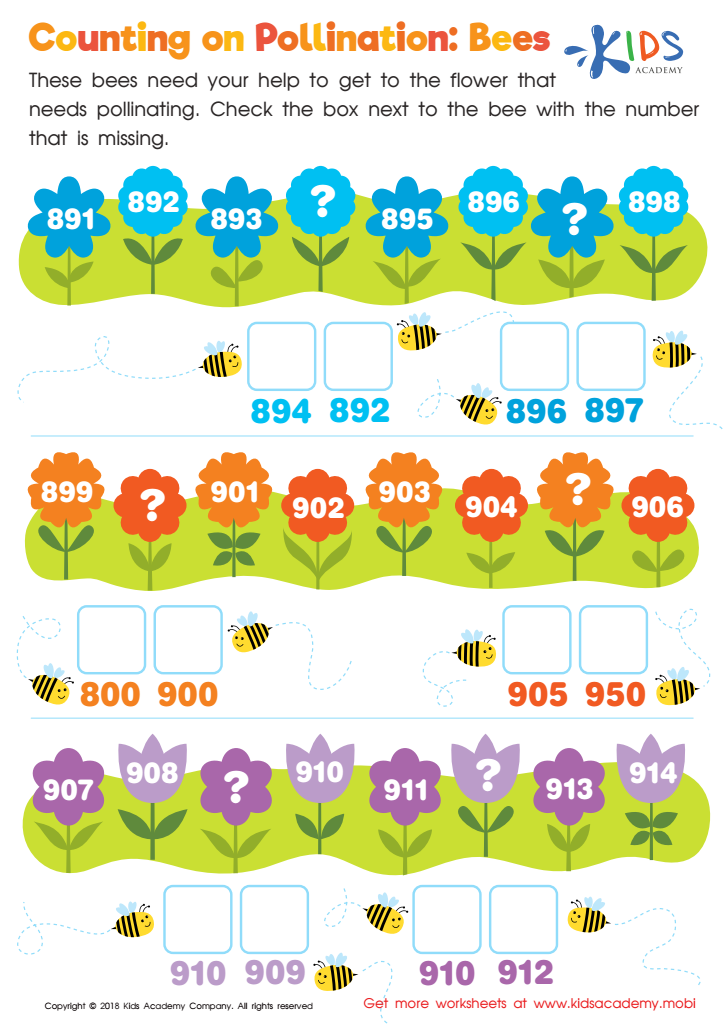
Counting on Pollination: Bees Worksheet
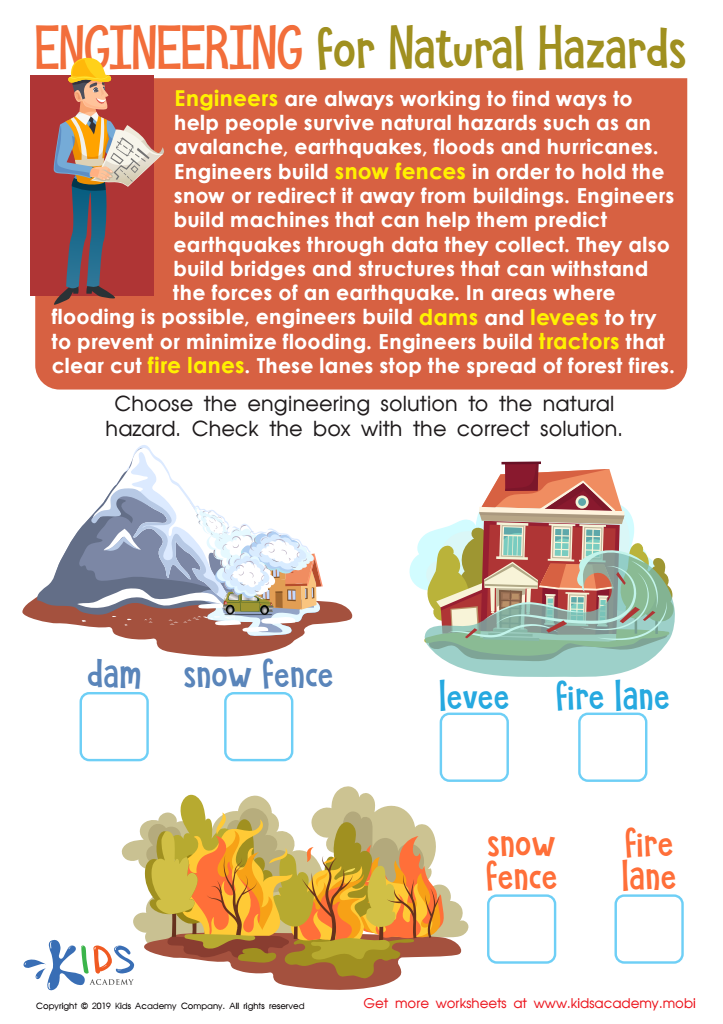
Engineering Natural Hazards Worksheet
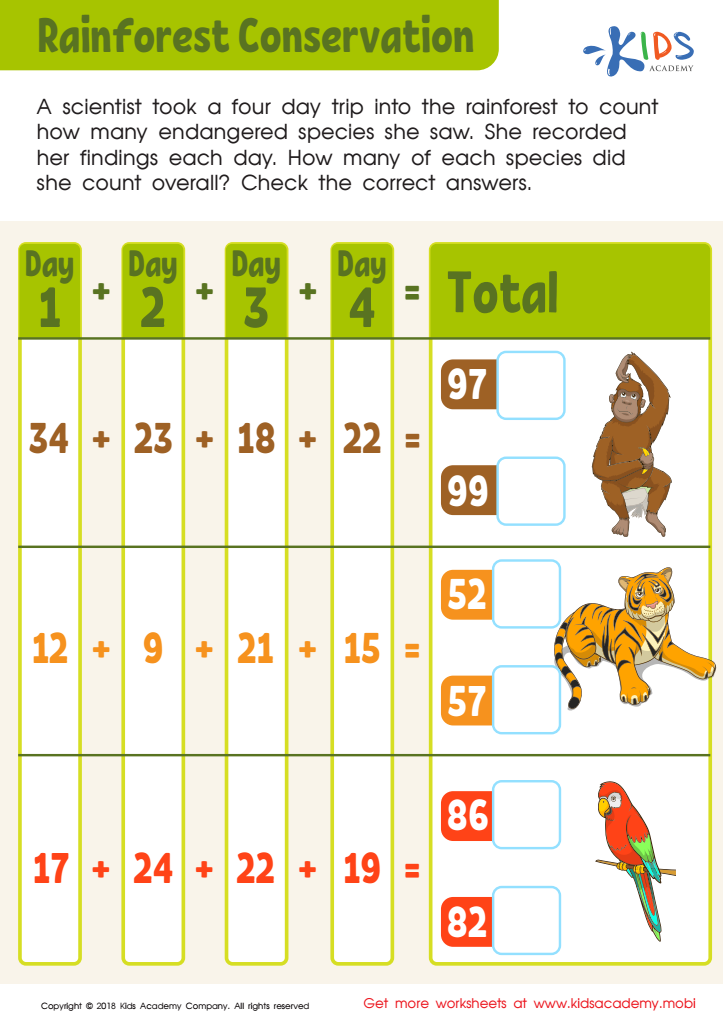
Rainforest Conservation Worksheet
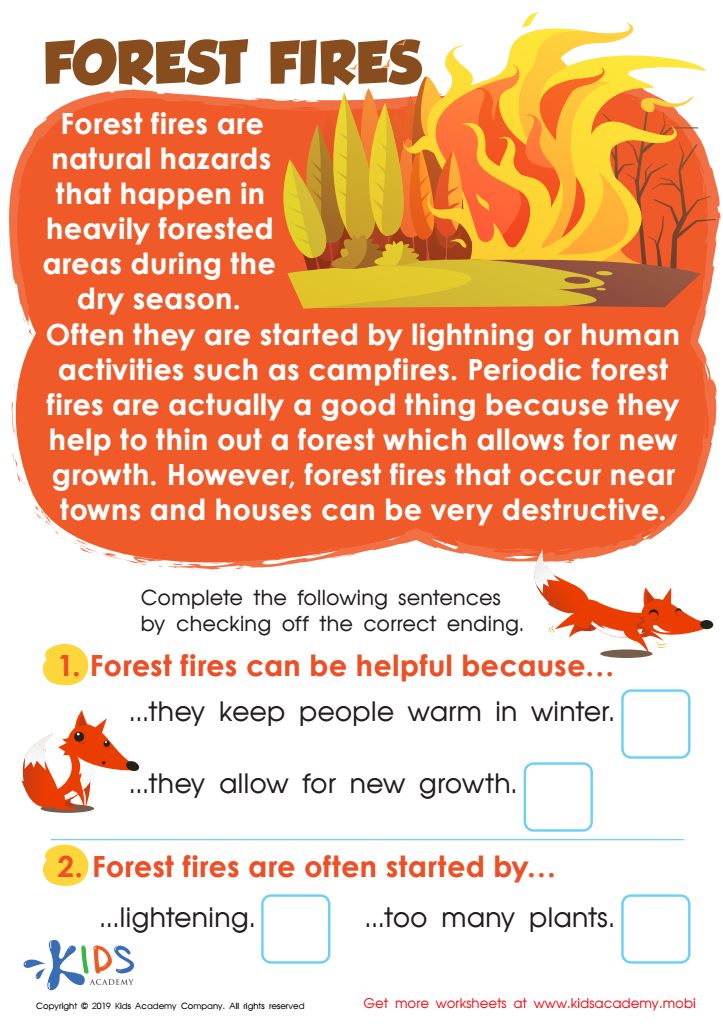
Forest Fires Worksheet
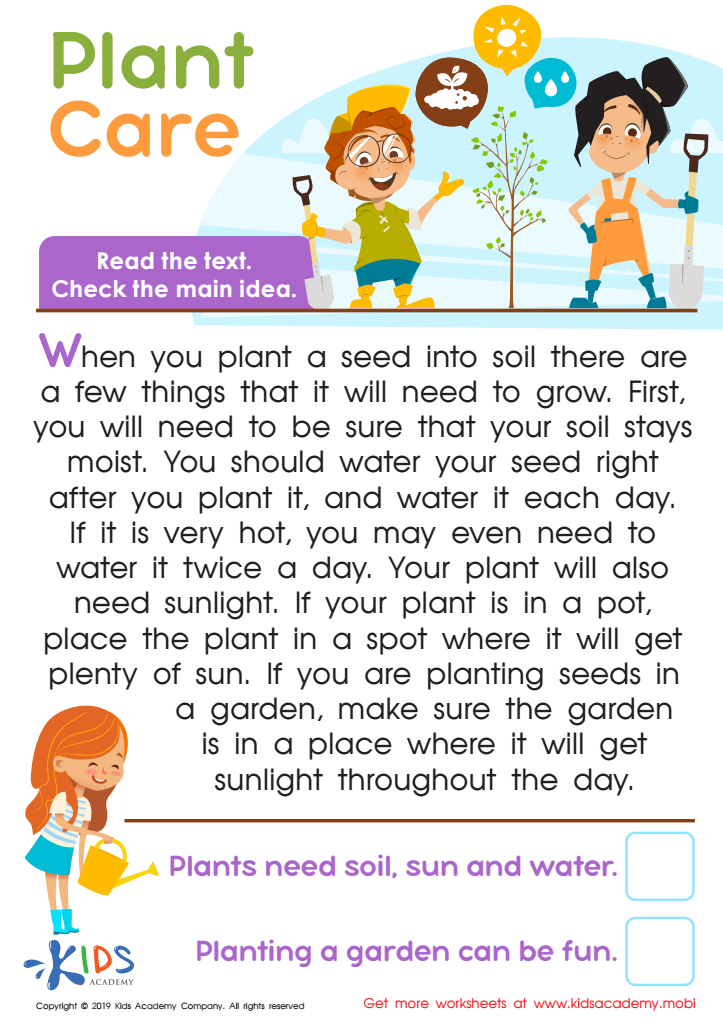
Plant Care Worksheet








Parents and teachers should prioritize environmental awareness science for children aged 8-9 because it lays the foundational understanding of our planet and the crucial role each individual plays in its health. At this age, children are naturally curious and receptive to new ideas; instilling eco-friendly values can foster responsible behavior that lasts a lifetime.
By engaging in environmental science, kids learn about ecosystems, biodiversity, and the impact of human activities on the environment. This knowledge encourages critical thinking and problem-solving skills as they investigate real-world challenges, such as pollution and climate change. Moreover, children begin to understand the interconnections within nature, empowering them to appreciate the beauty of the ecosystem and their capacity to affect it positively.
Teaching environmental awareness also promotes a sense of stewardship. Kids learn not only the importance of conserving resources, reducing waste, and protecting wildlife, but they also feel inspired to take action, whether through school projects or community initiatives. Ultimately, fostering these values early on equips the next generation with the tools needed for sustainable living, ensuring a healthier planet for future generations. By prioritizing environmental education, we invest in a more conscious, caring, and proactive society.







