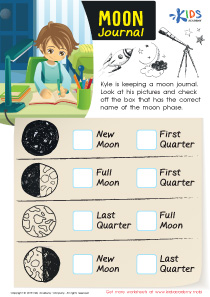
Reading comprehension Life Science Worksheets for Ages 8-9
6 filtered results
-
From - To
Boost your child's understanding of life sciences with our curated collection of Reading Comprehension Life Science Worksheets, tailored for ages 8-9. These engaging worksheets, designed by educational experts at Kids Academy, incorporate enchanting stories and fascinating facts, encouraging young learners to develop reading proficiency and scientific knowledge simultaneously. Topics cover various aspects of biology, ecology, and the environment, ensuring a comprehensive educational experience. Ideal for both classroom and home learning, our worksheets promote critical thinking and retention, equipping children with essential skills for academic success in an interactive and fun manner.
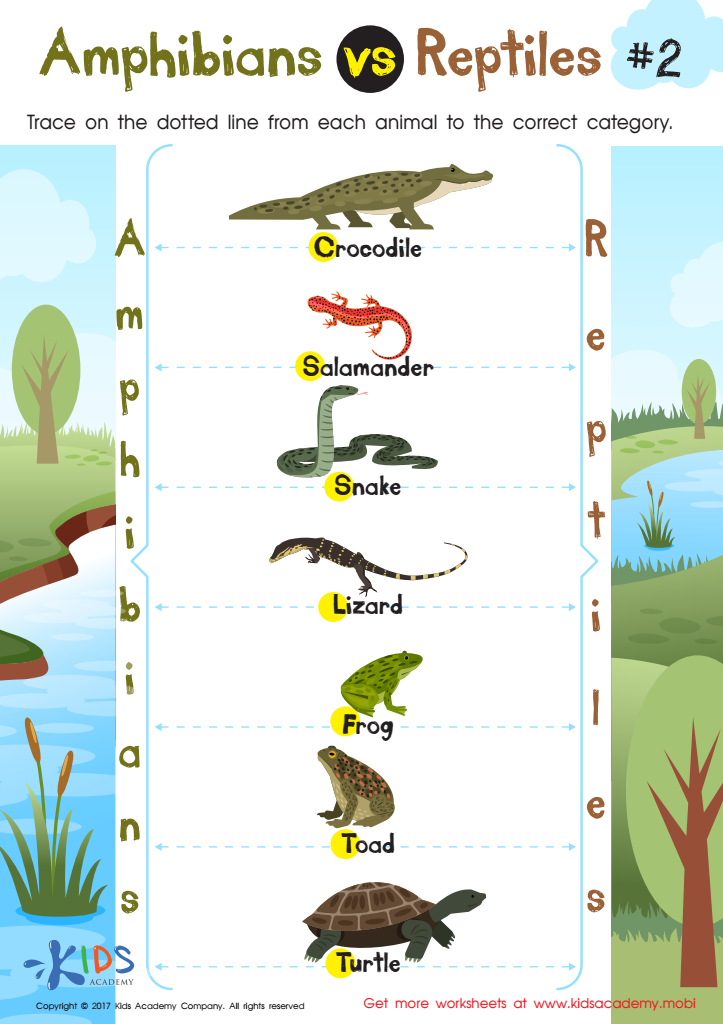
Amphibians vs Reptiles Worksheet for 3rd Grade
 Assign to My Students
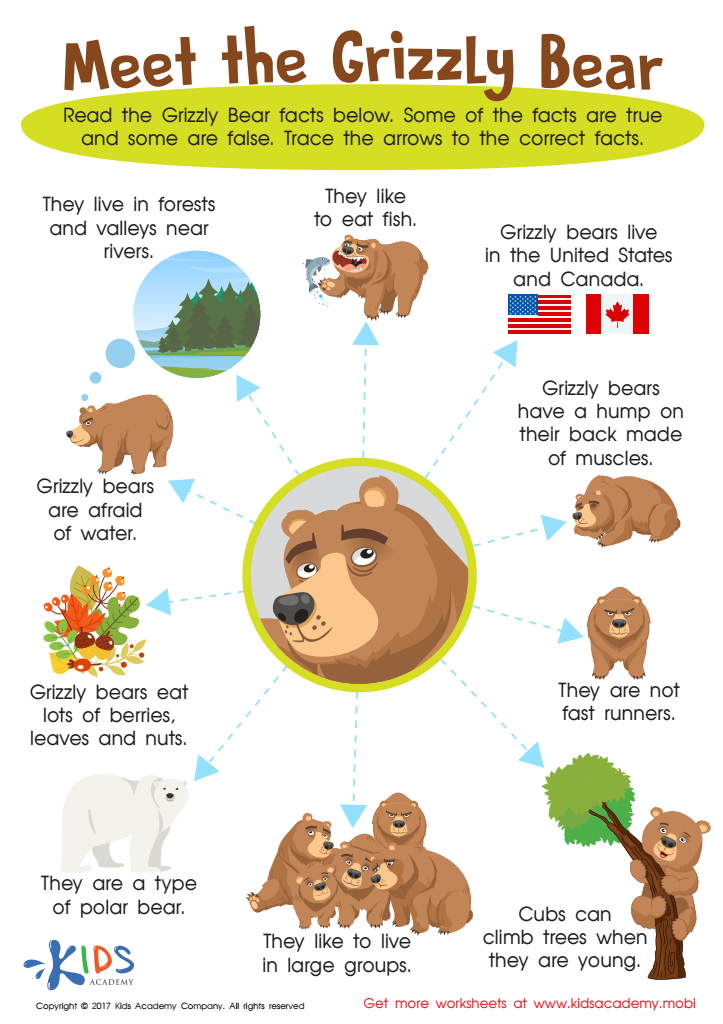
Grizzly Bear Facts Worksheet
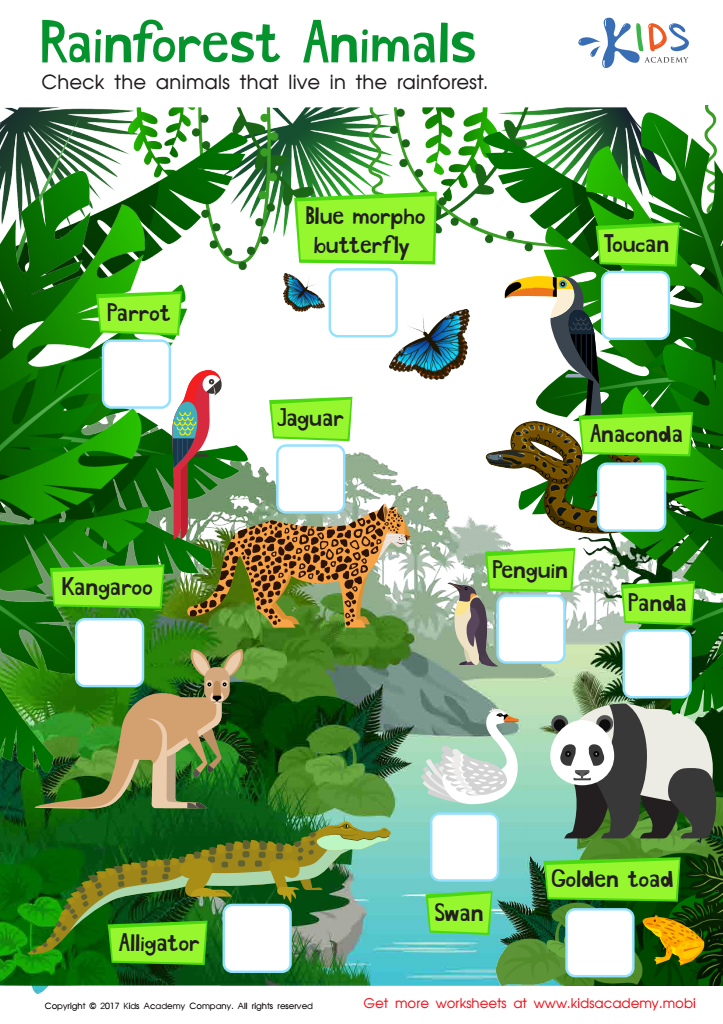
Rainforest Animals Worksheet
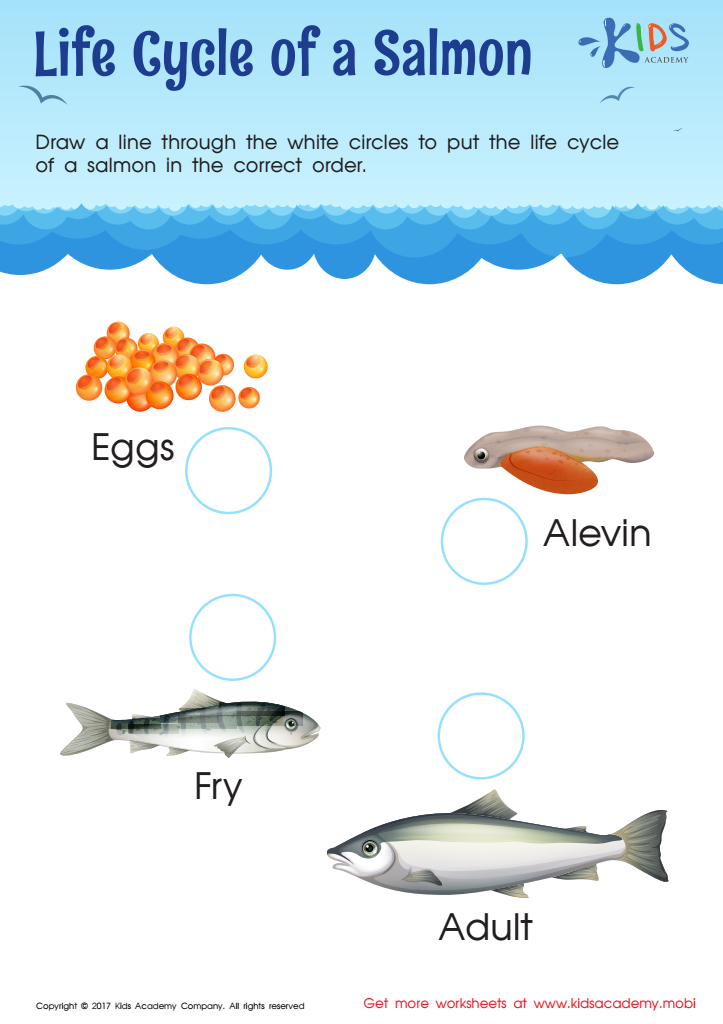
Cycle Of Salmon Worksheet
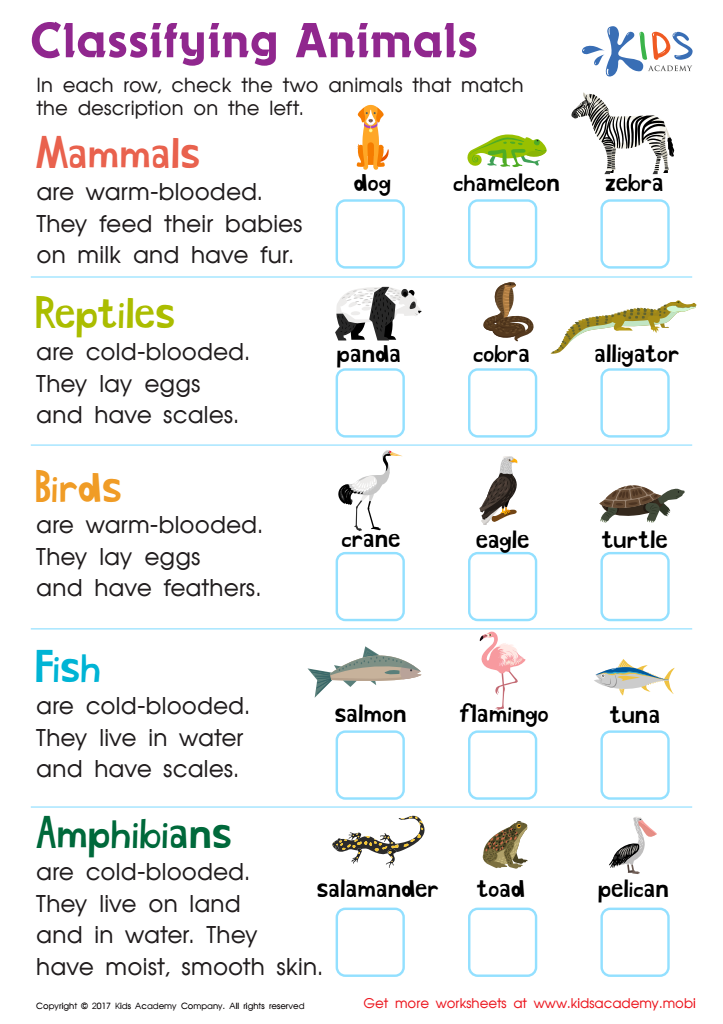
Classifying Animals Worksheet
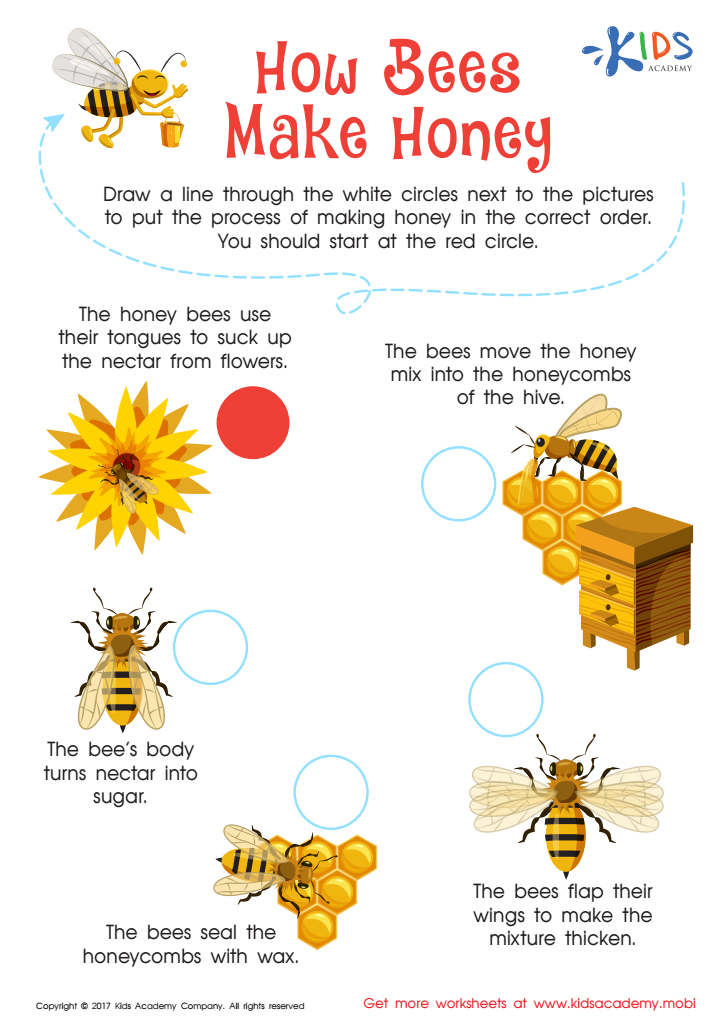
Honey Bee Worksheet








Reading comprehension in life sciences is crucial for children aged 8-9, as it forms the foundation for both their academic and personal development. First and foremost, good reading skills in this subject help children understand the natural world, including plants, animals, ecosystems, and human biology. This early exposure can spark curiosity and foster a lifelong interest in science, which is essential in a world increasingly driven by scientific and technological advancements.
Moreover, reading life science materials enhances critical thinking skills. When children comprehend complex texts, they learn to identify main ideas, make inferences, and draw conclusions. These skills are transferable across all subjects and are vital for overall academic success.
Parents and teachers should also recognize the role of reading comprehension in building strong communication skills. When children can articulate scientific concepts effectively, they become more confident in expressing their thoughts and ideas.
Additionally, an early understanding of life science promotes environmental awareness and responsibility. Understanding topics like ecosystems and wildlife conservation can encourage children to adopt sustainable behaviors and respect nature.
Finally, these skills help bridge gaps for future advanced learning, making transitions to more complicated topics smoother.
By investing in reading comprehension in life sciences, parents and teachers are nurturing well-rounded, knowledgeable, and thoughtful individuals.