Understanding life cycles Life Science Worksheets for Ages 8-9
3 filtered results
-
From - To
Explore the fascinating world of life cycles with our engaging Life Science Worksheets designed for children ages 8-9. Perfect for young learners, these worksheets introduce key concepts such as the stages of development, growth patterns, and the interconnections between living organisms. Through a variety of activities, including diagrams, fill-in-the-blanks, and thought-provoking questions, students will gain a solid understanding of how different life forms thrive, adapt, and evolve. Our resources not only enhance scientific knowledge but also foster critical thinking and observation skills. Dive into the wonders of nature and provide your students with the tools they need to understand life cycles effectively!
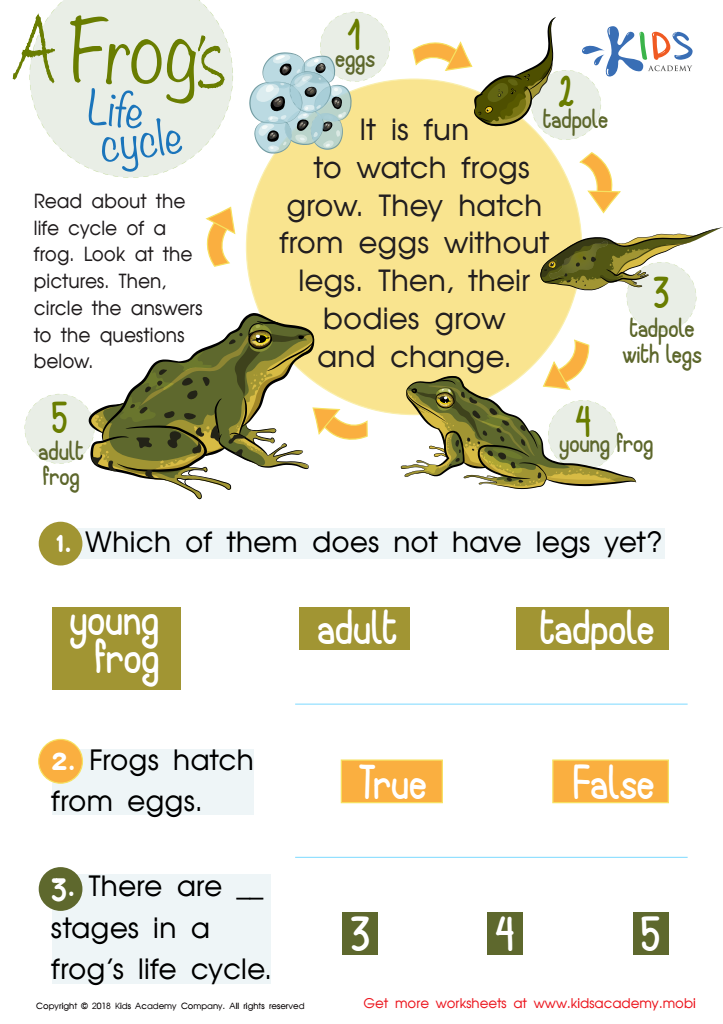
A Frog’s Life Cycle Worksheet
 Assign to My Students
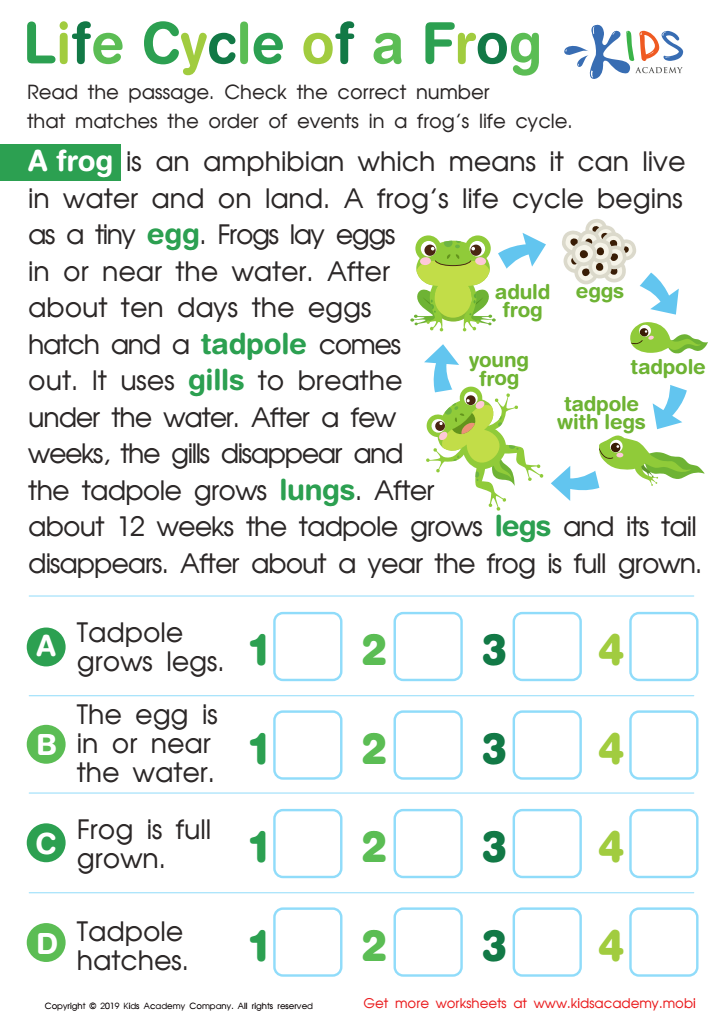
Life Cycle of a Frog Worksheet
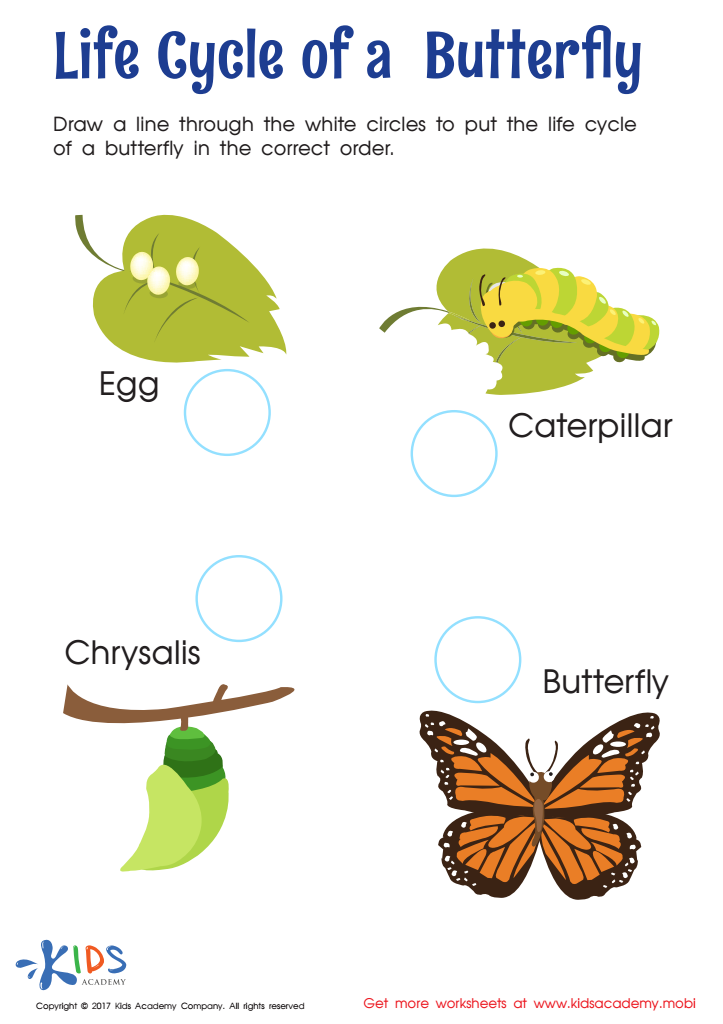
Life Cycle of Butterfly Worksheet





Understanding life cycles is crucial for children ages 8-9, as it lays the foundation for their scientific literacy and appreciation of the natural world. At this developmental stage, children are naturally curious about how living organisms grow, reproduce, and adapt to their environments. Learning about life cycles helps them grasp essential biological concepts, such as the interconnectedness of ecosystems and the role of different species within those systems.
Parents and teachers should care about this subject because it fosters critical thinking and observation skills. As children explore life cycles—from plants to insects to animals—they learn to ask questions, seek evidence, and draw conclusions about the world around them. This aligns with broader educational goals, emphasizing inquiry-based learning.
Additionally, understanding life cycles promotes empathy and awareness of environmental issues. As children learn about the challenges faced by different species, they develop a sense of responsibility towards nature and an understanding of conservation.
Ultimately, teaching life cycles not only enhances knowledge in life science but also builds fundamental life skills. Engaged children are better equipped to make informed decisions, respect biodiversity, and take an active part in their communities and the world.