Understanding ecosystems Our Planet and Environment Worksheets for Ages 8-9
3 filtered results
-
From - To
Explore the wonders of nature with our "Understanding Ecosystems" worksheets, specially designed for ages 8-9. These engaging resources help young learners grasp the various components of ecosystems, including habitats, food chains, and the interconnections between organisms and their environments. Through fun activities and illustrations, children develop critical thinking skills as they discover the importance of biodiversity and nature conservation. Perfect for classroom or home use, our worksheets foster a love for science while ensuring an interactive learning experience. Dive into the fascinating world of ecosystems and inspire your students to appreciate and protect our planet and environment every day!
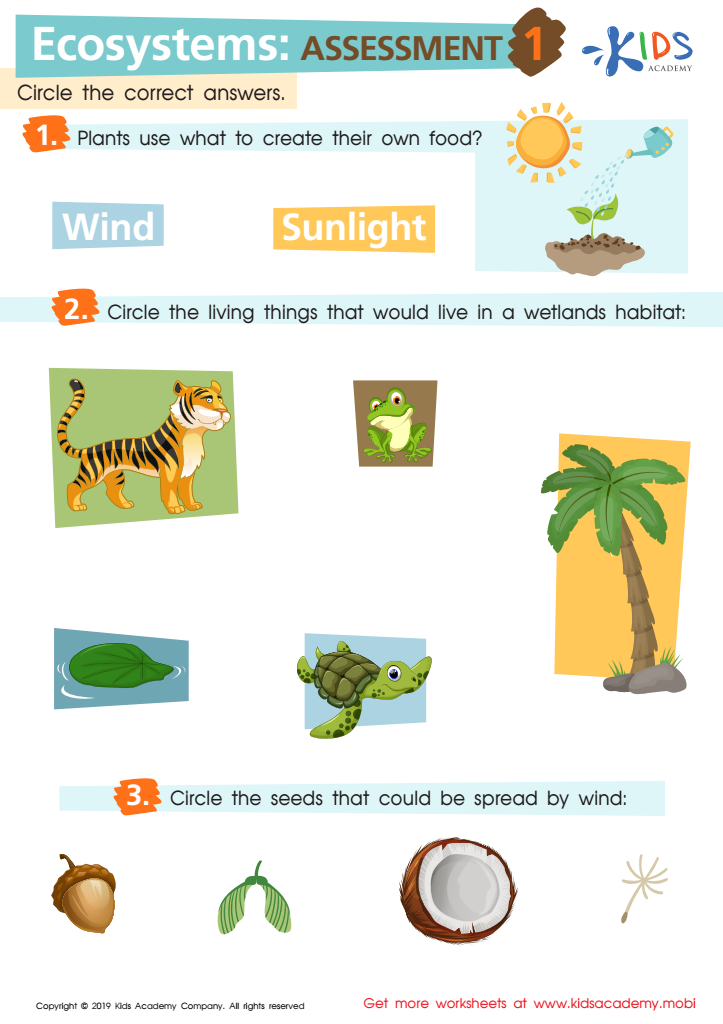
Ecosystems: Assessment 1 Worksheet
 Assign to My Students
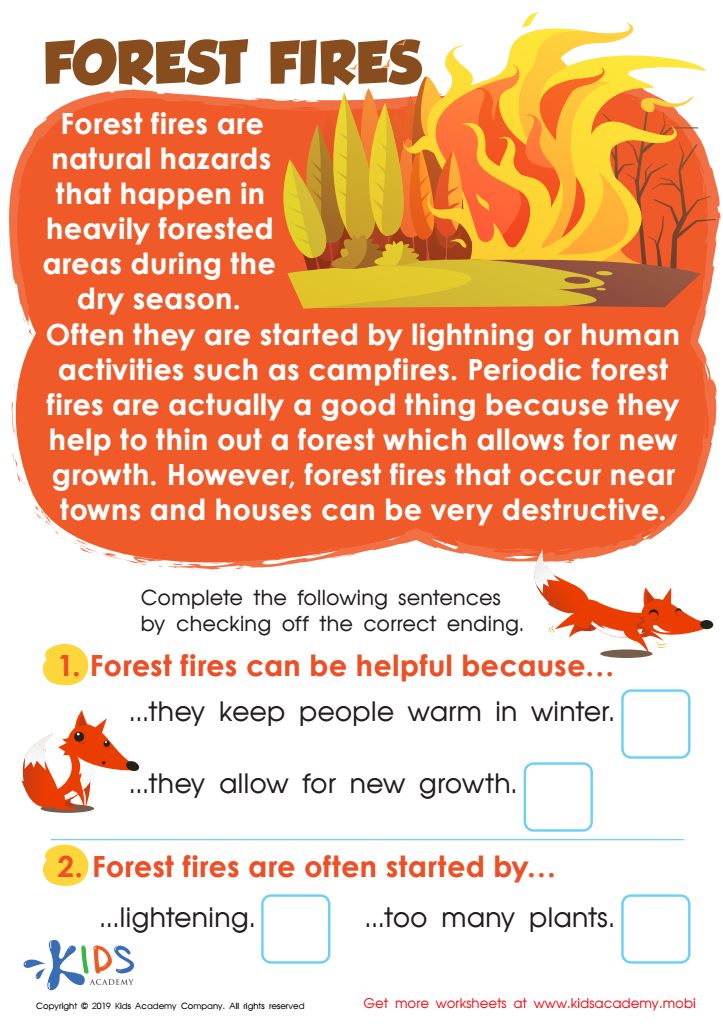
Forest Fires Worksheet
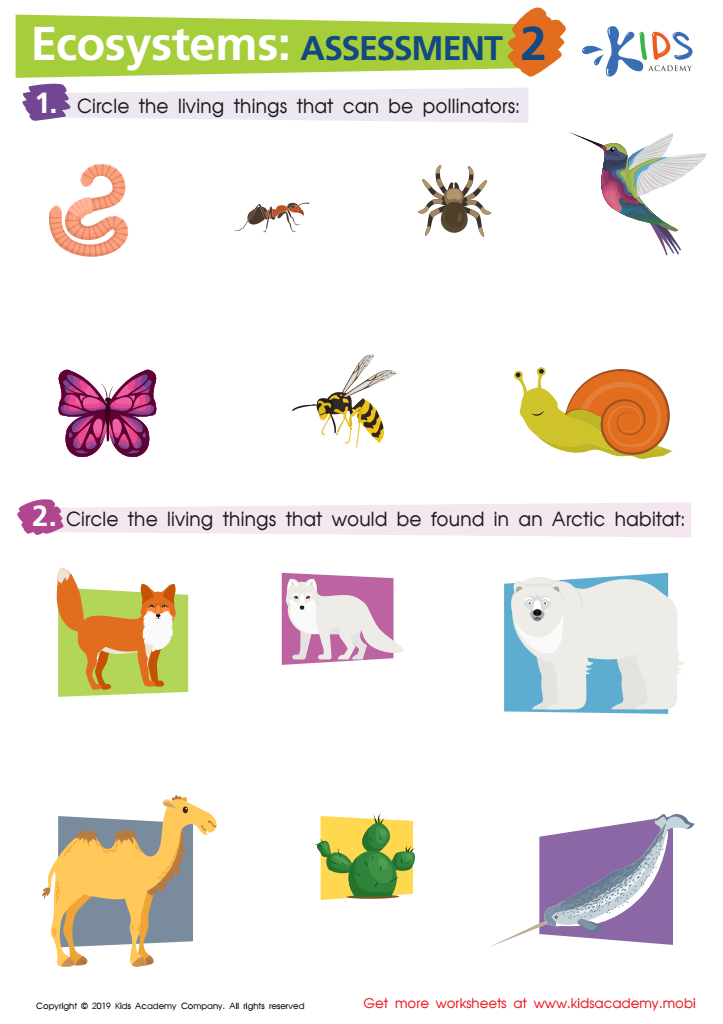
Ecosystems: Assessment 2 Worksheet





Understanding ecosystems and our planet is crucial for children aged 8-9 as it lays the foundation for their appreciation of nature and environmental stewardship. At this age, children are naturally curious and eager to explore the world around them. Educating them about ecosystems engages this curiosity, helping them grasp the interconnectedness of living organisms and their environments. This understanding fosters a sense of responsibility toward nature and promotes sustainable behaviors.
For parents and teachers, emphasizing the importance of ecosystems equips children with the knowledge necessary to make informed choices as future citizens. It cultivates critical thinking skills as they learn about topics like food webs, biodiversity, and the impact of human activity on the environment. Additionally, grasping these concepts encourages empathy towards wildlife and instills the idea that every action has consequences on the earth.
Moreover, integrating lessons about ecosystems fosters collaboration and creativity as children participate in projects like gardening, recycling initiatives, or conservation efforts. By nurturing a sense of environmental awareness and action at a young age, we empower future generations to advocate for our planet and contribute to positive change, ensuring a healthier environment for all.







