Reading comprehension History Worksheets for Ages 8-9 - Page 2
34 filtered results
-
From - To
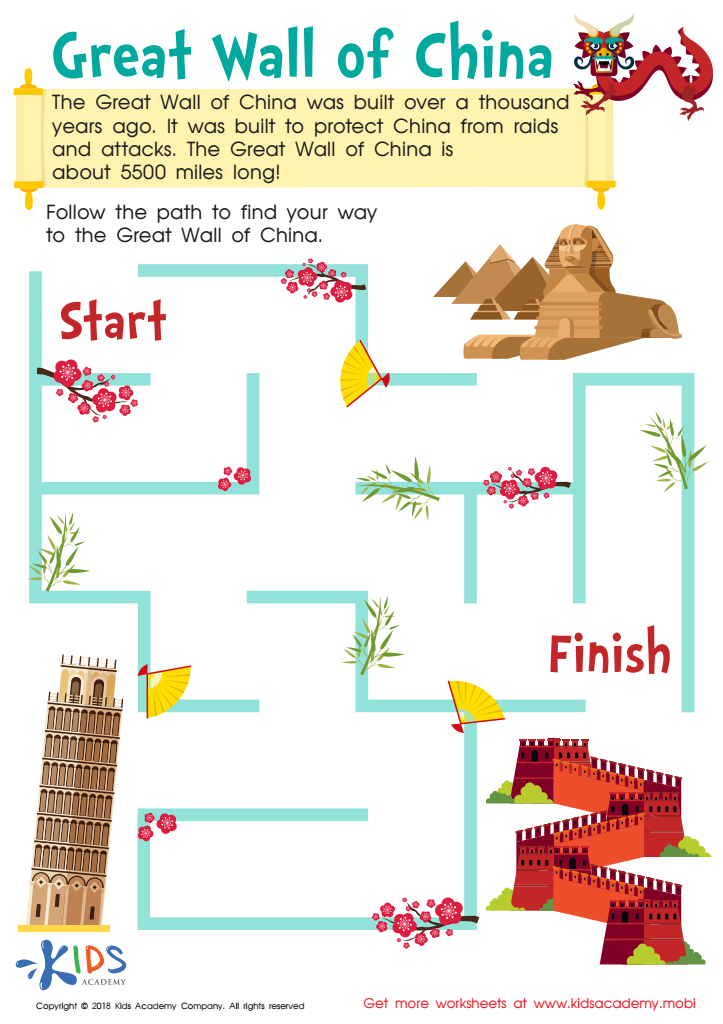
Great Wall of China Worksheet
 Assign to My Students
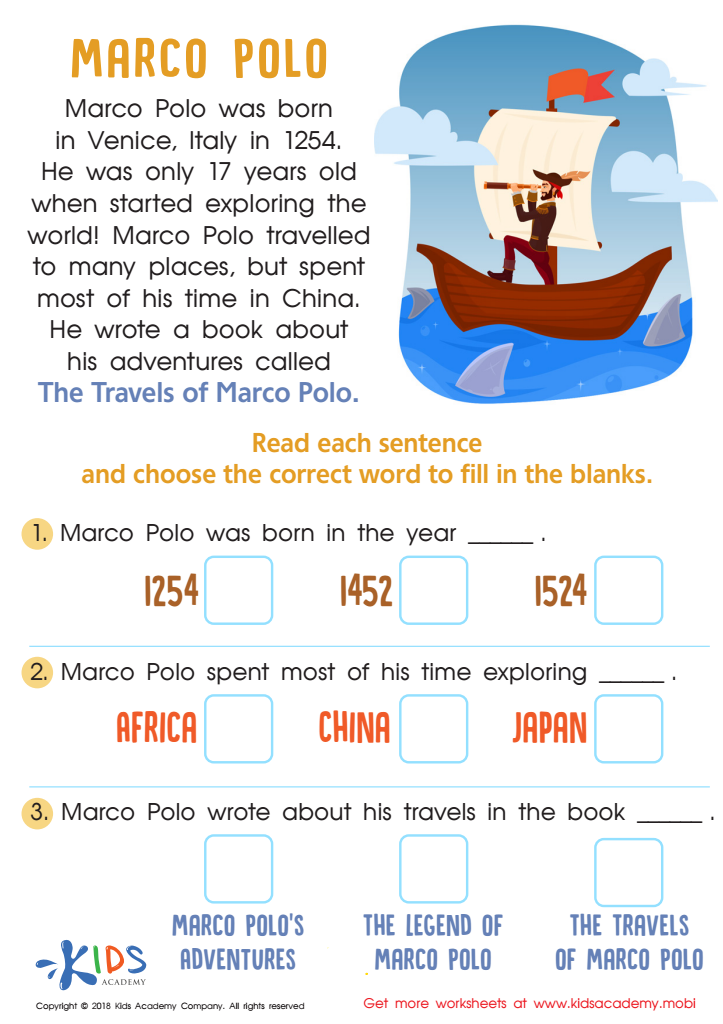
Marco Polo Worksheet
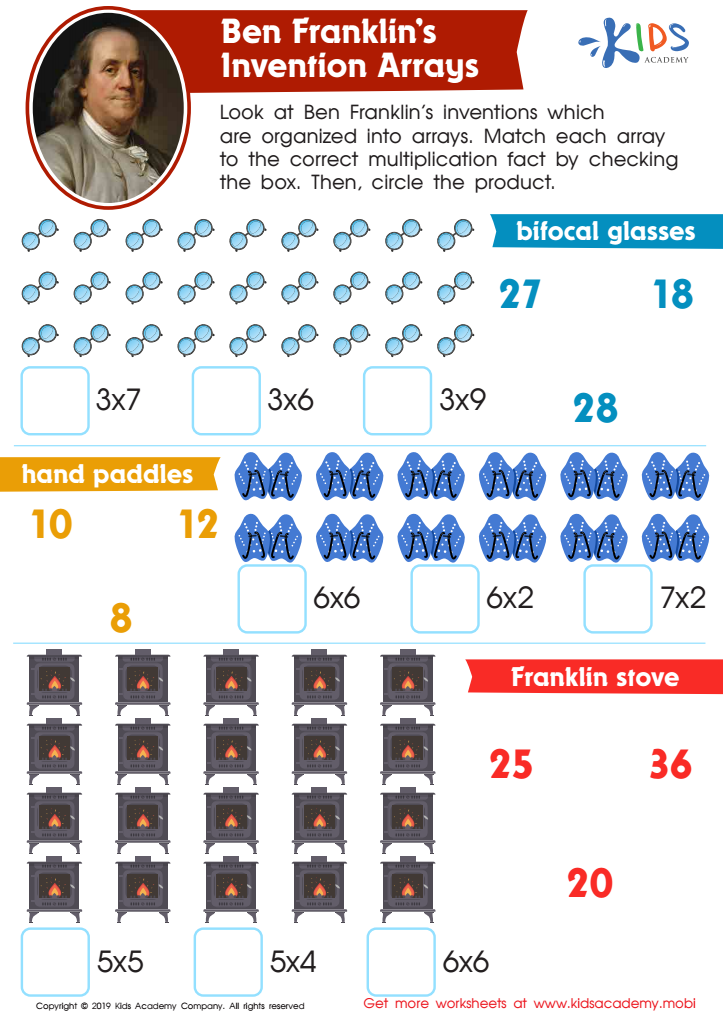
Ben Franklin’s Invention Arrays Worksheet
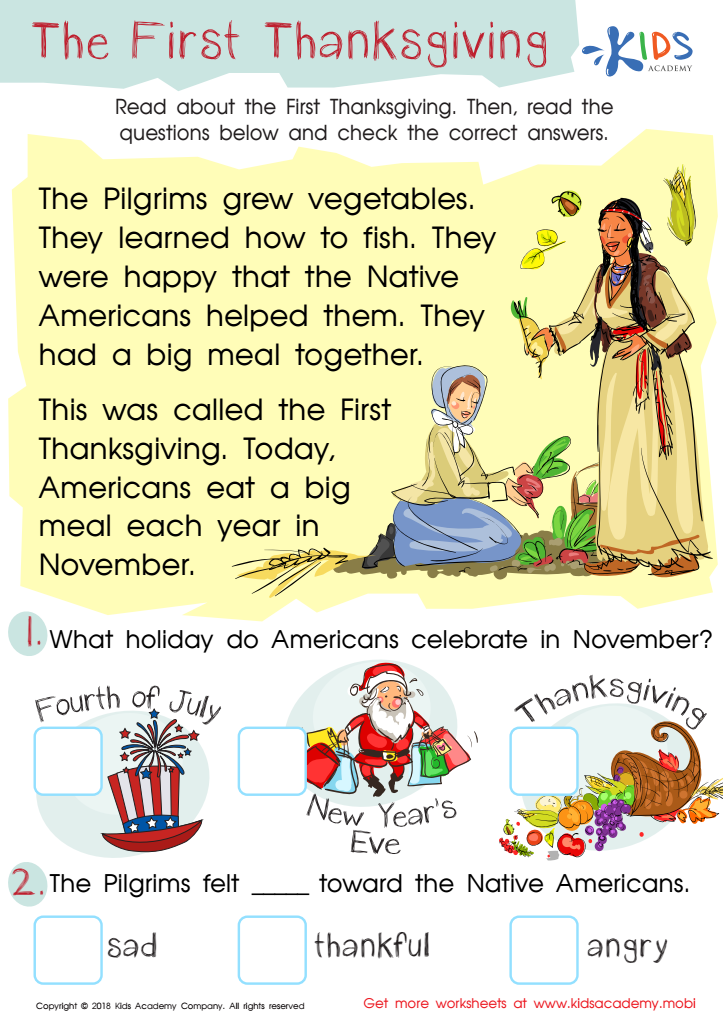
Assessment: First Thanksgiving Worksheet
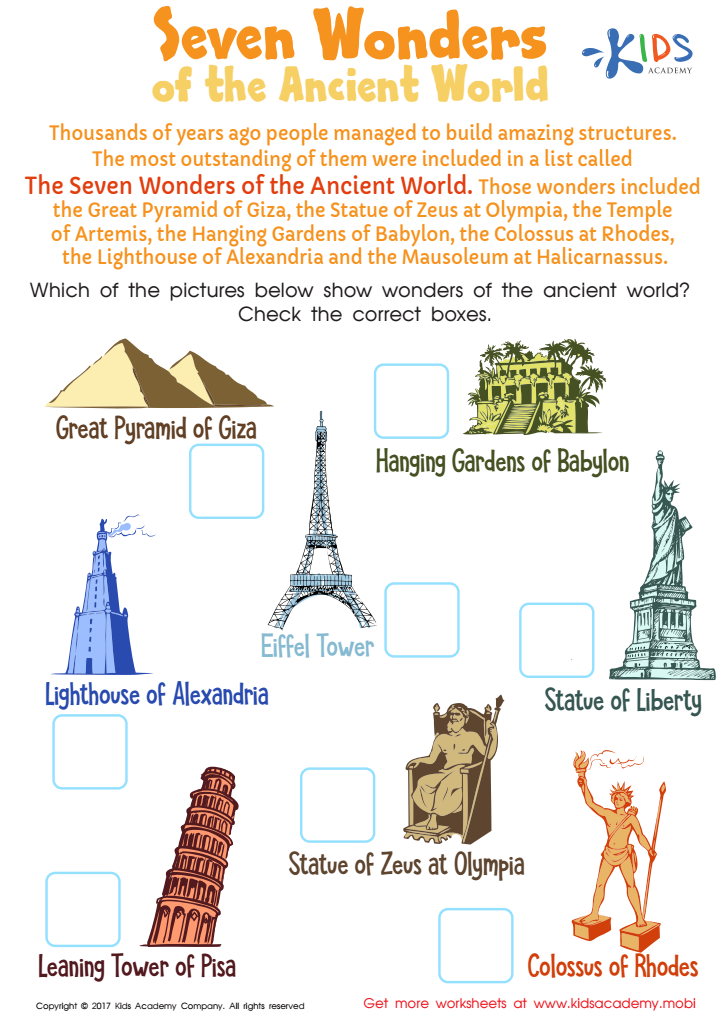
Seven Wonders of the Ancient World Worksheet
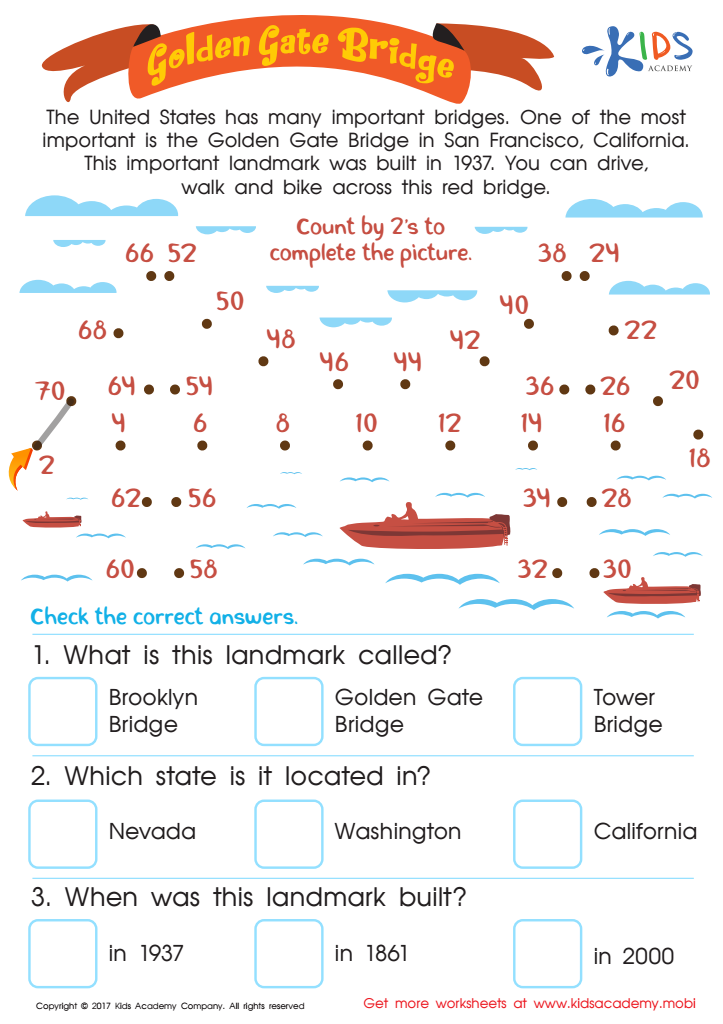
Golden Gate Bridge Worksheet
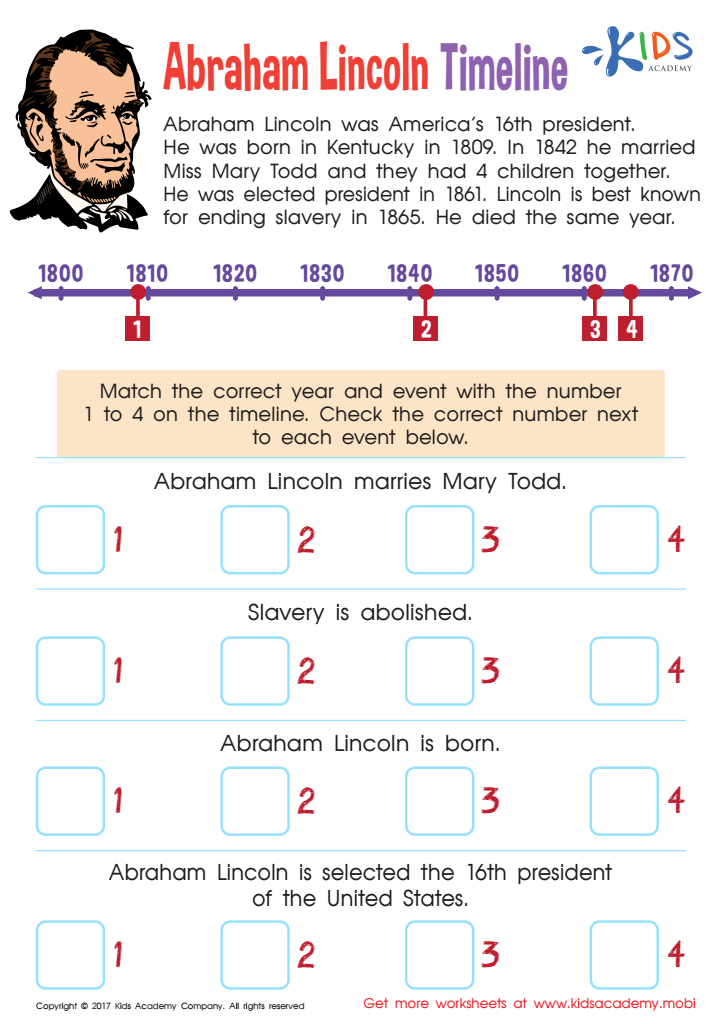
Abraham Lincoln Timeline Worksheet
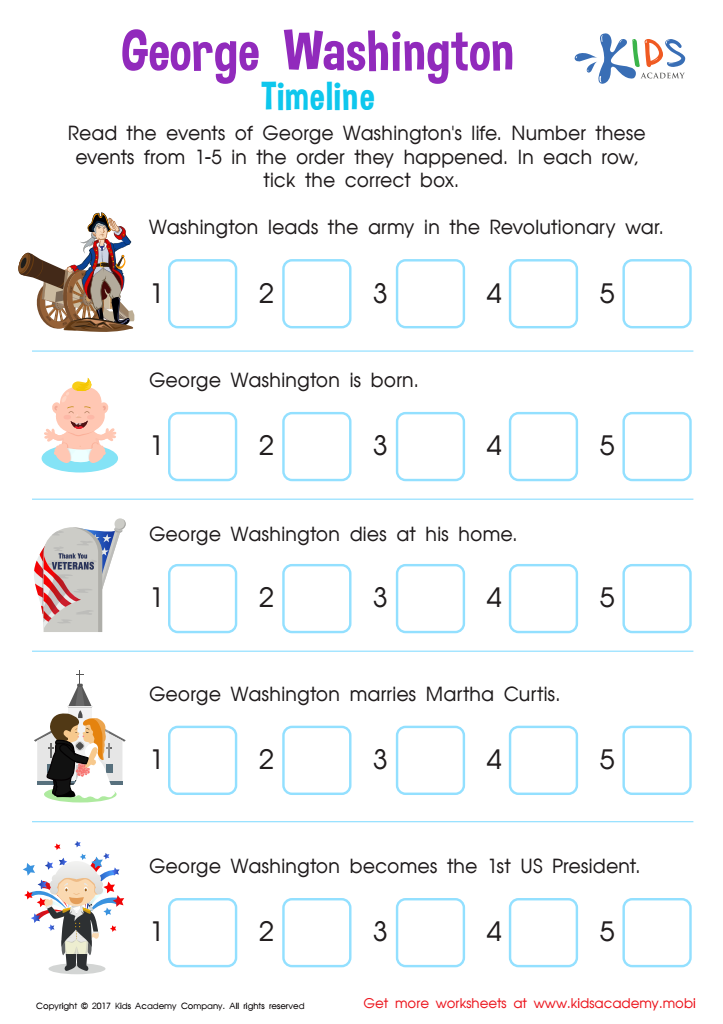
George Washington Timeline Worksheet
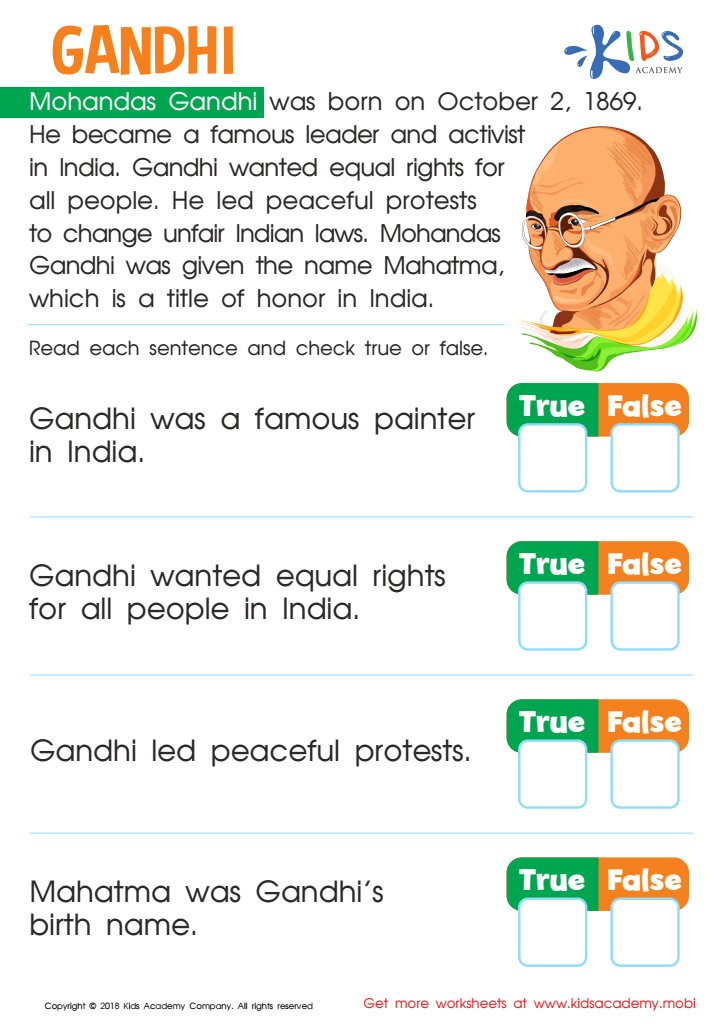
Gandhi Worksheet
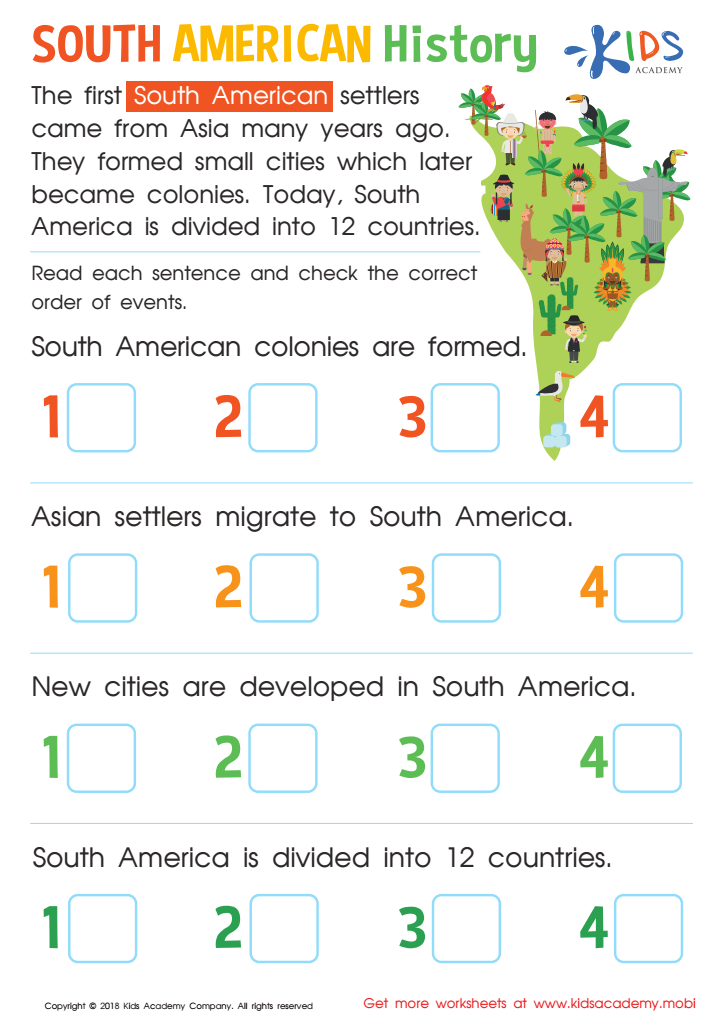
South American History Worksheet








Parents and teachers should prioritize reading comprehension in history for children aged 8-9 because it lays the foundation for critical thinking and analytical skills essential in today's world. At this age, children are developing the ability to understand not just the "what" of historical events, but also the "why," enabling them to make connections between past and present. A strong comprehension of historical texts fosters curiosity and encourages children to ask questions, promoting lifelong learning.
Additionally, effective reading comprehension helps children navigate different genres and perspectives within history, including narratives, biographies, and primary sources, nurturing empathy and cultural awareness. Understanding diverse historical contexts is crucial for promoting inclusivity and preparing children to navigate a multicultural society.
Furthermore, reading comprehension skills improve overall literacy, enhancing vocabulary and writing abilities, essential for academic success across subjects. In this technological age, where information is abundant, the ability to discern and analyze information critically is more important than ever. By focusing on reading comprehension in history, adults can help children develop an informed worldview, fostering responsible, engaged citizens who can think critically and contribute positively to society.








