Phonics Skills Vowel Diphthongs Worksheets for 8-Year-Olds
8 filtered results
-
From - To
Enhance your 8-year-old’s reading journey with our engaging Phonics Skills Vowel Diphthongs Worksheets. These carefully curated worksheets are designed to help children master vowel diphthongs, critical for building strong phonetic abilities. Our activities include fun and interactive exercises that foster a deeper understanding of vowel combinations, ensuring kids grasp challenging sounds effortlessly. Aligned with education standards, these resources support comprehensive reading development while making learning enjoyable. Perfect for both classroom and at-home practice, explore our worksheets to unlock your child's reading potential today! Boost phonics skills with Kids Academy—where learning meets fun!
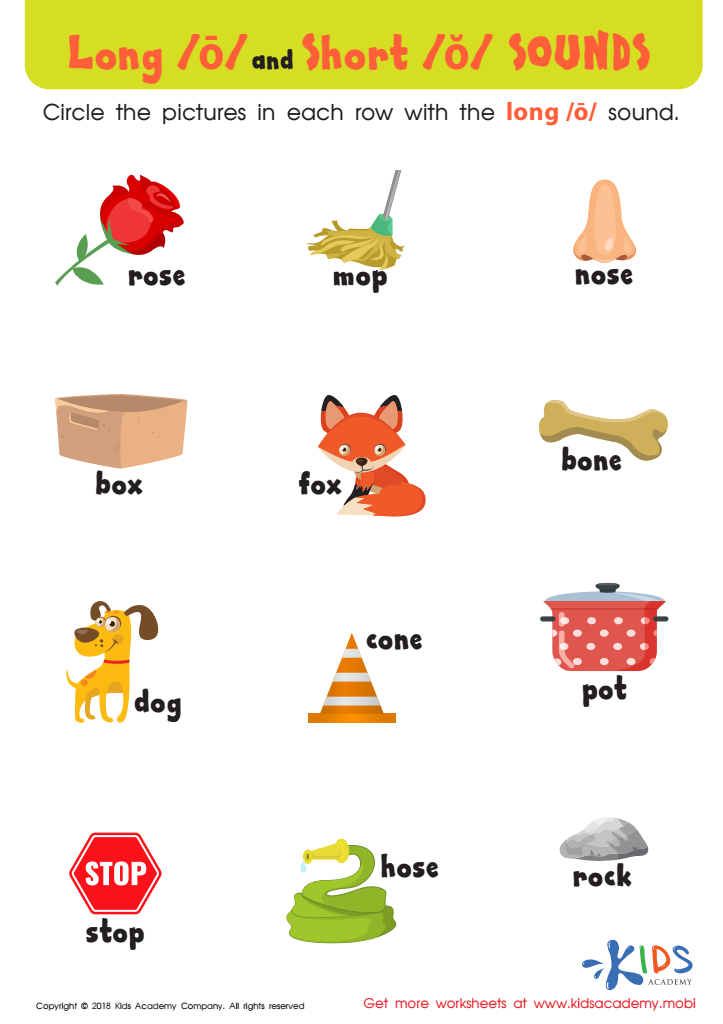
Reading: Long O and Short O Sounds Worksheet
 Assign to My Students
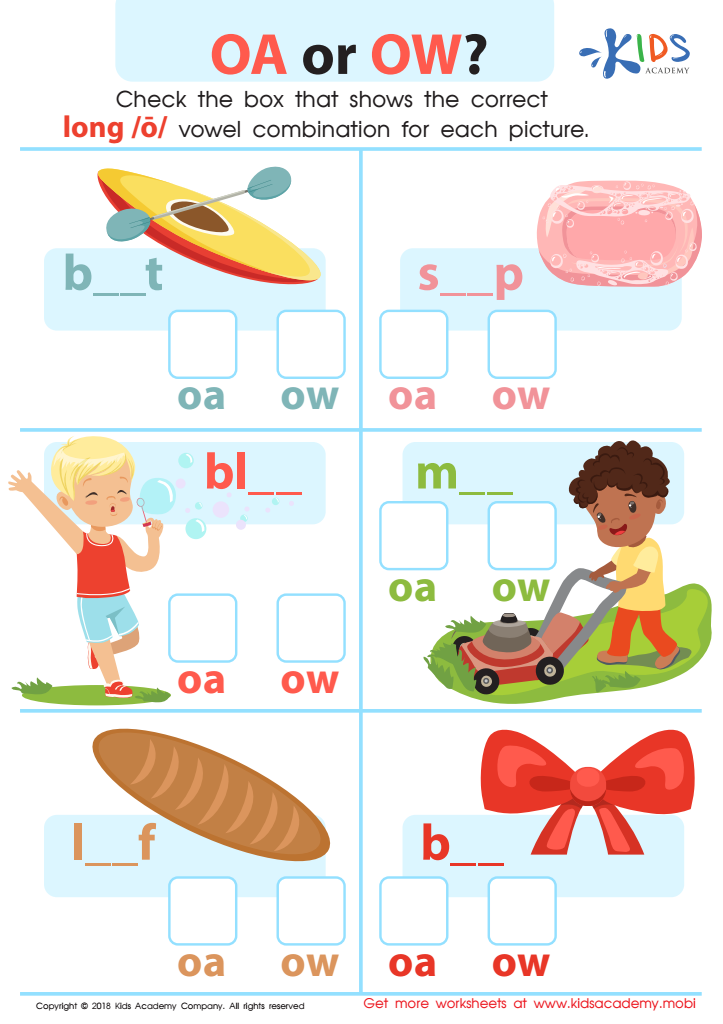
Reading: OA or OW Worksheet
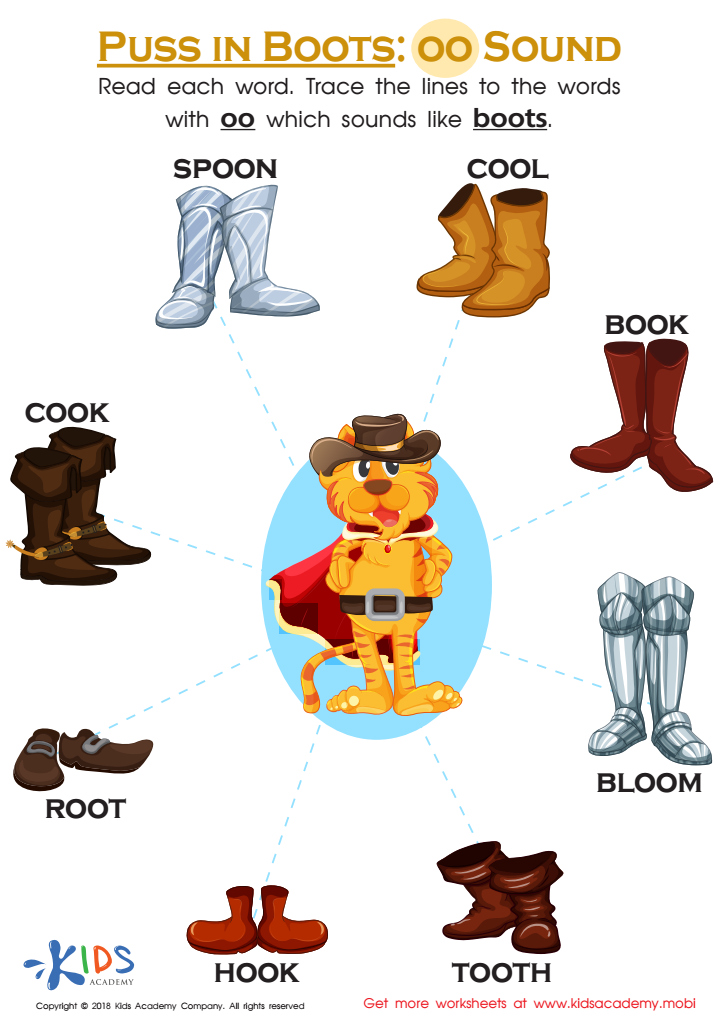
Puss in Boots: OO Sound Worksheet
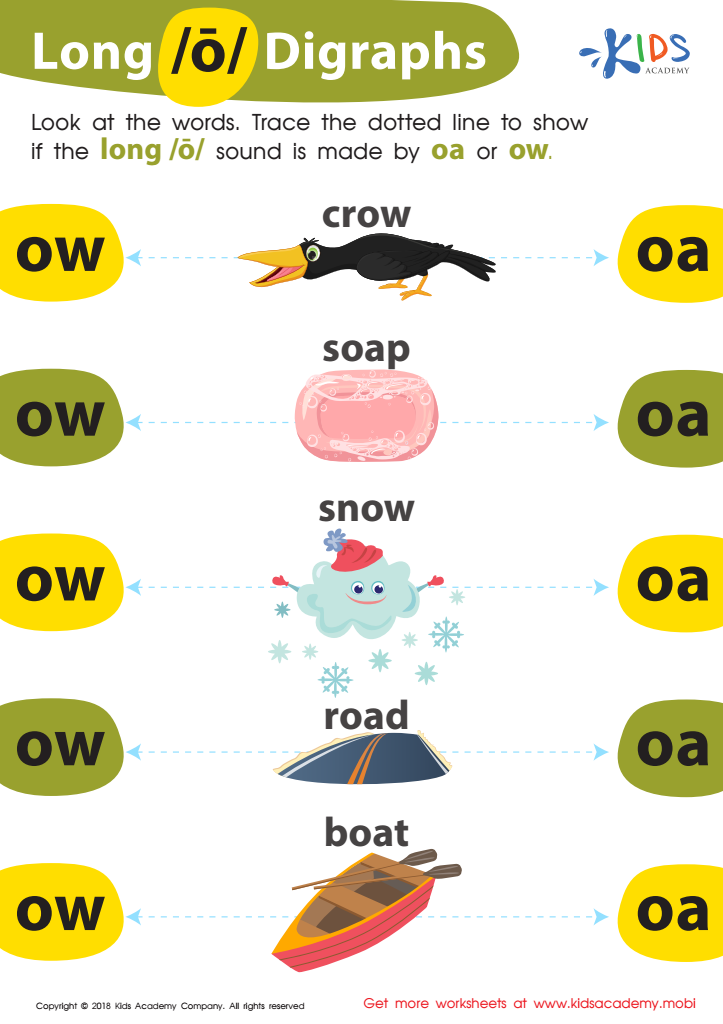
Reading: Long O Digraphs Worksheet
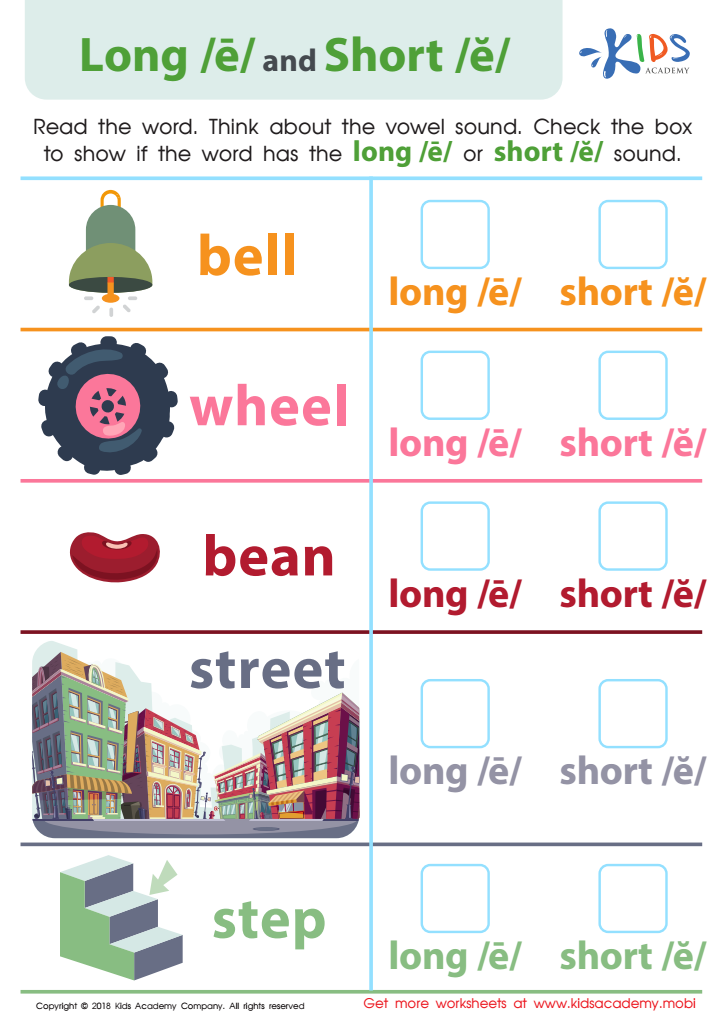
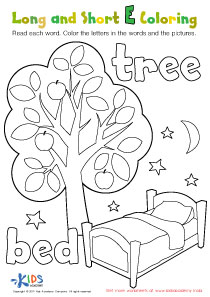
Reading: Long E and Short E Worksheet
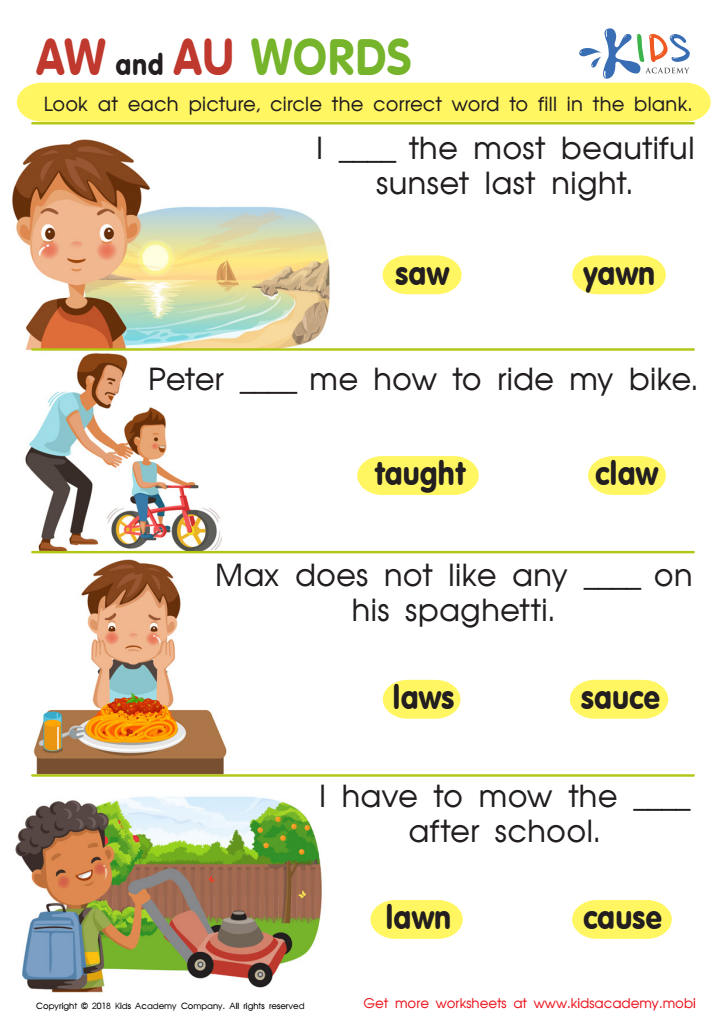
Reading: AW and AU Words Worksheet
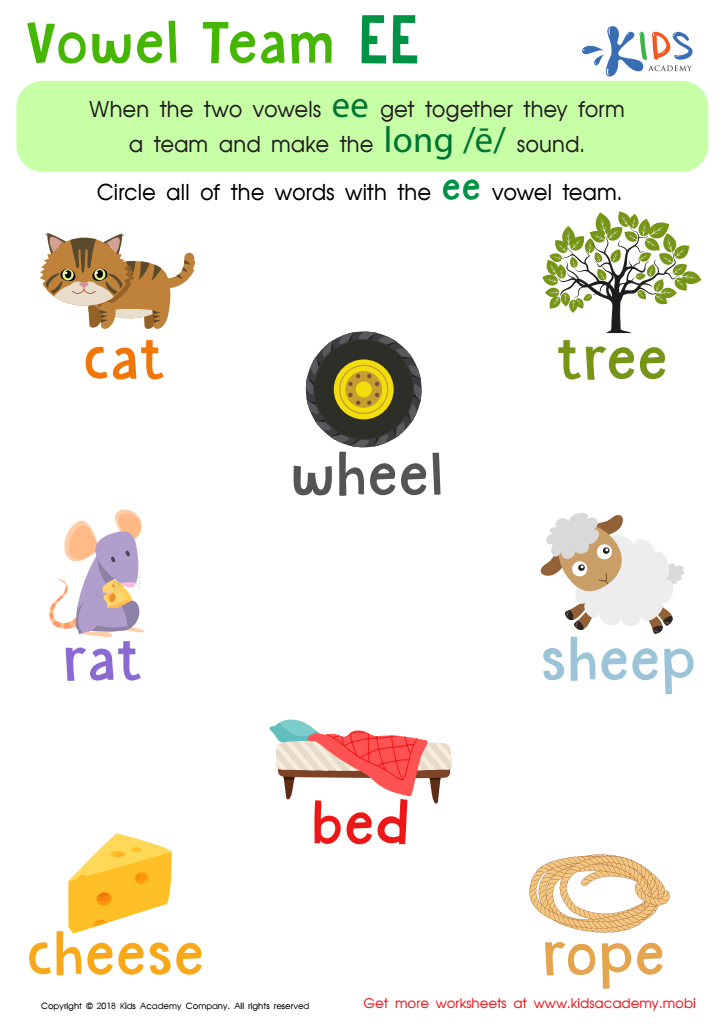
Reading: Vowel Team EE Worksheet
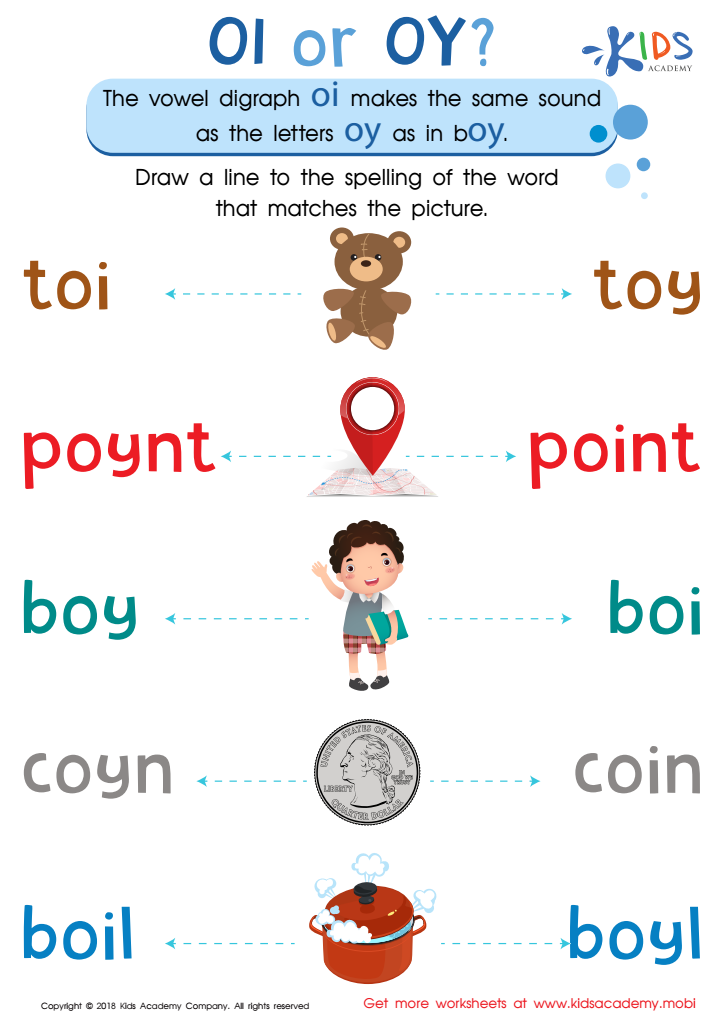
Reading: OI and OY Worksheet


Phonics skills, specifically understanding vowel diphthongs (complex vowel sounds), are crucial for 8-year-olds as they significantly influence reading proficiency and literacy development. Diphthongs involve the blending of two vowel sounds within a single syllable, like in “coin” and “owl.” Mastering these sounds enables children to decode irregular and unfamiliar words, thus enhancing their reading fluency and comprehension.
Parents and teachers should care about this because early literacy skills set the foundation for academic success and effective communication. When children grasp diphthongs, they become more confident readers, which can foster a love for reading and learning. This confidence translates into improved performance across subjects, as reading is integral to understanding content in math, science, and social studies.
Moreover, proficient phonics skills, including vowel diphthongs, are linked to better spelling and writing abilities. As children learn to recognize and use complex letter-sound relationships, they can more accurately spell words and express their thoughts through writing.
In addition to academic benefits, promoting phonics and spelling enhances self-esteem and motivation. Children who struggle with reading often feel frustrated and disengaged. Early and effective phonics instruction can mitigate these issues, creating a positive learning environment and encouraging lifelong literacy.