Color recognition English for Beginners Worksheets for 8-Year-Olds
21 filtered results
-
From - To
Introduce your 8-year-old to the vibrant world of colors with our engaging "Color Recognition English for Beginners Worksheets"! Specifically designed for beginners learning English as a second language, these worksheets make learning both fun and educational. Through a variety of activities such as coloring, matching, and identifying color names, kids effortlessly grasp color vocabulary while enhancing their language skills. Teachers and parents will appreciate the thoughtfully crafted exercises that keep young minds captivated and curious. Ideal for classroom and home use, our worksheets ultimately lead to confident color recognition and improved English proficiency. Visit Kids Academy to start coloring your way to learning today!
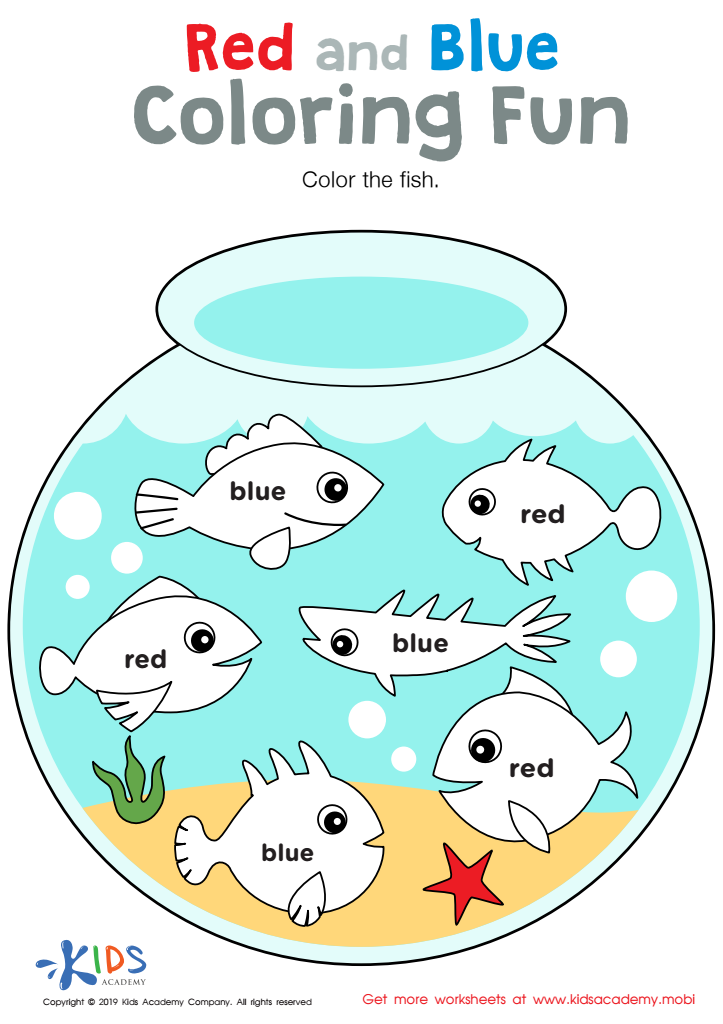
Red and Blue Coloring Fun Worksheet
 Assign to My Students
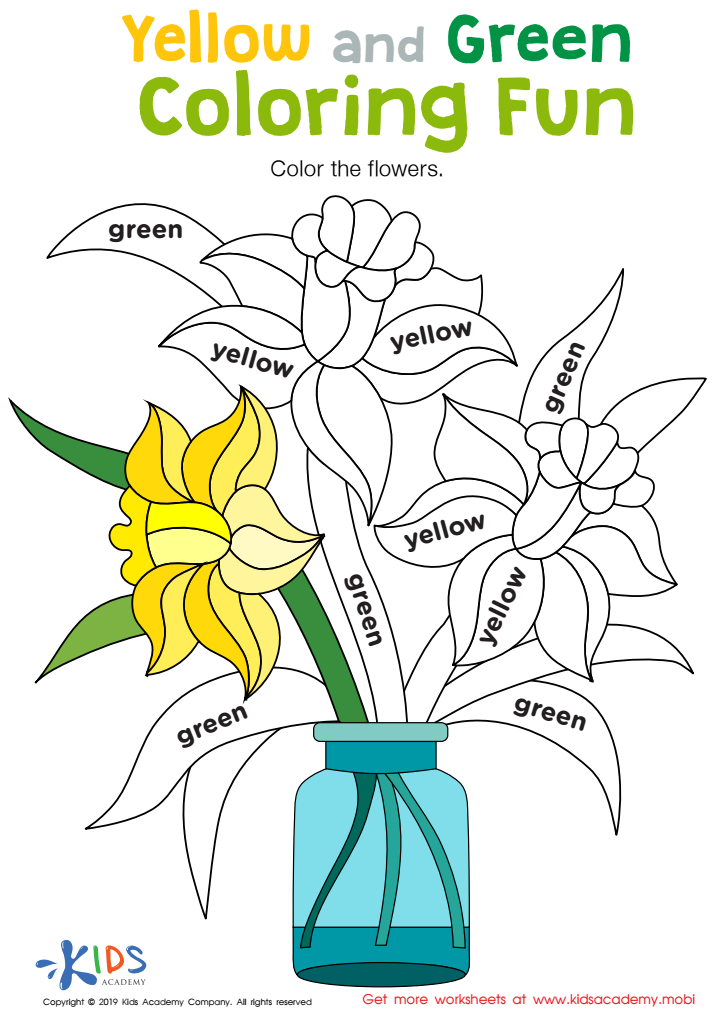
Yellow and Green Coloring Fun Worksheet
Assign to My Students
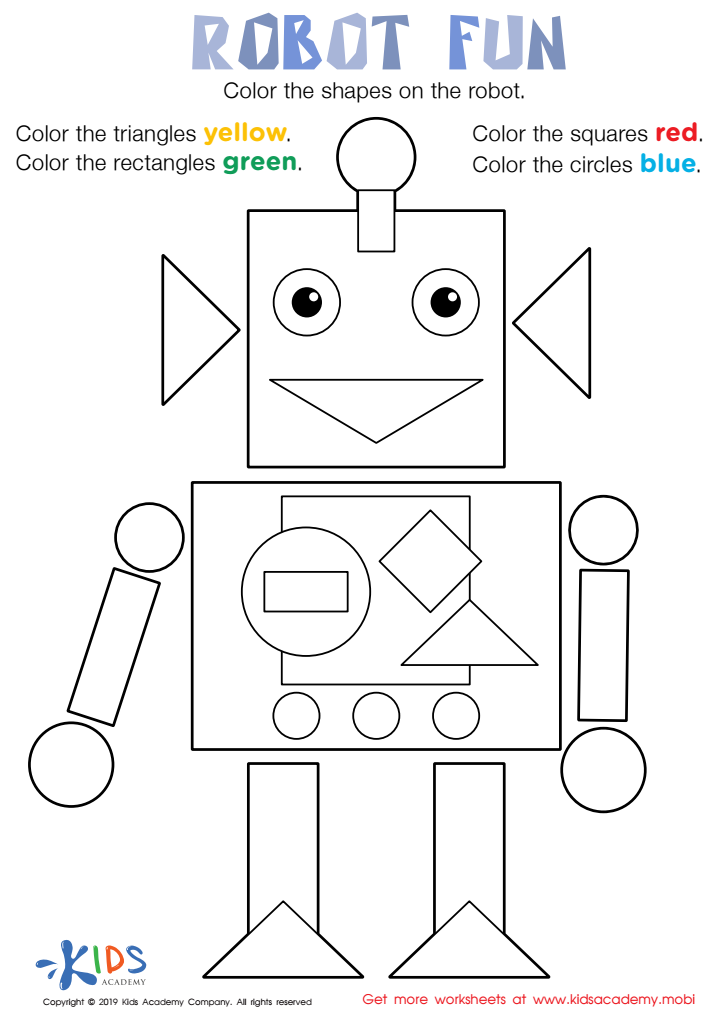
Robot Fun Worksheet
Assign to My Students
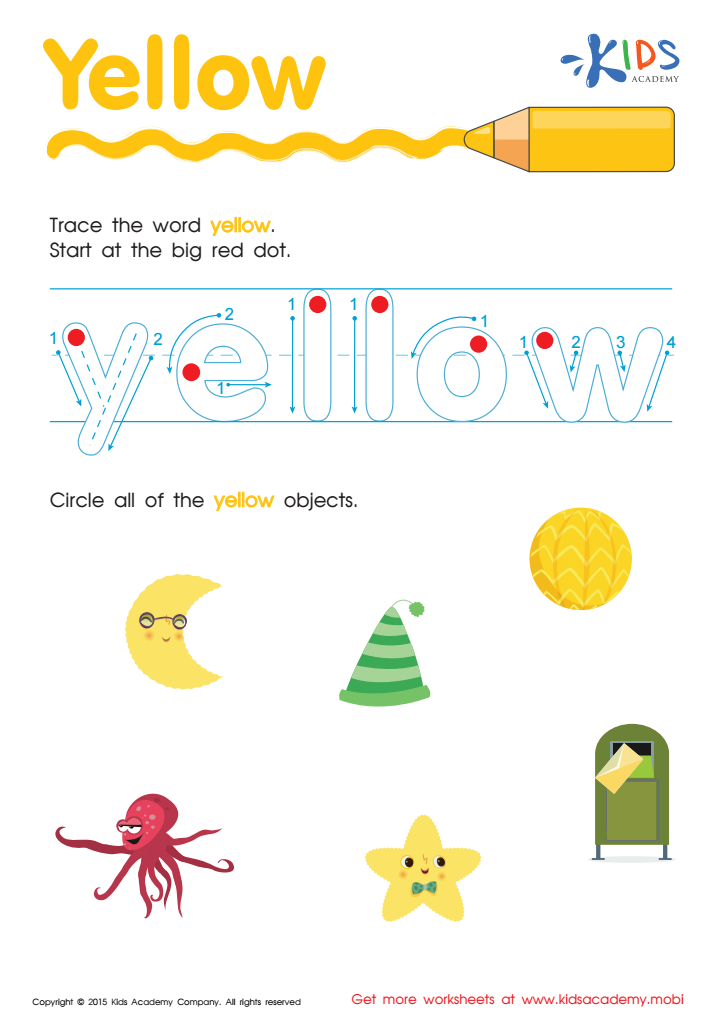
Yellow Tracing Color Words Worksheet
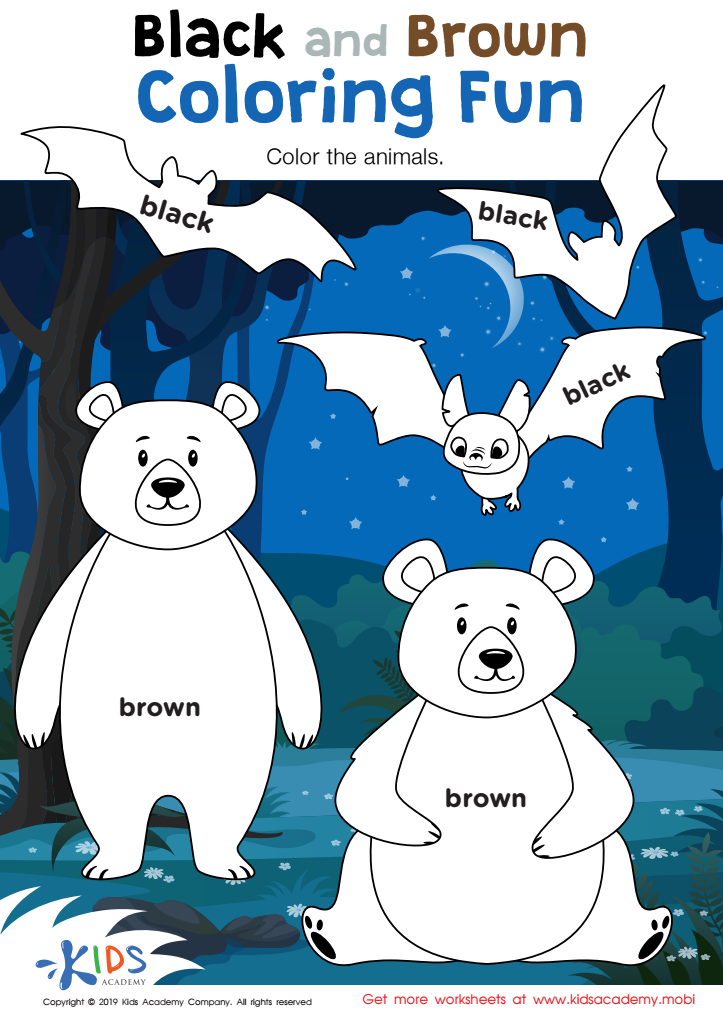
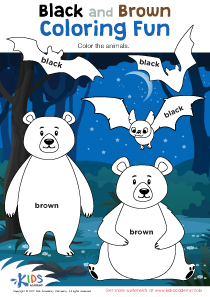
Black and Brown Coloring Fun Worksheet
Assign to My Students
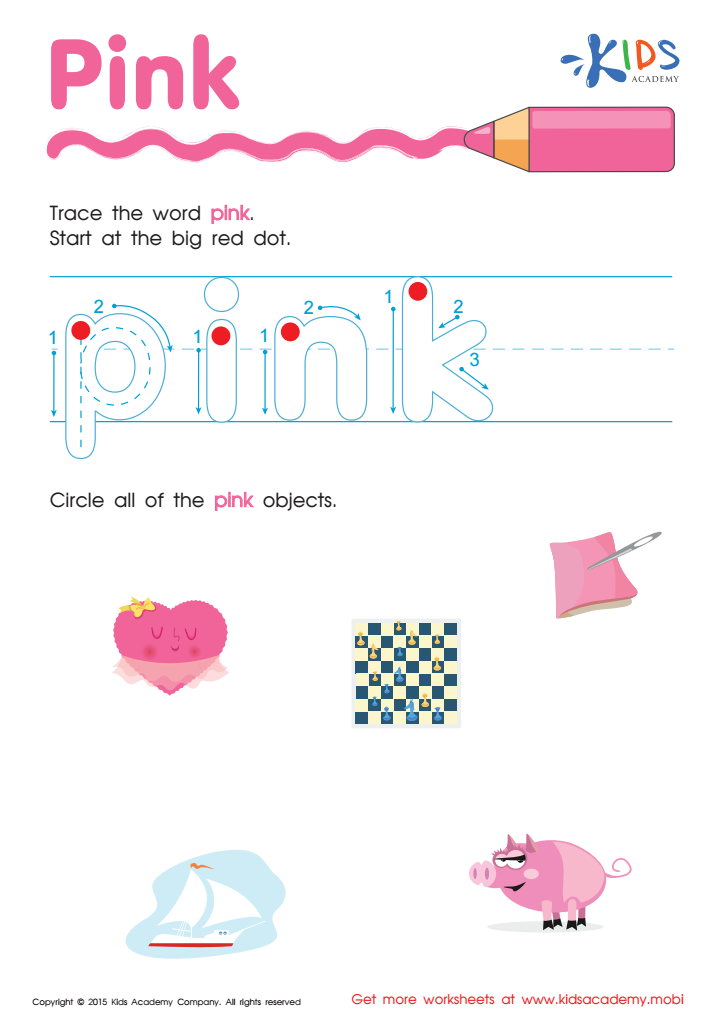
Pink Tracing Color Words Worksheet
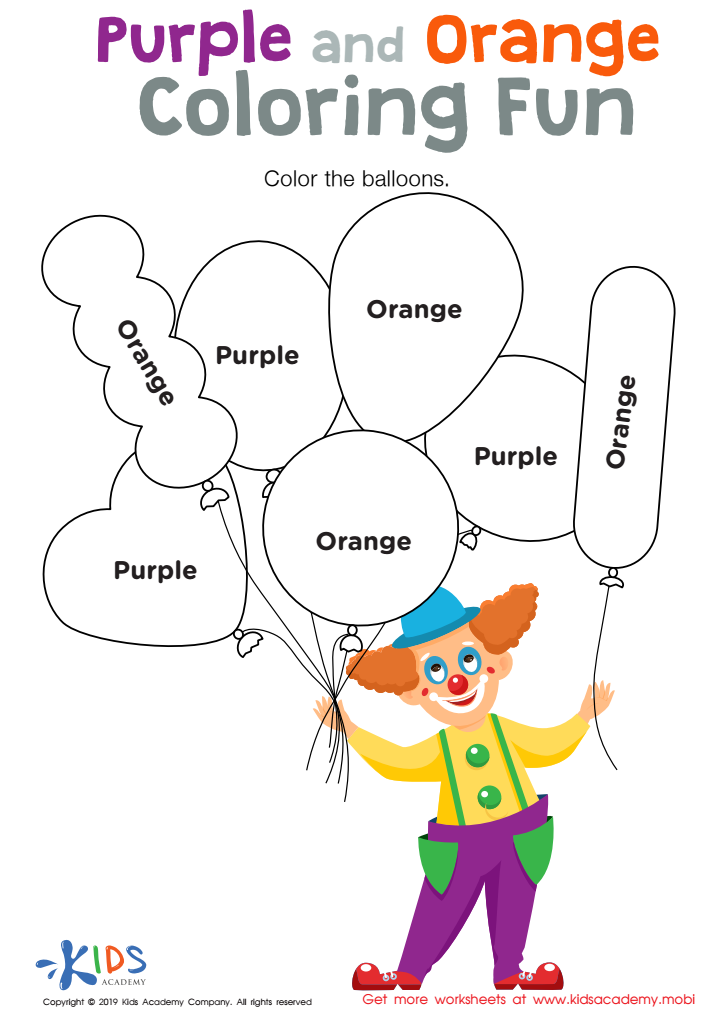
Purple and Orange Coloring Fun Worksheet
Assign to My Students
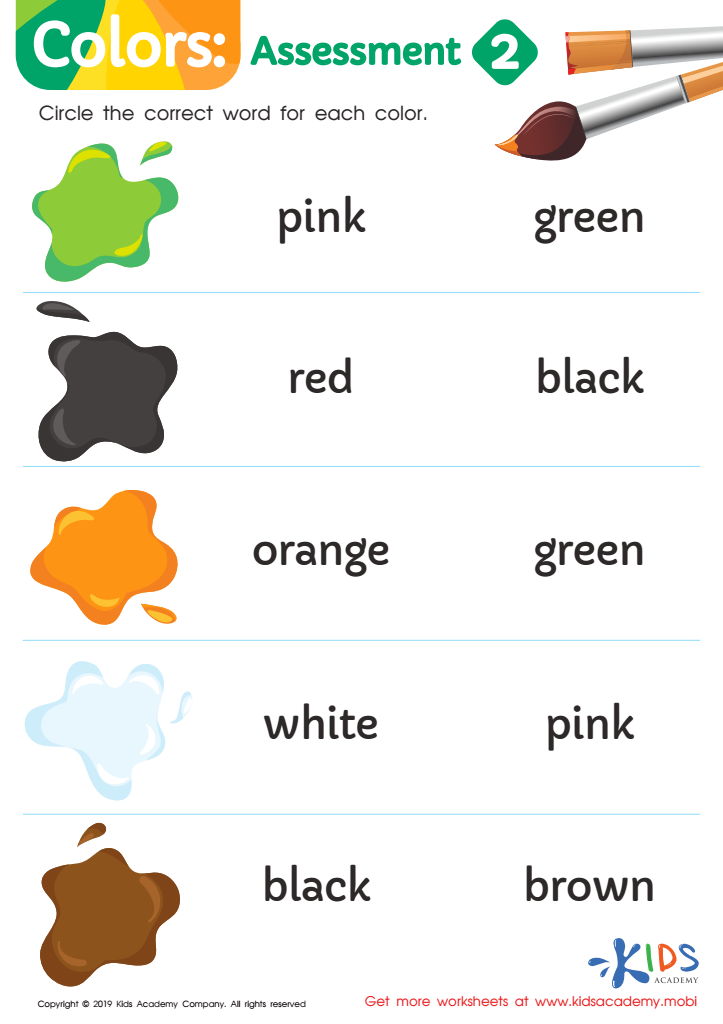
Colors: Assessment 2 Worksheet
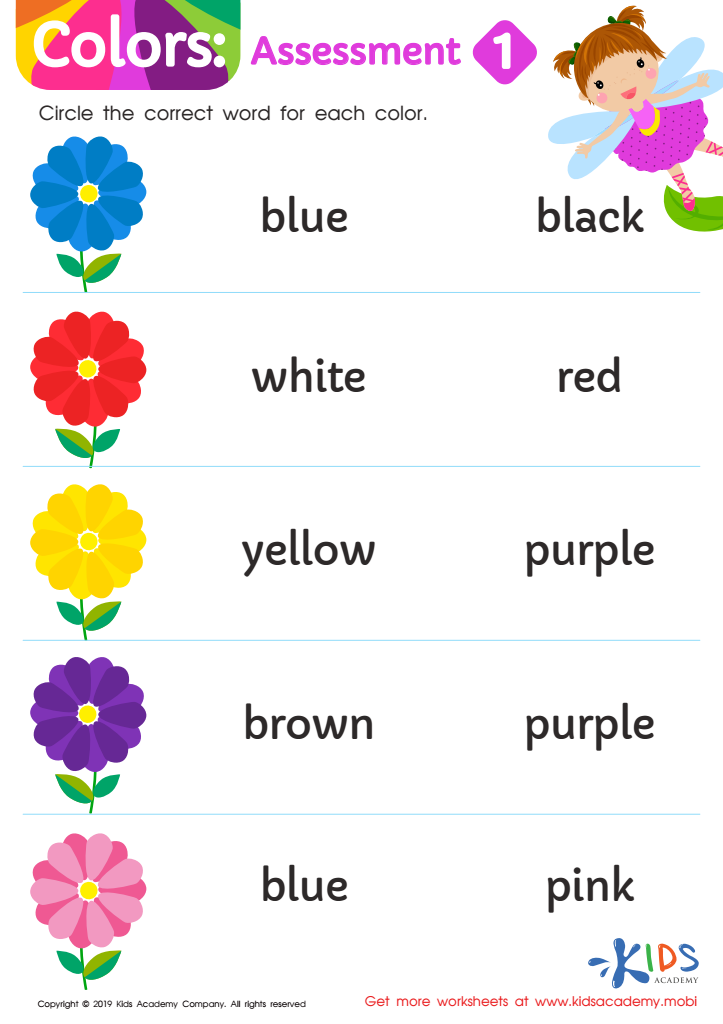
Colors: Assessment 1 Worksheet
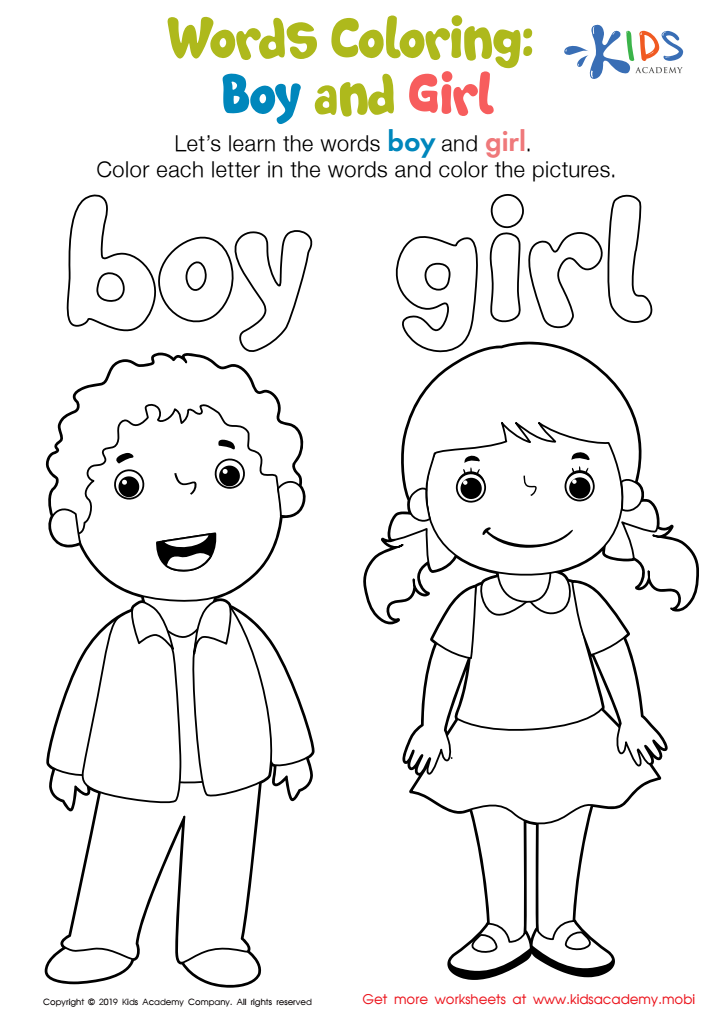
Boy and Girl Words Coloring Worksheet
Assign to My Students
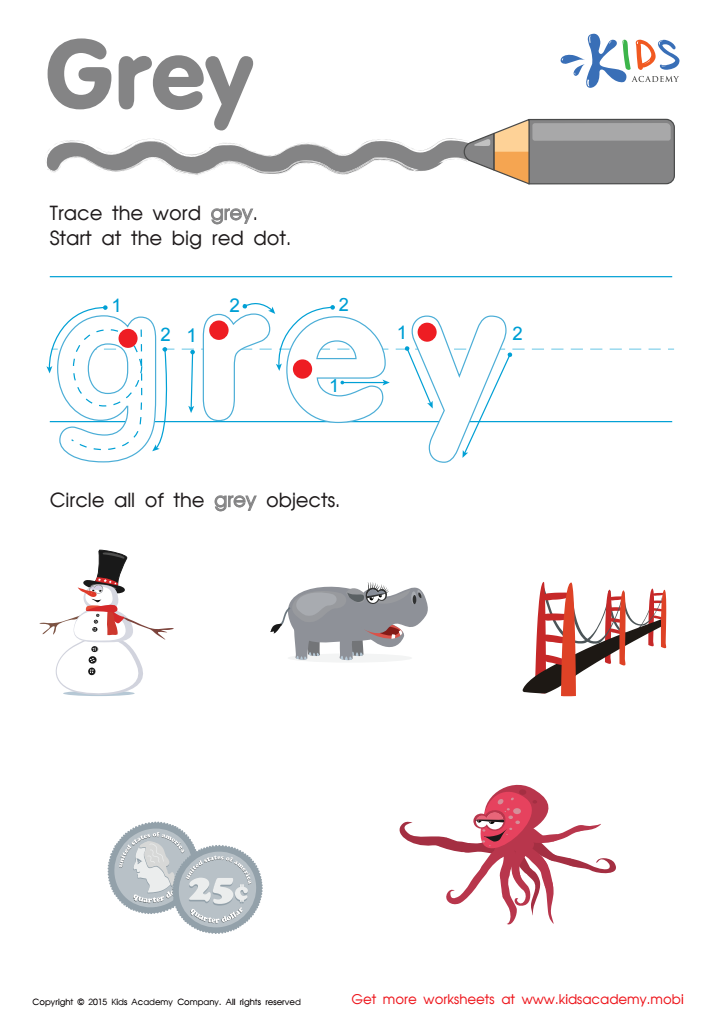
Grey Tracing Color Words Worksheet
Monster's Face Coloring Worksheet
Assign to My Students
White Tracing Color Words Worksheet
Green Tracing Color Words Worksheet
Tired and Worried Words Coloring Worksheet
Assign to My Students
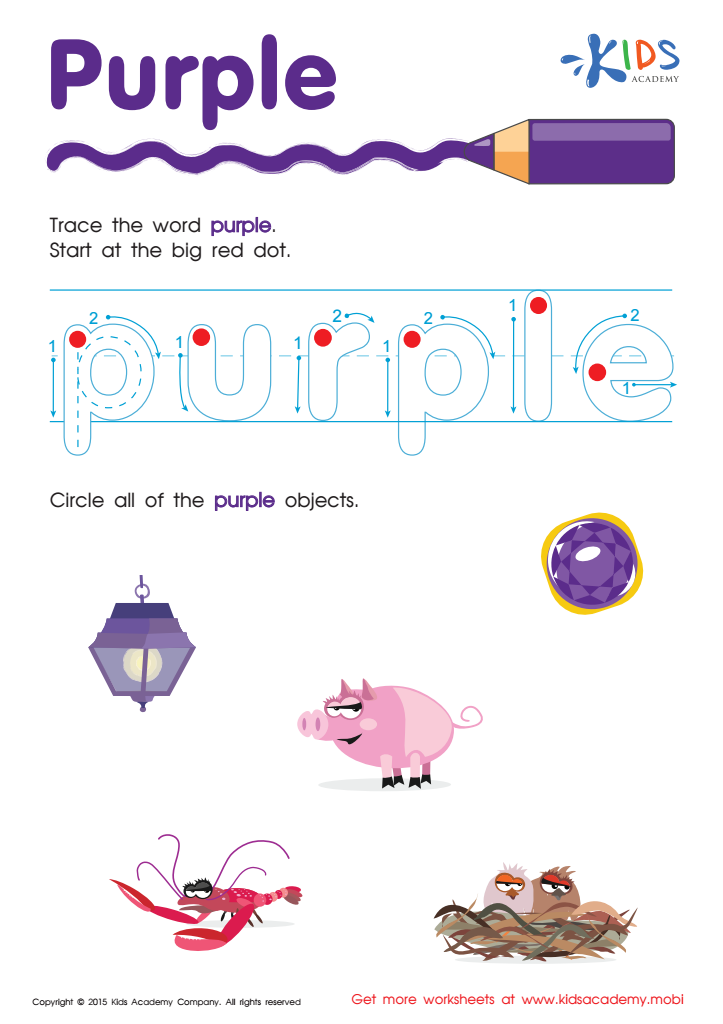
Purple Tracing Color Words Worksheet
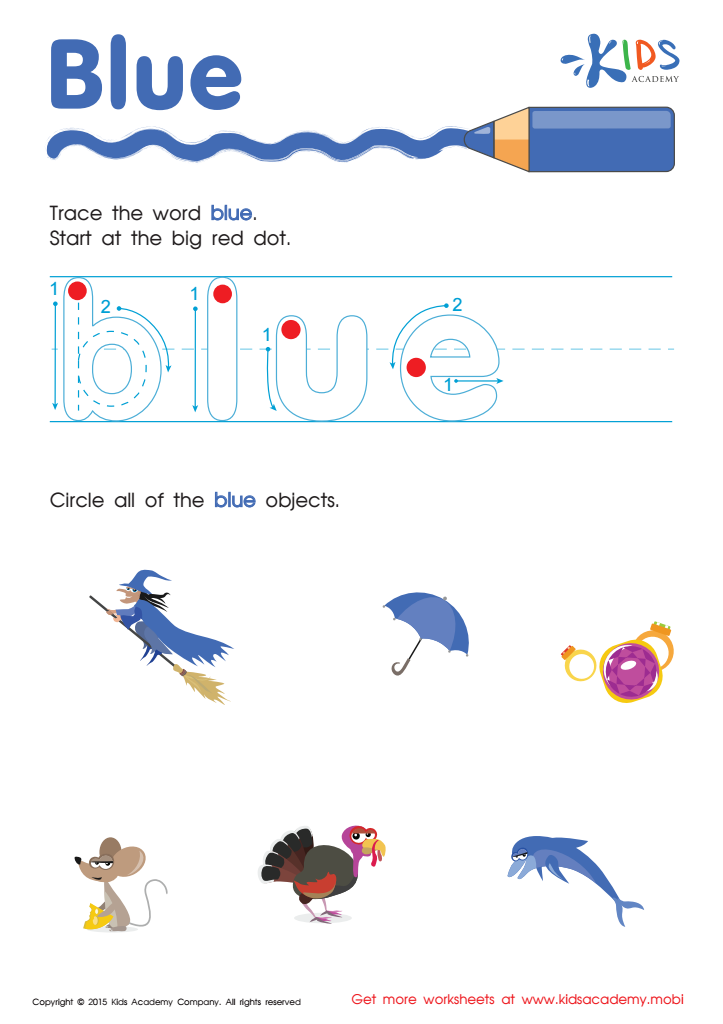
Blue Tracing Color Words Printable
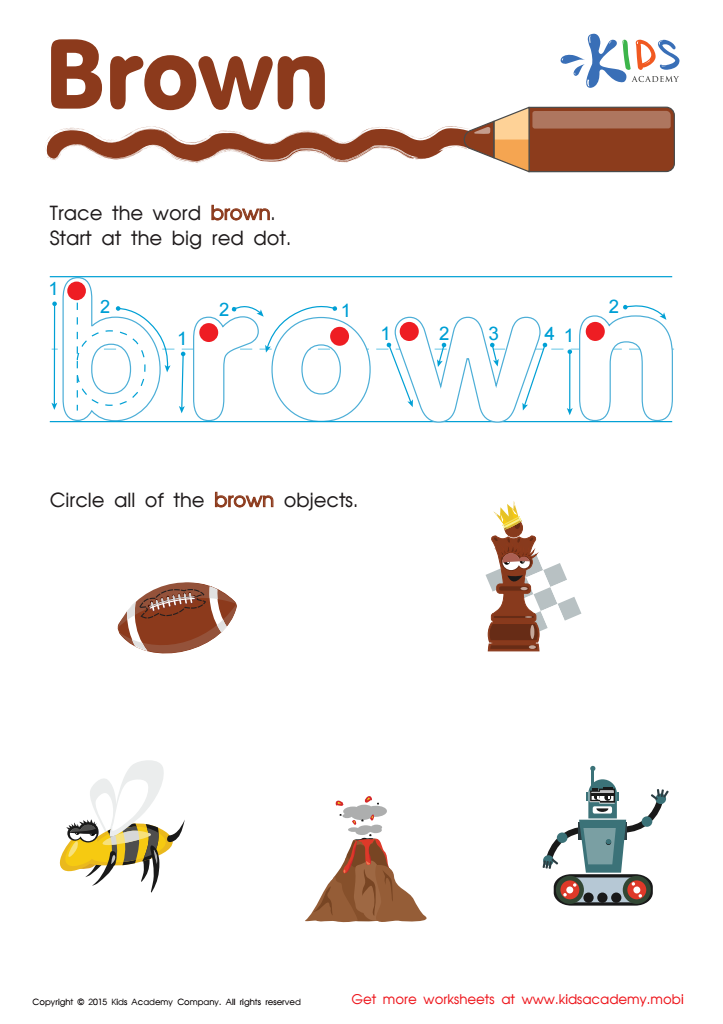
Brown Tracing Color Words Worksheet
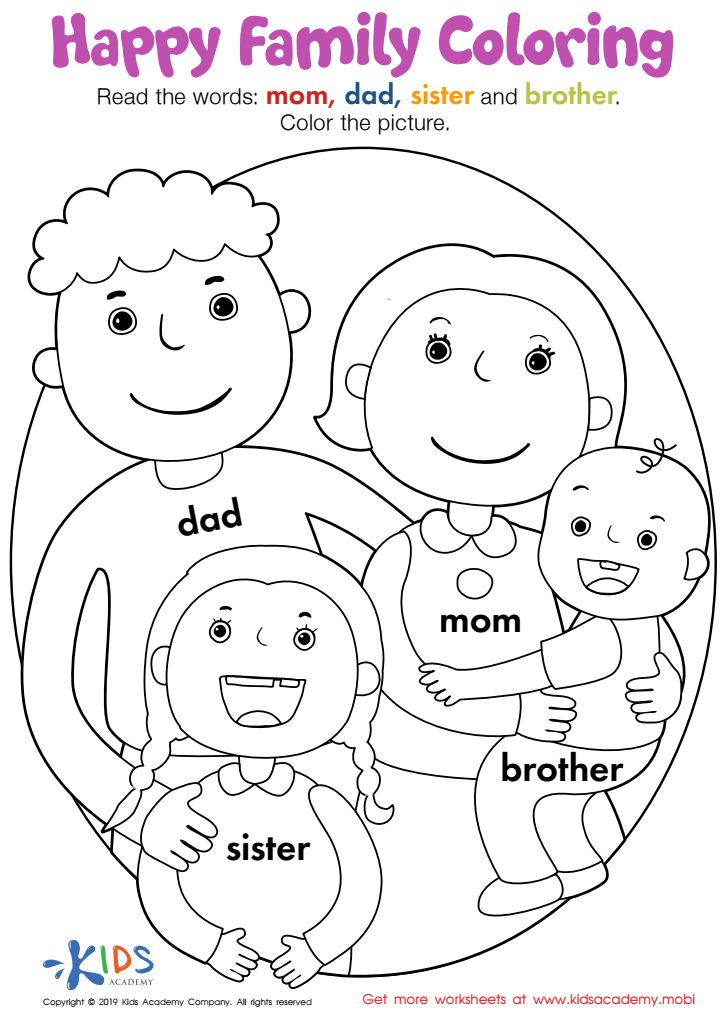
Happy Family Coloring Worksheet
Assign to My Students
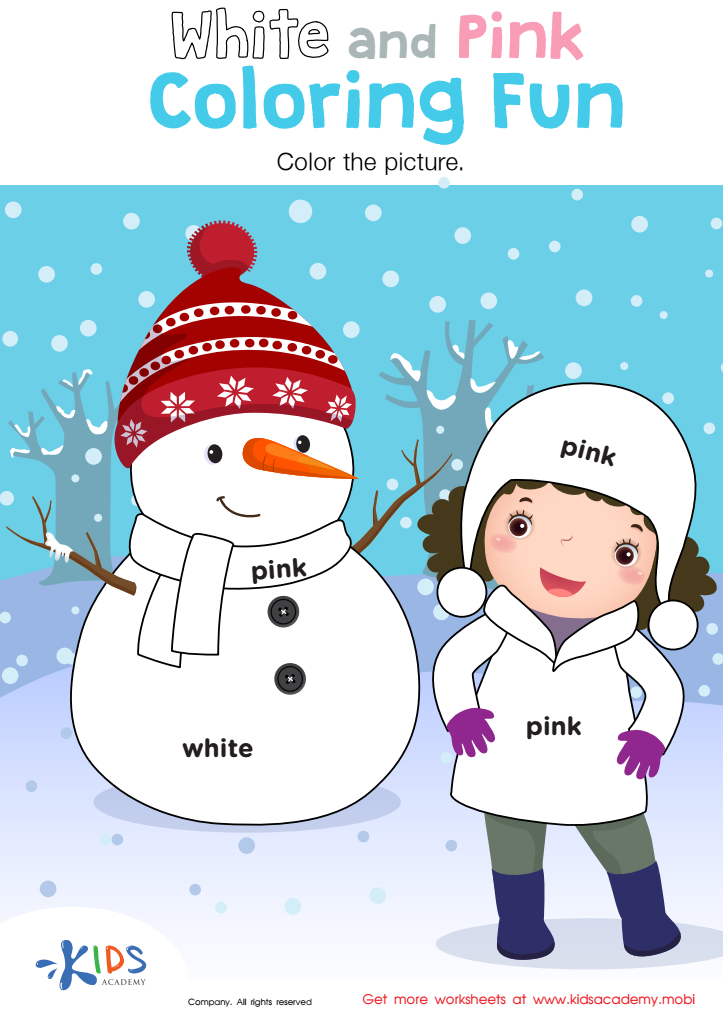
White and Pink Coloring Fun Worksheet
Assign to My Students
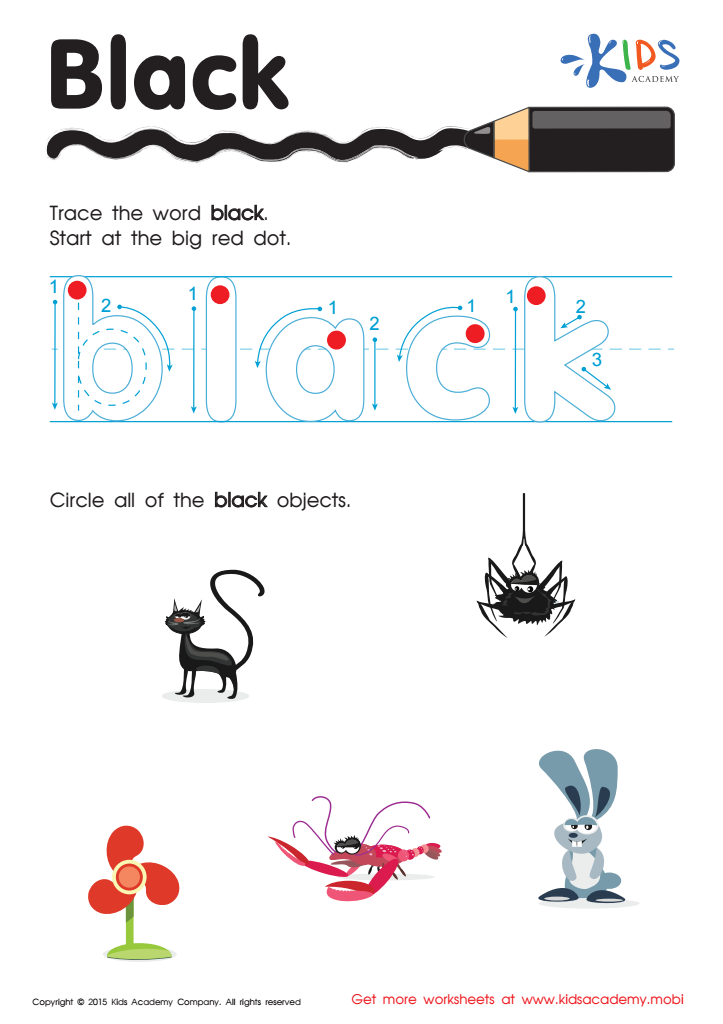
Black Tracing Color Words Printable





Color recognition in English is a fundamental aspect of early education, particularly for 8-year-olds who are at a crucial developmental stage. This skill contributes significantly to a child's cognitive development, language skills, and emotional understanding. For starters, learning color names in English enhances vocabulary acquisition, enabling children to articulate their thoughts and perceptions more precisely. By associating words with colors, kids also improve their memory and comprehension skills.
Understanding colors can also boost critical thinking and problem-solving abilities. When children recognize and differentiate between colors, they engage parts of their brain that are instrumental in categorization, a skill that transcends into other academic disciplines like math and science. Color recognition helps in following instructions, state predictions, and establishing patterns—crucial aspects of their curriculum.
Moreover, on an emotional level, discussing colors and their variations can increase a child’s ability to communicate feelings and preferences effectively. For example, choosing their favorite colors for art projects can build confidence and provide a sense of accomplishment.
For non-native English speakers, learning colors in English can serve as an accessible entry point to acquiring the new language, providing a practical and visually engaging way to integrate into classrooms or social settings. Therefore, emphasizing color recognition in English prepares children not just linguistically but holistically for their academic and personal growth.