Color Identification Worksheets for 8-Year-Olds
40 filtered results
-
From - To
Unlock your child's creativity with our engaging Color Identification Worksheets designed specifically for 8-year-olds. These fun and interactive resources help children master color recognition through vibrant activities and exercises that promote learning. Perfect for enhancing cognitive skills, our worksheets allow young learners to explore various colors, linking them to everyday objects and enhancing vocabulary. Ideal for home or classroom use, these printable materials create an enjoyable learning experience while fostering critical thinking. Get started today and watch as your child develops their color knowledge with confidence and enthusiasm! Visit now to access these exciting worksheets and inspire a love for learning.
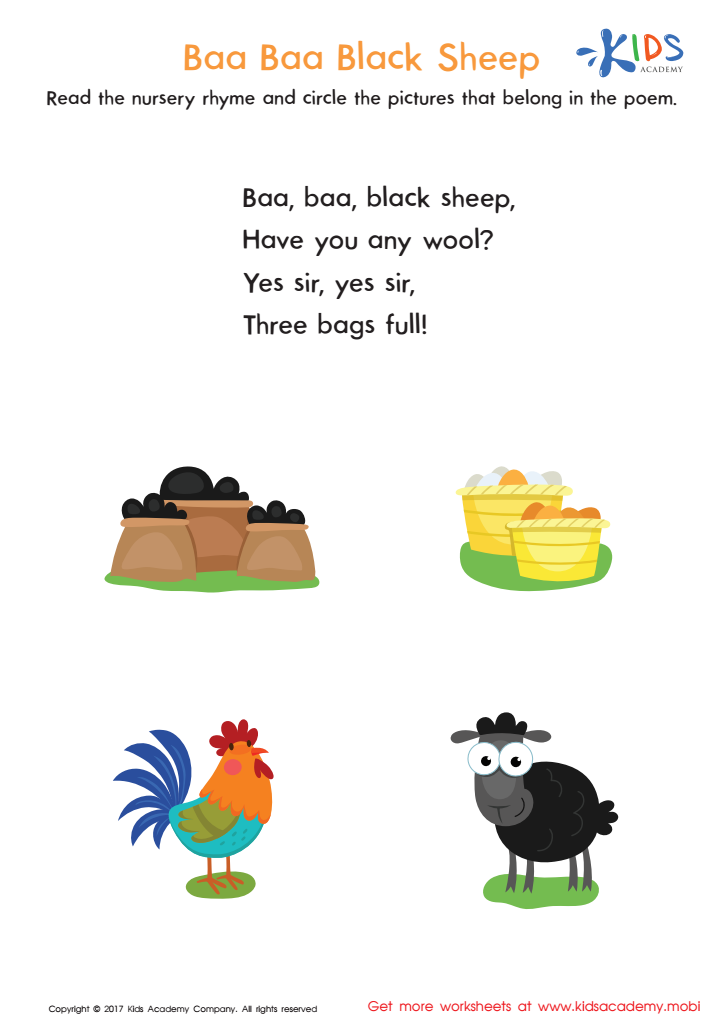
Baa Baa Black Sheep Printable
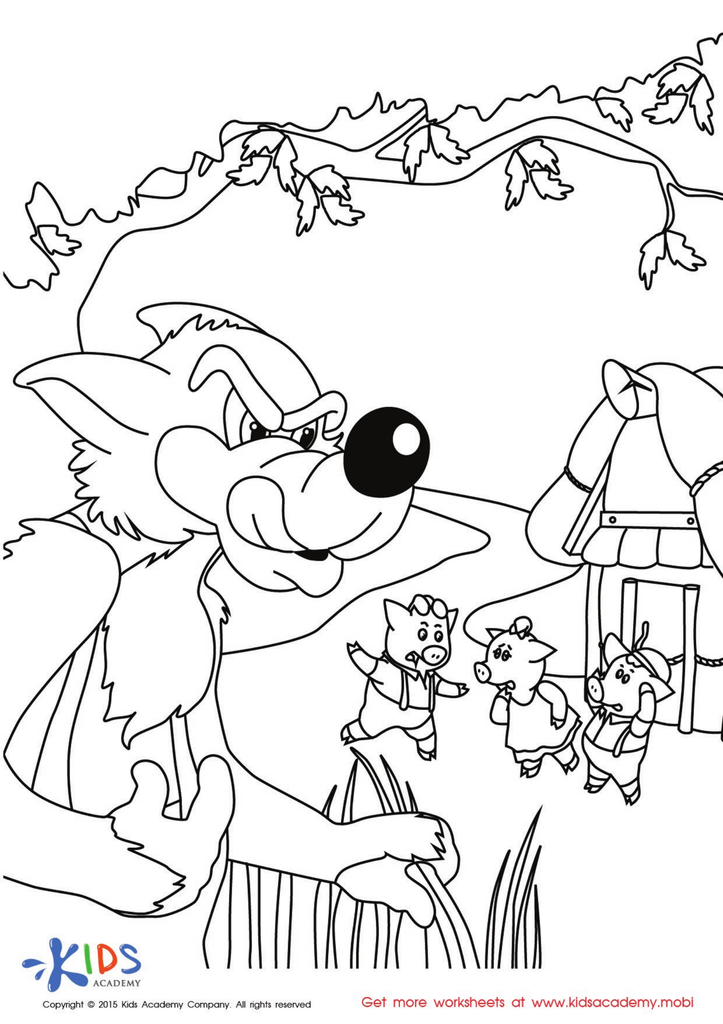
The Story of the Three Little Pigs Coloring Worksheet
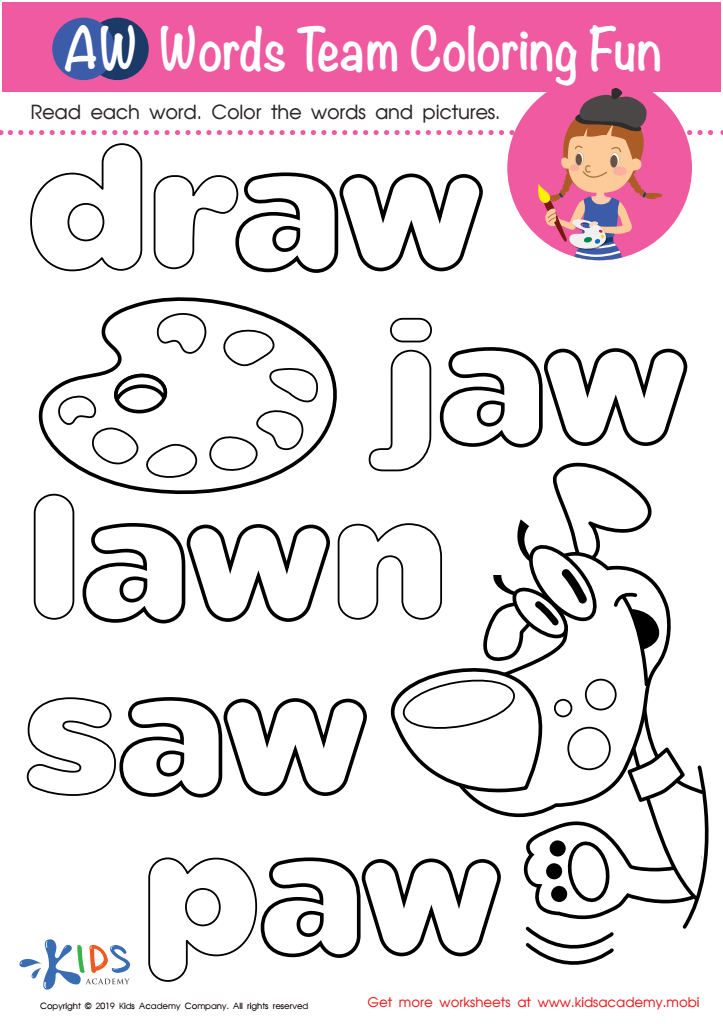
AW Words Team Coloring Fun Worksheet
 Assign to My Students
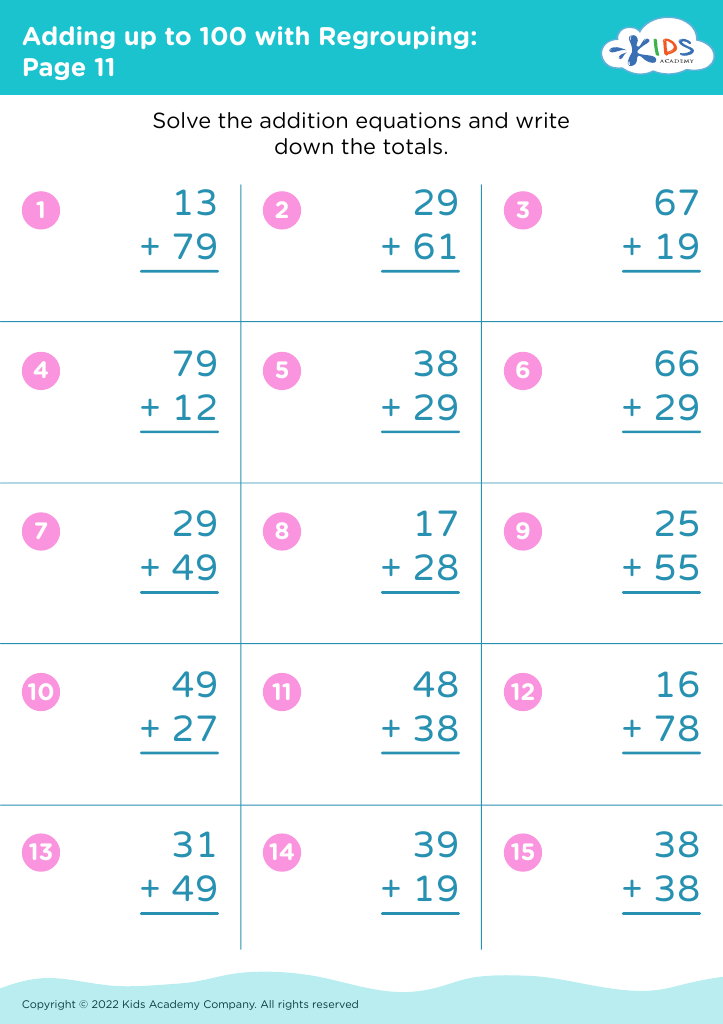
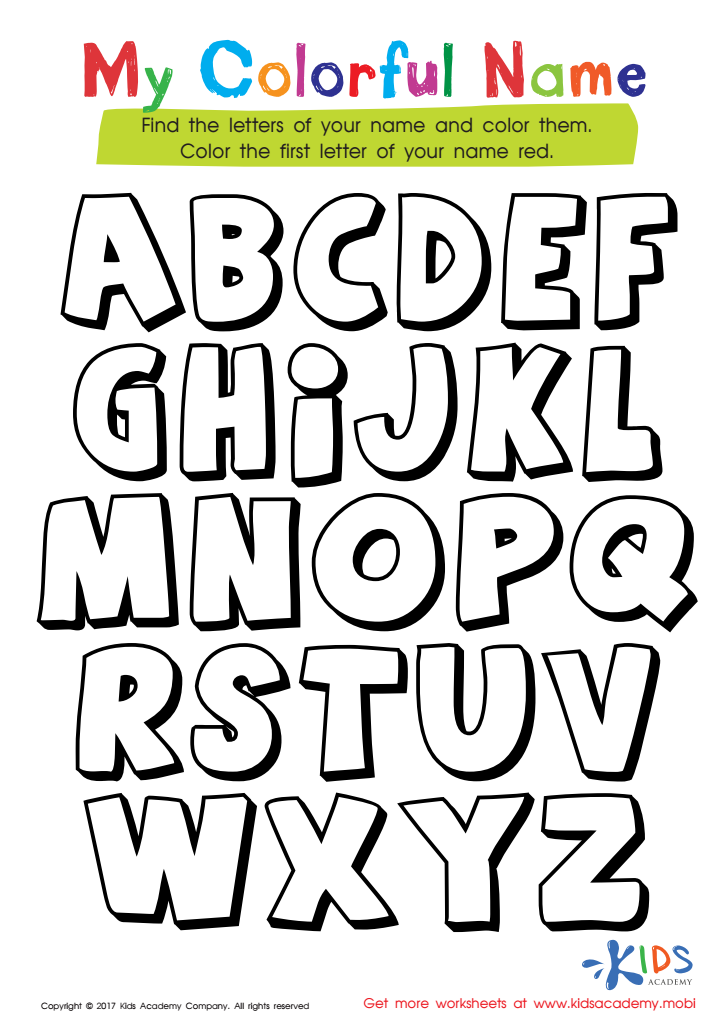
My Colorful Name Worksheet
Assign to My Students
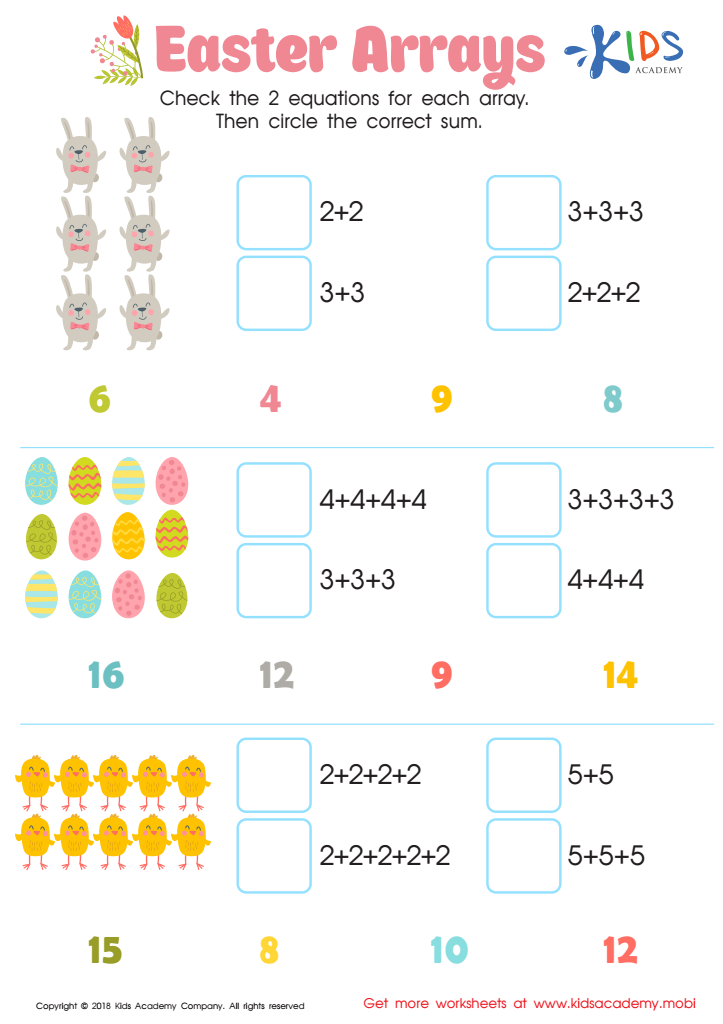
Easter Arrays Worksheet
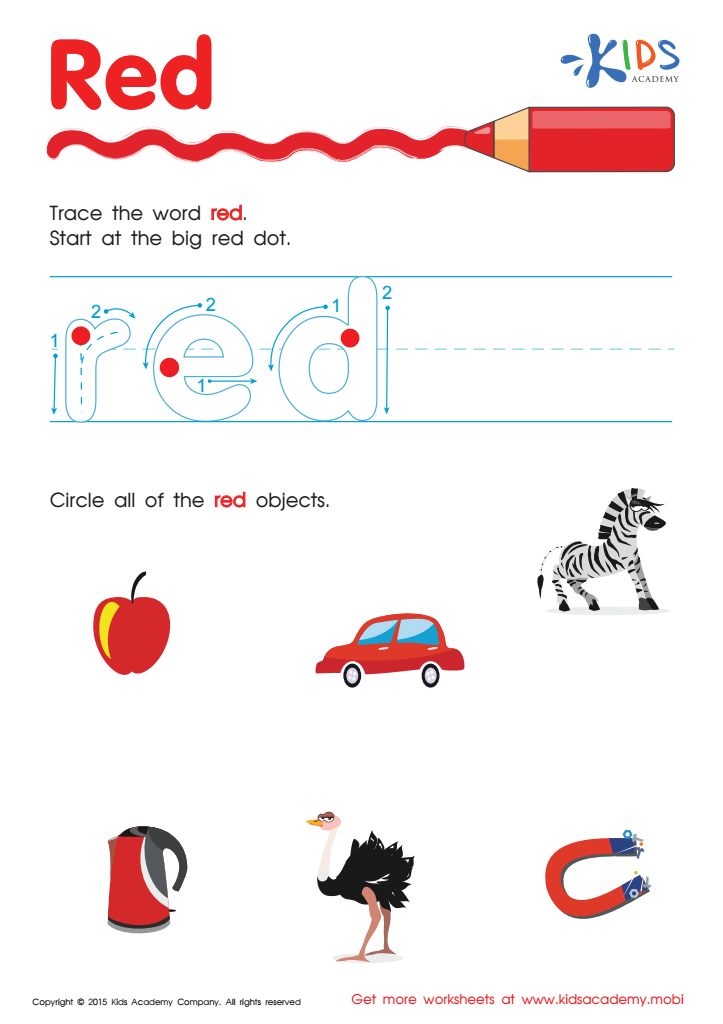
Red Tracing Color Words Printable
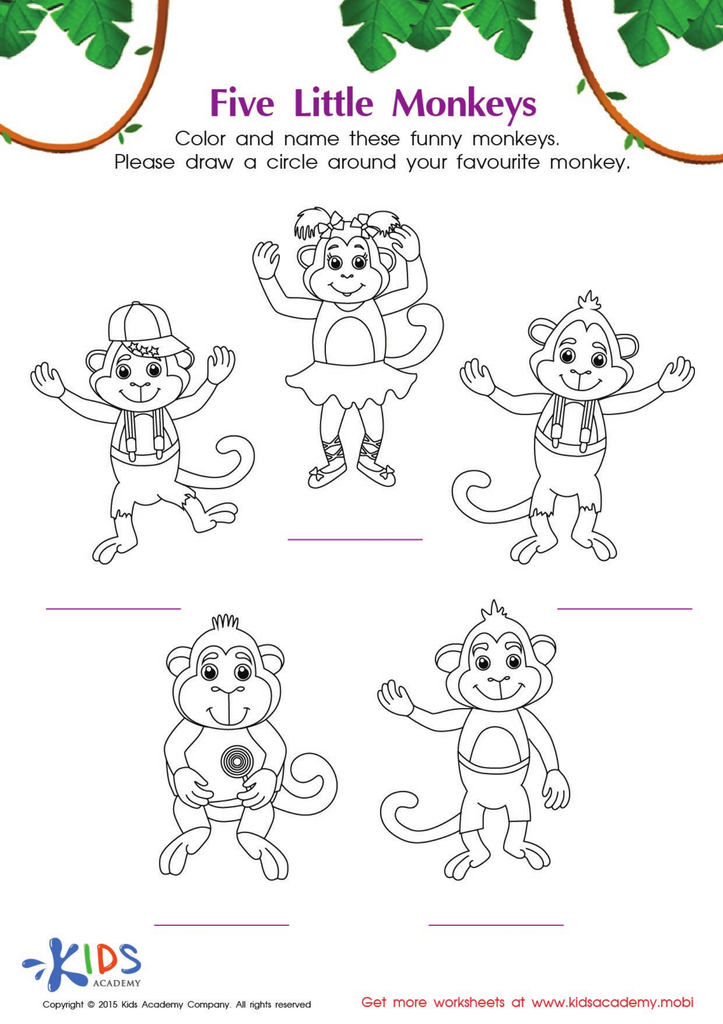
The Five Little Monkeys Coloring Worksheet
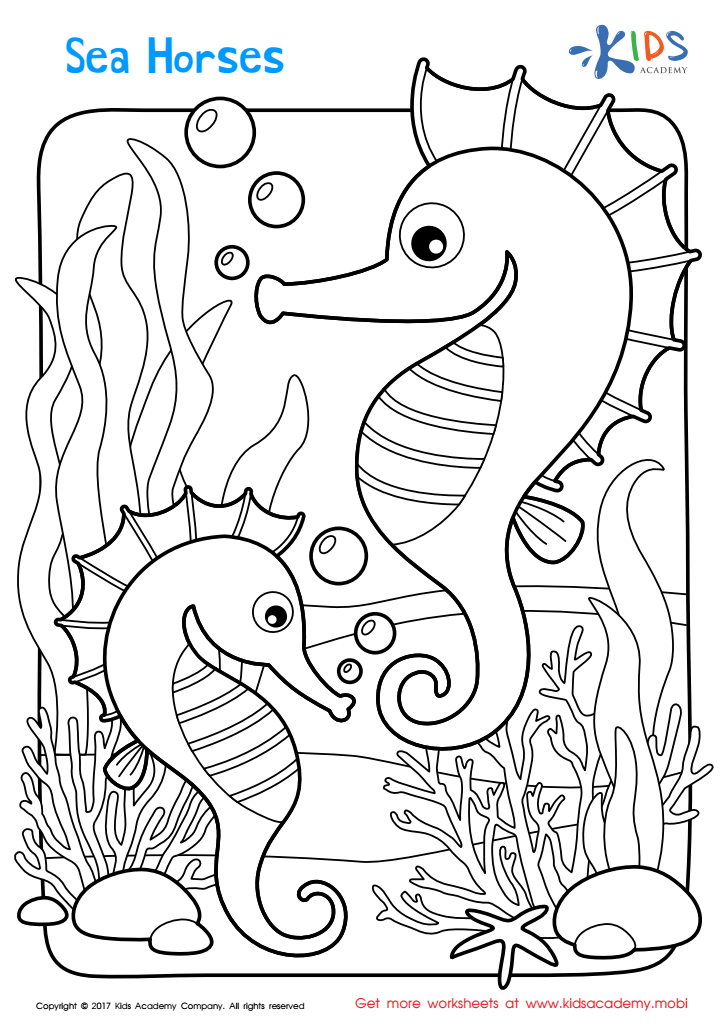
Sea Horses Printable
Assign to My Students
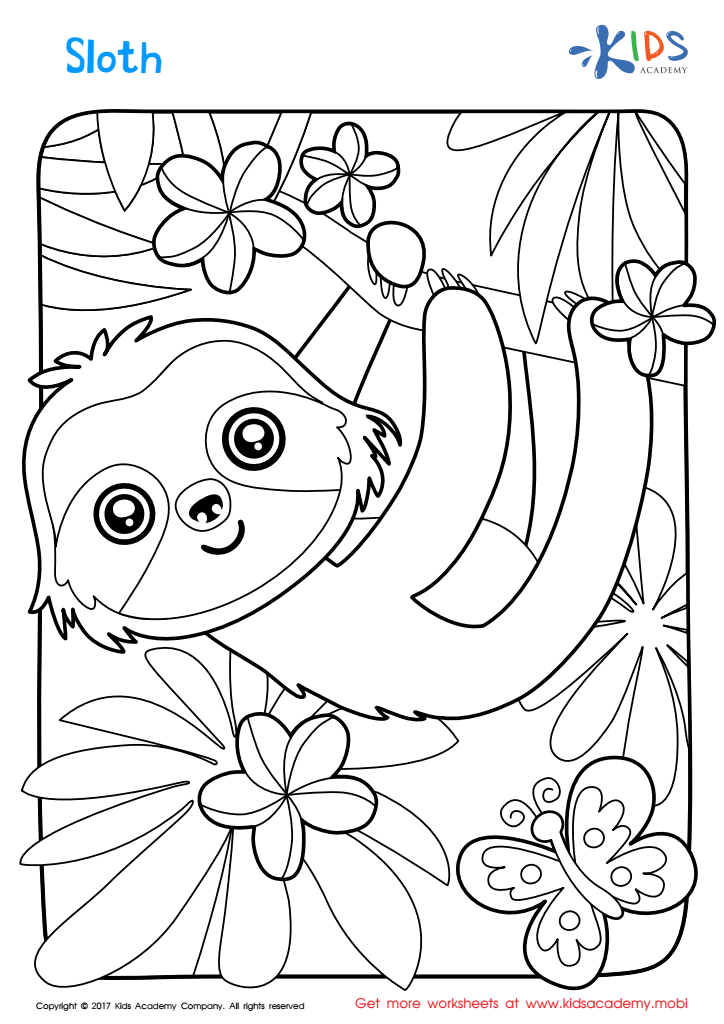
Sloth Worksheet
Assign to My Students
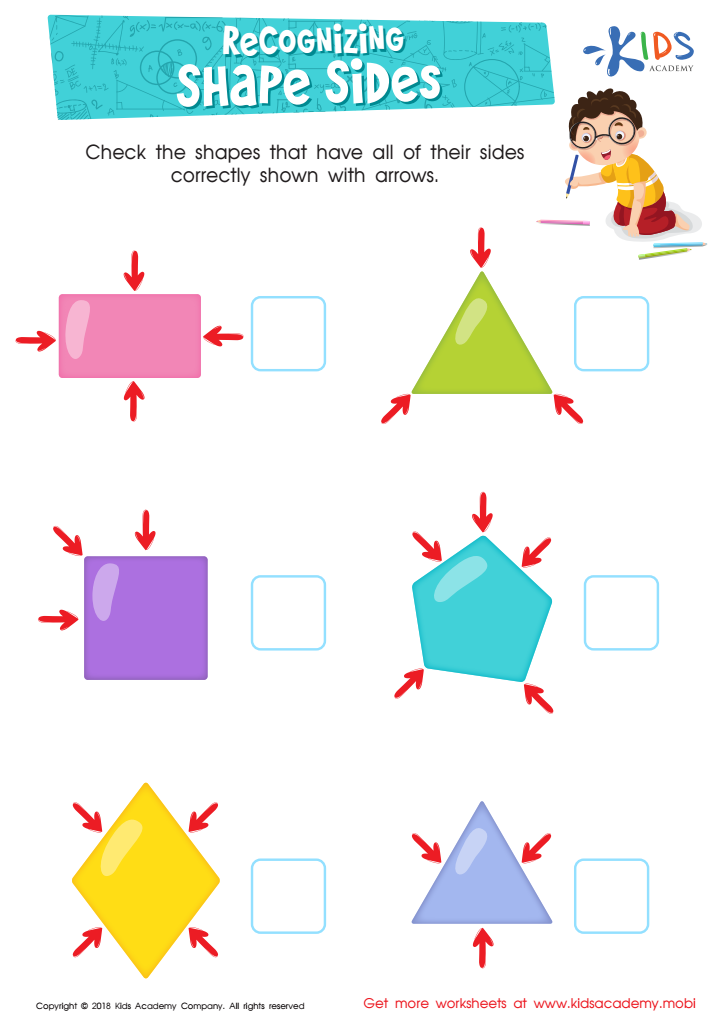
Recognizing Shape Sides Worksheet








Color identification is an essential skill for 8-year-olds that extends beyond simple recognition. At this age, children are developing their cognitive abilities and understanding of the environment. Recognizing and differentiating colors helps enhance their observational skills, promotes creativity, and aids in critical thinking.
For parents and teachers, caring about color identification means encouraging opportunities for children to explore and express themselves. Color awareness plays a significant role in art, science, and even mathematics, as it helps children understand concepts like categorization and sorting. It also fosters language development, as children learn to articulate their thoughts and feelings about colors.
Social skills are enhanced as children collaborate on projects, using colors to communicate ideas and emotions. Familiarity with colors can boost confidence, allowing children to engage more fully in activities, whether it’s through drawing, crafting, or even problem-solving exercises. Additionally, understanding colors can help develop decision-making skills—children learn to make choices based on preference, aesthetics, or practicality.
Ultimately, supporting color identification helps empower children to express themselves, engage with the world around them, and build foundational skills for future academic success. Thus, making it a valuable focus in early education.








