Check out this FREE "Counting skills" Trial Lesson for age 8!

Write 5

Favorites
With answer key
Interactive
  • 8
  • Counting skills
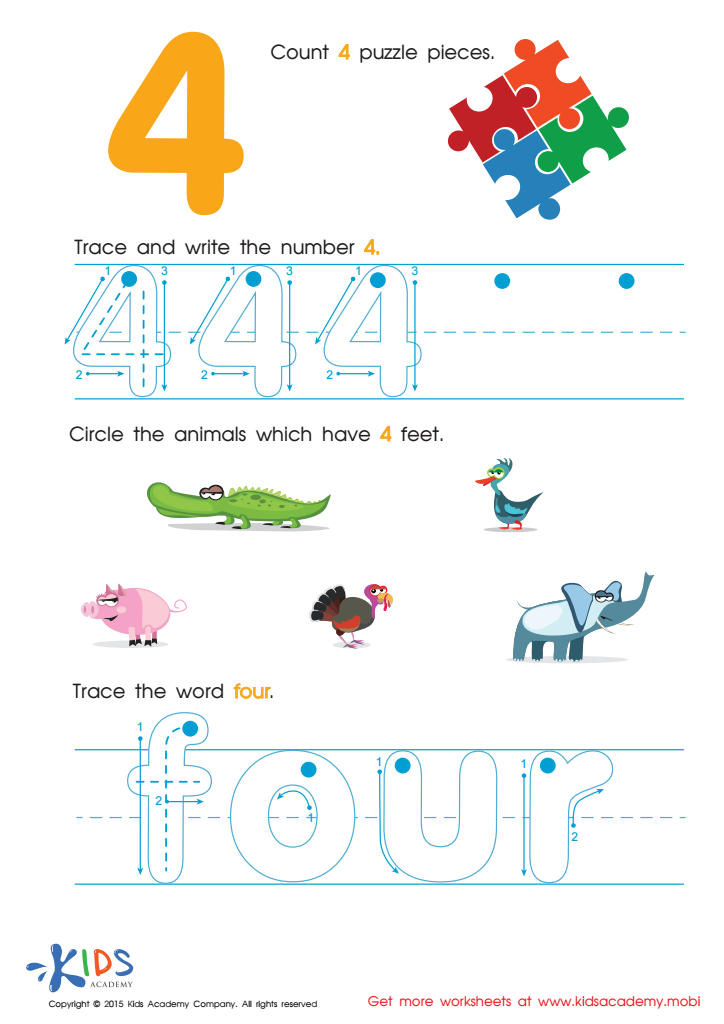
Learning Numbers Worksheets: Teaching Children to Write Number 4 PDF

Teaching Children to Write Number 4 Worksheet

Count the pieces of the puzzle - there are four. Trace the number and write it. Circle the animals with four feet. Trace the word "four" too. Kids Academy offers tracing numbers worksheets for preschoolers, making studies easy and effective.
Teaching Children to Write Number 4 Worksheet
Worksheet
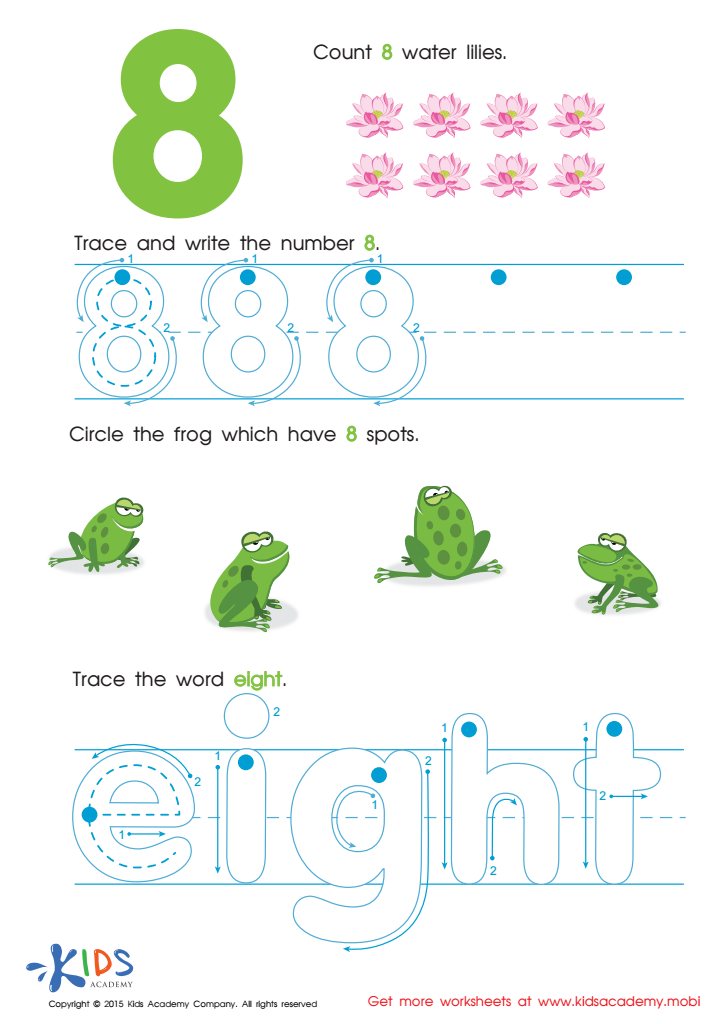
Learning Numbers Worksheets: Learn Number 8 Easily

Learn Number 8 Easily Worksheet

Kids can trace, write numbers and learn to pronounce them through exciting activities and games. Try our number worksheets for preschoolers to make learning fun!
Learn Number 8 Easily Worksheet
Worksheet
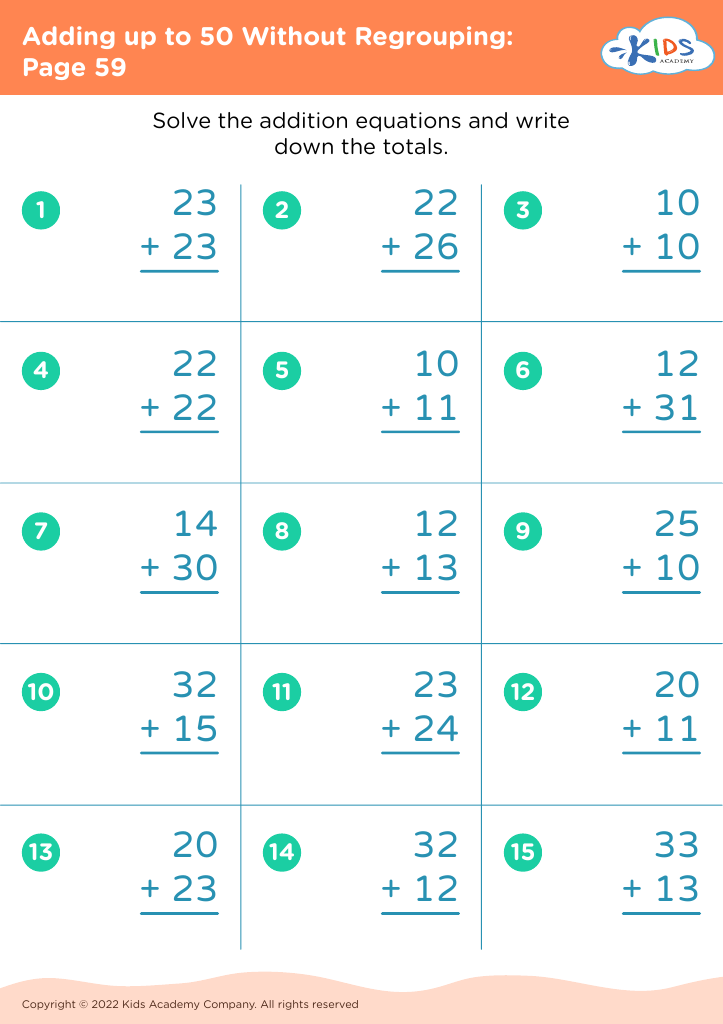
Adding up to 50 Without Regrouping: Page 59
Worksheet
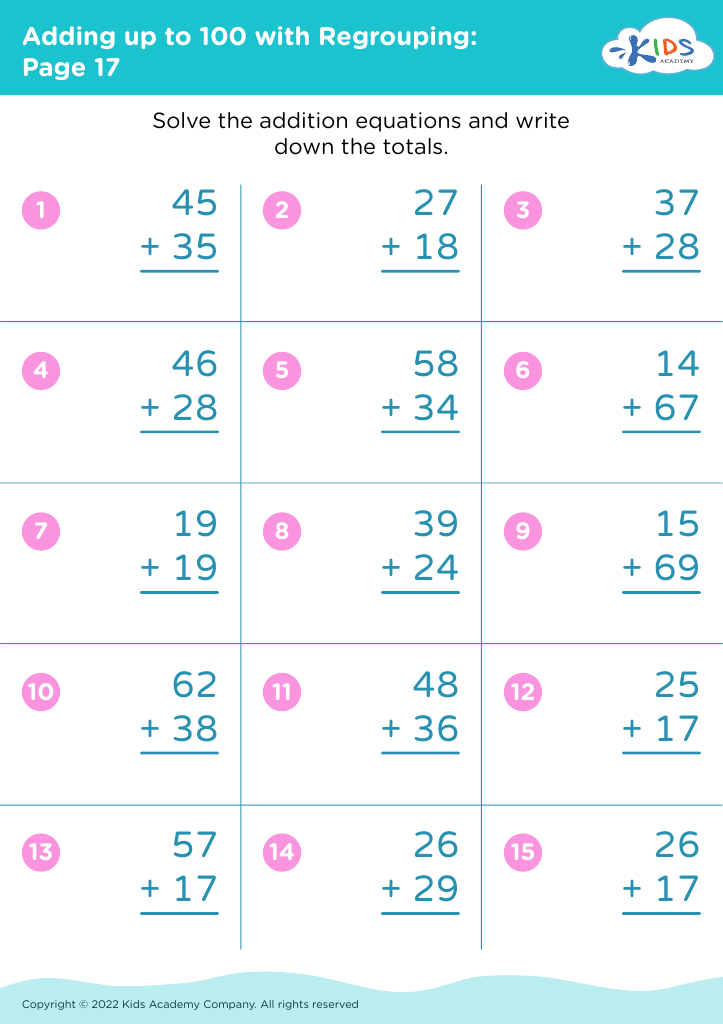
Adding up to 100 with Regrouping: Page 17
Worksheet
Learning Numbers Worksheets: Practice Writing Number 5 PDF

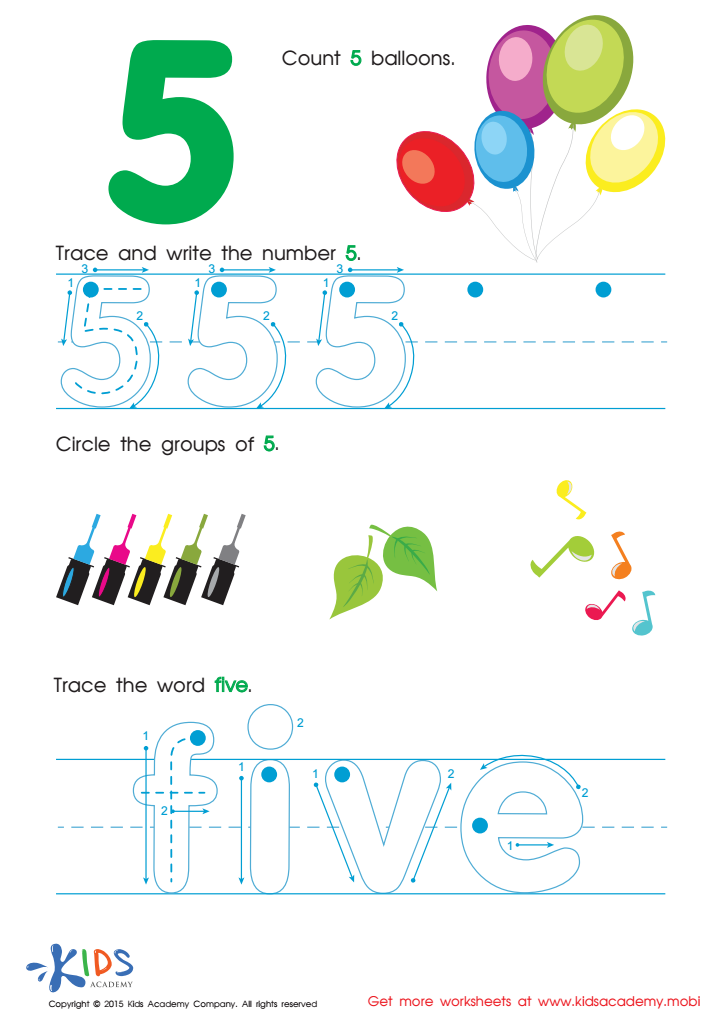
Practice Writing Number 5 Worksheet
Make learning numbers fun! Let your kids count the balloons, trace numbers, and circle the groups with five items. Also, have them trace the word "five" for letter revision. Get the full collection of preschool number worksheets from Kids Academy for a fun and interactive learning experience.
Practice Writing Number 5 Worksheet
Worksheet
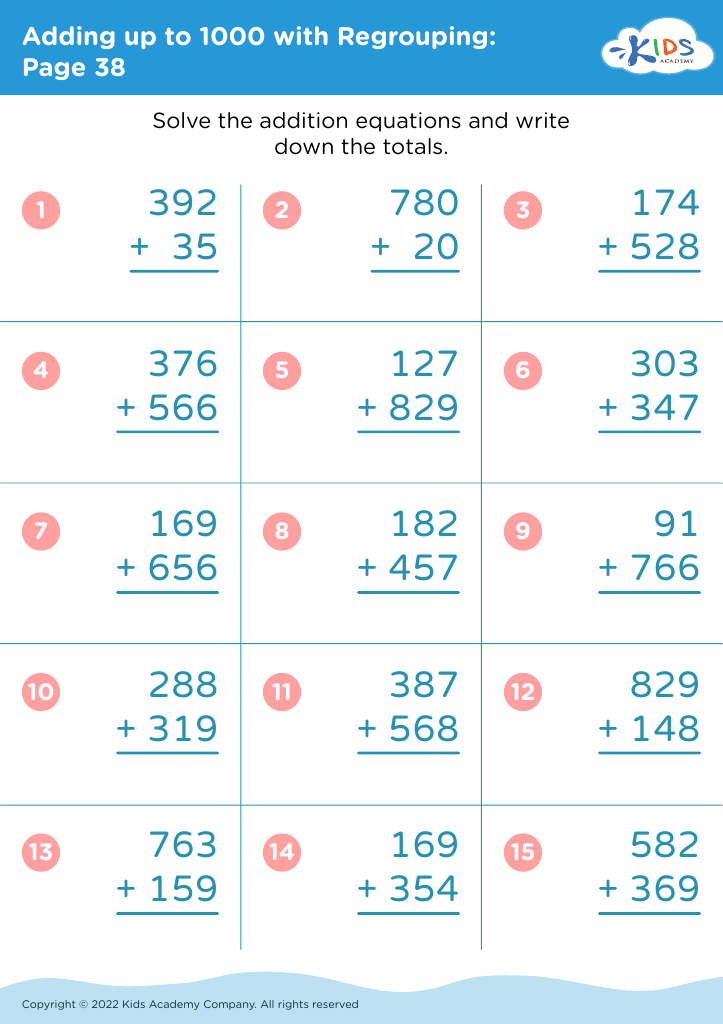
Adding up to 1000 with Regrouping: Page 38
Worksheet
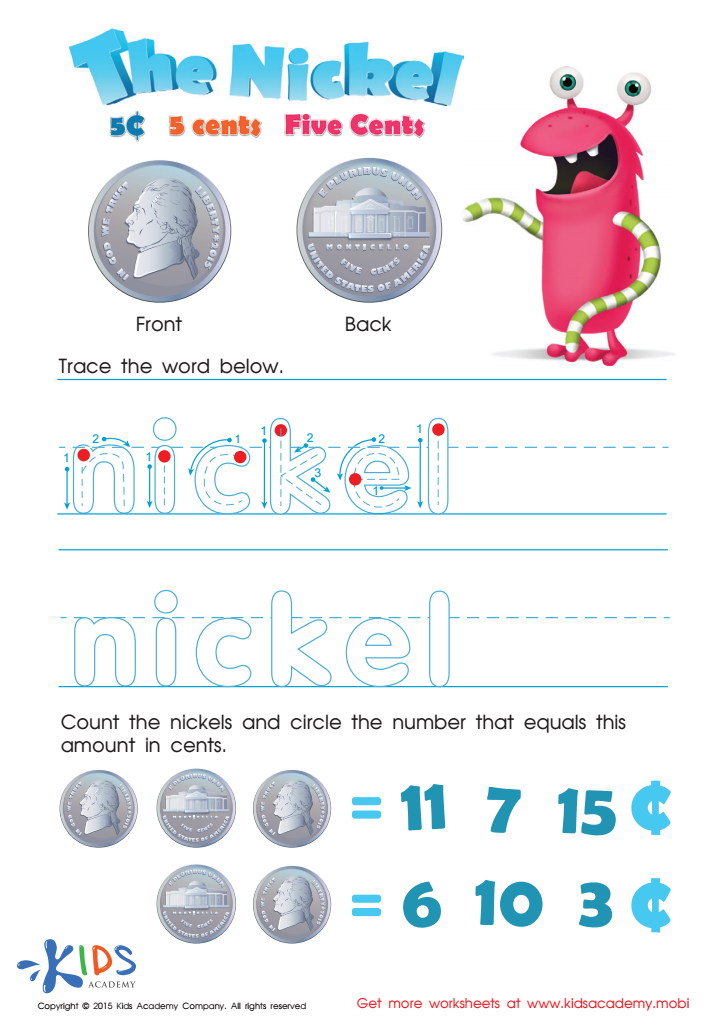
Printable Money Games and PDF Worksheets: Five Cents or the Nickel

Five Cents or the Nickel Money Worksheet
Counting money games help kids make learning money fun and easy. Next up: the 5 cent coin, or nickel. Look at both sides and remember them. Then, trace the word "nickel" to help you remember. Finally, count the nickels and work out amounts in cents. Let's do this! Kids Academy helps make money learning easy and fun!
Five Cents or the Nickel Money Worksheet
Worksheet
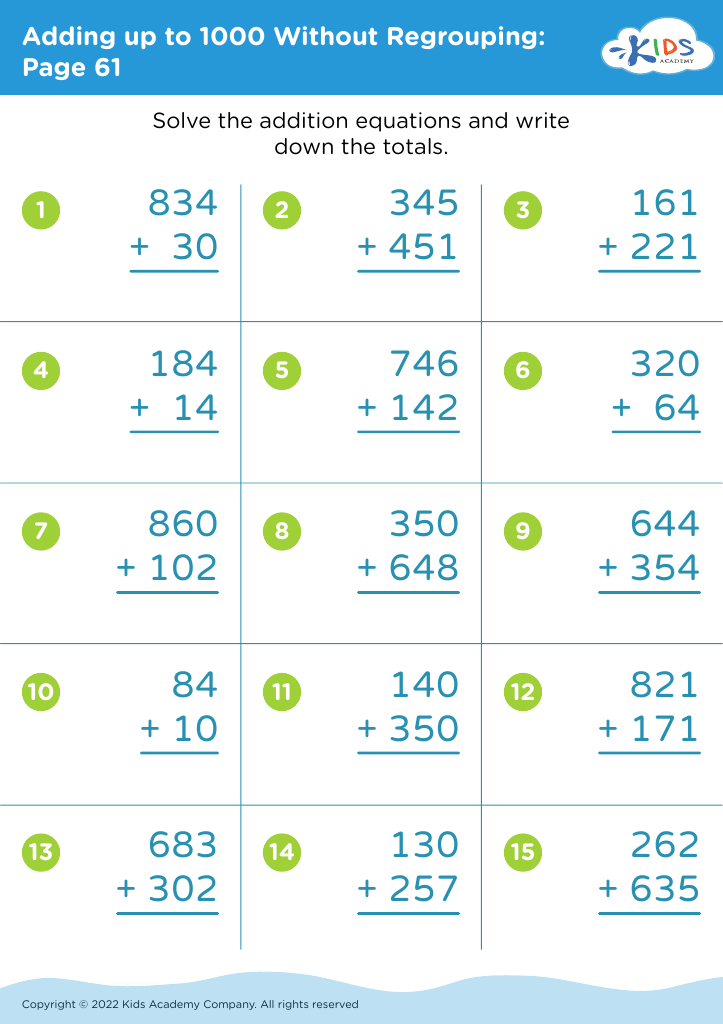
Adding up to 1000 Without Regrouping: Page 61
Worksheet
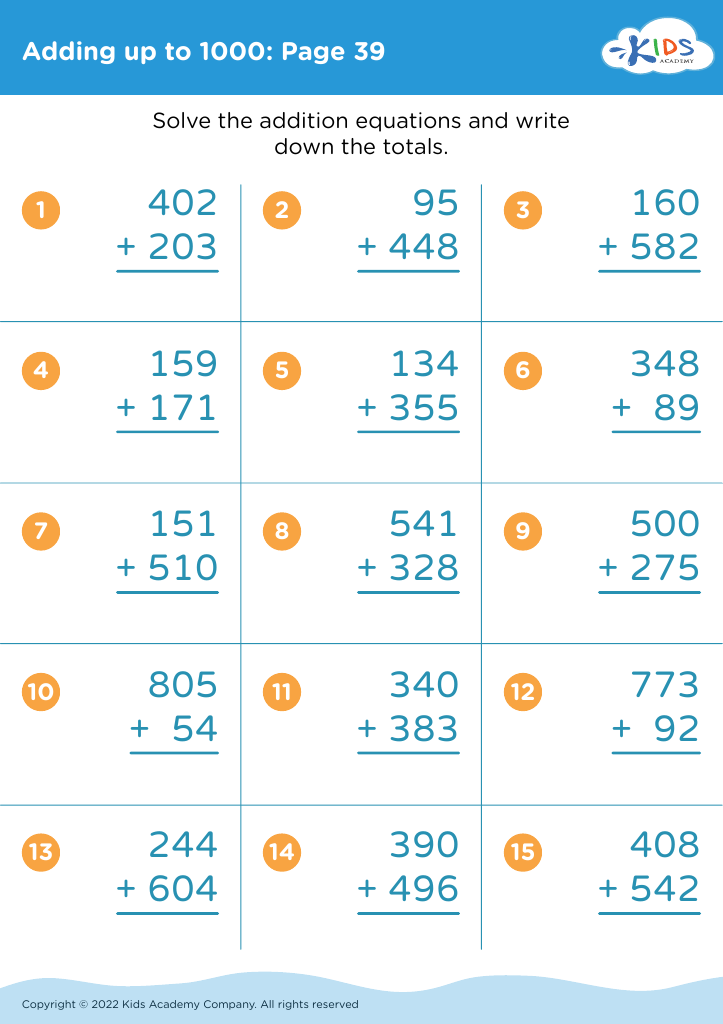
Adding up to 1000: Page 39

Adding up to 1000: Page 39

Adding up to 1000: Page 39
Worksheet
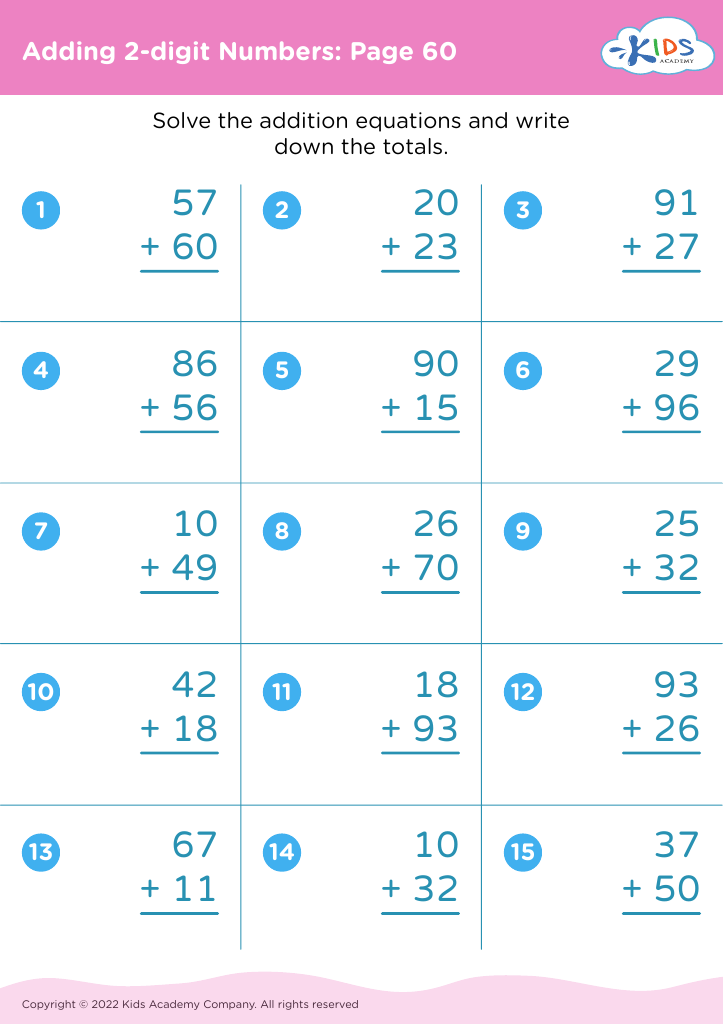
Adding 2-digit Numbers: Page 60

Adding 2-digit Numbers: Page 60

Adding 2-digit Numbers: Page 60
Worksheet
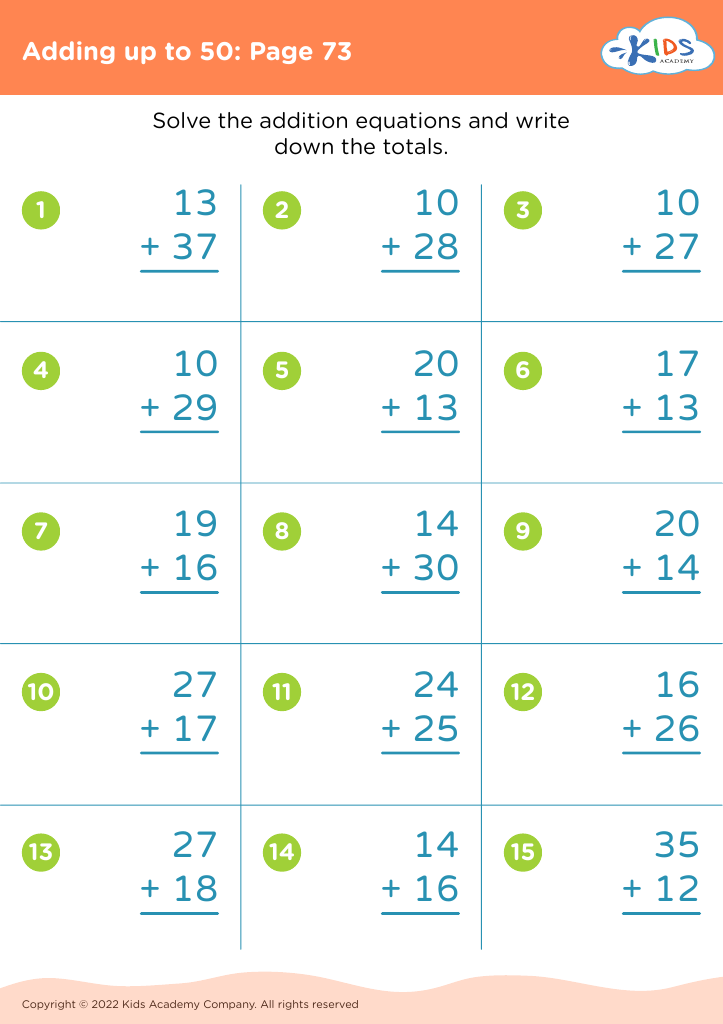
Adding up to 50: Page 73

Adding up to 50: Page 73

Adding up to 50: Page 73
Worksheet
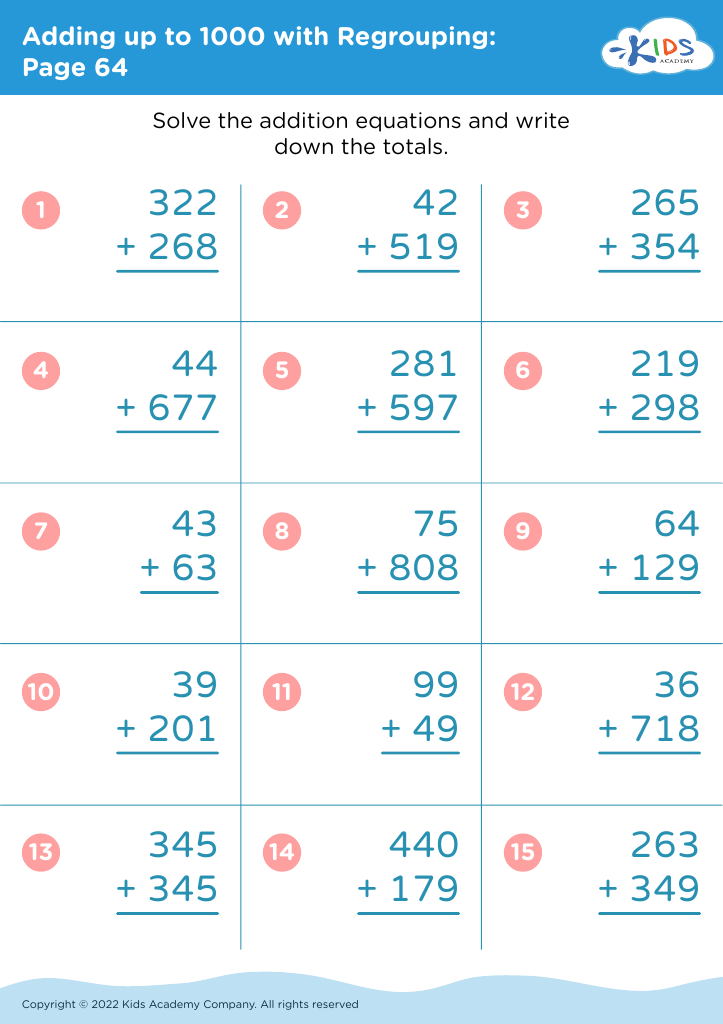
Adding up to 1000 with Regrouping: Page 64
Worksheet
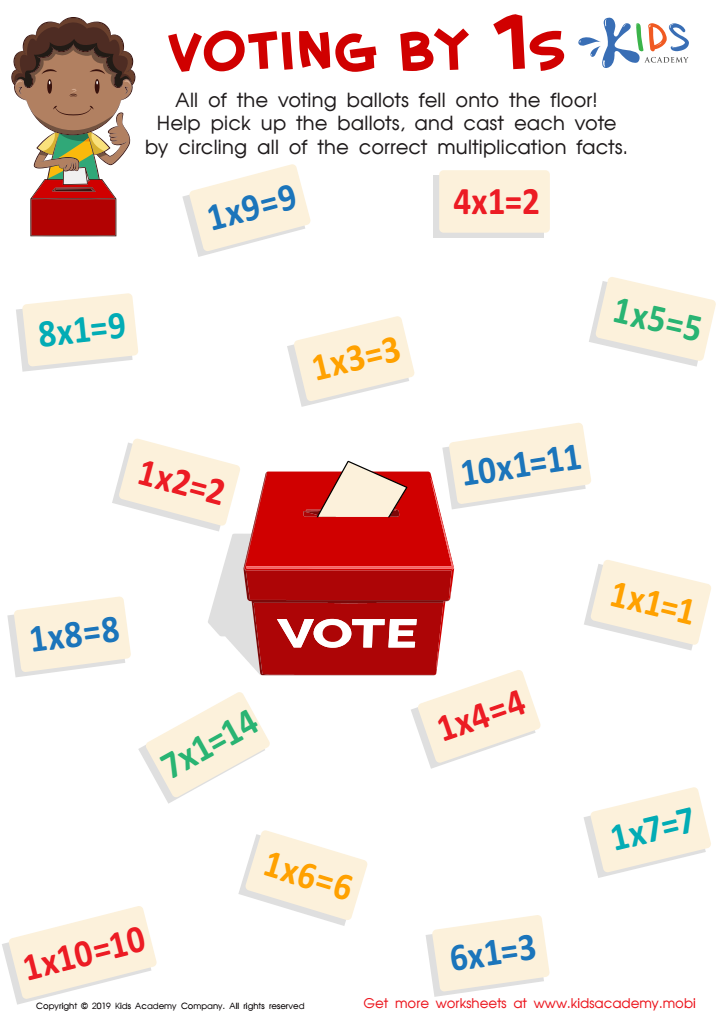
Voting by 1s Worksheet

Voting by 1s Worksheet

Ask your child if they can list duties of a good citizen. These include voting, to elect right leaders. With this worksheet, the voting ballots have fallen to the floor! Help your kids pick them up and cast each vote by circling the correct multiplication facts.
Voting by 1s Worksheet
Worksheet
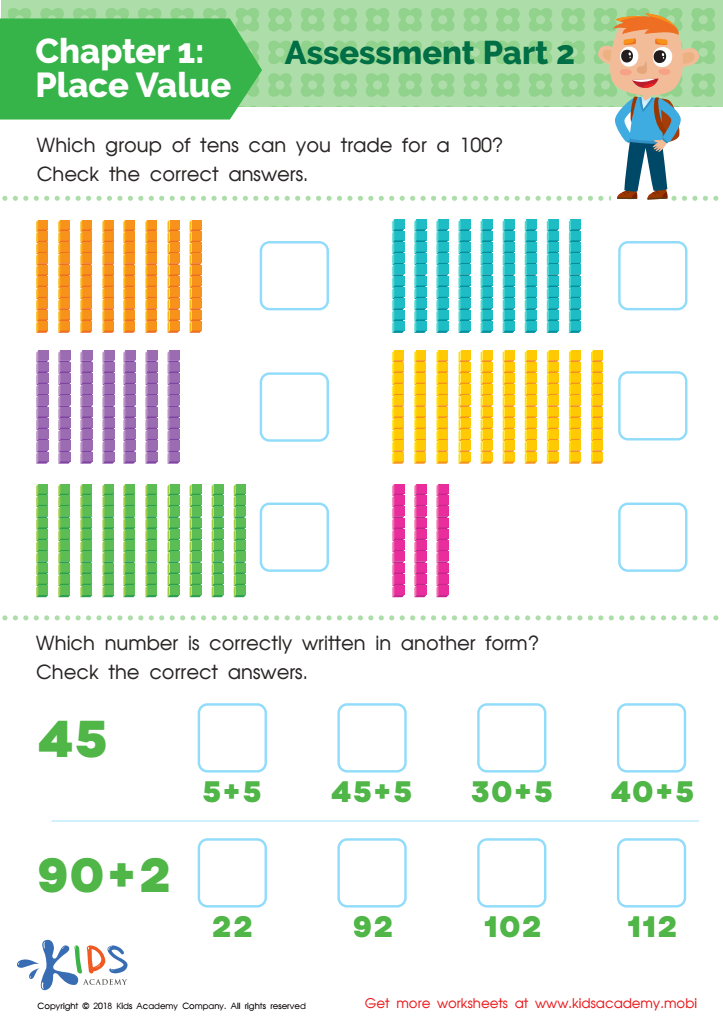
Place Value: Chapter 2 Worksheet
Place Value: Chapter 2 Worksheet
Place value is a key math topic. If your child needs more practice, use this worksheet. It challenges them to figure out which group of tens equals a 100, then check the answer and move to the next question.
Place Value: Chapter 2 Worksheet
Worksheet
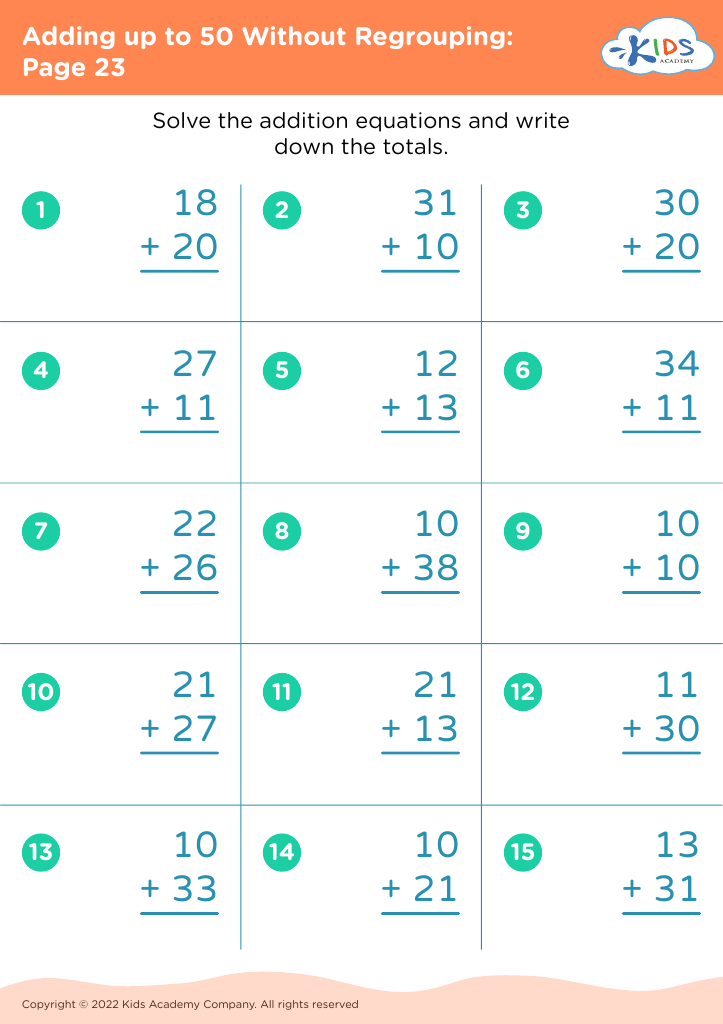
Adding up to 50 Without Regrouping: Page 23
Worksheet
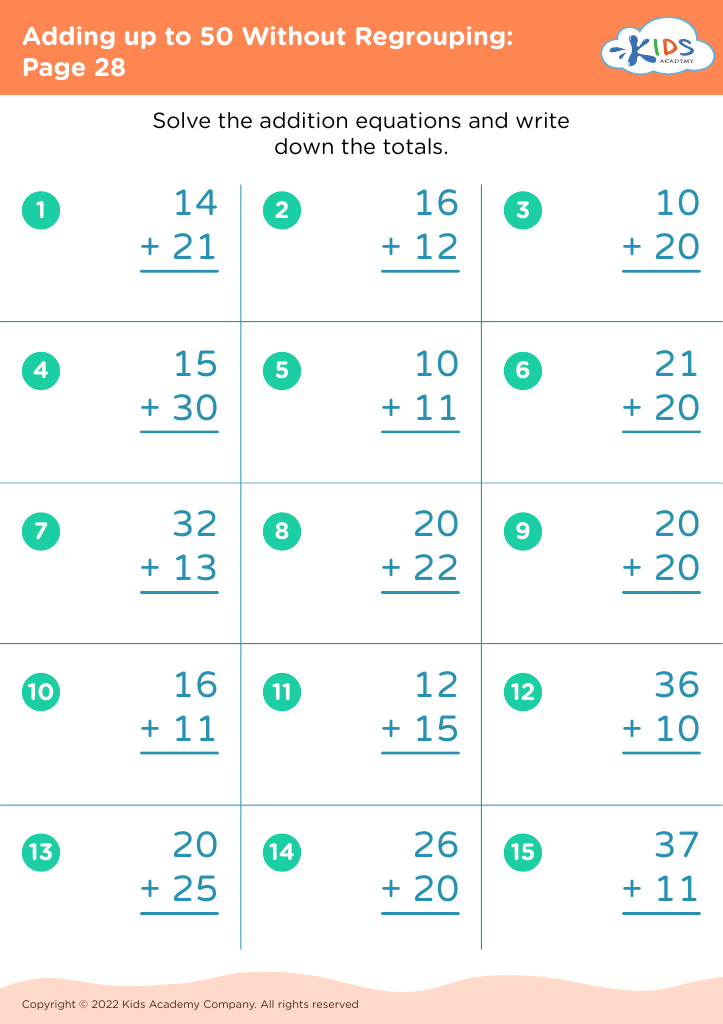
Adding up to 50 Without Regrouping: Page 28
Worksheet
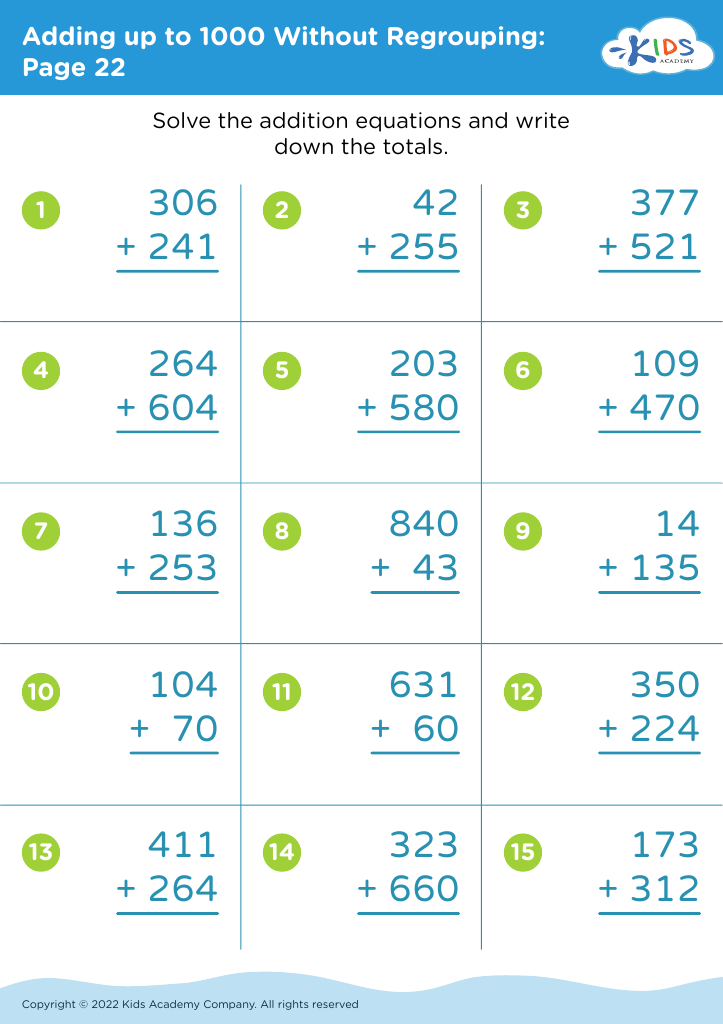
Adding up to 1000 Without Regrouping: Page 22
Worksheet
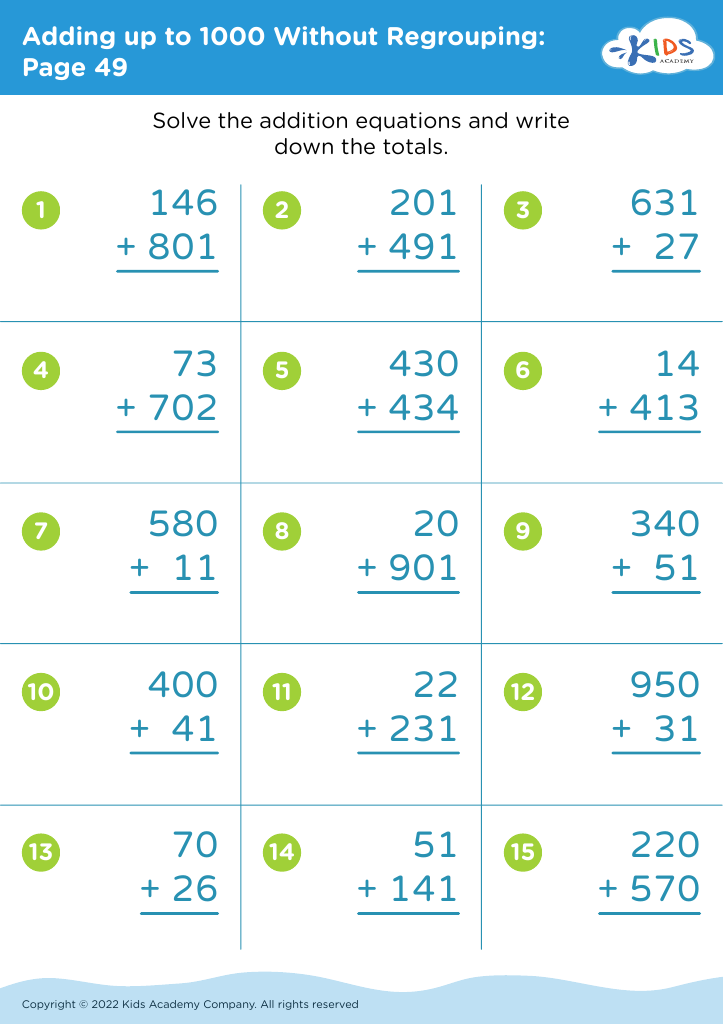
Adding up to 1000 Without Regrouping: Page 49
Worksheet
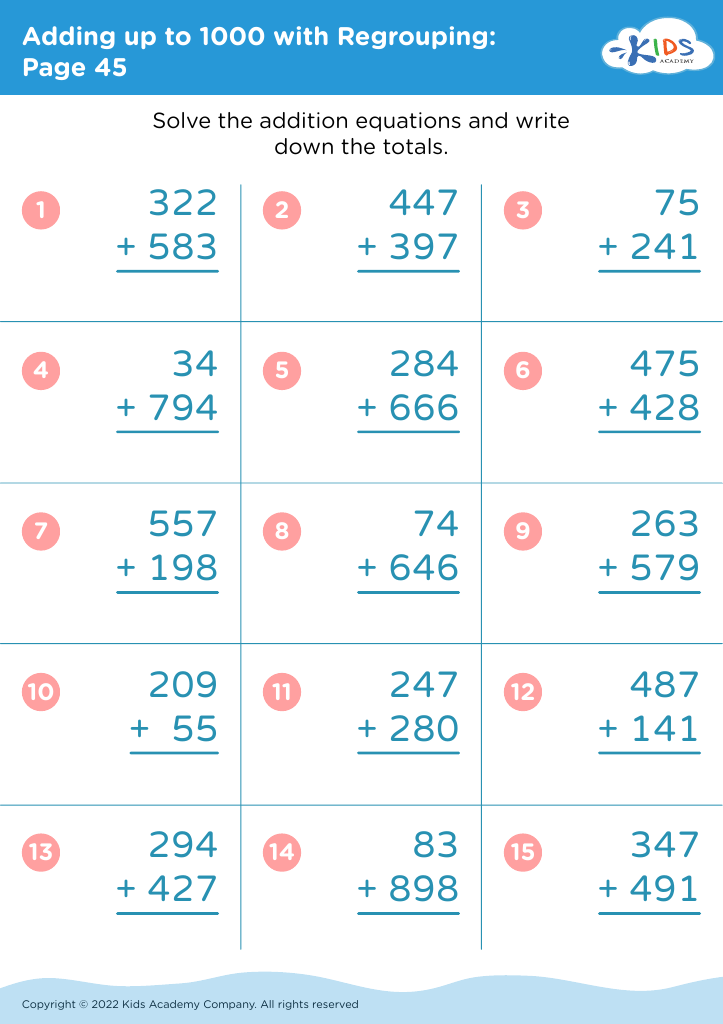
Adding up to 1000 with Regrouping: Page 45
Worksheet
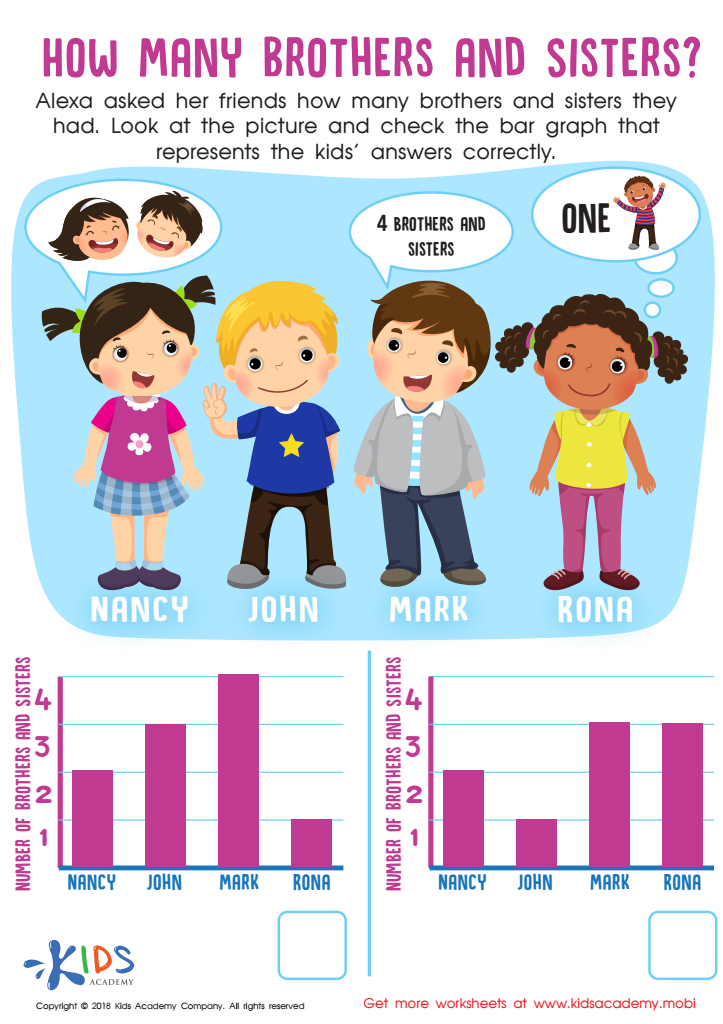
How Many Brothers and Sisters? Worksheet
How Many Brothers and Sisters? Worksheet
With this worksheet, Alexa has asked her friends how many siblings they have. Have your child look at the picture and use it to answer the bar graph correctly. Can they tell you how many siblings their friends have? See if they can get it right!
How Many Brothers and Sisters? Worksheet
Worksheet
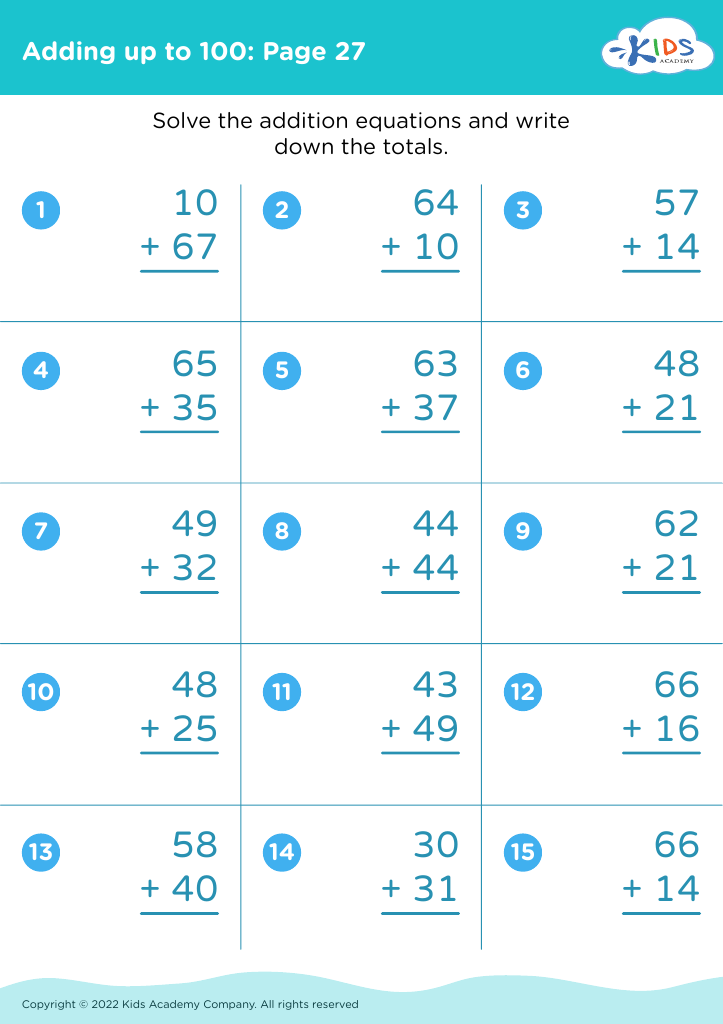
Adding up to 100: Page 27

Adding up to 100: Page 27

Adding up to 100: Page 27
Worksheet
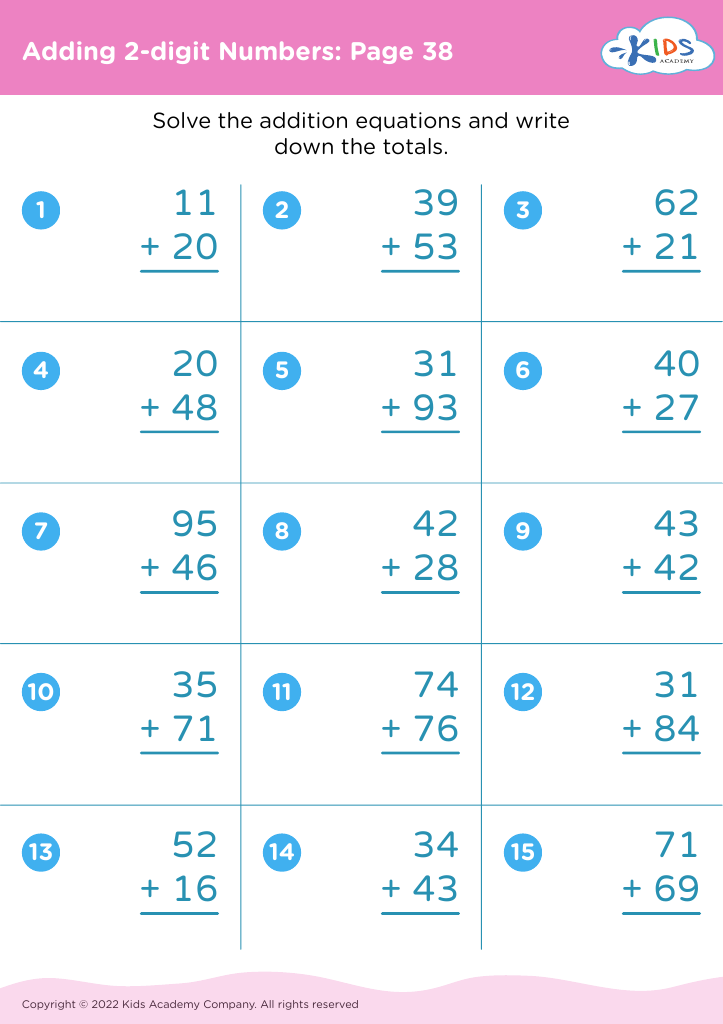
Adding 2-digit Numbers: Page 38

Adding 2-digit Numbers: Page 38

Adding 2-digit Numbers: Page 38
Worksheet
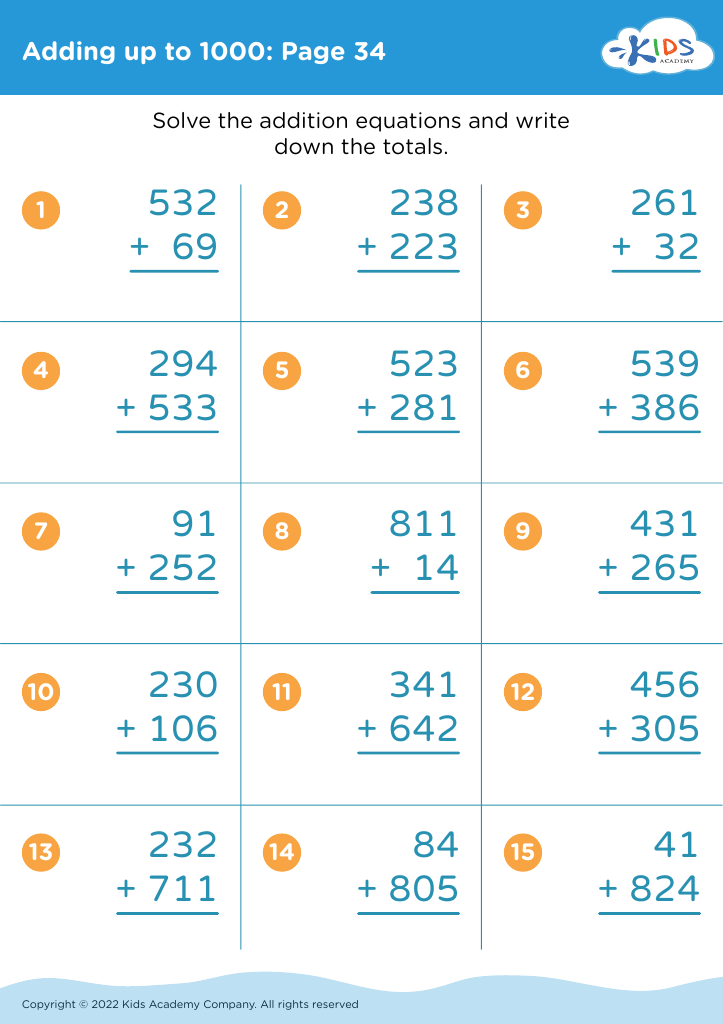
Adding up to 1000: Page 34

Adding up to 1000: Page 34

Adding up to 1000: Page 34
Worksheet
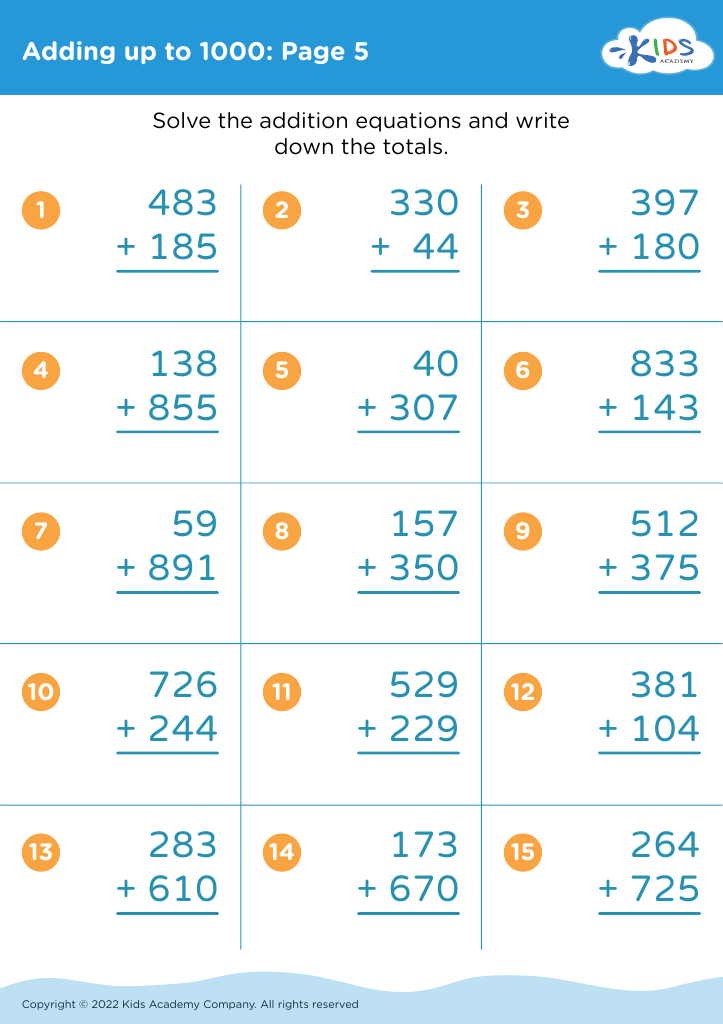
Adding up to 1000: Page 5

Adding up to 1000: Page 5

Adding up to 1000: Page 5
Worksheet


Counting skills are foundational for an 8-year-old's mathematical development and overall cognitive abilities. At this age, children are transitioning from basic counting to more complex mathematical concepts, such as addition, subtraction, and even simple multiplication. Strong counting skills enable them to understand number relationships and patterns, which are critical for building future mathematical understanding.

Parents and teachers should care about nurturing these skills because counting forms the basis for logical thinking and problem-solving abilities that are essential not only in math but also in everyday life. Proficient counting techniques help improve a child's ability to analyze situations, manage time, and understand quantities—key skills for subjects like science and economics later on.

Additionally, fostering counting skills can aid in boosting a child’s confidence. Children who master these basic skills are more likely to feel competent when tackling new challenges. Moreover, counting activities can facilitate bonding between parents and children, making learning enjoyable and engaging. In a broader perspective, developing strong counting skills at a young age sets the stage for success in future academic pursuits and instills a positive attitude towards learning that can carry into adulthood. Thus, prioritizing counting skills is a worthwhile and impactful investment in a child's future.