
Develop critical thinking Worksheets for 8-Year-Olds
13 filtered results
Difficulty Level
Grade
Age
-
From - To
Subject
Activity
Standards
Enhance your child's cognitive abilities with our Develop Critical Thinking Worksheets for 8-Year-Olds! Designed to spark curiosity and foster analytical skills, these engaging worksheets challenge young minds to think critically and creatively. Explore thought-provoking problems, puzzles, and scenarios that encourage children to question, analyze, and draw conclusions. Our user-friendly resources promote collaboration and independent thinking, paving the way for lifelong learning. Ideal for classrooms or at-home activities, these worksheets help children build essential skills that support academic success and personal growth. Start cultivating critical thinking in your child today - access a variety of worksheets tailored to inspire and develop young thinkers!
Favorites
With answer key
Interactive
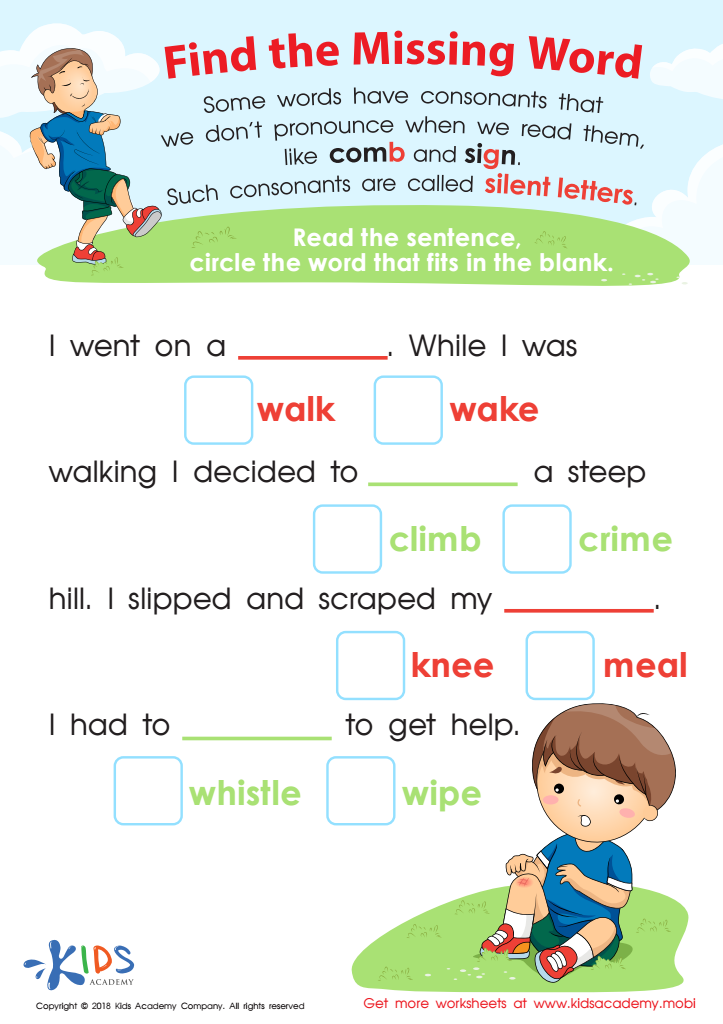
Find The Missing Word Worksheet
Master silent letters like "b" and "k" with this illustrated worksheet! Read the sentences and fill in the blanks with the correct word, checking the box. Read all the way to the bottom and review words containing silent letters. A great way to help your little learner tackle a tough topic!
 Assign to My Students
Find The Missing Word Worksheet
Worksheet
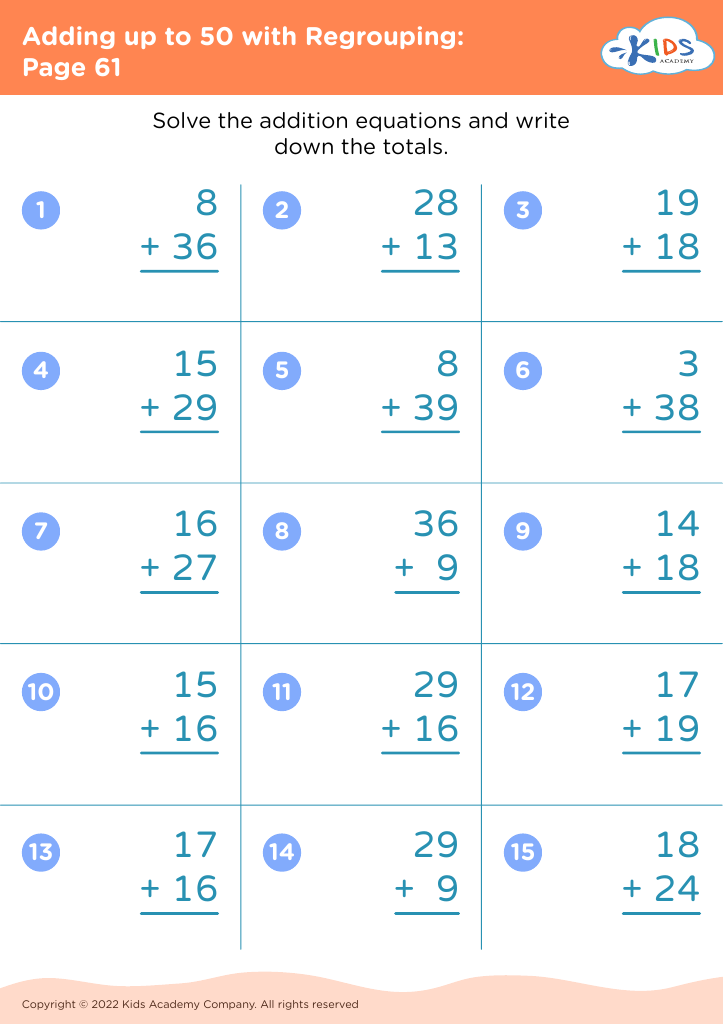
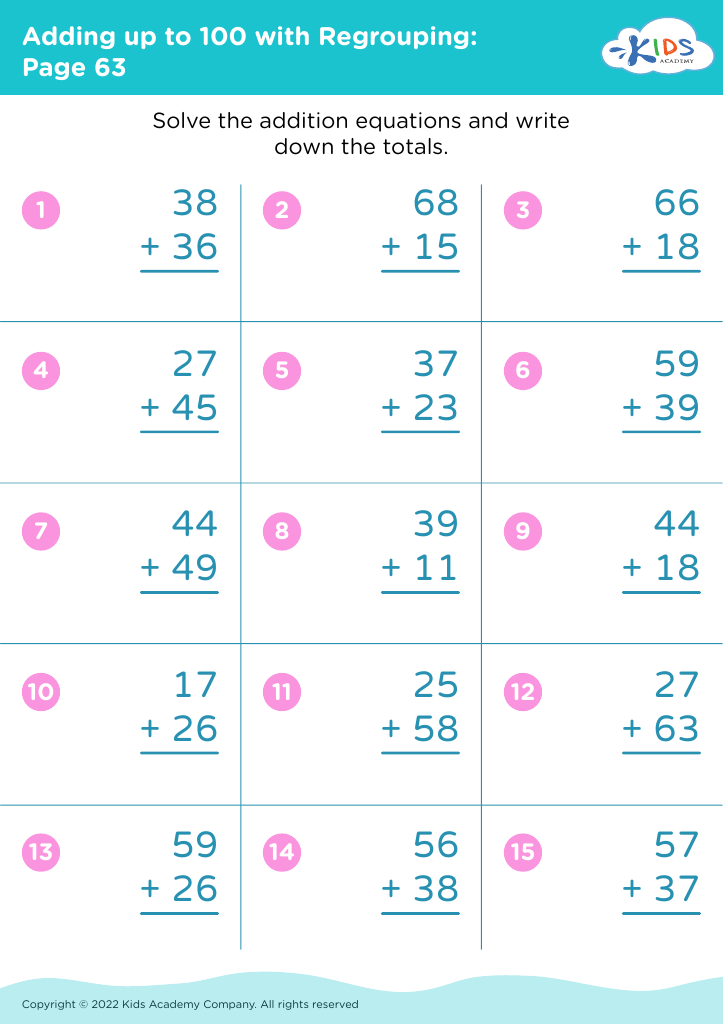
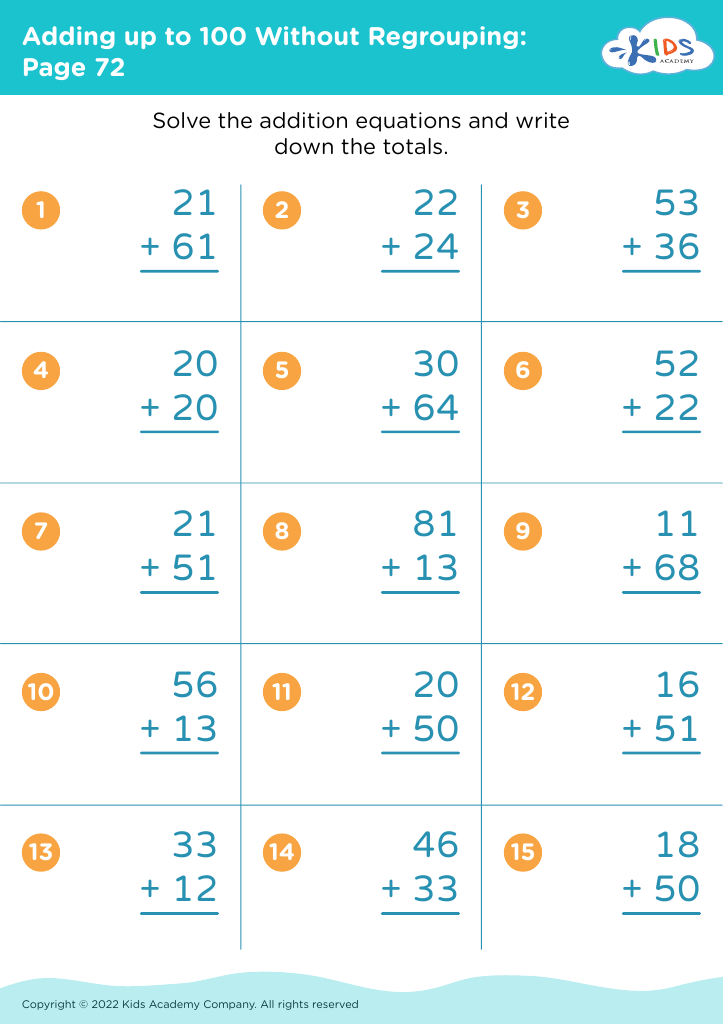
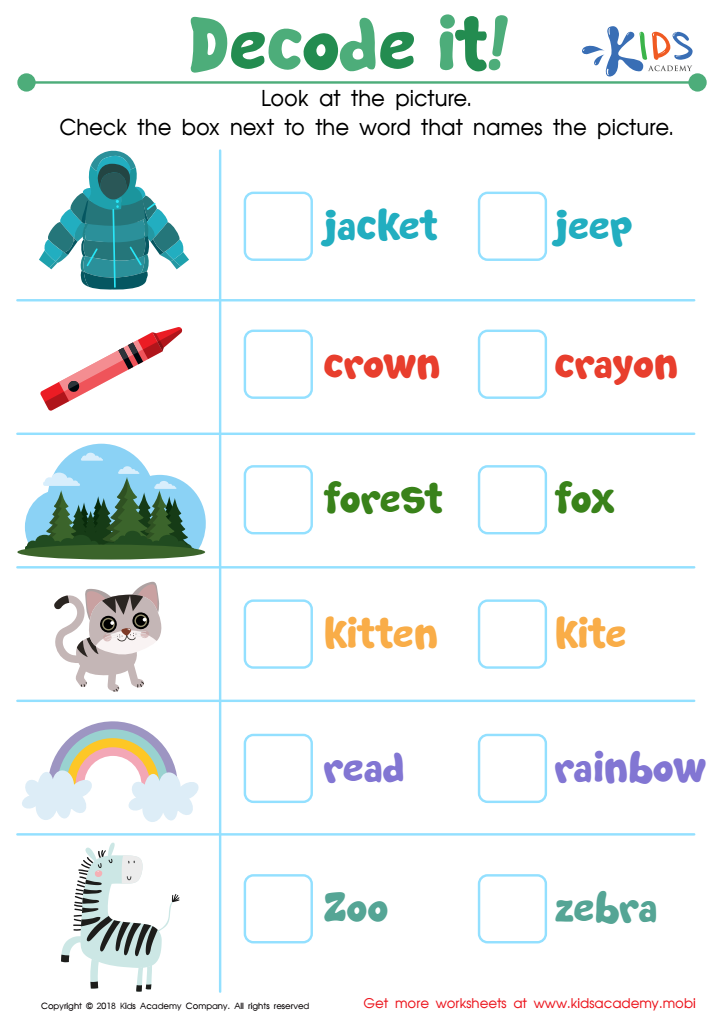
Reading: Decode It Worksheet
Look at the picture and circle the word that names it. This exercise helps kids practice picture cues and decoding words, with the same beginning sound. It builds their fluency and comprehension, giving them the skills to read unfamiliar words.
Reading: Decode It Worksheet
Worksheet
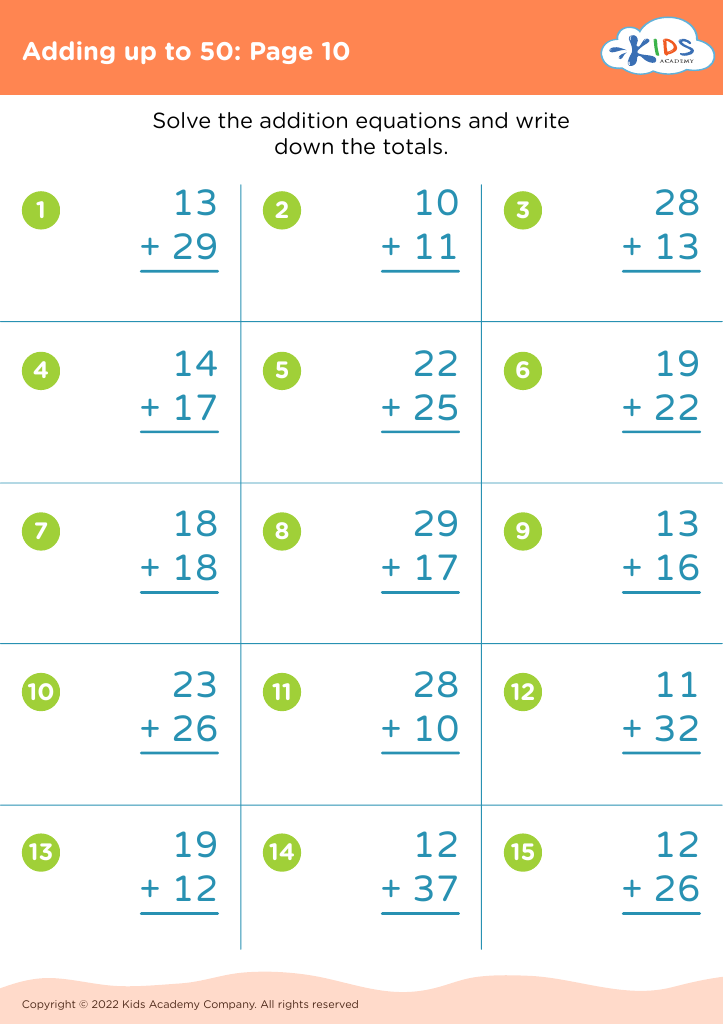
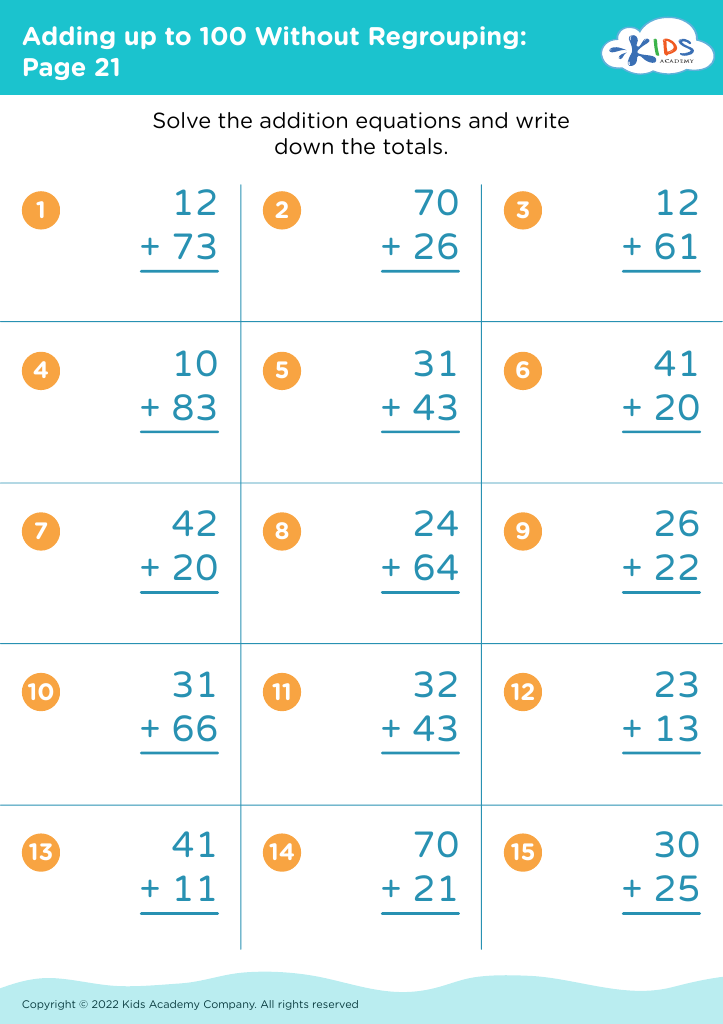
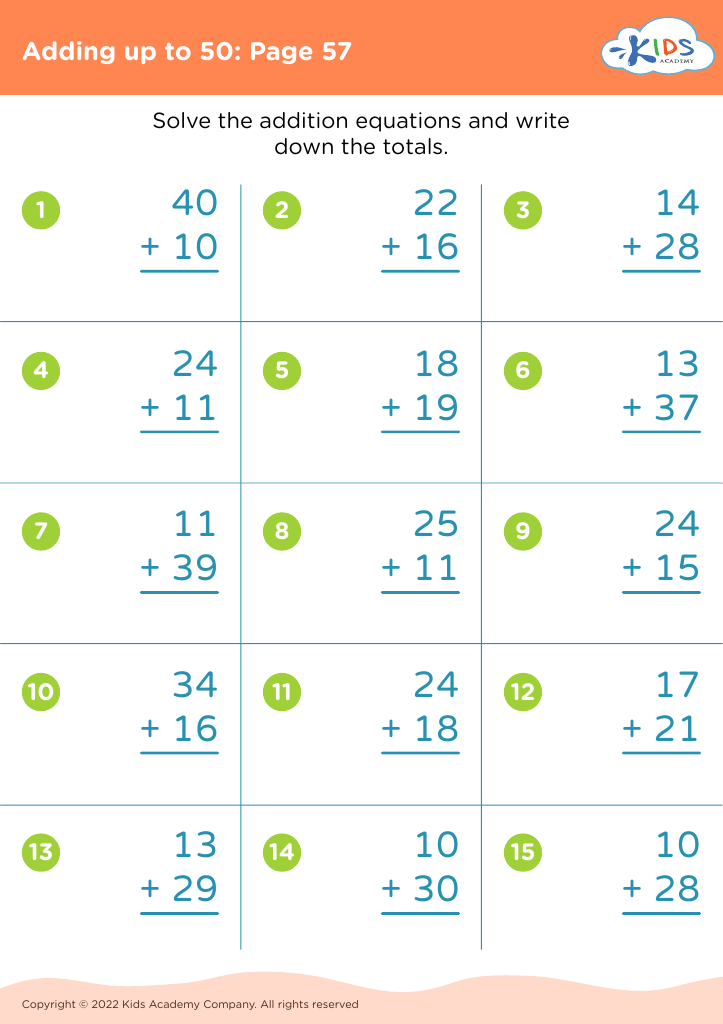
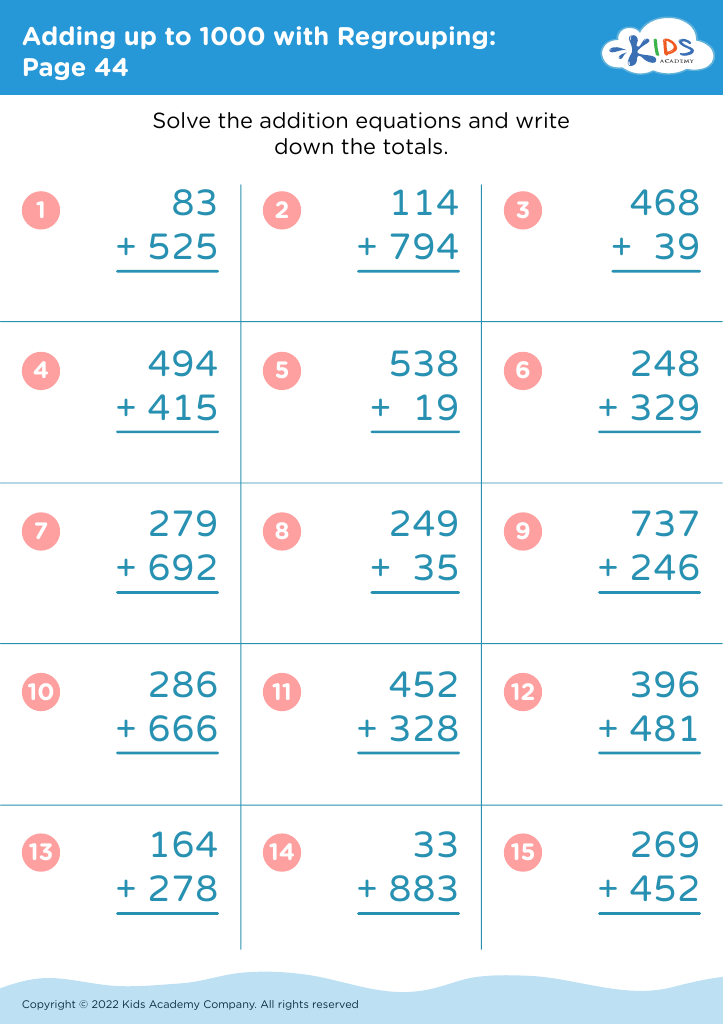
Join Kids Academy for Free
Who is primarily going to use this learning content?







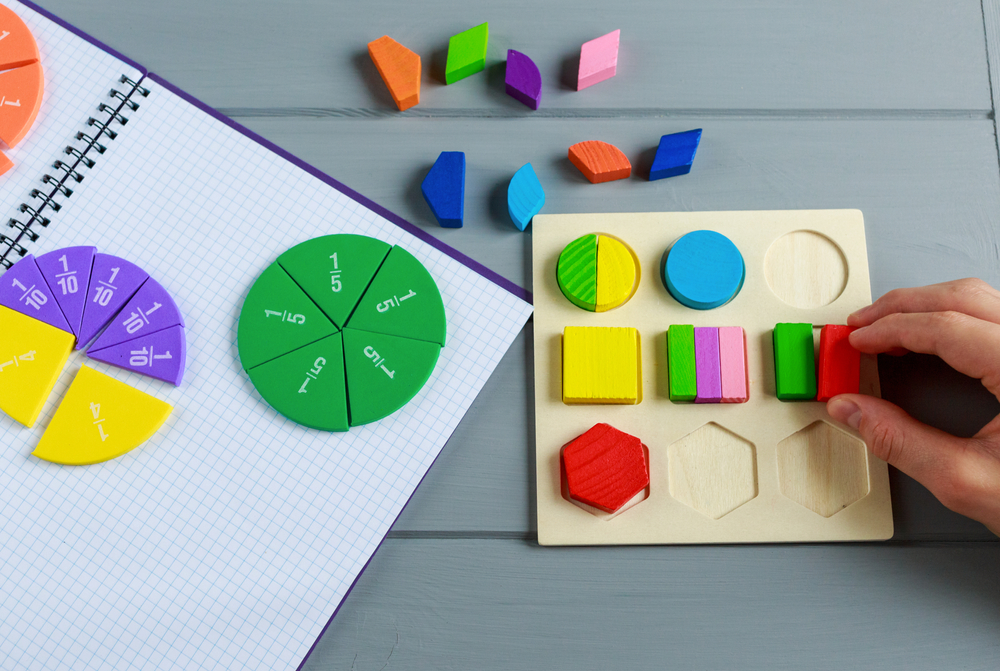
Developing critical thinking skills in 8-year-olds is crucial for their overall cognitive development and future success. At this age, children are beginning to think more abstractly and reason logically. By fostering critical thinking, parents and teachers can help children learn to analyze information, evaluate different perspectives, and make reasoned decisions. This foundational skill enables them to navigate complex problems both inside and outside the classroom.
Moreover, critical thinking encourages curiosity and a love for learning. When children learn to question, explore, and reflect on their observations, they become more engaged and motivated learners. This inquisitive mindset not only prepares them for academic challenges but also equips them with the social skills needed to collaborate effectively with peers.
Parents and teachers play a crucial role in this development by creating environments that stimulate thoughtful discussions, encourage experimentation, and celebrate mistakes as learning opportunities. By prioritizing critical thinking, they are not just preparing children for school standards; they are helping to cultivate thoughtful, independent thinkers who will be equipped to contribute positively to society in the future. Ultimately, investing in critical thinking now lays the groundwork for resilient, innovative, and adaptive young minds.








