
Recognizing numbers Worksheets for 8-Year-Olds
5 filtered results
Difficulty Level
Grade
Age
-
From - To
Subject
Activity
Standards
Discover our engaging "Recognizing Numbers Worksheets for 8-Year-Olds," designed to enhance young learners' numerical skills through fun and interactive activities. These worksheets cater to various learning styles, featuring exercises that promote number identification, counting, and basic mathematics in a playful manner. Children will enjoy vibrant visuals and relatable themes, making math an exciting adventure. Our resources are perfect for reinforcing classroom learning or as supplemental home activities. Help your 8-year-old build a strong foundation in number recognition while boosting their confidence and enthusiasm for math. Explore our collection today and watch your child's numerical prowess grow!
Favorites
With answer key
Interactive
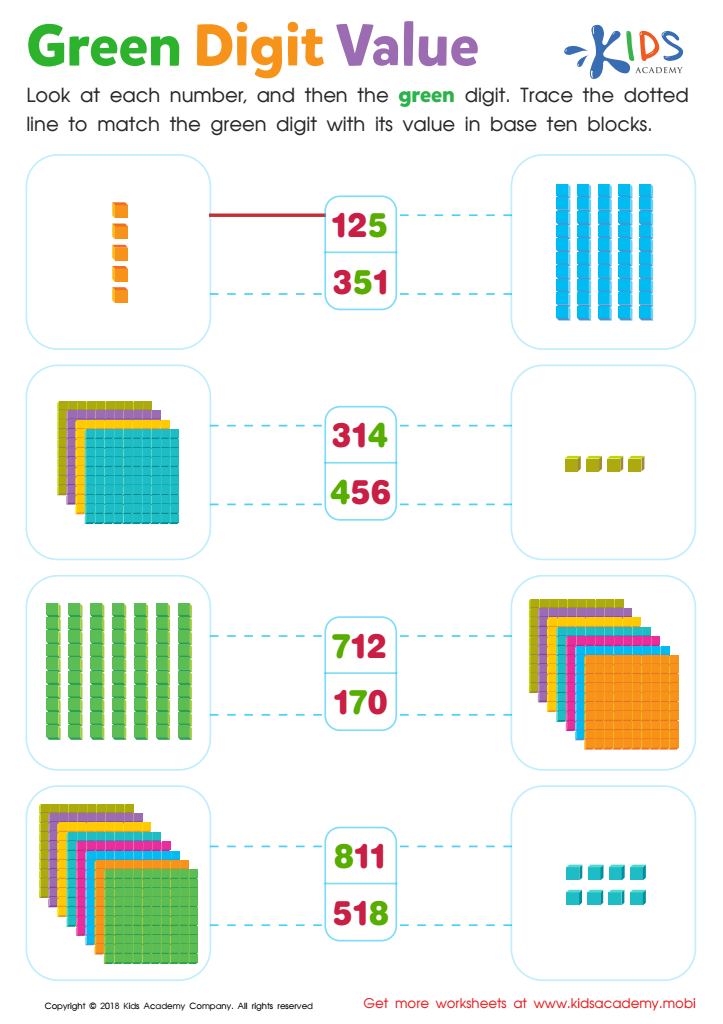
Green Digit Value Worksheet
Math can be stressful for kids. But you can help relieve their anxiety with this simple worksheet. It gives them practice to help them prepare for tougher tasks. Have your child look at the numbers and green digit, then trace the dotted lines to match the green digit with its value in base ten blocks. This will help make math more manageable.
 Assign to My Students
Green Digit Value Worksheet
Worksheet
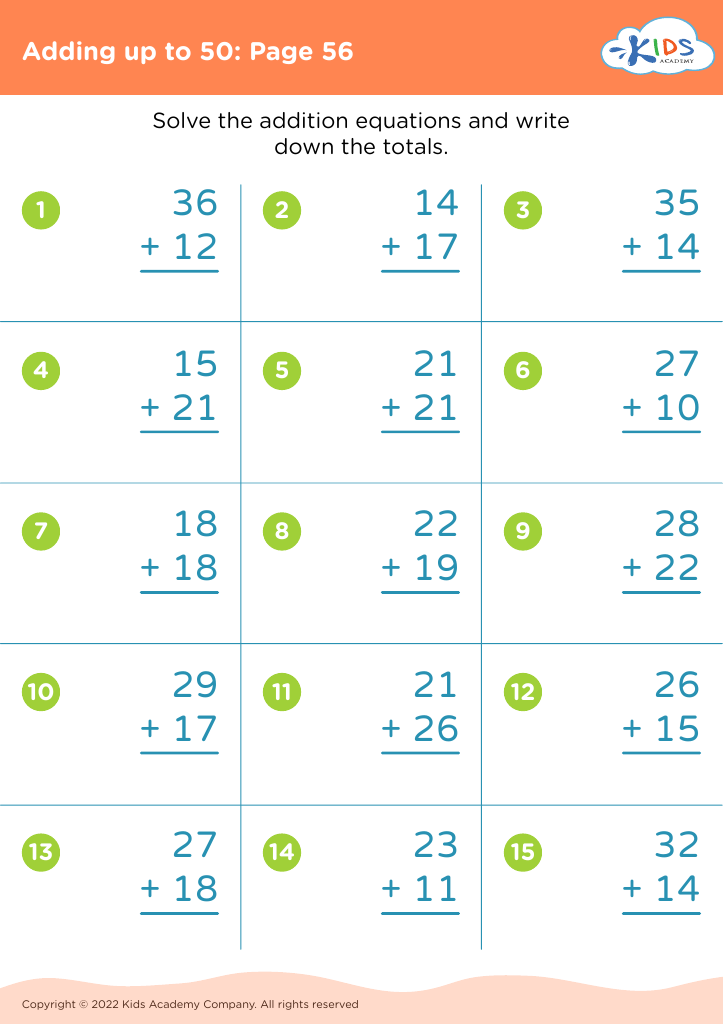
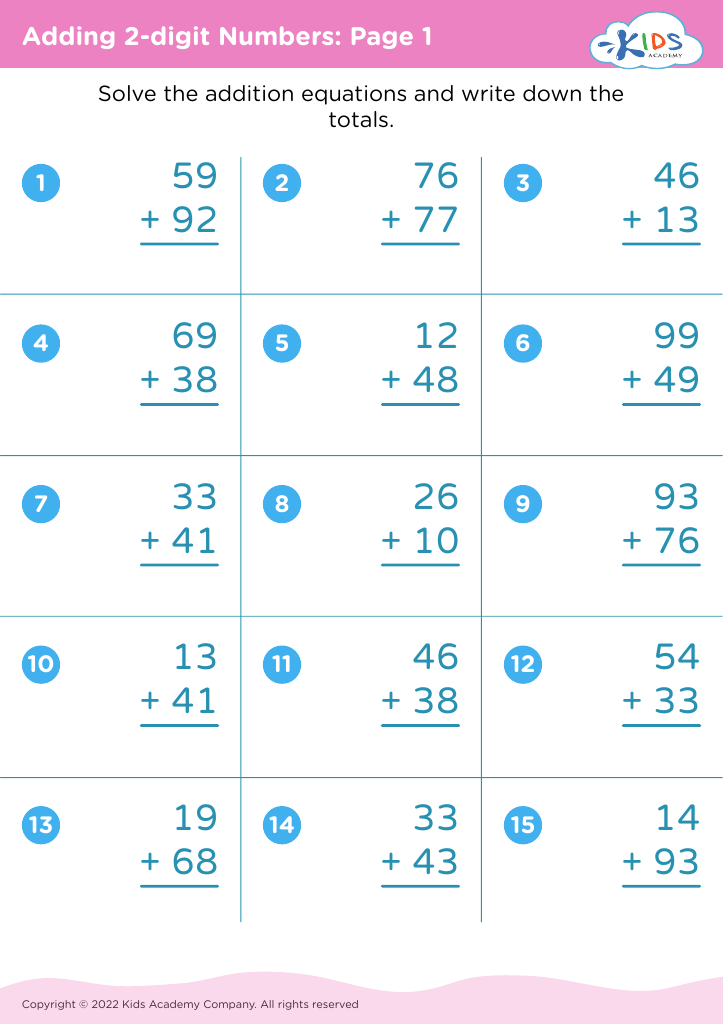
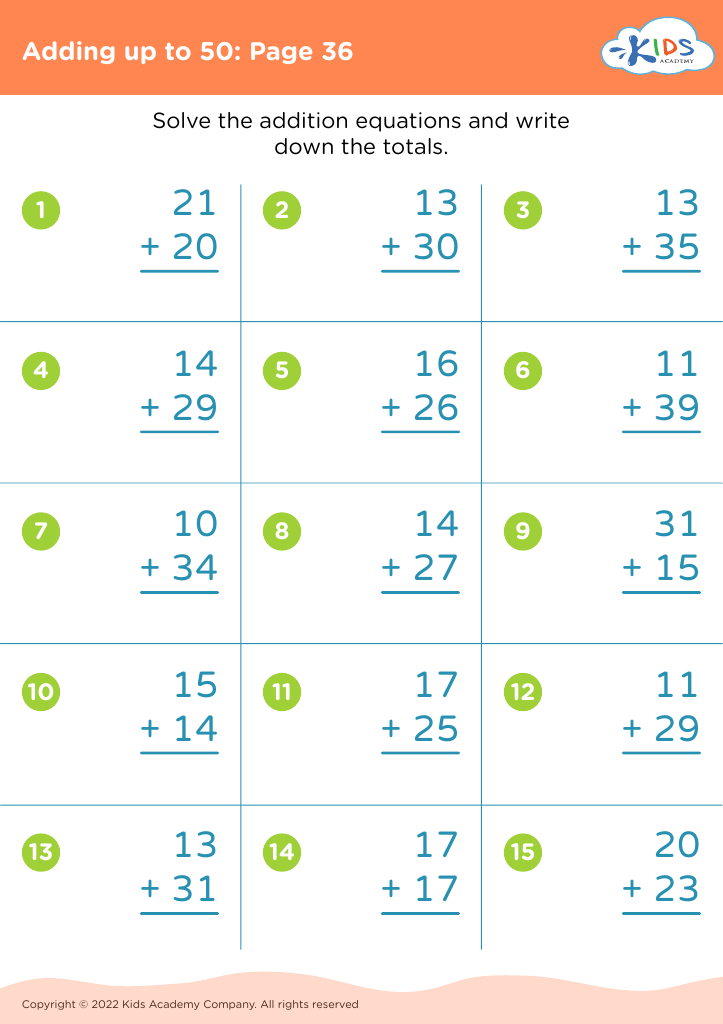
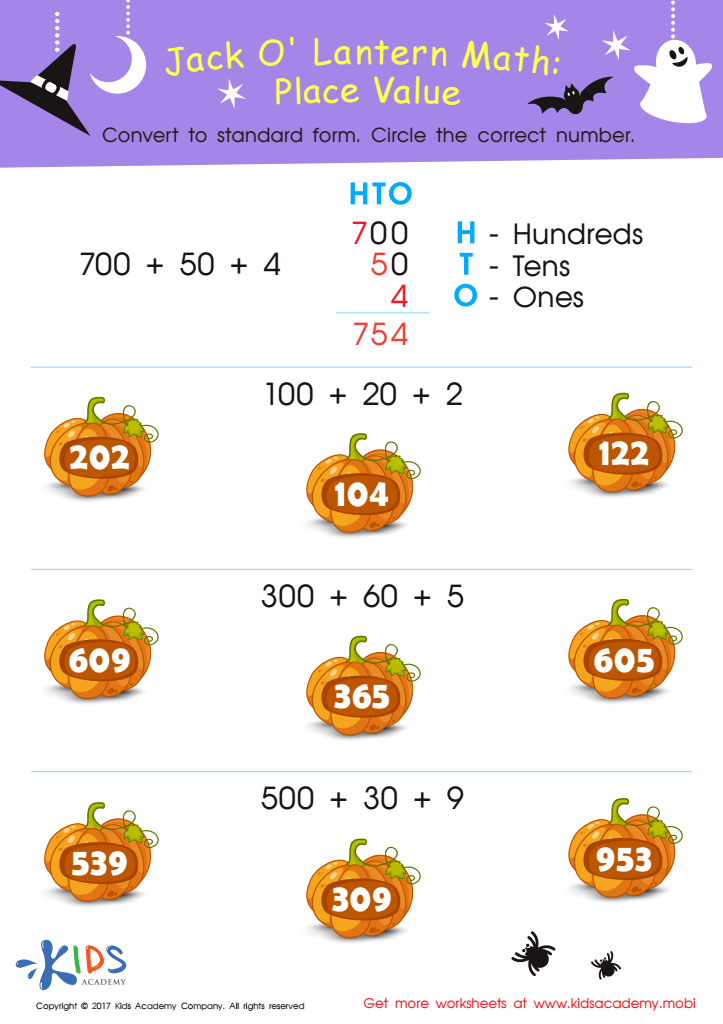
Free Place Value Worksheet
This Halloween-themed worksheet helps children practice converting equations to standard form and understand place value for better problem-solving. Download this free PDF for a fun way to do it!
Free Place Value Worksheet
Worksheet
Join Kids Academy for Free
Who is primarily going to use this learning content?








Recognizing numbers is a foundational skill crucial for an 8-year-old's academic and daily life success. At this age, cognitive abilities are developing rapidly, making it vital for parents and teachers to support numerical recognition. Mastery of number recognition lays the groundwork for essential math skills, including addition, subtraction, and more complex operations.
Understanding numbers not only aids in mathematical competence but also enhances problem-solving skills and logical reasoning. Children who are proficient in recognizing numbers can engage more thoroughly with classroom activities, participate in hands-on math learning, and tackle real-world problems that involve counting, measuring, and budgeting.
Additionally, strong numerical recognition fosters confidence in children. When they feel capable of identifying and working with numbers, they are more likely to engage in discussions and activities that bolster their overall learning experience.
Beyond academics, numerical recognition is vital for everyday tasks, such as reading house numbers, handling money, and understanding time, which contribute to independence and practical life skills. For these reasons, empowering children to recognize numbers effectively paves the way for their future learning success and daily life competence, making it a priority for both parents and educators.








