Shape Recognition Worksheets for 8-Year-Olds - Page 3
63 filtered results
-
From - To
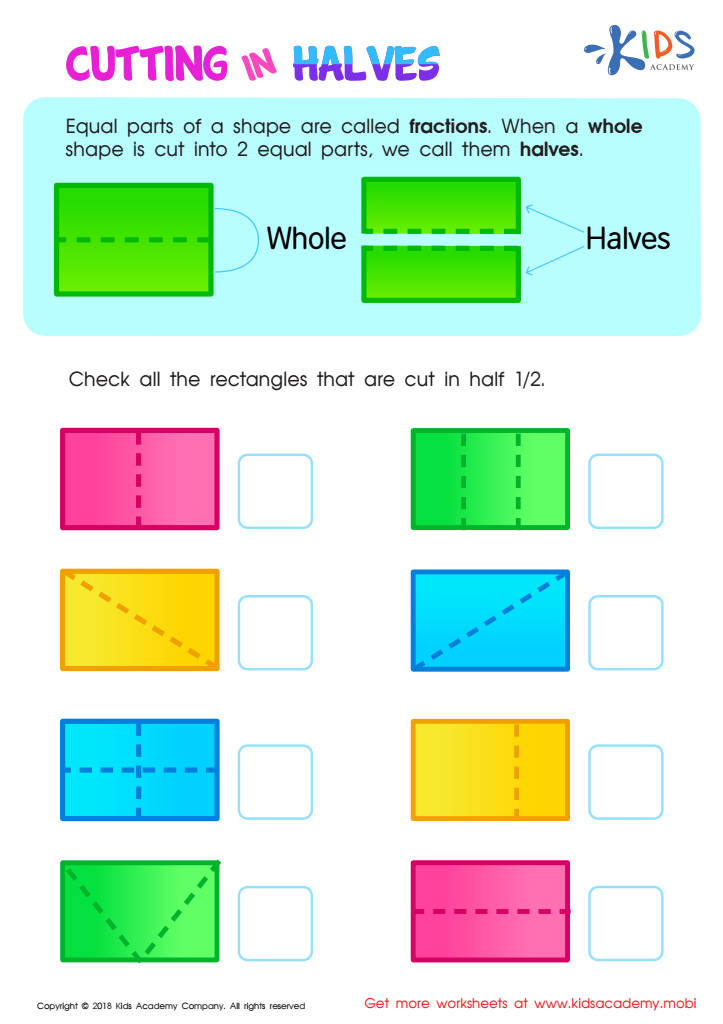
Cutting in Halves Worksheet
 Assign to My Students
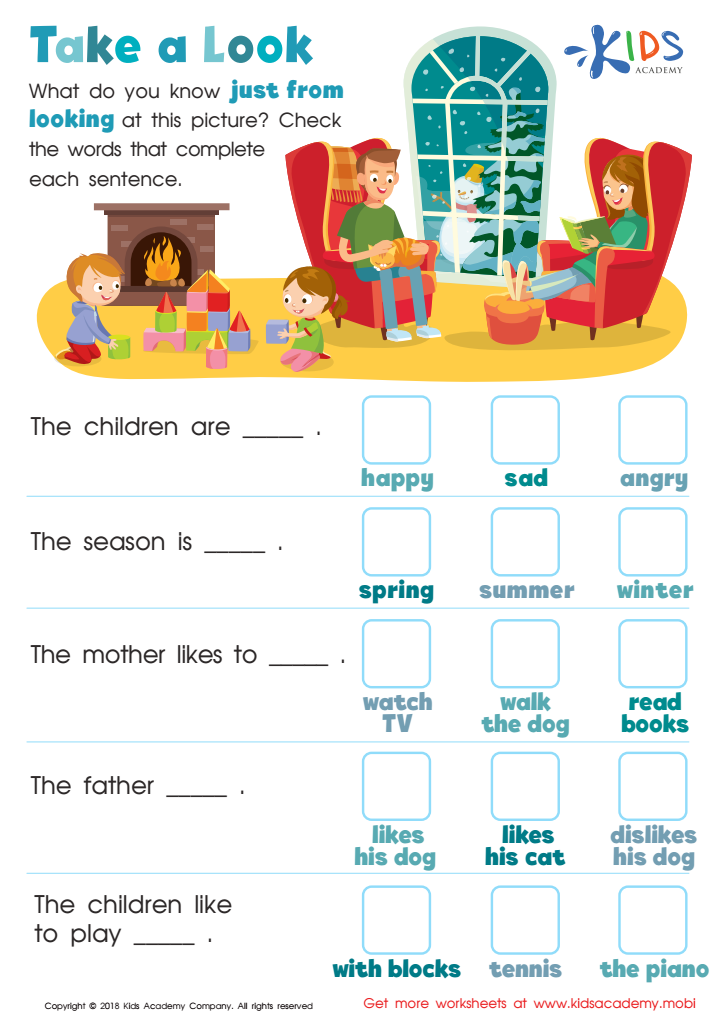
Take a Look - Part 1 Worksheet
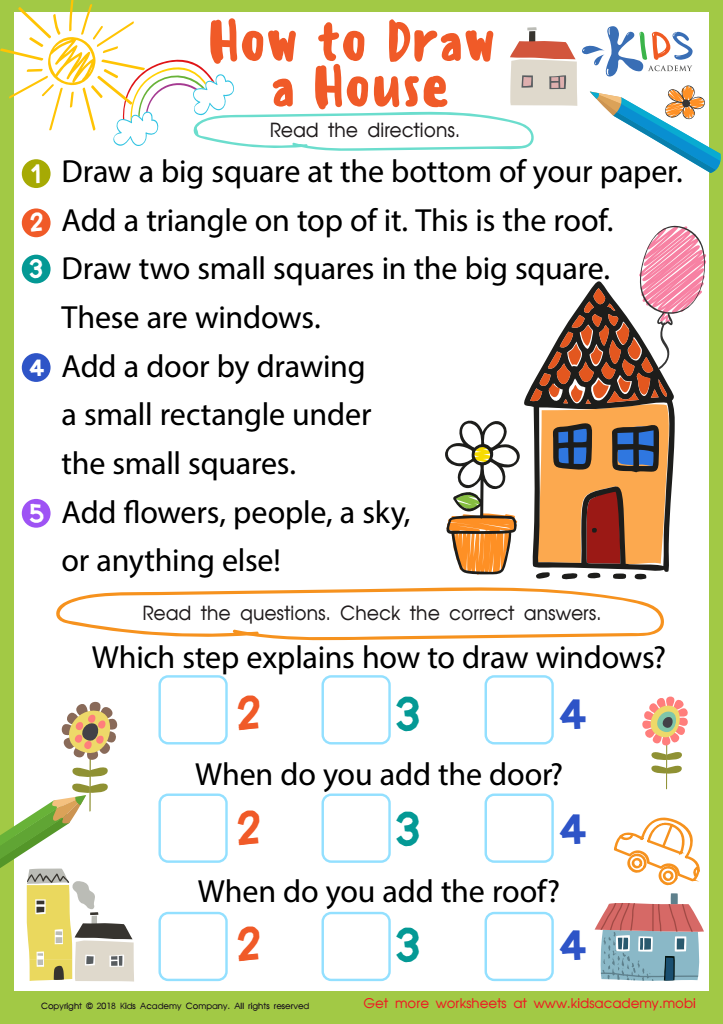
How to Draw House Worksheet
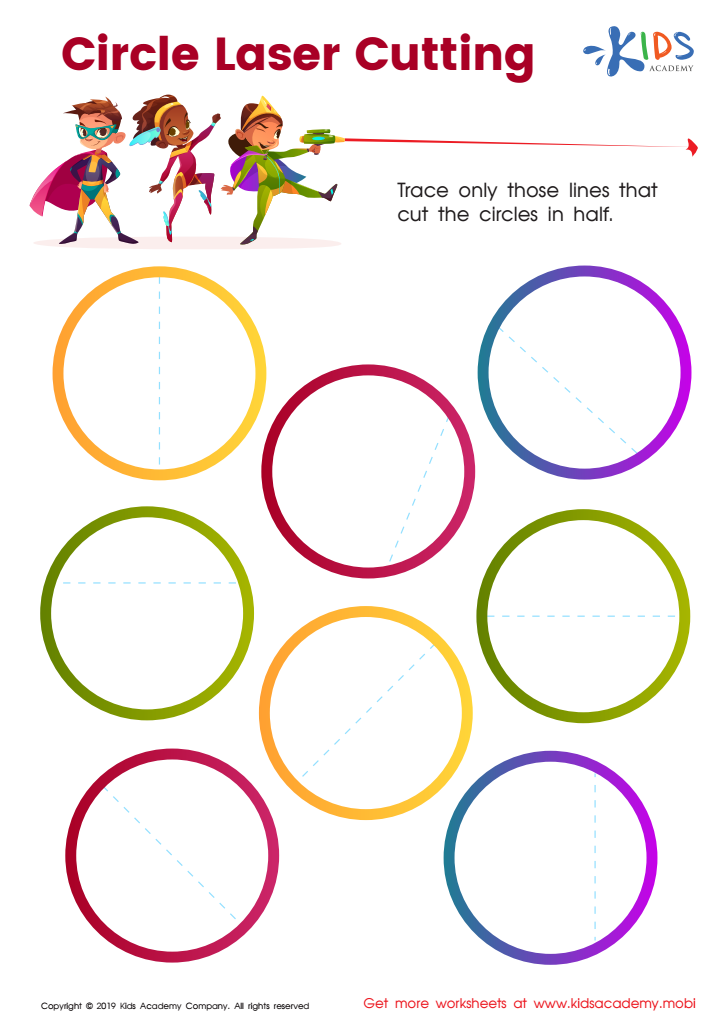
Circle Laser Cutting Worksheet
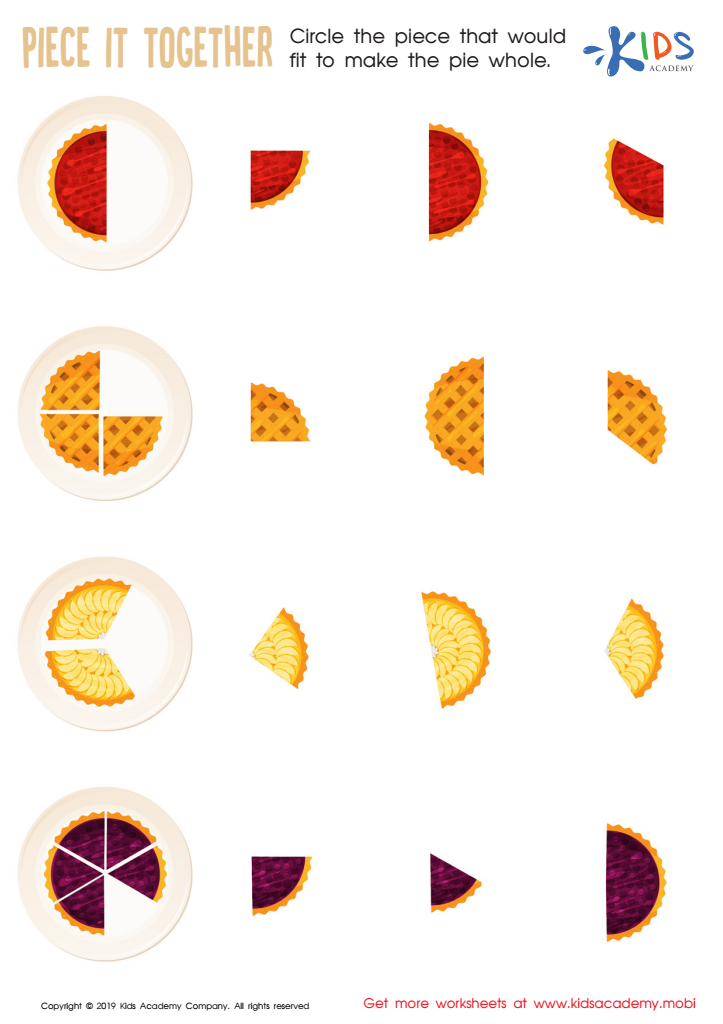
Piece it together Worksheet
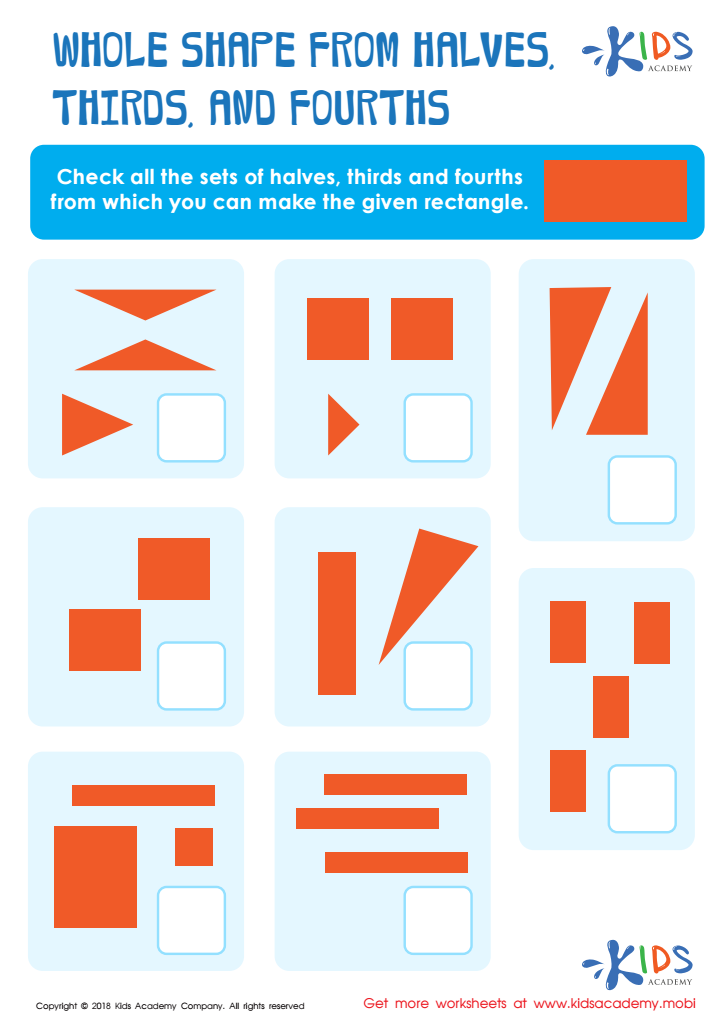
Whole Shape from Halves, Thirds and Fourths Worksheet



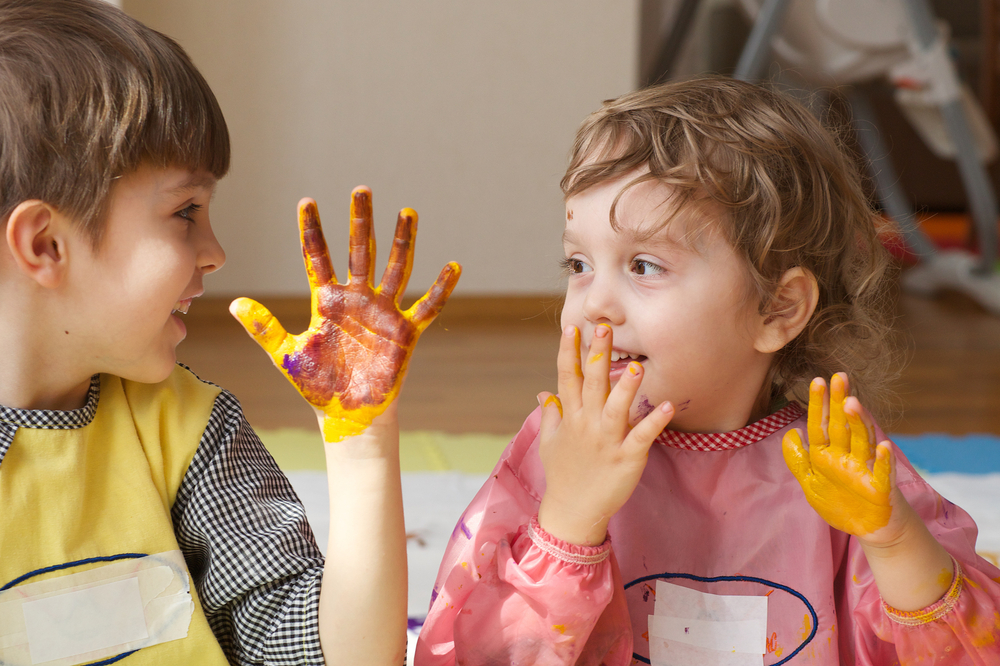



Shape recognition is a fundamental skill that significantly impacts an 8-year-old's cognitive development and academic success. Encouraging shape recognition helps children understand spatial relationships and fosters critical thinking abilities. At this age, children begin to apply their knowledge of shapes not only in mathematics but in real-world contexts, from architecture to art.
Understanding shapes develops a strong foundation for Geometry, an essential component of the math curriculum. It enhances problem-solving skills as children learn to categorize, compare, and manipulate different shapes. Furthermore, shape recognition supports creativity; recognizing shapes aids in activities like drawing, painting, and crafting, allowing children to express themselves artistically while reinforcing their visual literacy.
In addition to cognitive skills, shape recognition plays a vital role in fine motor development. Activities involving shapes often require precision and coordination, contributing to hand-eye coordination and dexterity.
Lastly, as future learners and problem solvers, children equipped with strong shape recognition skills are better prepared for STEM (Science, Technology, Engineering, Mathematics) careers. Both parents and teachers should prioritize shape recognition not only to enhance academic understanding but to foster overall development in young learners, preparing them for future challenges.








