Understanding history Worksheets for 8-Year-Olds
6 filtered results
-
From - To
Our "Understanding History Worksheets for 8-Year-Olds" provide an engaging way to introduce young learners to essential historical concepts and events. These age-appropriate activities help children develop critical thinking skills by exploring significant milestones and recognizing their importance in shaping today's world. Each worksheet encompasses intriguing facts, vivid illustrations, and thought-provoking questions designed to spark curiosity and deepen comprehension. Ideal for classroom use or homeschooling, these worksheets align with educational standards and ensure a comprehensive understanding of history, making learning both fun and informative. Equip your child with the tools to appreciate the past and its impact on the present and future.
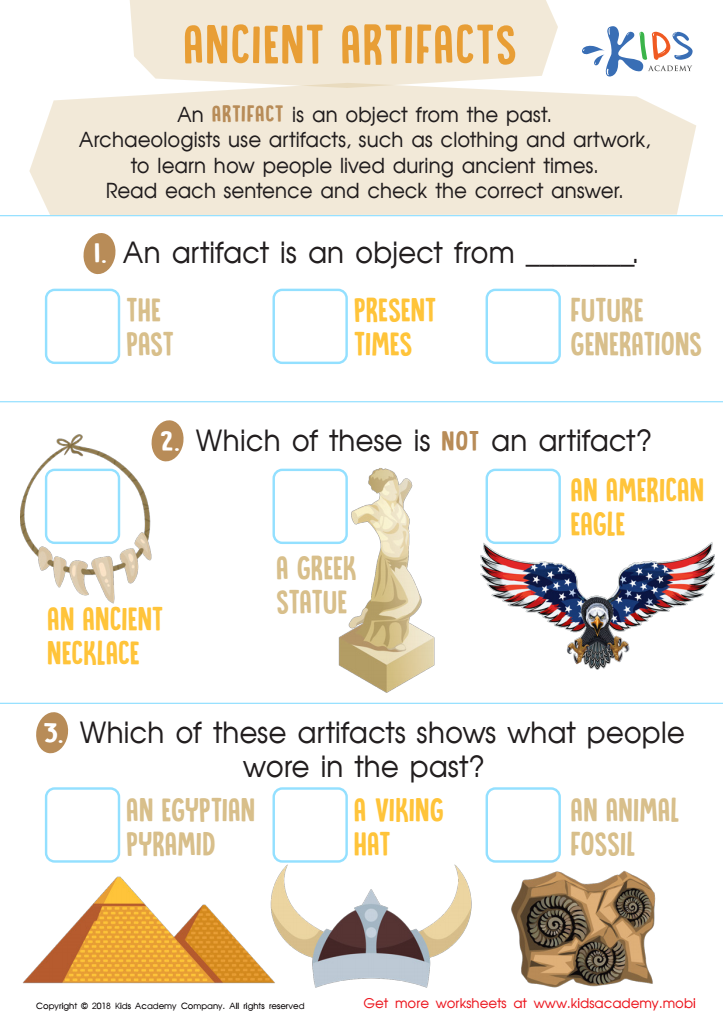
Ancient Artifacts Worksheet
 Assign to My Students
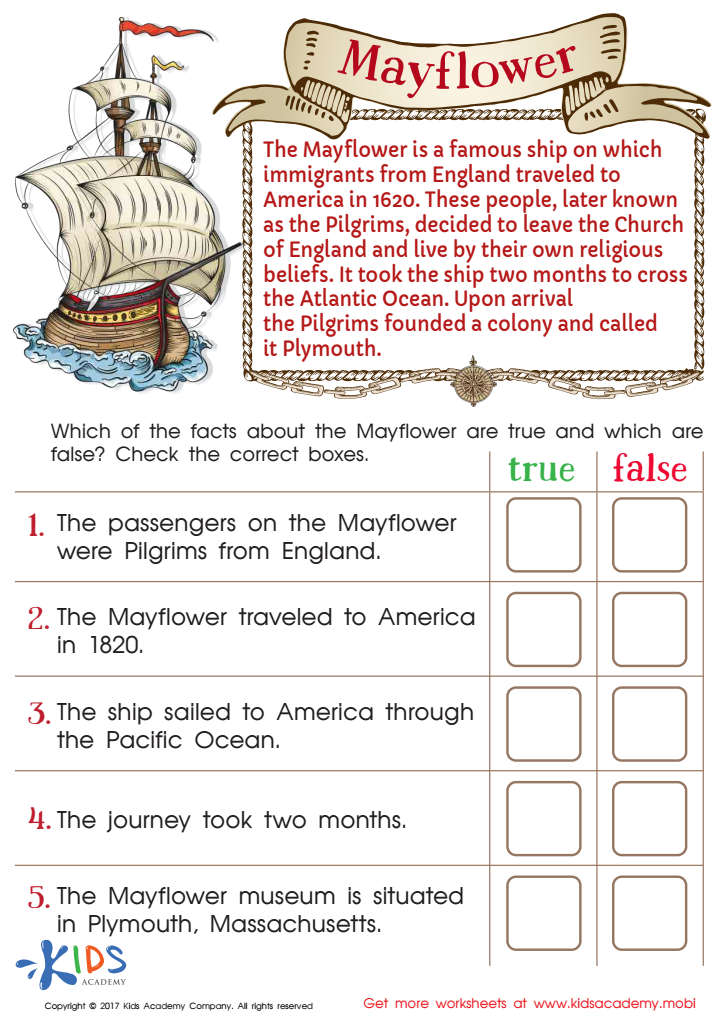
Free Mayflower Worksheet
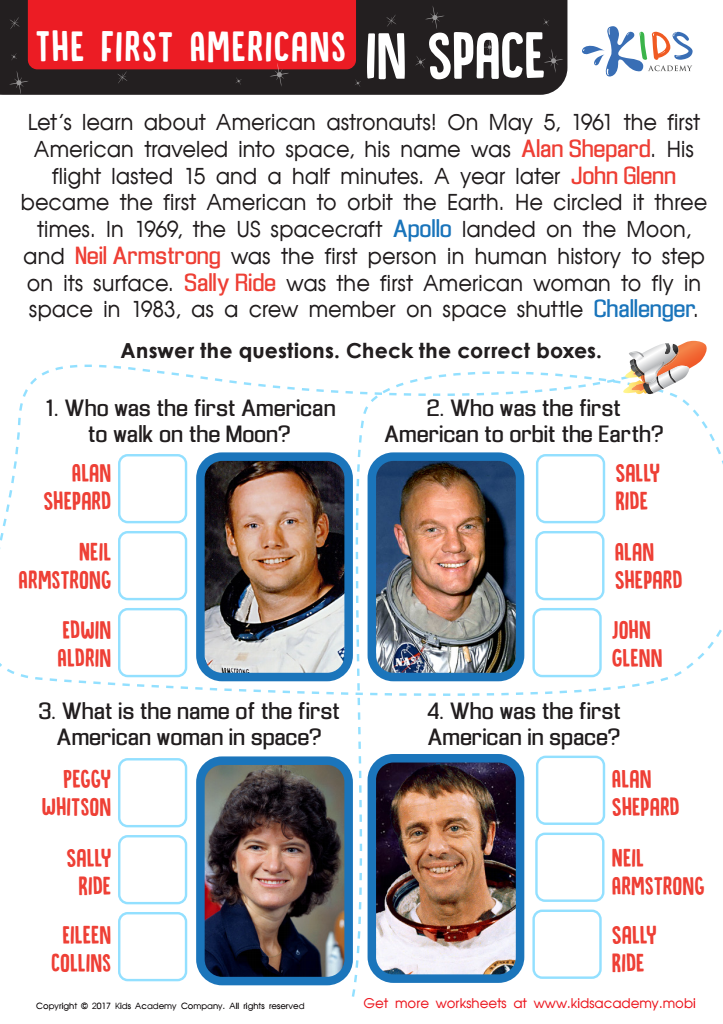
First Americans in Space Worksheet
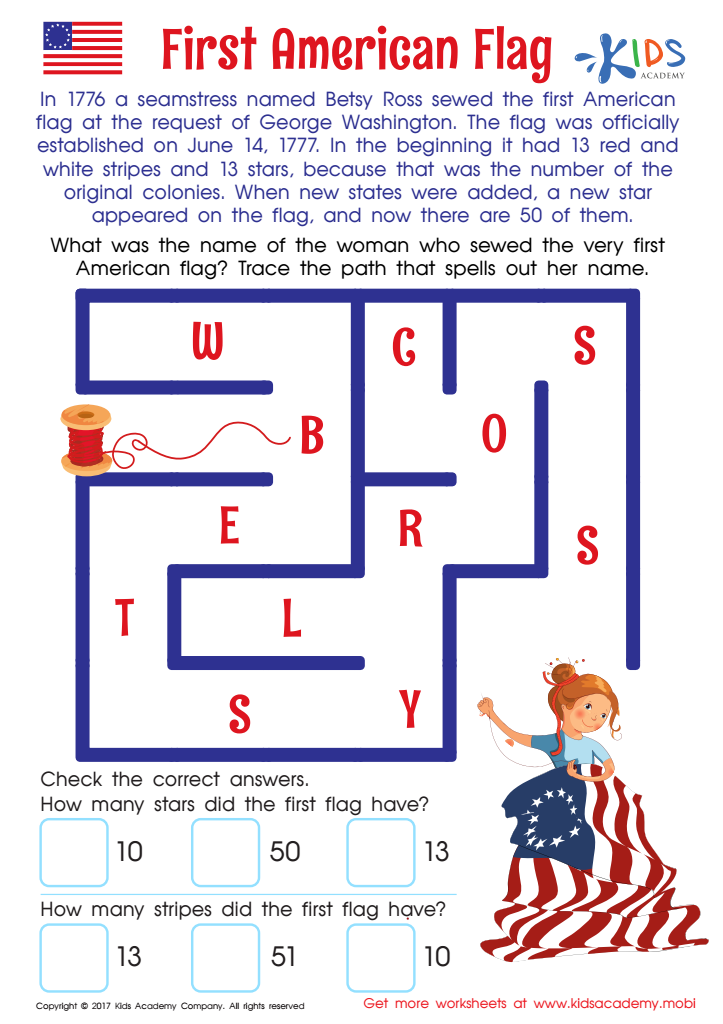
First American Flag Worksheet
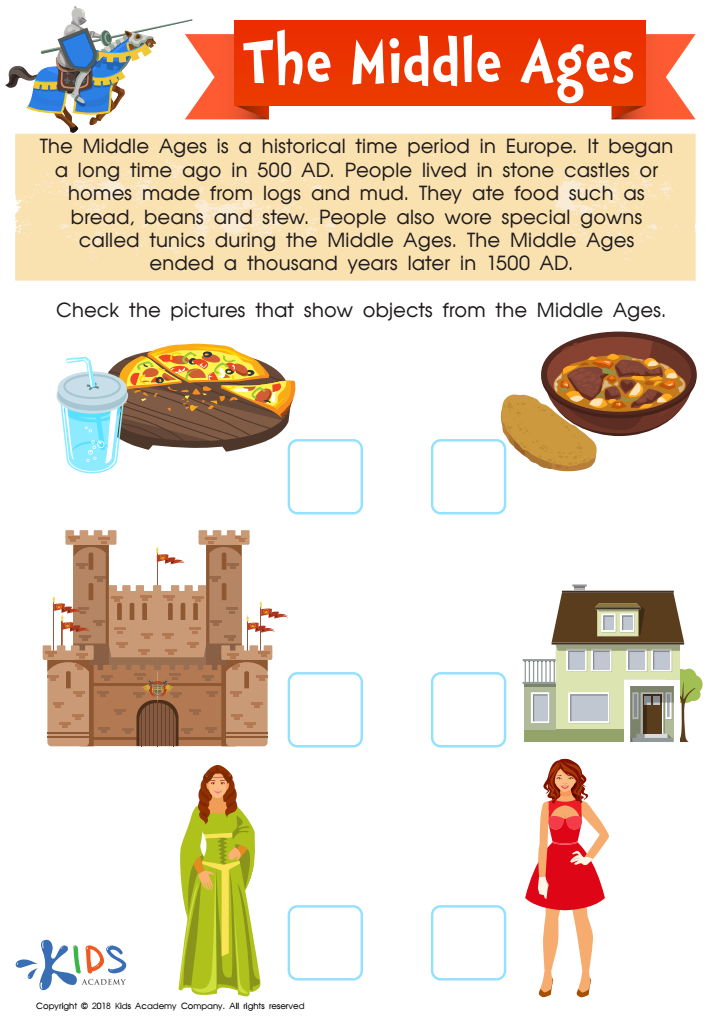
The Middle Ages Worksheet
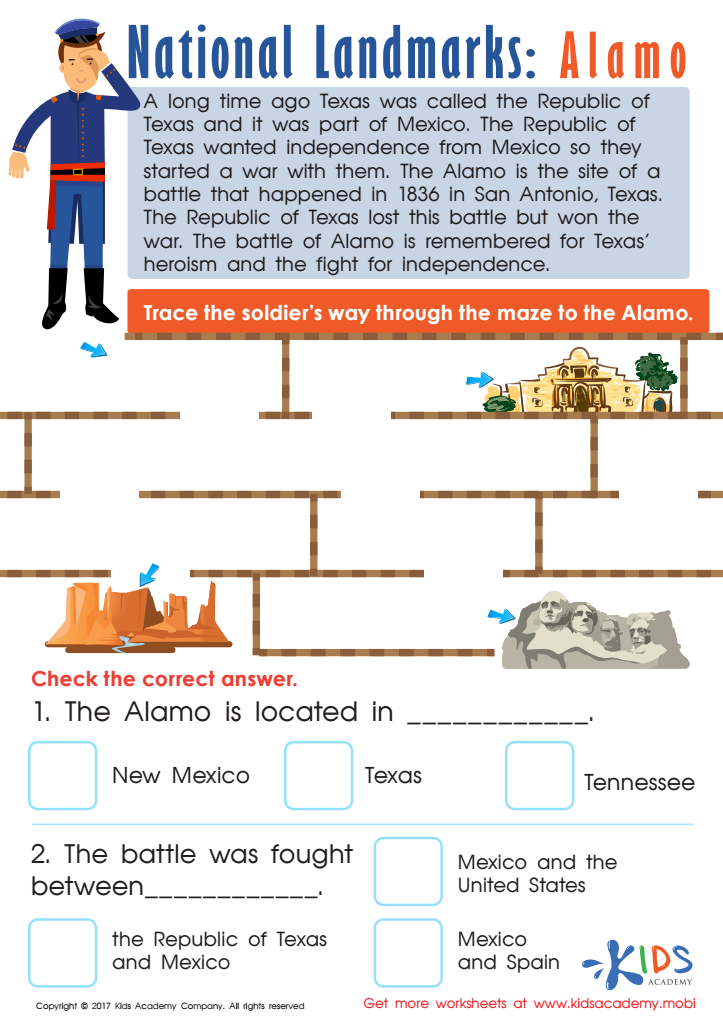
Alamo Printable Worksheet







Understanding history for 8-year-olds is crucial because it lays the foundation for their intellectual and social development. At this age, children are curious and eager to learn about the world around them. History provides them with context and narratives that help shape their understanding of society, culture, and their own place in the world.
By learning history, children get introduced to important concepts such as cause and effect, continuity and change, and the complexity of human experiences. This encourages critical thinking and reasoning skills. It also helps them comprehend how past actions and decisions impact the present and future, fostering a sense of perspective and long-term thinking.
Moreover, understanding history promotes empathy and acceptance. It exposes children to diverse cultures, traditions, and viewpoints, nurturing respect for differences and an appreciation for the shared human experience. Discussing historical events and figures can also serve as an inspiration, presenting role models and teaching valuable lessons about resilience, courage, and justice.
For parents and teachers, investing time in teaching history offers an opportunity to engage in meaningful conversations with children and strengthen their connection. Reading historical stories or visiting museums together can enhance familial bonds and make learning enjoyable. Overall, grasping history enriches a child's intellectual growth and emotional intelligence, contributing to well-rounded and informed individuals.








