Understanding symmetry Worksheets for 8-Year-Olds - Page 2
29 filtered results
-
From - To
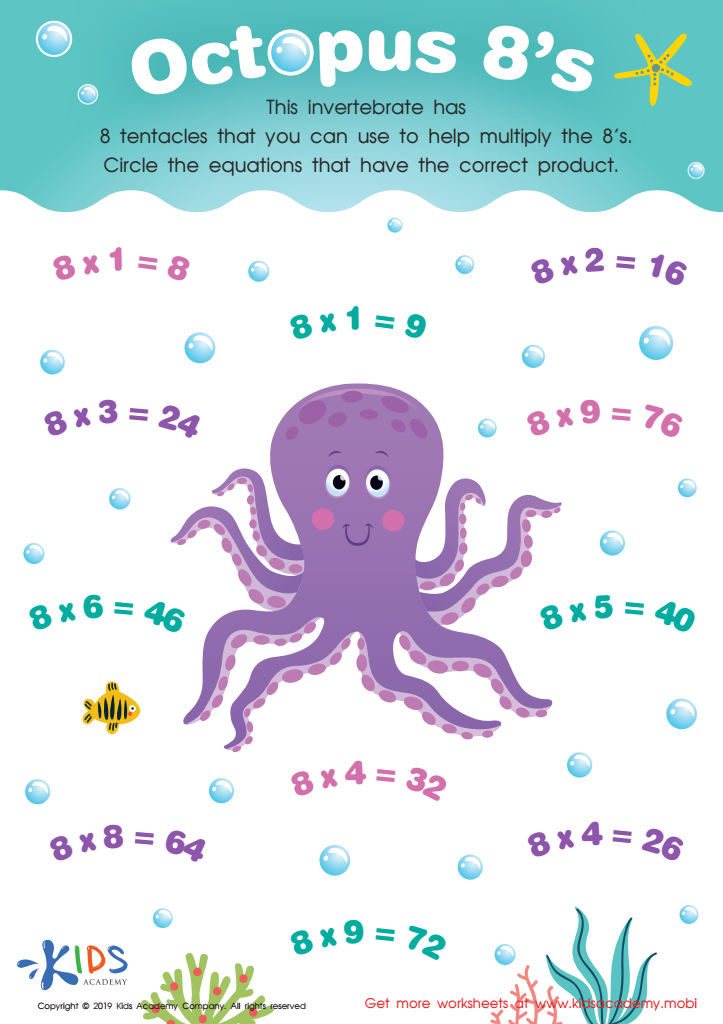
Octopus 8’s Worksheet
 Assign to My Students
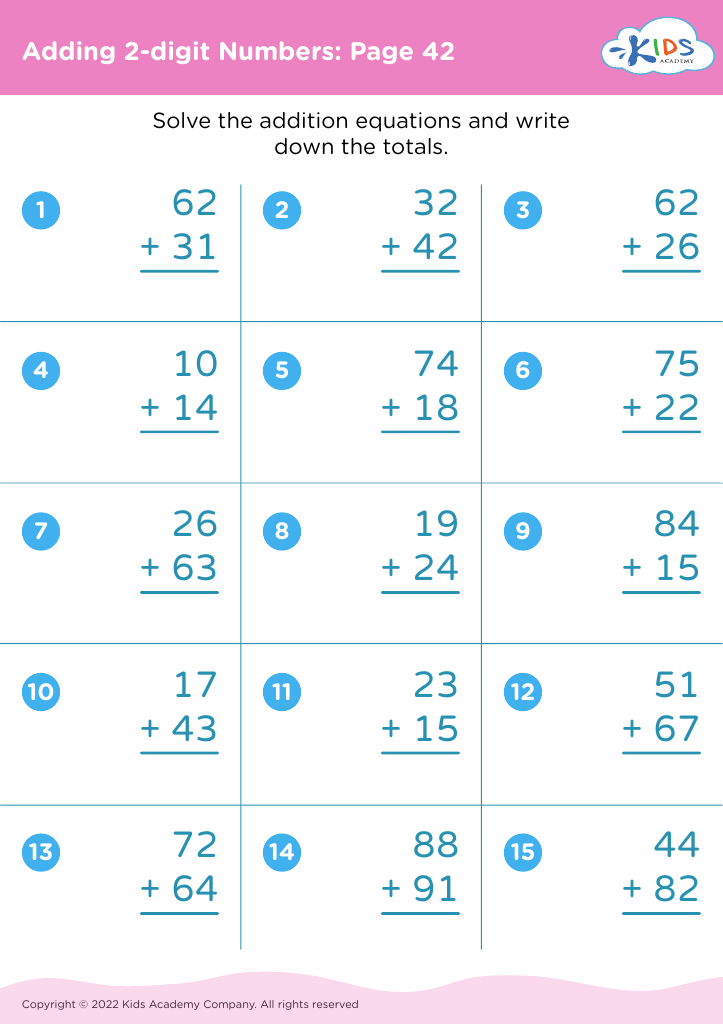
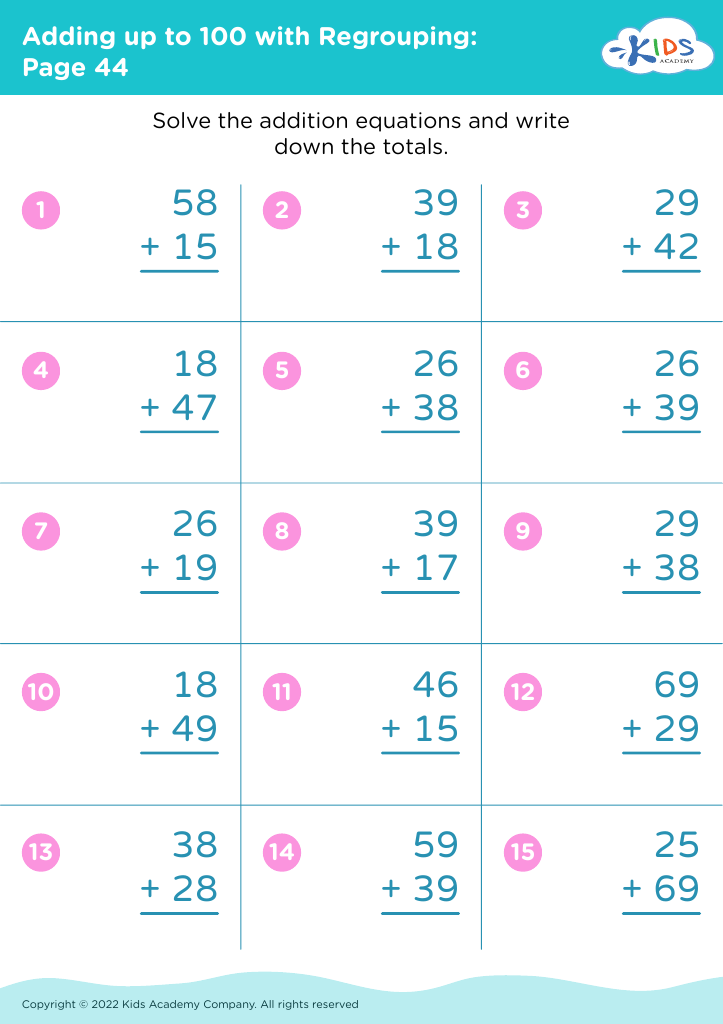
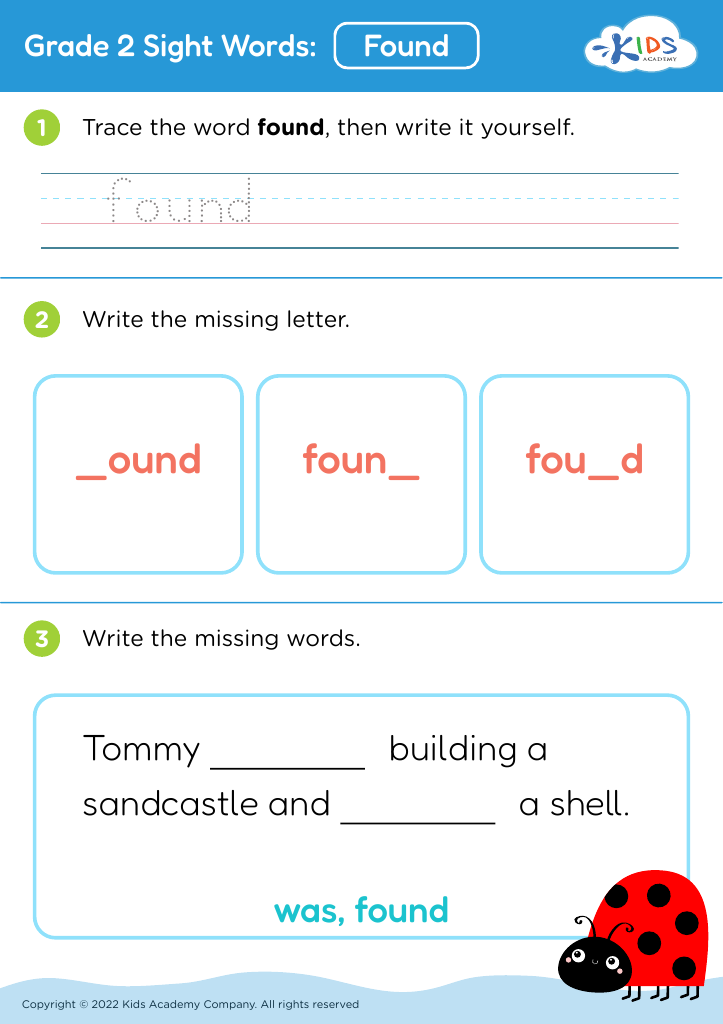








Understanding symmetry is crucial for 8-year-olds as it lays the foundation for broader math and cognitive skills. Firstly, symmetry enhances spatial awareness, allowing children to understand shapes and patterns more intuitively. This skill is essential for geometry, a key component of the math curriculum.
Symmetry also fosters problem-solving skills. When children recognize that certain transformations don't alter the overall shape, they can approach problems in creative and flexible ways. This encourages them to look for balanced and harmonious solutions.
Additionally, encountering symmetry in nature, art, and daily life helps children appreciate aesthetics and pattern recognition, enriching their sensory and cognitive development. For example, recognizing symmetrical patterns in leaves or butterfly wings can make science and nature study more engaging and meaningful.
Furthermore, symmetry is linked with brain development. Handling symmetrical objects can enhance motor skills and coordination because it often requires exact placement and balancing exercises.
Lastly, learning about symmetry helps in developing critical thinking and analytical skills. Recognizing symmetrical patterns or objects requires attention to detail and the ability to compare and contrast differing elements based on specific criteria, substantially aiding intellectual growth.
Overall, understanding symmetry is about more than just appreciating shapes; it's about developing diverse cognitive abilities that can benefit children in multiple academic and real-life scenarios.








