Visual interpretation Worksheets for 8-Year-Olds
9 filtered results
-
From - To
Enhance your child's learning experience with our engaging Visual Interpretation Worksheets designed specifically for 8-year-olds! These interactive resources help develop critical thinking and observation skills by encouraging young learners to analyze images, interpret visual information, and solve puzzles. Each worksheet is thoughtfully crafted to be age-appropriate and aligns with educational standards, making learning enjoyable and effective. From pictographs to charts, our diverse range of activities promotes creativity and strengthens comprehension skills. Perfect for classroom use or at home, these worksheets are an excellent tool for nurturing your child’s analytical abilities in a fun and captivating way. Get started today for a brighter educational journey!
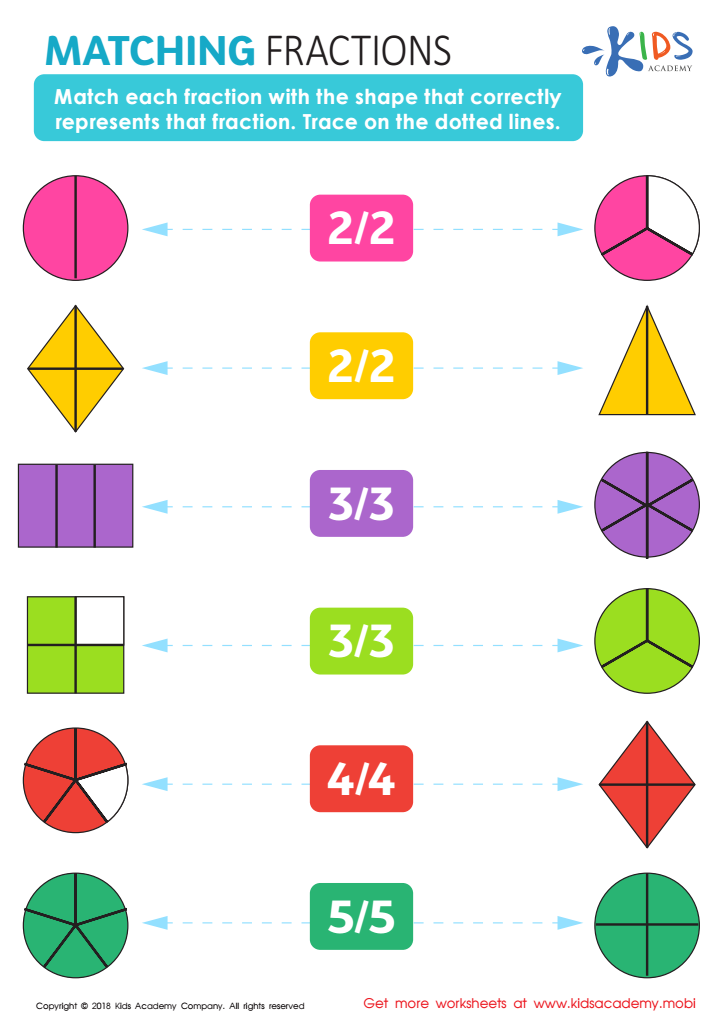
Matching Fractions Worksheet
 Assign to My Students
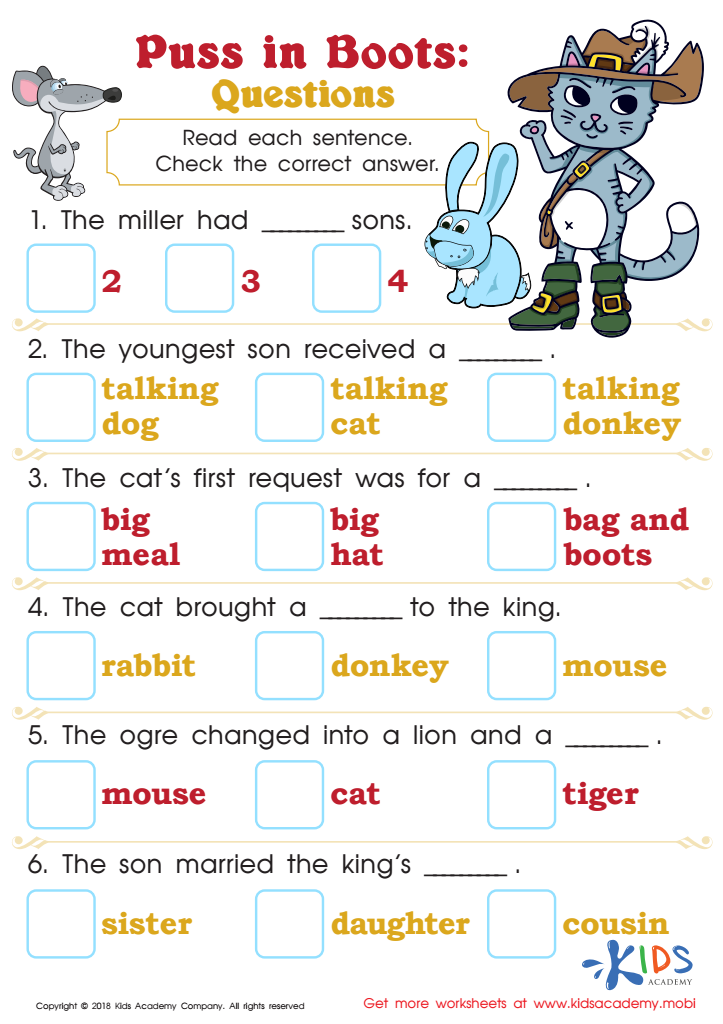
Puss in Boots: Questions Worksheet
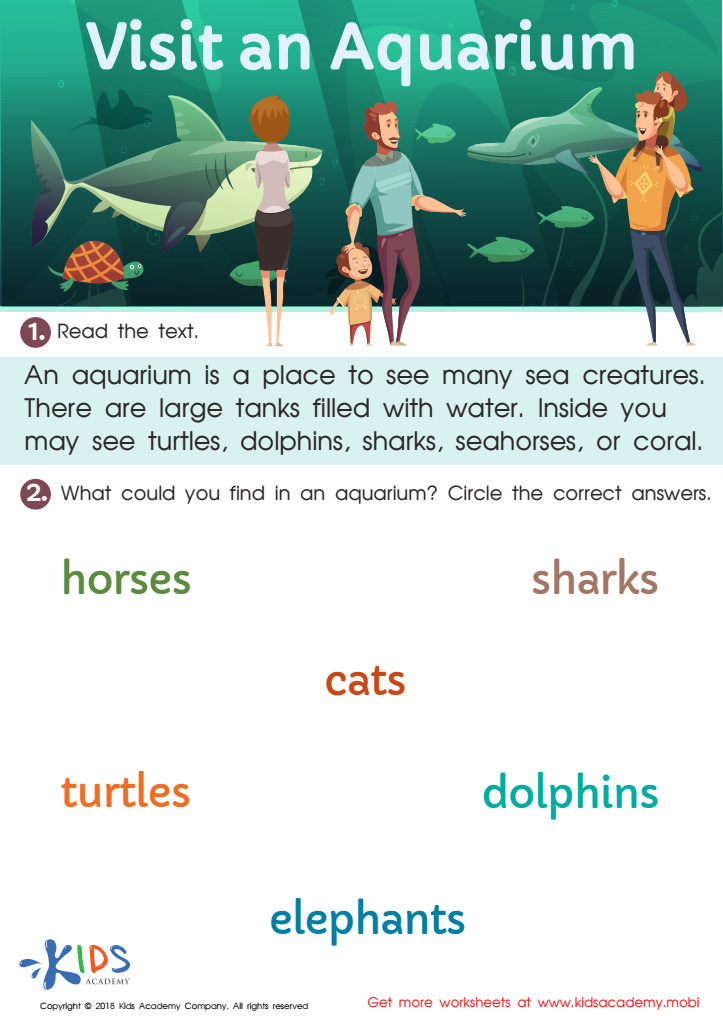
Visit an Aquarium Worksheet
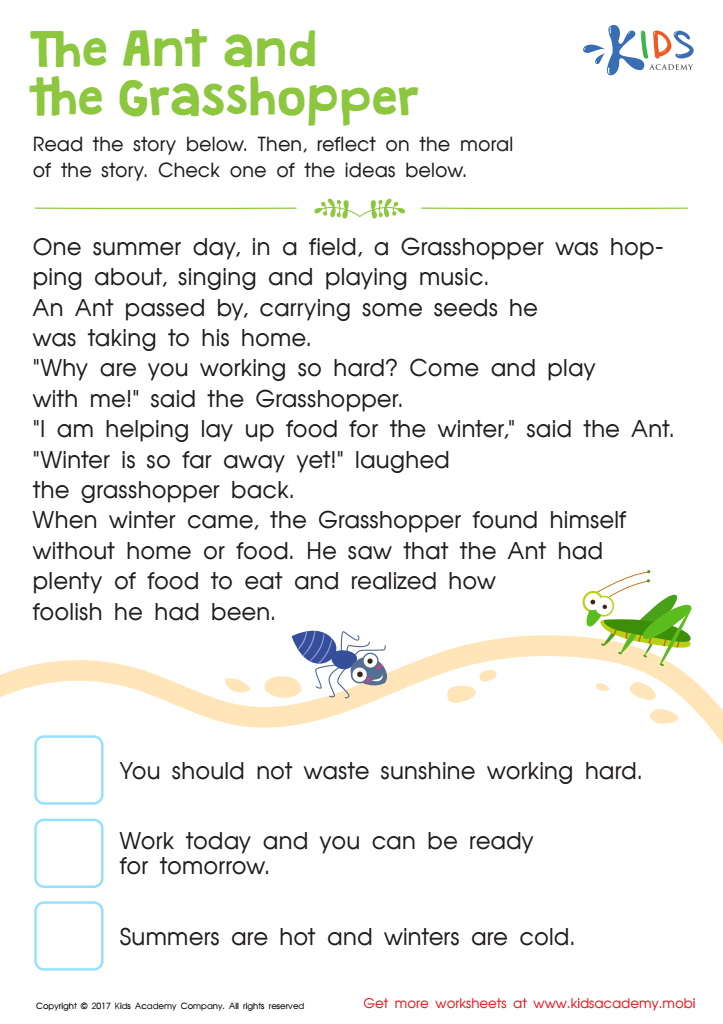
The Ant and The Grasshopper Printable
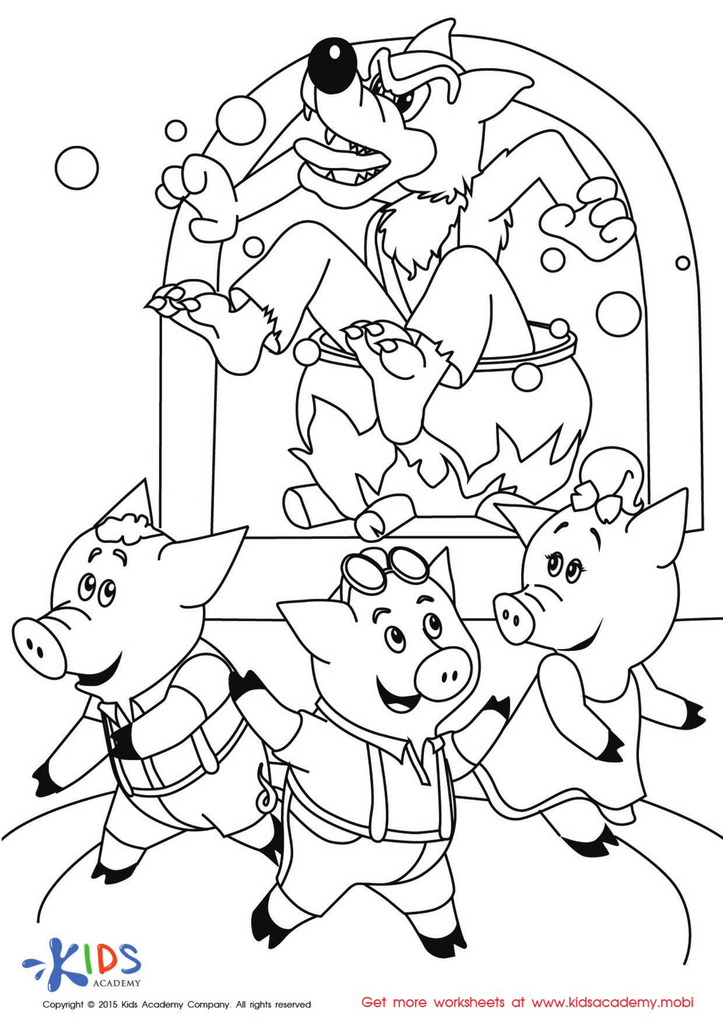
The Three Little Pigs and The Big Bad Wolf Printable








Visual interpretation skills are critical for 8-year-olds as they play a fundamental role in enhancing cognitive development, creativity, and academic success. At this age, children are beginning to engage more deeply with various forms of media, including pictures, charts, graphs, and videos. Developing strong visual interpretation skills equips them to analyze and understand information more effectively, facilitating better comprehension of subjects such as science, math, and literature.
For parents and teachers, fostering these skills encourages critical thinking. When children learn to interpret visual information, they become more adept at drawing conclusions and making informed decisions. This capability not only enhances their learning experience but also prepares them for real-world scenarios, where visual literacy is increasingly important.
Moreover, engaging children in activities that promote visual interpretation, such as diagram analysis or storytelling through illustrations, cultivates their imagination and motivates them to express their ideas creatively. This component of education nurtures confidence, as children find joy in exploring their interpretations and perspectives. Ultimately, prioritizing visual interpretation helps shape well-rounded individuals, preparing them for future academic challenges and a visually-oriented digital world, underlining the importance for parents and teachers to support these skills actively.








