Fine Motor Skills Adding up to 1000 Misc Worksheets for 8-Year-Olds
5 filtered results
-
From - To
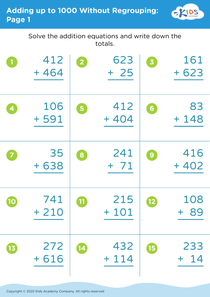
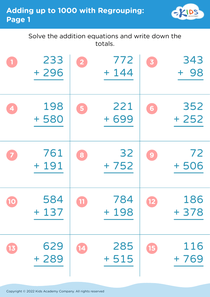
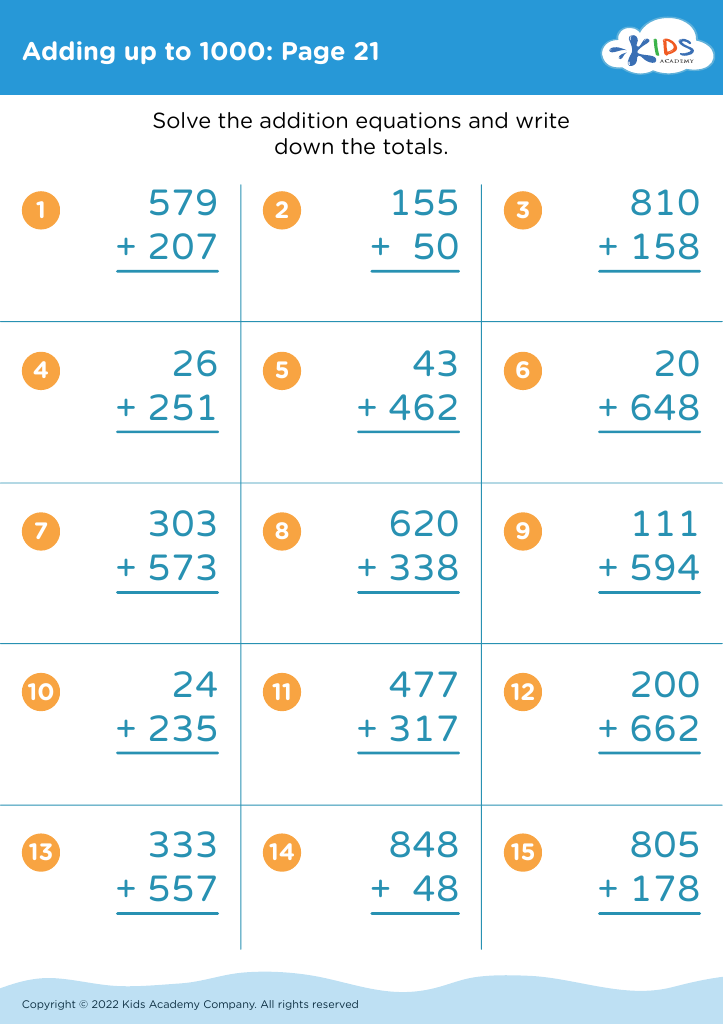
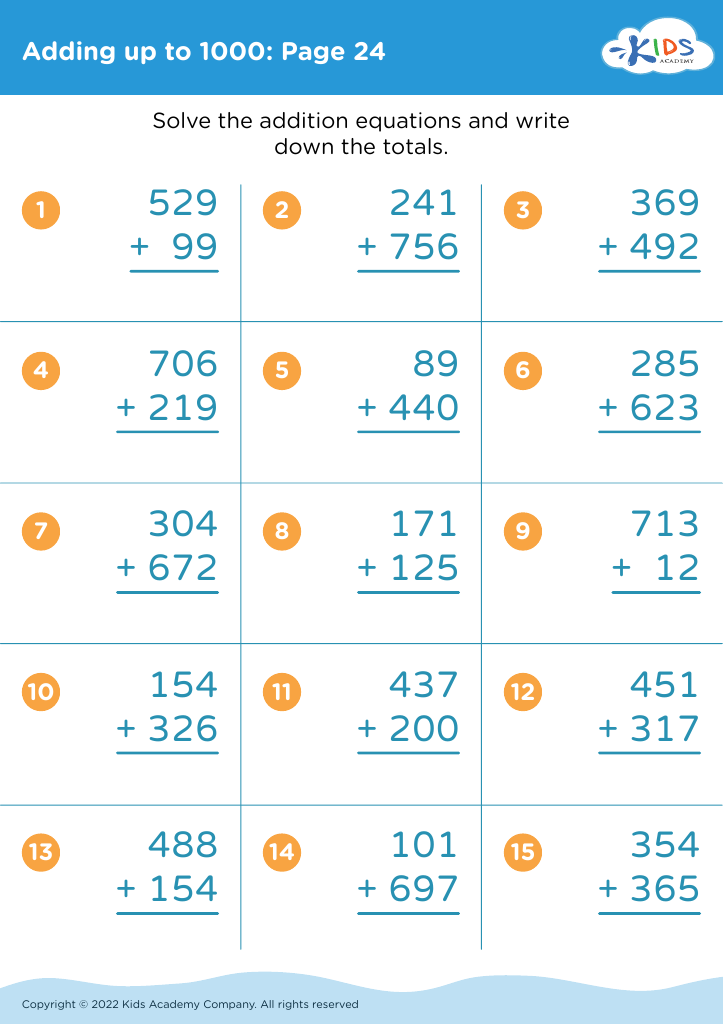
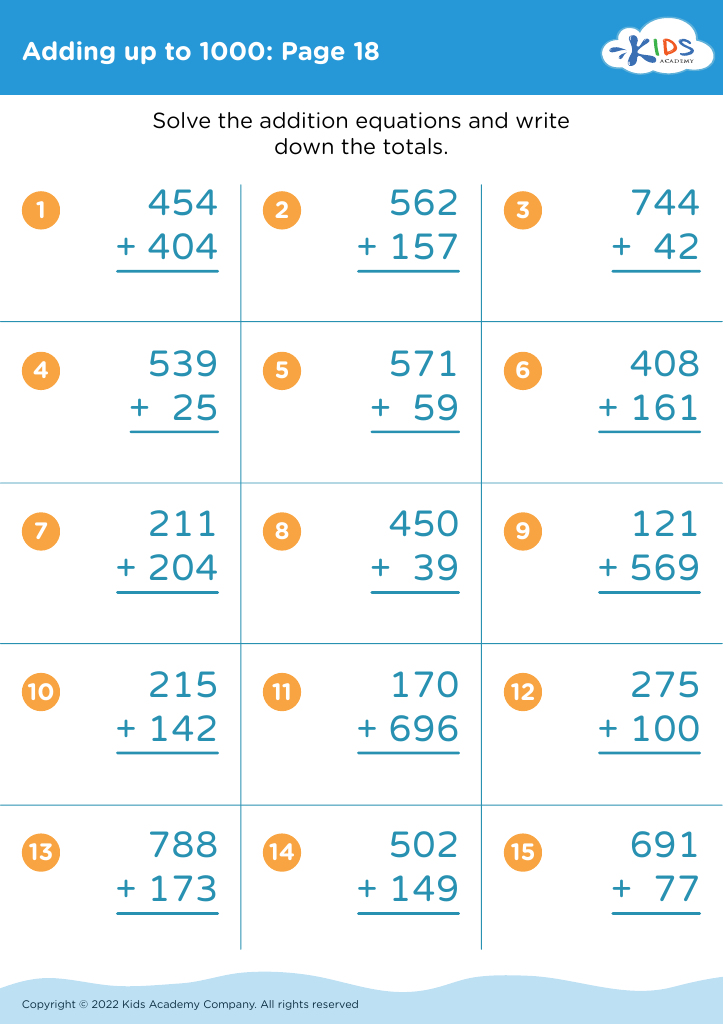
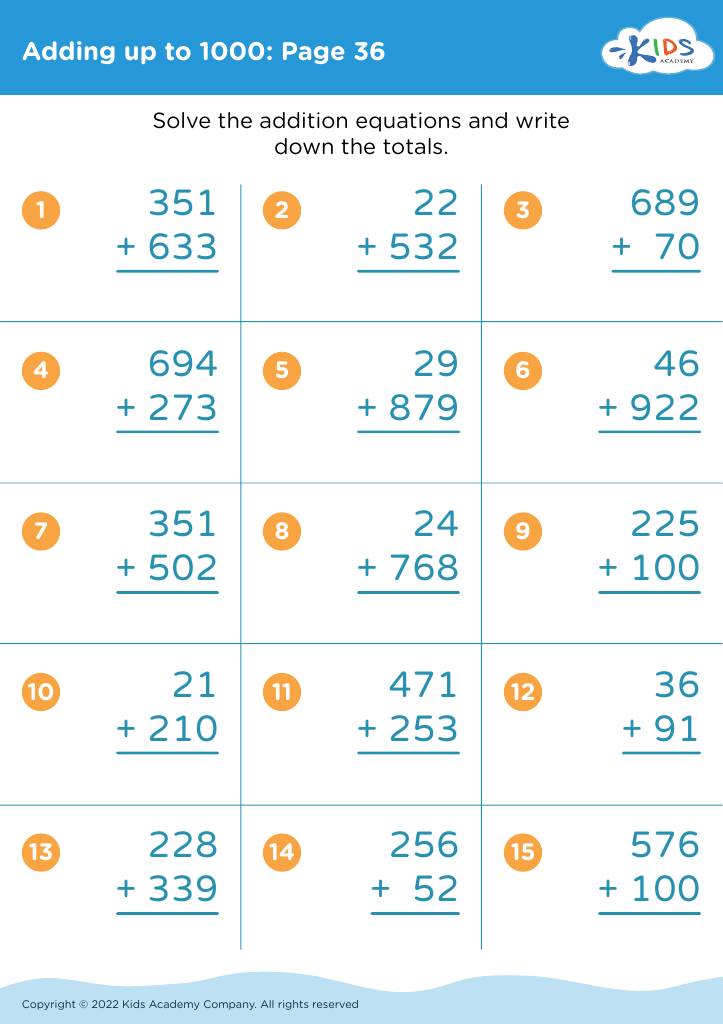
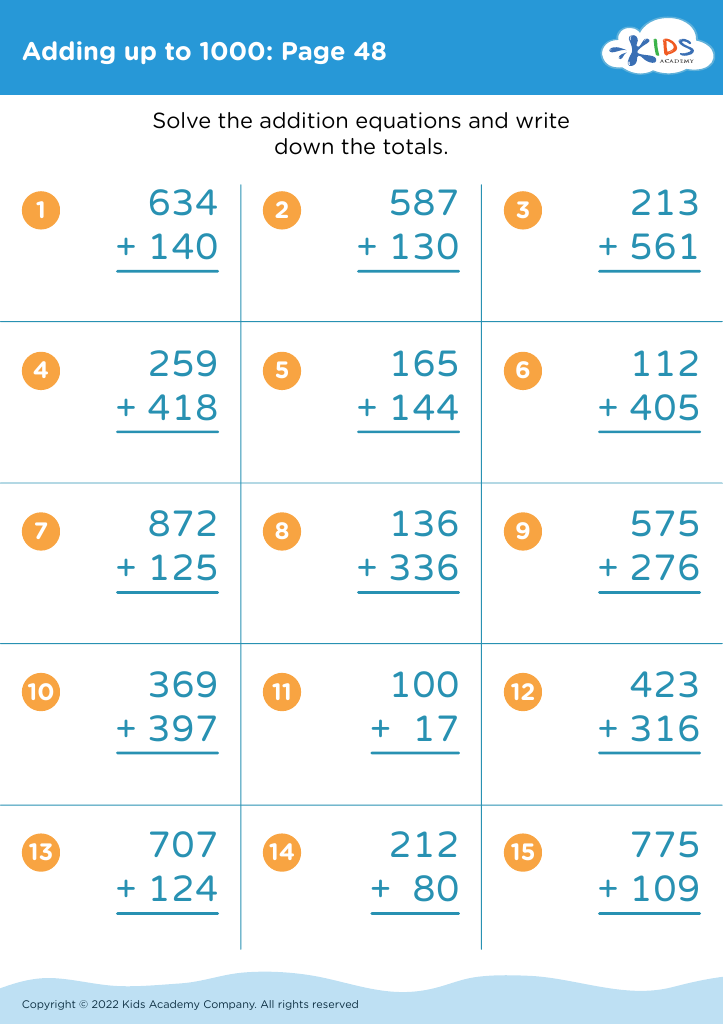
Explore our collection of 1,000 fine motor skills worksheets designed specifically for 8-year-olds! These engaging activities focus on enhancing children's dexterity and coordination while they practice important math concepts like adding up to 1,000. Each worksheet combines fun designs and interactive exercises that not only make learning enjoyable but also help develop crucial hand-eye coordination and muscle control. Ideal for classroom use or at-home learning, our resources ensure young learners build confidence in their skills. Encourage creativity and concentration as children improve their fine motor abilities and math knowledge simultaneously. Get started today and watch your child's skills flourish!


Fine motor skills are essential for children, especially as they grow and develop during early grade years, such as at age eight. Parents and teachers should care about these skills because they form the foundation for numerous everyday tasks and future learning. Developing fine motor skills involves using small muscles in the hands and fingers, which are crucial for activities like writing, drawing, and even tying shoelaces.
At the age of eight, children are beginning to rely more heavily on these skills in their academic and creative pursuits. Proficient fine motor skills can enhance their ability to express themselves clearly through writing, positively impacting their literacy and communication skills. Furthermore, strong fine motor abilities contribute to critical problem-solving skills and hand-eye coordination, which are vital for various academic subjects, including math and art.
Integrating fine motor skill development into play—like crafts or using building blocks—can make learning engaging. It allows parents and teachers to foster a supportive environment where children can develop these skills naturally. Ultimately, ensuring that children refine their fine motor skills contributes to their overall confidence and success in both academic settings and everyday life.