Hand-eye Coordination Addition & Subtraction Worksheets for 8-Year-Olds
10 filtered results
-
From - To
Boost your 8-year-old's math skills and hand-eye coordination with our engaging addition and subtraction worksheets! These carefully crafted activities make learning math fun by incorporating visual elements that require precision and focus. Each worksheet features colorful illustrations and interactive tasks that not only enhance calculation skills but also improve fine motor skills. Perfect for home or classroom practice, our worksheets encourage independent learning while providing essential math practice. Watch your child build confidence in addition and subtraction as they develop critical coordination skills. Explore our collection now and help your young learner thrive in math and beyond!
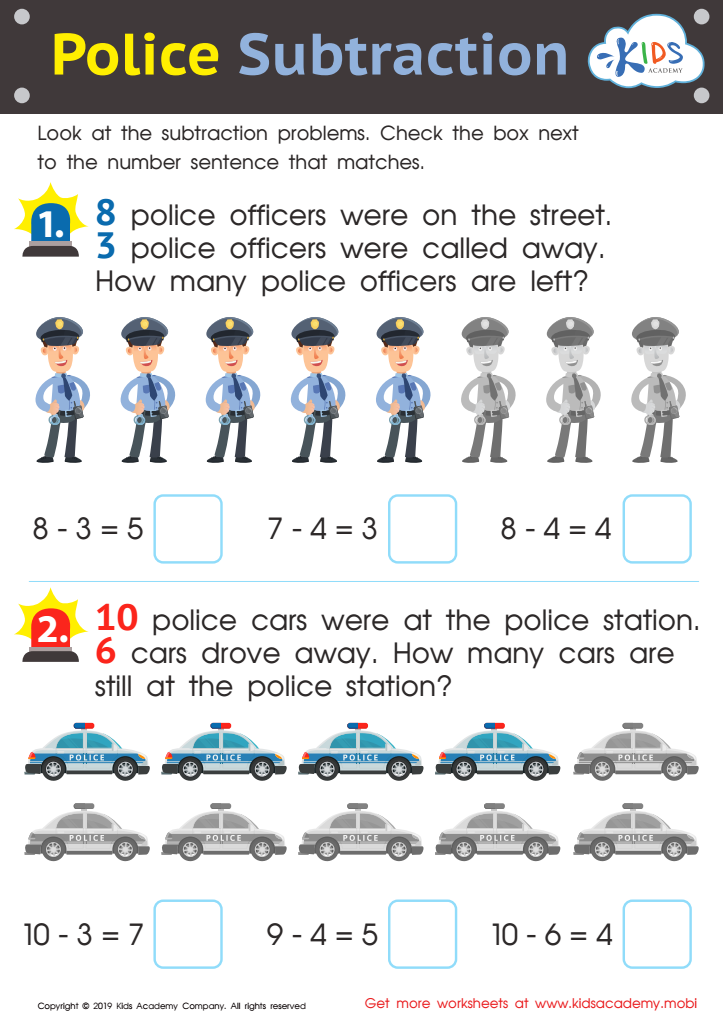
Police Subtraction Worksheet
 Assign to My Students
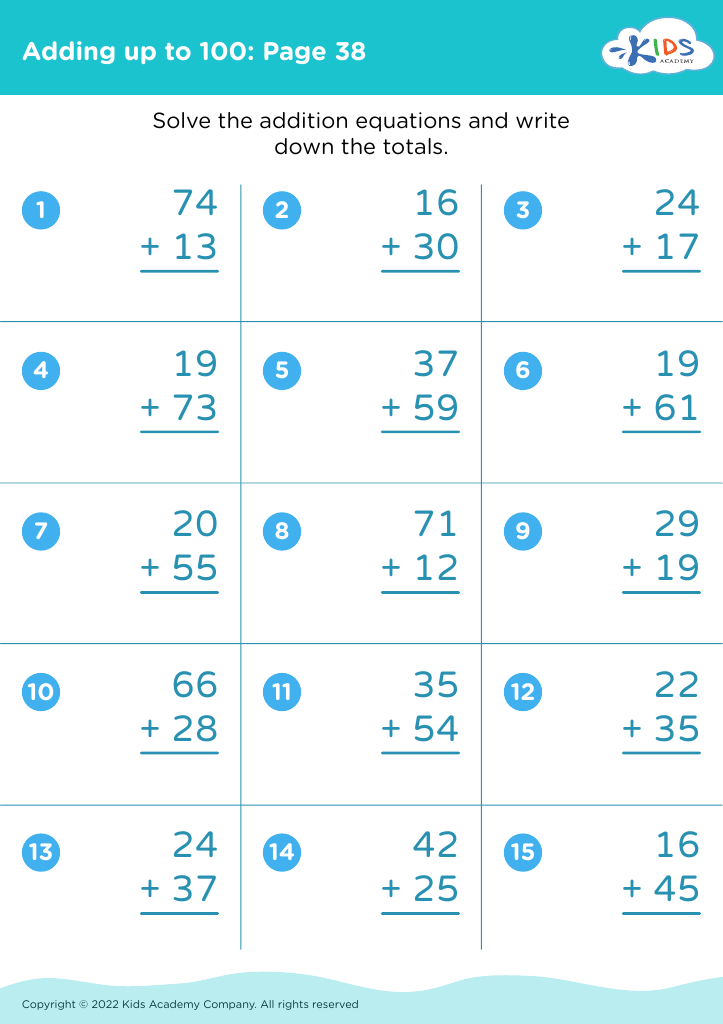
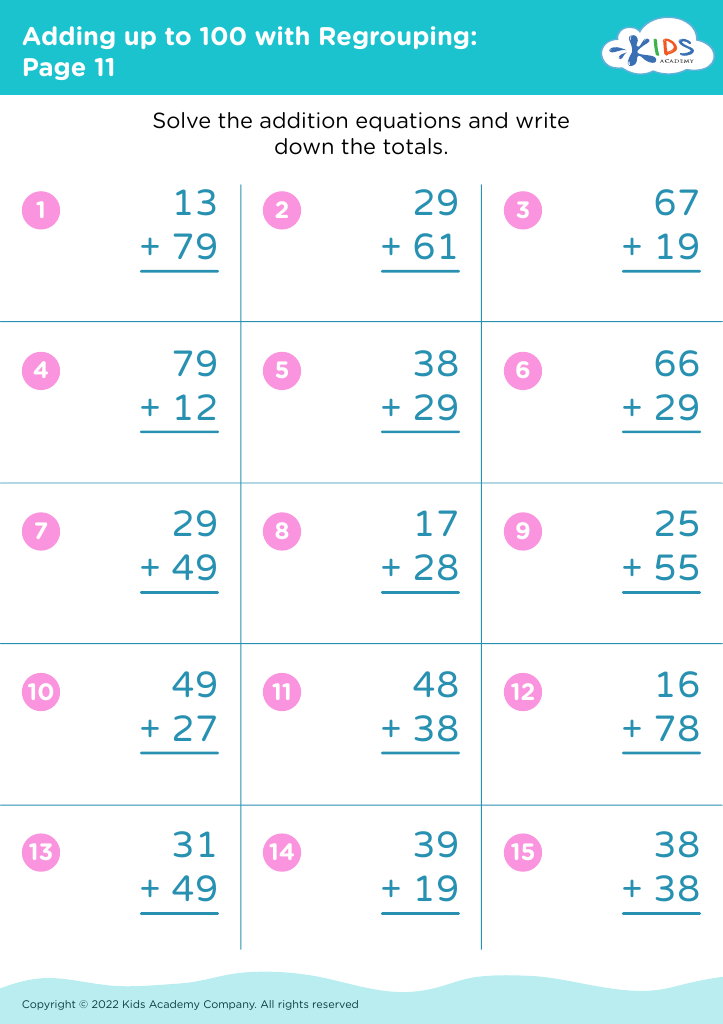
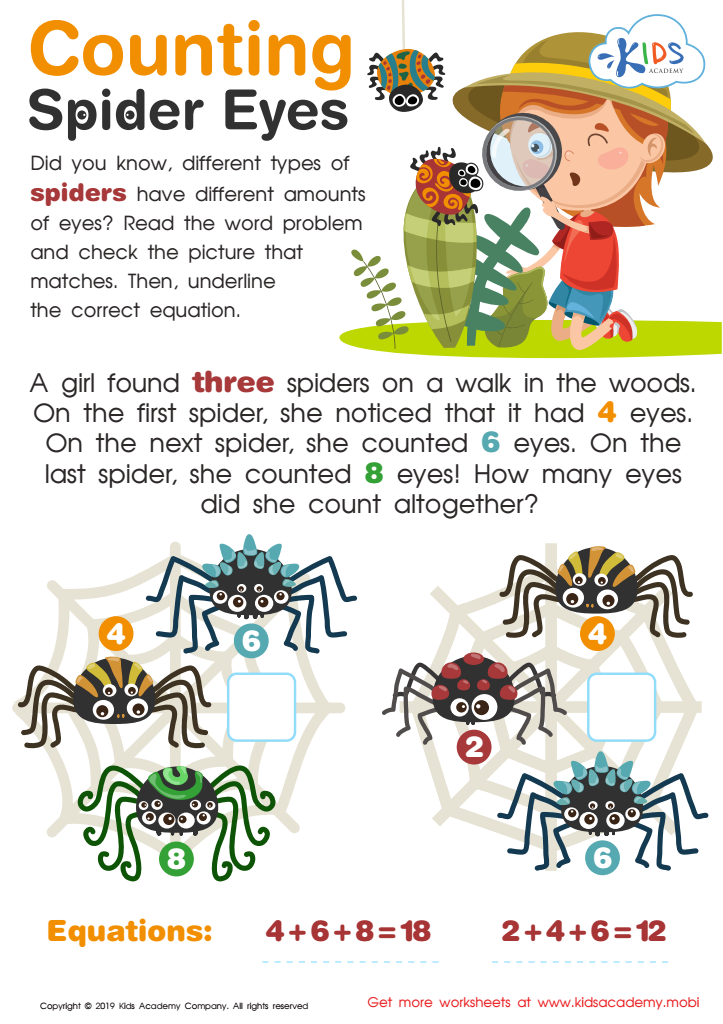
Counting Spider Eyes Worksheet
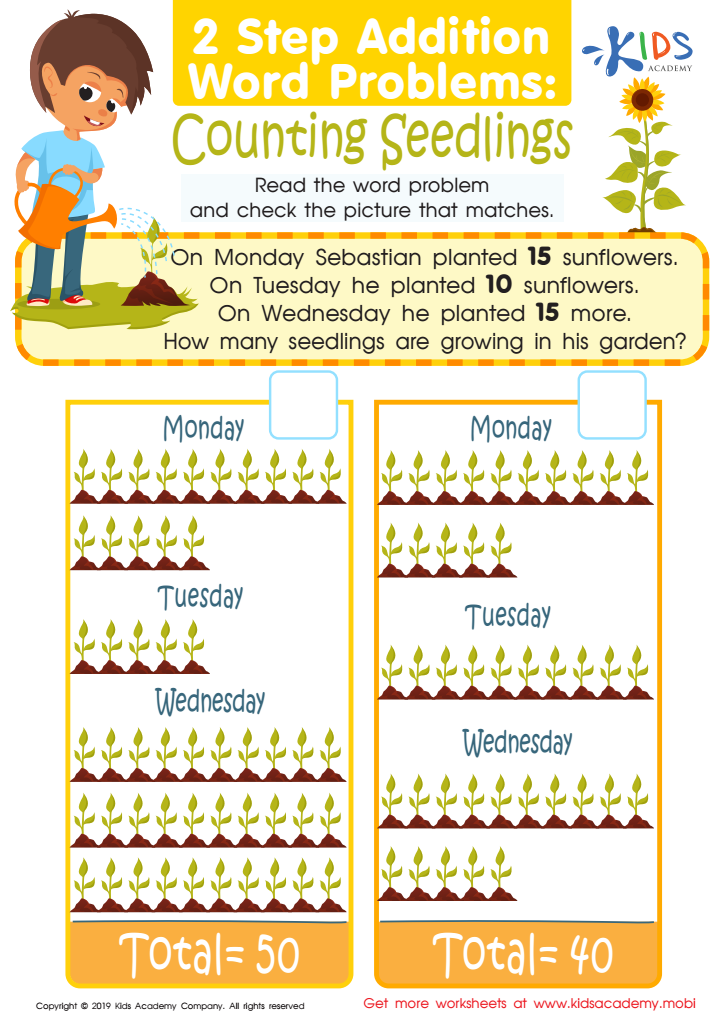
Counting Seedlings Worksheet
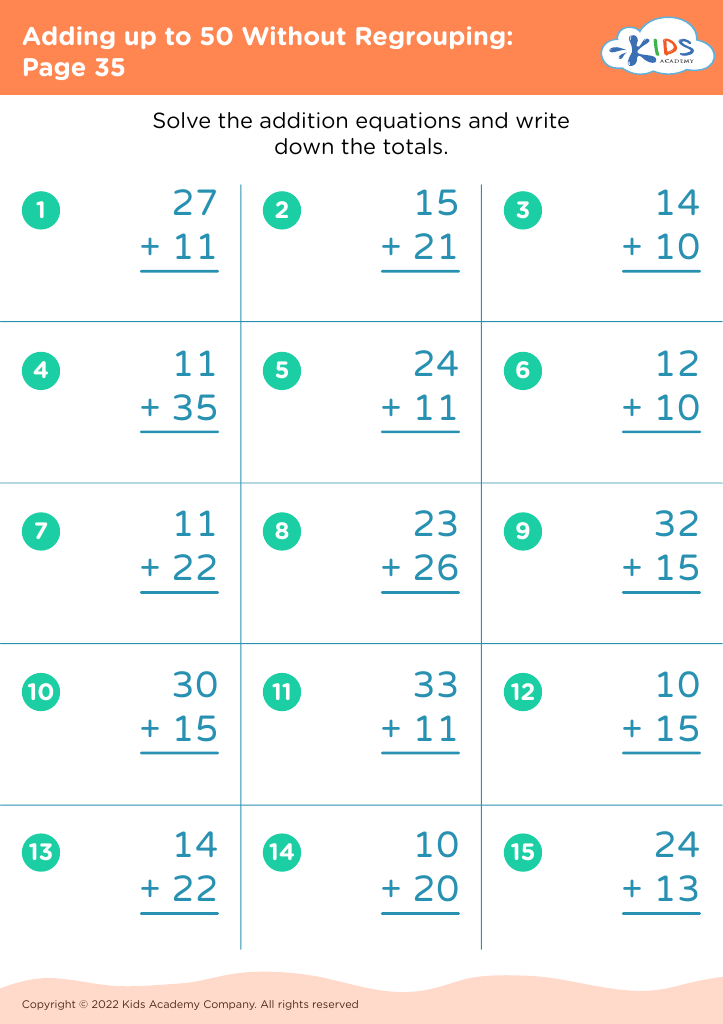
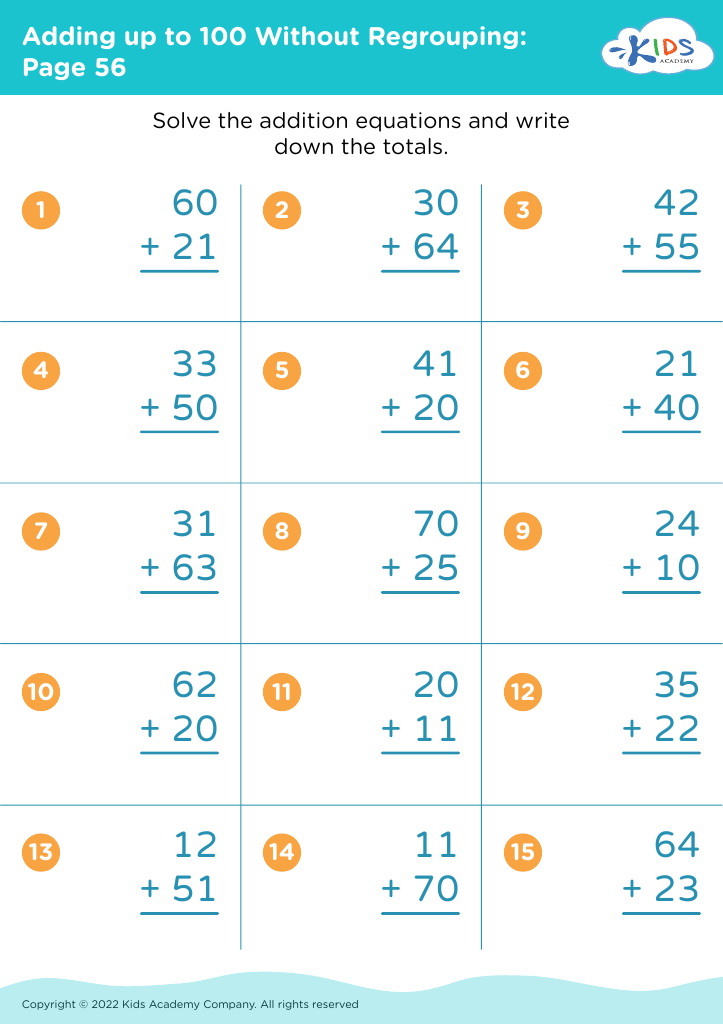
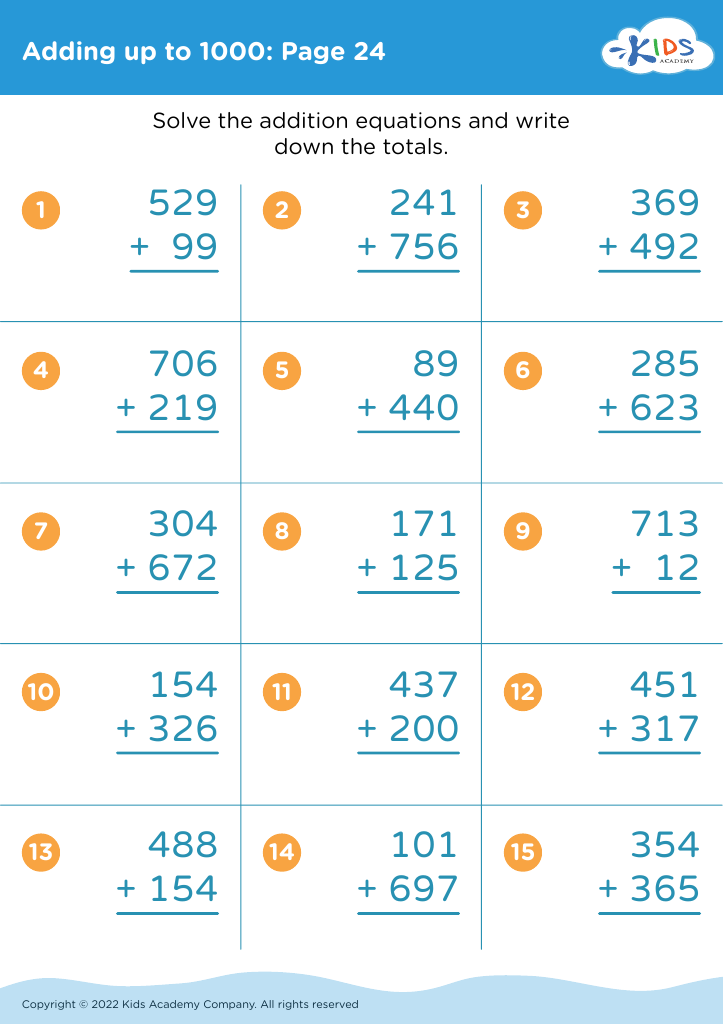
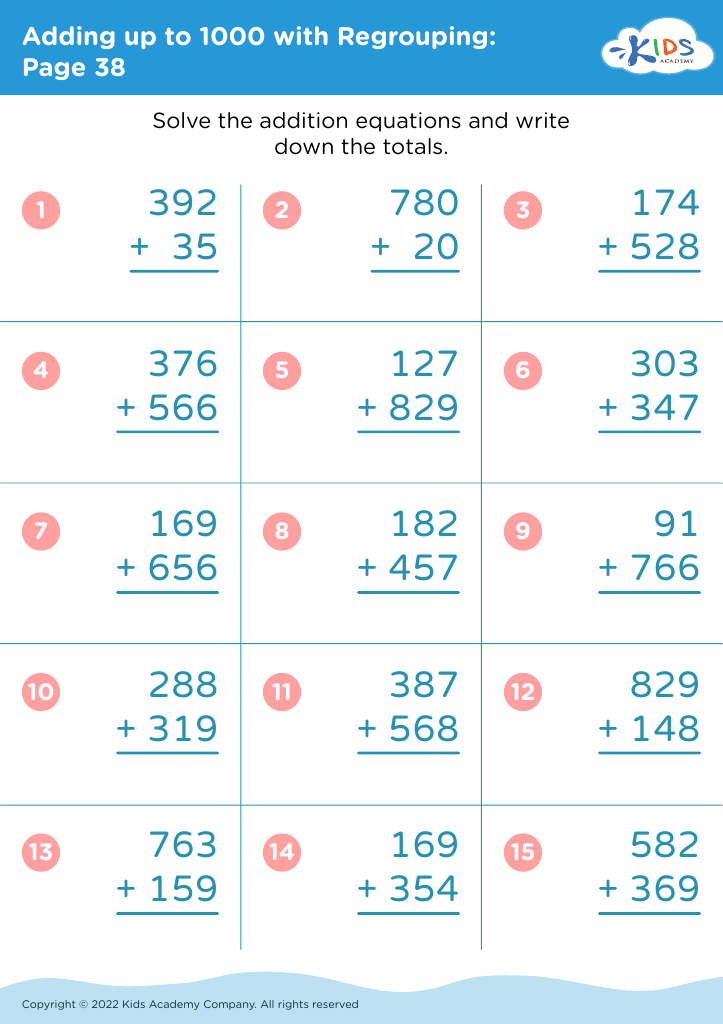
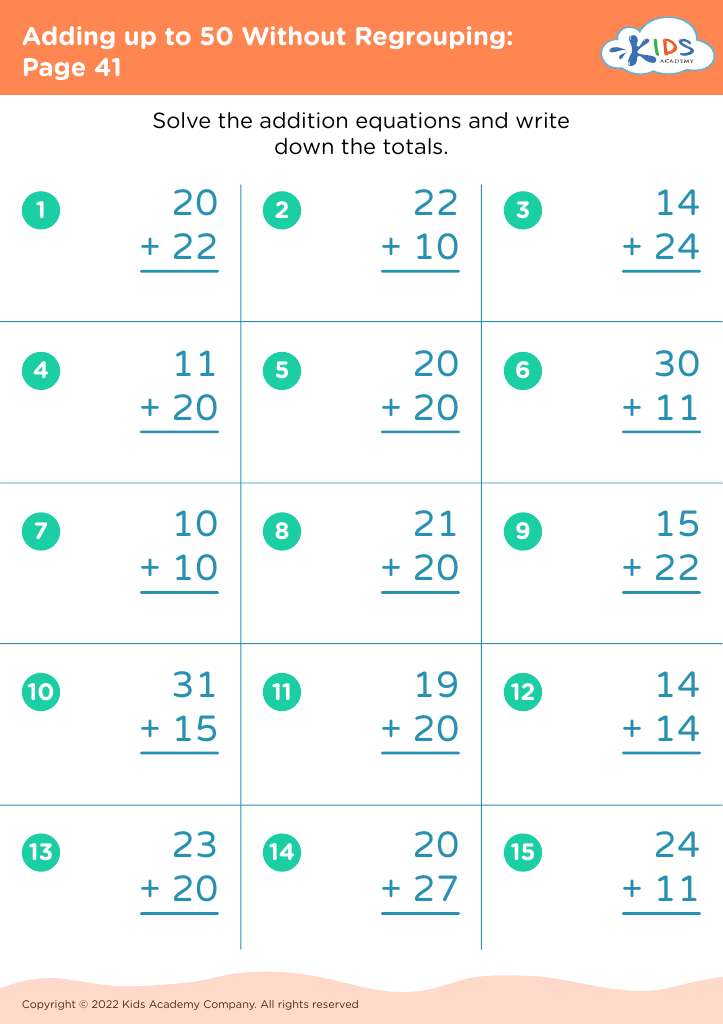








Hand-eye coordination is vital in the development of 8-year-olds, particularly when learning essential skills like addition and subtraction. At this age, children are refining their motor skills and cognitive abilities. Effective hand-eye coordination helps them accurately manipulate tools, such as pencils or manipulatives, when working on math problems. This coordination allows for better performance in both written and practical mathematical tasks, enhancing their understanding of numerical concepts.
Moreover, focusing on hand-eye coordination in addition and subtraction activities promotes active learning. Engaging children in hands-on activities, such as using counting blocks or drawing numbers, can strengthen their ability to visualize math concepts. This skill aids in bridging the gap between concrete and abstract understanding, which is crucial for their academic progress.
By prioritizing hand-eye coordination, parents and teachers can also foster confidence in children. A mastery of basic math operations lays the groundwork for more complex problem-solving skills they will encounter in later grades. Additionally, it encourages a growth mindset, allowing children to approach challenges with resilience. Investing in these foundational skills instills a love for learning, making mathematics an enjoyable subject rather than a daunting one. Overall, supporting hand-eye coordination is essential for holistic development during this formative stage.








