Welcome to our Simplifying Fractions Addition & Subtraction Worksheets for 8-Year-Olds! Our engaging and interactive worksheets are designed to help young learners master the essential skill of adding and subtracting fractions. Through fun exercises and clear instructions, children will explore the process of finding common denominators and simplifying their answers. These worksheets not only enhance their math abilities but also build confidence in their problem-solving skills. Perfect for classroom activities or at-home practice, our resources are here to support your child's math journey. Give your child a solid foundation in fractions with our thoughtfully crafted materials!
Check out this FREE Trial Lesson on Addition & Subtraction for age 8!

D

Favorites
With answer key
Interactive
  • 8
  • Simplifying Fractions
  • Addition & Subtraction
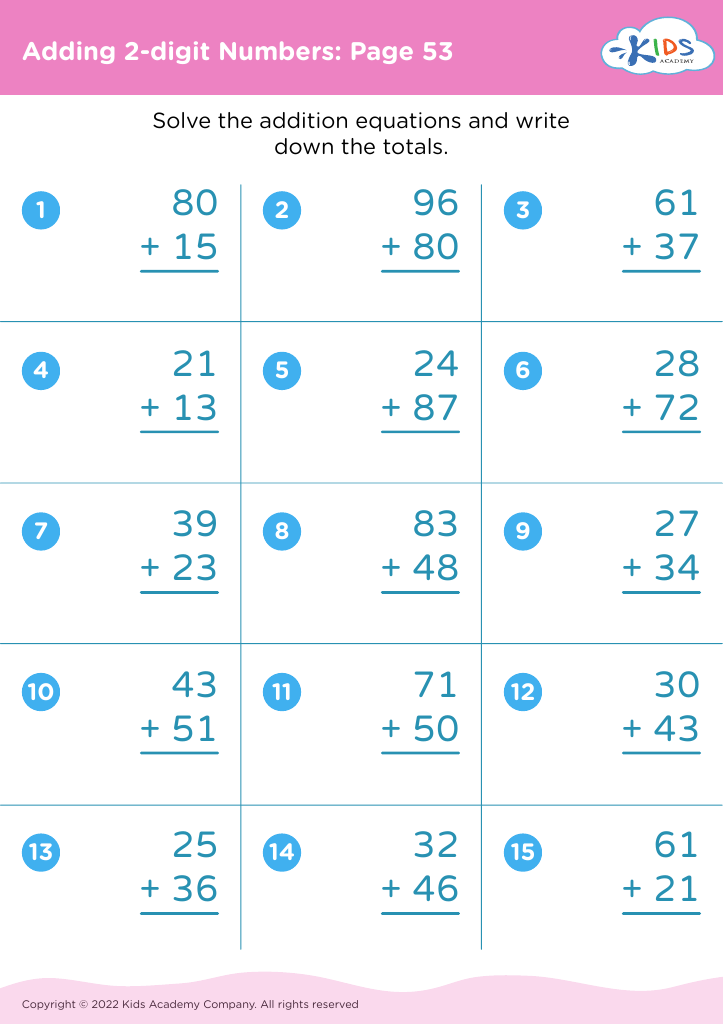
Adding 2-digit Numbers: Page 53

Adding 2-digit Numbers: Page 53

Adding 2-digit Numbers: Page 53
Worksheet
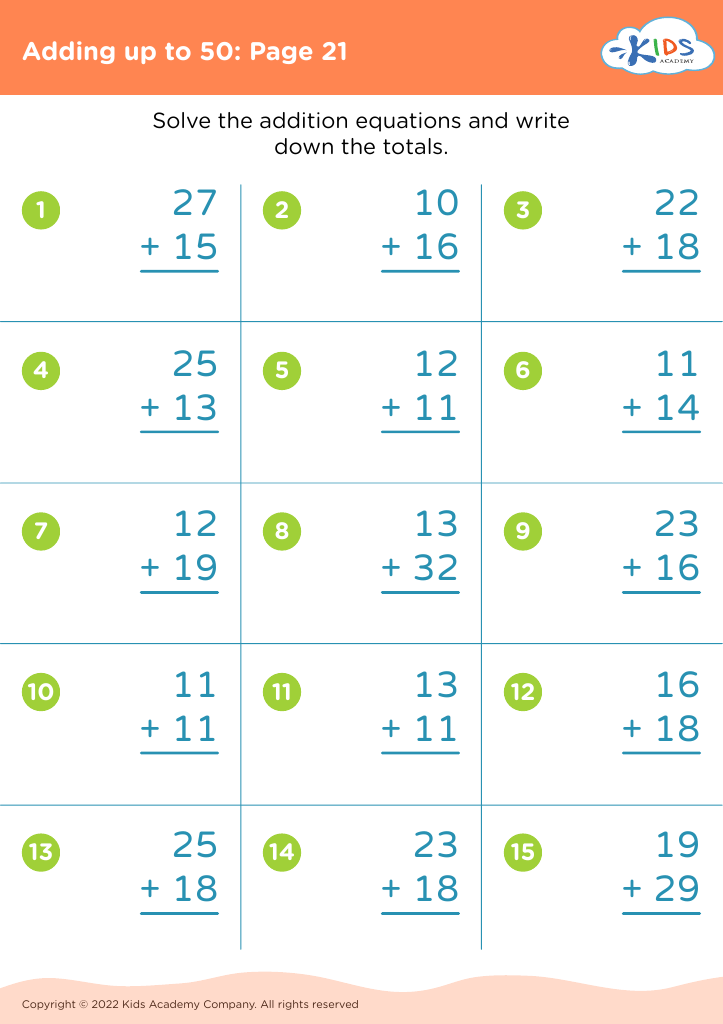
Adding up to 50: Page 21

Adding up to 50: Page 21

Adding up to 50: Page 21
Worksheet
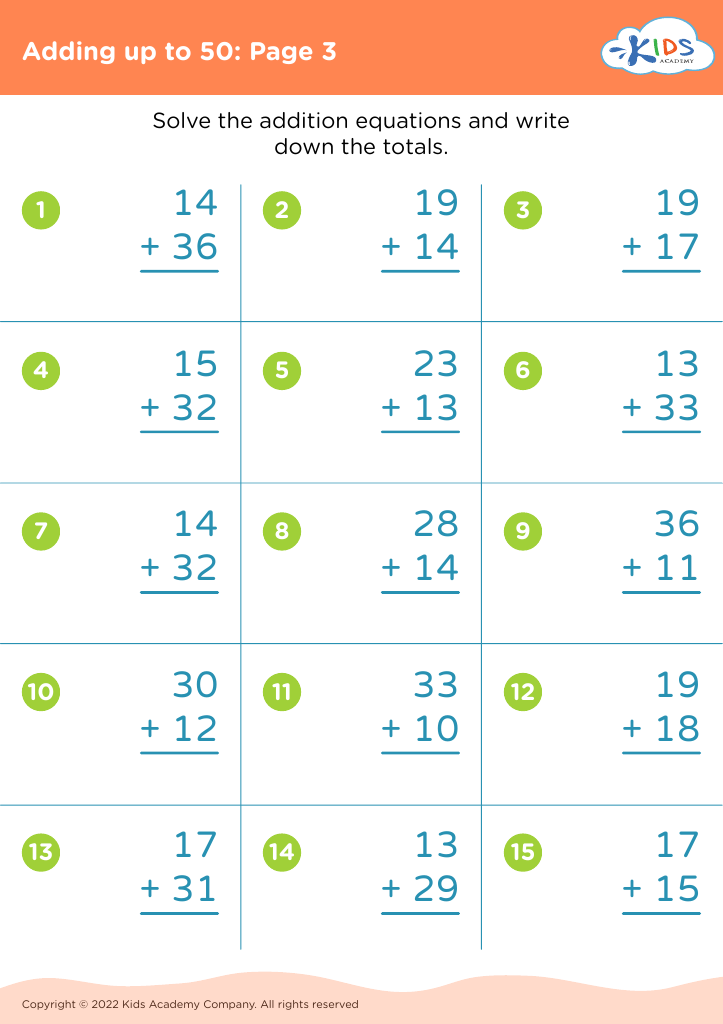
Adding up to 50: Page 3

Adding up to 50: Page 3

Adding up to 50: Page 3
Worksheet
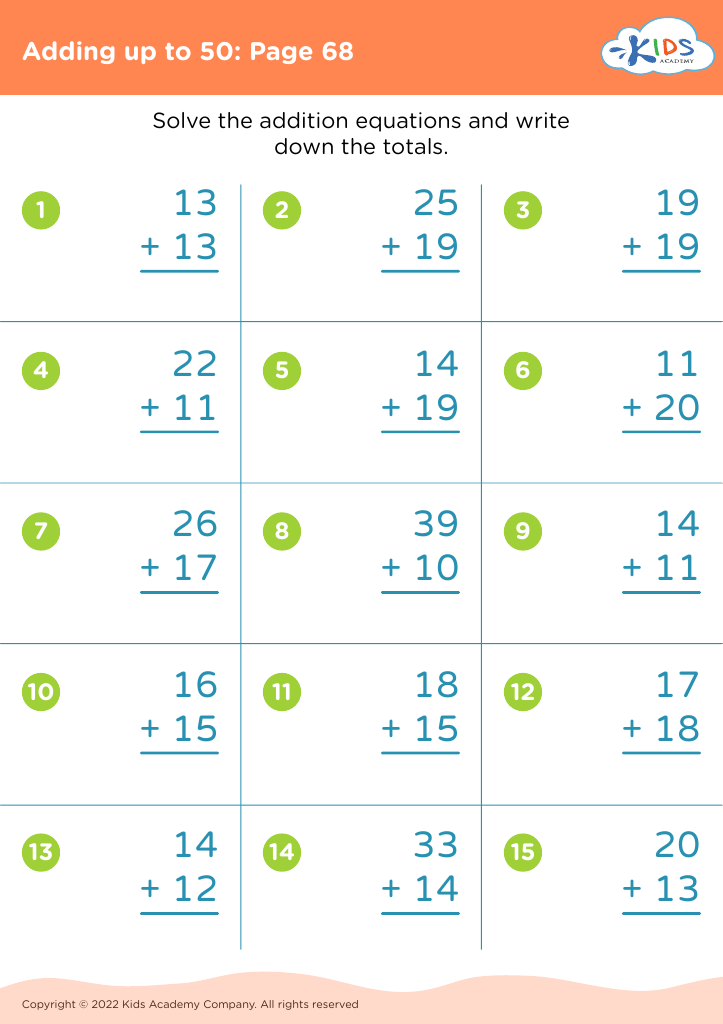
Adding up to 50: Page 68

Adding up to 50: Page 68

Adding up to 50: Page 68
Worksheet
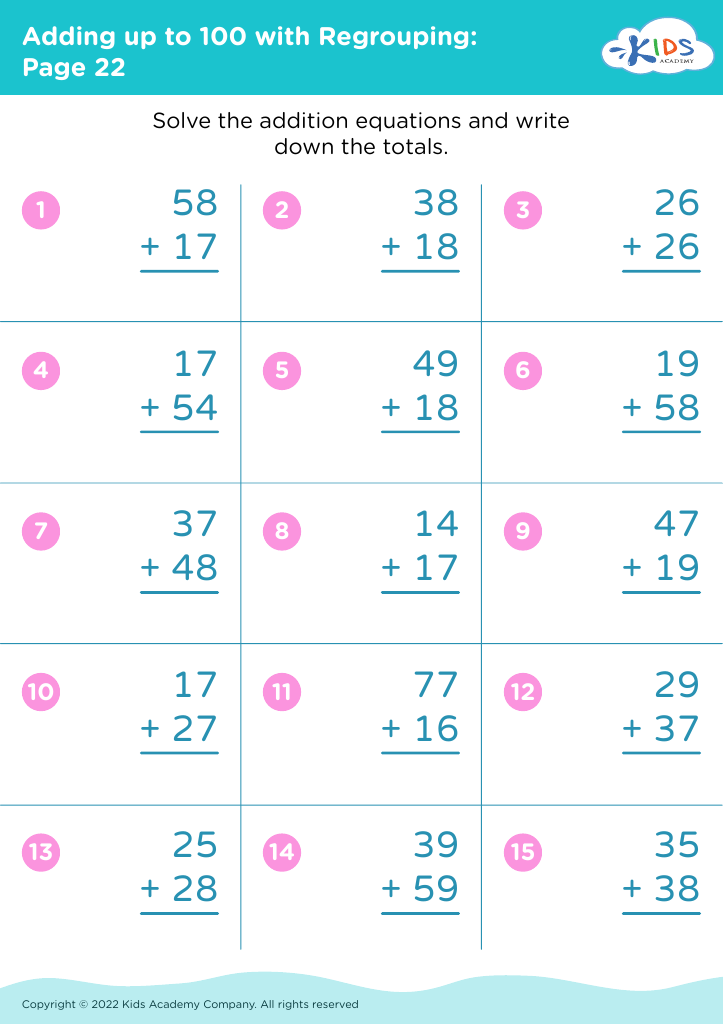
Adding up to 100 with Regrouping: Page 22
Worksheet
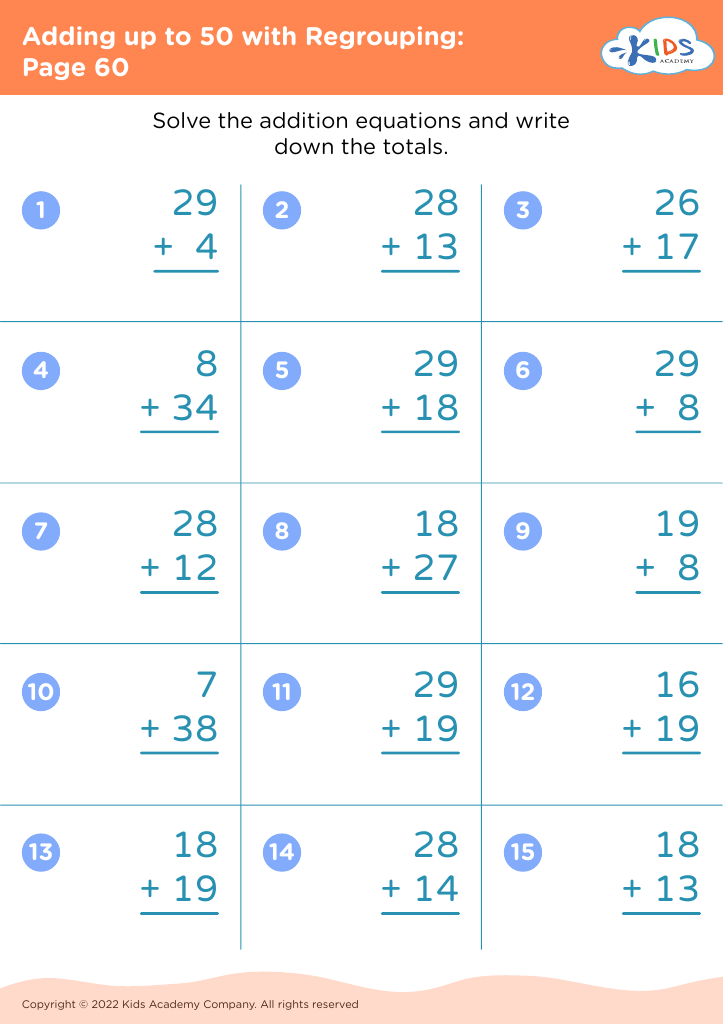
Adding up to 50 with Regrouping: Page 60
Worksheet
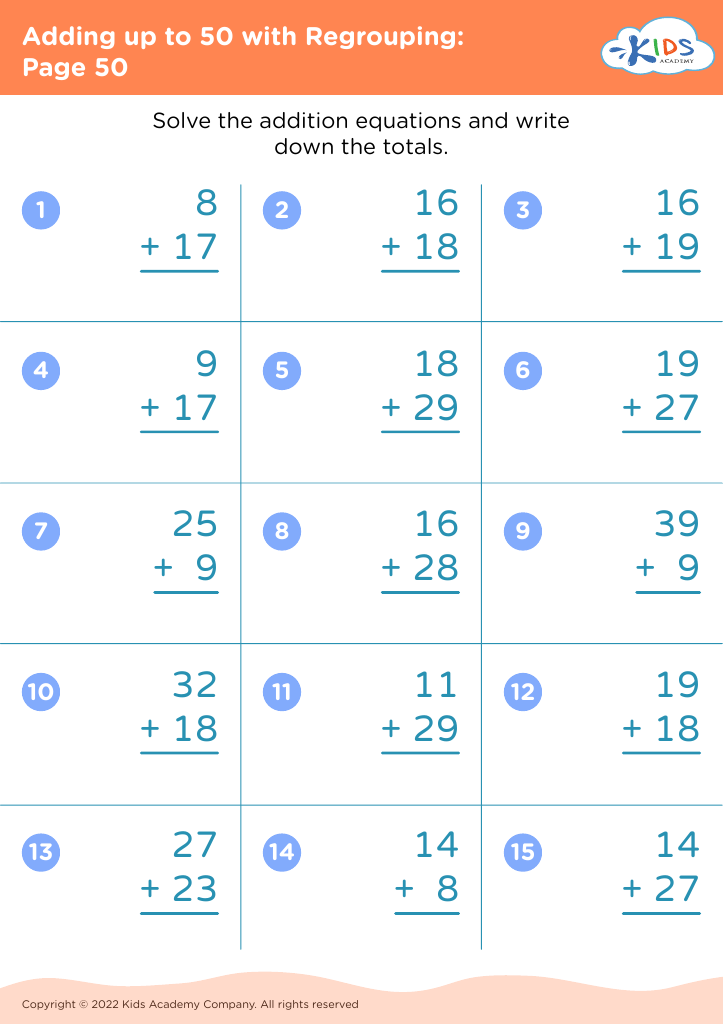
Adding up to 50 with Regrouping: Page 50
Worksheet
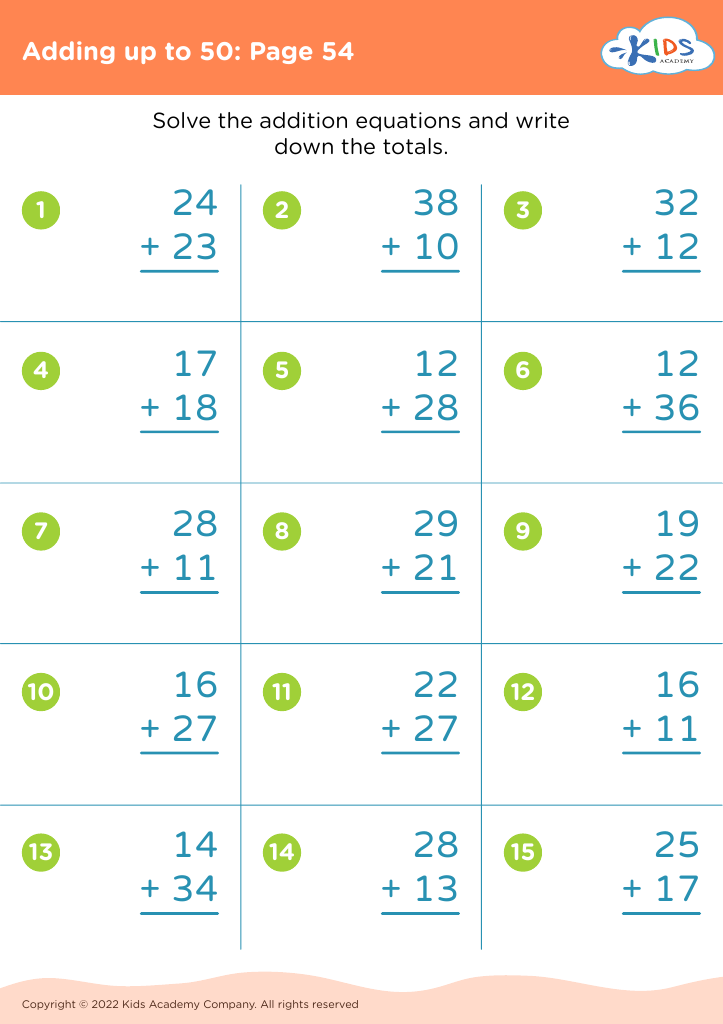
Adding up to 50: Page 54

Adding up to 50: Page 54

Adding up to 50: Page 54
Worksheet
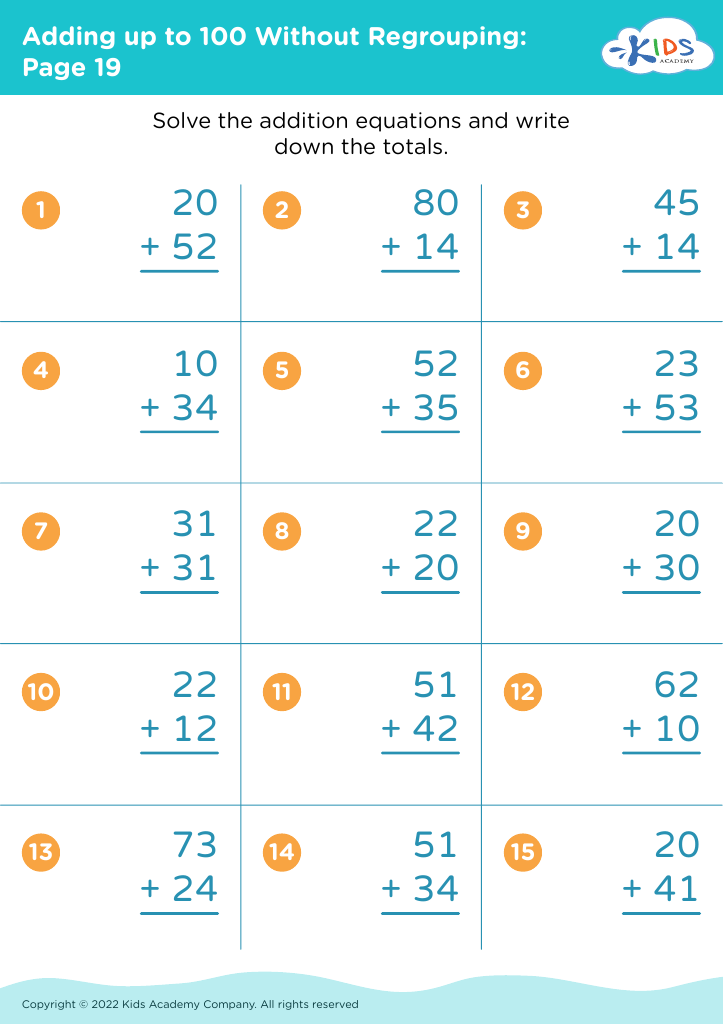
Adding up to 100 Without Regrouping: Page 19
Worksheet
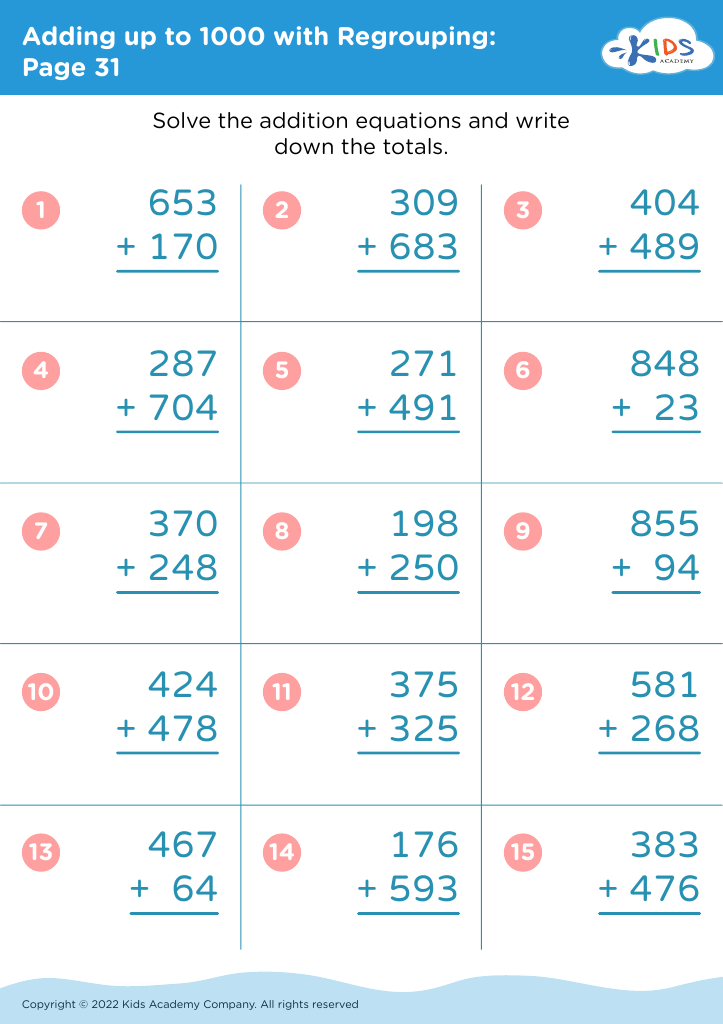
Adding up to 1000 with Regrouping: Page 31
Worksheet
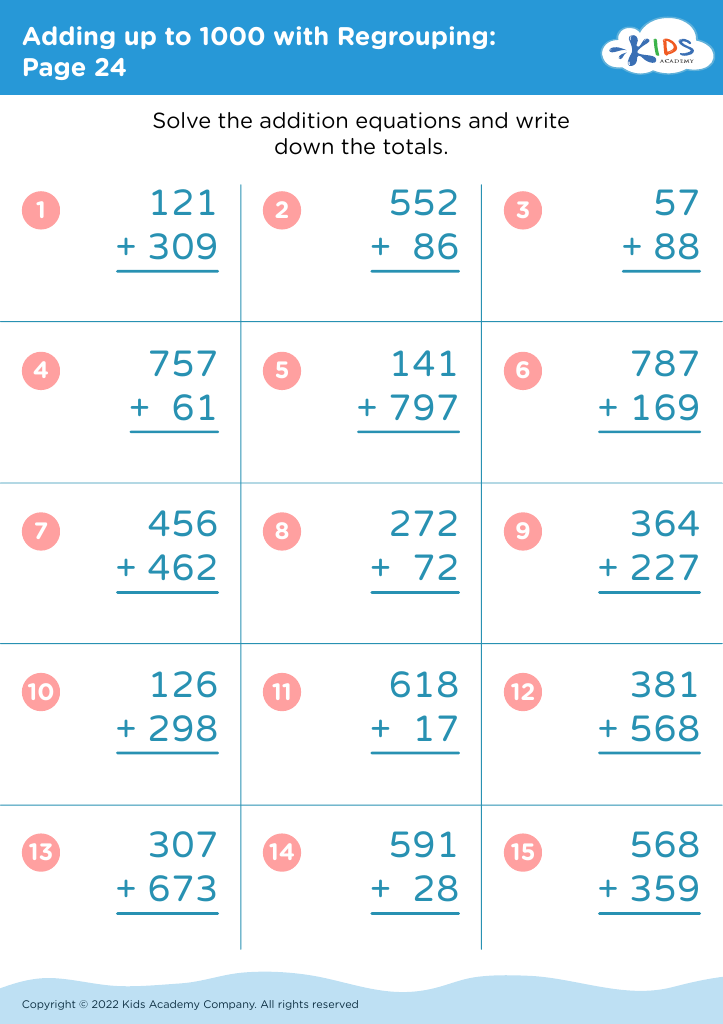
Adding up to 1000 with Regrouping: Page 24
Worksheet
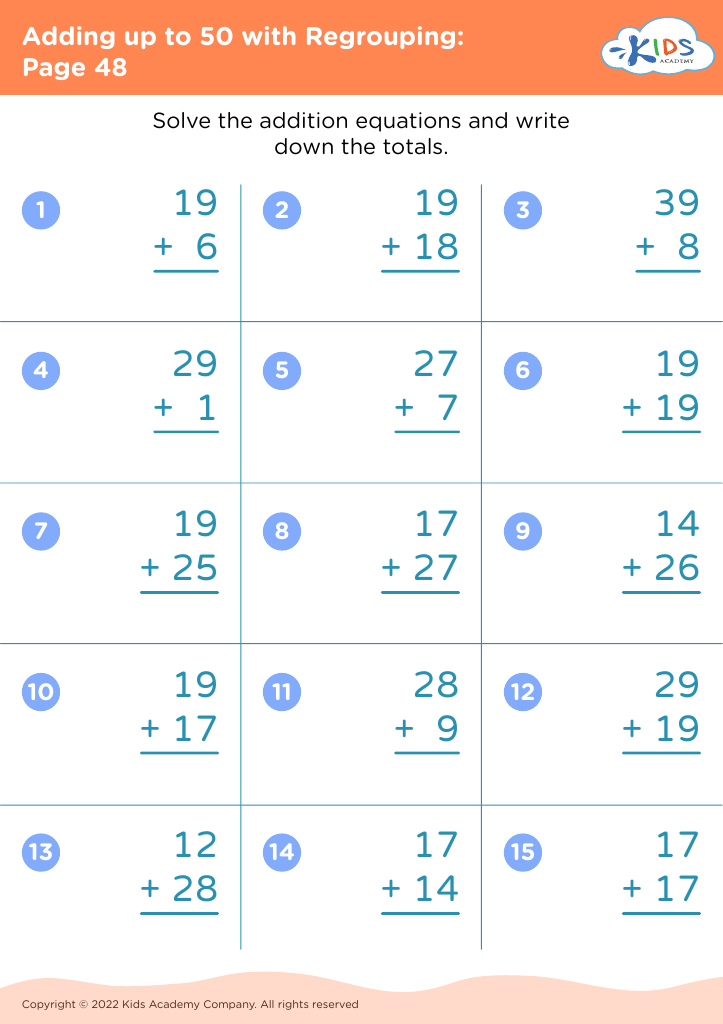
Adding up to 50 with Regrouping: Page 48
Worksheet
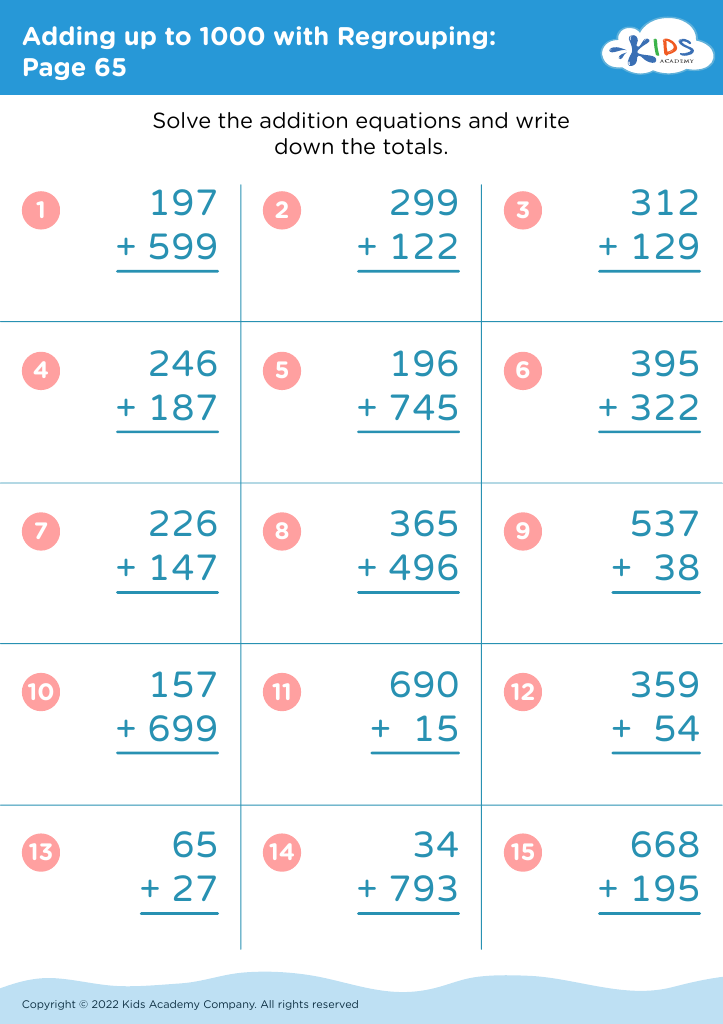
Adding up to 1000 with Regrouping: Page 65
Worksheet
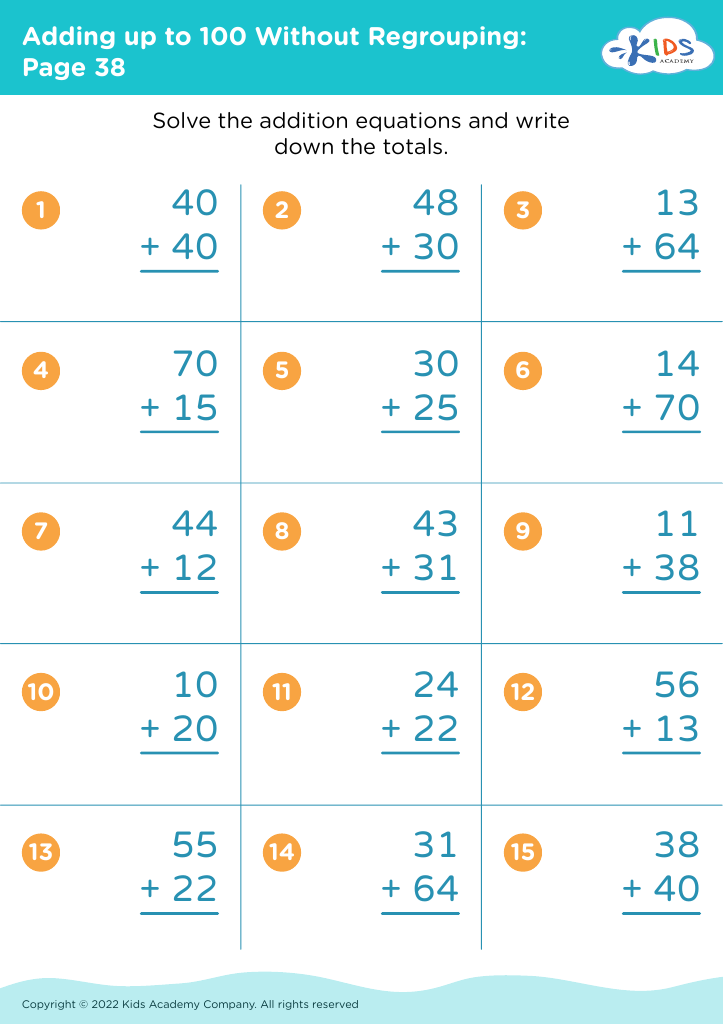
Adding up to 100 Without Regrouping: Page 38
Worksheet
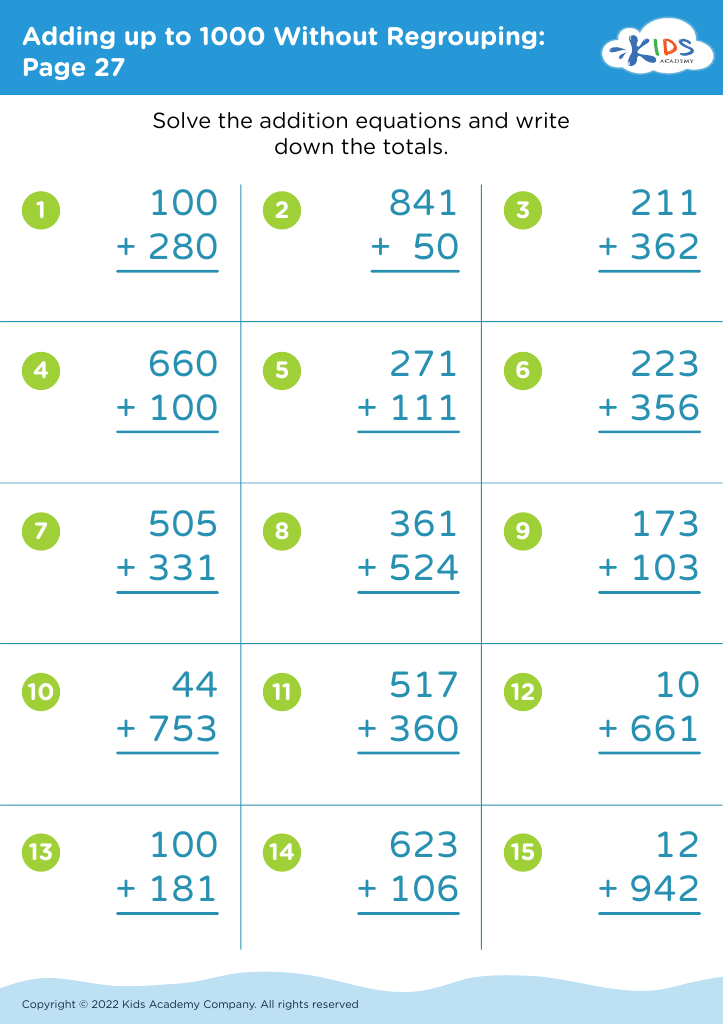
Adding up to 1000 Without Regrouping: Page 27
Worksheet
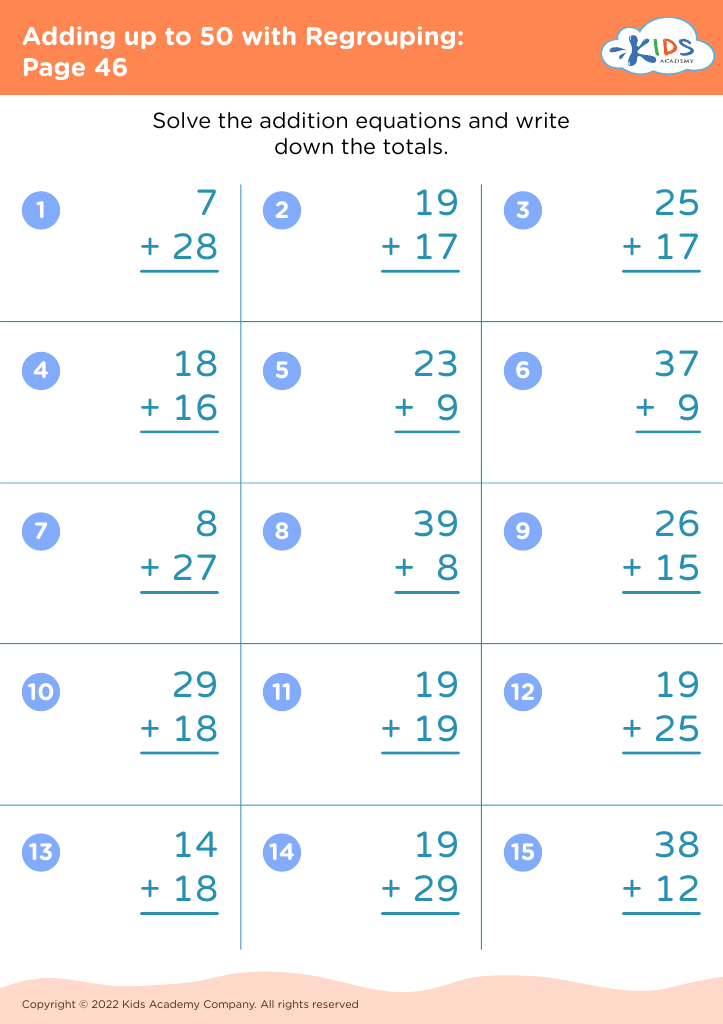
Adding up to 50 with Regrouping: Page 46
Worksheet
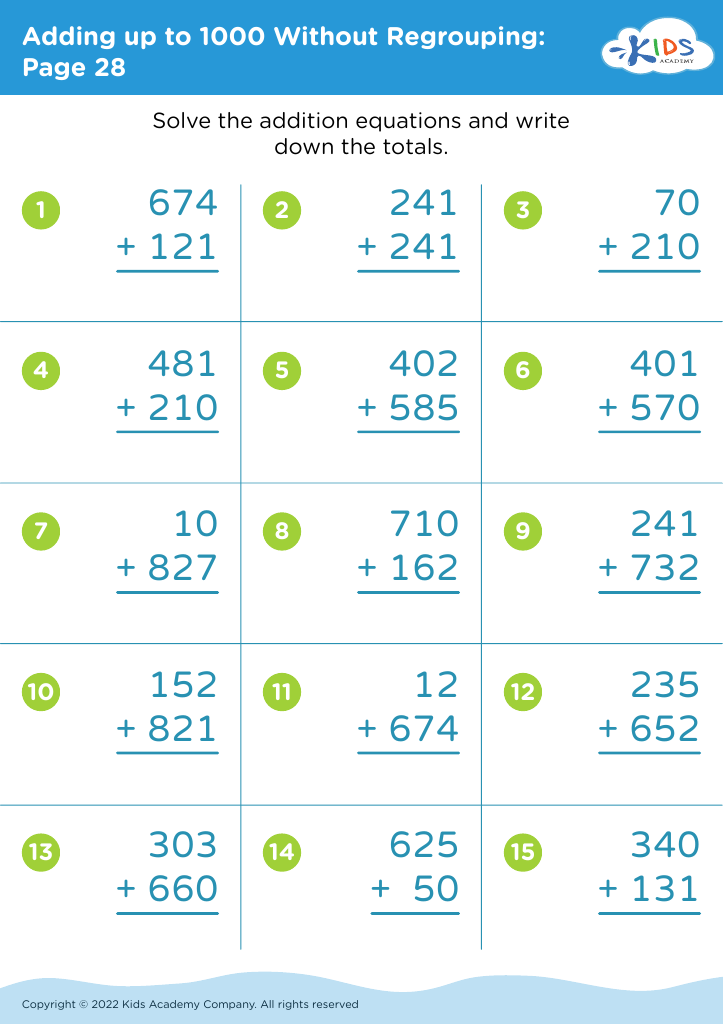
Adding up to 1000 Without Regrouping: Page 28
Worksheet
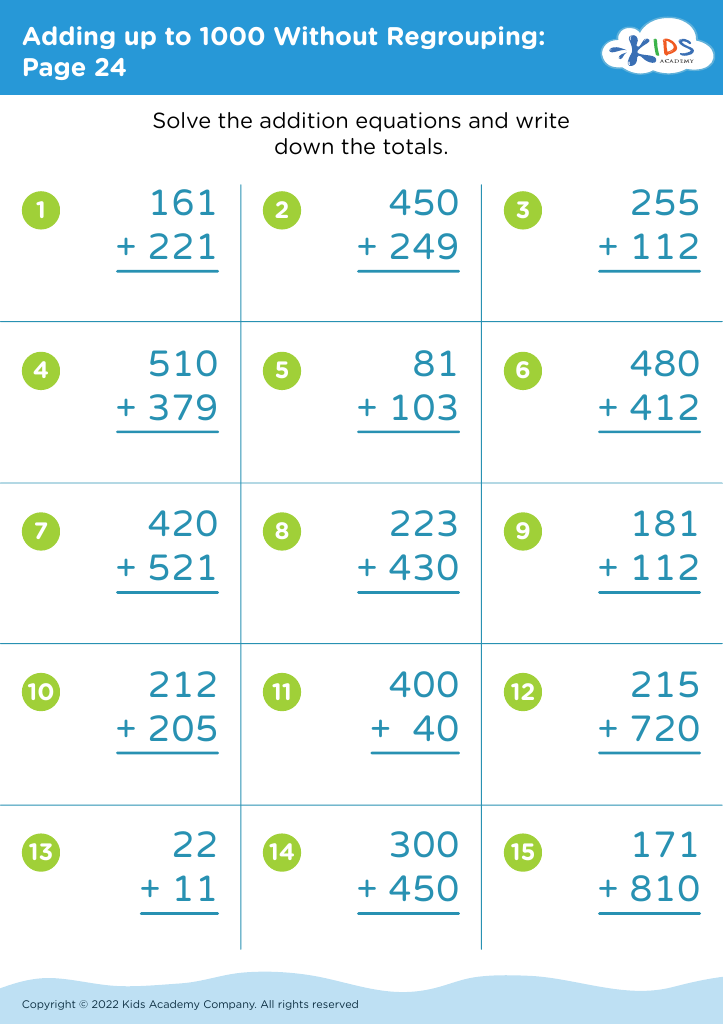
Adding up to 1000 Without Regrouping: Page 24
Worksheet


Parents and teachers should prioritize simplifying fractions addition and subtraction for 8-year-olds because it lays a crucial foundation for mathematical understanding. At this age, children's cognitive abilities are developing rapidly, making it an ideal time to introduce concepts that foster critical thinking and problem-solving skills. Simplifying fractions not only helps students perform operations more effectively but also enhances their comprehension of numbers and relationships between them.

Additionally, understanding fractions is essential for future math concepts, including ratios, percentages, and algebra. When children struggle with fractions, it can lead to frustration and anxiety towards math, potentially creating a lifelong negative attitude toward the subject. Simplifying fractions ensures that students can approach problems with confidence, building a sense of accomplishment.

Moreover, grasping these concepts fosters mathematical literacy, enabling students to apply their knowledge in real-life situations, such as cooking, budgeting, or measuring. Thus, teaching simplification of fractions in a supportive and engaging environment encourages a positive learning experience. Ultimately, a solid understanding of adding and subtracting fractions provides a springboard for success in more advanced mathematics, equipping students with the skills they will need in their academic journey and everyday life.