Time conversion skills Addition & Subtraction Worksheets for 8-Year-Olds
3 filtered results
-
From - To
Enhance your child's time management skills with our "Time Conversion Skills Addition & Subtraction Worksheets for 8-Year-Olds." Specially designed for third graders, these engaging worksheets help young learners proficiently add and subtract time. Providing a fun, challenging, and educational experience, they support mastering the distinction between hours, minutes, and seconds. Aligned with common core standards, these worksheets come equipped with diverse exercises that foster critical thinking and precision in time-telling. Perfect for home or classroom use, watch your students gain confidence and competence in an essential life skill through interactive and thoughtfully crafted activities.
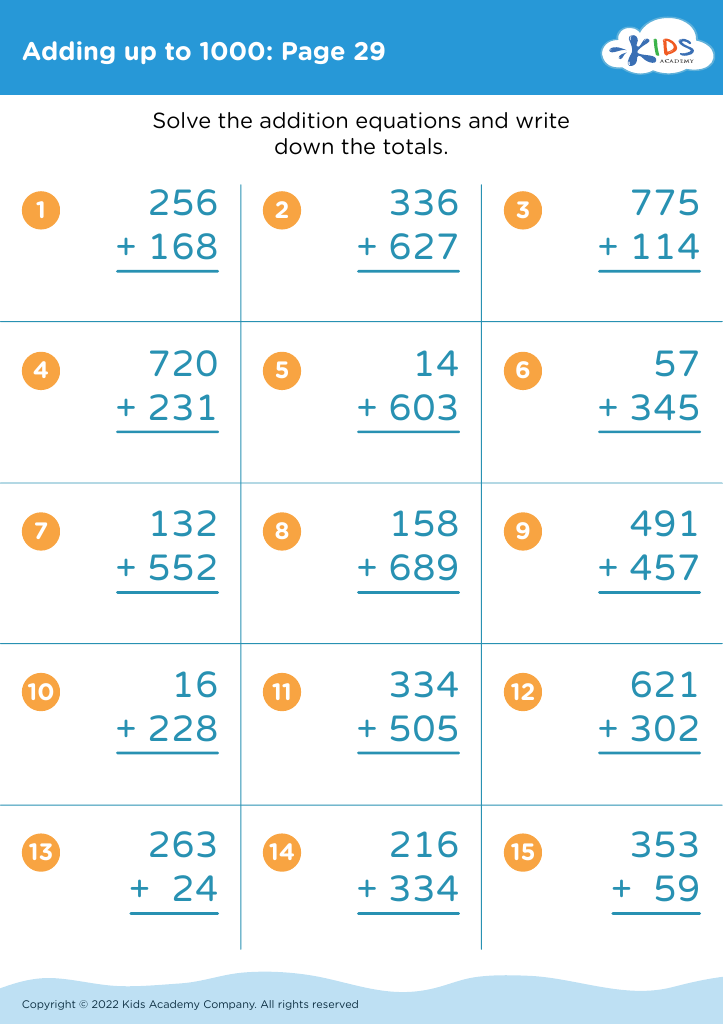
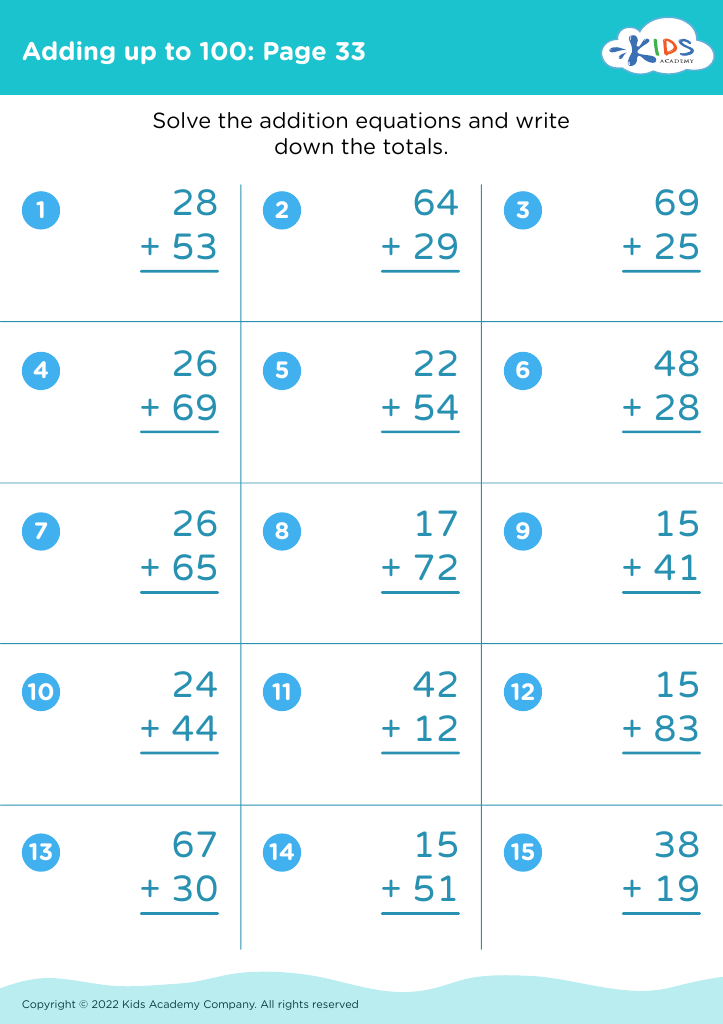
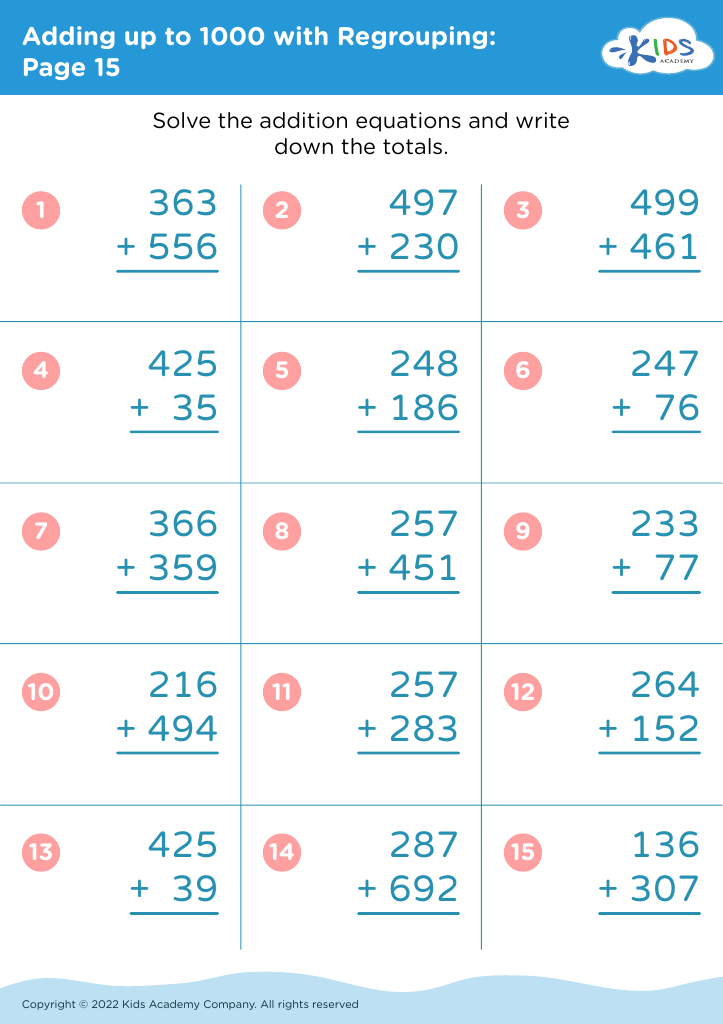








Parents and teachers should prioritize teaching time conversion skills, addition, and subtraction to 8-year-olds because these fundamental mathematical concepts are critical building blocks for future learning and everyday life. Mastering time conversion helps children understand how to break down hours into minutes, a skill that's essential for scheduling, time management, and punctuality. Learning to add and subtract time fosters analytical thinking, as children need to develop strategies and logical sequences to solve problems accurately.
Furthermore, these skills enhance cognitive development by challenging young minds to manipulate numbers in versatile ways, bolstering memory, concentration, and problem-solving abilities. Practically, children will use these skills frequently in daily life—whether it’s figuring out how long they'll need to wait for an event, determining the duration of activities, or managing study and playtime effectively.
In addition to practical life skills, proficiency in addition and subtraction lays down a strong foundation for more advanced mathematics topics. It also builds confidence as they experience success in working with numbers in different contexts, enhancing overall academic achievement. By fostering these skills at a young age, parents and teachers ensure that children develop essential competencies that will support their academic, personal, and eventual professional successes.








