Welcome to our "Recognizing Shapes Math Worksheets" page for 8-year-olds! Designed to enhance shape recognition skills, these engaging worksheets will help your child identify and classify various shapes, from circles to triangles and beyond. Each worksheet offers fun illustrations and clear instructions to capture your child's interest while fostering a love for math. Whether used in the classroom or at home, our resources provide valuable practice in recognizing shapes in different contexts. Encourage your child's critical thinking and spatial awareness through these interactive activities. Download our engaging worksheets today and watch your child's confidence in math grow!
Check out this FREE Trial Lesson on Math for age 8!

Match Exactly the Same

Favorites
With answer key
Interactive
  • 8
  • Recognizing shapes
  • Math
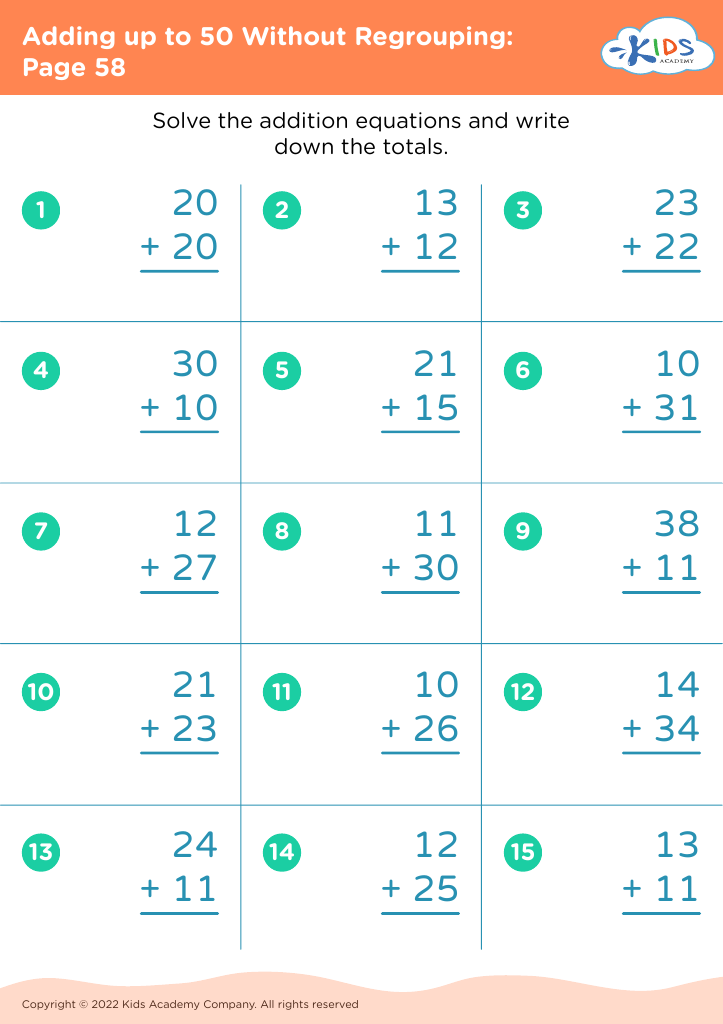
Adding up to 50 Without Regrouping: Page 58
Worksheet
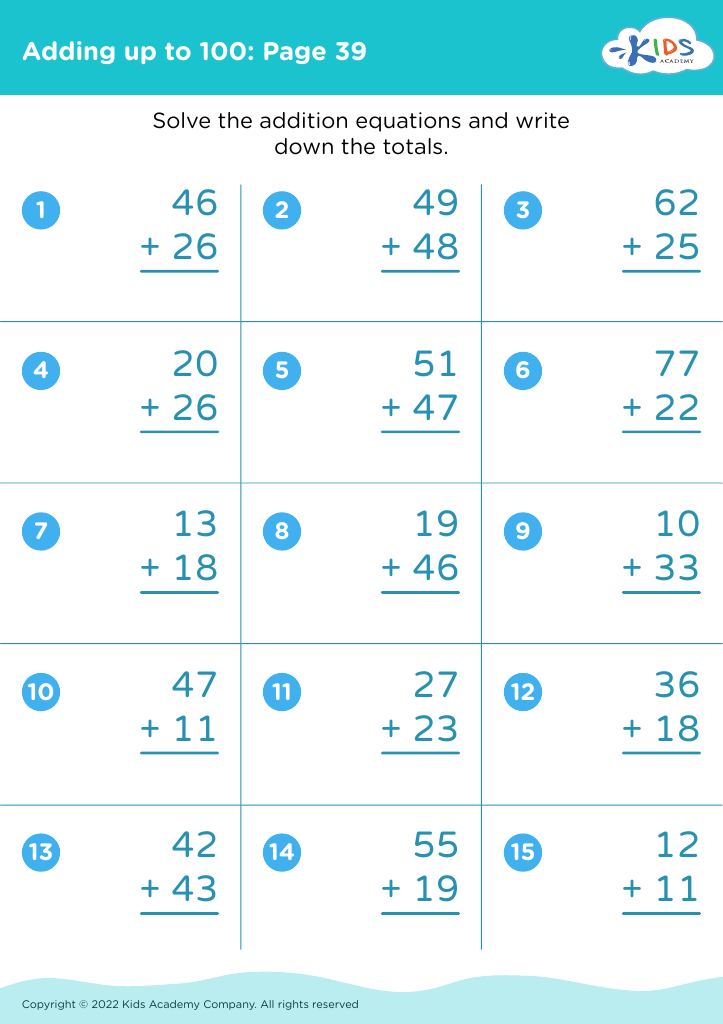
Adding up to 100: Page 39

Adding up to 100: Page 39

Adding up to 100: Page 39
Worksheet
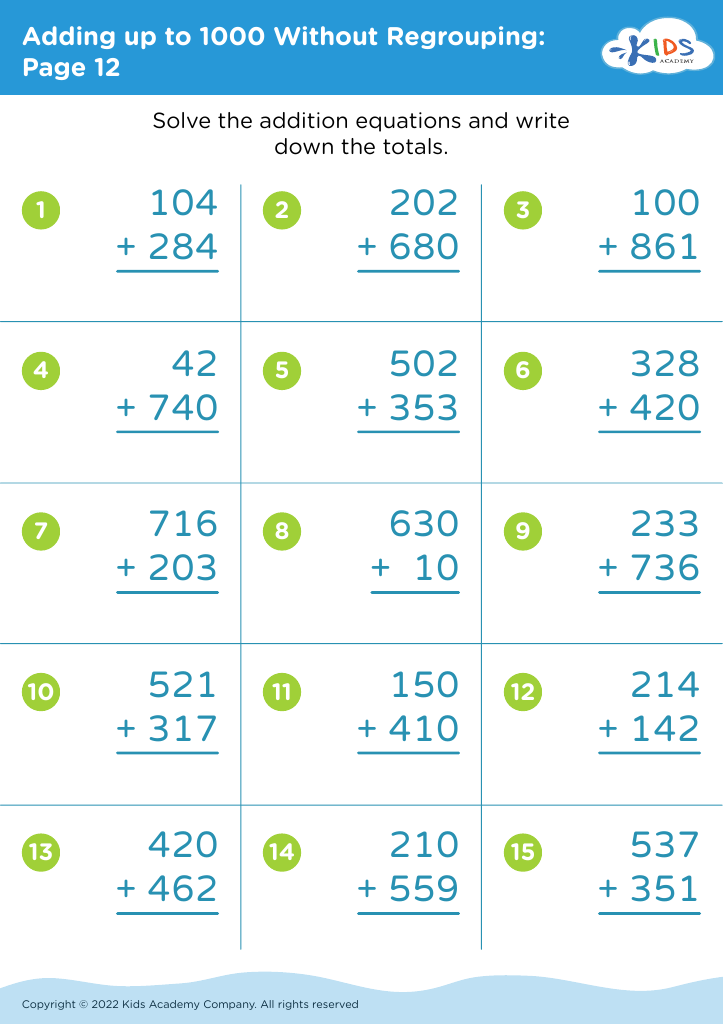
Adding up to 1000 Without Regrouping: Page 12
Worksheet
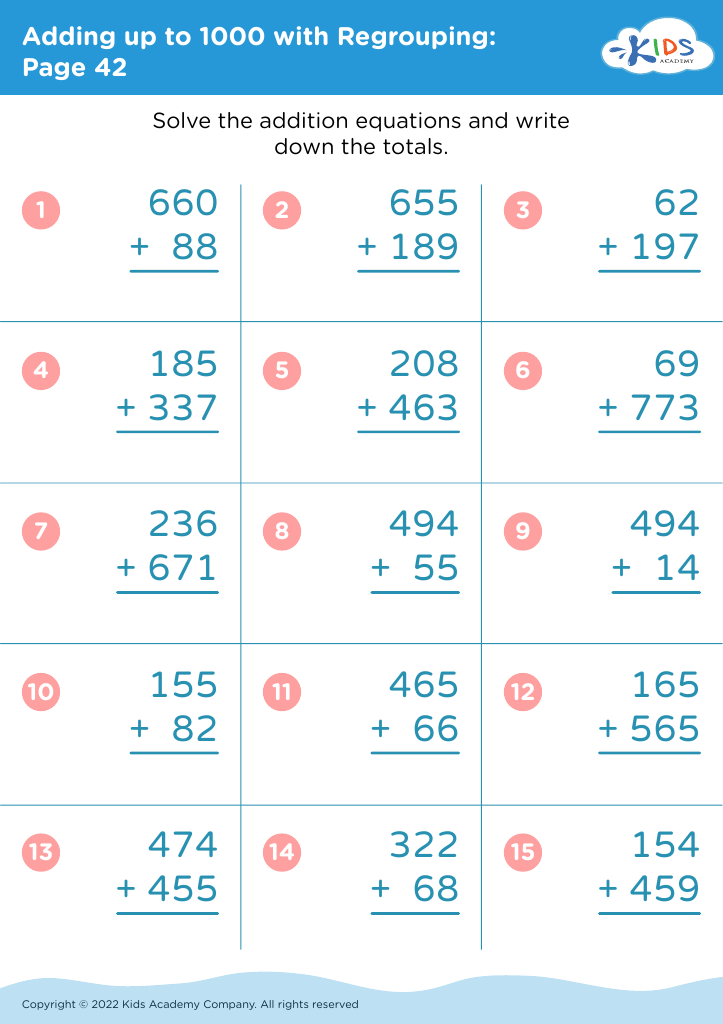
Adding up to 1000 with Regrouping: Page 42
Worksheet
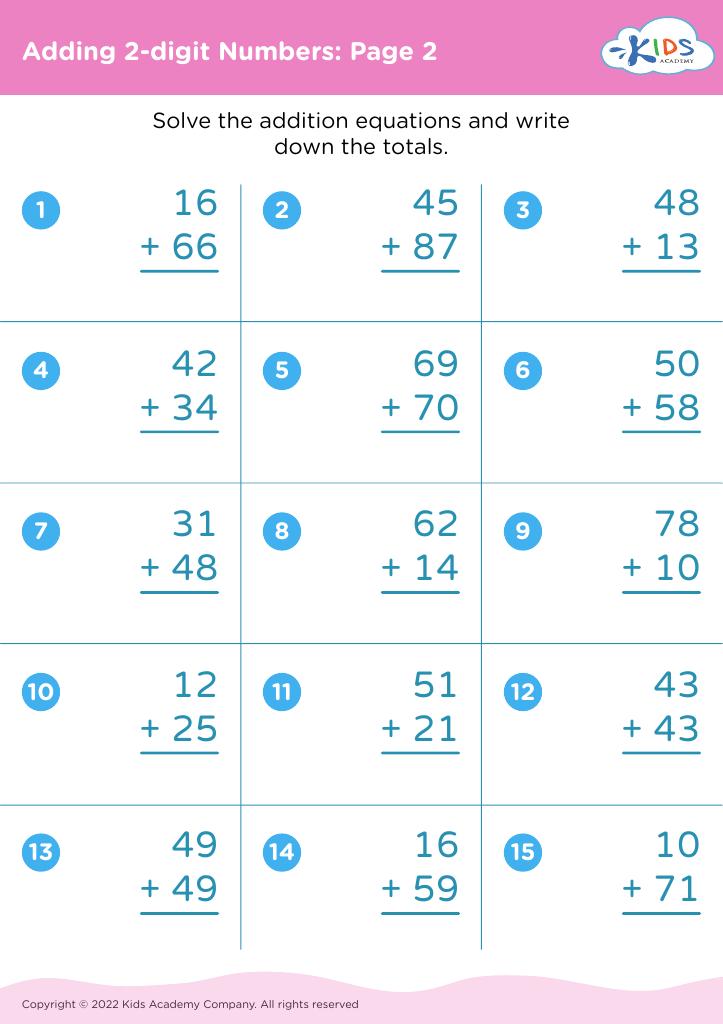
Adding 2-digit Numbers: Page 2

Adding 2-digit Numbers: Page 2

Adding 2-digit Numbers: Page 2
Worksheet
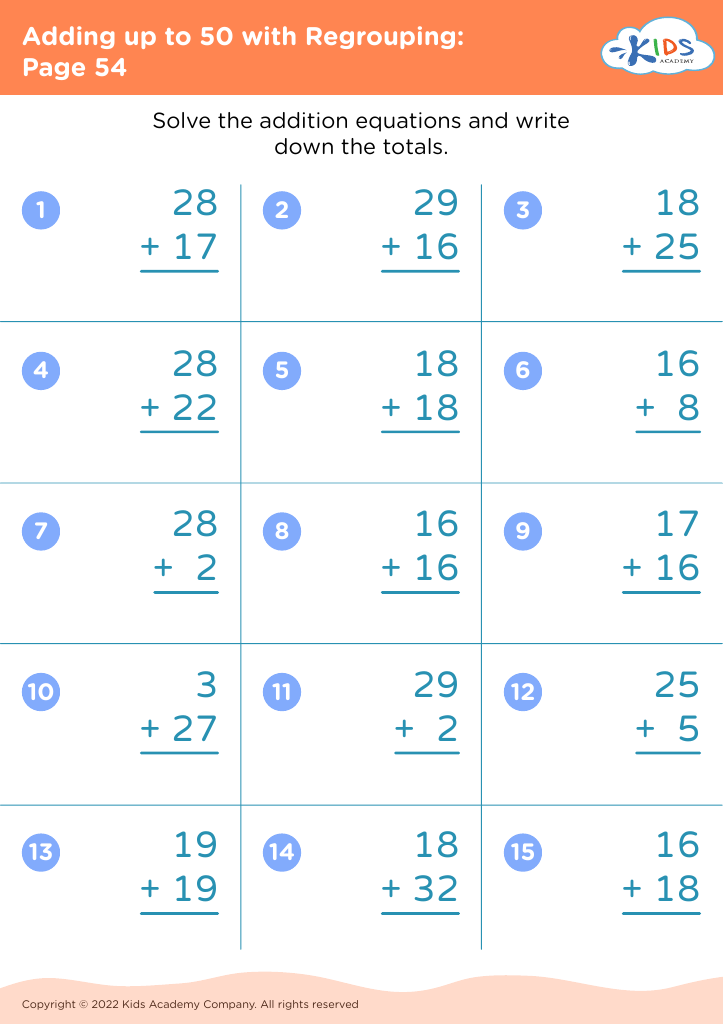
Adding up to 50 with Regrouping: Page 54
Worksheet
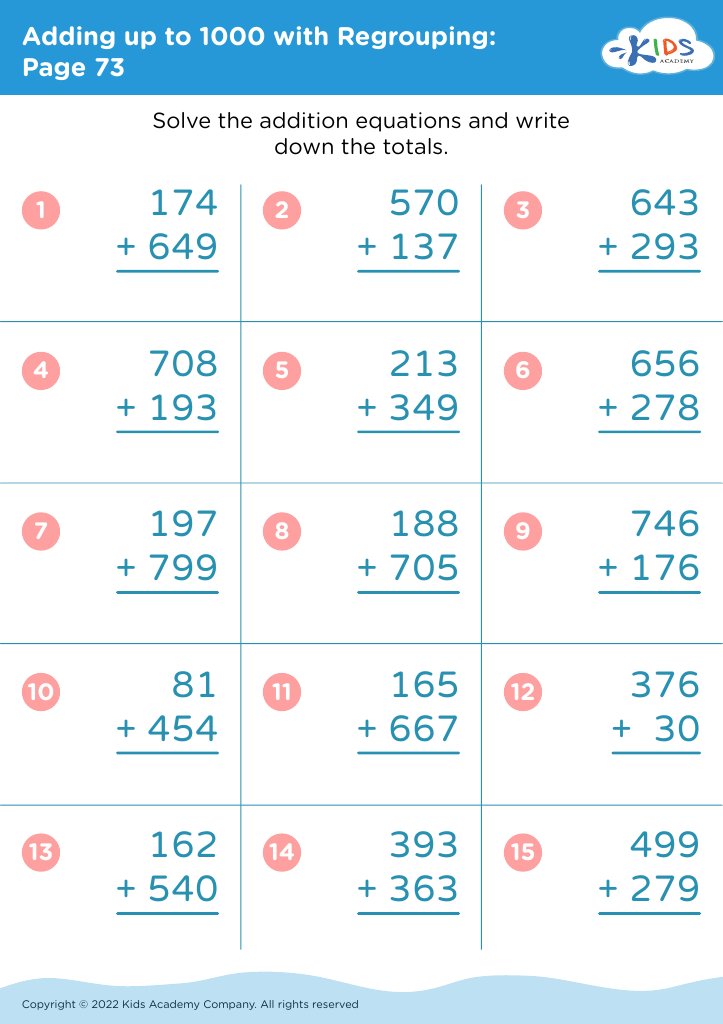
Adding up to 1000 with Regrouping: Page 73
Worksheet
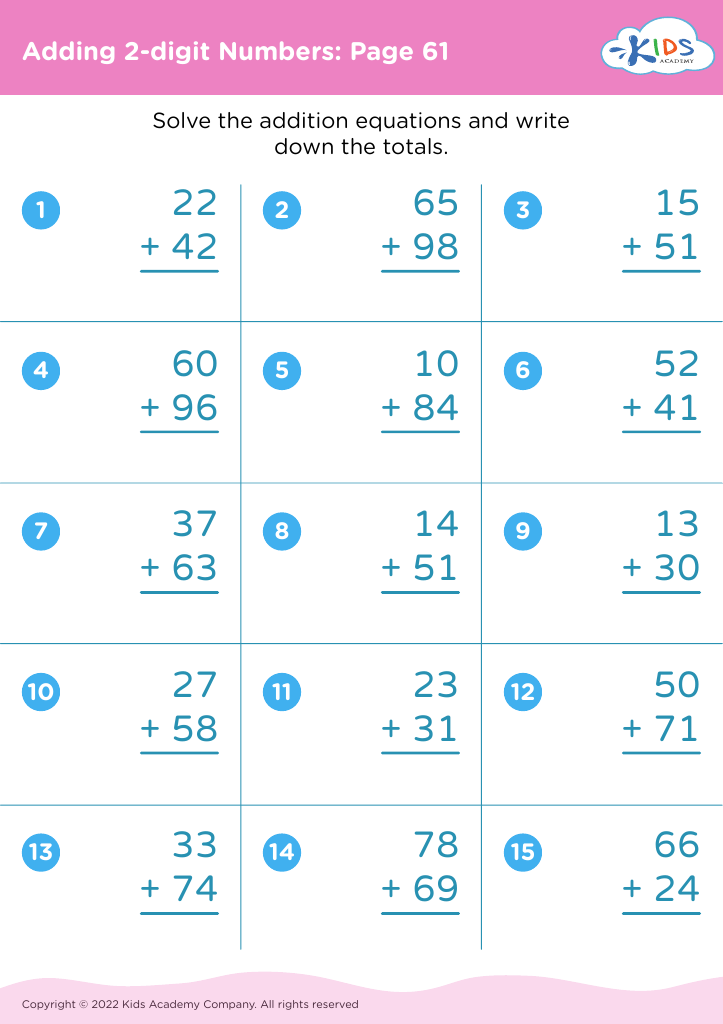
Adding 2-digit Numbers: Page 61

Adding 2-digit Numbers: Page 61

Adding 2-digit Numbers: Page 61
Worksheet
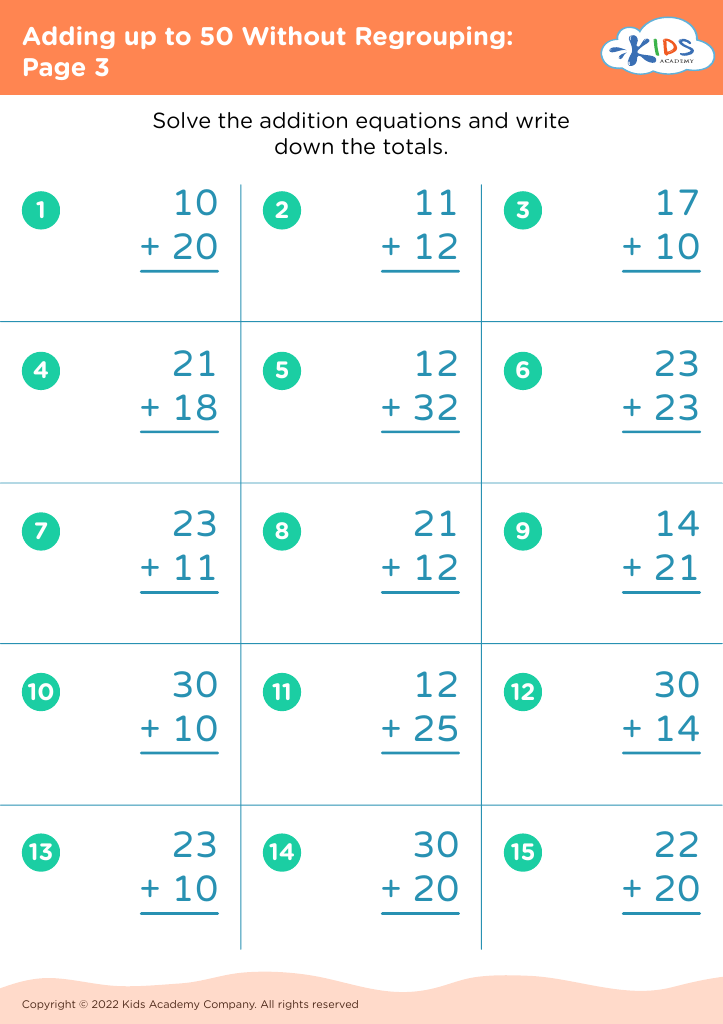
Adding up to 50 Without Regrouping: Page 3
Worksheet
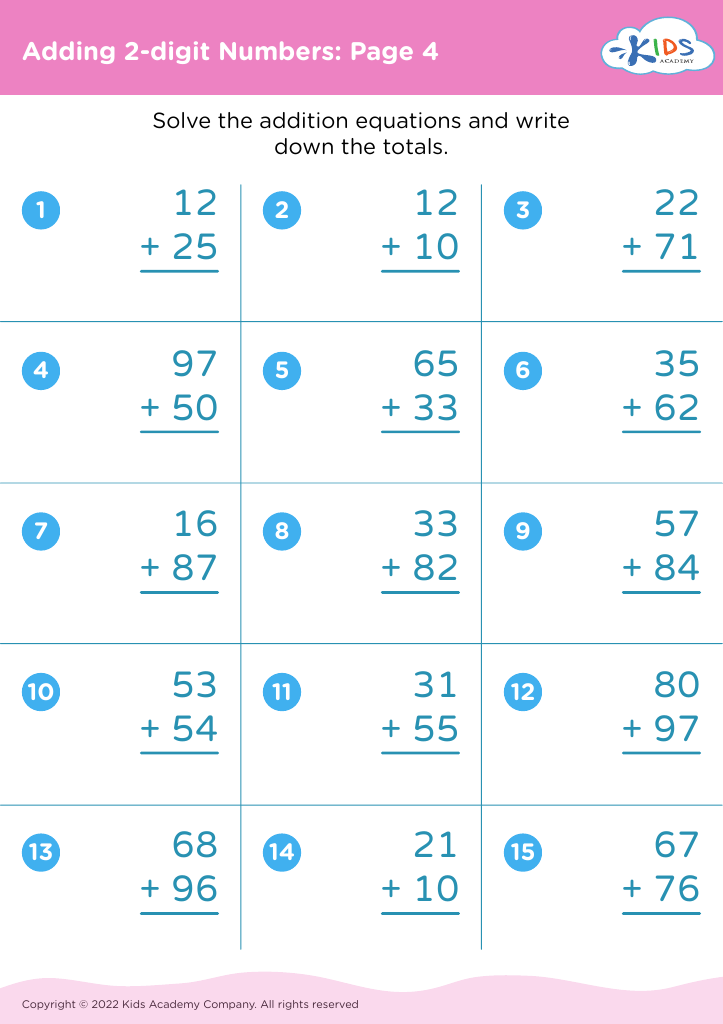
Adding 2-digit Numbers: Page 4

Adding 2-digit Numbers: Page 4

Adding 2-digit Numbers: Page 4
Worksheet
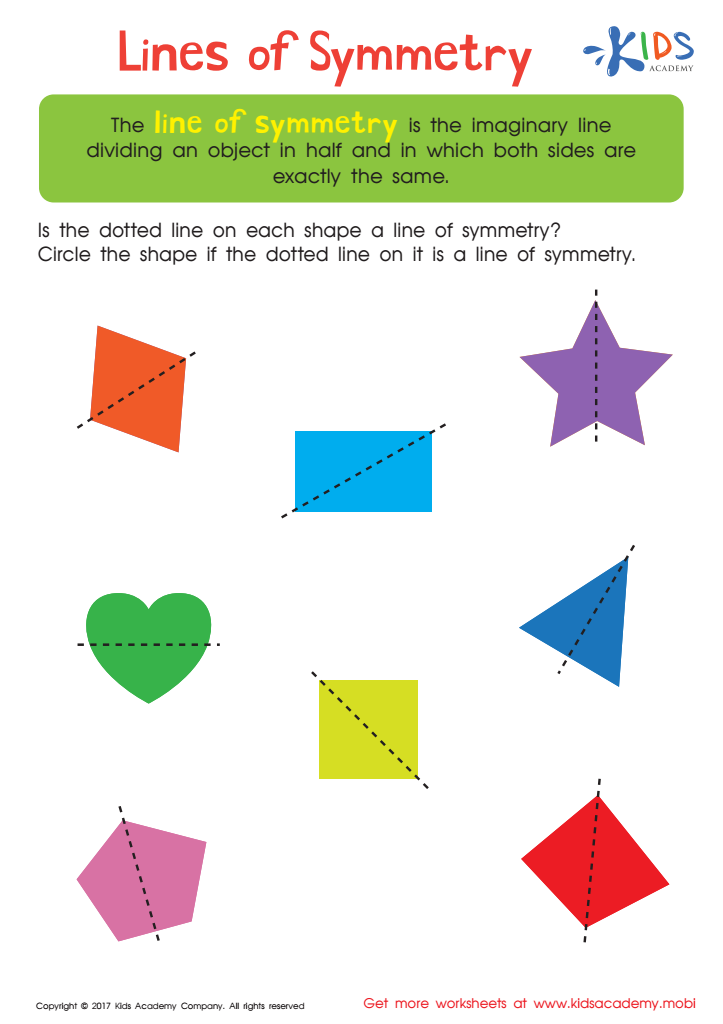
Lines of symmetry worksheet

Lines of Symmetry Printable

Symmetry is a key math concept that kids must learn to develop their geometry skills. This fun worksheet helps build this skill, by encouraging kids to recognize symmetrical shapes and find equal parts.
Lines of Symmetry Printable
Worksheet
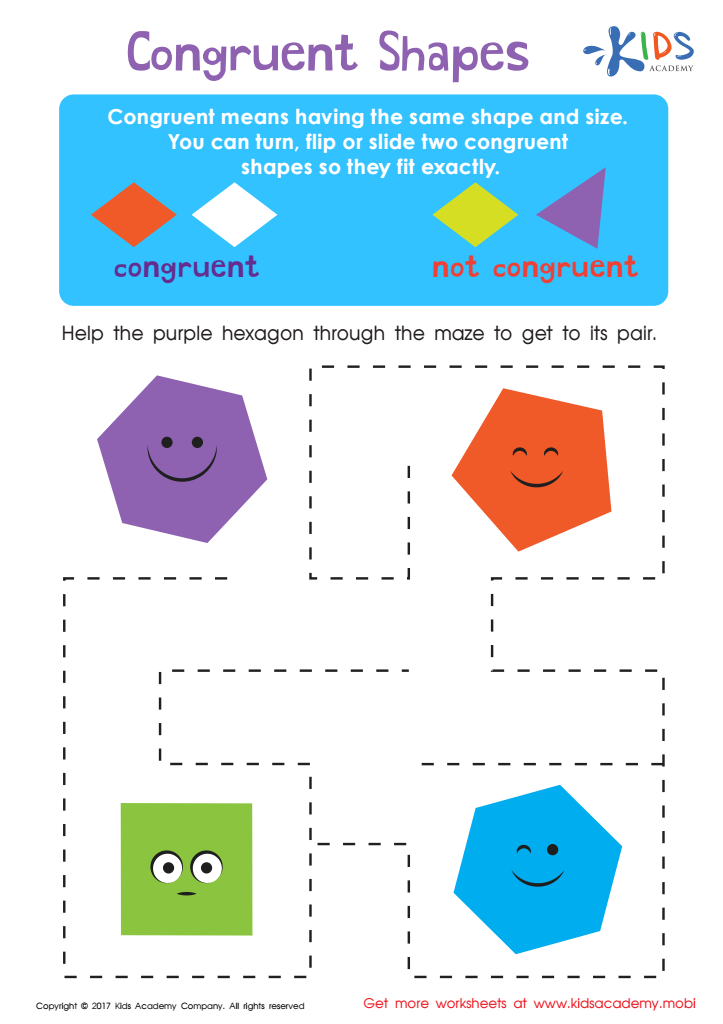
Congruent shapes worksheet

Congruent Shapes Worksheet

Help your child find the twin of the purple hexagon! This congruent shapes worksheet is great for increasing vocabulary while challenging mental rotation skills.
Congruent Shapes Worksheet
Worksheet
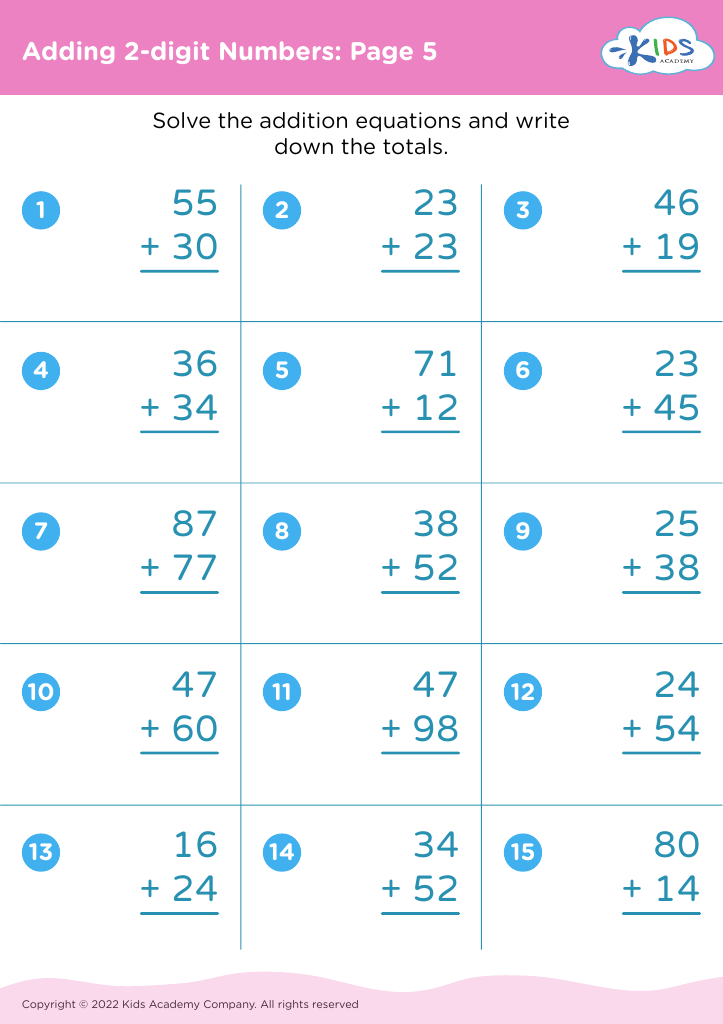
Adding 2-digit Numbers: Page 5

Adding 2-digit Numbers: Page 5

Adding 2-digit Numbers: Page 5
Worksheet
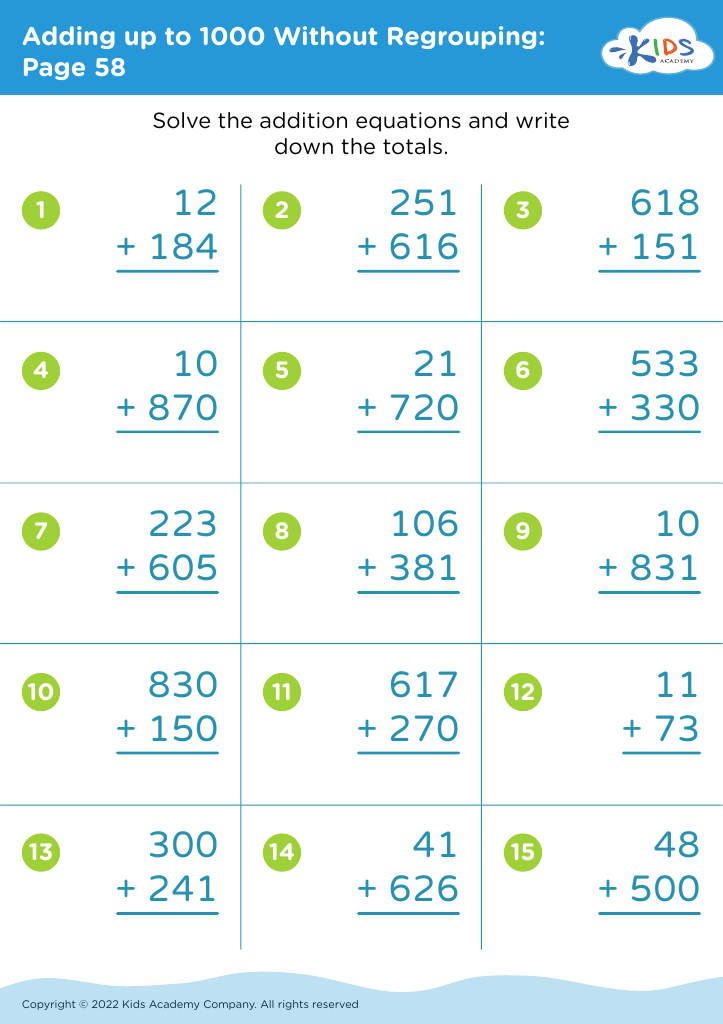
Adding up to 1000 Without Regrouping: Page 58
Worksheet
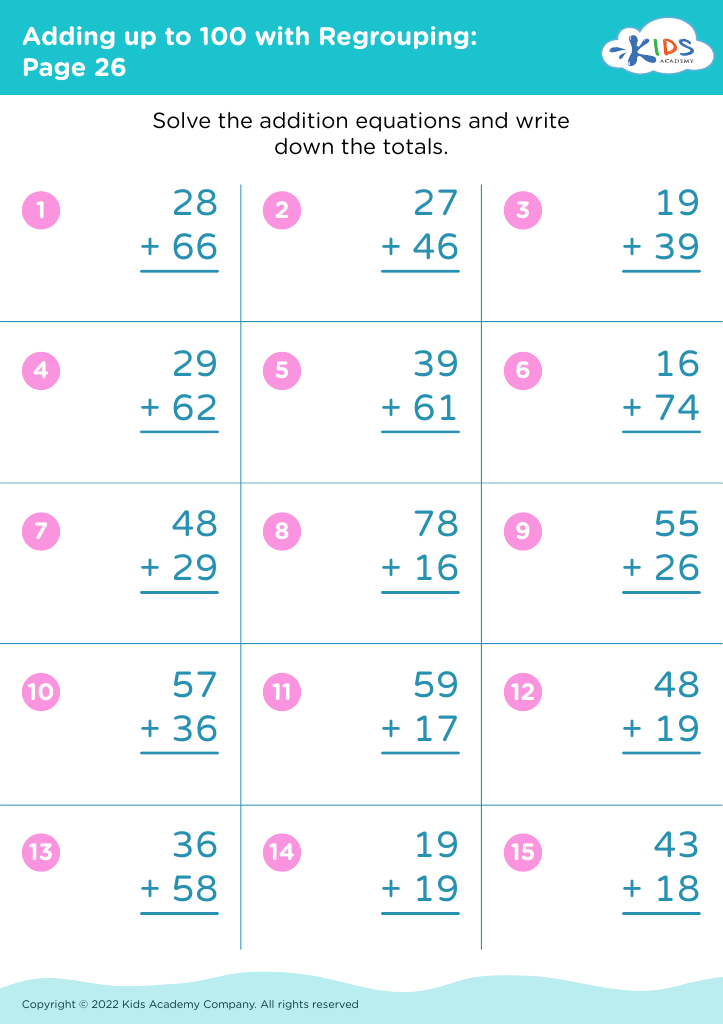
Adding up to 100 with Regrouping: Page 26
Worksheet
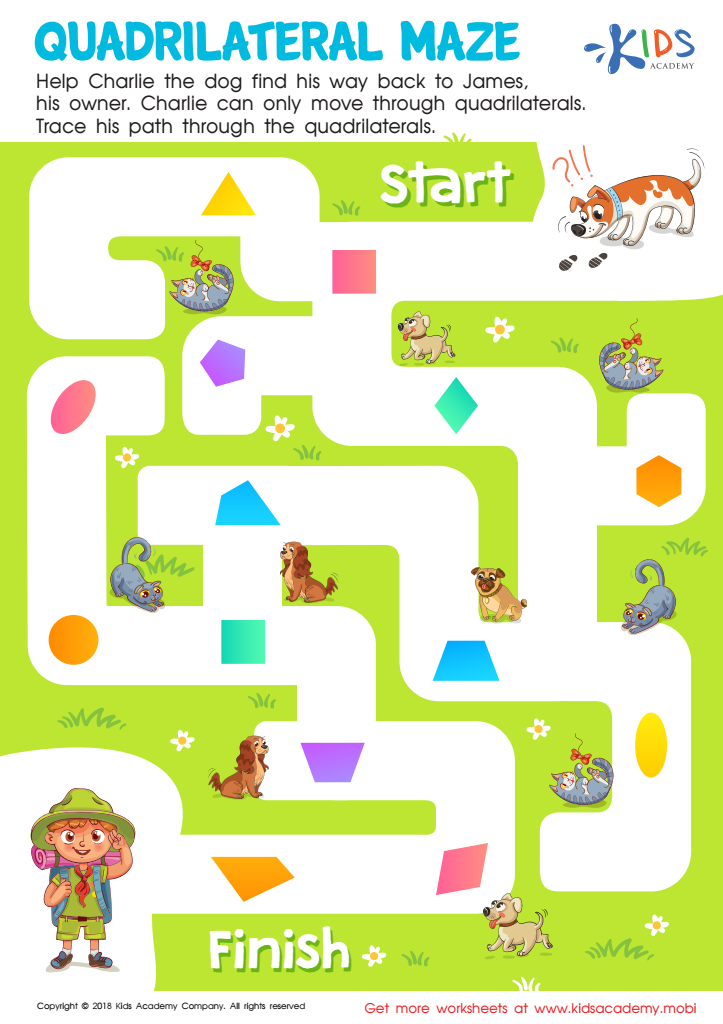
Quadrilateral Maze Worksheet
Quadrilateral Maze Worksheet
Does your kid love dogs? If so, this exercise is ideal for them! Help Charlie the pup find his way back to his owner, James, in the quadrilateral maze worksheet. Your child must trace Charlie's path only through squares and rhombuses in order to solve it. Careful planning is key!
Quadrilateral Maze Worksheet
Worksheet
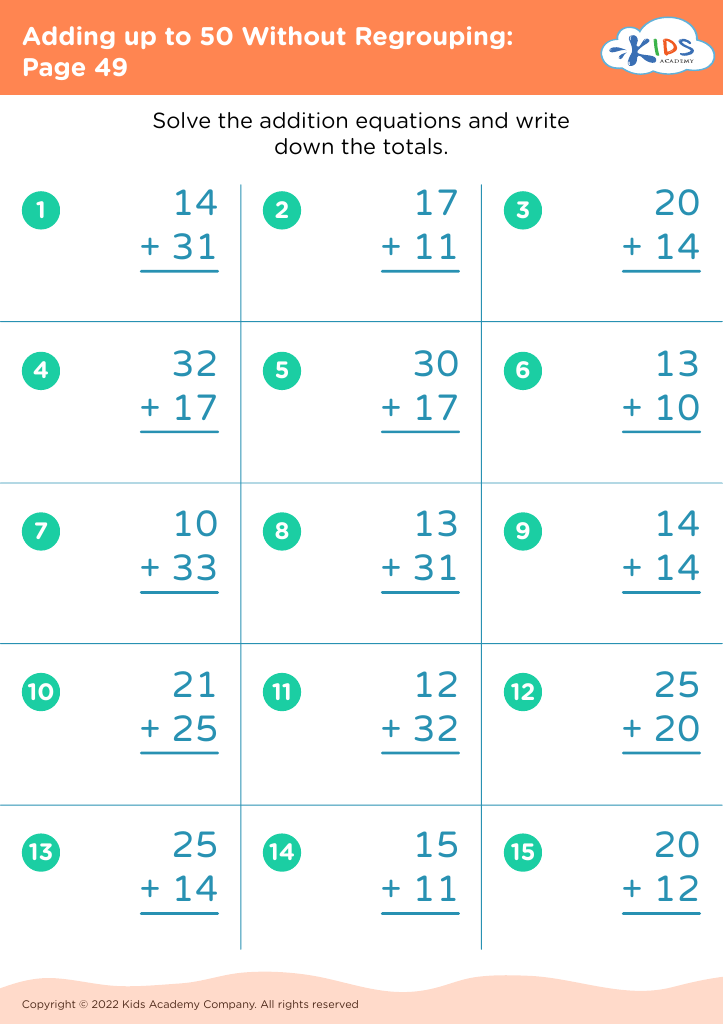
Adding up to 50 Without Regrouping: Page 49
Worksheet
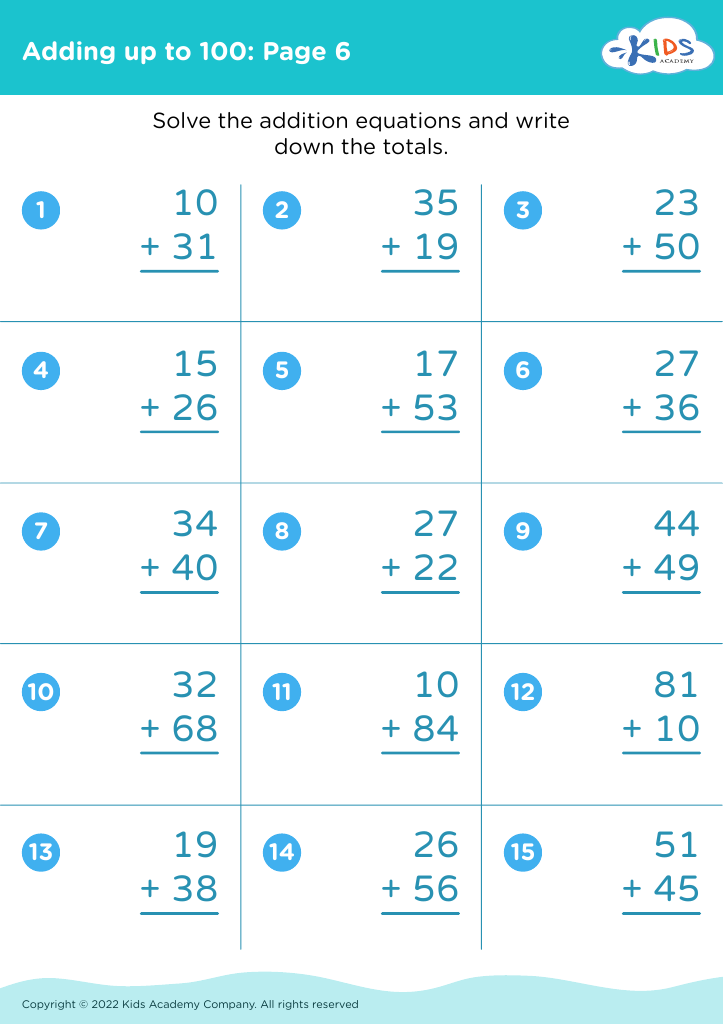
Adding up to 100: Page 6

Adding up to 100: Page 6

Adding up to 100: Page 6
Worksheet
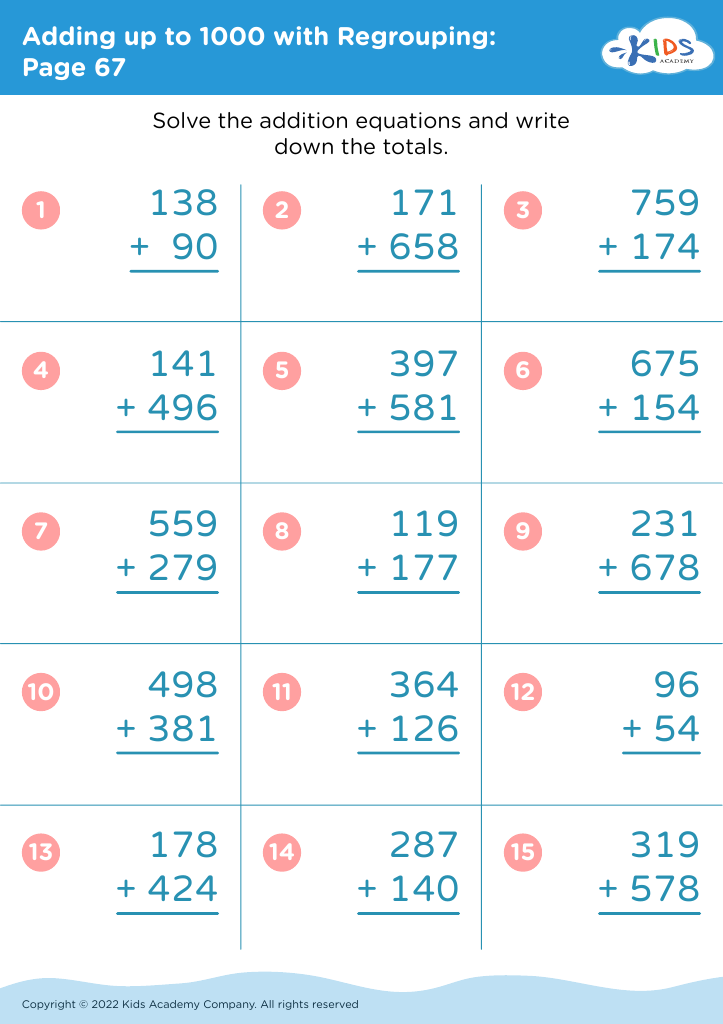
Adding up to 1000 with Regrouping: Page 67
Worksheet
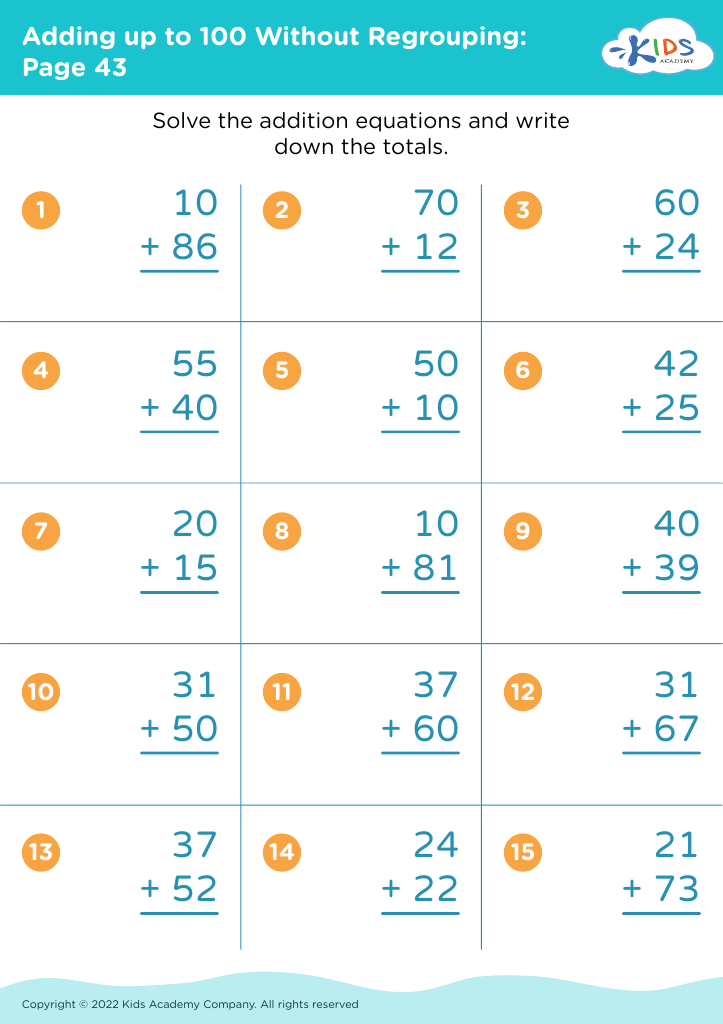
Adding up to 100 Without Regrouping: Page 43
Worksheet
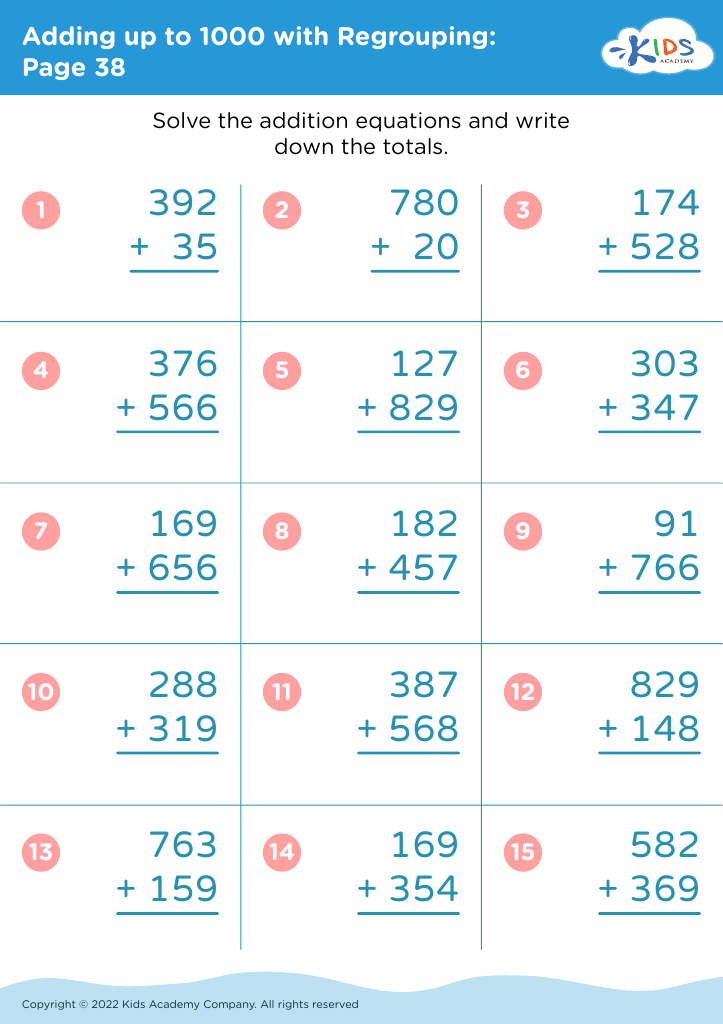
Adding up to 1000 with Regrouping: Page 38
Worksheet
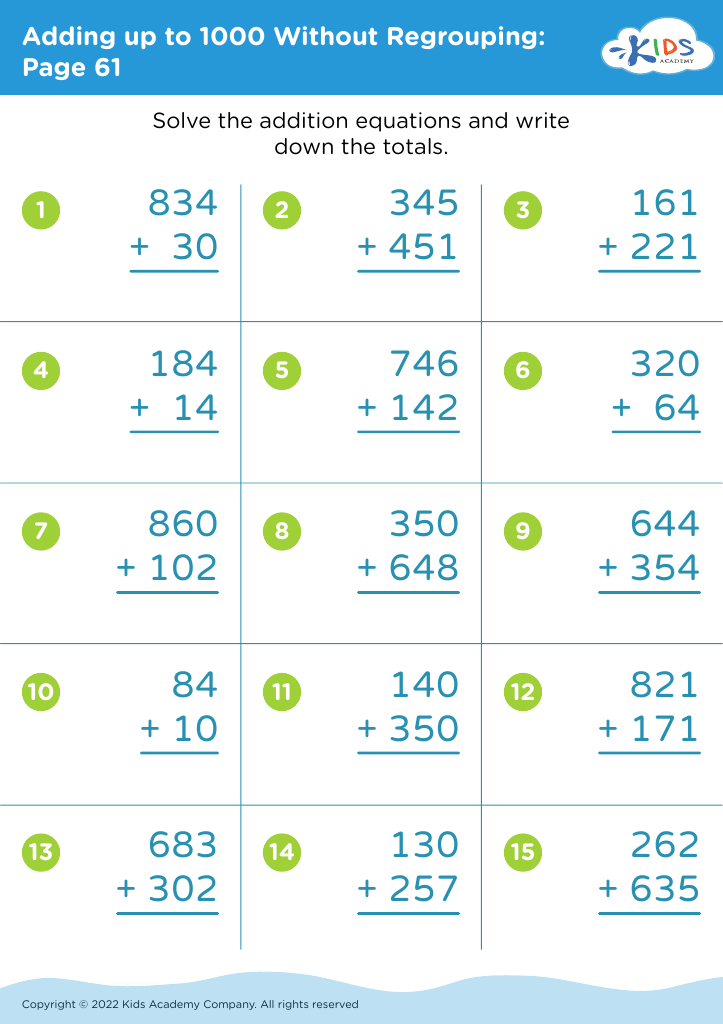
Adding up to 1000 Without Regrouping: Page 61
Worksheet
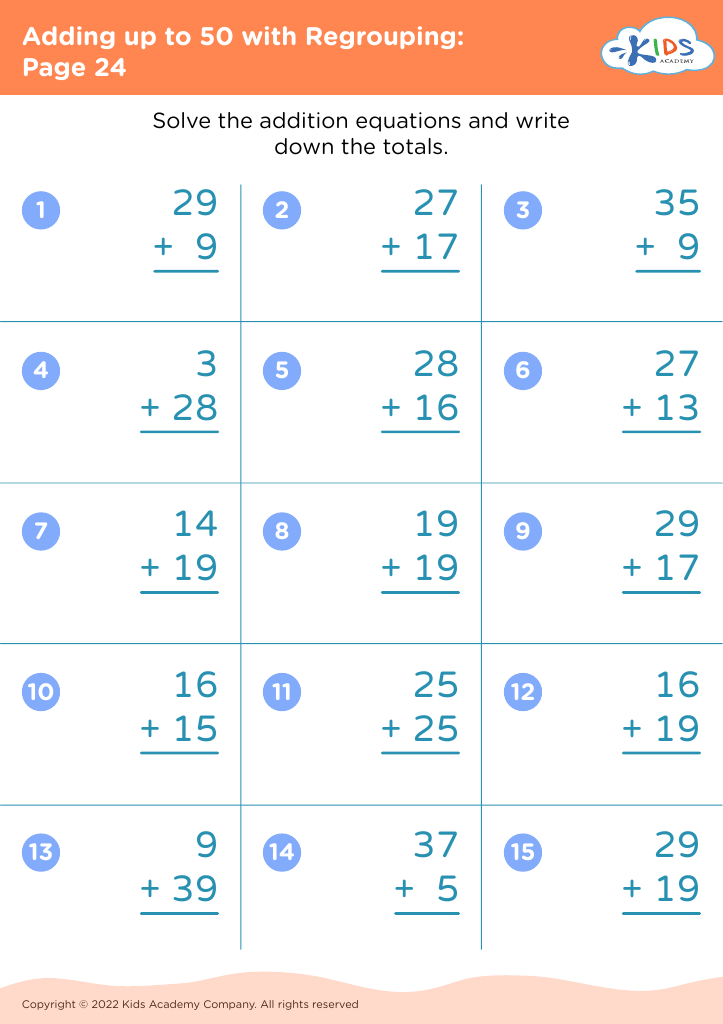
Adding up to 50 with Regrouping: Page 24
Worksheet
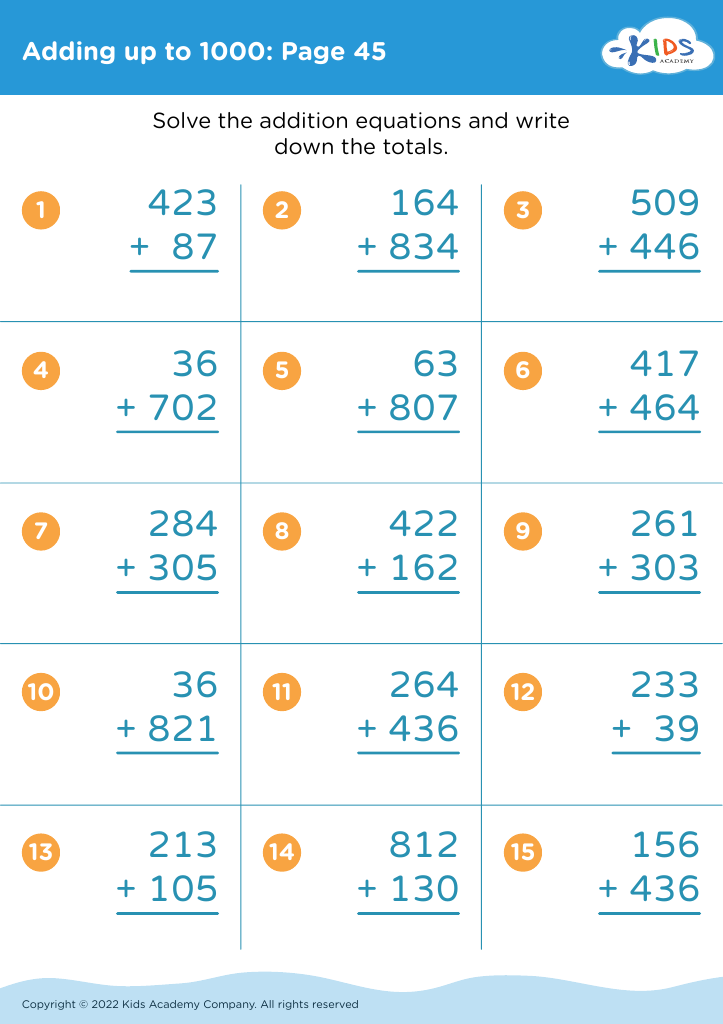
Adding up to 1000: Page 45

Adding up to 1000: Page 45

Adding up to 1000: Page 45
Worksheet


Recognizing shapes is a fundamental skill in mathematics that significantly impacts an 8-year-old's cognitive development. For parents and teachers, fostering this ability is crucial for several reasons. First, shape recognition forms the bedrock of more advanced mathematical concepts, including geometry, spatial reasoning, and problem-solving. Early familiarity with shapes prepares children to understand more complex dimensions and measurements in later grades.

Additionally, recognizing shapes enhances a child’s visual and spatial awareness, skills essential for daily tasks such as reading maps, understanding diagrams, and even engaging in physical activities and sports. It promotes critical thinking as children learn to classify objects, see relationships, and make connections between different mathematical concepts.

Furthermore, recognizing shapes supports language development. As children describe shapes using appropriate vocabulary—like "triangle," "rectangle," or "circular"—they develop communication skills that are important across all subjects.

Lastly, integrating shape recognition into educational activities fosters a love for learning. Engaging games and hands-on experiences make math enjoyable, helping to build a positive attitude toward education and encouraging a lifelong love for learning. Thus, parents and teachers play a pivotal role in shaping a child's future success by emphasizing the importance of recognizing shapes.