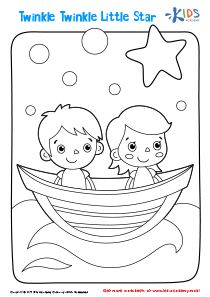
Reading comprehension Nursery Rhymes Worksheets for 8-Year-Olds
3 filtered results
Difficulty Level
Grade
Age
-
From - To
Subject
Activity
Standards
Discover our engaging Reading Comprehension Worksheets centered around nursery rhymes, specially crafted for 8-year-olds! These worksheets combine fun and education, helping young learners develop critical reading skills while enjoying beloved rhymes. Each worksheet features thought-provoking questions, encouraging children to analyze and interpret the text, enhancing their comprehension and vocabulary. Ideal for both classroom and at-home learning, these resources foster a love for reading and promote literacy skills through interactive activities. Join us in making learning enjoyable as children explore rhythm, rhyme, and meaning through creative worksheets! Enhance your child’s reading journey today with our thoughtfully designed nursery rhyme resources!
Favorites
With answer key
Interactive
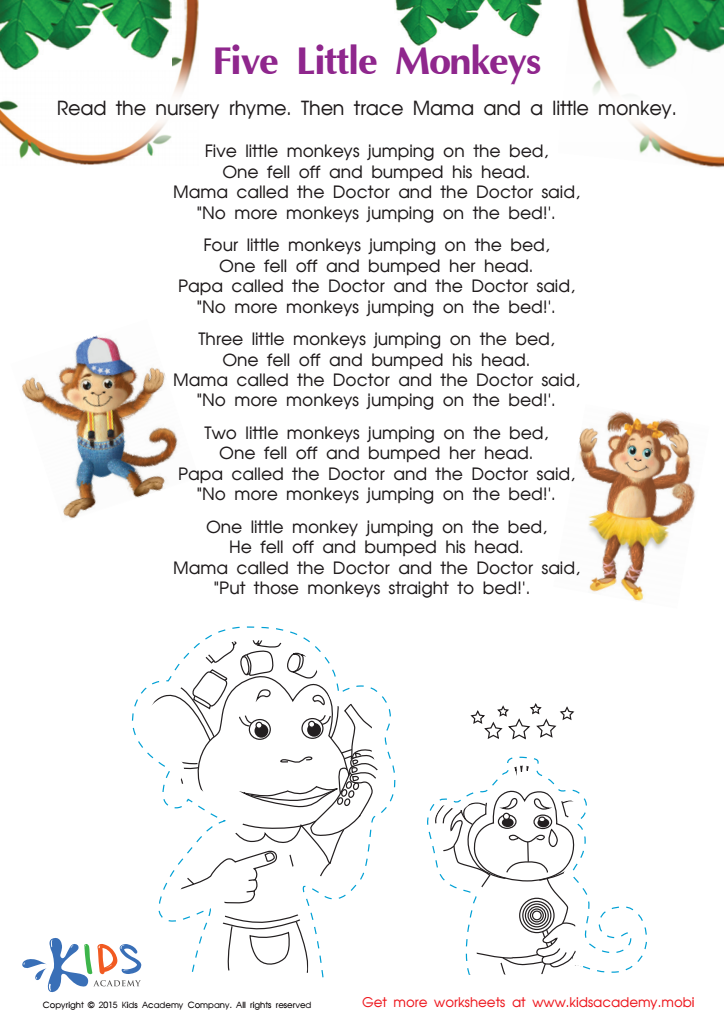
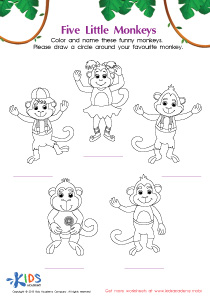
The Five Little Monkeys Nursery Rhyme Worksheet
Sing the beloved nursery rhyme "Five Little Monkeys" with your child, and add a finger play for extra fun! After a few times, encourage them to join in and fill the songs with laughter. Also, have fun coloring the worksheet featuring the monkeys and their Mama.
 Assign to My Students
The Five Little Monkeys Nursery Rhyme Worksheet
Worksheet
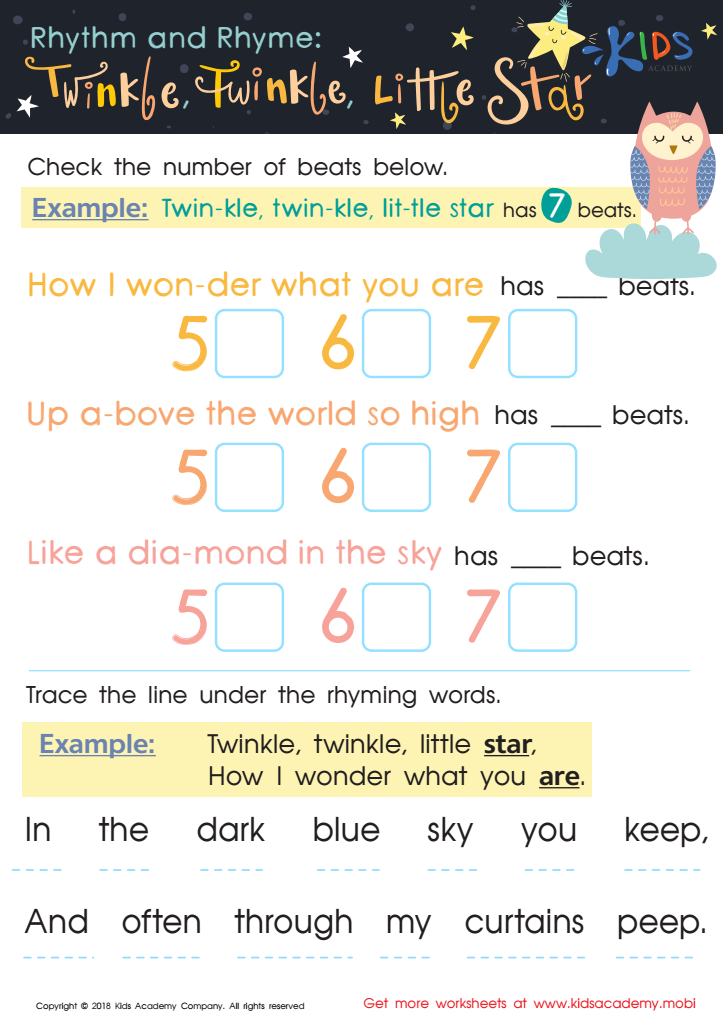
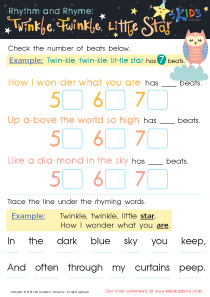
Rhythm and Rhyme: Twinkle, Twinkle, Little Star Worksheet
Kids will love learning about syllables in words with a fun children's song! Use the song Twinkle, Twinkle, Little Star to explain that each word has at least one beat. Have them clap out the beats in each word and check the boxes on this cute worksheet to identify the syllables.
Rhythm and Rhyme: Twinkle, Twinkle, Little Star Worksheet
Worksheet
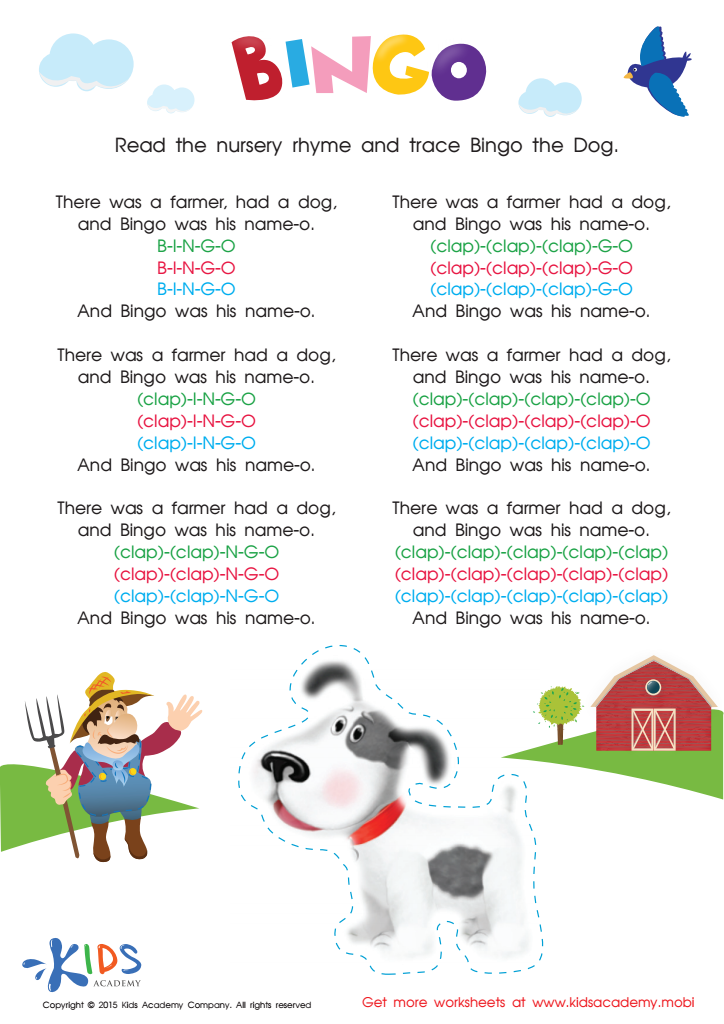
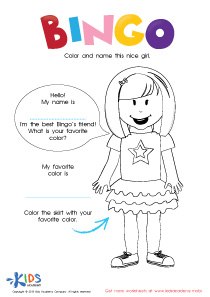
Nursery Rhymes: The Bingo Song Worksheet
Introduce The Bingo Song to your little ones. Have your kids sing some words and lines aloud, while you replace letters with claps. Add other activities: tapping, patting, jumping, and use your imagination. Print our free Bingo Song Coloring Pages and let your kids color them. Get more free worksheets at our website Kids Academy.
Nursery Rhymes: The Bingo Song Worksheet
Worksheet
Join Kids Academy for Free
Who is primarily going to use this learning content?



.jpg)




Reading comprehension is a fundamental skill that significantly impacts an 8-year-old's academic success and overall literacy development. Nursery rhymes, despite often being associated with younger children, have lasting benefits for this age group. Integrating nursery rhymes into reading comprehension activities can enrich vocabulary, enhance fluency, and stimulate cognitive skills. This melodic form of literature engages children, making learning enjoyable and memorable.
Parents and teachers should care about this because nursery rhymes introduce rhythm, rhyme, and repetition, which not only help with phonetic awareness but also boost memory retention. By analyzing the meanings and themes in these rhymes, children enhance their higher-level thinking skills like interpretation and summarization, crucial for comprehending complex texts later on.
Additionally, nursery rhymes foster a strong connection between language and emotion. Discussing the stories and underlying messages allows children to relate personally, thereby deepening their understanding. This builds confidence as they express themselves and draw connections between language and everyday experiences. Ultimately, embedding nursery rhymes in literacy education empowers children with the necessary tools to become proficient readers and effective communicators, setting the foundation for lifelong learning. Parents and teachers should embrace these classics as a vital part of developing strong reading skills.