Fraction simplification Reading Worksheets for 8-Year-Olds
9 filtered results
-
From - To
Unlock your child’s potential in math with our Fraction Simplification Reading Worksheets tailored for 8-year-olds! These engaging, expertly-designed printables simplify complex fractions, making learning fun and effective. Our worksheets combine reading exercises with fraction simplification, helping kids enhance both their math and literacy skills simultaneously. Perfect for whether kids are just beginning or need extra practice, these activities encourage critical thinking and boost confidence. With just the right balance of challenge and support, our fraction-focused reading exercises provide a strong foundation for future math success. Transform confusing fractions into manageable problems with our top-rated educational resources!
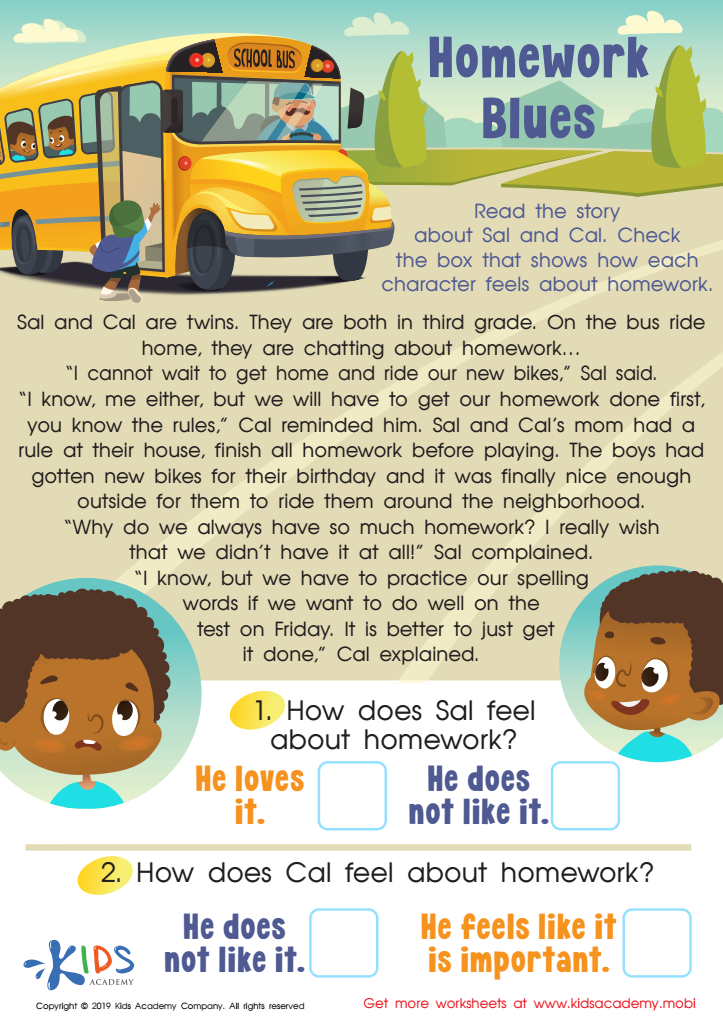
Homework Blues Worksheet
 Assign to My Students
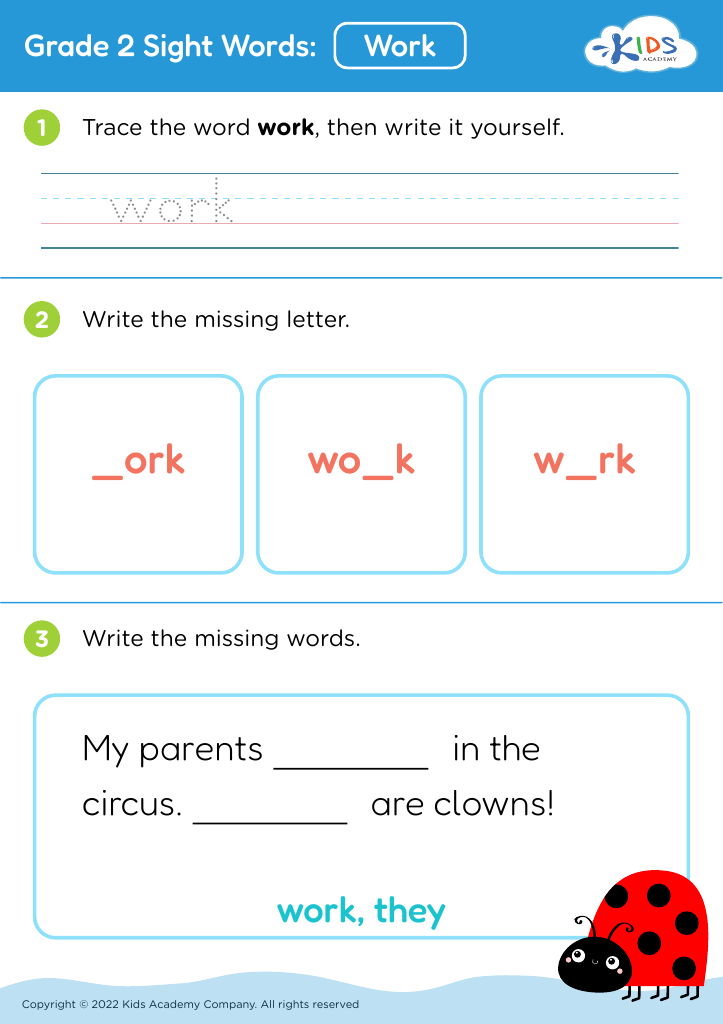
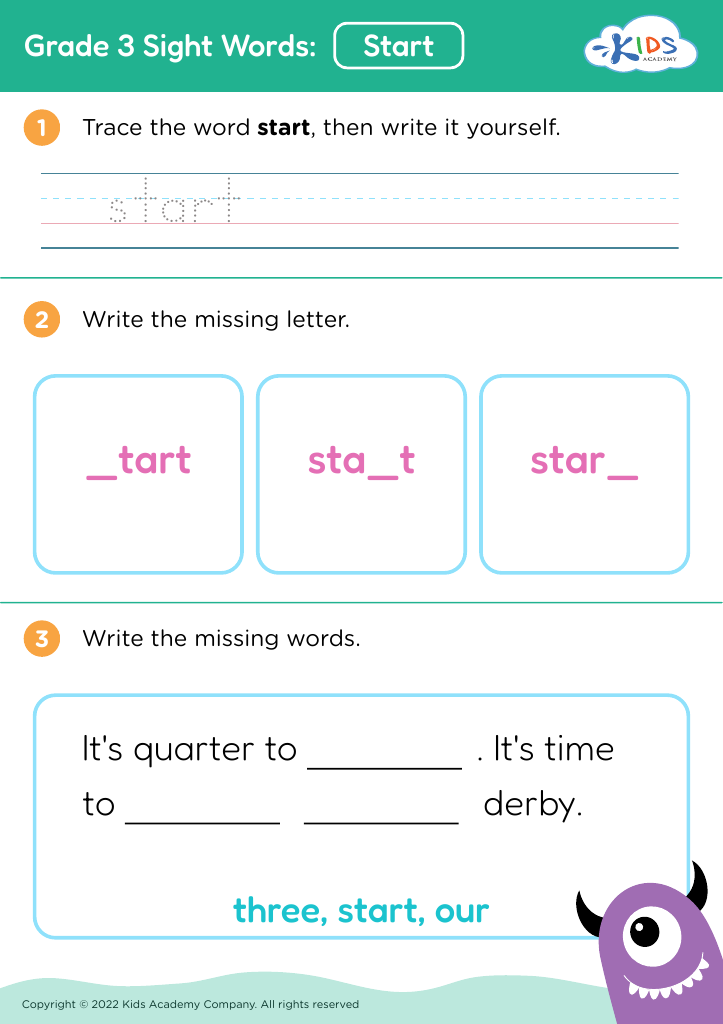
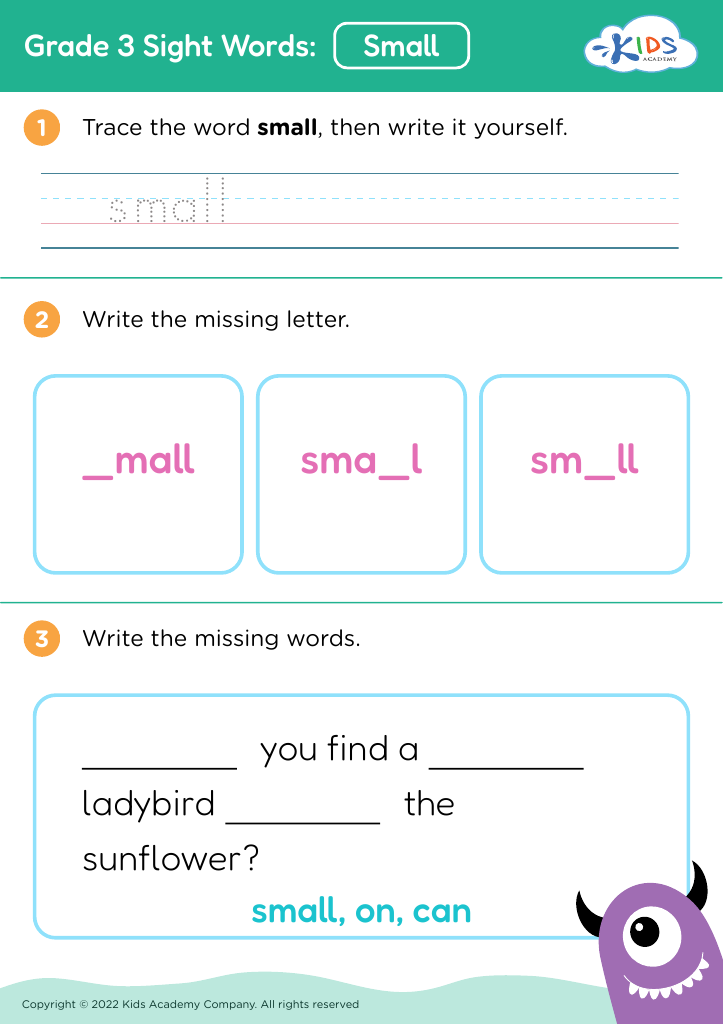








Fraction simplification is an essential math skill that young learners, including 8-year-olds, must master to build a strong mathematical foundation. Understanding how to simplify fractions helps children grasp more complex concepts as they progress in their education. For parents and teachers, emphasizing this skill is crucial for several reasons.
Firstly, simplified fractions make mathematical operations such as addition, subtraction, multiplication, and division more manageable. When students know how to reduce fractions to their simplest form, they encounter fewer errors and solve problems more efficiently. This competence fosters confidence and encourages a positive attitude toward math.
Secondly, mastering fraction simplification enhances logical thinking. It requires recognizing and generating equivalent fractions, which are fundamental skills in algebra and higher math concepts. Children who grasp this early are better prepared for future mathematical challenges.
Moreover, learning to simplify fractions has practical benefits in everyday life. Whether it’s measuring ingredients for a recipe, dividing items among friends, or understanding portions, dealing with fractions is a life skill.
In conclusion, parents and teachers should care about fraction simplification for 8-year-olds to bolster their mathematical abilities, encourage logical reasoning, and equip them with practical life skills. Prioritizing this area of learning fosters a well-rounded, confident, and competent young mathematician.








