Letter recognition Reading Worksheets for 8-Year-Olds
3 filtered results
-
From - To
Enhance your 8-year-old's literacy skills with our engaging Letter Recognition Reading Worksheets! Designed specifically for young learners, these worksheets help children master the essential skill of identifying letters in various contexts. Each activity is crafted to make learning fun and interactive, featuring vibrant illustrations and playful tasks that capture your child's attention. As they work through the worksheets, children will improve their letter recognition ability, setting a solid foundation for reading fluency. Perfect for at-home learning or classroom use, our worksheets provide a comprehensive way to support your child's journey towards literacy. Explore the joy of reading with Kids Academy today!

Long and Short U Worksheet
 Assign to My Students
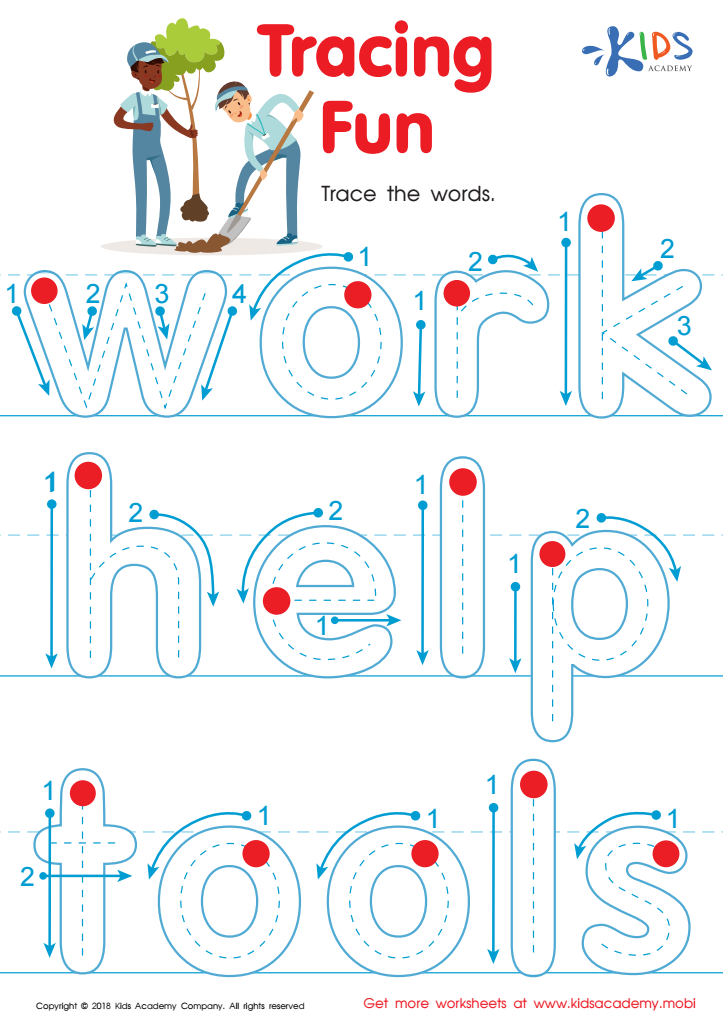
Tracing Fun Worksheet
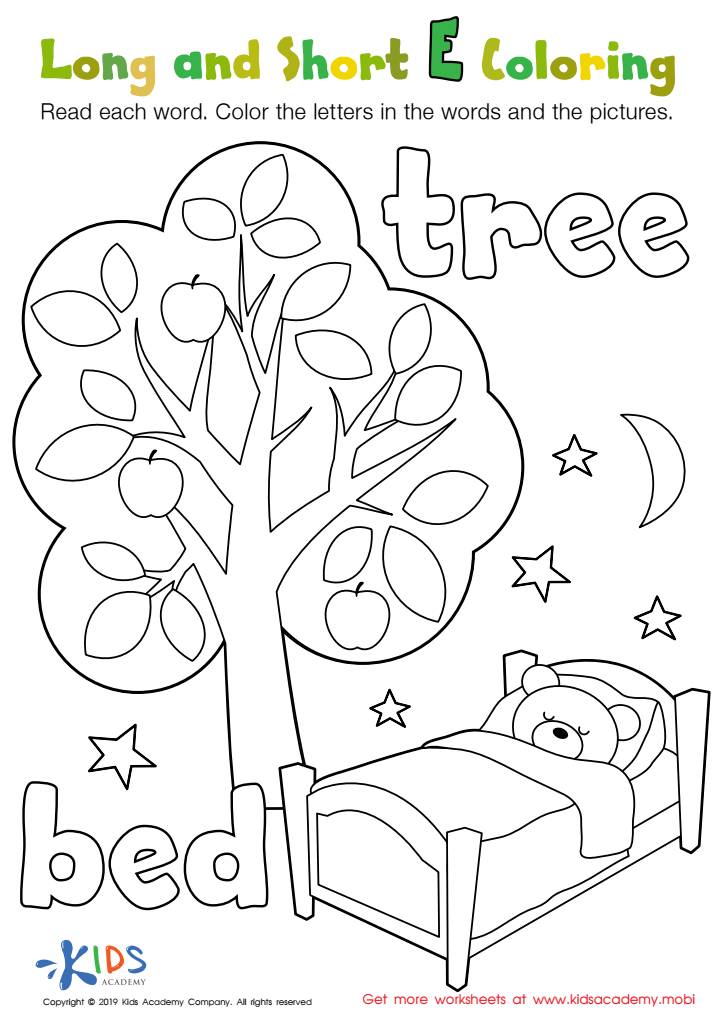
Long and Short E Worksheet
Assign to My Students








Letter recognition is a fundamental skill for reading, especially for 8-year-olds who are typically transitioning from early reading stages to more advanced literacy. At this age, children are expected to not only recognize letters but also understand their corresponding sounds and how they form words. This foundational skill is vital because it directly impacts a child’s reading comprehension and overall academic achievement.
Parents and teachers should care about letter recognition as it sets the groundwork for fluency and the ability to decode unfamiliar words. Mastery of this skill fosters confidence in young readers, encouraging them to engage with texts independently. Furthermore, strong letter recognition contributes to cognitive development, enhancing vocabulary and writing skills.
Additionally, research indicates that early literacy skills can predict future academic success. With letter recognition as a primary focus, parents and teachers can create a nurturing environment that promotes literacy, making reading enjoyable and less intimidating for children. Engaging children in activities that bolster letter recognition—like games, reading together, or interactive lessons—can create a positive association with reading. By prioritizing this essential skill, parents and teachers equip children with the tools they need for lifelong learning and communication.








