Phonics Skills Reading Worksheets for 8-Year-Olds
6 filtered results
-
From - To
Enhance your 8-year-old's reading skills with our Phonics Skills Reading Worksheets! Designed to promote phonemic awareness, these engaging, printable worksheets help young learners master sound-letter relationships, build vocabulary, and improve reading fluency. Our activities include fun games, phonics exercises, and word puzzles that capture kids' attention while making learning enjoyable. Each worksheet is tailored to foster a love for reading and boost confidence in emerging readers. Perfect for home or classroom use, these resources support differentiated learning, accommodating various skill levels. Empower your child with essential phonics skills, setting the foundation for successful reading experiences today and in the future!
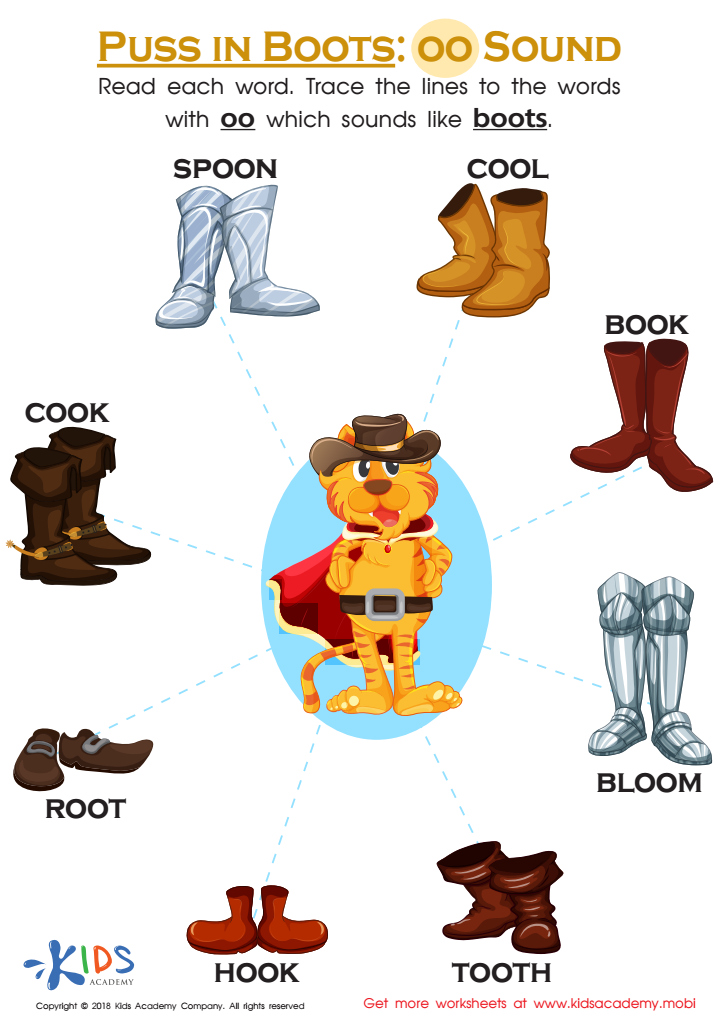
Puss in Boots: OO Sound Worksheet
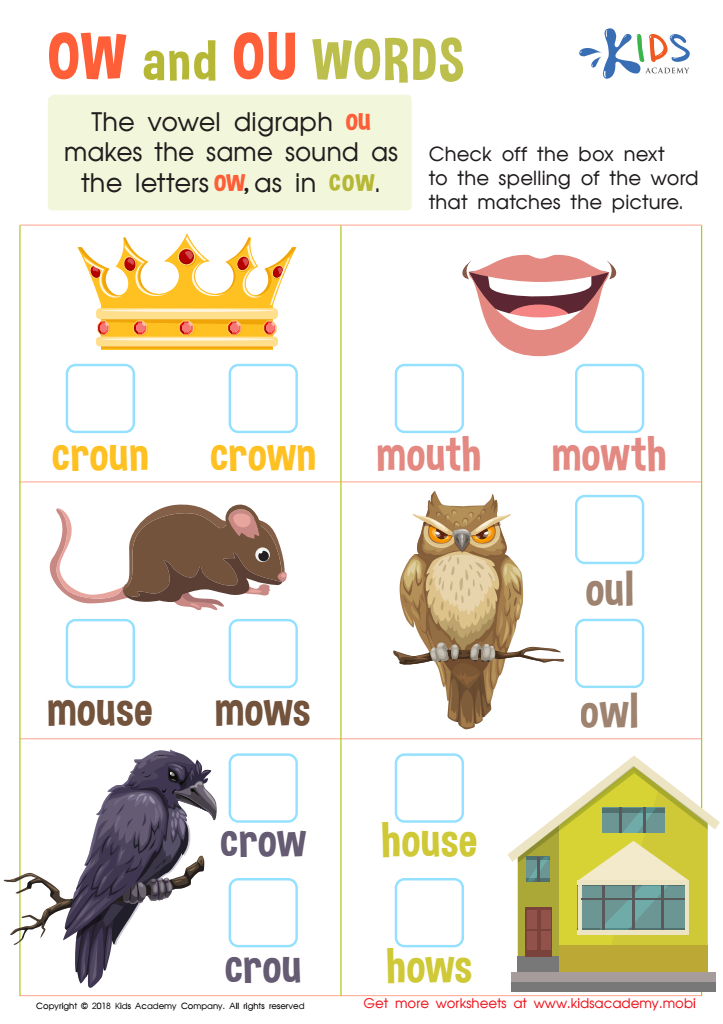
Reading: OW and OU Words Worksheet
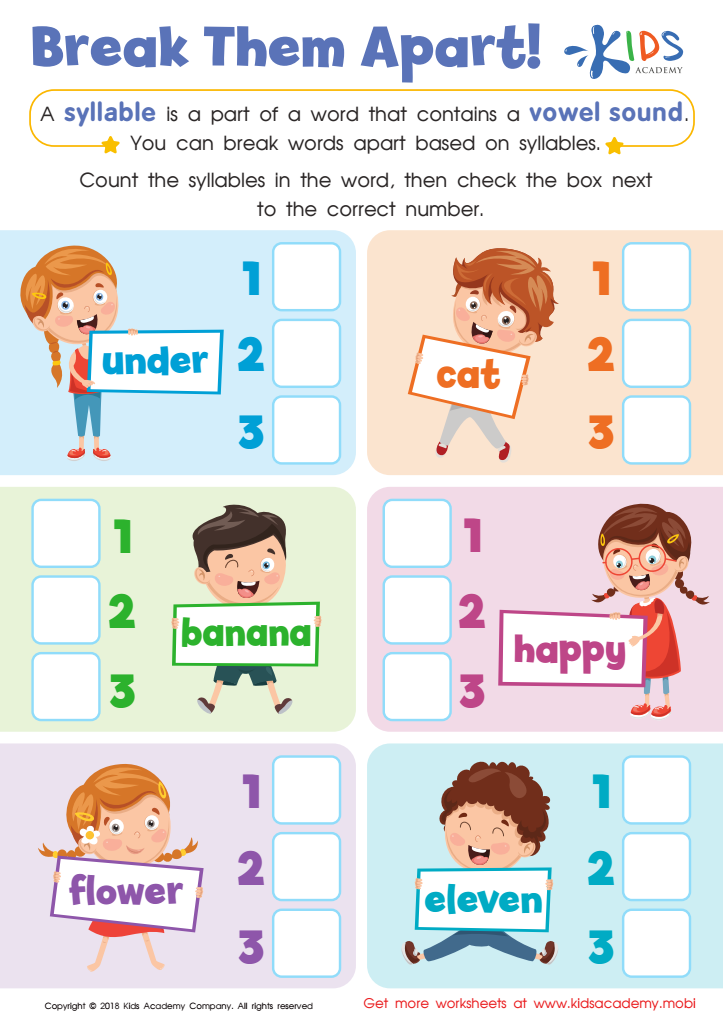
Reading: Break Them Apart Worksheet
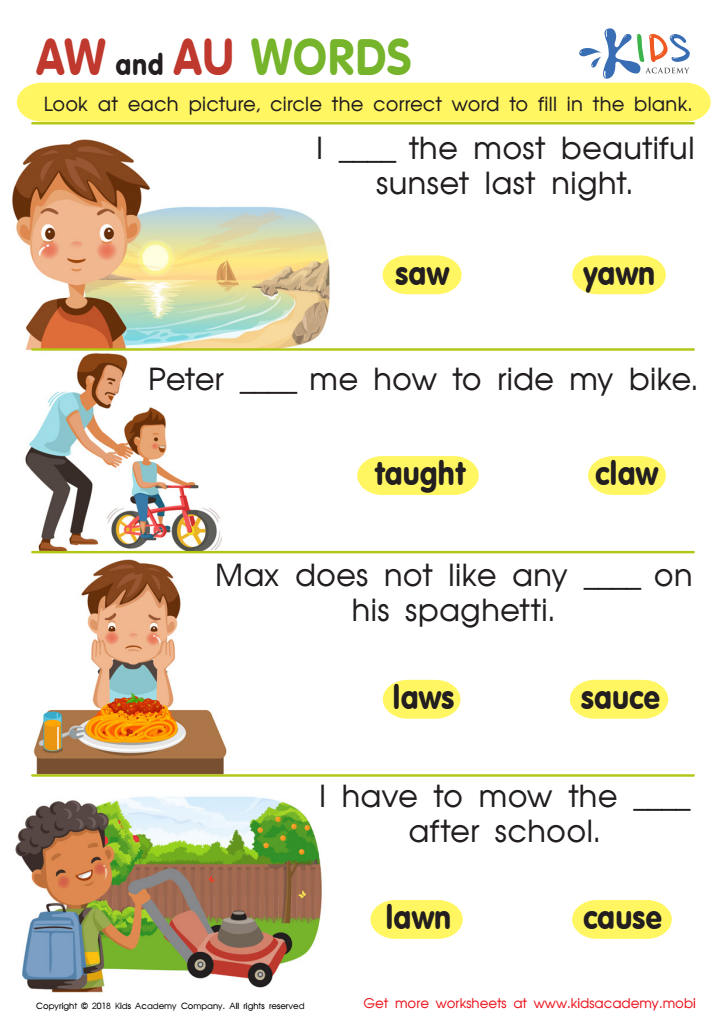
Reading: AW and AU Words Worksheet
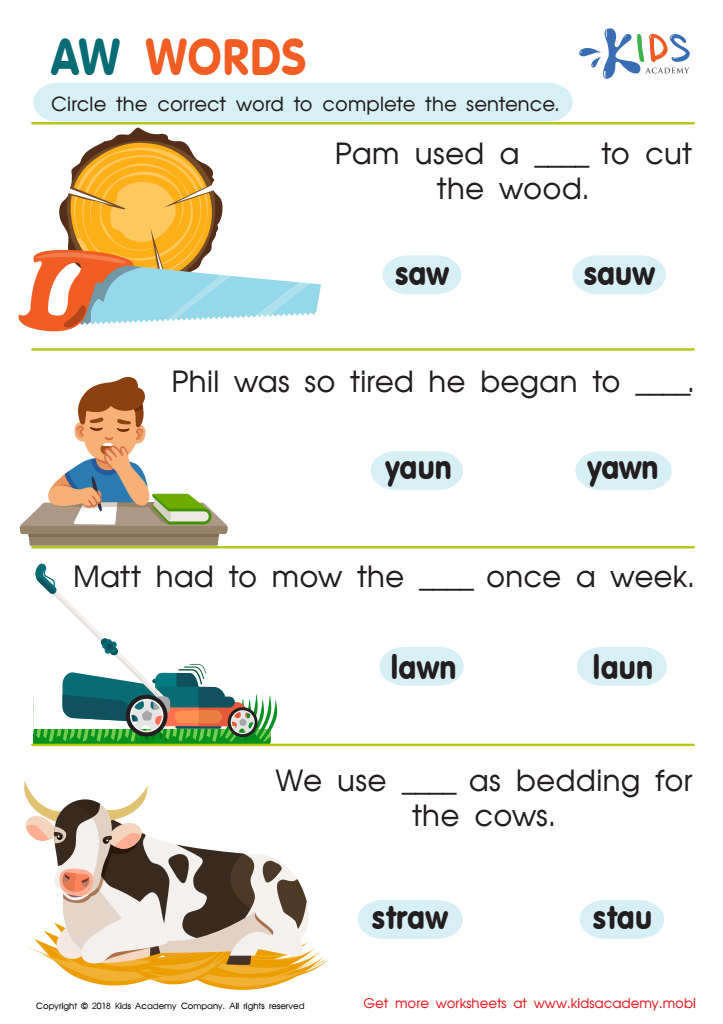
Reading: AW Words Worksheet

Long and Short E Worksheet
 Assign to My Students






.jpg)

Phonics skills are crucial for 8-year-olds as they serve as the building blocks for effective reading and writing. At this age, children are transitioning from learning to read to reading to learn. Understanding phonics enables them to decode unfamiliar words, enhancing their vocabulary and comprehension skills. This foundational knowledge allows children to explore a diverse range of texts, fostering a love for reading that can last a lifetime.
For parents and teachers, supporting phonics skills is essential in promoting literacy, which affects overall academic success. Children who struggle with phonics may face difficulties in subjects beyond reading, leading to a lack of confidence and motivation. By prioritizing phonics instruction, adults can help identify and address these challenges early, allowing for targeted interventions that set children up for success.
Moreover, phonics teaching can be engaging and fun, incorporating games, songs, and hands-on activities that capture children's attention. Investing time in phonics skills not only aids in academic achievement but also nurtures essential cognitive abilities, critical thinking, and creativity. Ultimately, by focusing on phonics skills, parents and teachers play a pivotal role in empowering children to become proficient readers and lifelong learners.








