Comparative analysis Science Worksheets for 8-Year-Olds
3 filtered results
-
From - To
Discover our engaging Comparative Analysis Science Worksheets designed specifically for 8-year-olds! Perfect for young learners, these worksheets encourage critical thinking and enhance analytical skills through fun and interactive activities. Kids will love exploring similarities and differences in various scientific concepts, including living and non-living things, ecosystems, and animal habitats. Designed to meet educational standards, our worksheets provide age-appropriate challenges that foster curiosity in young minds. Ideal for classroom use or at-home learning, these worksheets create a solid foundation in comparative analysis. Unlock the wonders of science while honing essential skills with our comprehensive and user-friendly resources!
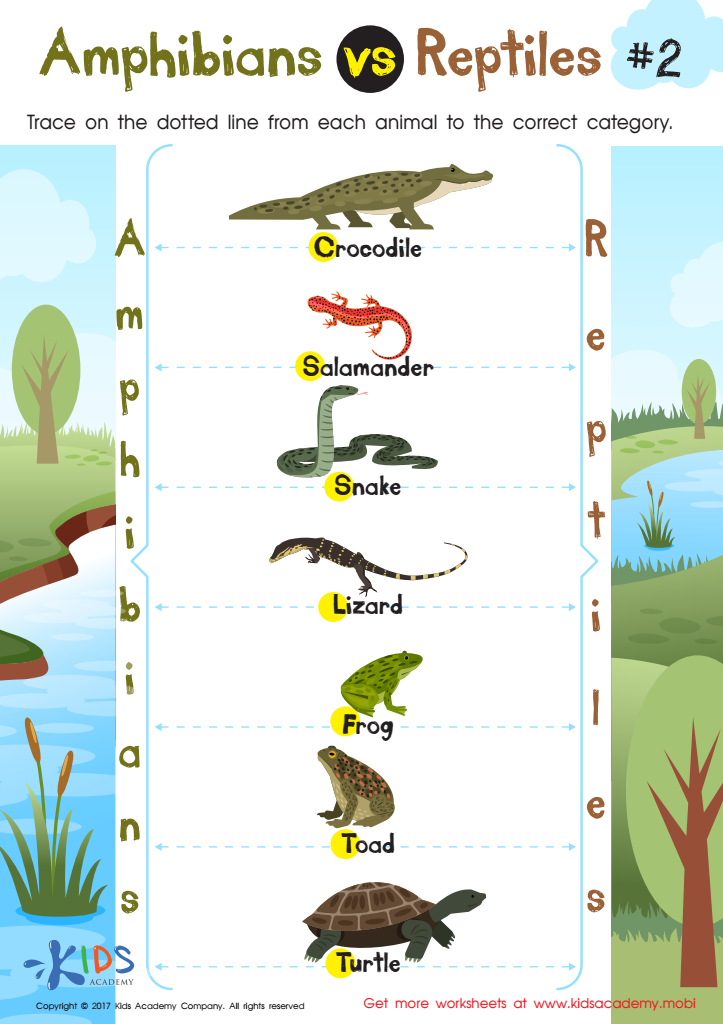
Amphibians vs Reptiles Worksheet for 3rd Grade
 Assign to My Students
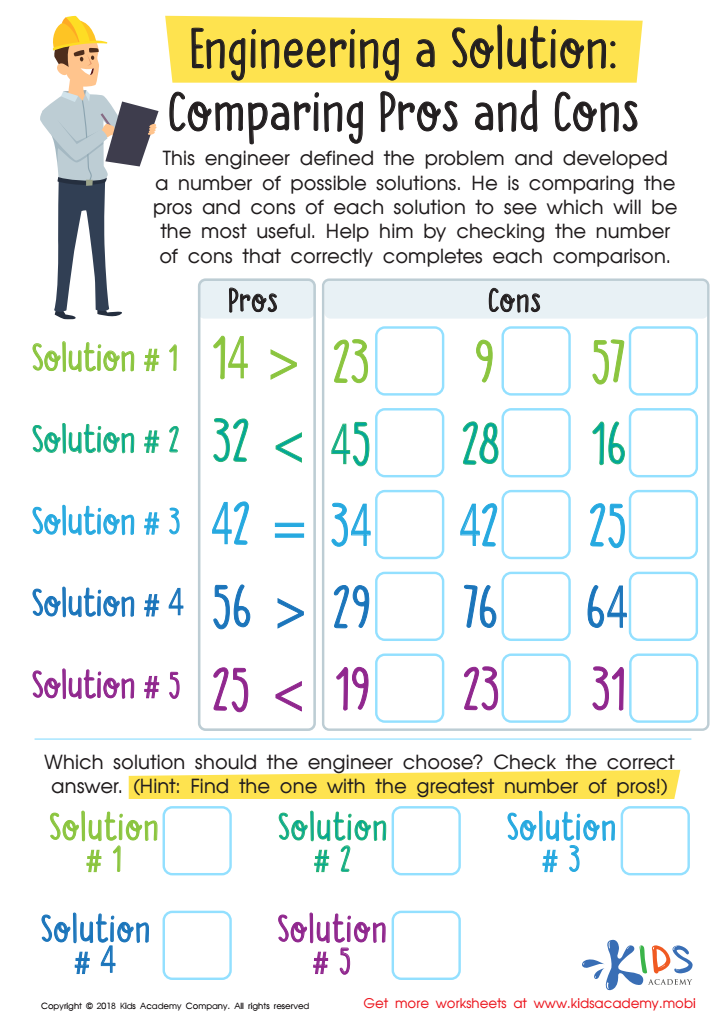
Engineering a Solution: Comparing Pros and Cons Worksheet
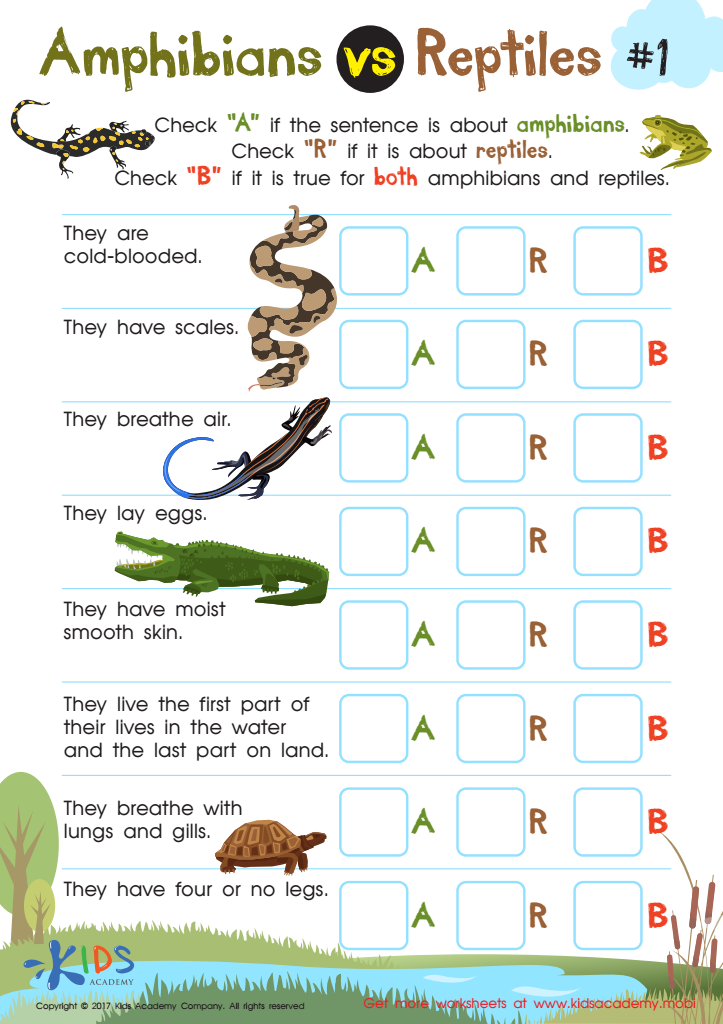
Amphibians vs Reptiles Worksheet




.jpg)
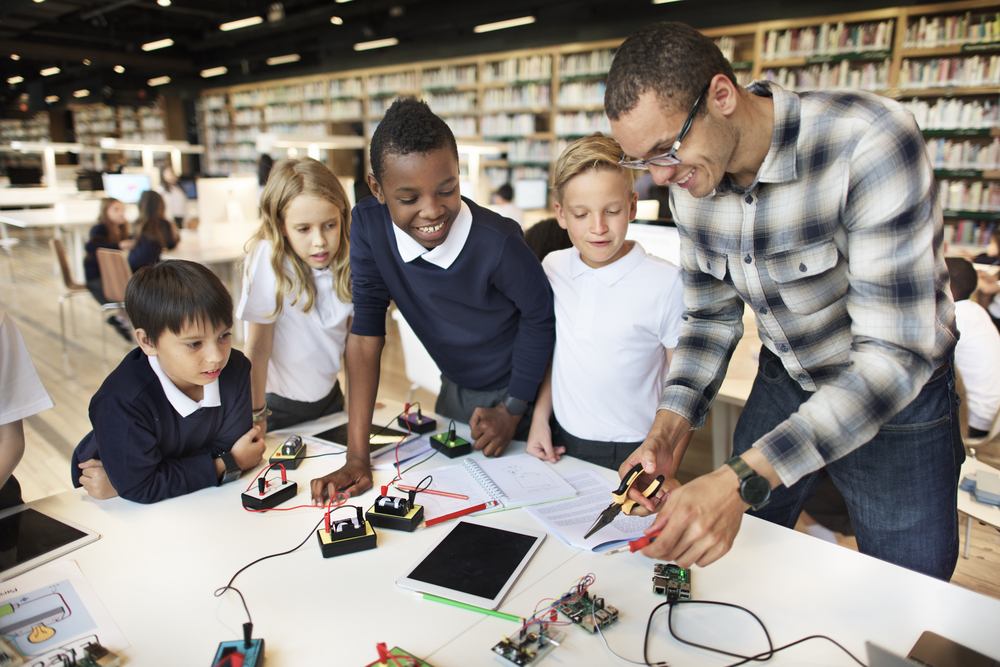

Comparative analysis in science is essential for 8-year-olds as it fosters critical thinking and observational skills. At this age, children are naturally curious about the world around them, and engaging them in comparative studies allows them to explore similarities and differences in a structured manner. This practice not only aligns with elementary science standards but also encourages children to ask questions, hypothesize, and draw conclusions based on evidence.
Parents and teachers should care about this approach because it cultivates a foundational understanding of scientific principles. By learning to compare various organisms, ecosystems, or even simple chemical reactions, children begin to grasp concepts such as classification, patterns, and cause-and-effect relationships. Furthermore, these analytical skills extend beyond science into other areas of education, helping children make connections across subjects.
Moreover, comparative analysis encourages collaboration and communication among peers. As students share their findings and engage in discussions, they develop teamwork and social skills, which are crucial for their overall development. By nurturing these skills early on, parents and teachers set the stage for a lifelong love of learning, fostering future scientists and informed citizens who can approach complex problems with insight and creativity.







