Fine Motor Skills Alphabet Worksheets for 9-Year-Olds - Page 2
50 filtered results
-
From - To
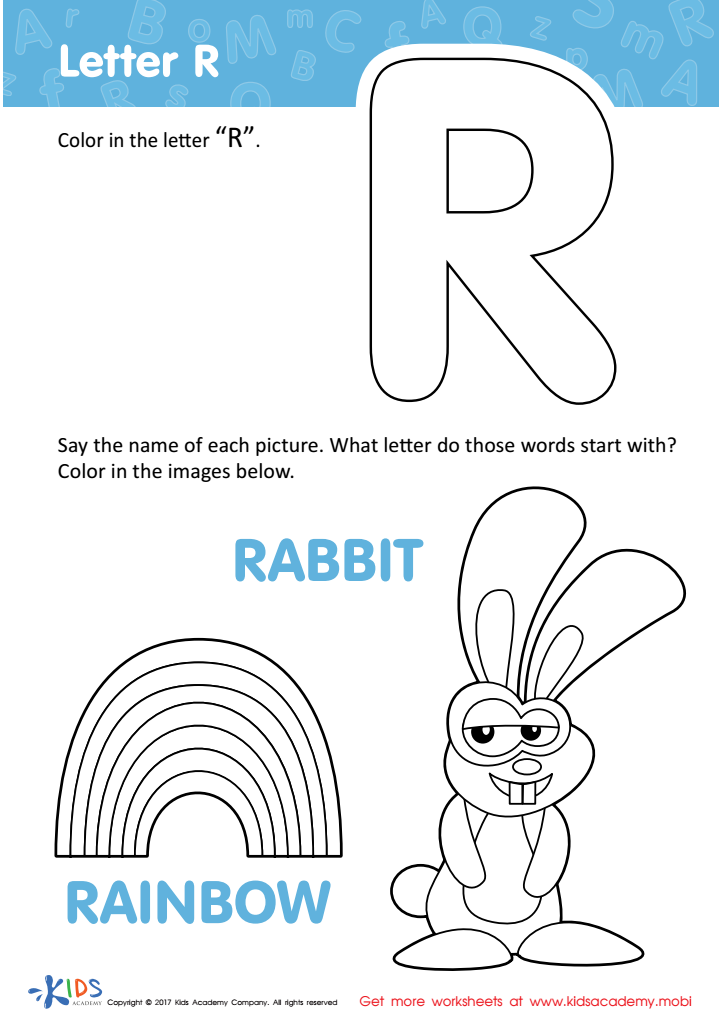
Letter R Coloring Sheet
 Assign to My Students
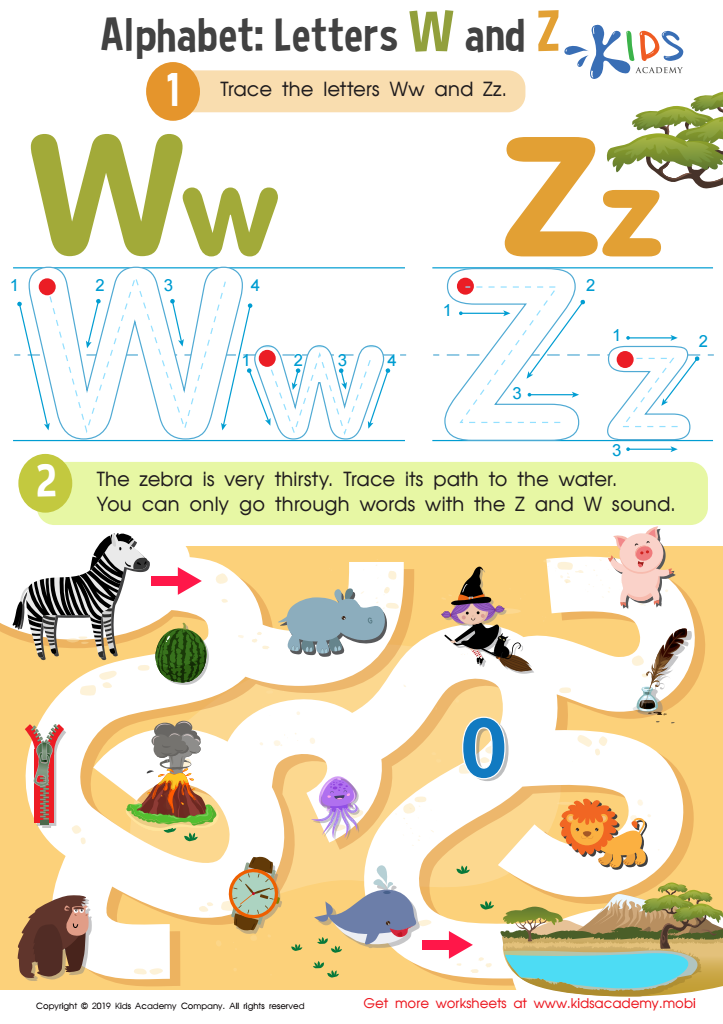
Letters W and Z Tracing Worksheet
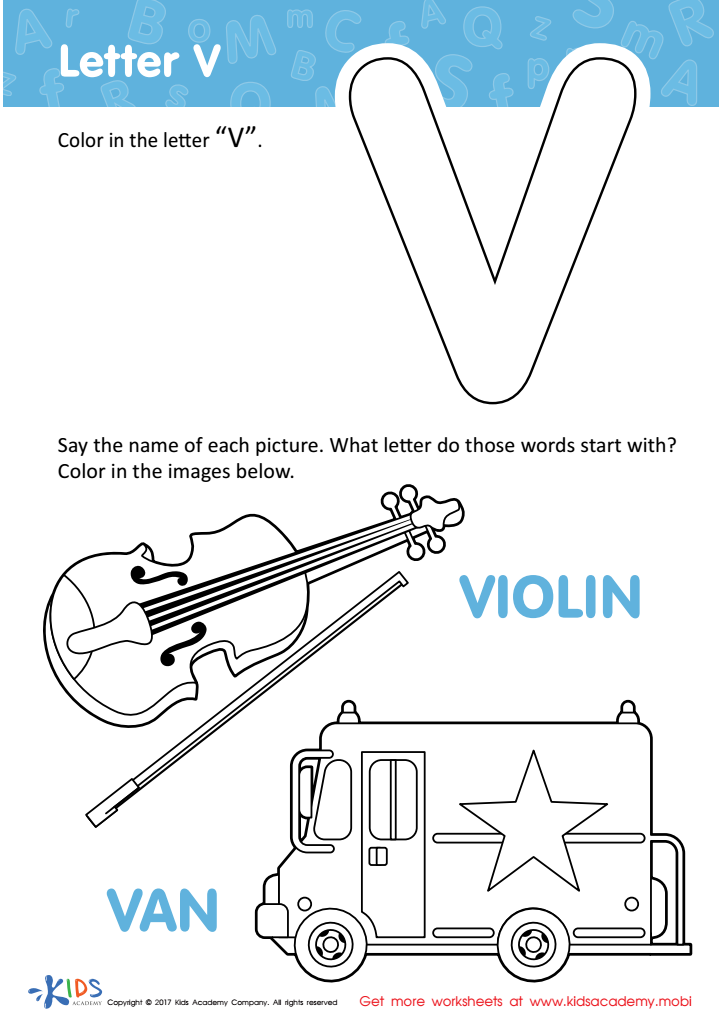
Letter V Coloring Sheet
Assign to My Students
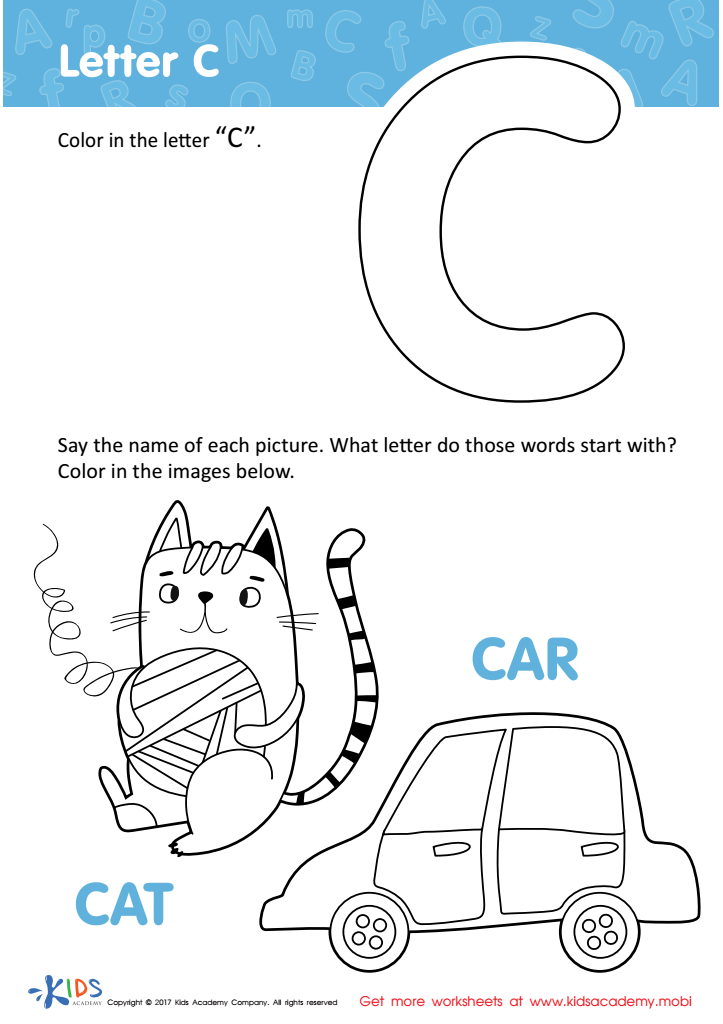
Letter C Coloring Sheet
Assign to My Students
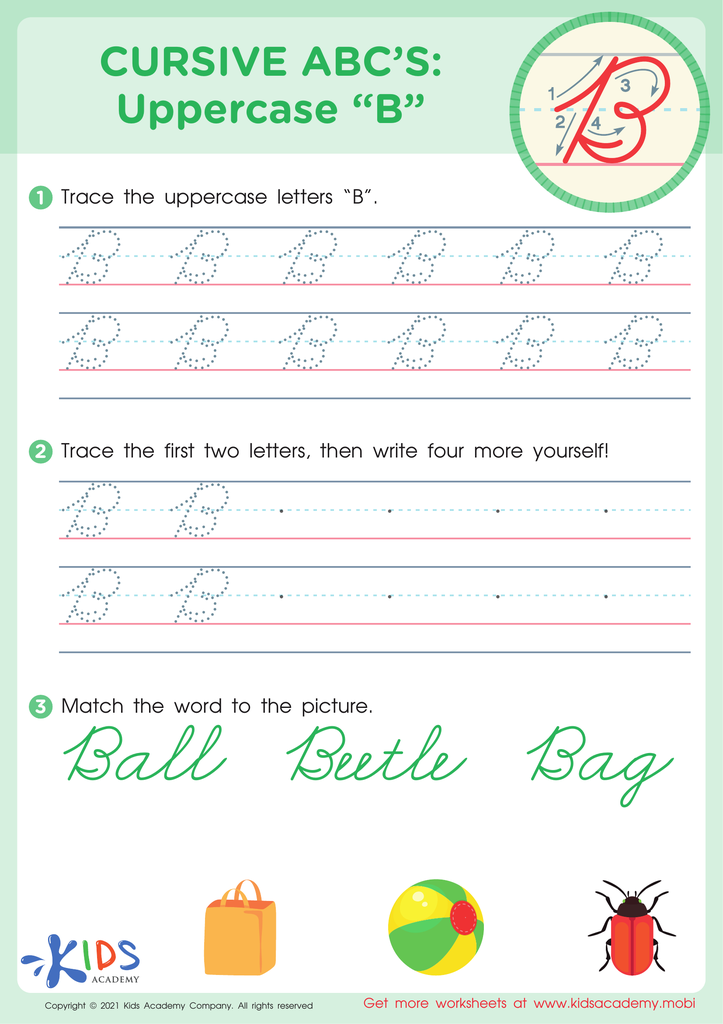
Cursive ABCs: Uppercase B
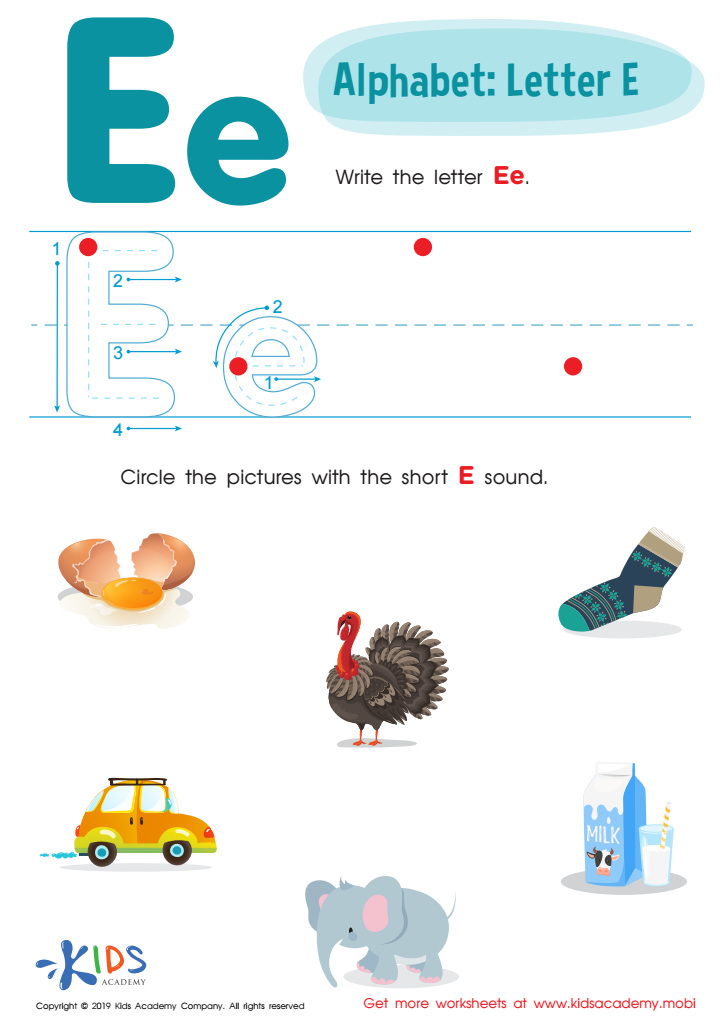
Letter E Tracing Worksheet
Letter I Coloring Sheet
Assign to My Students
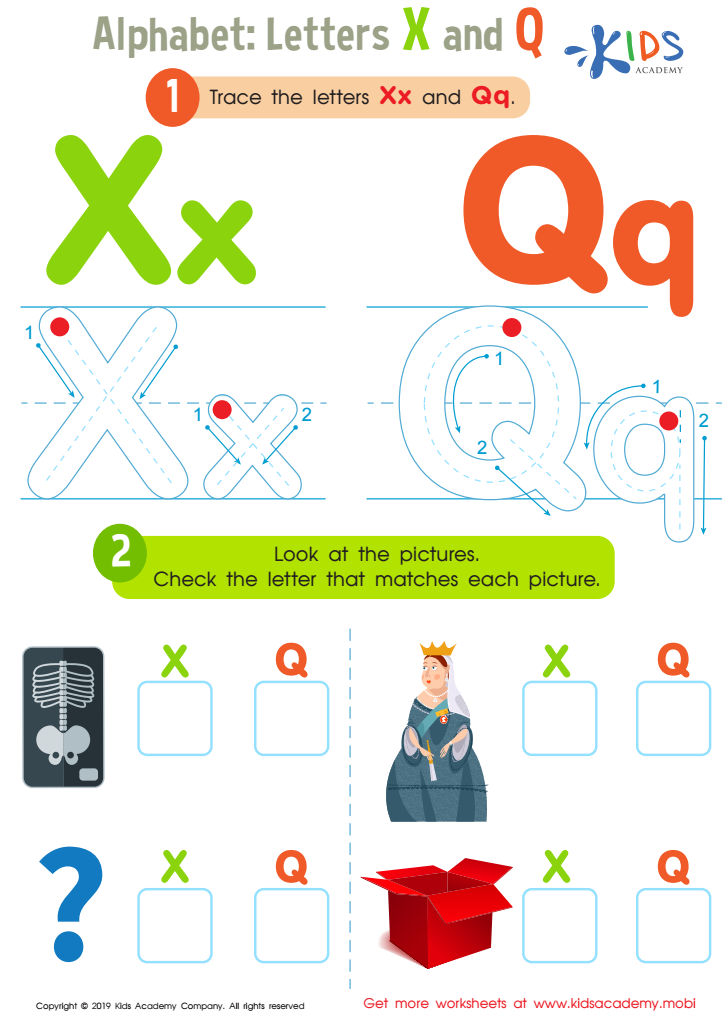
Letters X and Q Tracing Worksheet

Long and Short U Worksheet
Assign to My Students
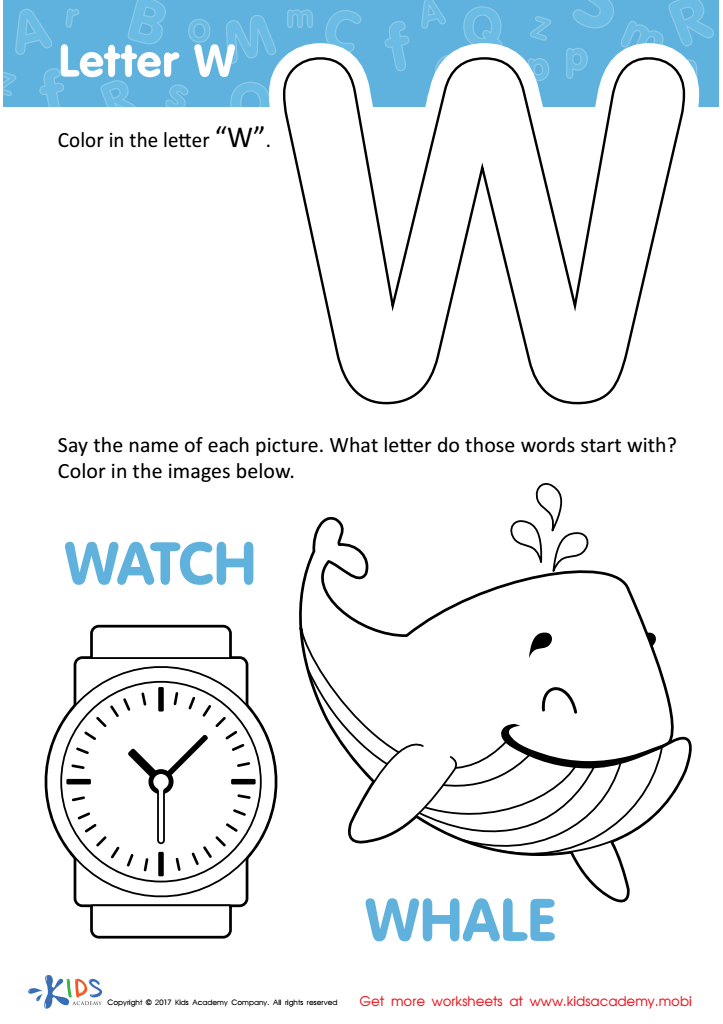
Letter W Coloring Sheet
Assign to My Students
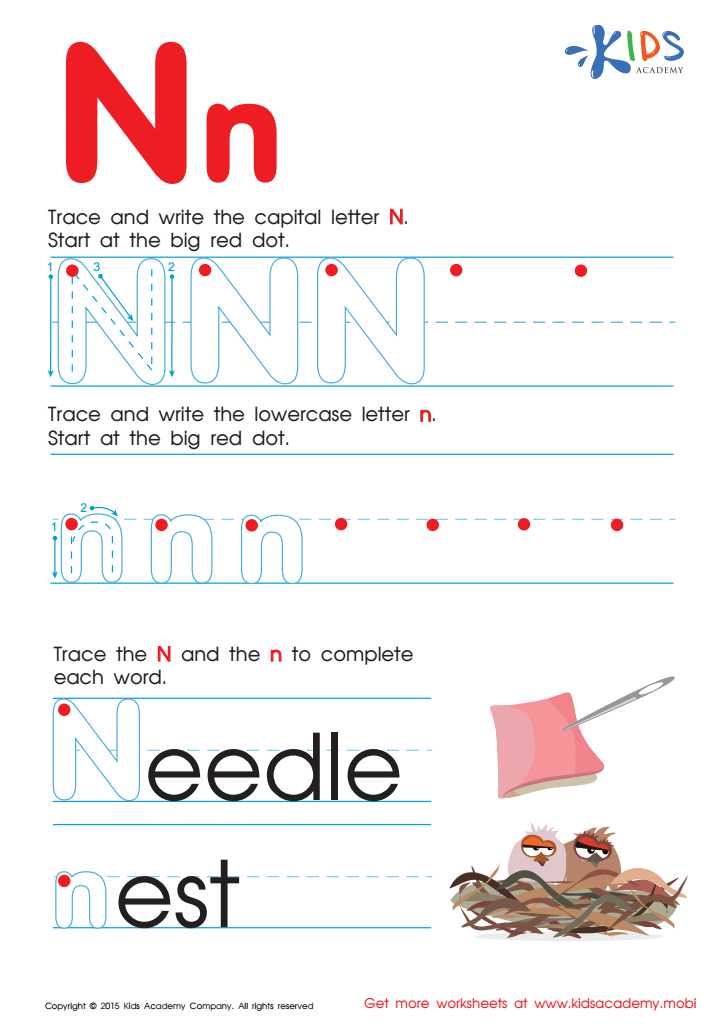
Letter N Tracing Page
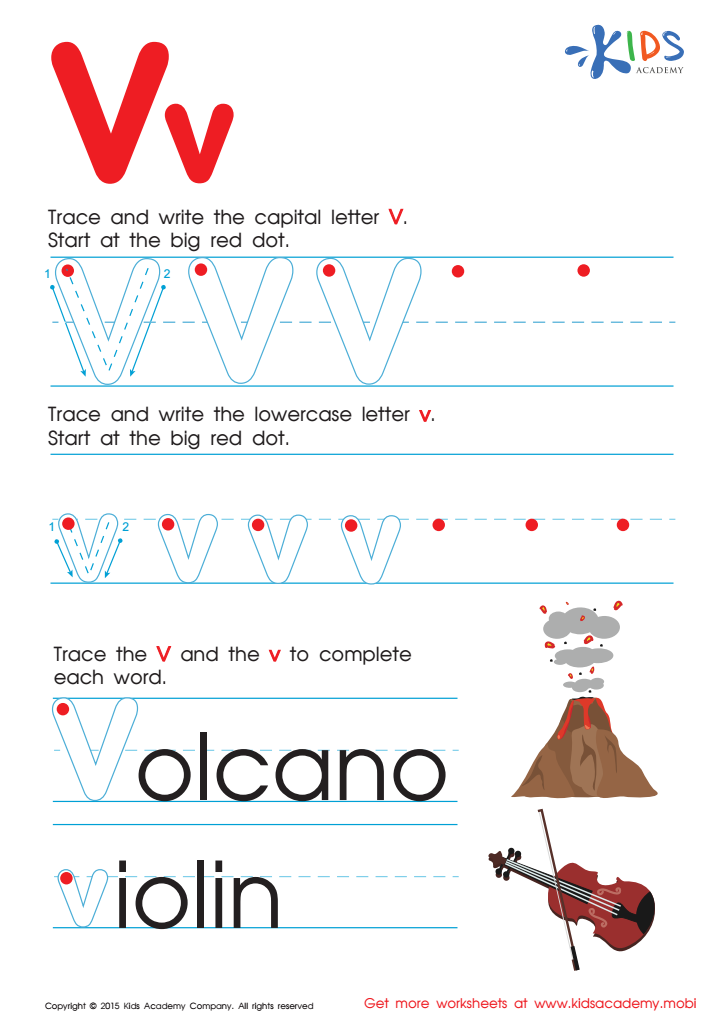
Letter V Tracing Page
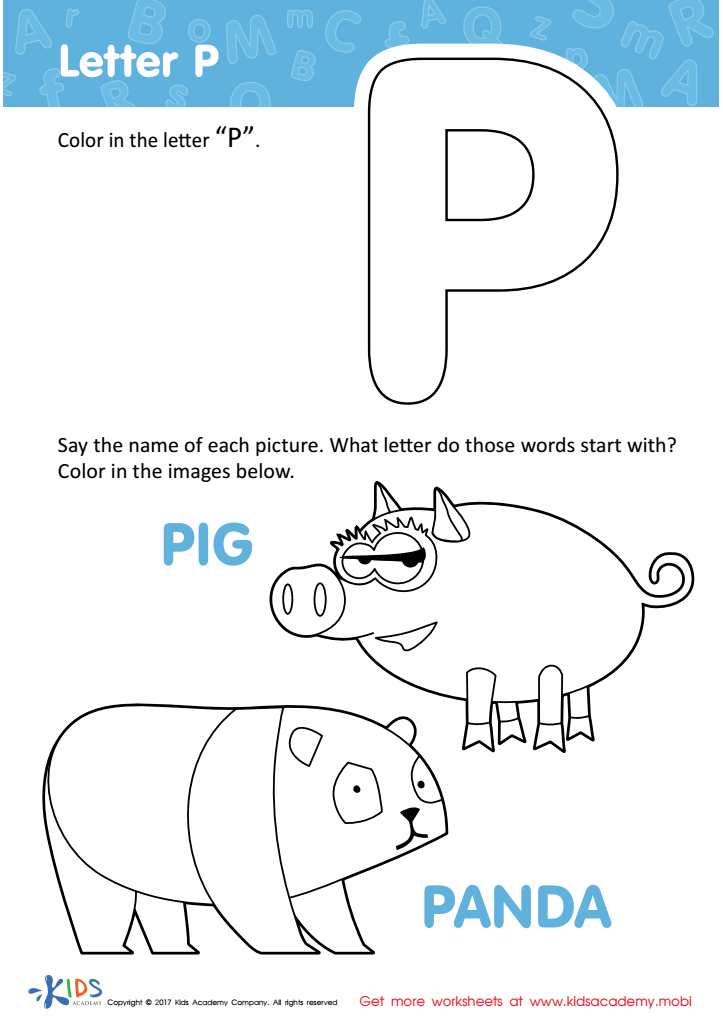
Letter P Coloring Sheet
Assign to My Students
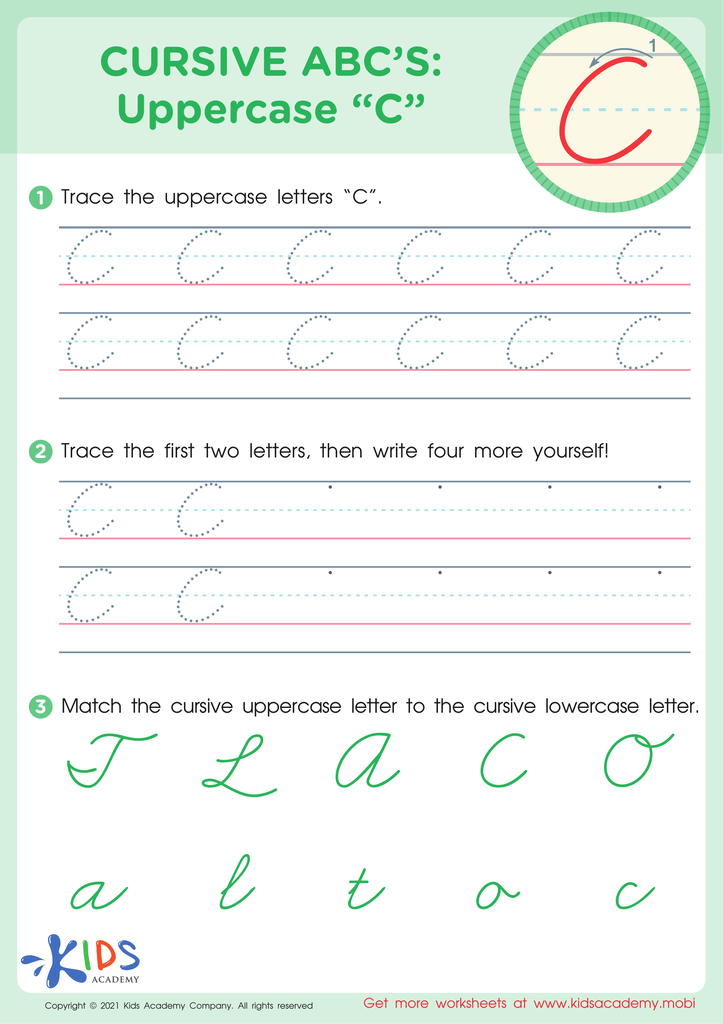
Cursive ABCs: Uppercase C
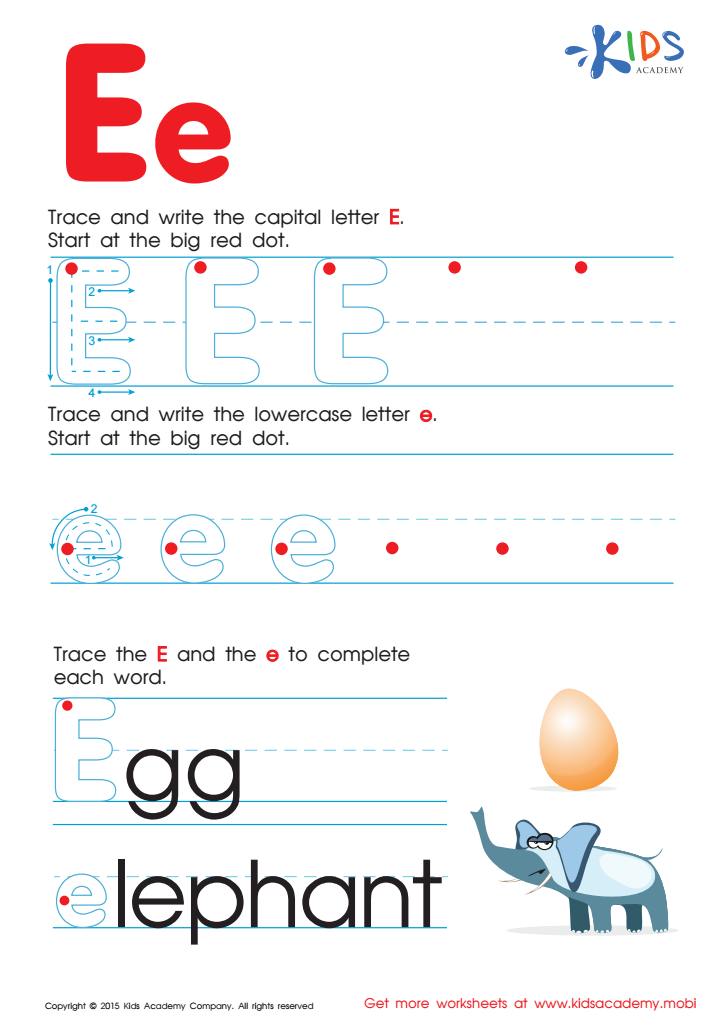
Letter E Tracing Page
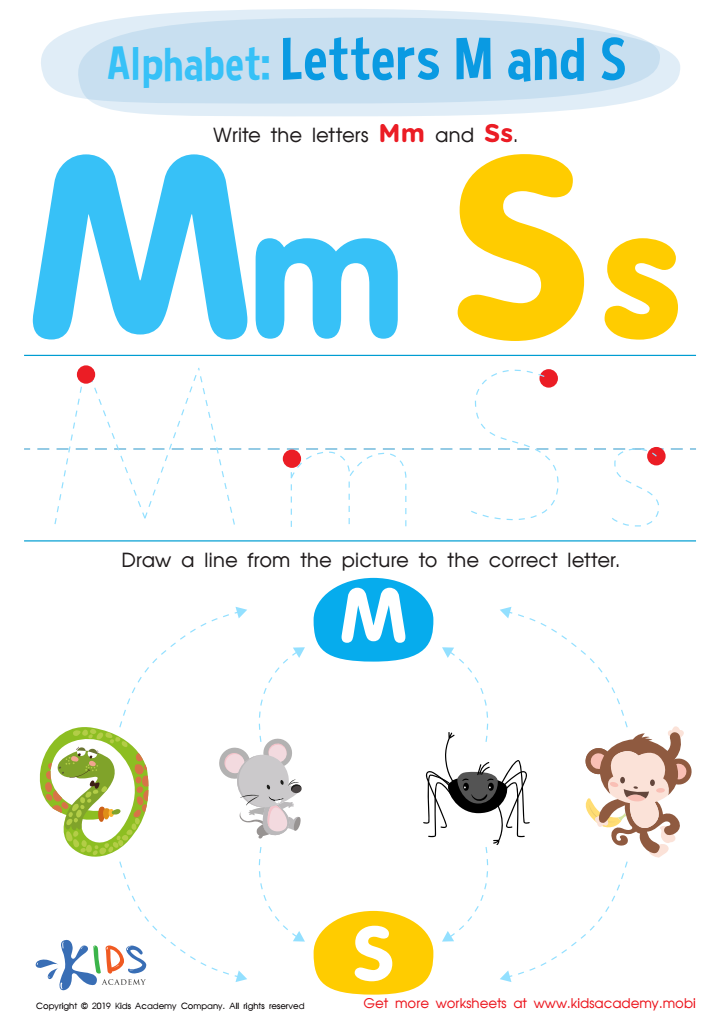
Letters M and S Tracing Worksheet
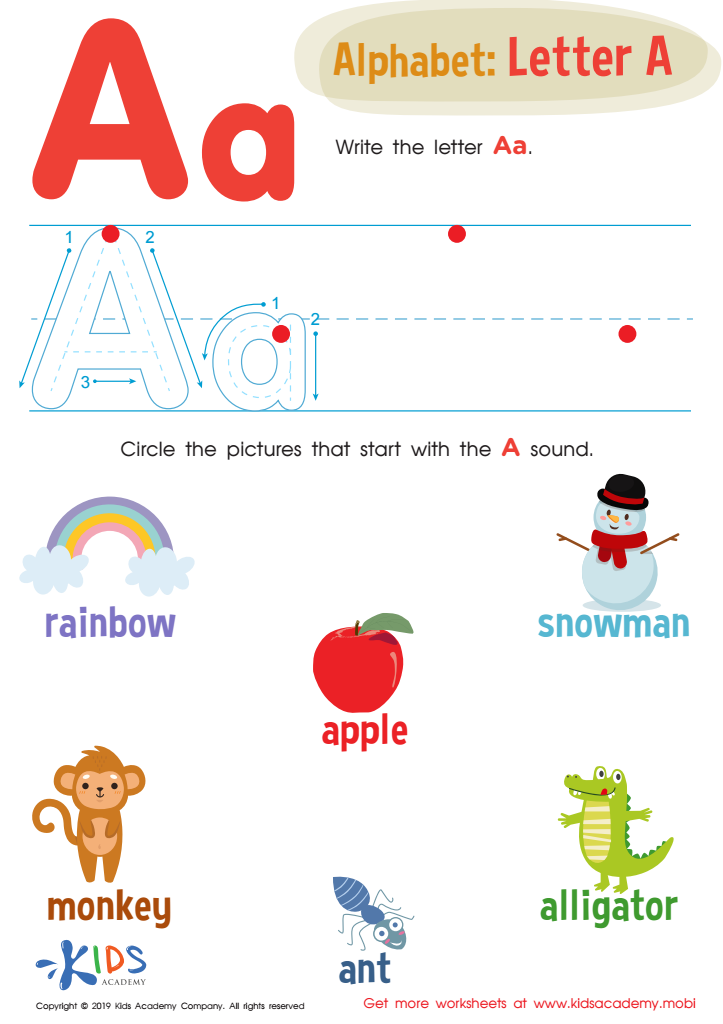
Letter A Tracing Worksheet
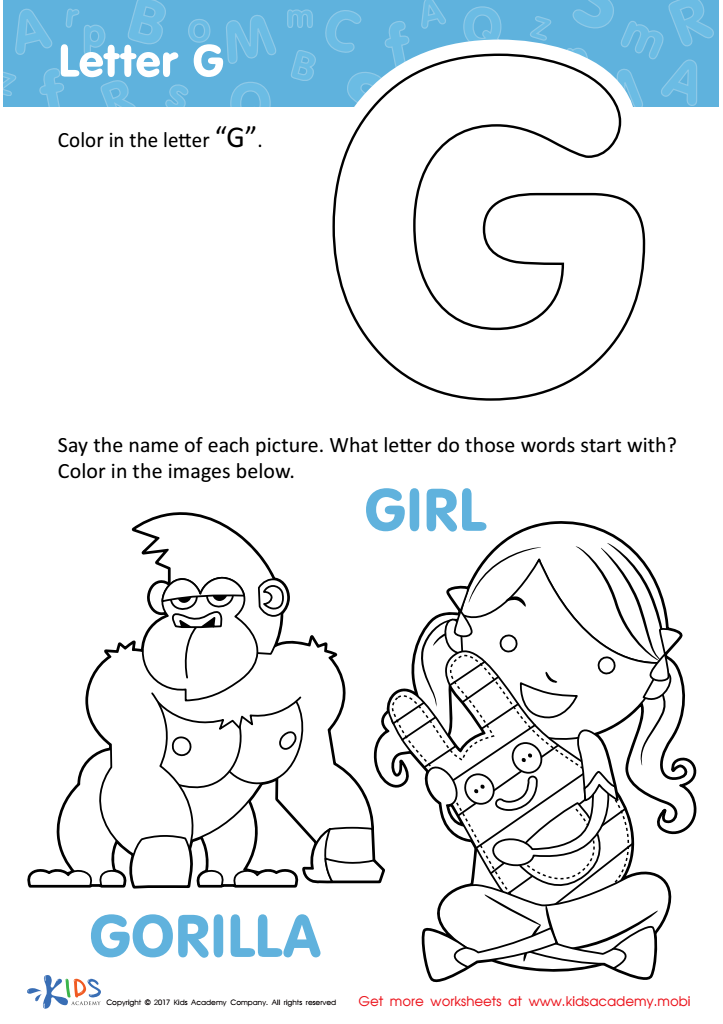
Letter G Coloring Sheet
Assign to My Students
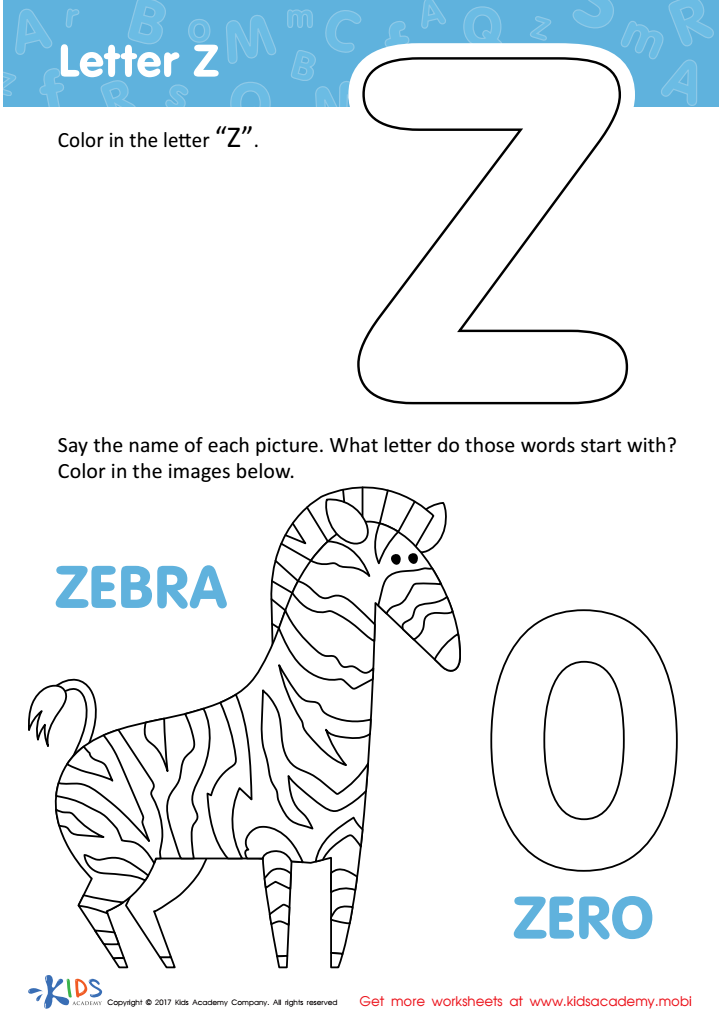
Letter Z Coloring Sheet
Assign to My Students
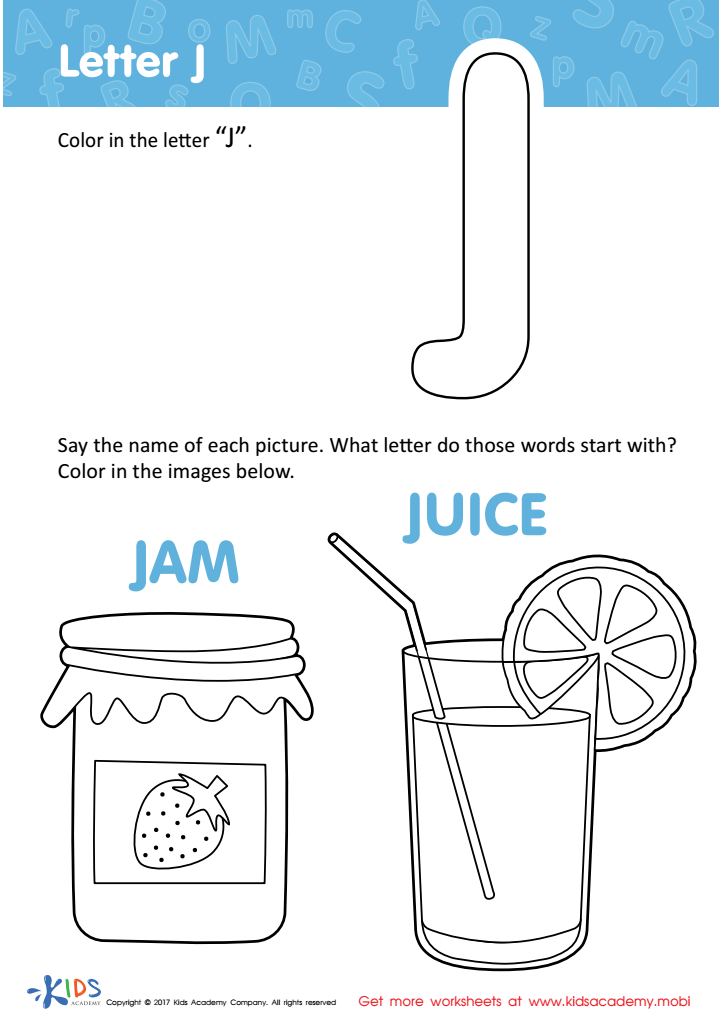
Letter J Coloring Sheet
Assign to My Students
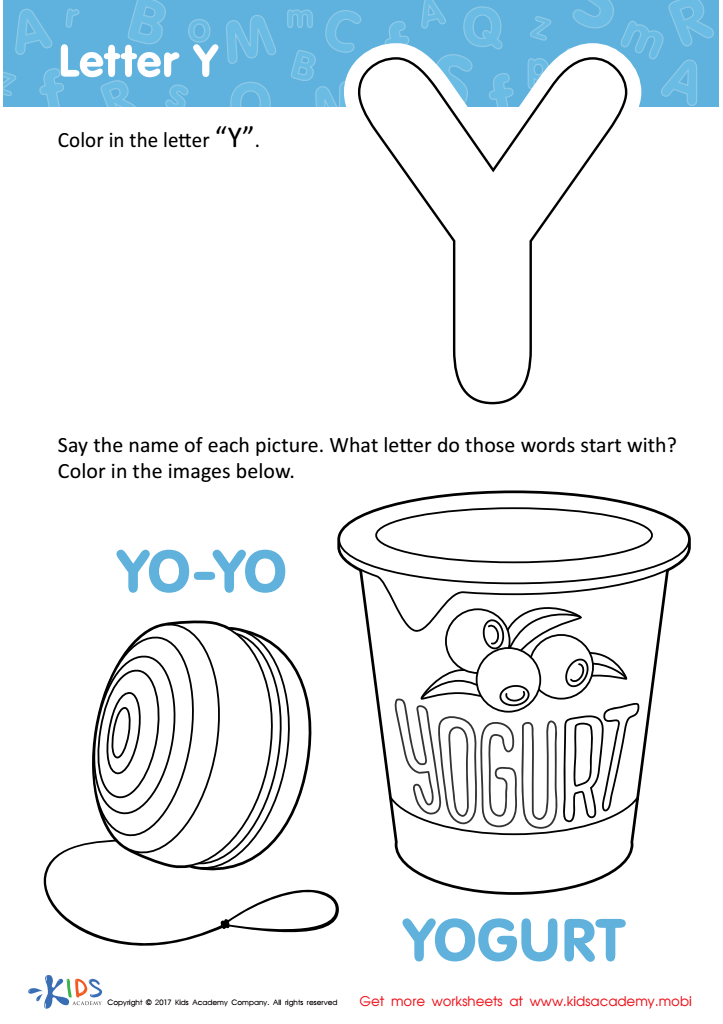
Letter Y Coloring Sheet
Assign to My Students
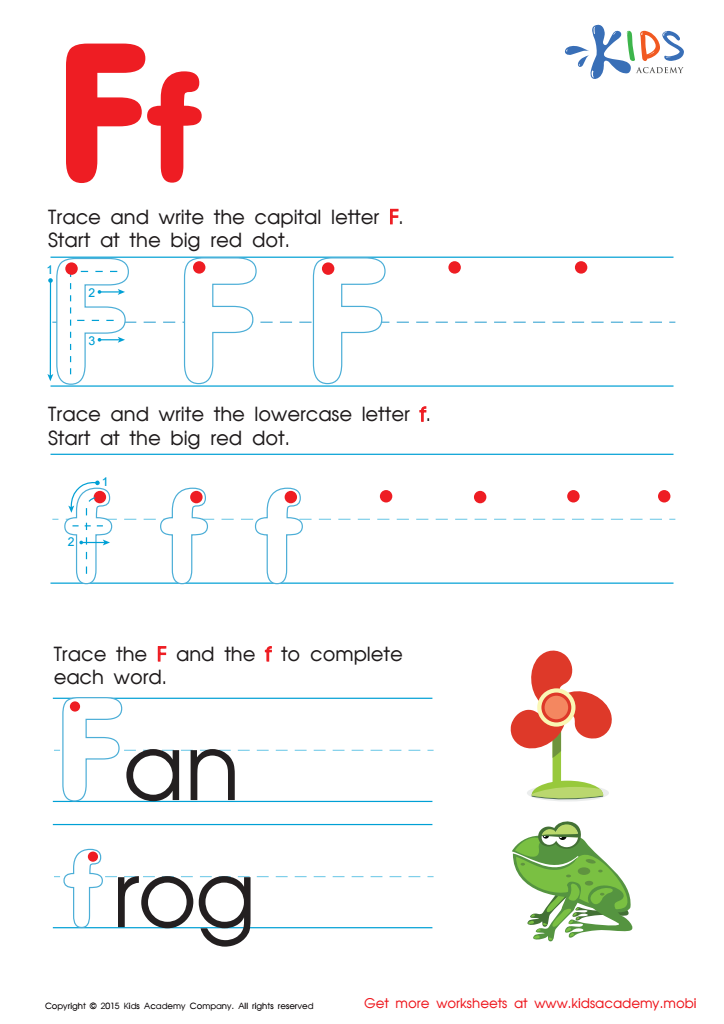
Letter F Tracing Page
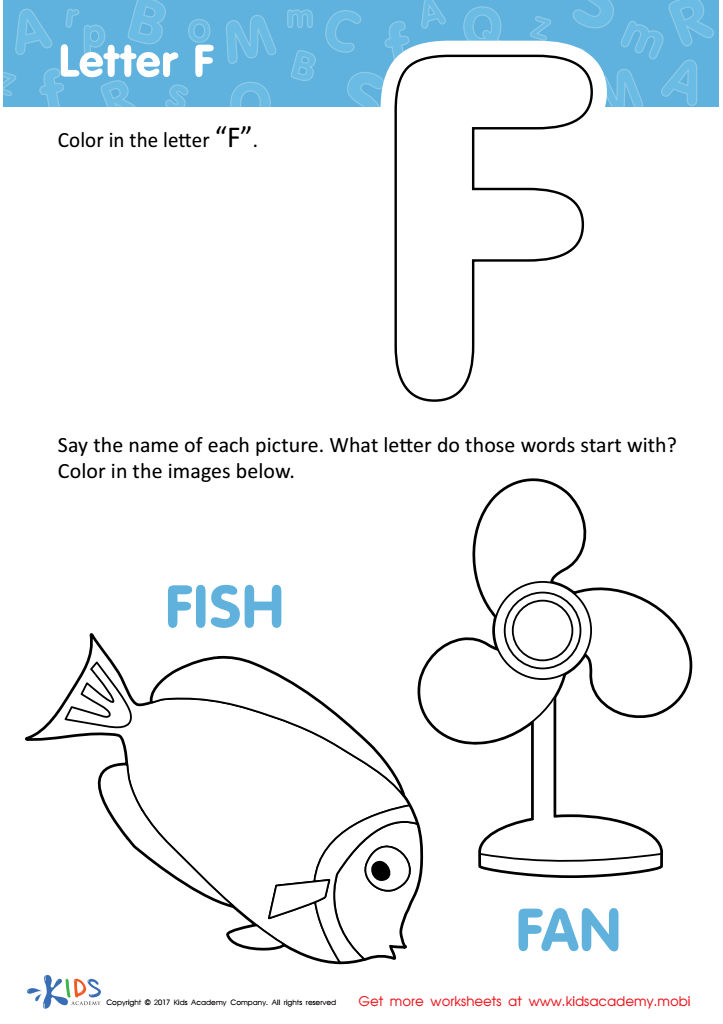
Letter F Coloring Sheet
Assign to My Students
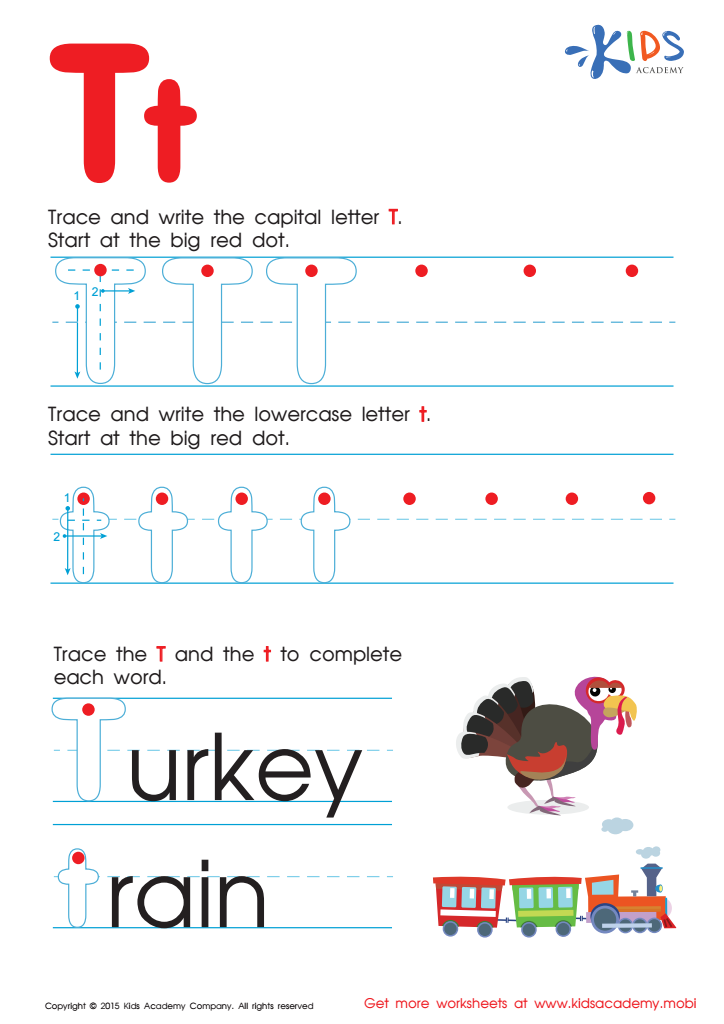
Letter T Tracing Page







Fine motor skills are essential for a child's development, particularly for 9-year-olds, as they influence a range of everyday tasks and academic success. At this age, children are transitioning to more complex writing tasks, art projects, and hands-on learning experiences. Effective fine motor skills, such as accurately forming letters, using scissors, and manipulating small objects, contribute to a child's self-confidence and concentration.
By focusing on fine motor skills related to the alphabet, teachers and parents can help children enhance their handwriting, which is critical for expressing thoughts and ideas clearly. Improved fine motor abilities also support a child's performance in subjects that require precision, such as math and science. Fine motor development is linked to cognitive growth, as engaging in these activities helps strengthen neural connections.
Furthermore, mastering fine motor skills through fun, engaging activities can foster a greater love for learning. Incorporating games, arts and crafts, and practical tasks allows children to practice without the pressure of formal learning, making skill development enjoyable. Ultimately, prioritizing fine motor skills is not just about writing; it's about equipping children with foundational tools that will support their academic journey and everyday life for years to come.







