Filters

8 filtered results

Clear all filters
Favorites
With answer key
Interactive

8 filtered results

Difficulty Level

Grade


Our Vocabulary Enhancement Alphabet Worksheets for 9-year-olds provide a fun and engaging way to build essential language skills. Designed by experienced educators, these worksheets focus on expanding your child's vocabulary and reinforcing their alphabetical knowledge. Each activity blends definition drills, word formation, and contextual usage to enhance comprehension and retention. By incorporating a variety of learning techniques such as matching exercises, word searches, and creative writing prompts, our worksheets cater to diverse learning styles. Boost your child's literacy and confidence in language arts with our expertly crafted, enjoyable vocabulary enhancement activities. Perfect for classroom support or home enrichment!

Check out this FREE Trial Lesson on Alphabet for age 9!

Y

Favorites
With answer key
Interactive
  • 9
  • Vocabulary enhancement
  • Alphabet
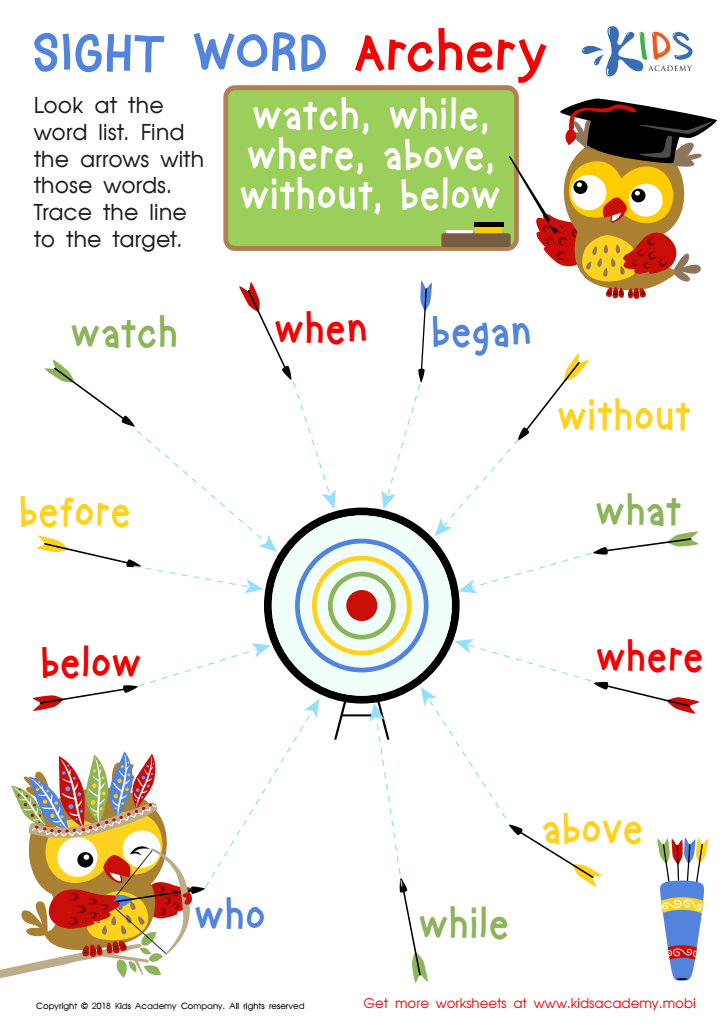
Sight Word Archery Worksheet

Sight Word Archery Worksheet

Read the words list with your kids, pointing at each one. Ask them to do the same. Help them find the arrows with those words and trace the line to the target in the centre.
Sight Word Archery Worksheet
Worksheet
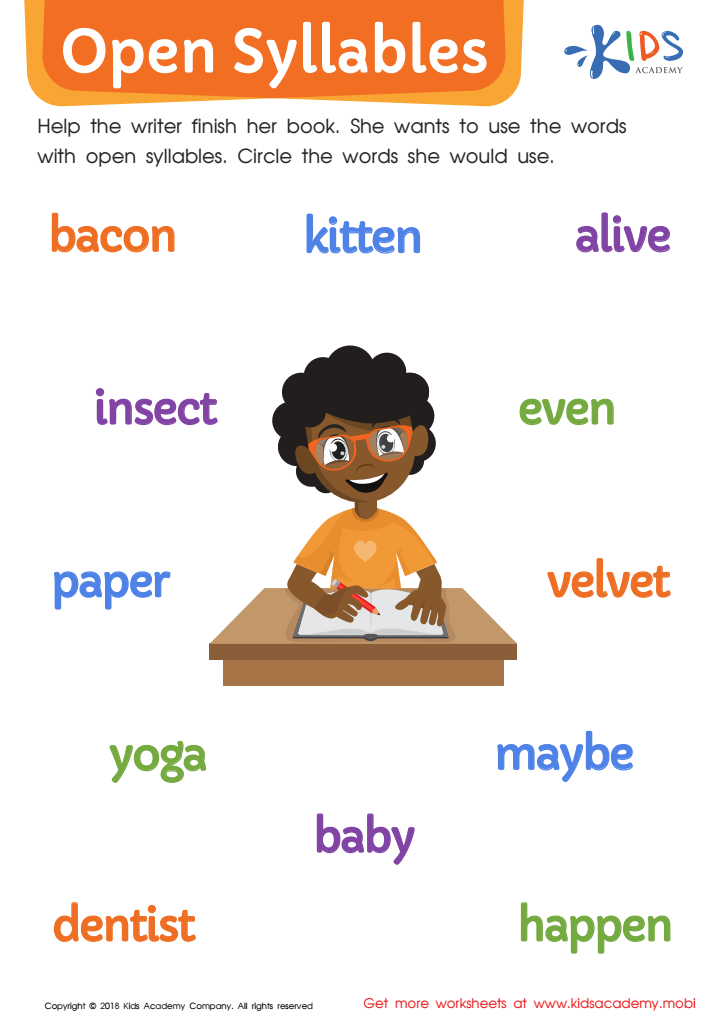
Open Syllables Worksheet

Open Syllables Worksheet

Before beginning this worksheet, make sure your child knows what open syllables are. If not, take time to teach them with examples. Then, help the writer finish her book by circling words with open syllables. She needs your child's help!
Open Syllables Worksheet
Worksheet
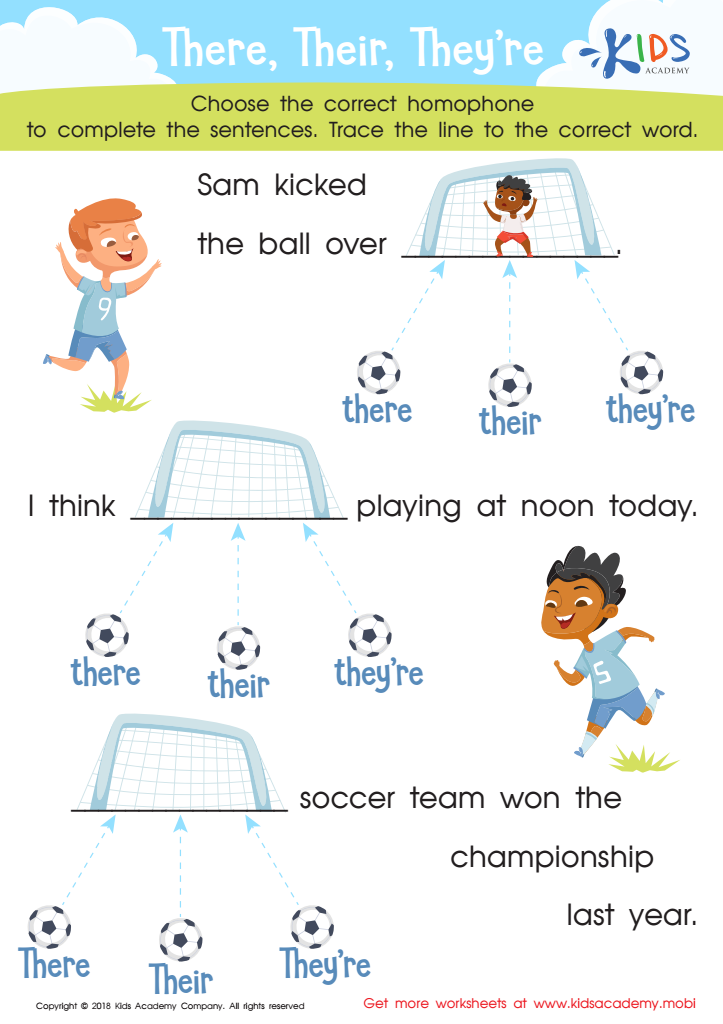
There, Their, They're Worksheet

There, Their, They're Worksheet

Explain to your kids the difference between 'there', 'their' and 'they're'. These three words are homophones - spelt similarly but with different meanings. Help them choose the correct homophones when completing sentences, and trace the line to the right word.
There, Their, They're Worksheet
Worksheet
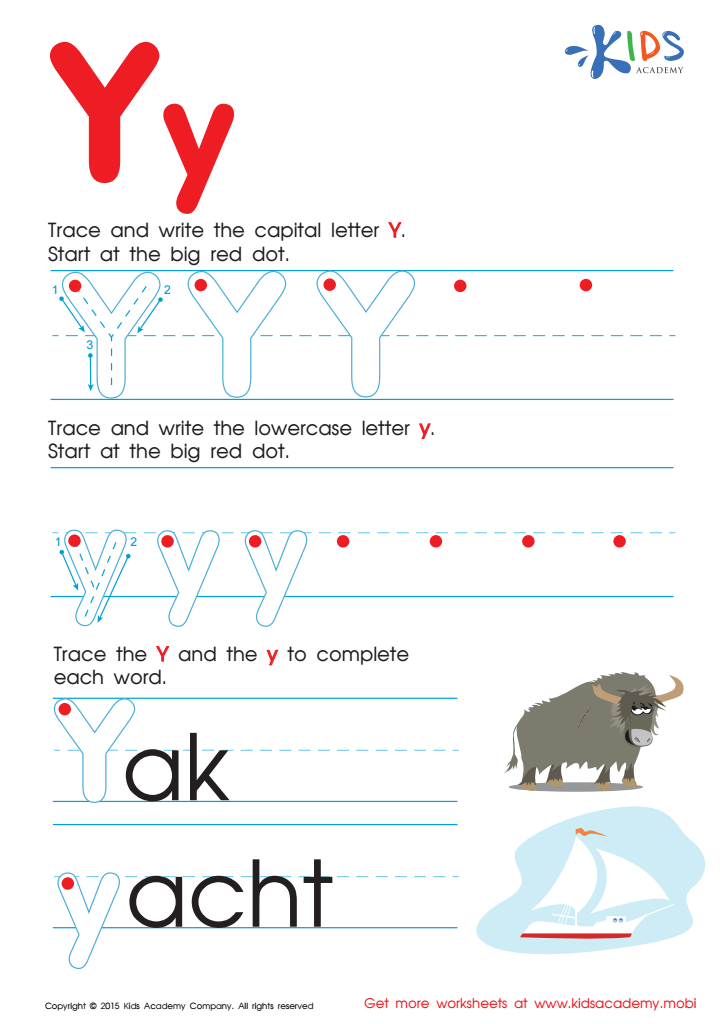
Letter Y worksheets
Letter Y worksheets

Letter Y Tracing Page

Trace the capital letter "Y" on the red dot, then trace and write the lowercase letter. Complete the words to help the Yak walk and the yacht swim. More worksheets at Kids Academy.
Letter Y Tracing Page
Worksheet
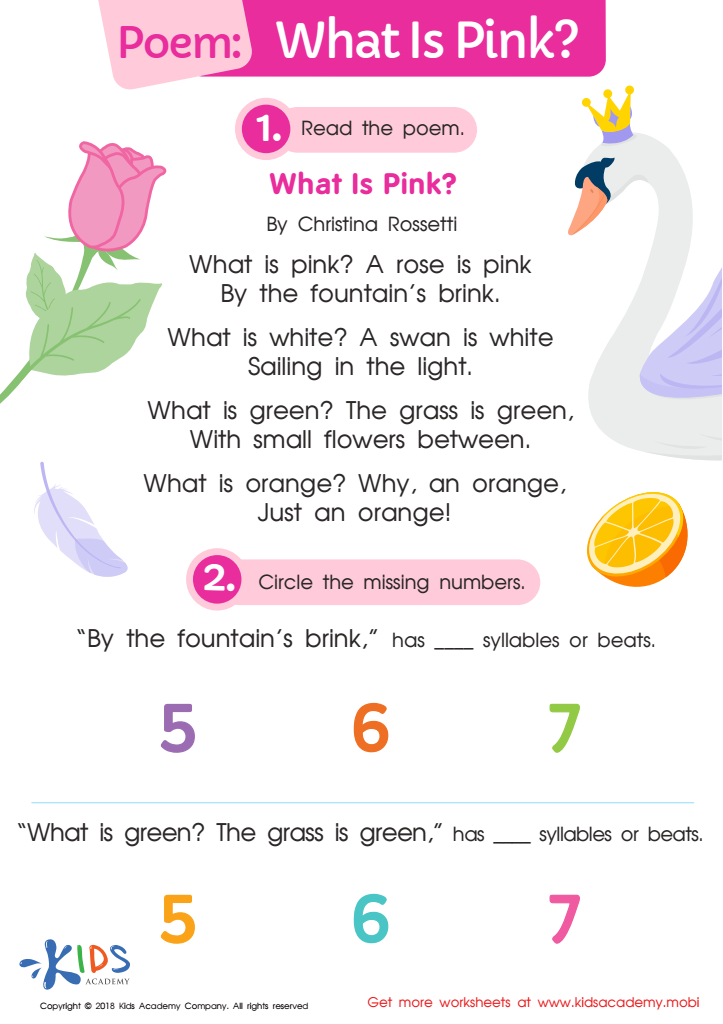
Poem: What Is Pink? Worksheet

Poem: What Is Pink? Worksheet

Help your kids learn with short, fun, interesting poems! Read it aloud to them and point out the rhyme patterns. Have them circle the missing numbers to answer two questions. Show examples of objects with the colors in the poem. This will help them learn to read, and also understand colors better.
Poem: What Is Pink? Worksheet
Worksheet
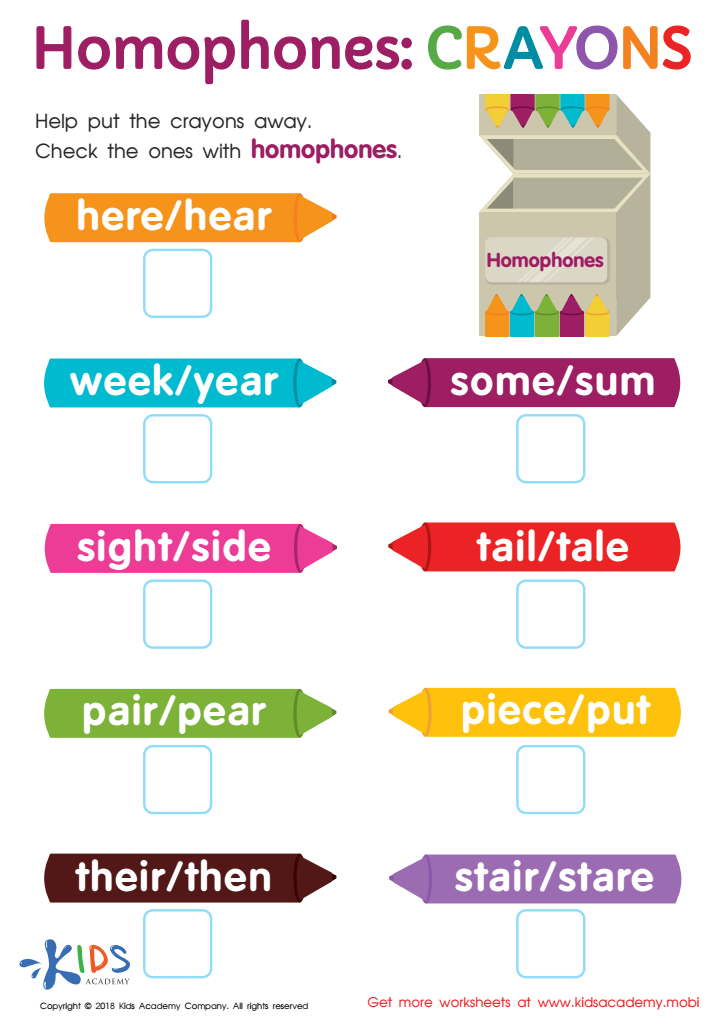
Homophones: Crayons Worksheet

Homophones: Crayons Worksheet

Ask your kids: "What are homophones?" Explain that homophones are words that sound alike but have different meanings, like 'dare' and 'deer'. Ask them to identify homophones by putting the crayons in this printout away according to the words.
Homophones: Crayons Worksheet
Worksheet
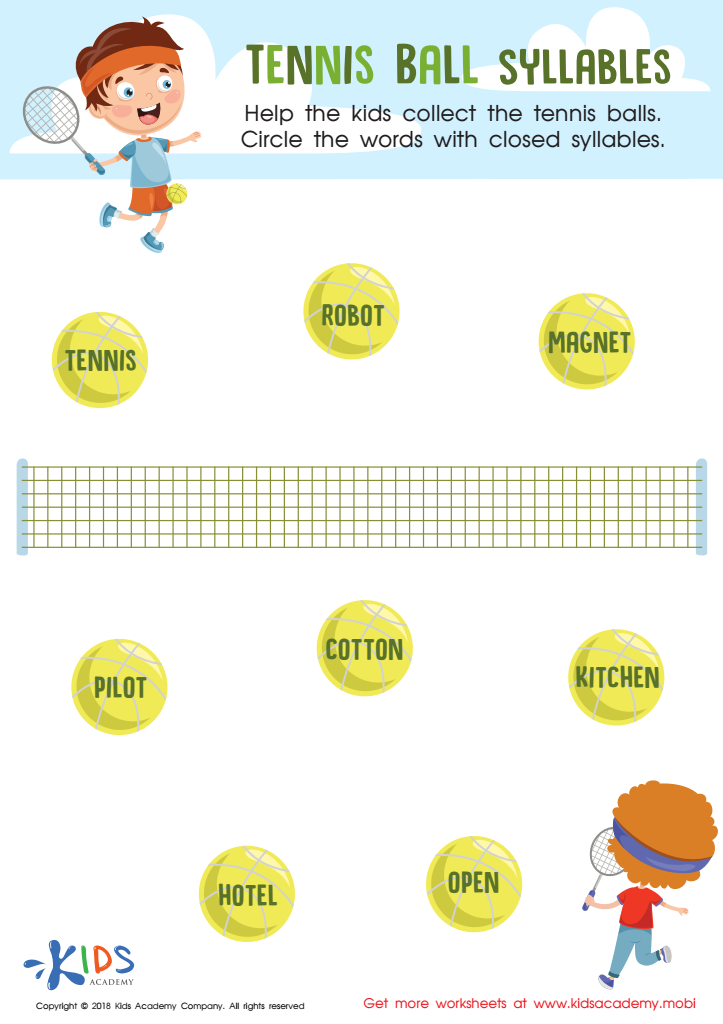
Tennis Ball Syllables Worksheet

Tennis Ball Syllables Worksheet

To help your kids become fluent speakers, they need to learn syllables. A word can have one to seven syllables, with longer words having more. For this level, they will be working with one or two syllables. Assist them as they circle the words with closed syllables in this worksheet.
Tennis Ball Syllables Worksheet
Worksheet
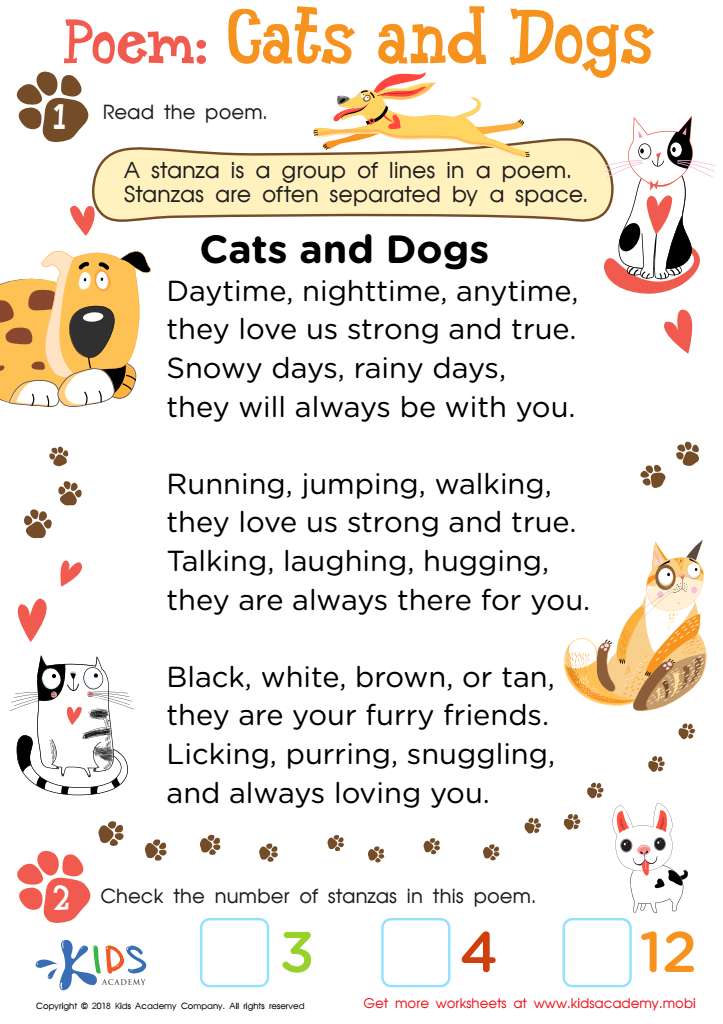
Poem: Cats and Dogs Worksheet


Poem: Cats and Dogs Worksheet

Read the poem to your child and point out where each stanza ends. Ask if they know what a stanza is (if not, explain it's a group of lines in a poem). Help them answer the question at the bottom of the printout. This simple, sweet poem about cats is easy for your child to relate to.
Poem: Cats and Dogs Worksheet
Worksheet


Vocabulary enhancement is crucial for 9-year-olds as it lays a solid foundation for their academic and social development. At this age, children transition from learning to read to reading to learn. A rich vocabulary facilitates better comprehension skills, enabling them to grasp more complex texts, follow instructions, and perform well academically across various subjects.

Moreover, a strong vocabulary boosts communication skills. When children can articulate their thoughts and emotions clearly, they interact more effectively with peers and adults, promoting better social relationships and reducing misunderstandings. Enhanced vocabulary also encourages curiosity and a love for learning, as children become more interested in discovering new words and their meanings.

Parents and teachers play a critical role in this developmental phase. By intentionally focusing on vocabulary enrichment, adults can make learning engaging and accessible. This can be achieved through activities like reading diverse books, playing word games, and encouraging conversations. Alphabets can be a fun tool in vocabulary enhancement. By exploring new words weekly corresponding to each letter, children can learn in a structured yet enjoyable manner.

Investing time in vocabulary development at age nine provides children with the tools they need for future academic success and effective communication, aiding their overall growth and self-confidence.