Recognizing shapes Math Worksheets for 9-Year-Olds
10 filtered results
-
From - To
Discover a fun and engaging way to enhance your 9-year-old's math skills with our Recognizing Shapes Math Worksheets. Designed to reinforce shape identification and spatial awareness, these worksheets feature colorful visuals and interactive exercises that captivate young learners. Kids will explore various shapes through a series of hands-on activities, including sorting, matching, and drawing geometric figures. Perfect for home or classroom use, our worksheets cater to diverse learning styles and help build a strong foundation in geometry. Encourage critical thinking and visual comprehension while making math enjoyable. Start your child's shape recognition journey today!
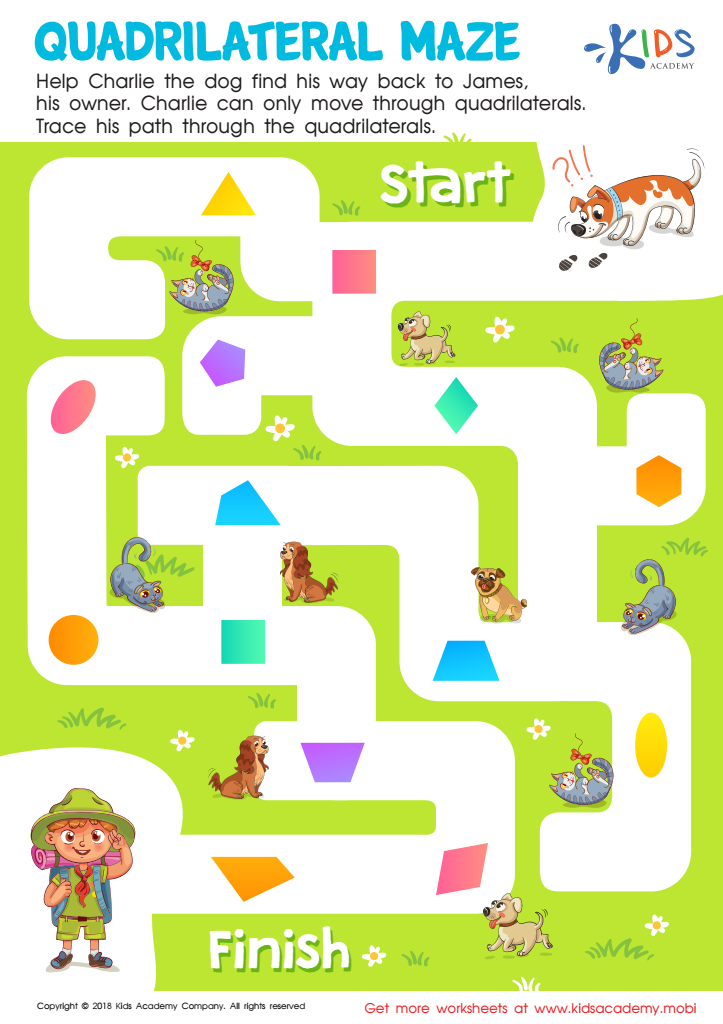
Quadrilateral Maze Worksheet
 Assign to My Students
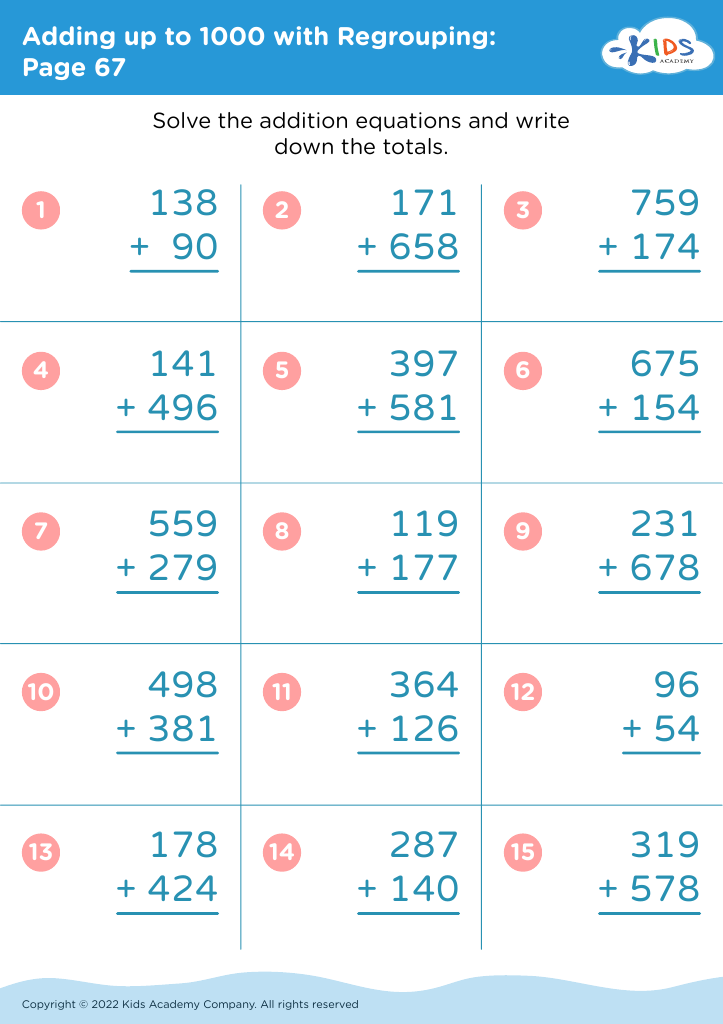
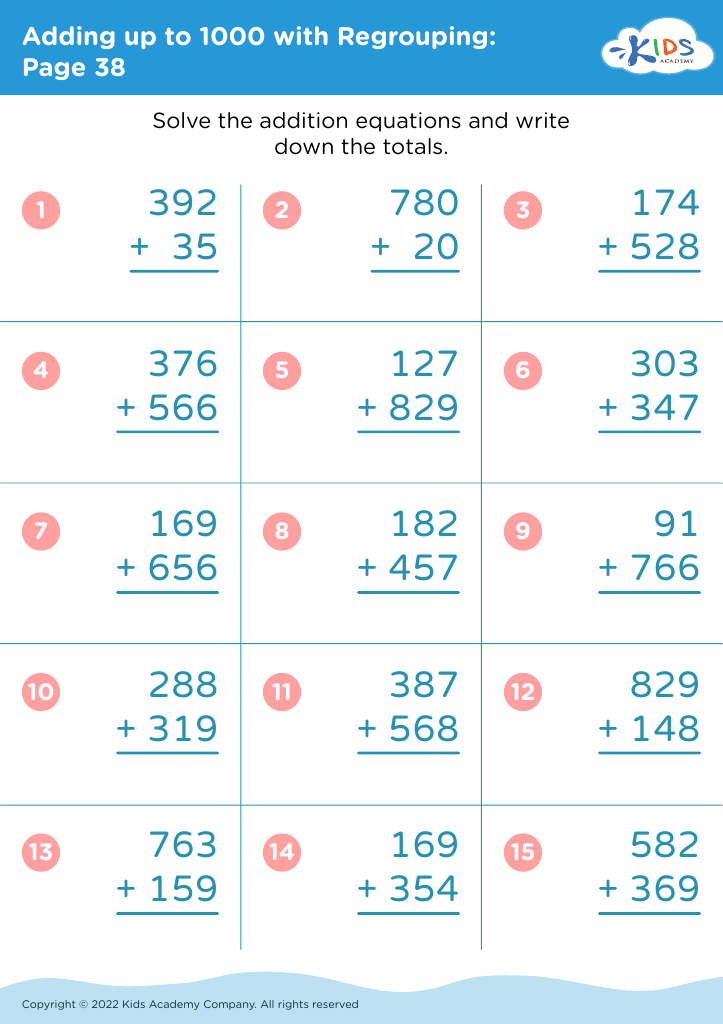
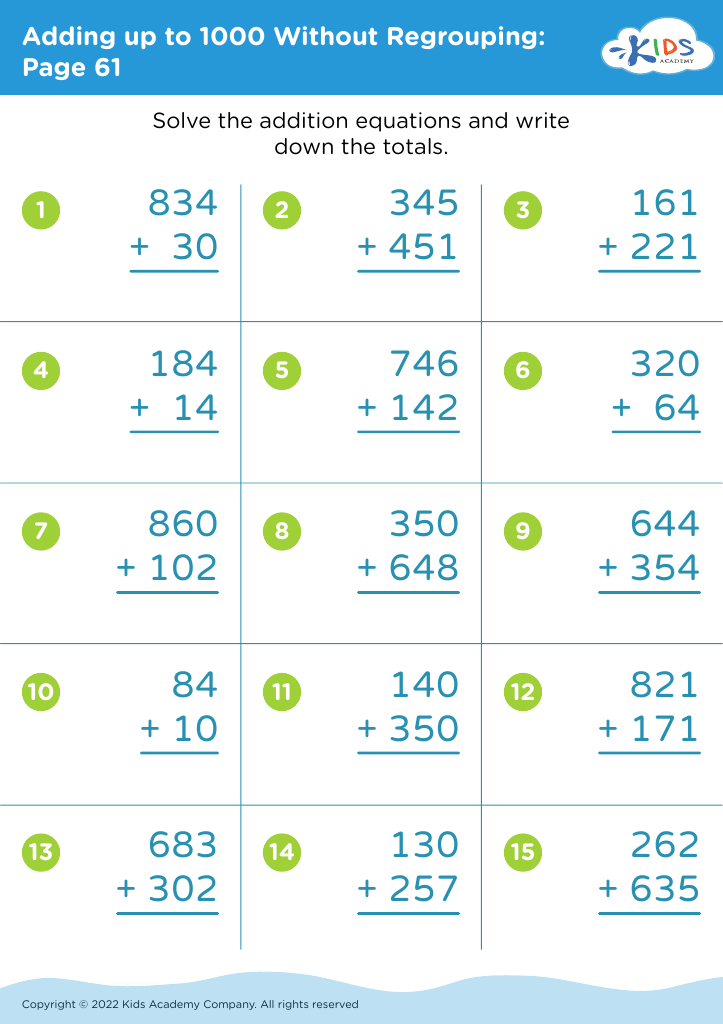
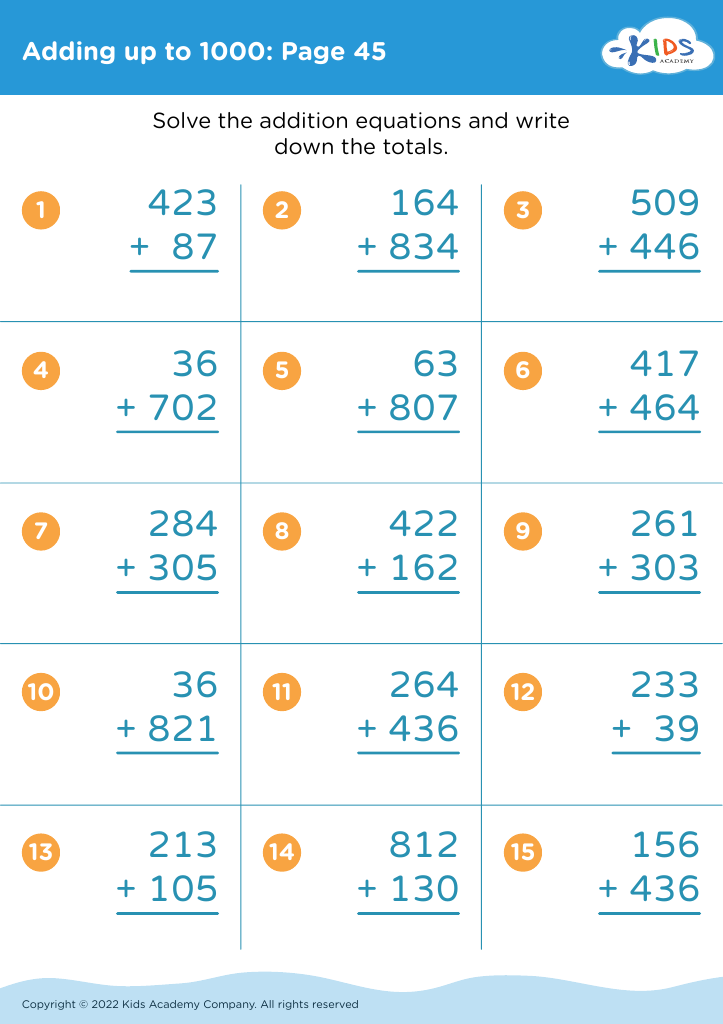
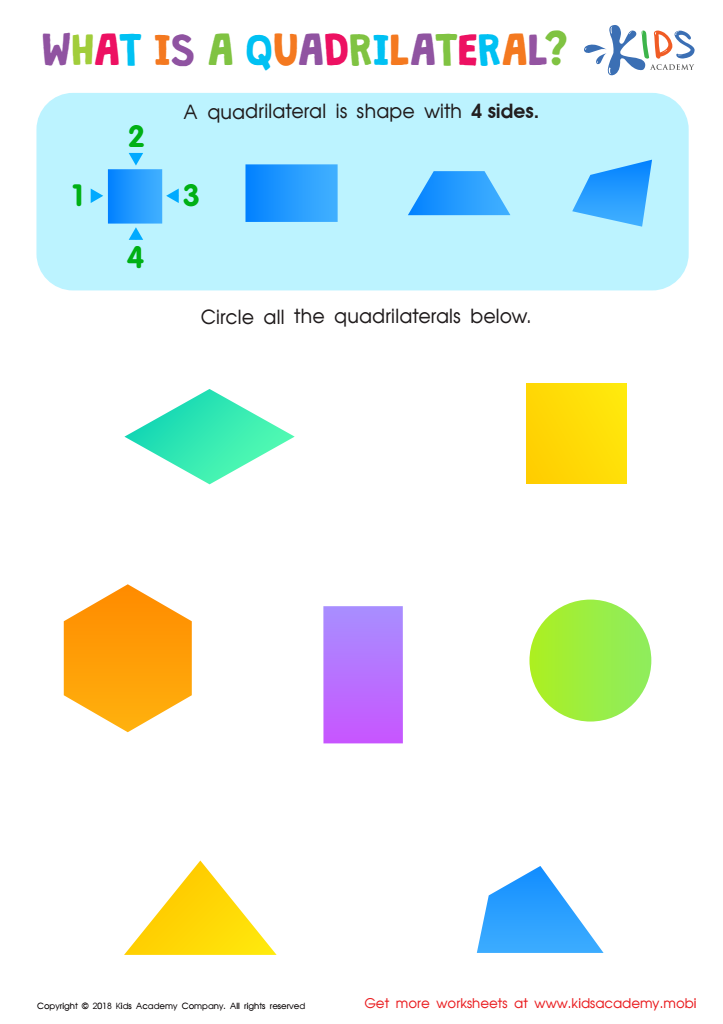
What Is a Quadrilateral? Worksheet








Recognizing shapes is a fundamental skill in mathematics that has significant implications for 9-year-olds' overall cognitive development. At this age, children transition from concrete operations to more abstract thinking, and the ability to identify and understand shapes lays the groundwork for geometrical concepts, spatial awareness, and problem-solving skills.
Parents and teachers should care about this skill for several reasons. Firstly, shape recognition enhances children's spatial reasoning, which is crucial not only in mathematics but also in daily life situations, such as navigation and art. Secondly, understanding shapes aids in the development of critical mathematical abilities, including measurement, symmetry, and pattern recognition. These concepts are essential for success in more advanced mathematical topics in the future.
Moreover, fostering shape recognition can boost children's confidence by allowing them to make connections between mathematics and the real world. Engaging children with practical activities, like identifying shapes in their environment or using geometric toys, makes learning enjoyable and impactful. When parents and teachers prioritize shape recognition, they contribute to a solid mathematical foundation that supports academic achievement and lifelong skills essential for problem-solving. Overall, shape recognition is not just a mathematical skill; it’s a catalyst for holistic cognitive development.








