Historical Knowledge Science Worksheets for 9-Year-Olds
5 filtered results
-
From - To
Introduce your 9-year-old to the fascinating world of historical knowledge with our engaging Science Worksheets! Designed to ignite curiosity and enhance learning, these worksheets encourage young learners to explore significant historical events, influential figures, and pivotal discoveries in science. Your child will develop critical thinking and observation skills while deciphering fun facts, timeline activities, and interactive quizzes. These resources not only promote understanding of science’s evolution but also connect past innovations to contemporary practices. Ideal for home or classroom use, our worksheets are perfect for reinforcing historical concepts and making learning both enjoyable and impactful! Dive into history and science today!
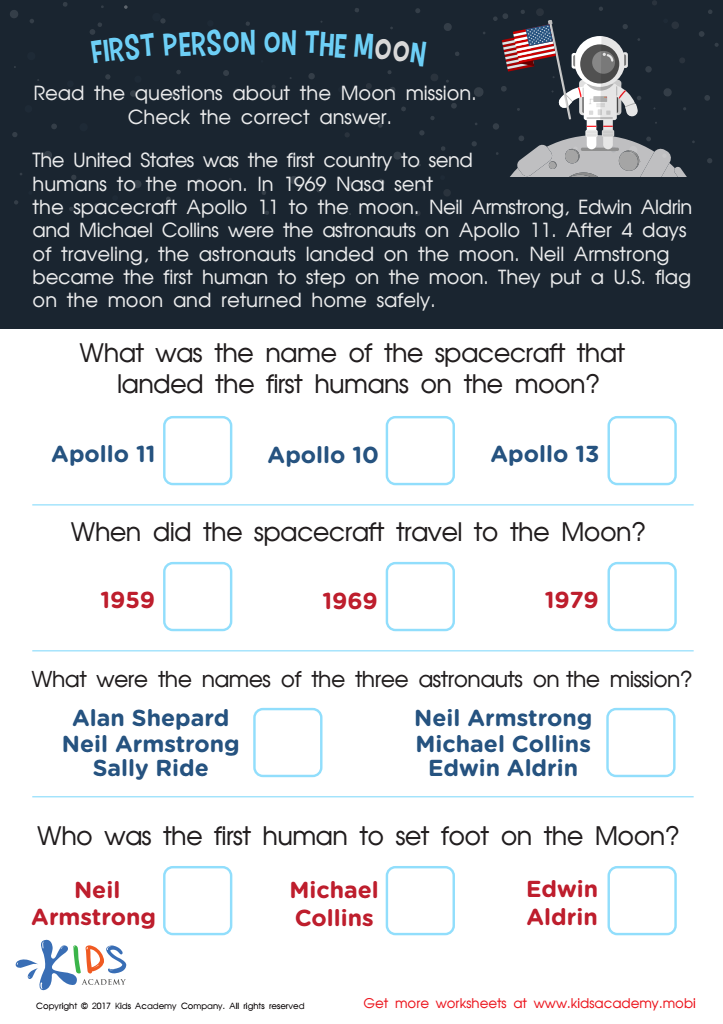
First Person on the Moon Worksheet
 Assign to My Students
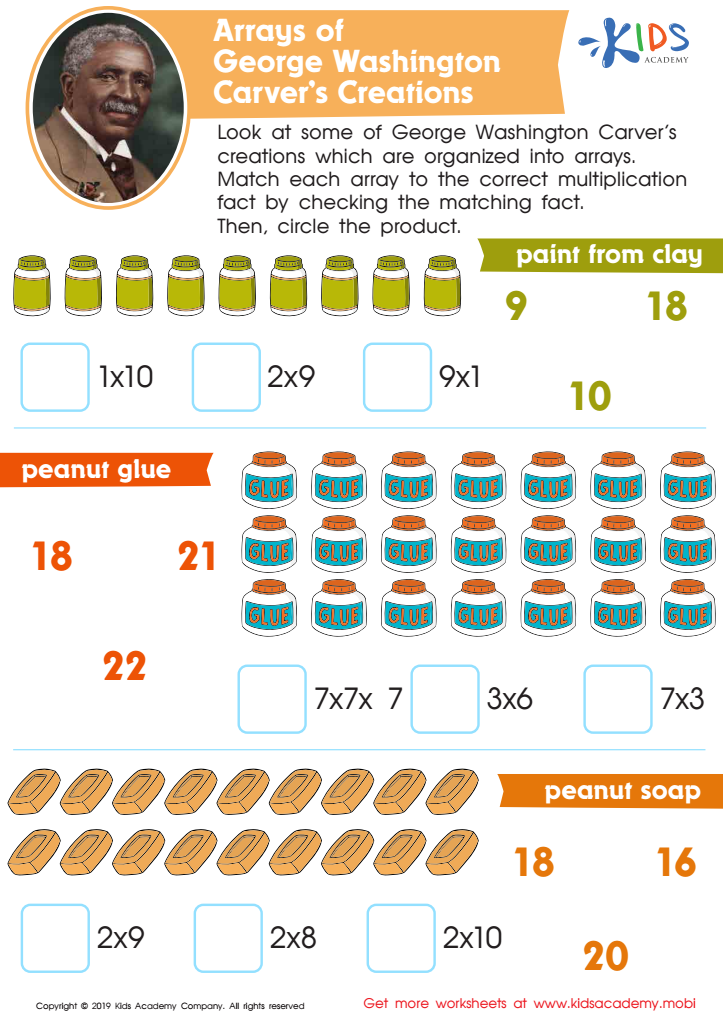
Arrays of George Washington Carver’s Creations Worksheet
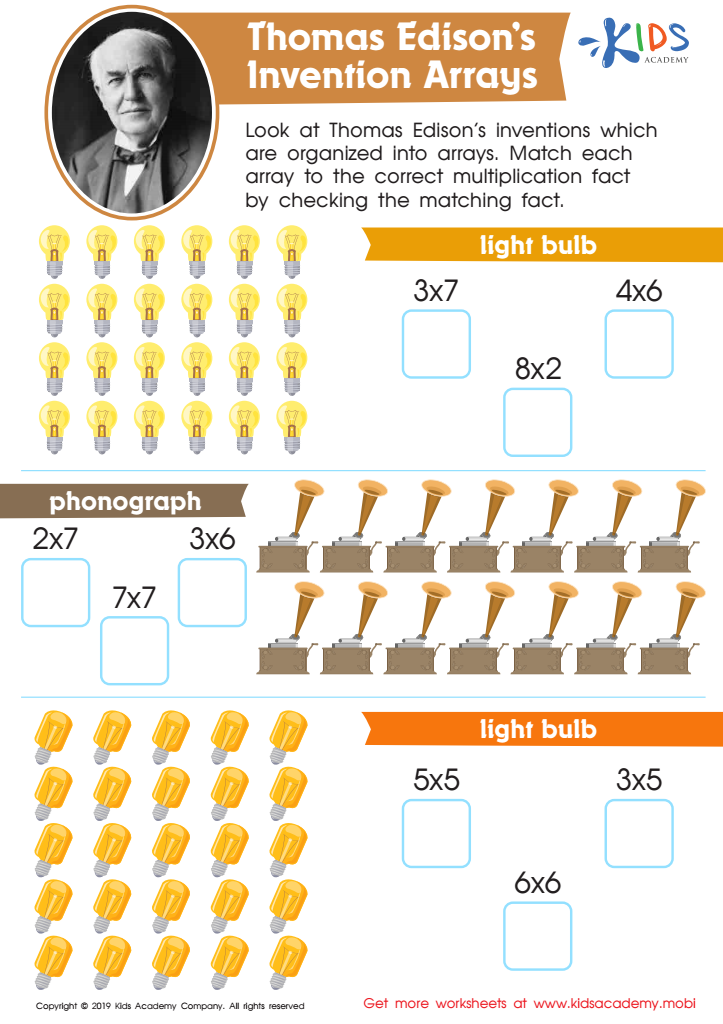
Thomas Edison’s Invention Arrays Worksheet
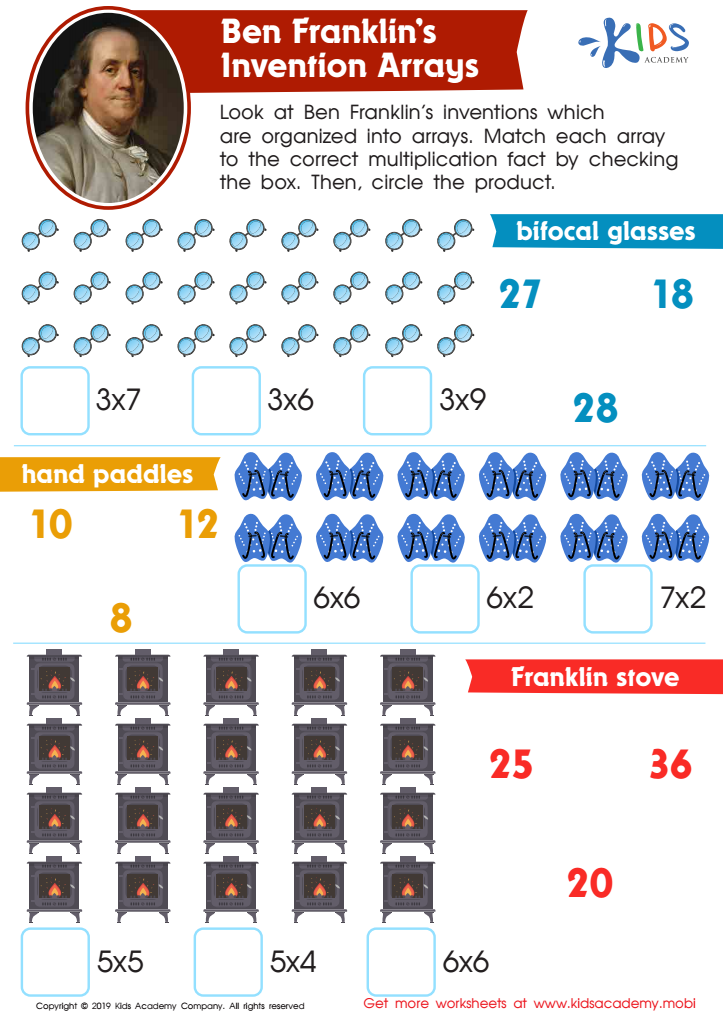
Ben Franklin’s Invention Arrays Worksheet
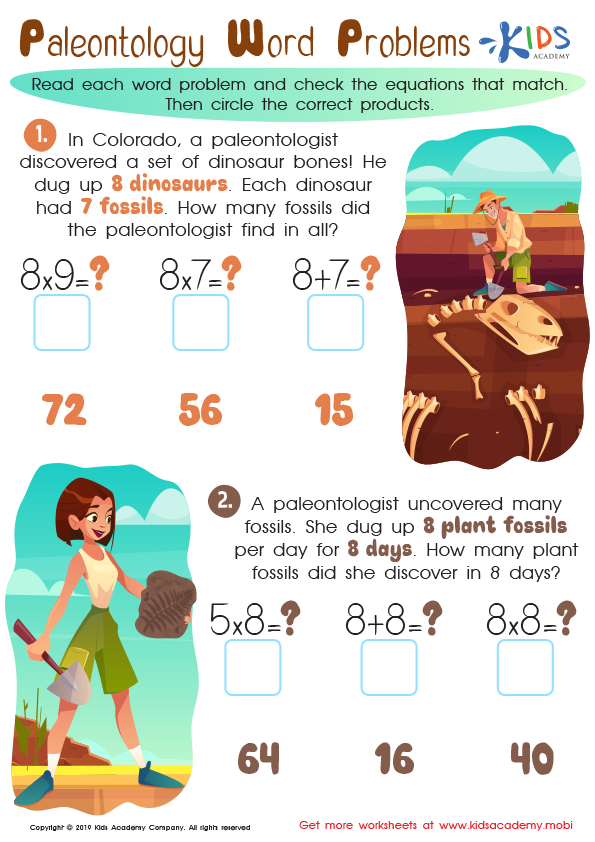
Archeology Word Problems Worksheet


%20(1).jpg)





Parents and teachers should prioritize historical knowledge for 9-year-olds because it lays the foundation for critical thinking, cultural awareness, and informed citizenship. At this age, children are naturally curious and eager to understand the world around them. Introducing them to historical events and figures helps them make connections between the past and the present, fostering a sense of identity and belonging.
Historical knowledge encourages empathy as children learn about diverse experiences and perspectives. This understanding helps combat stereotypes and promotes inclusivity, equipping young learners to interact positively with others. Additionally, grasping historical concepts enhances literacy and comprehension skills, crucial for academic success across subjects.
Moreover, knowledge of history cultivates a sense of responsibility and civic engagement. As children recognize the consequences of past actions, they become more aware of their roles in shaping a better future. Learning about historical events, such as civil rights movements or scientific advancements, inspires discussion and encourages children to think critically about current social issues.
Ultimately, by promoting a strong historical foundation, parents and teachers empower children to appreciate their heritage, engage thoughtfully with the world, and become responsible, informed individuals capable of driving positive change.







