Vocabulary enhancement Elementary Phonics Worksheets
13 filtered results
-
From - To
Enhance your child’s vocabulary with our engaging Elementary Phonics Worksheets! Designed for young learners, these worksheets focus on integrating phonics with vocabulary building to create a holistic learning experience. Through fun activities, children will explore letter sounds, word recognition, and phonetic patterns, making new words memorable and exciting. Our printable resources are tailored to align with early grade curricula, ensuring that kids not only grasp foundational phonics concepts but also expand their language skills effectively. Ideal for home and classroom use, these worksheets will foster a love for reading and learning. Start enriching your child's vocabulary today!
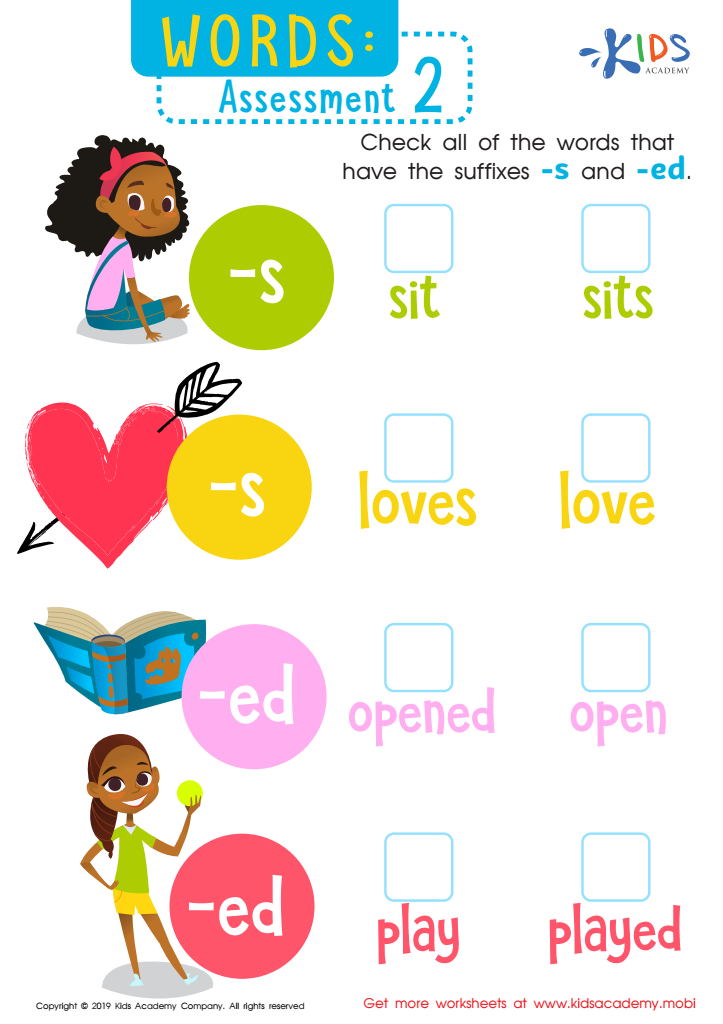
Words: Assessment 2 Worksheet
 Assign to My Students
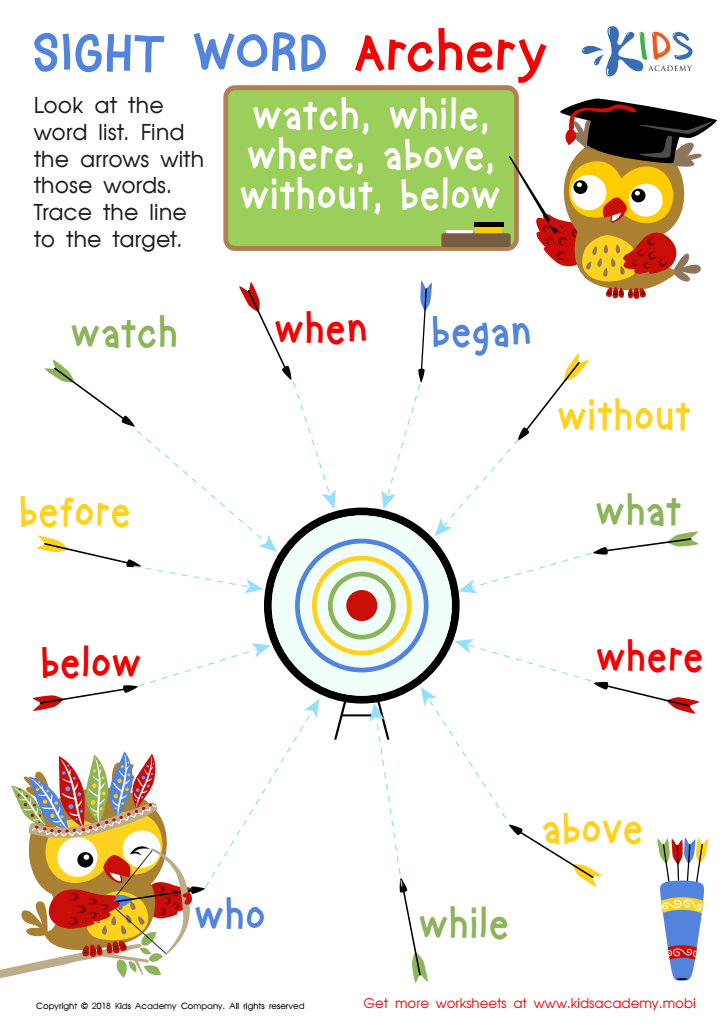
Sight Word Archery Worksheet
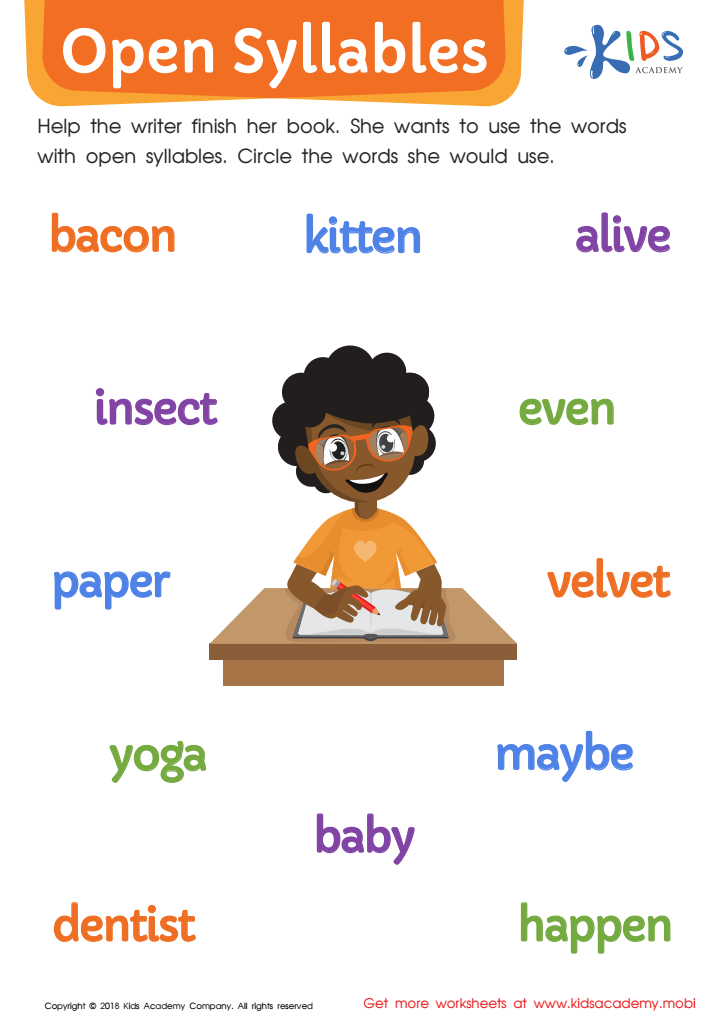
Open Syllables Worksheet
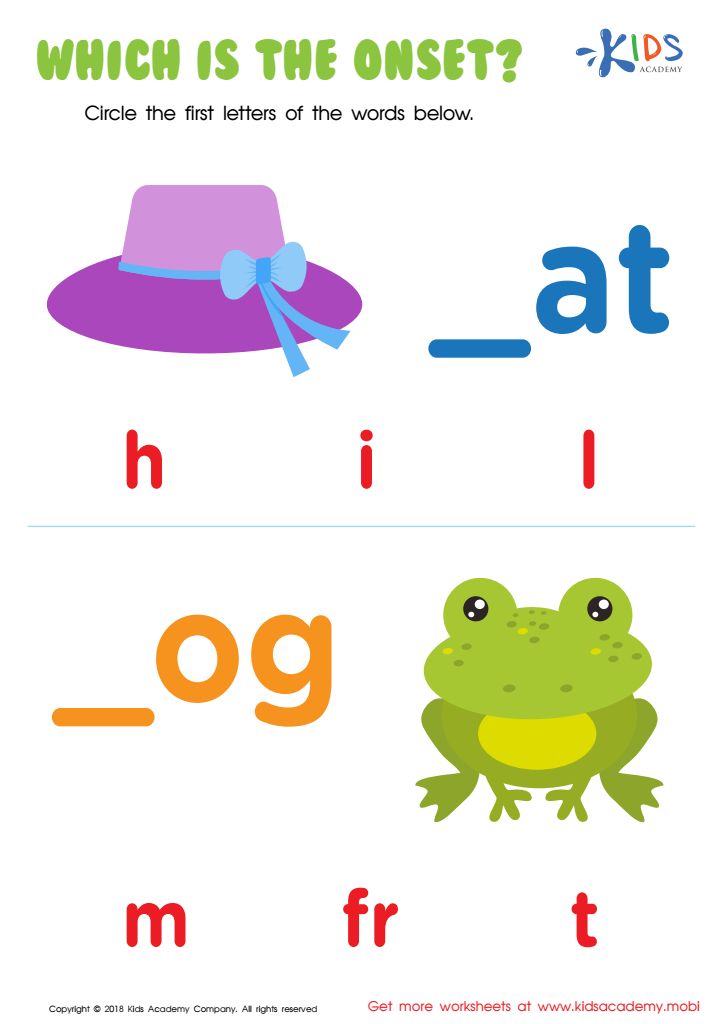
Which Is the Onset? Worksheet
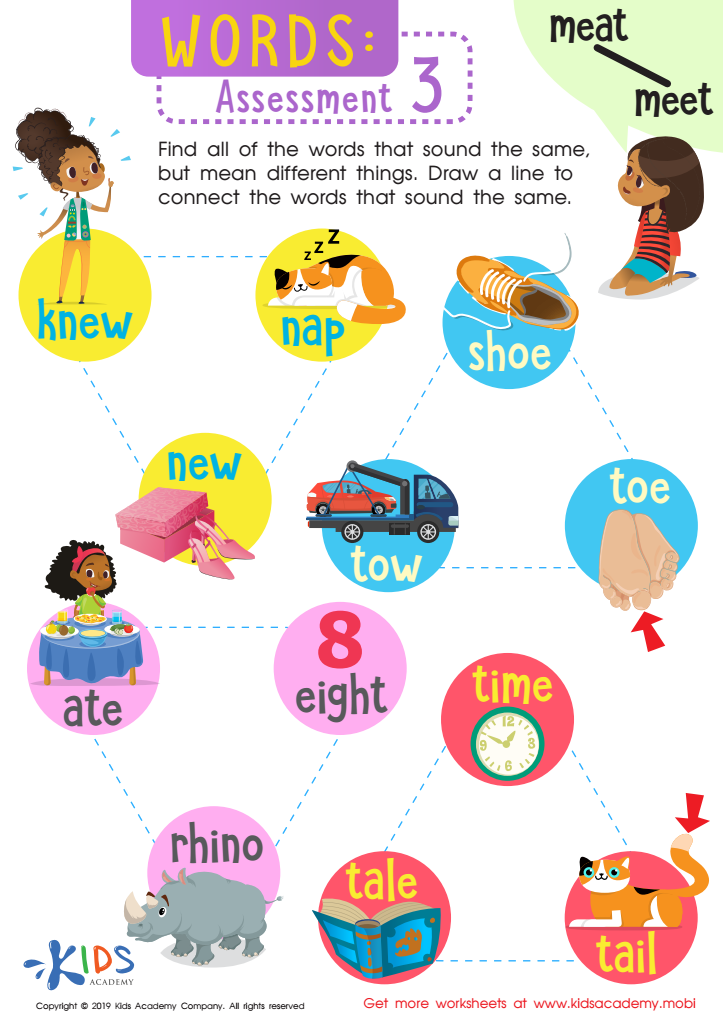
Words: Asessment 3 Worksheet
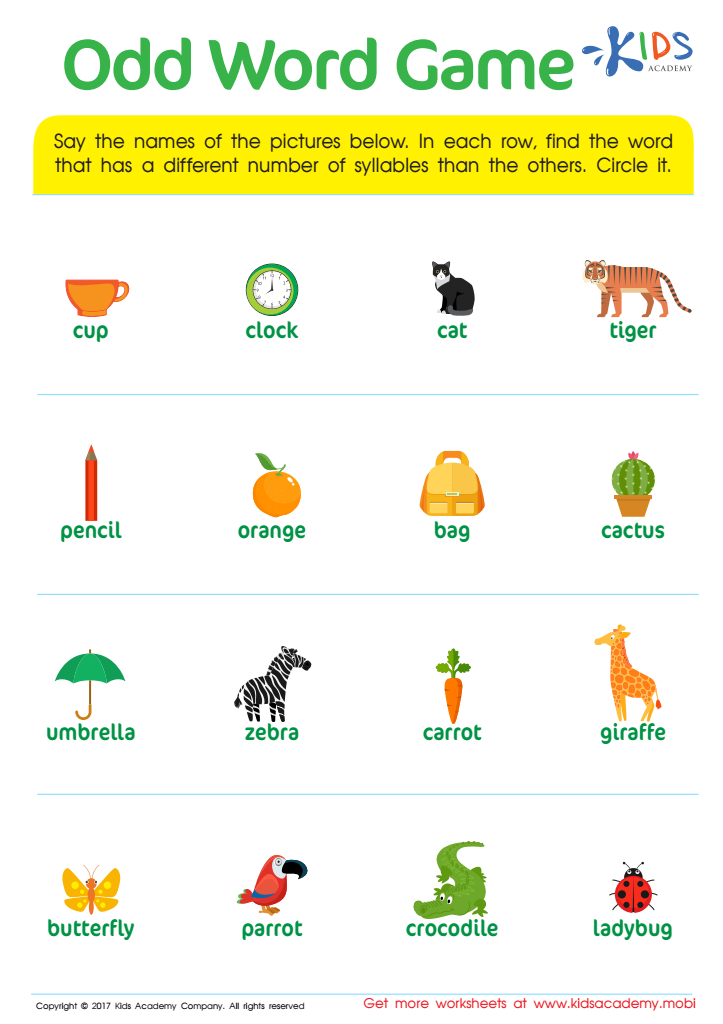
Count Syllables: Odd Word Game Worksheet
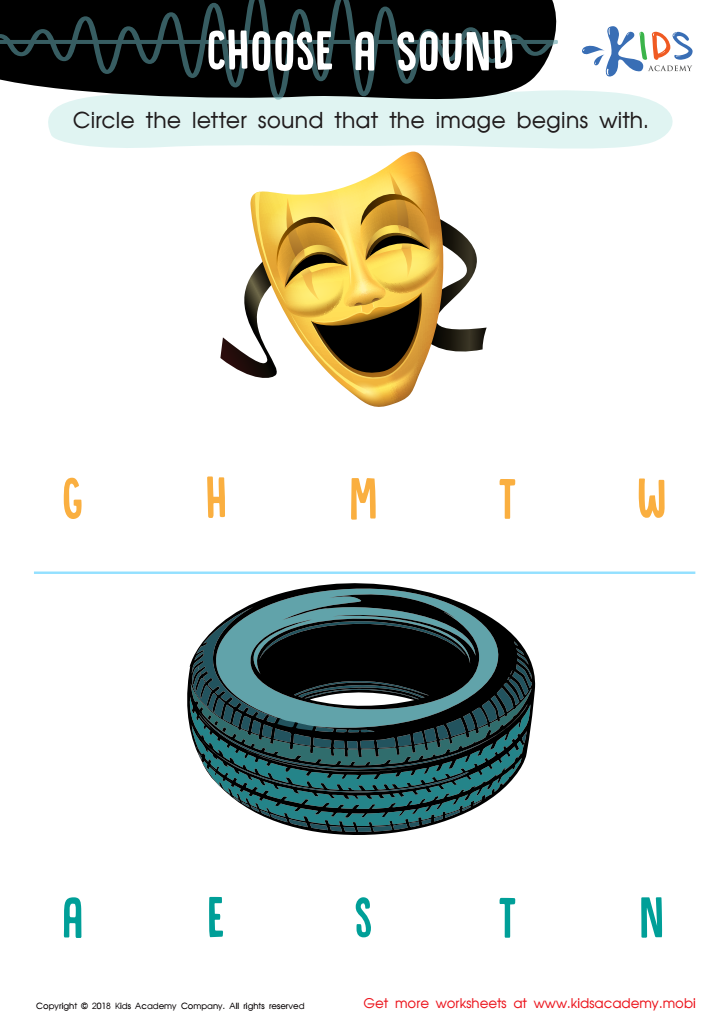
Choose a Sound Worksheet
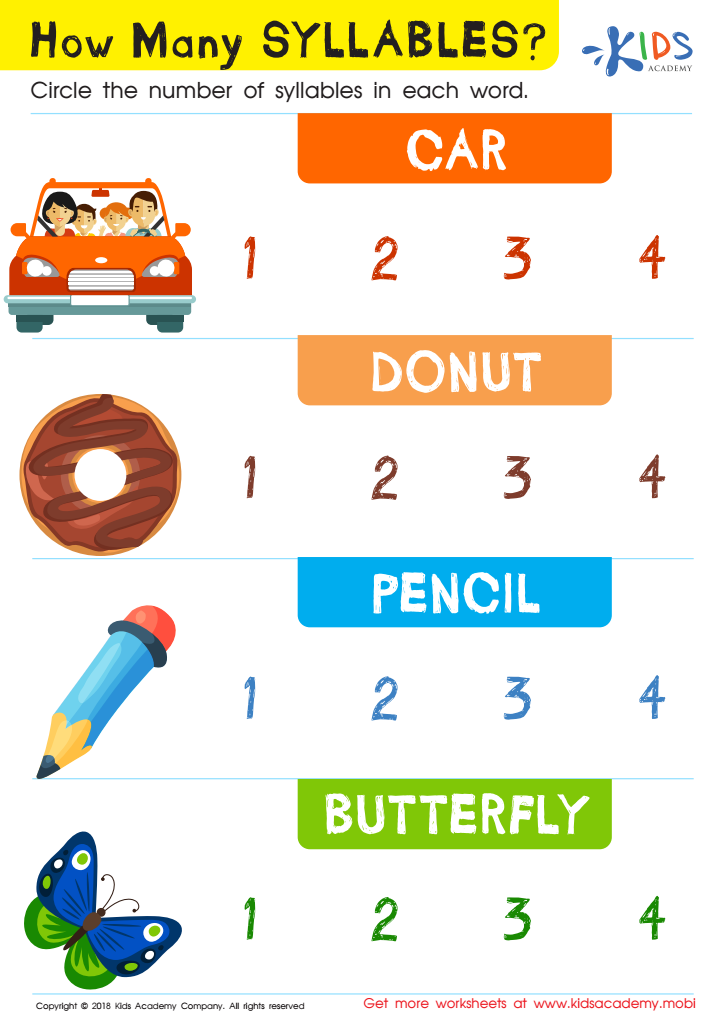
How Many Syllables? Worksheet
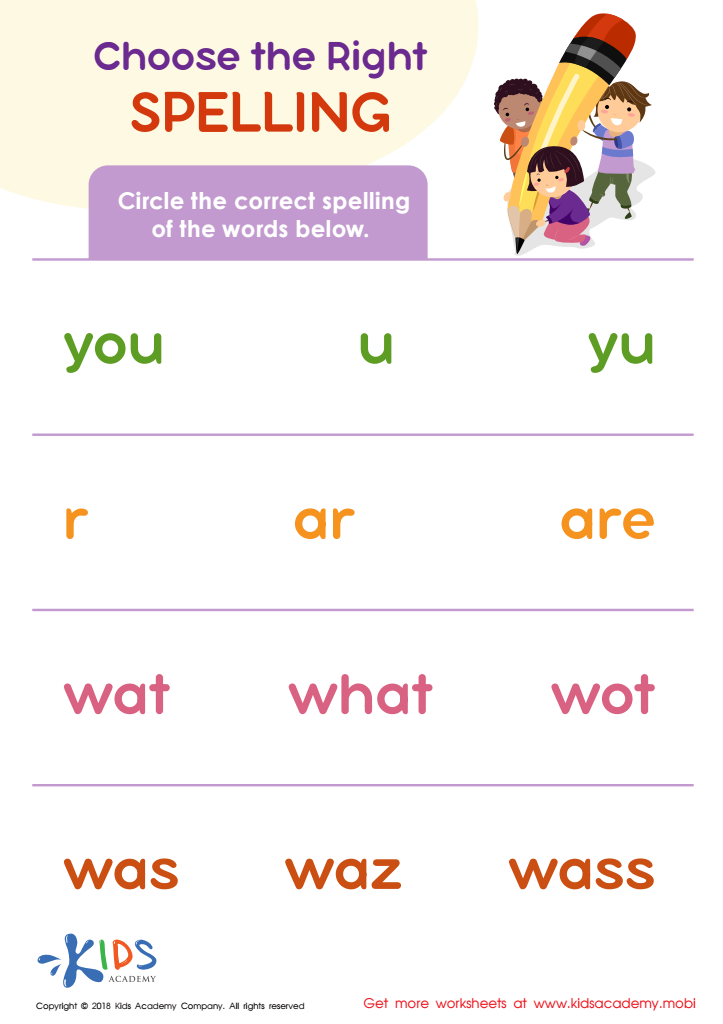
Choose the Right Spelling Worksheet
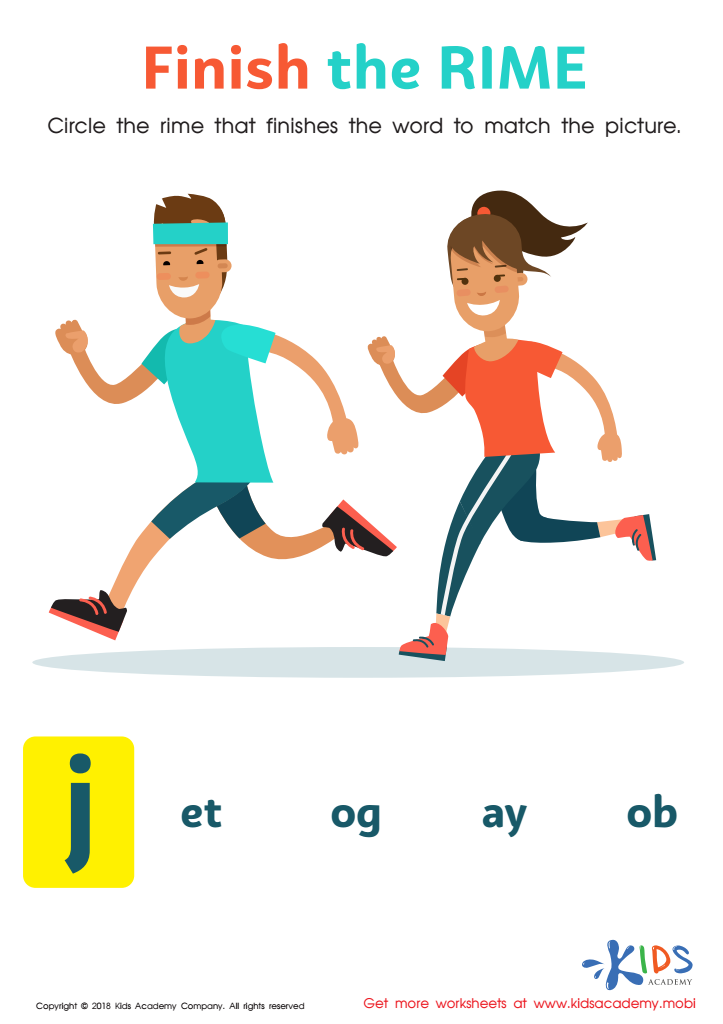
Finish the Rime Worksheet
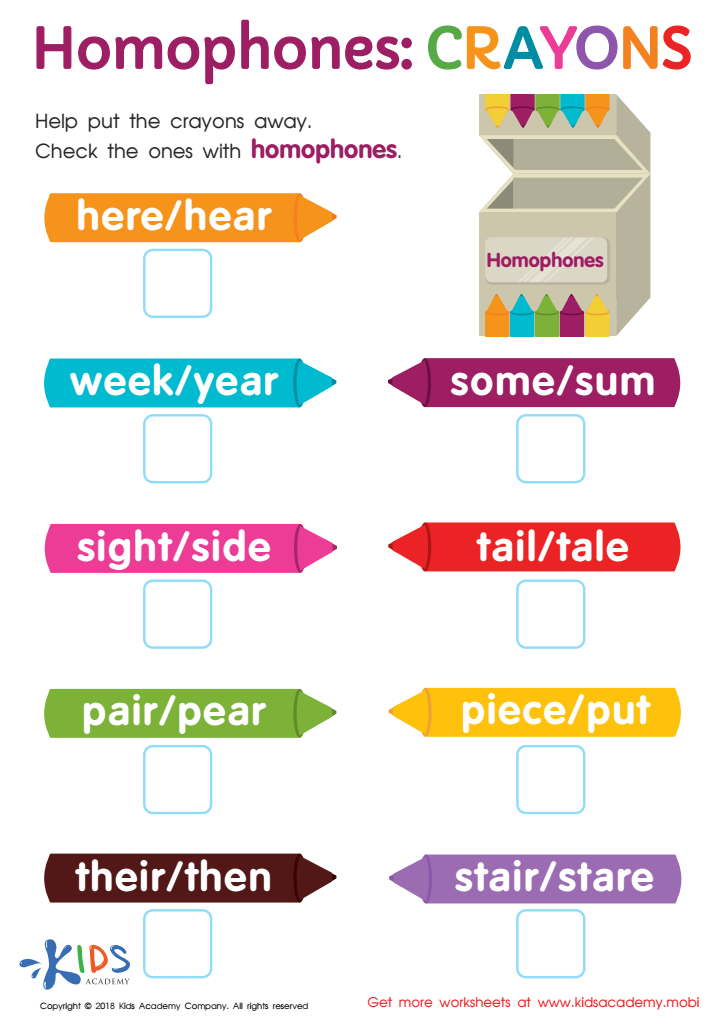
Homophones: Crayons Worksheet
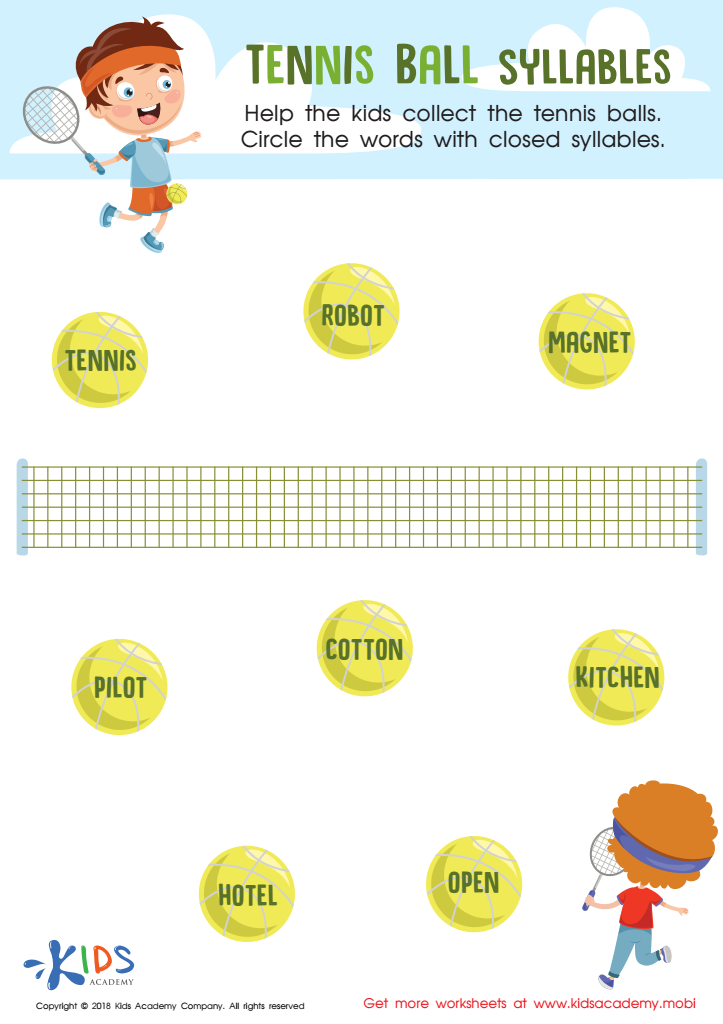
Tennis Ball Syllables Worksheet
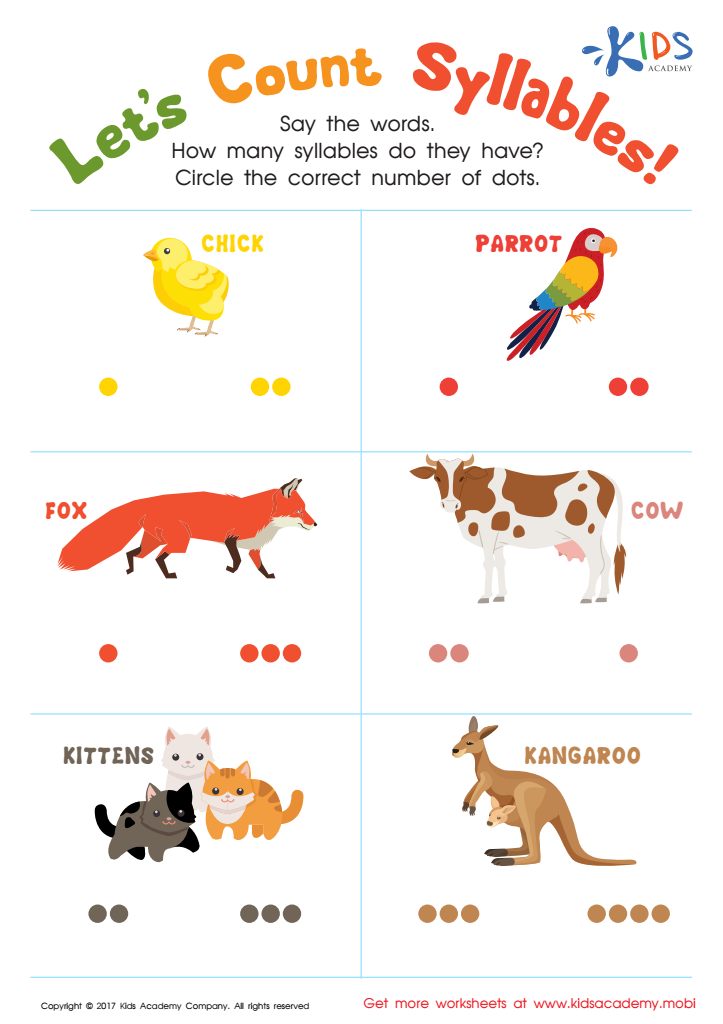
Lets Count Syllables Worksheet




Vocabulary enhancement through elementary phonics is crucial for children's literacy development and academic success. Phonics provides the foundational skills needed to decode words automatically, making reading more fluid and comprehension easier. When children develop strong phonics skills, they can recognize sounds and patterns, allowing for rapid vocabulary acquisition.
Parents and teachers should care about vocabulary enhancement because a rich vocabulary directly impacts a child's ability to express themselves, understand complex texts, and engage in conversations. A robust vocabulary is linked to improved writing skills and critical thinking, empowering students to articulate their ideas effectively.
Moreover, a strong vocabulary can boost a child’s confidence in the classroom and beyond, fostering a lifelong love for reading and learning. Enhanced vocabulary not only supports academic achievement but also prepares students for future challenges in higher education and the workforce.
In early grades, when children are naturally curious and eager to learn, interventions focused on phonics and vocabulary can yield significant benefits. Investing effort into vocabulary enhancement early on creates a solid foundation for lifelong learning, paving the way for success in all areas of life. Thus, both parents and teachers play a critical role in nurturing and supporting this development.







