Alphabet Recognition Alphabet Worksheets - Page 2
71 filtered results
-
From - To
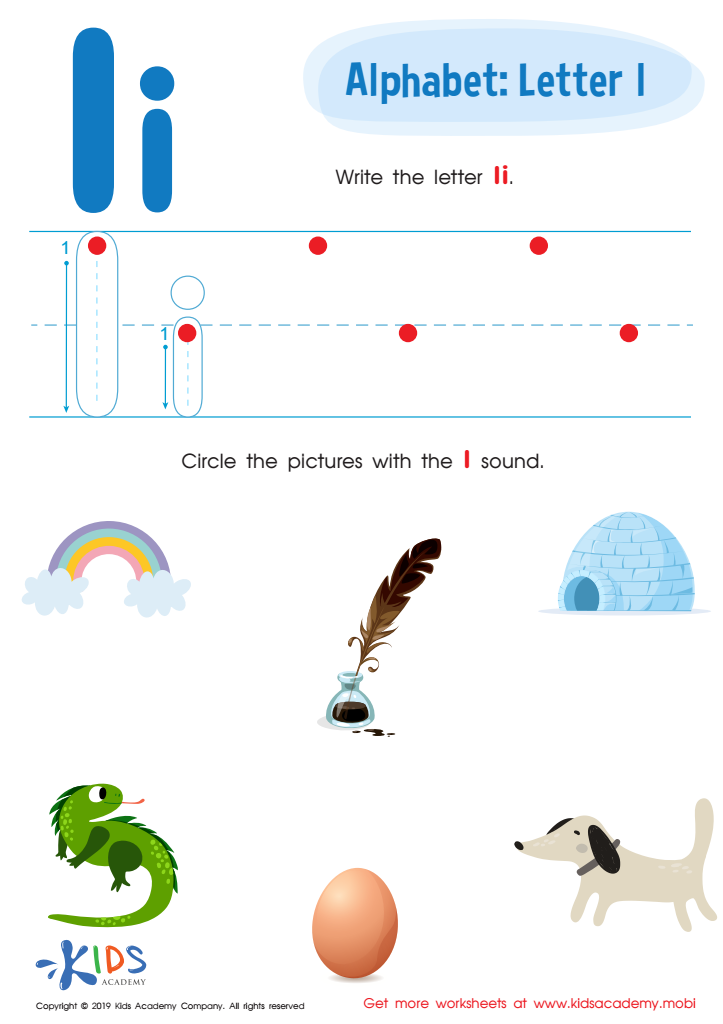
Letter I Tracing Worksheet
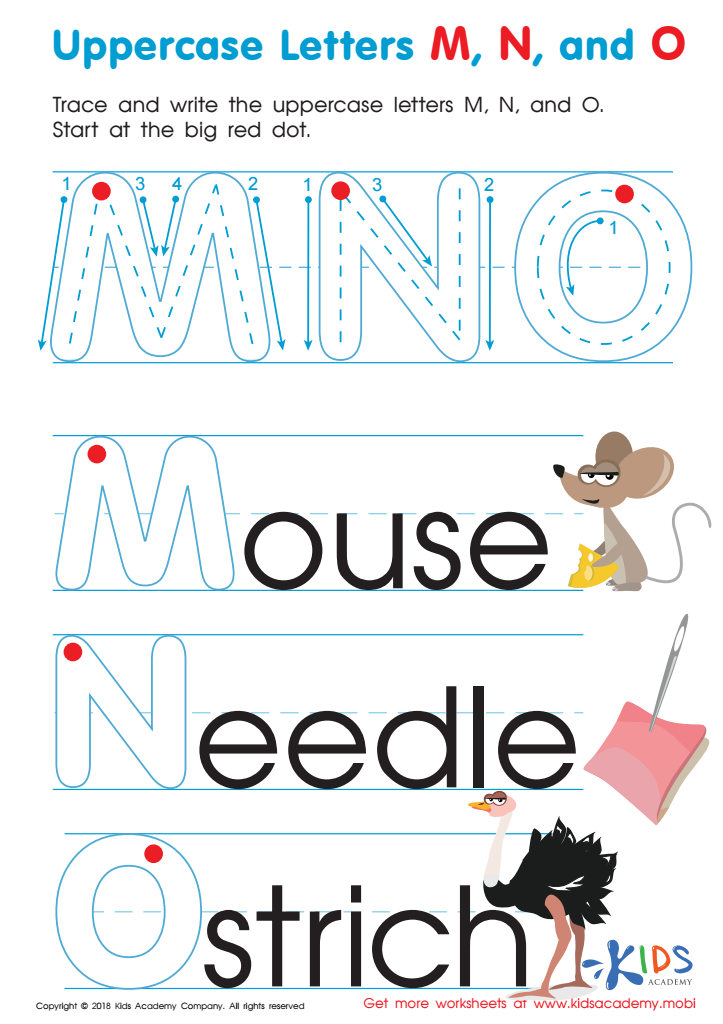
Uppercase Letters M, N, and O Worksheet
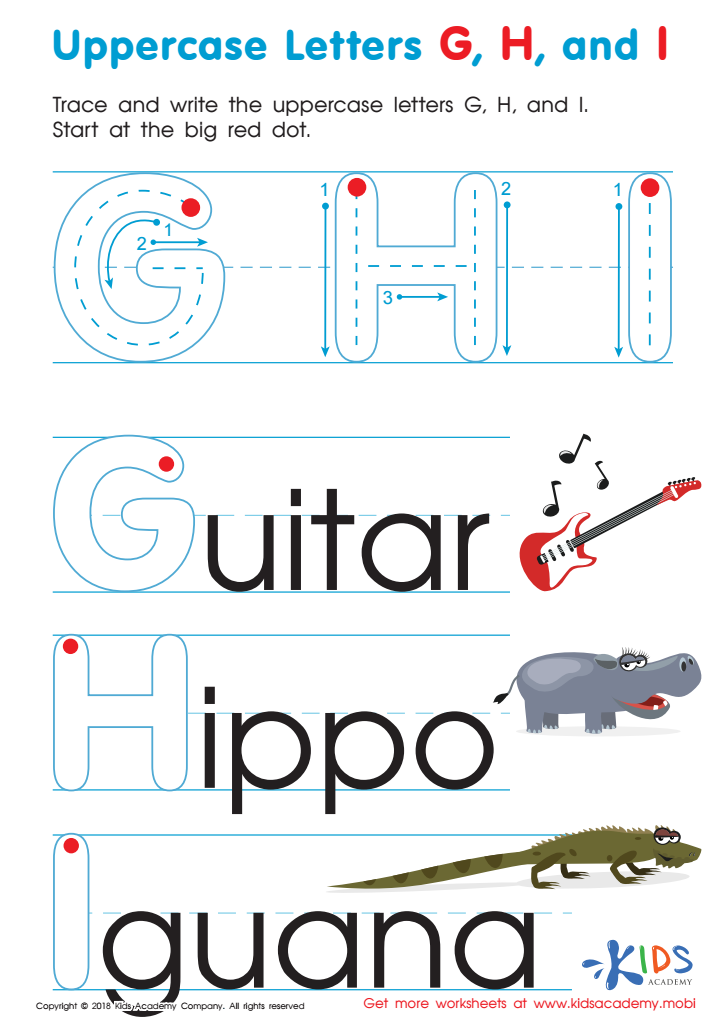
Uppercase Letters G, H, and I Worksheet
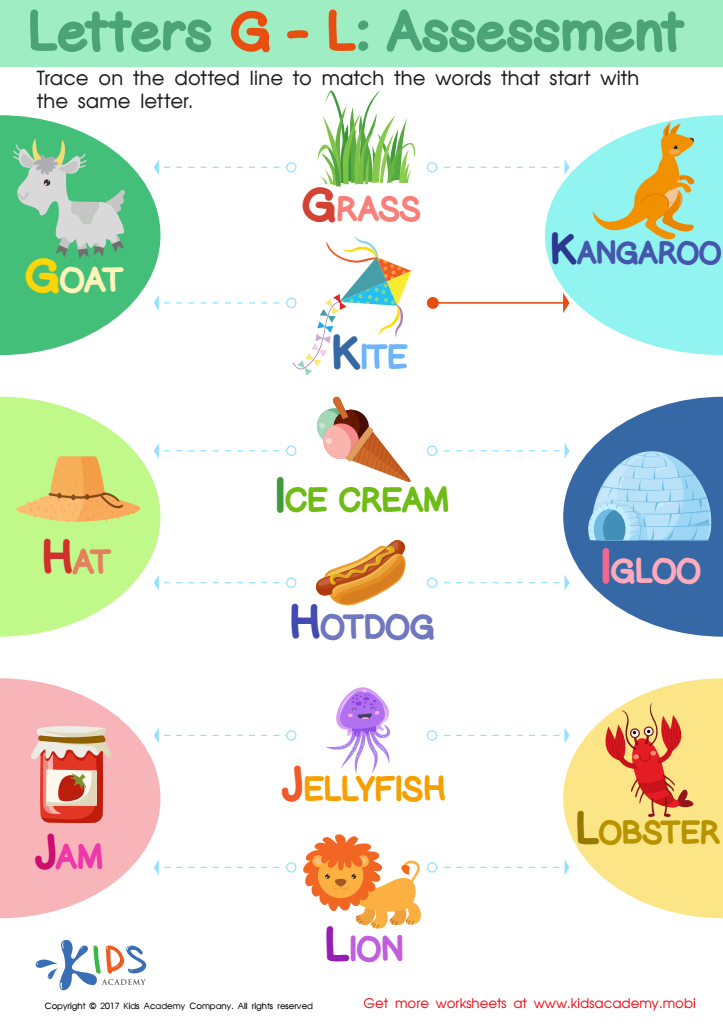
Letters G-L Worksheet
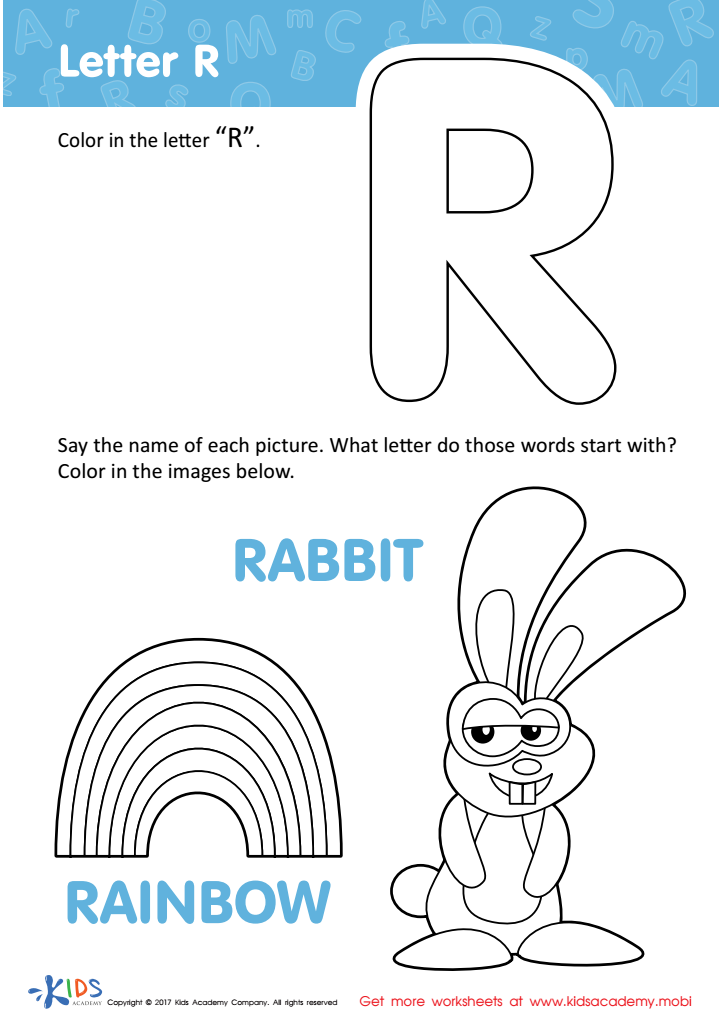
Letter R Coloring Sheet
 Assign to My Students
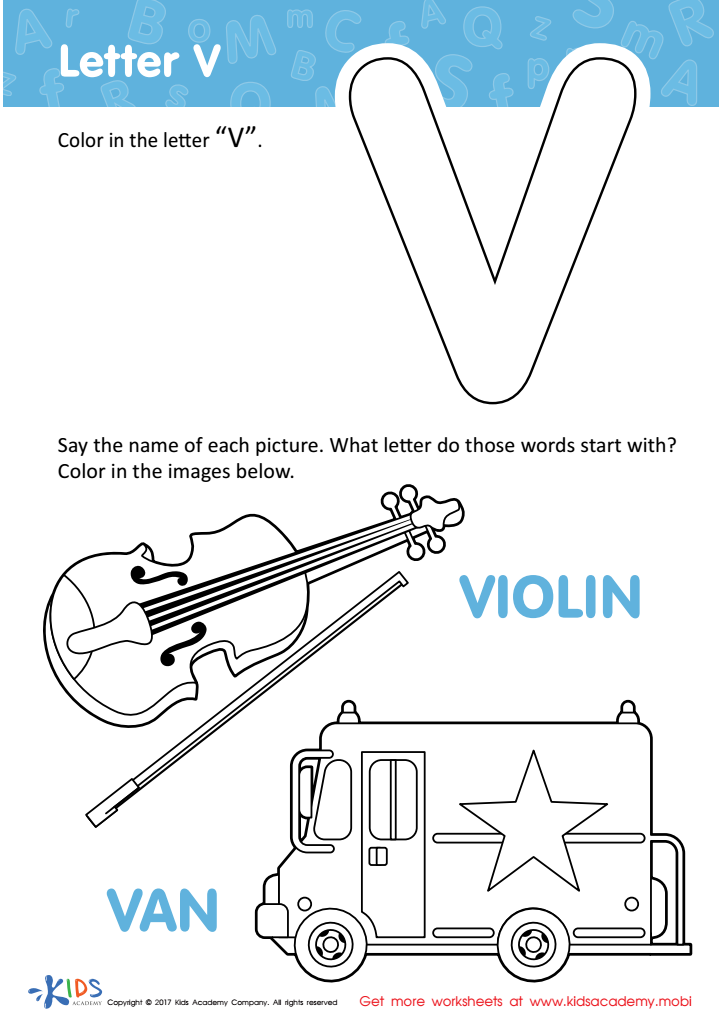
Letter V Coloring Sheet
Assign to My Students
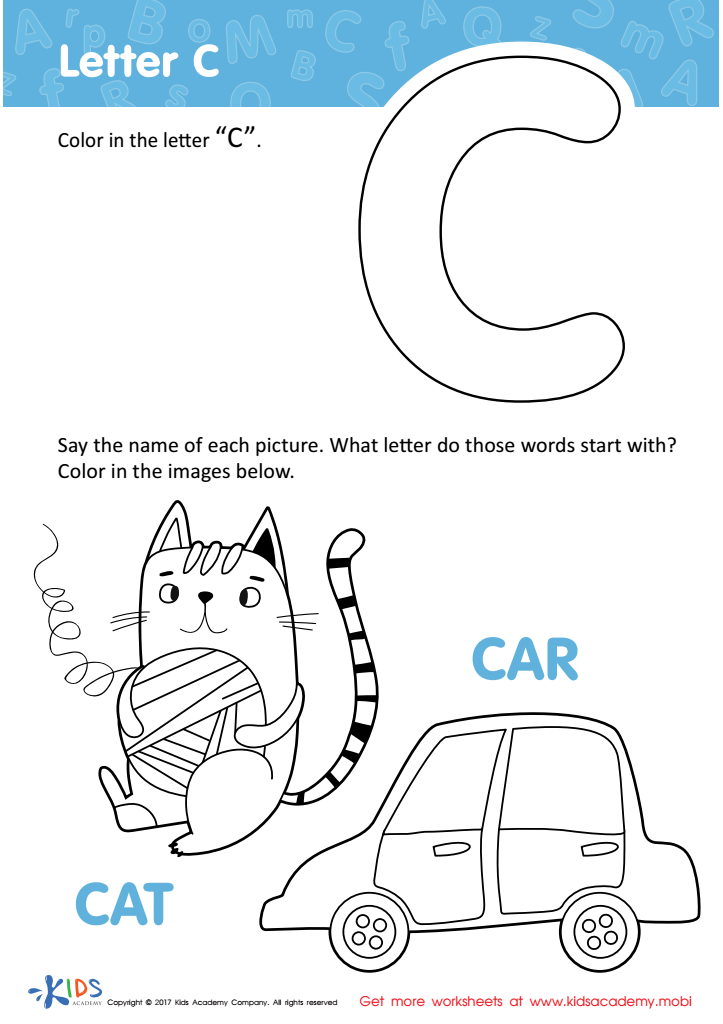
Letter C Coloring Sheet
Assign to My Students
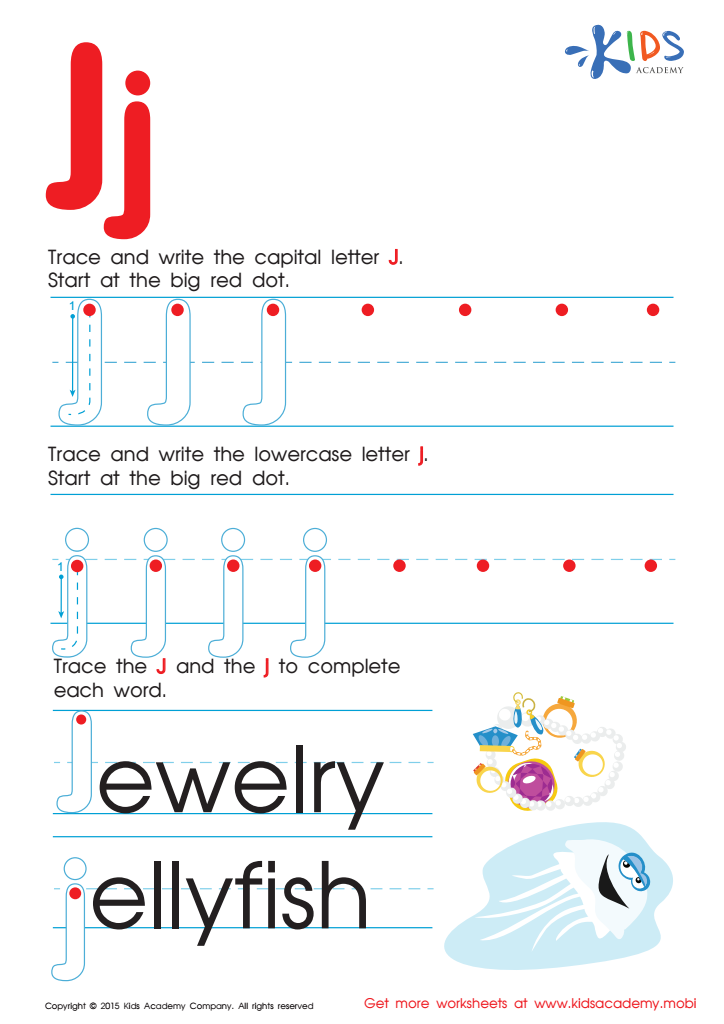
Letter J Tracing Page
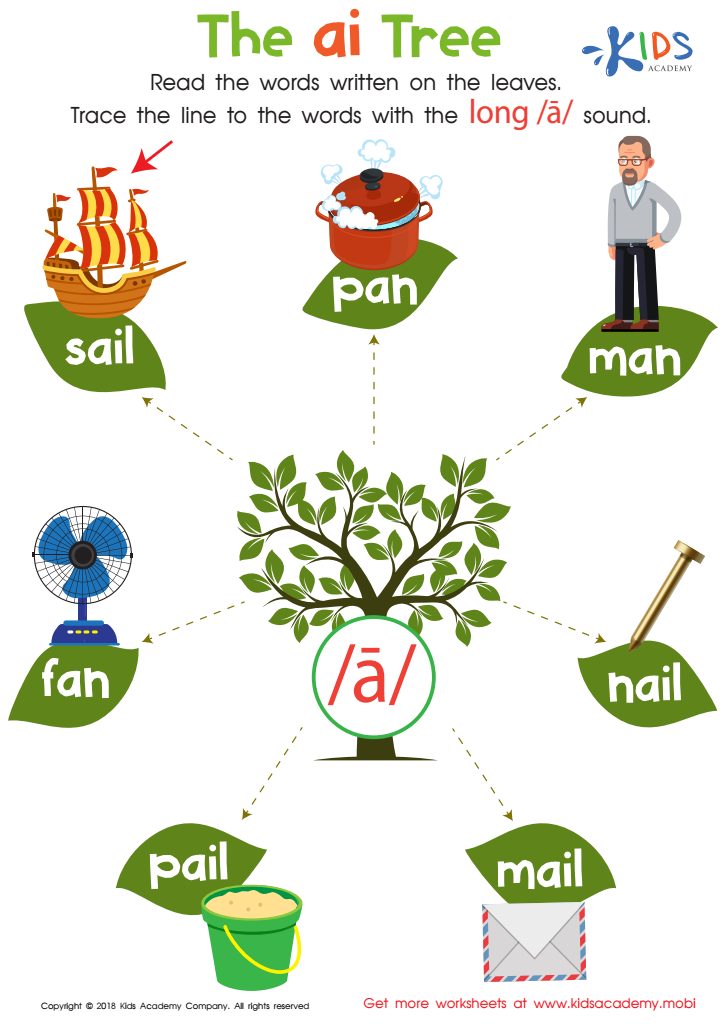
The AI Tree Worksheet
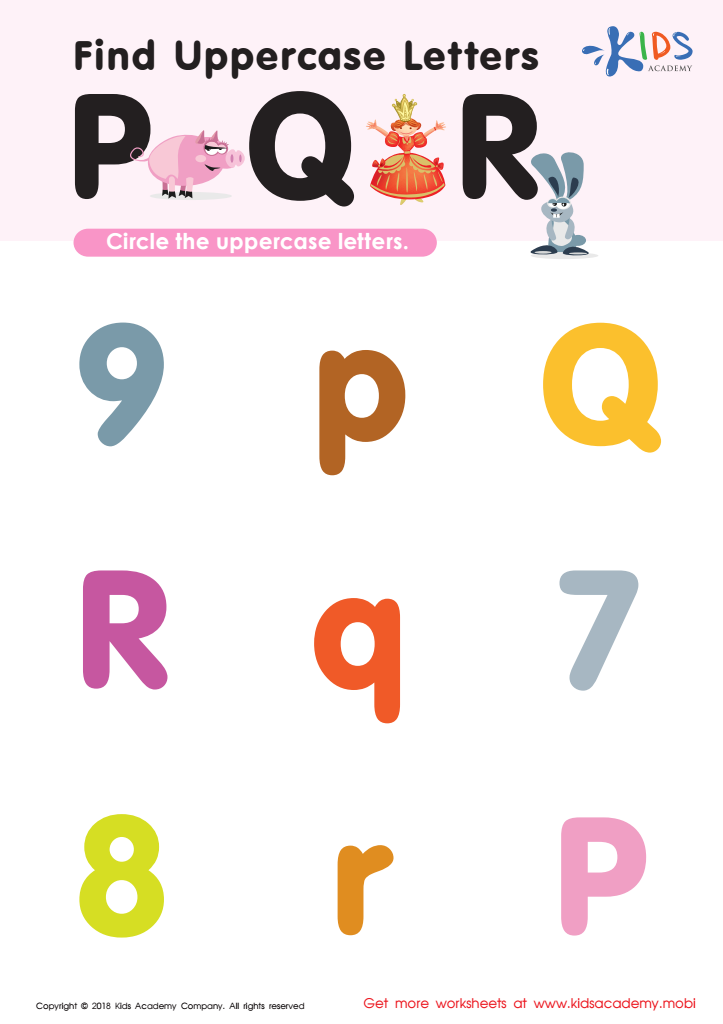
Find Uppercase Letters P, Q, and R Worksheet
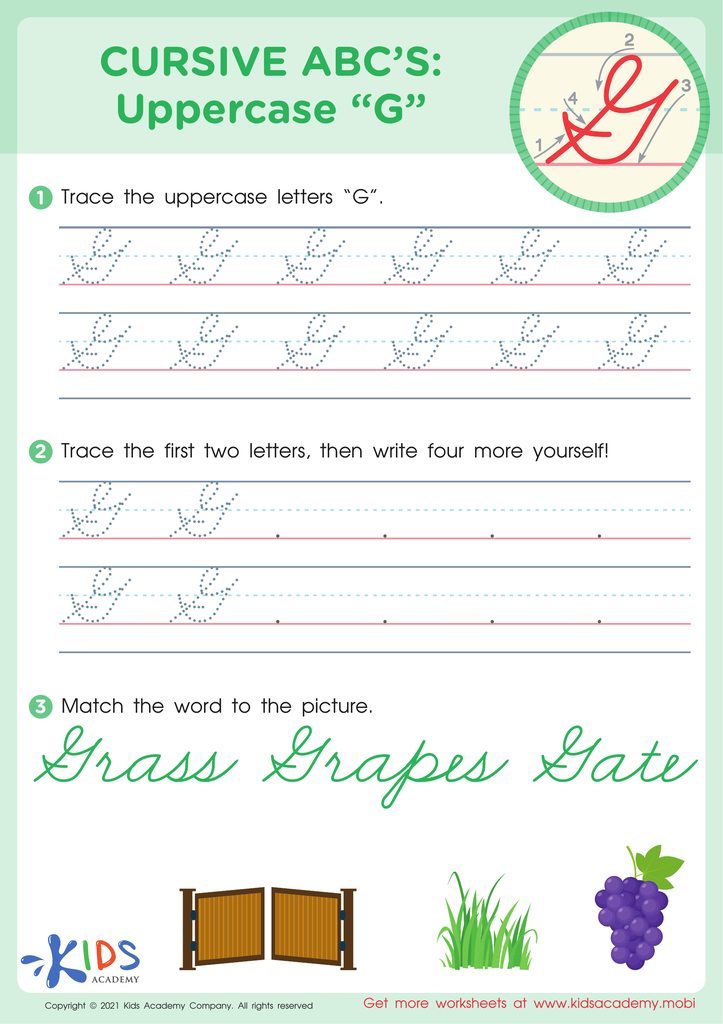
Cursive ABCs: Uppercase G
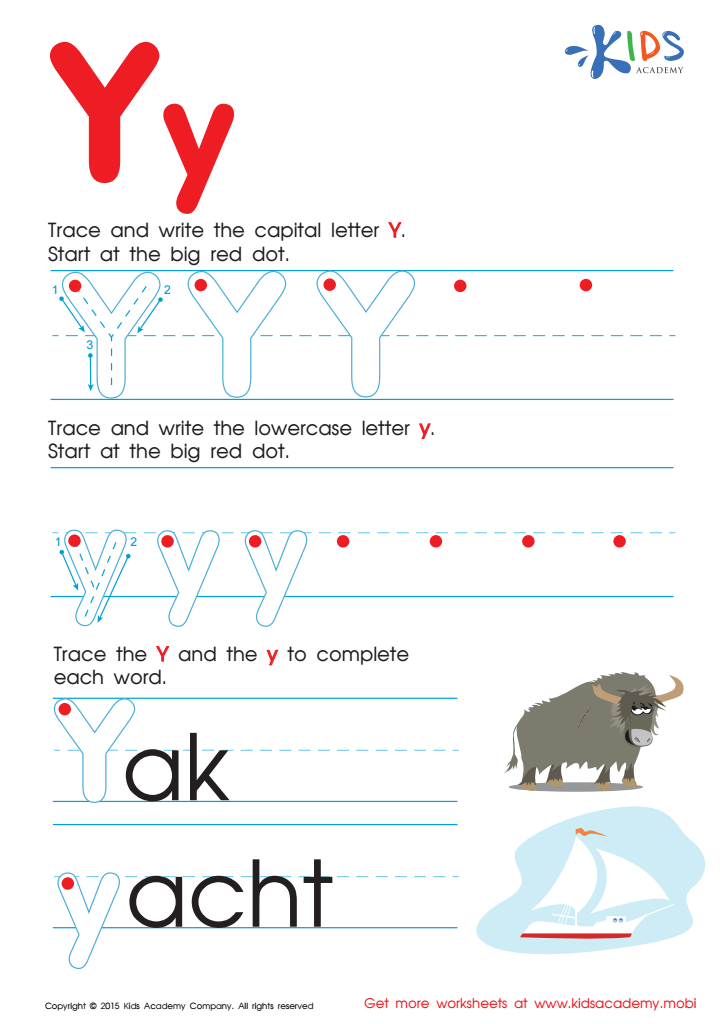
Letter Y Tracing Page
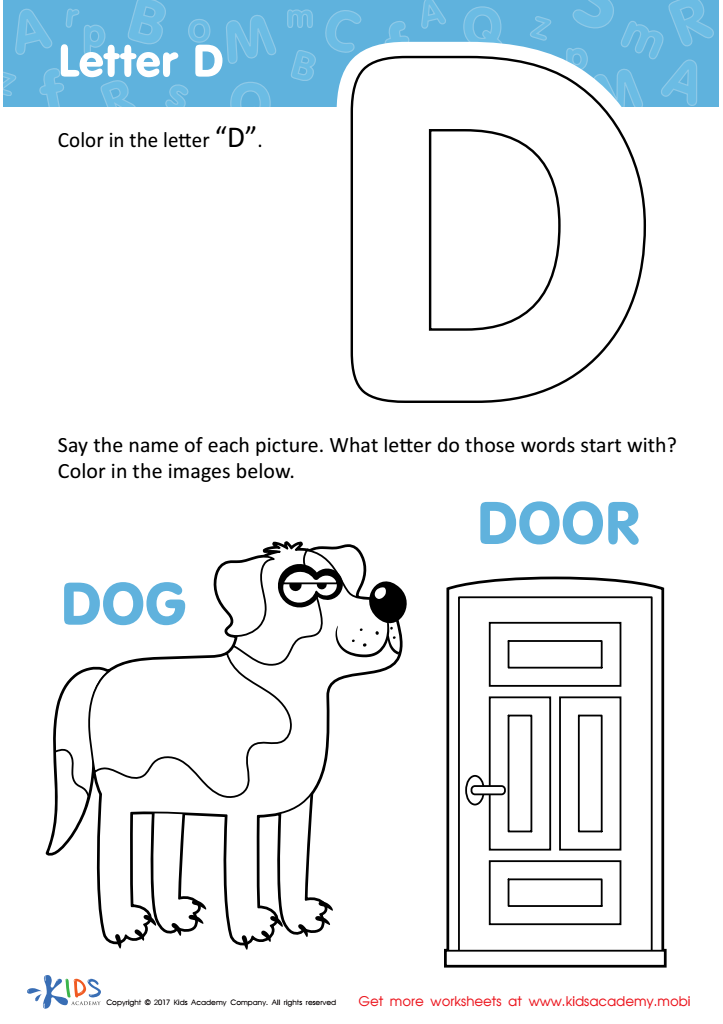
Letter D Coloring Sheet
Assign to My Students

Letter E Tracing Worksheet
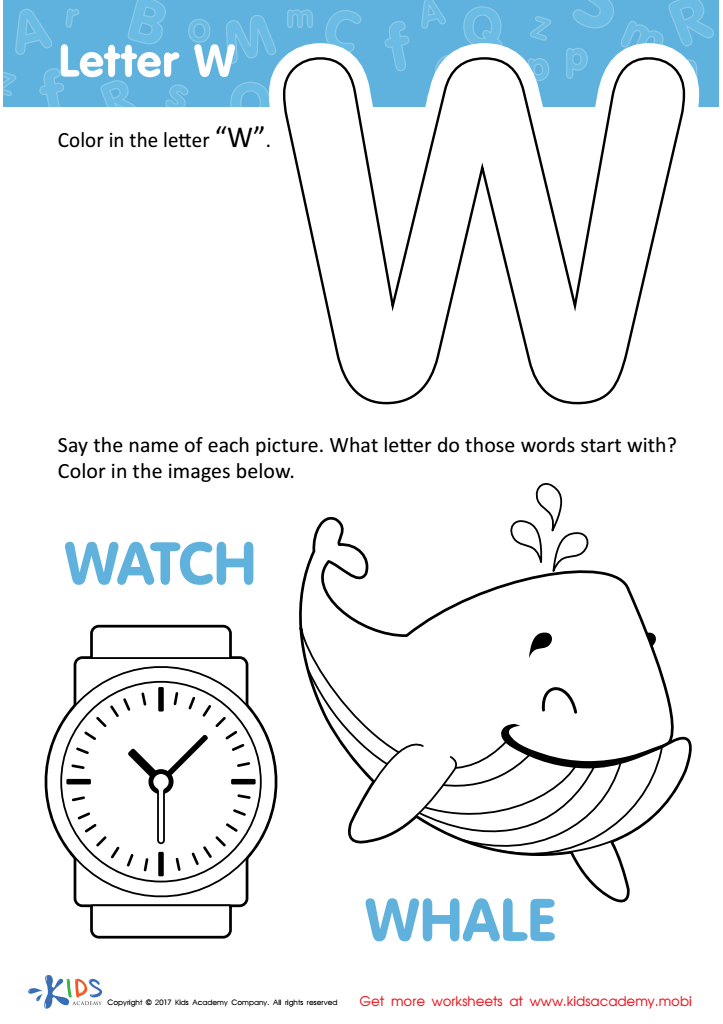
Letter W Coloring Sheet
Assign to My Students
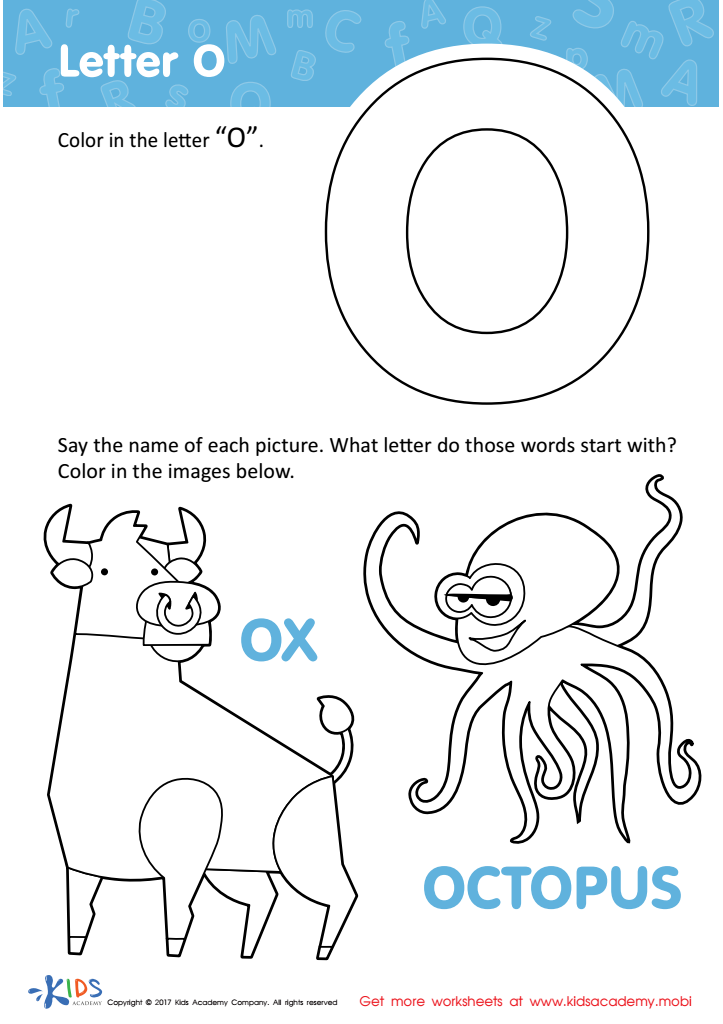
Letter O Coloring Sheet
Assign to My Students

Lowercase Letters m n o Worksheet
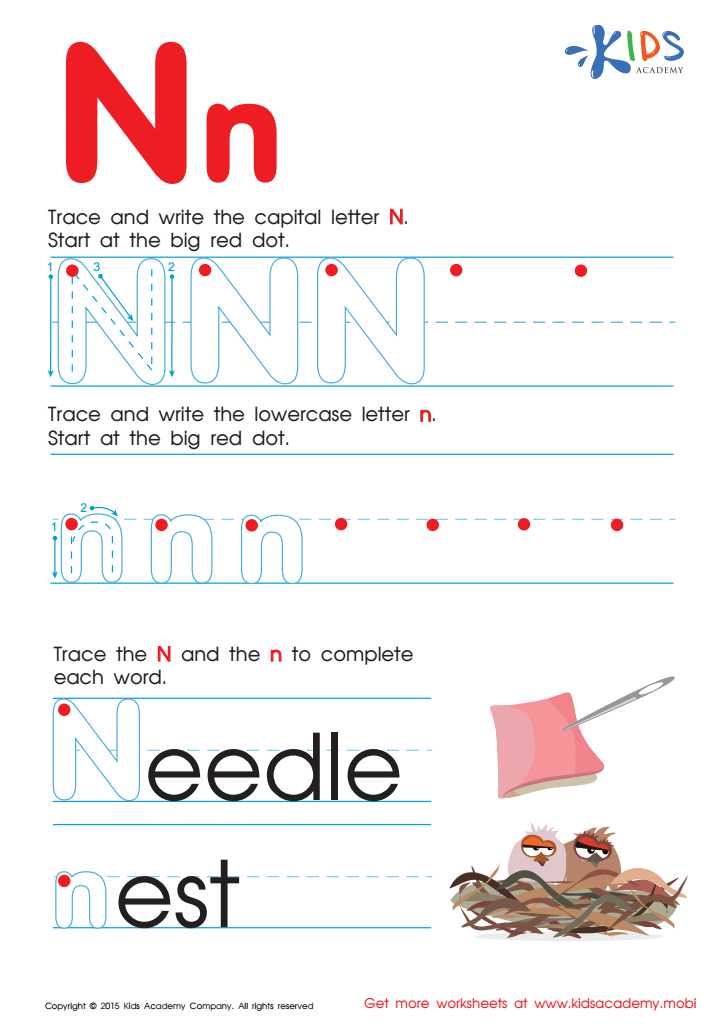
Letter N Tracing Page
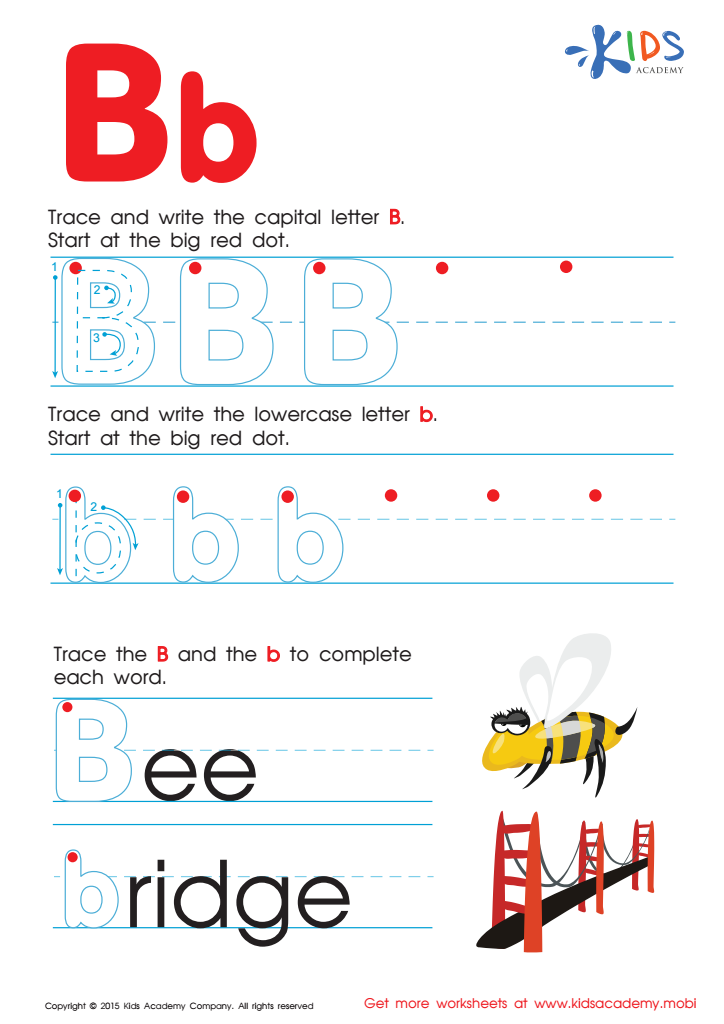
Letter B Tracing Page
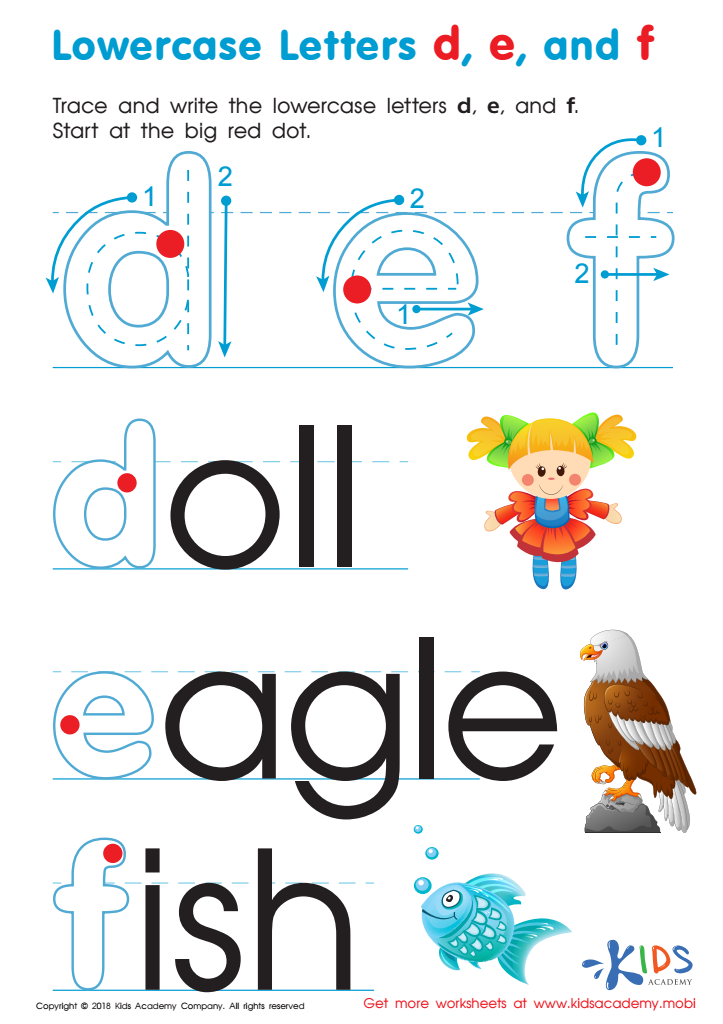
Lowercase Letters d e f Worksheet
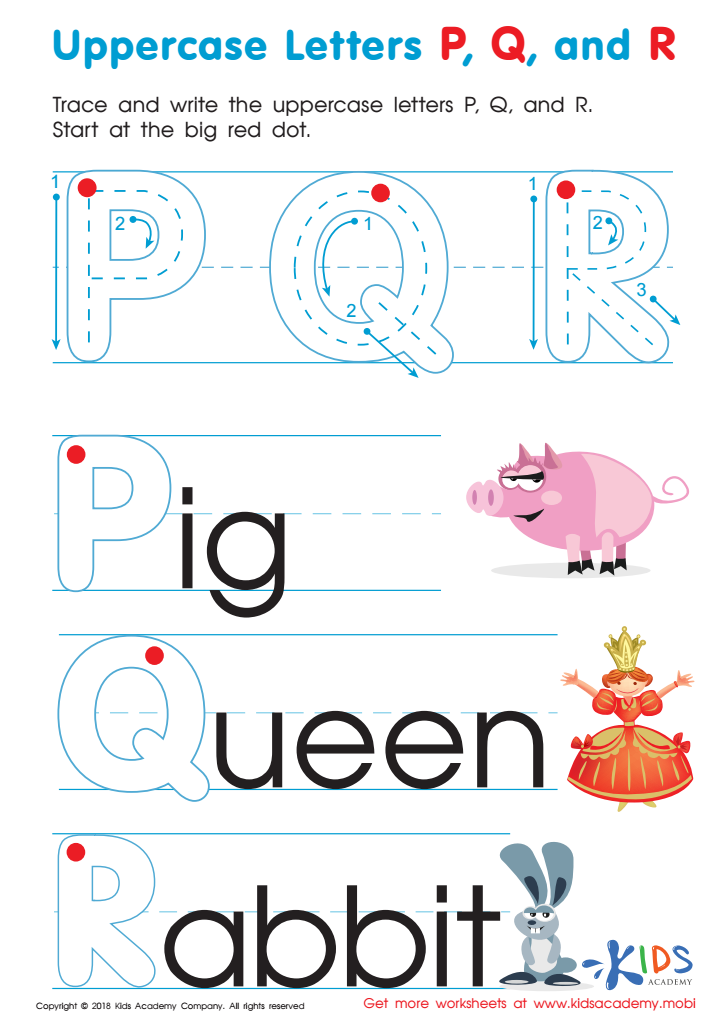
Uppercase Letters P, Q, and R Worksheet
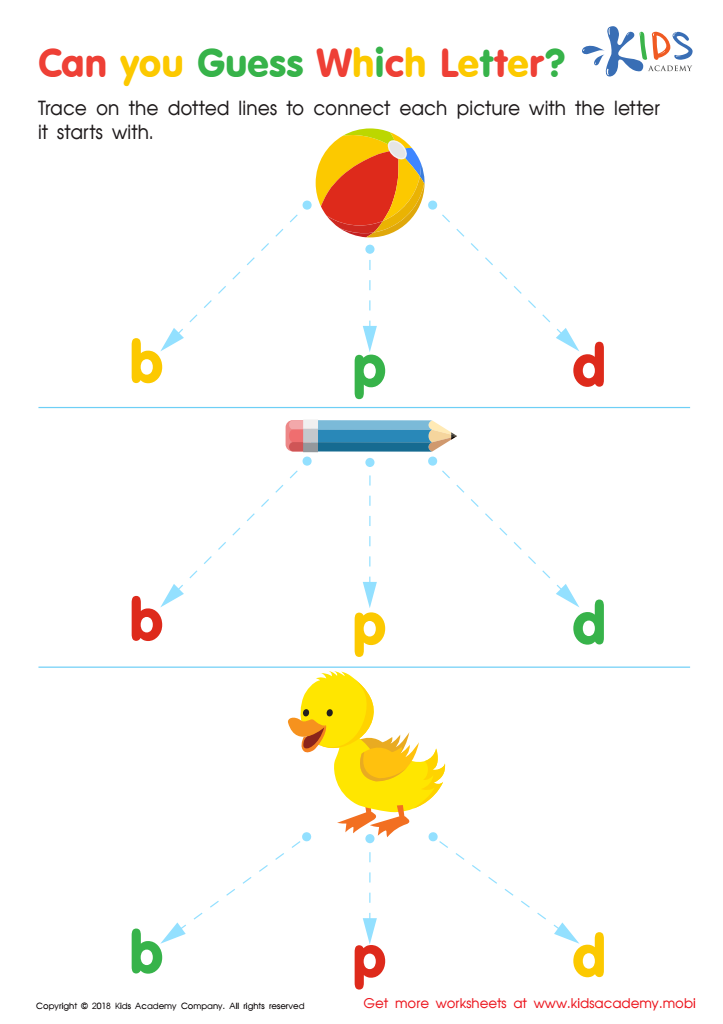
Can you Guess Which Letter? Worksheet
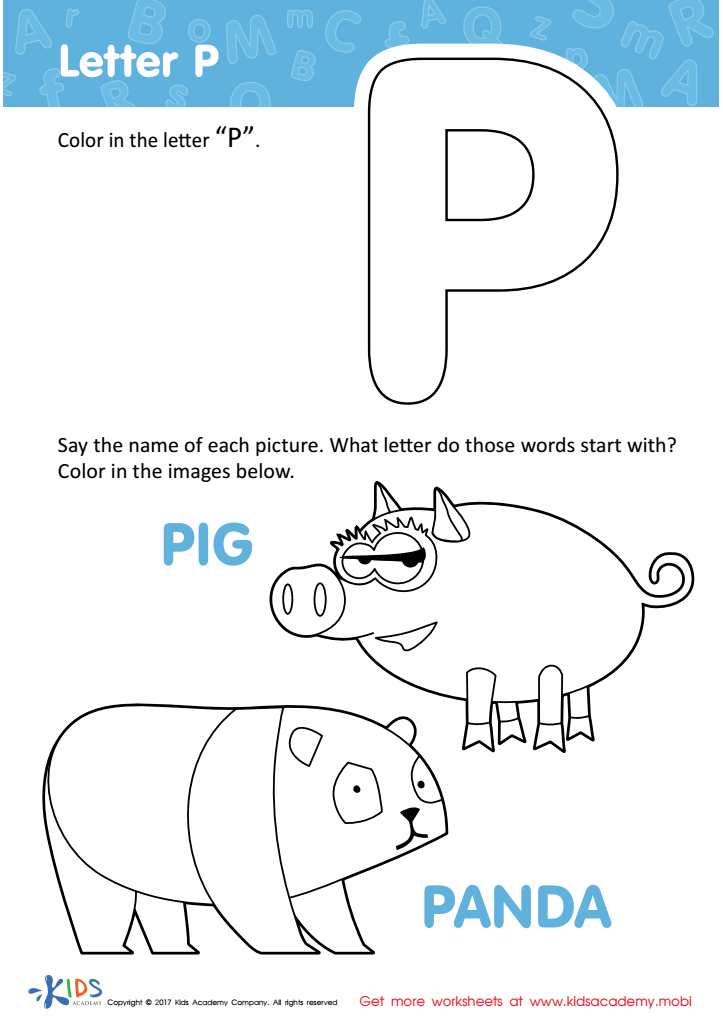
Letter P Coloring Sheet
Assign to My Students
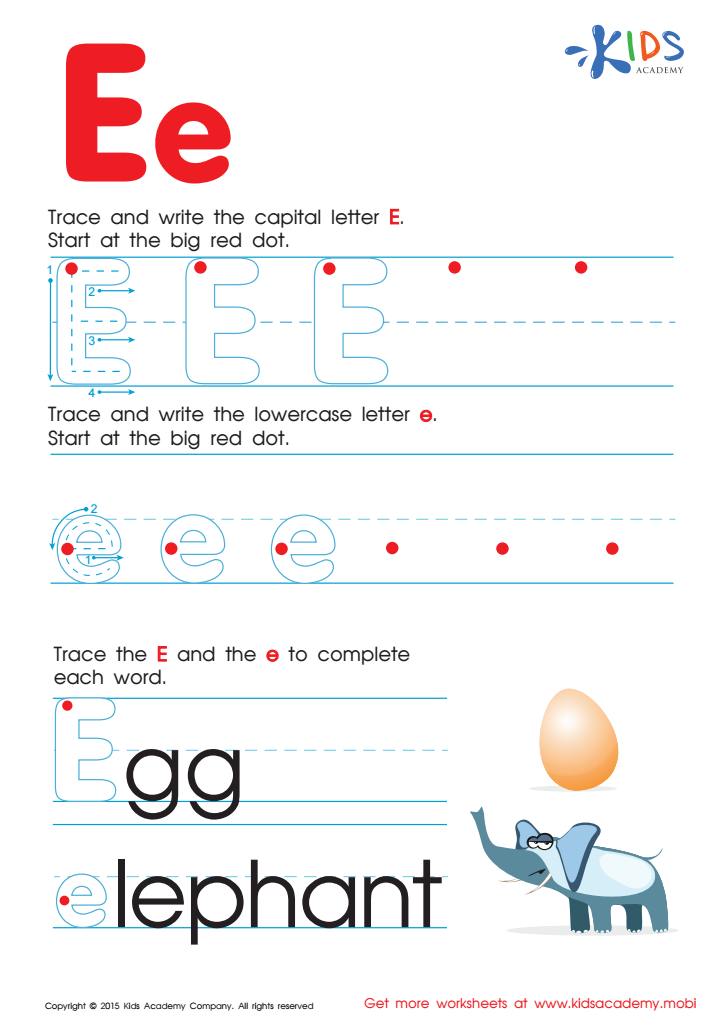
Letter E Tracing Page








Alphabet recognition is a foundational skill essential for early literacy development. Parents and teachers should prioritize this skill as it serves as a springboard for children's reading and writing abilities. Recognizing letters helps young learners understand their sounds and shapes, making it easier for them to decode language later on.
Fostering alphabet recognition can enhance a child's confidence, making them more enthusiastic about learning. It also lays the groundwork for vocabulary expansion, spelling, and effective communication. When children can identify letters, they can begin to grasp the relationship between spoken and written language, critical for developing reading fluency.
Additionally, children often face a range of challenges in their journey to learn the alphabet, such as differing learning styles and paces. By ensuring they engage with alphabet recognition activities, parents and teachers can cater to diverse needs, providing supportive environments for every child.
Incorporating games, songs, and hands-on activities can make learning more engaging and enjoyable. Thus, a focus on alphabet recognition not only empowers children academically but also nurtures their love for learning, setting a strong foundation for future educational success.







