Handwriting practice Alphabet Worksheets - Page 2
55 filtered results
-
From - To
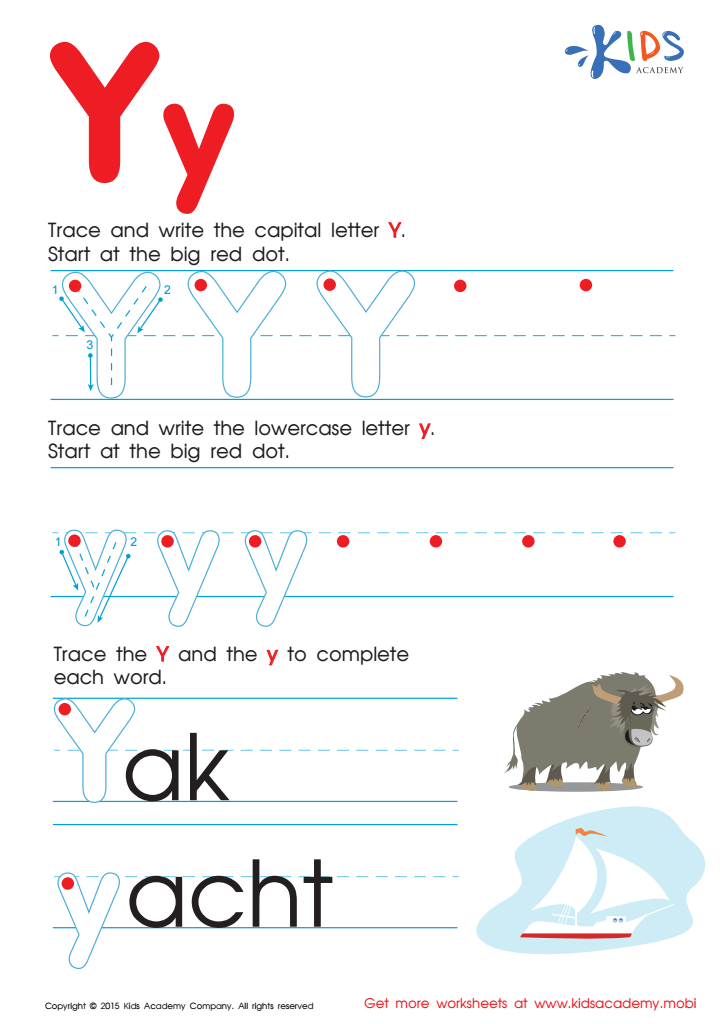
Letter Y Tracing Page
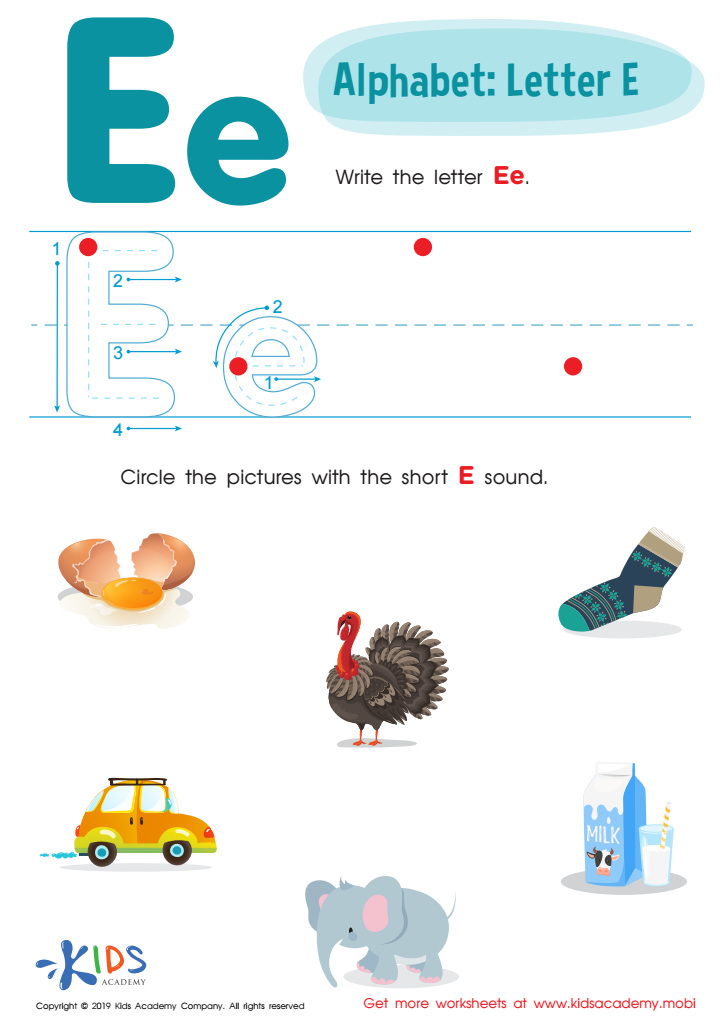
Letter E Tracing Worksheet
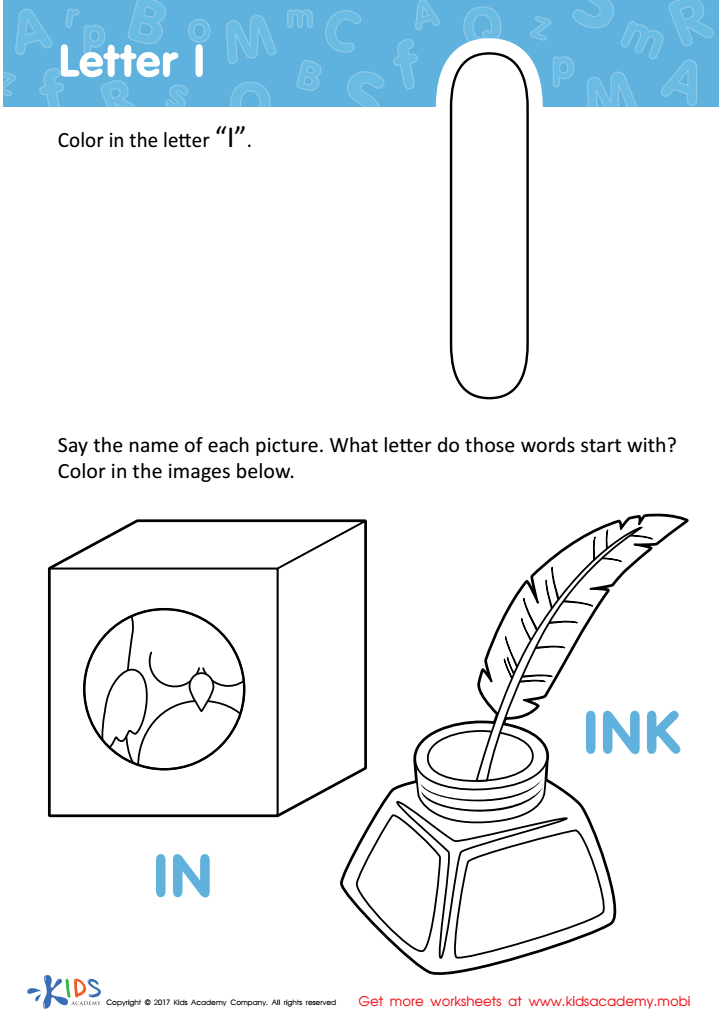
Letter I Coloring Sheet
 Assign to My Students
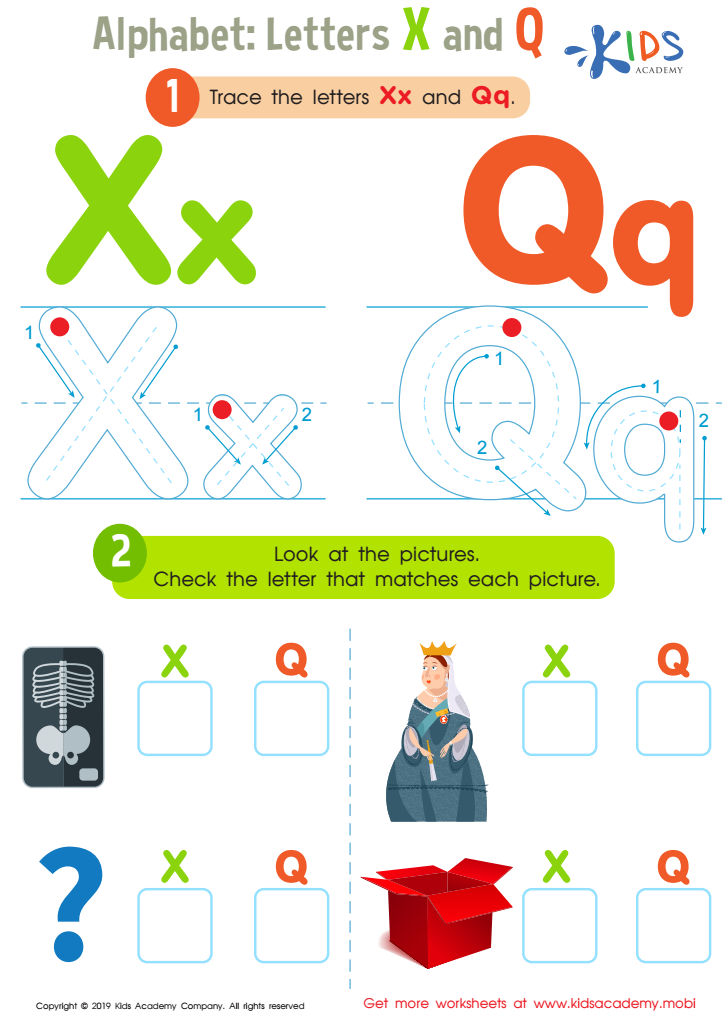
Letters X and Q Tracing Worksheet
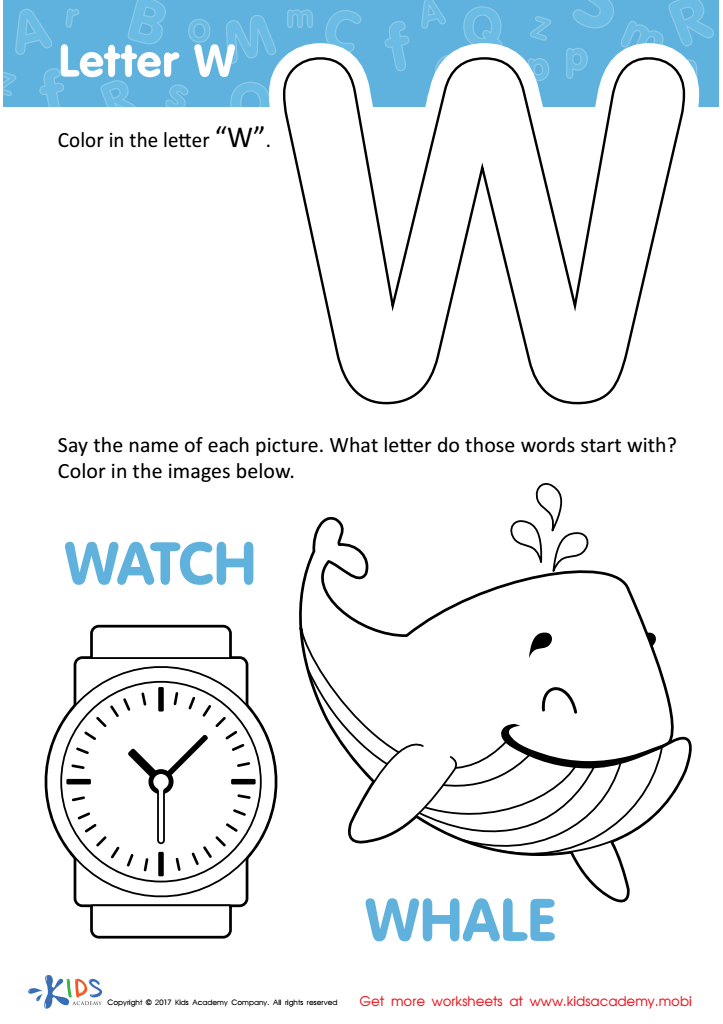
Letter W Coloring Sheet
Assign to My Students
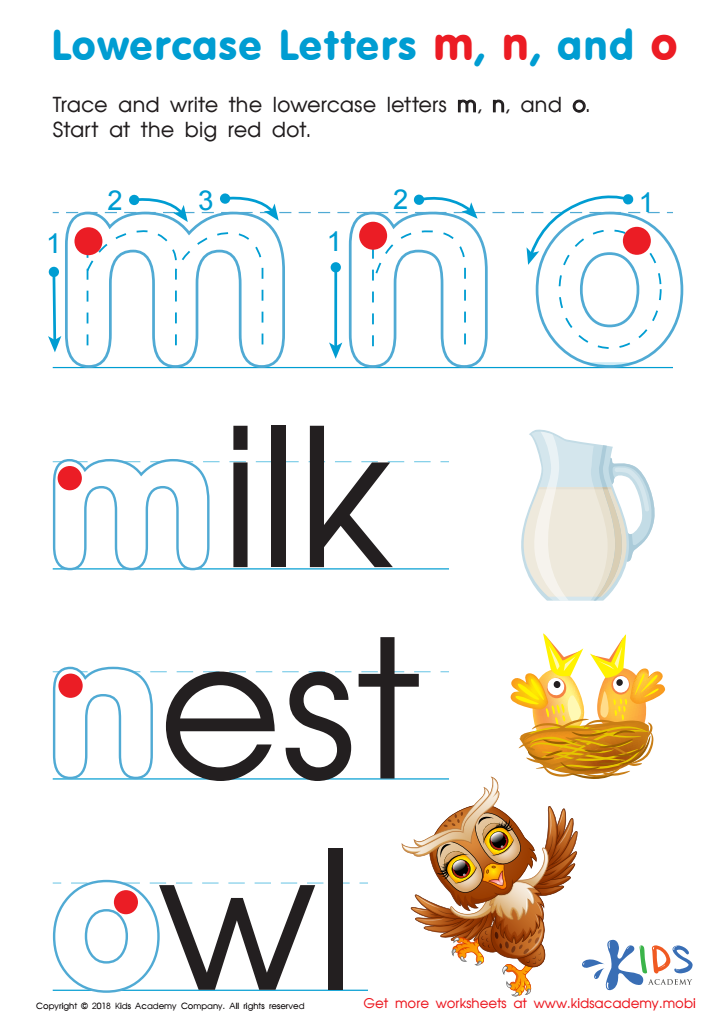
Lowercase Letters m n o Worksheet
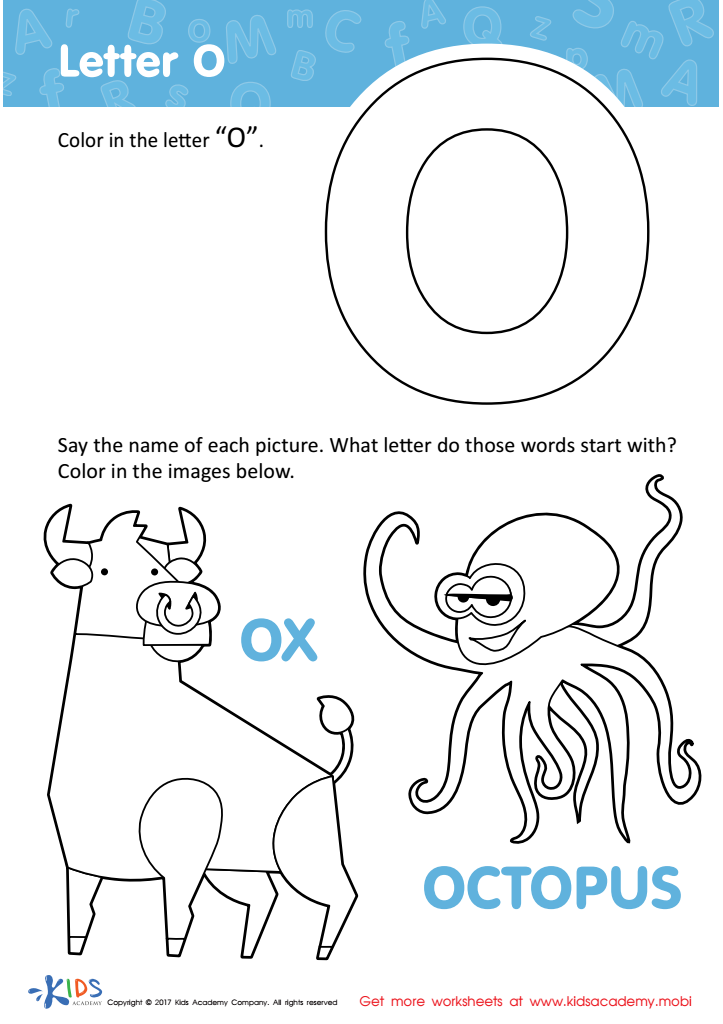
Letter O Coloring Sheet
Assign to My Students
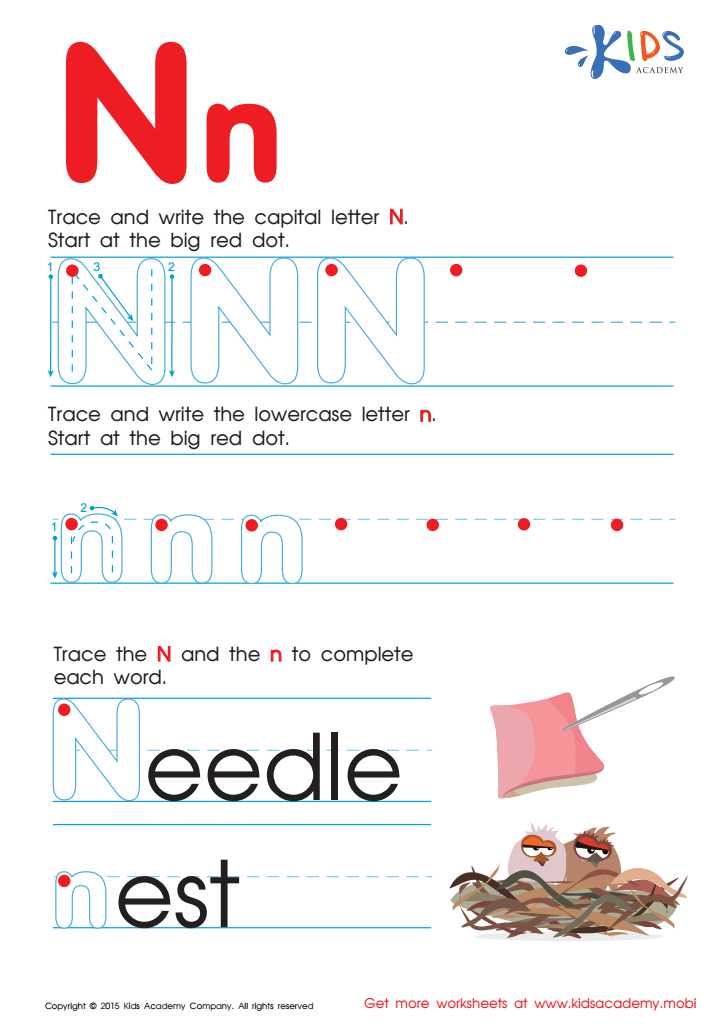
Letter N Tracing Page
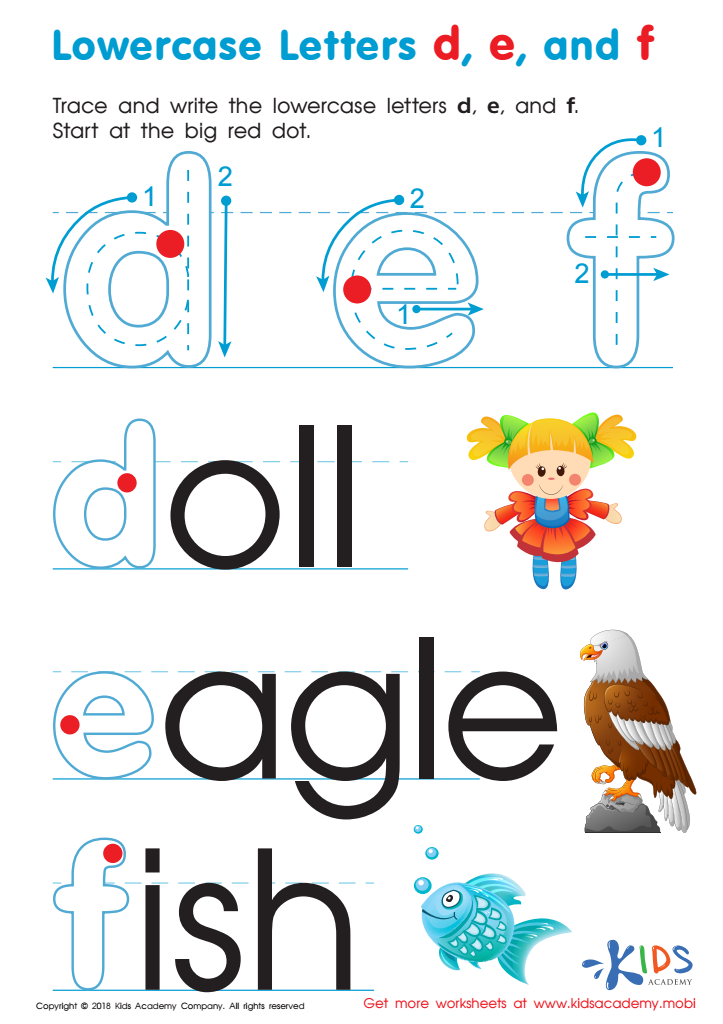
Lowercase Letters d e f Worksheet
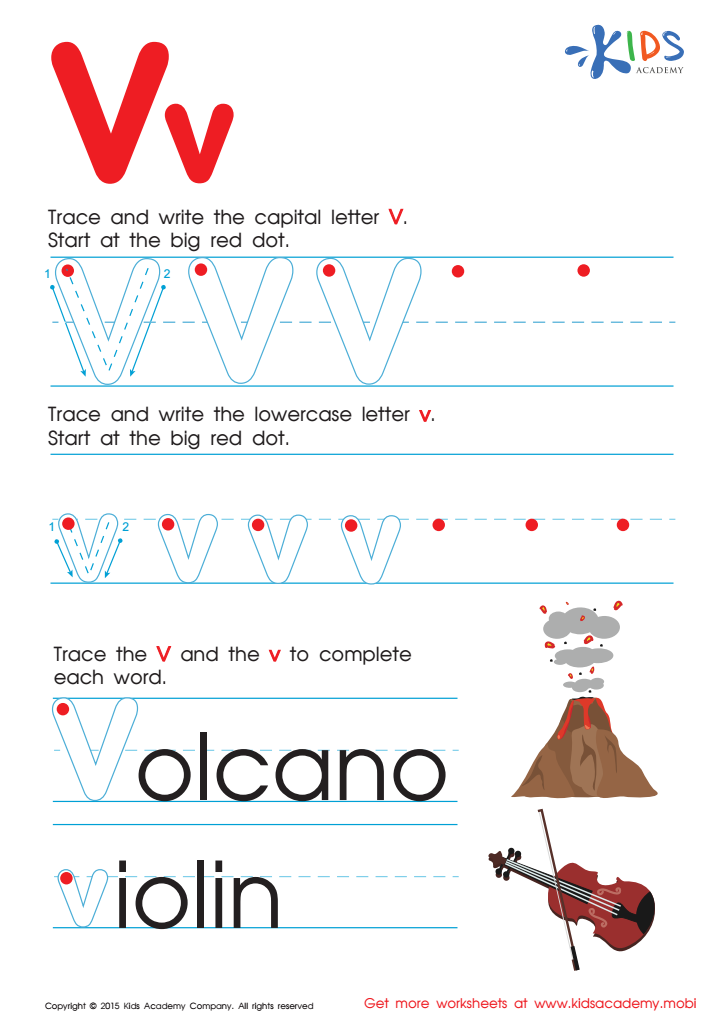
Letter V Tracing Page
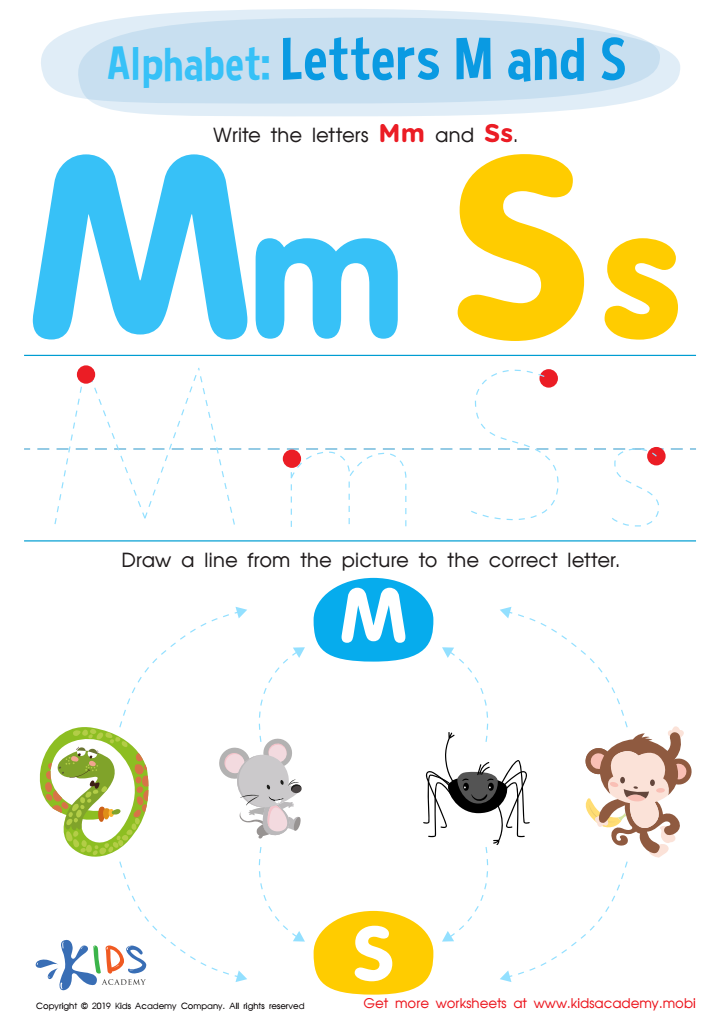
Letters M and S Tracing Worksheet
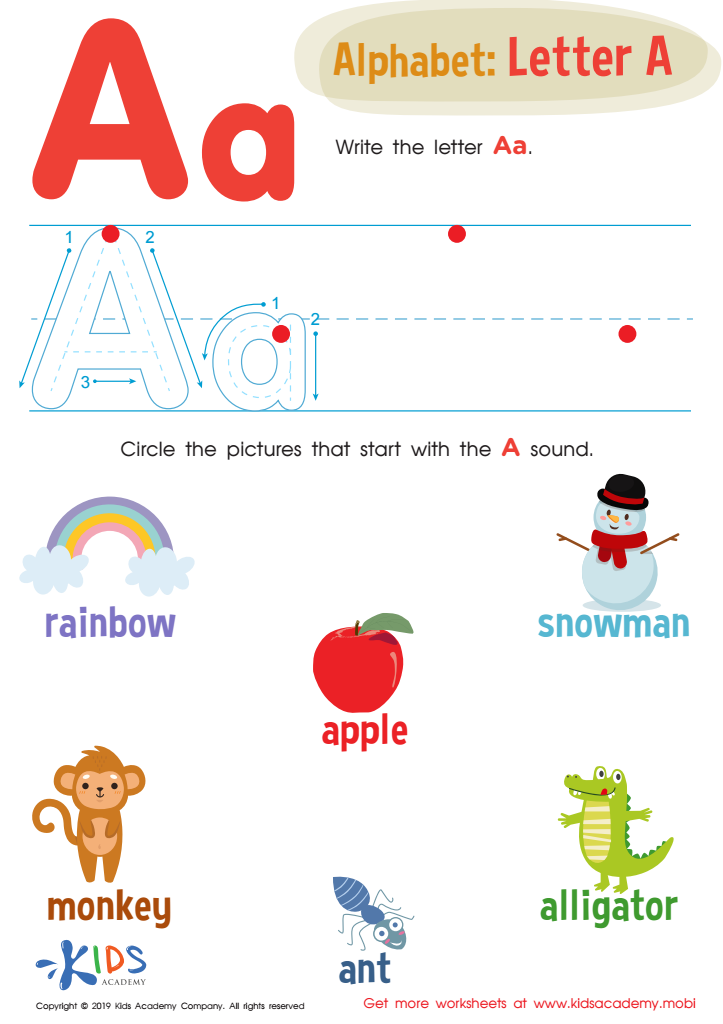
Letter A Tracing Worksheet
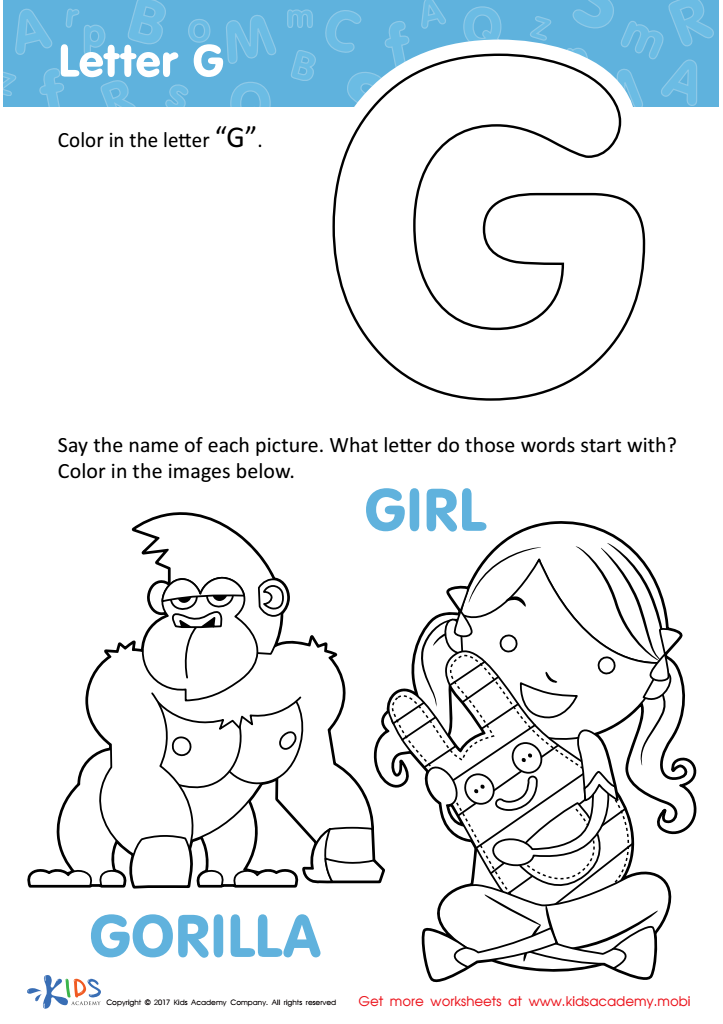
Letter G Coloring Sheet
Assign to My Students
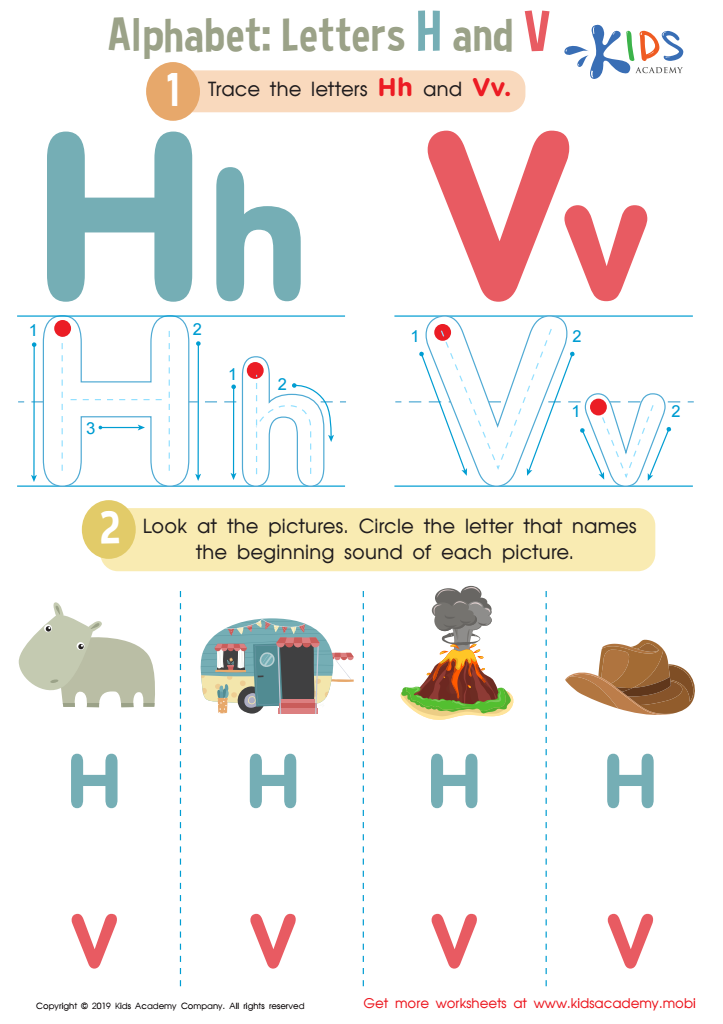
Letters H and V Tracing Worksheet
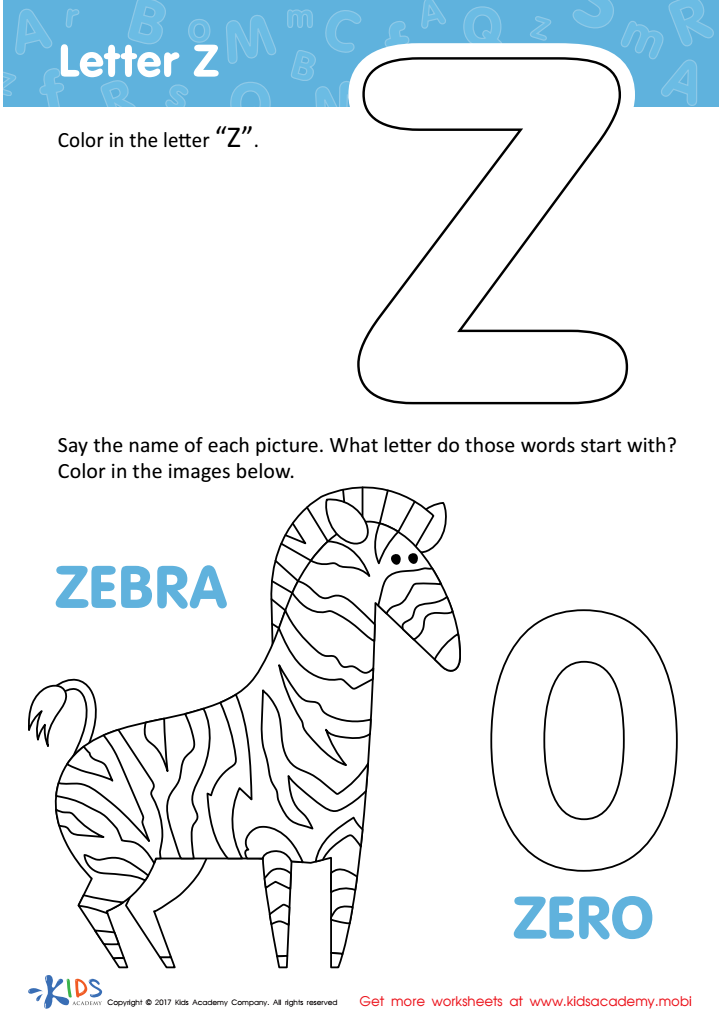
Letter Z Coloring Sheet
Assign to My Students
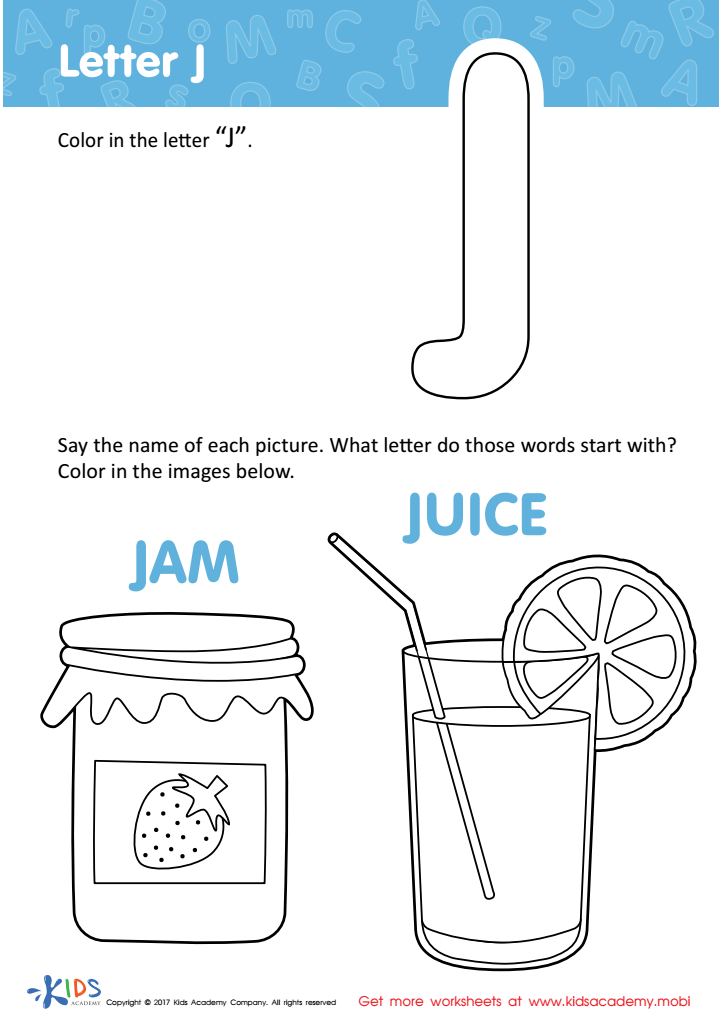
Letter J Coloring Sheet
Assign to My Students
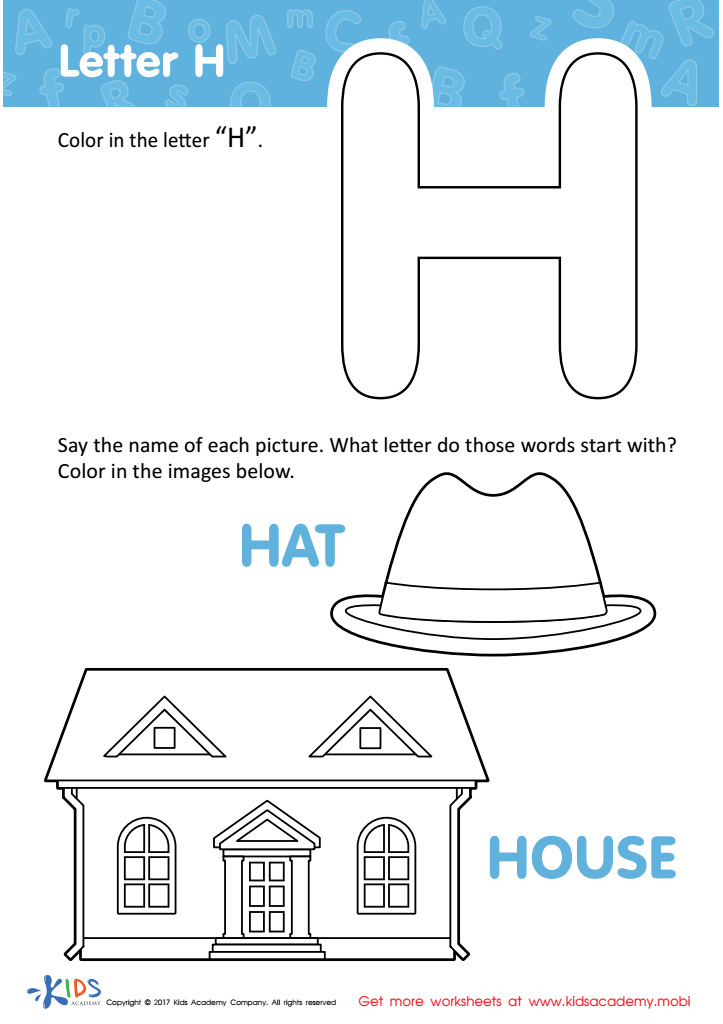
Letter H Coloring Sheet
Assign to My Students
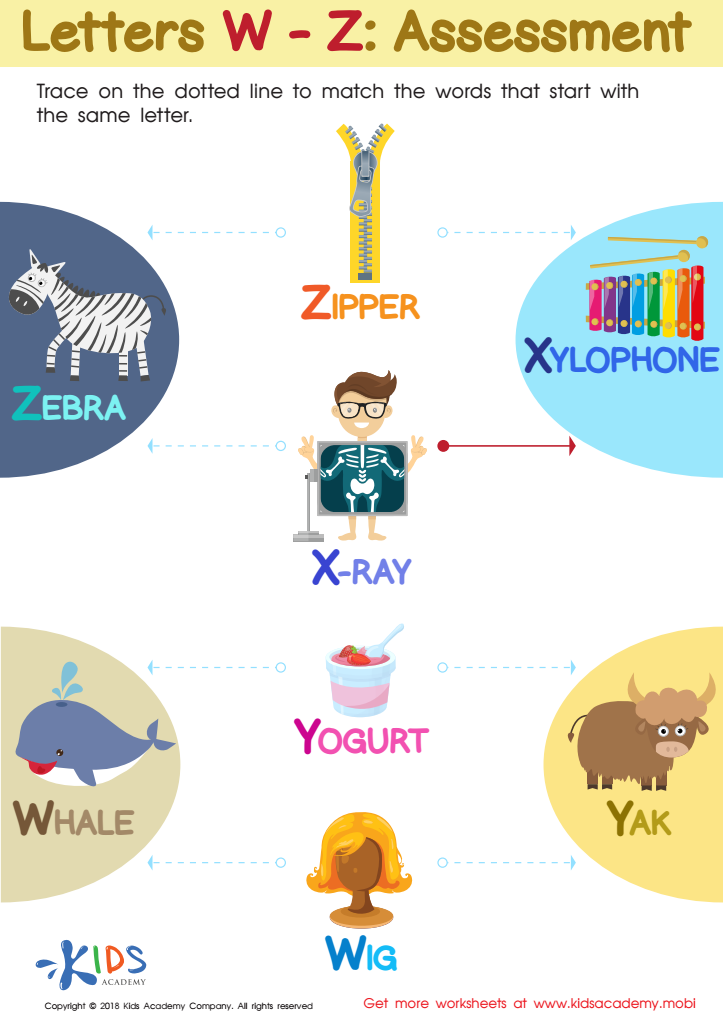
Letters W–Z Tracing Worksheet
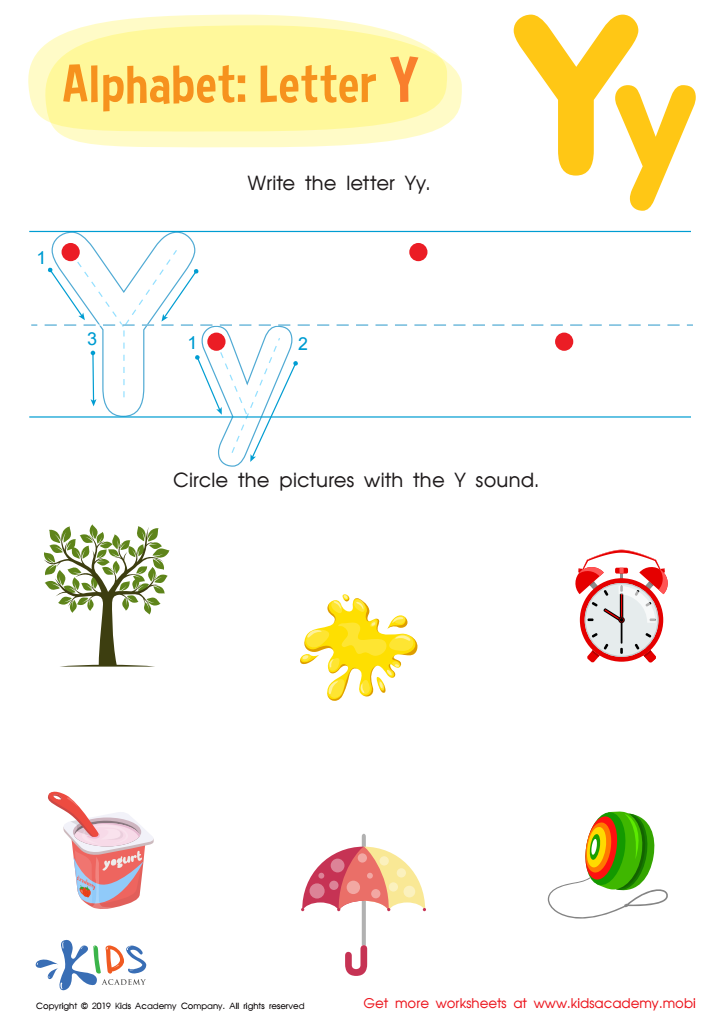
Letter Y Tracing Worksheet
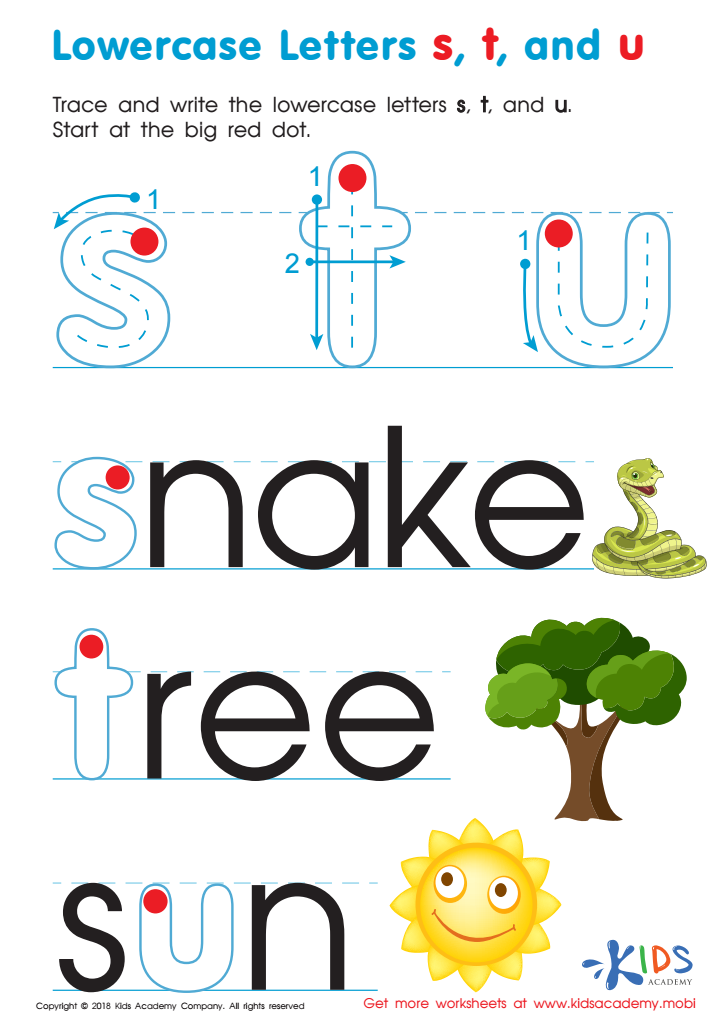
Lowercase Letters s t u Worksheet
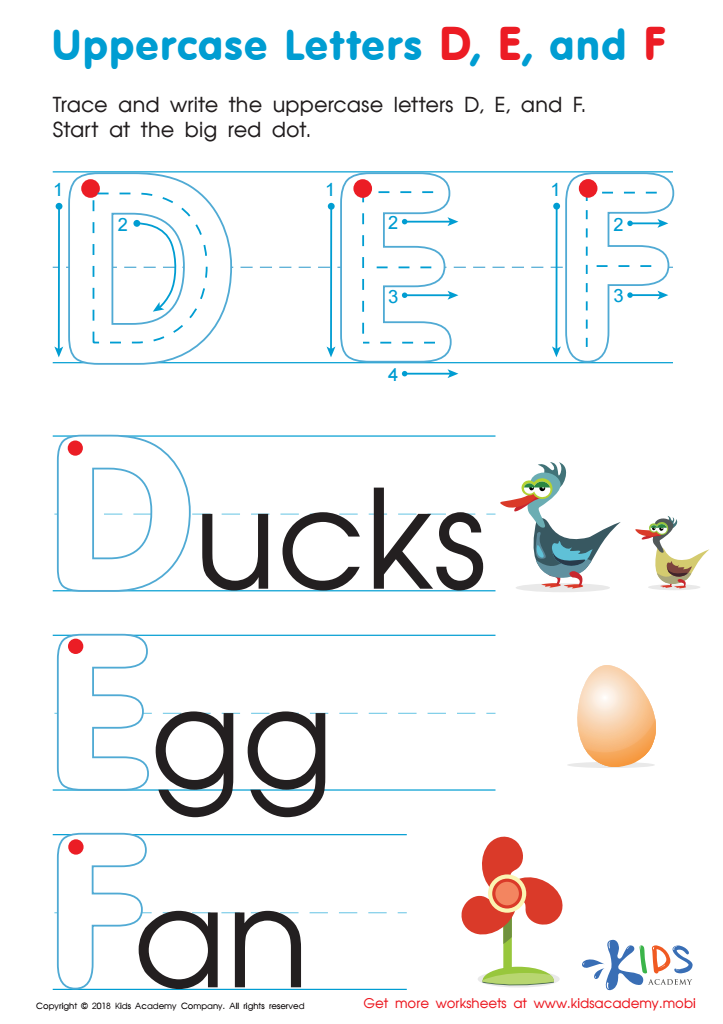
Uppercase Letters D, E, and F Worksheet
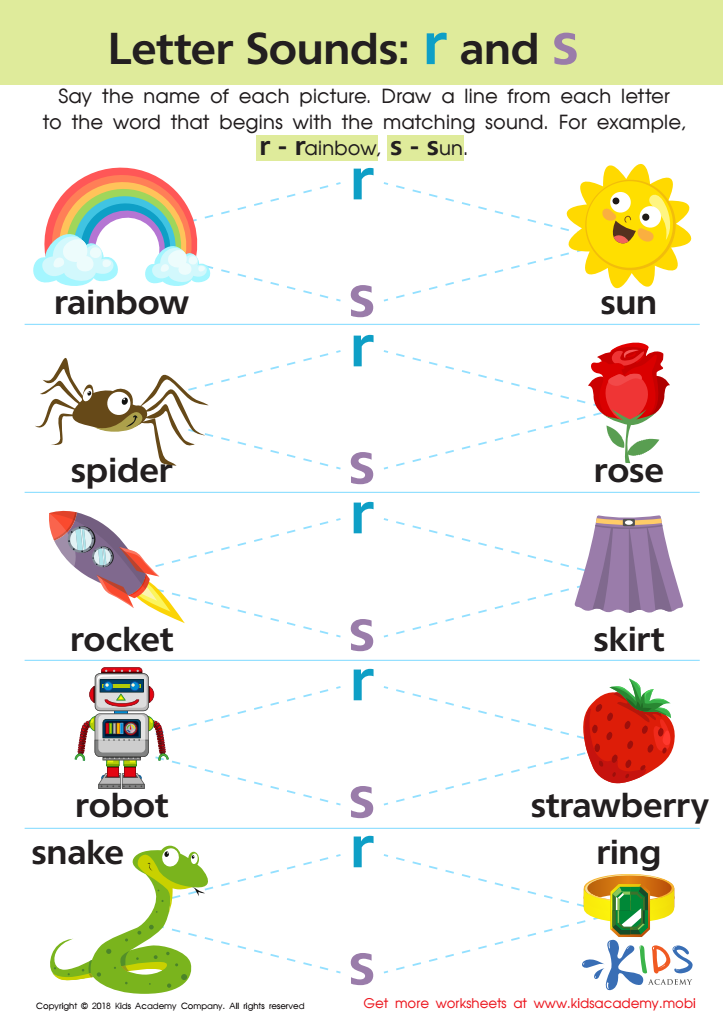
Letter R and S Sounds Worksheet
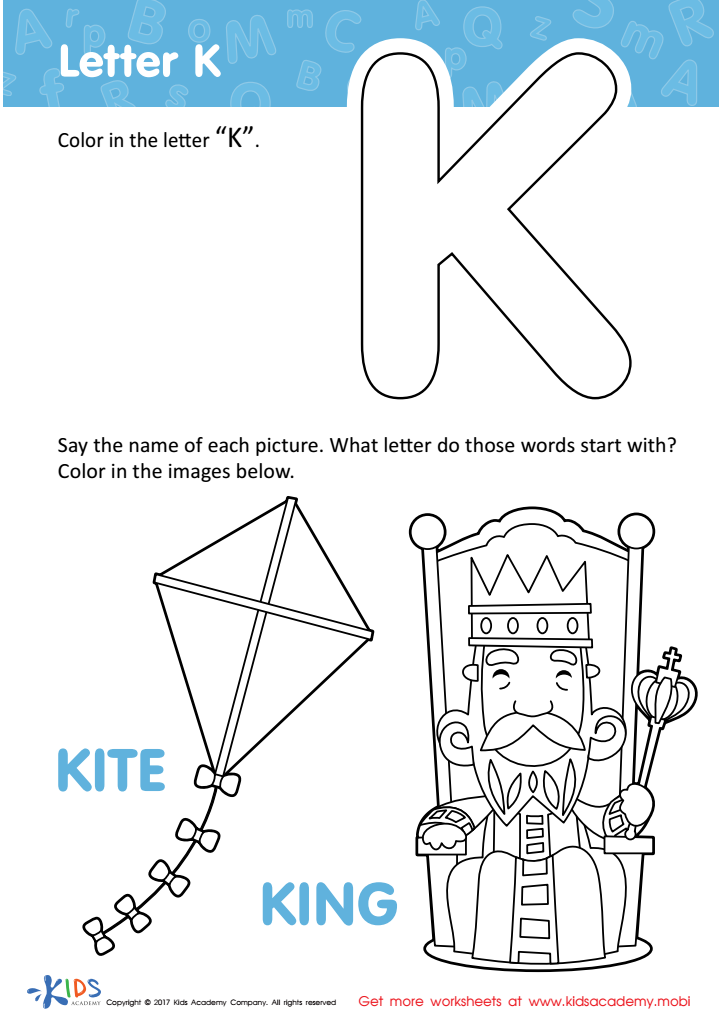
Letter K Coloring Sheet
Assign to My Students

Uppercase Letters Y Z Worksheet




.jpg)

Handwriting practice, particularly with the alphabet, plays a critical role in a child's development and educational journey. First, developing fine motor skills is essential for young learners, and writing helps strengthen finger muscles and coordination. As children practice the letters, they enhance their dexterity, which will benefit them in various activities, including typing and crafting.
Moreover, handwriting fosters literacy. The act of writing reinforces letter recognition and phonemic awareness, aiding in reading and spelling proficiency. Through consistent practice, children begin to connect sounds with letters, which is essential for language and literacy acquisition. Teaching proper letter formation also minimizes frustration during writing tasks, as children feel more confident in their abilities.
Beyond academic reasons, handwriting carries emotional and cognitive benefits. Writing by hand requires focus and patience, reinforcing important skills like self-regulation and concentration. Additionally, personal expression through writing can foster creativity and boost self-esteem as children see their progress.
For parents and teachers, ensuring regular handwriting practice creates a solid foundation for both academic success and personal growth, making it an essential aspect of early childhood education. Encouraging these practices early on helps children develop essential skills that will serve them well throughout their lives.







