Letter recognition Upper & Lowercase Letters Worksheets
23 filtered results
-
From - To
Enhance your child's letter recognition skills with our engaging Upper and Lowercase Letters Worksheets! Perfect for early learners, these printable worksheets are designed to help children identify and differentiate between uppercase and lowercase letters. Our thoughtfully crafted activities include fun exercises such as tracing, matching, and coloring that promote active participation while reinforcing essential alphabet knowledge. These worksheets cater to various learning styles, ensuring that every child has the opportunity to master their letters. Ideal for home or classroom use, our resources make learning the alphabet fun and effective. Start your child’s literacy journey today with our interactive worksheets!
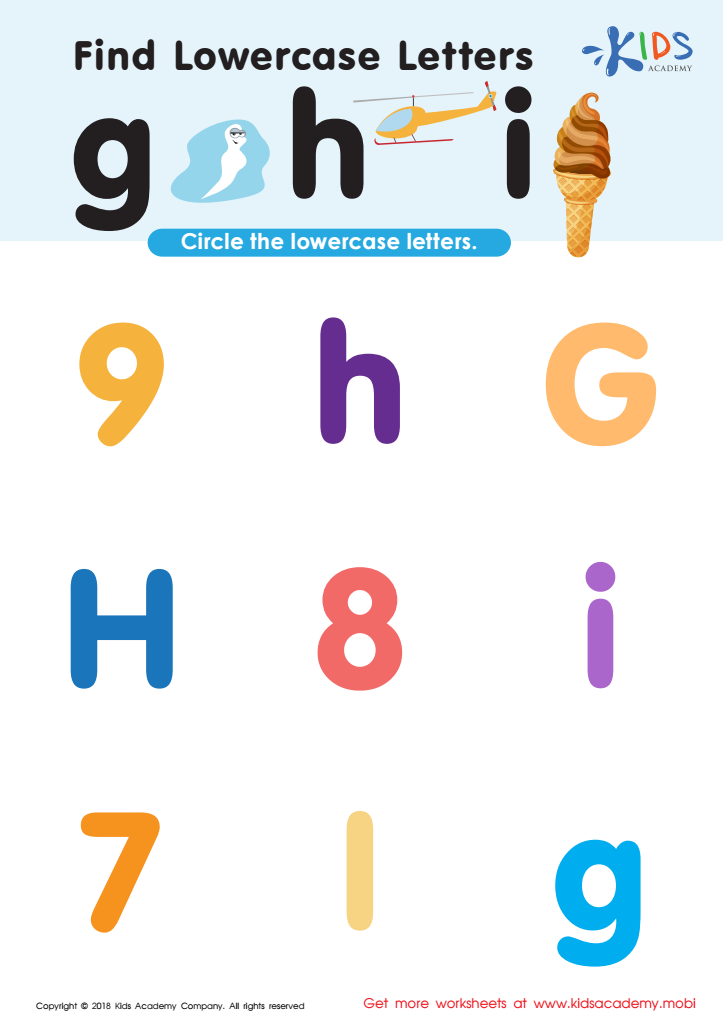
Find Lowercase Letters g h i Worksheet
 Assign to My Students
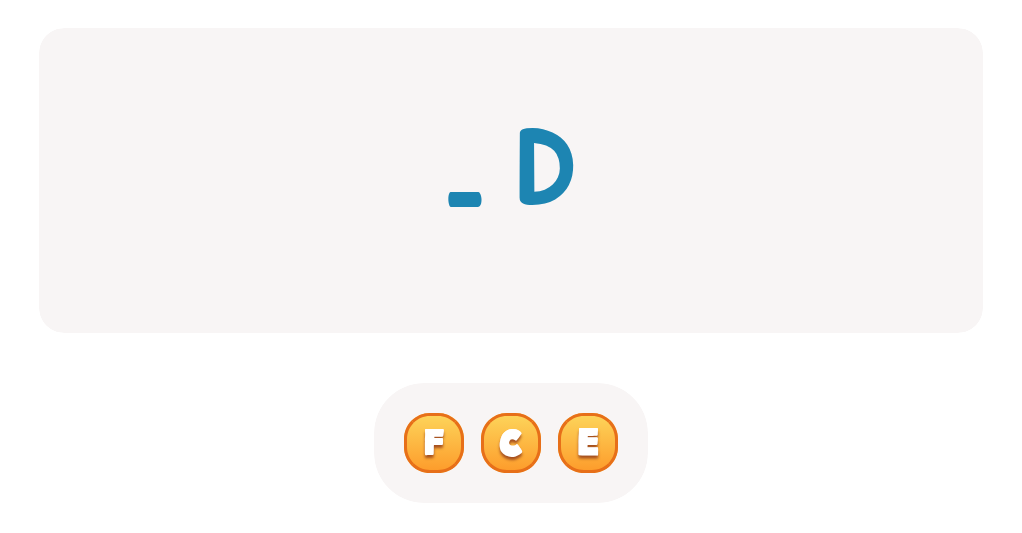

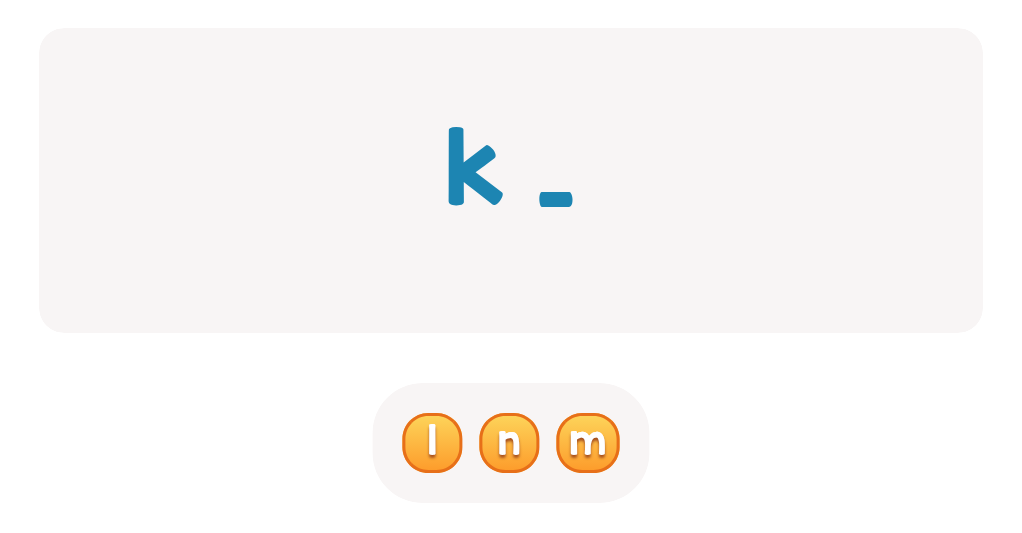
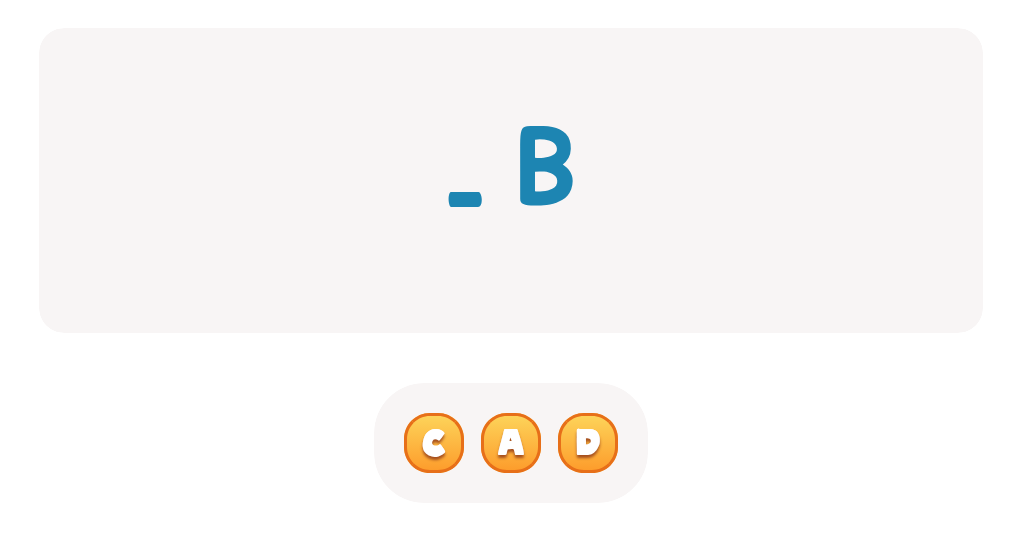

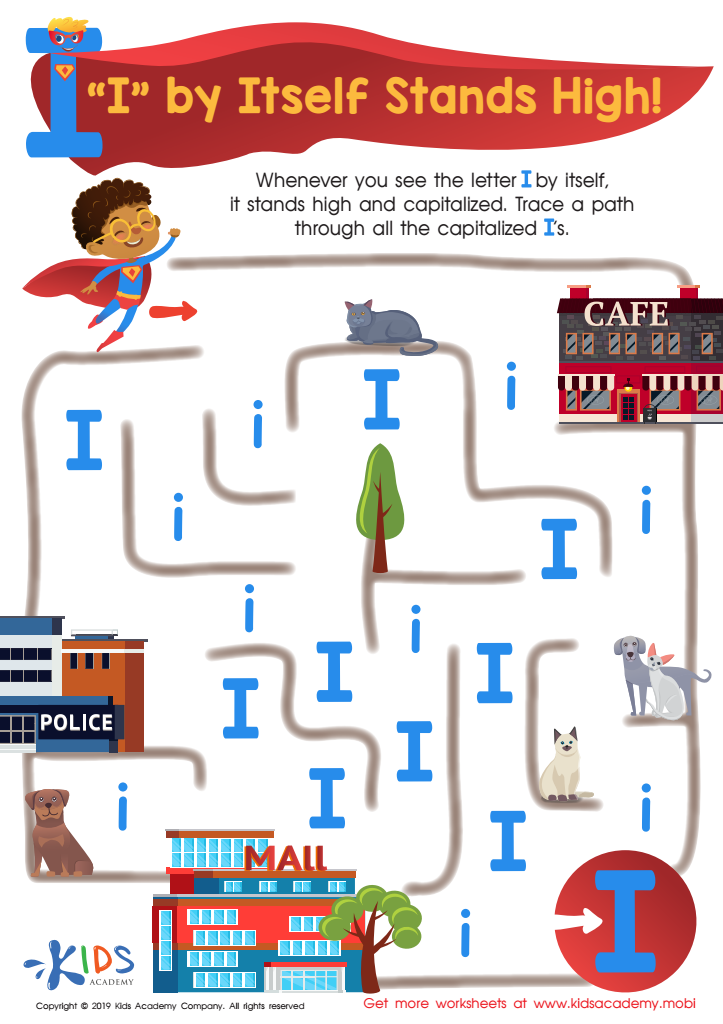
I Stands High Worksheet
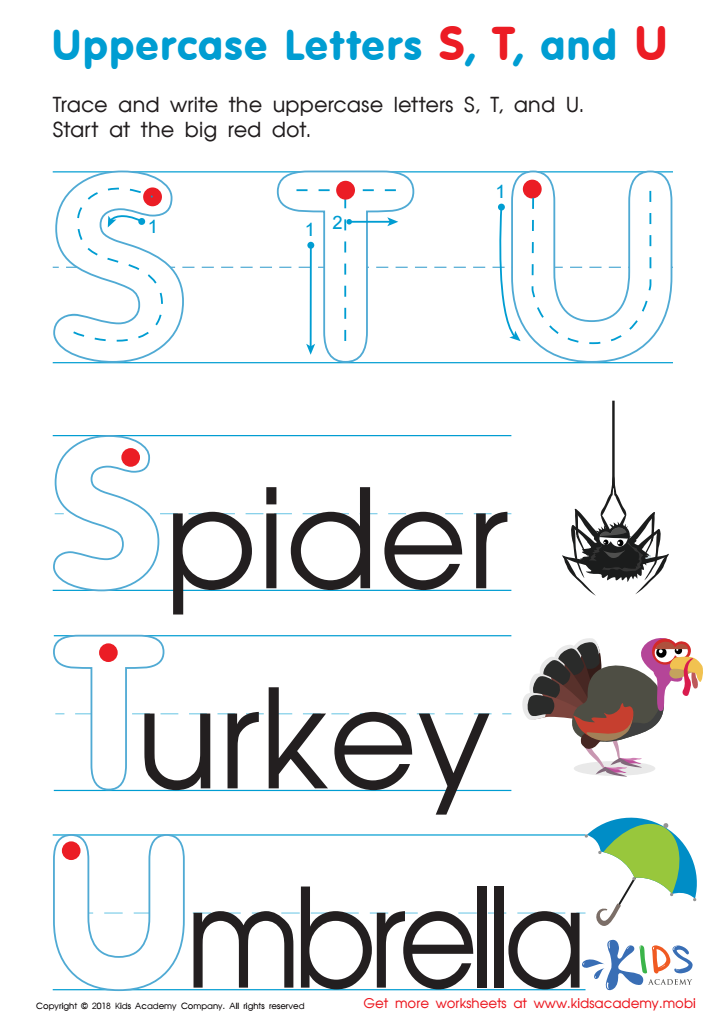
Uppercase Letters S, T, and U Worksheet
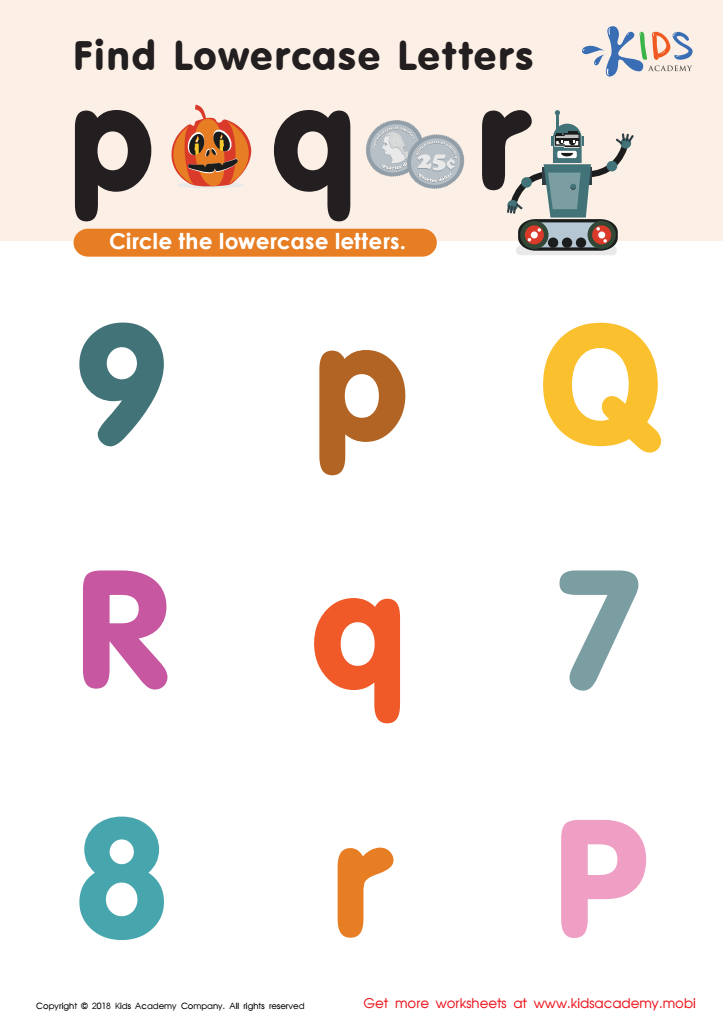
Find lowercase Letters p q r Worksheet
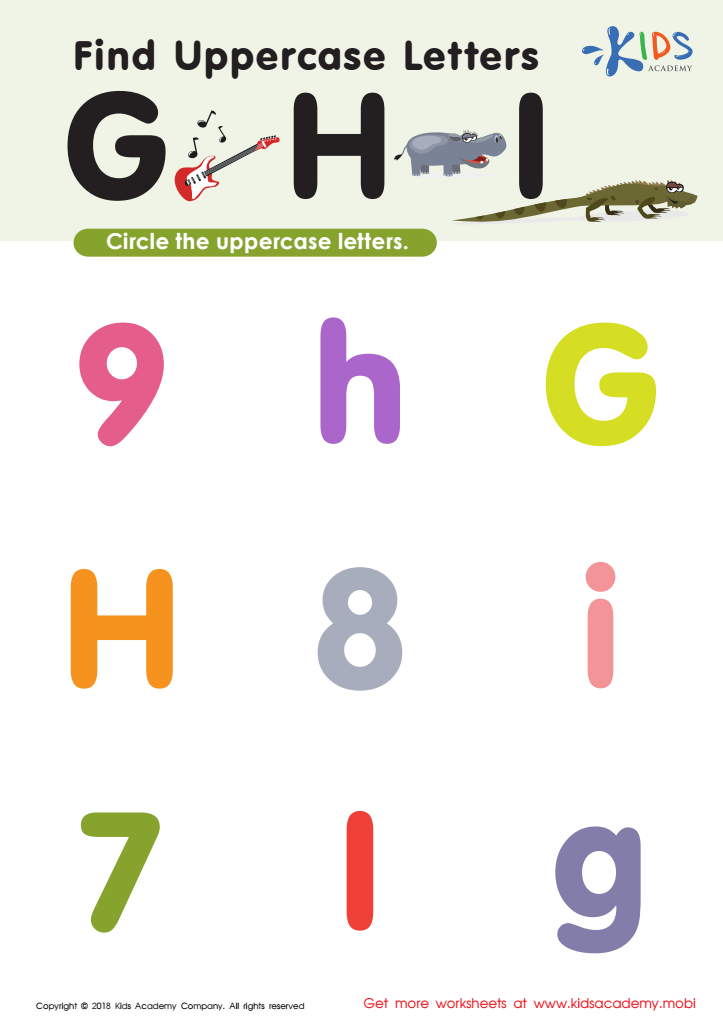
Find Uppercase Letters G, H, and I Worksheet
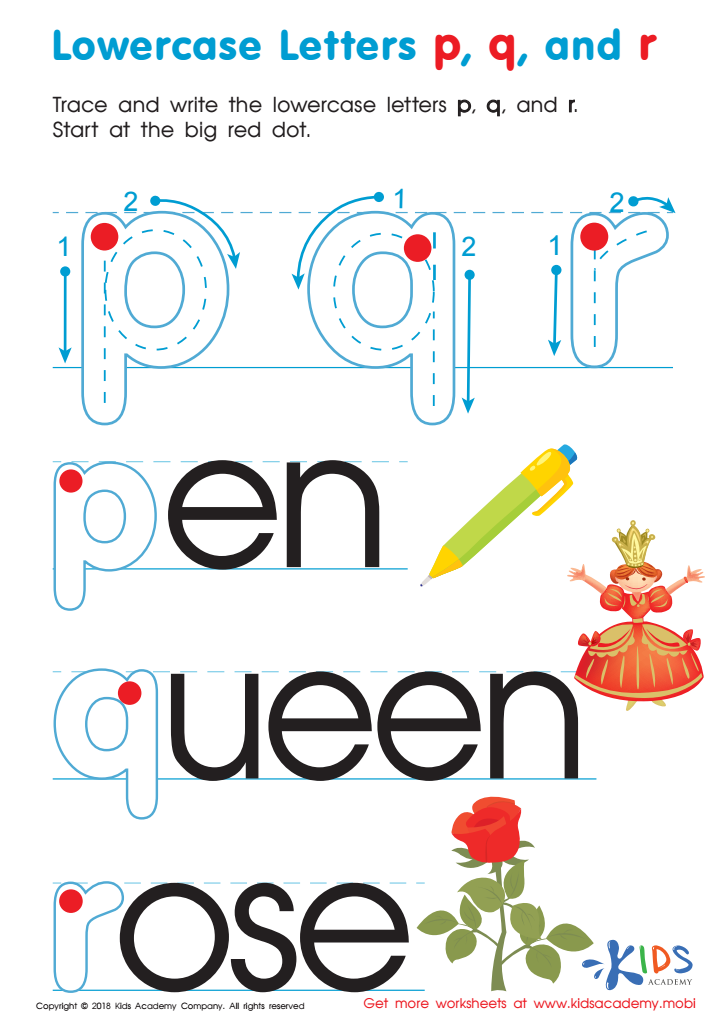
Lowercase Letters p q r Worksheet
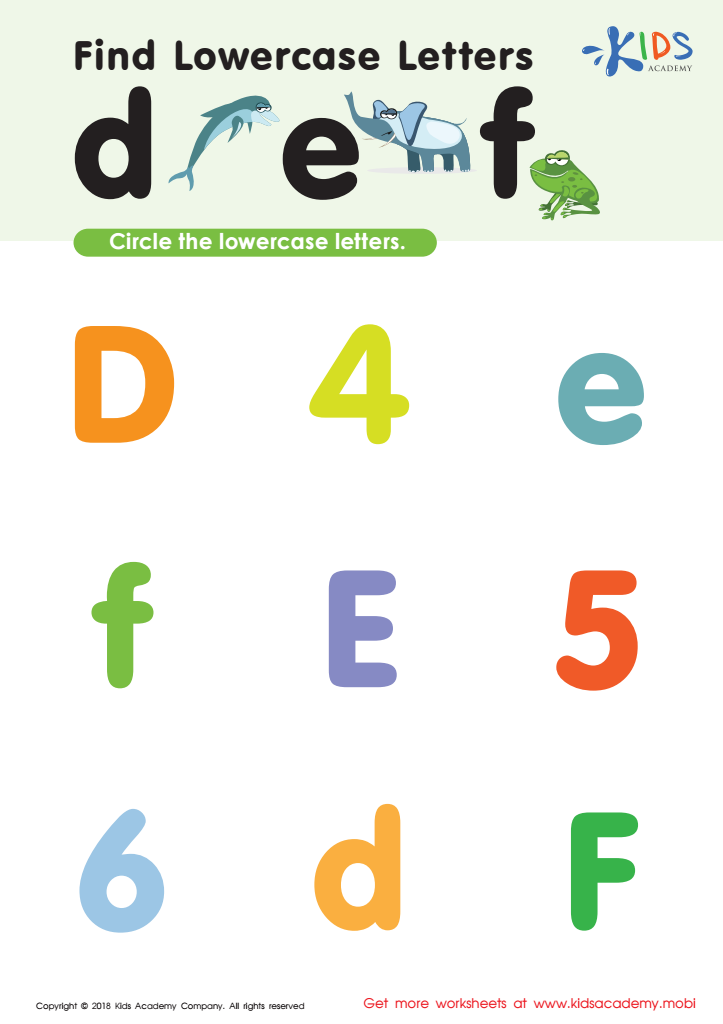
Find Lowercase Letters d e f Worksheet
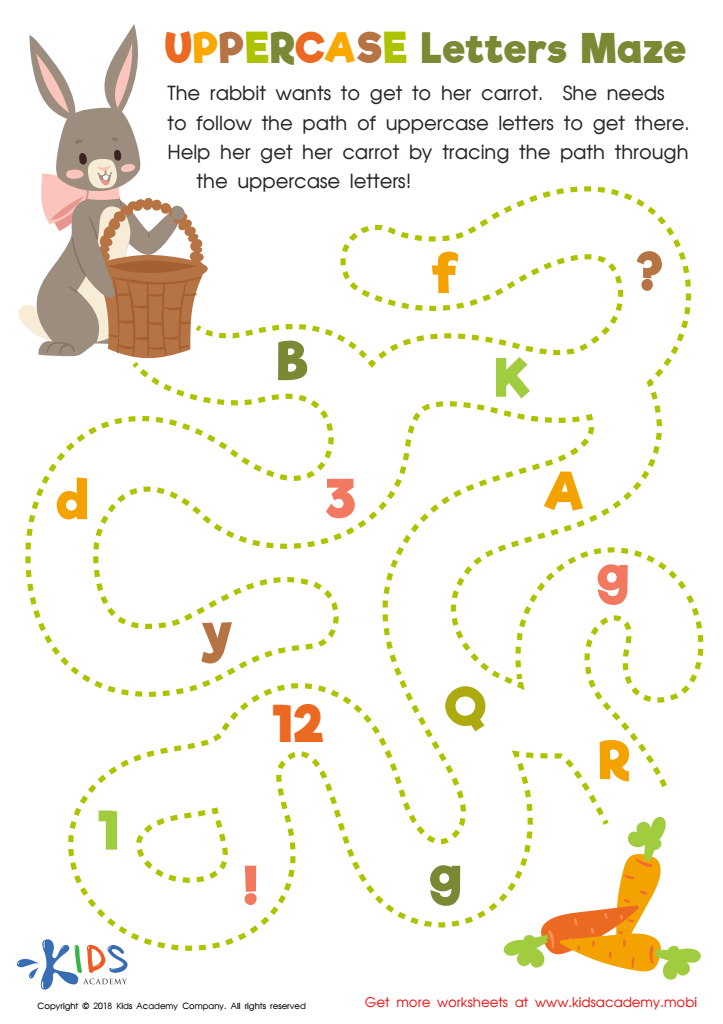
Uppercase Letters Maze Worksheet
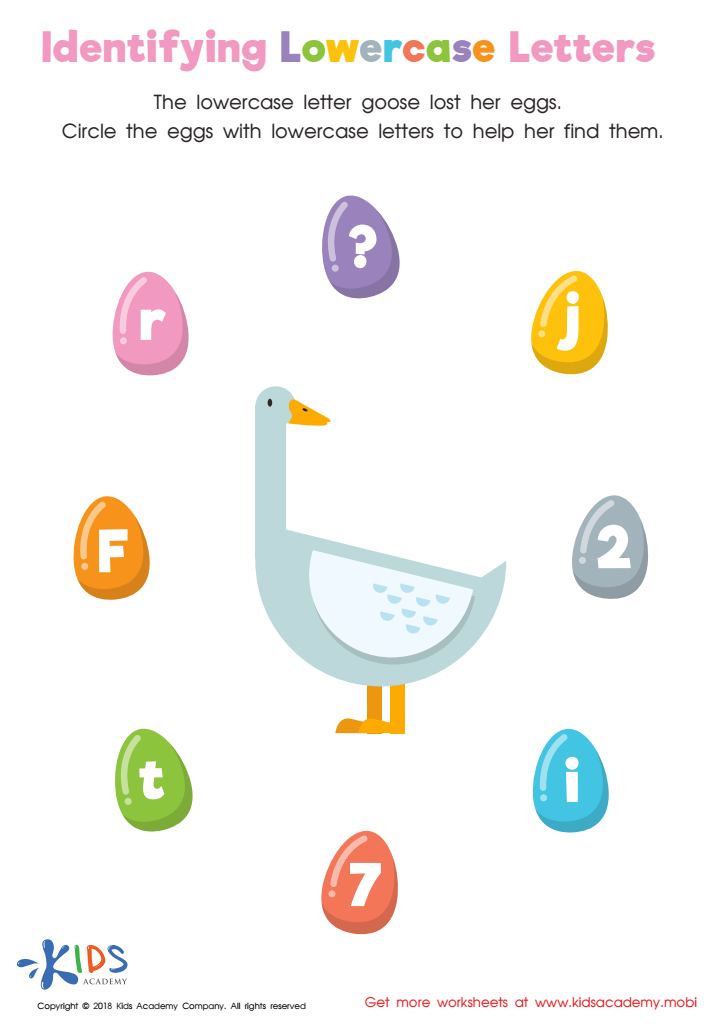
Identifying Lowercase Letters Worksheet
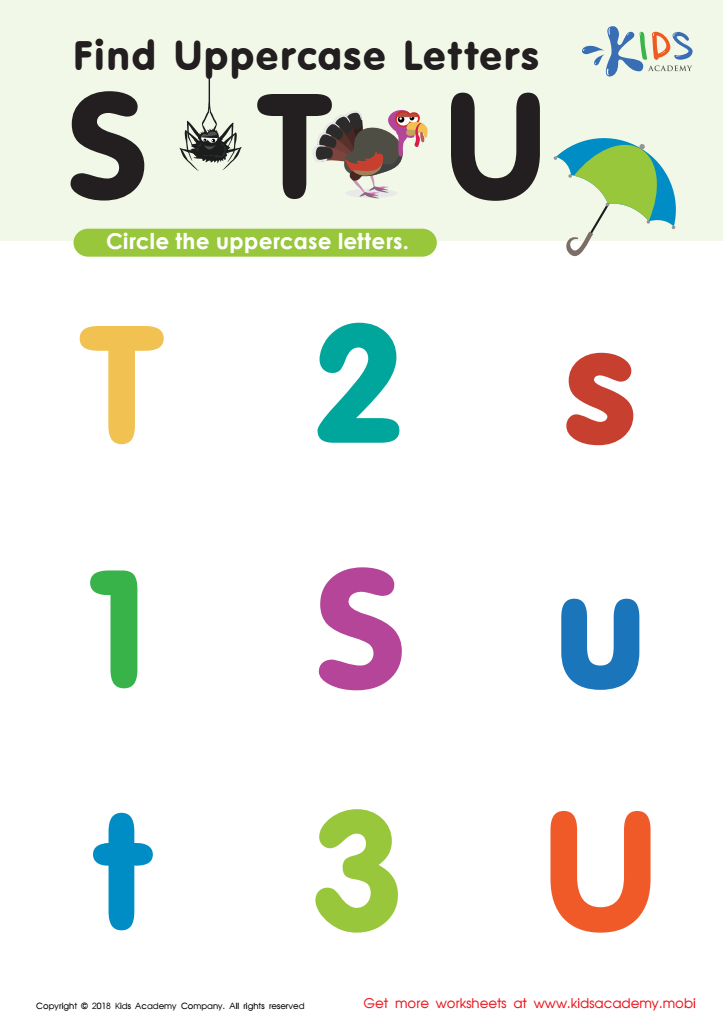
Find Uppercase Letters Worksheet
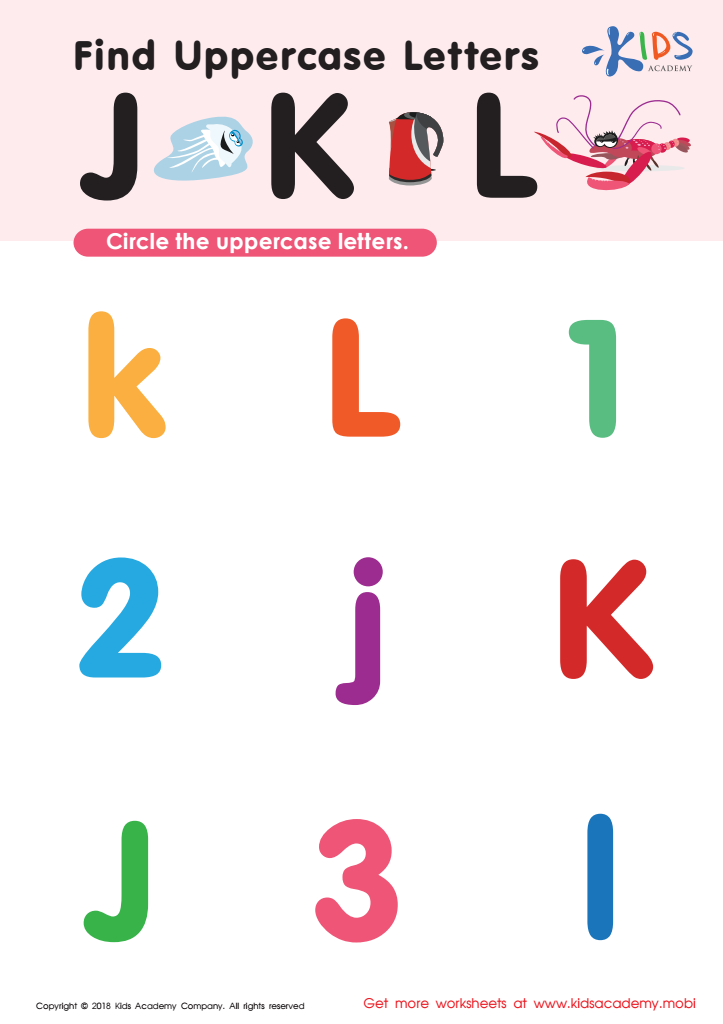
Find Uppercase Letters J, K, and L Worksheet
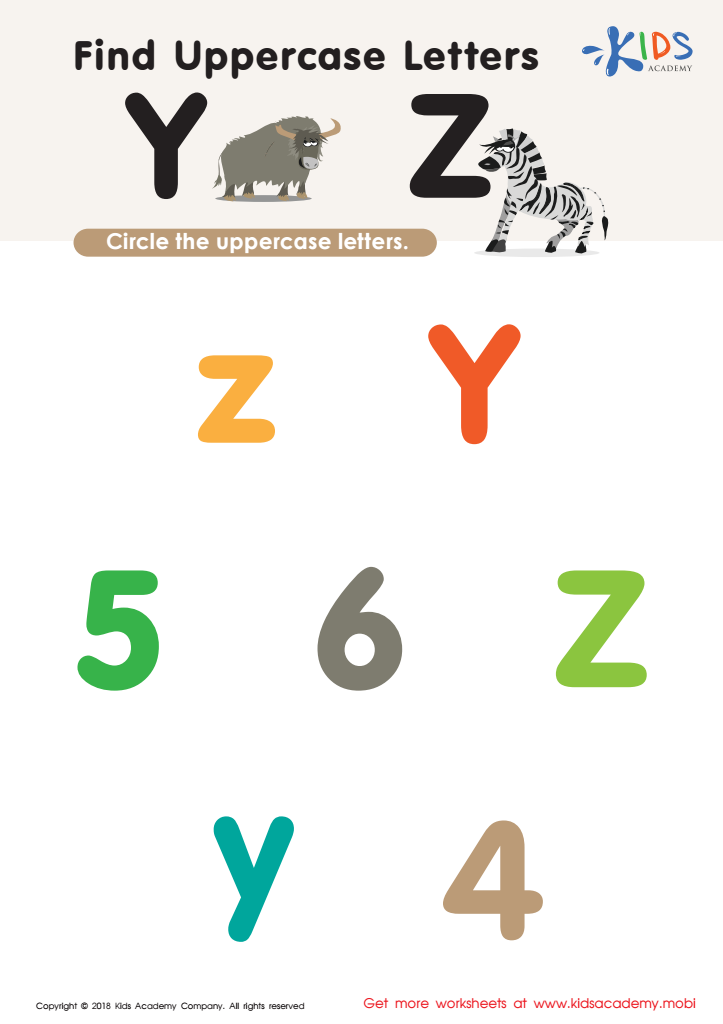
Find Uppercase Letters Y Z Worksheet
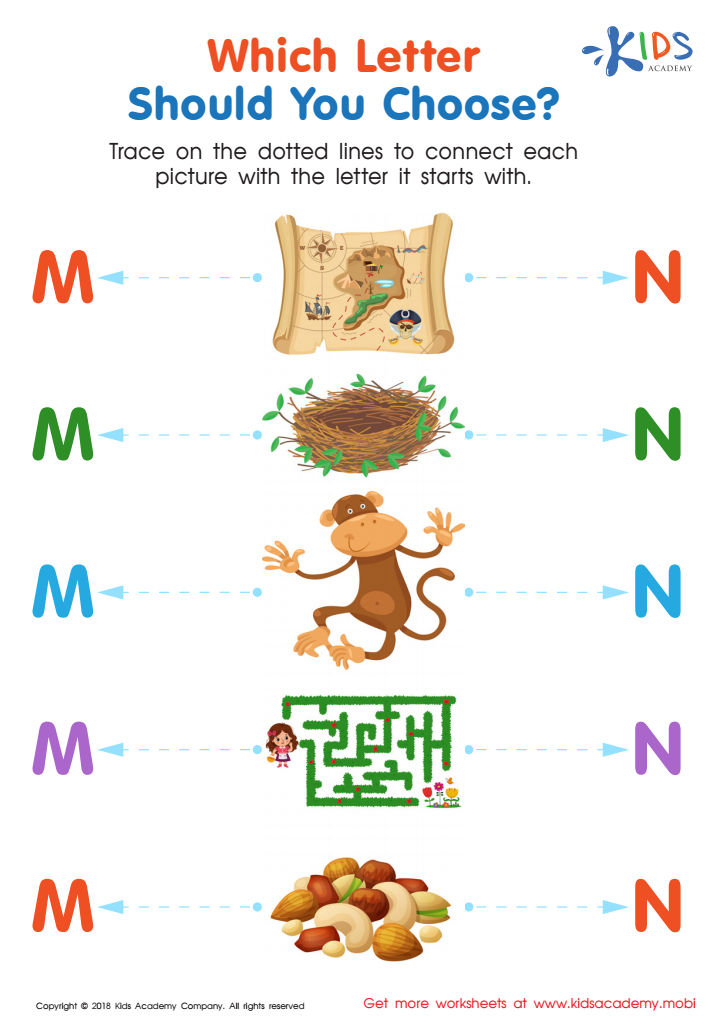
Which Letter Should you Choose? Worksheet
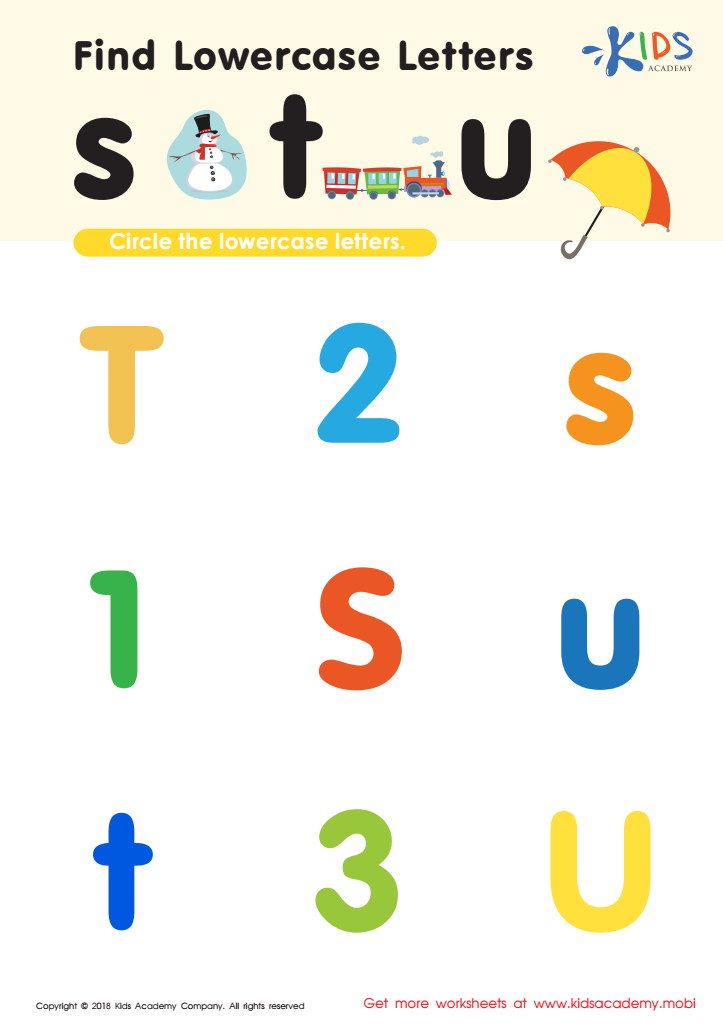
Find lowercase Letters s t u Worksheet
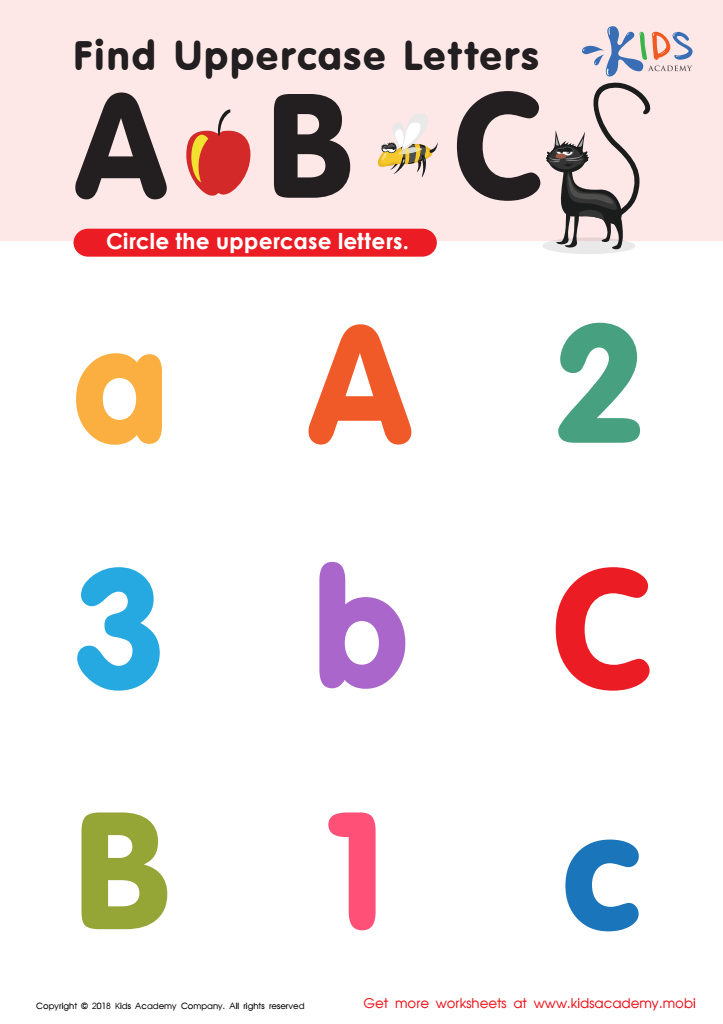
Find Uppercase Letters A, B, and C Worksheet
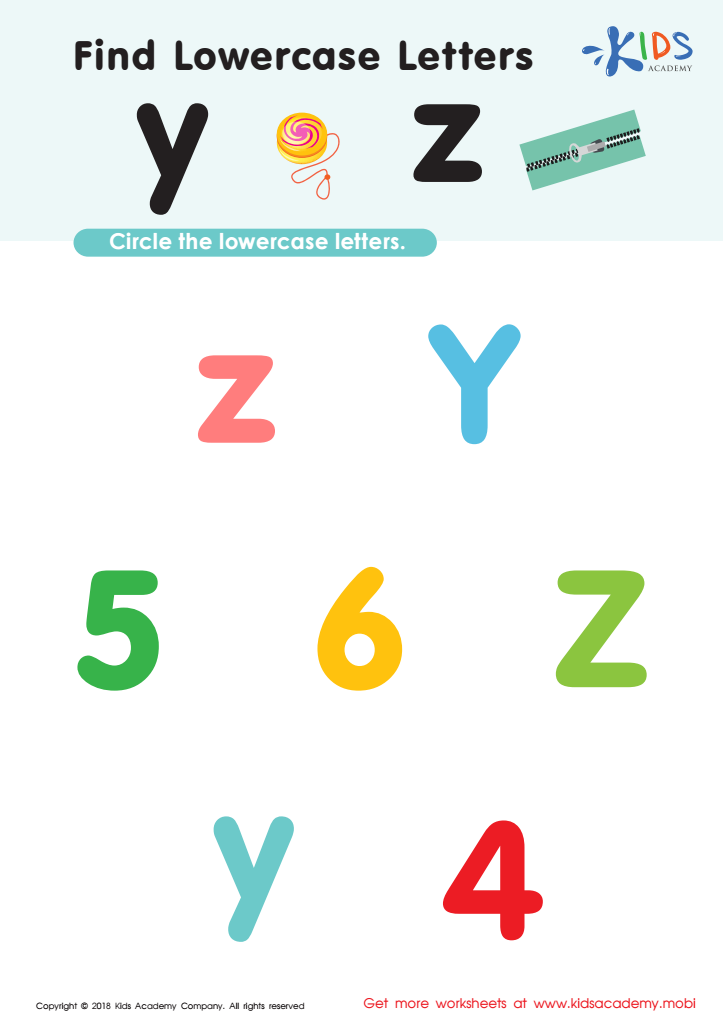
Find Lowercase Letters y z Worksheet
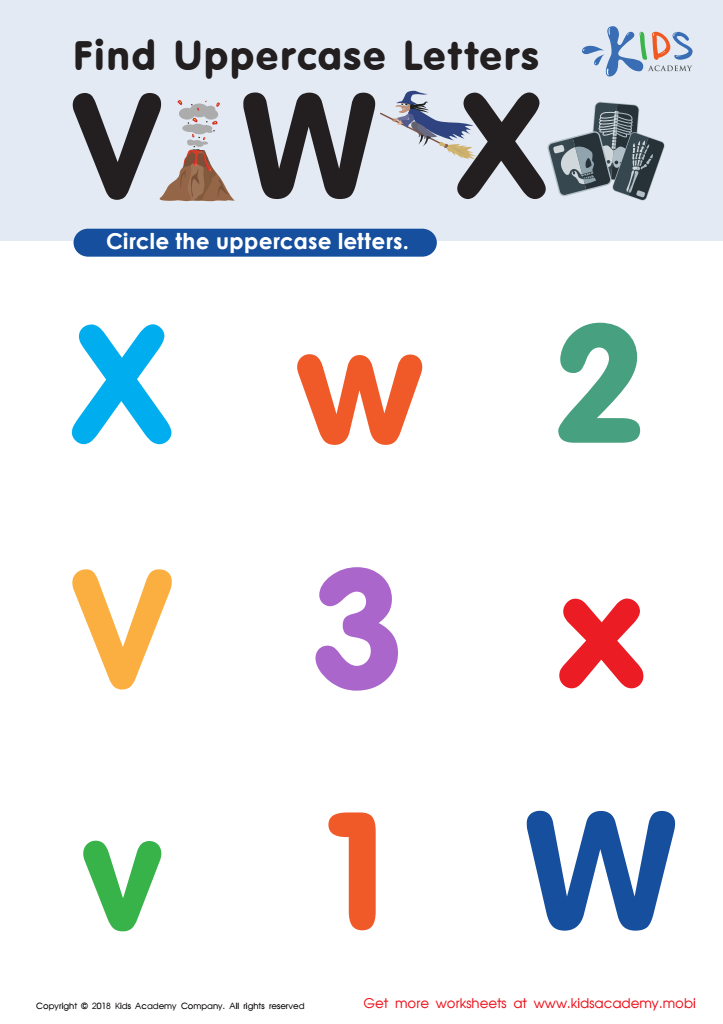
Find Uppercase Letters V, W, X Worksheet
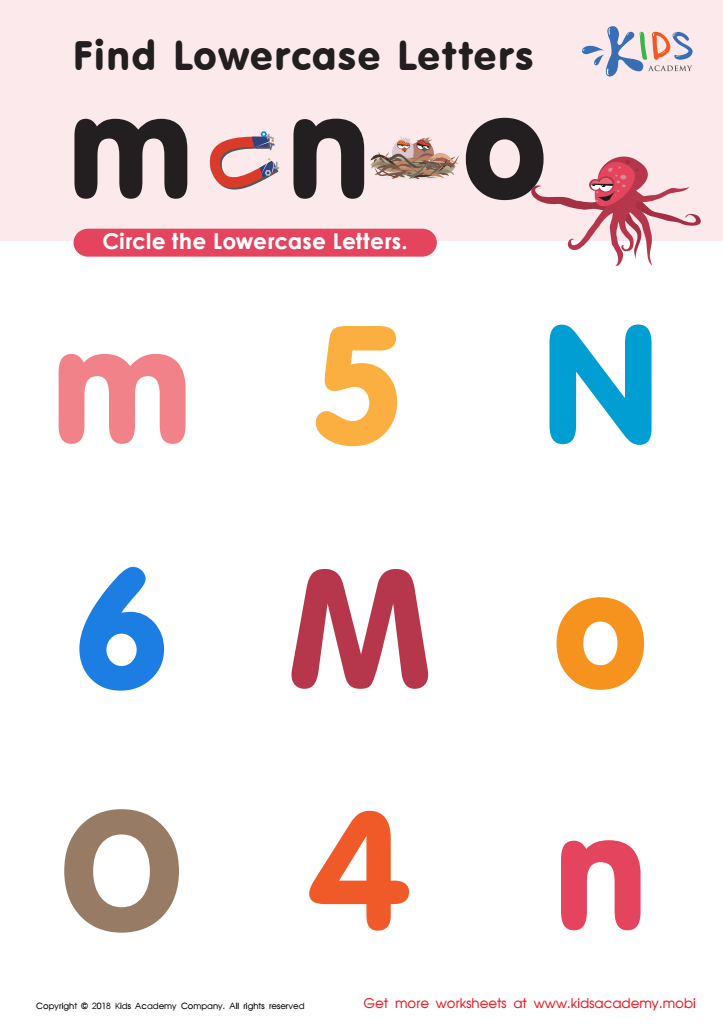
Find Lowercase Letters m n o Worksheet
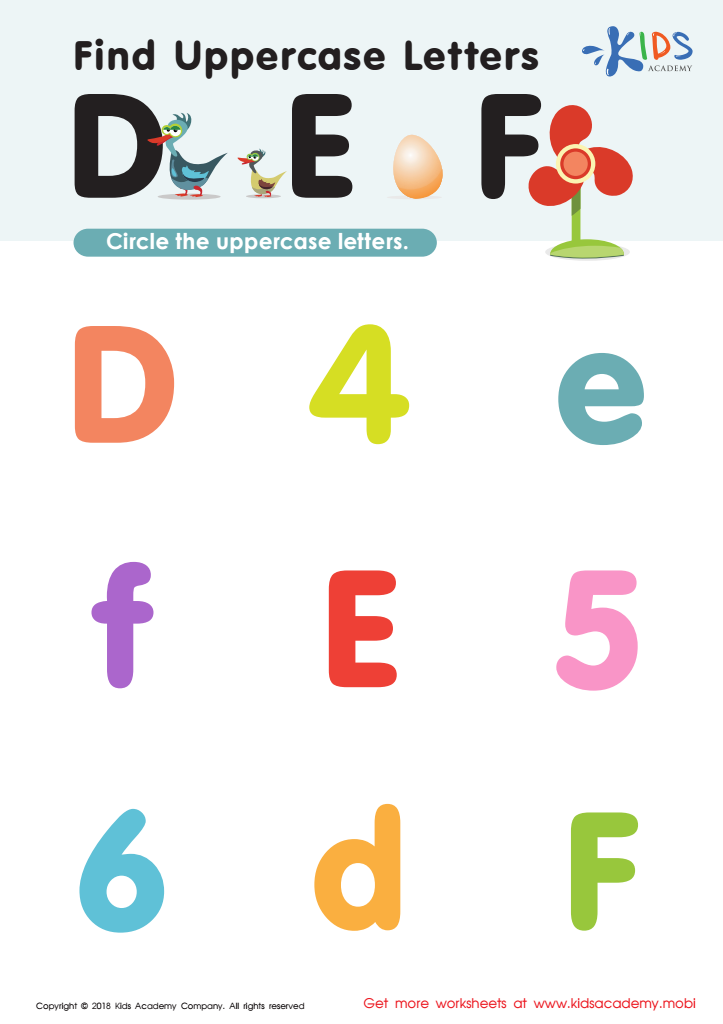
Find Uppercase Letters D, E, and F Worksheet
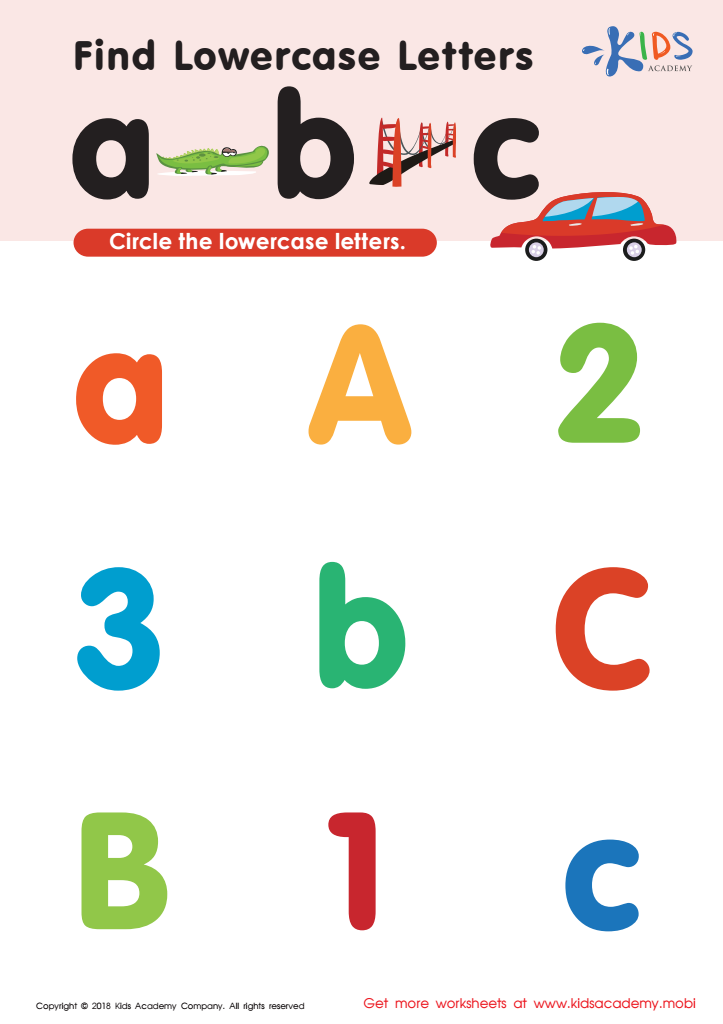
Find lowercase letters a b c Worksheet
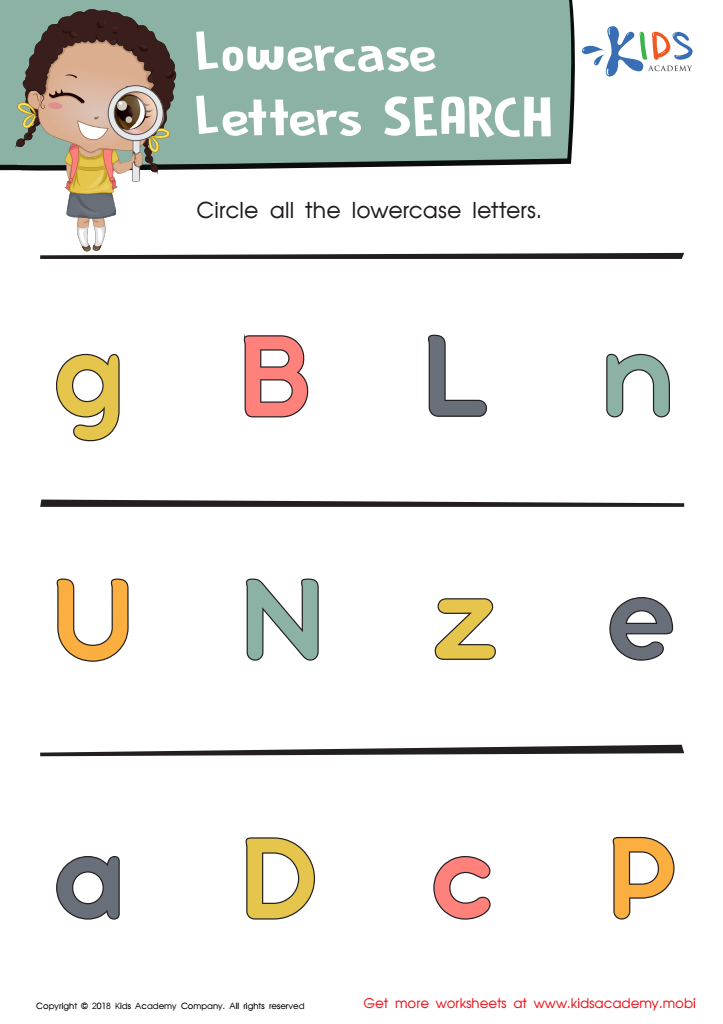
Lowercase Letters Search: Assessment Worksheet
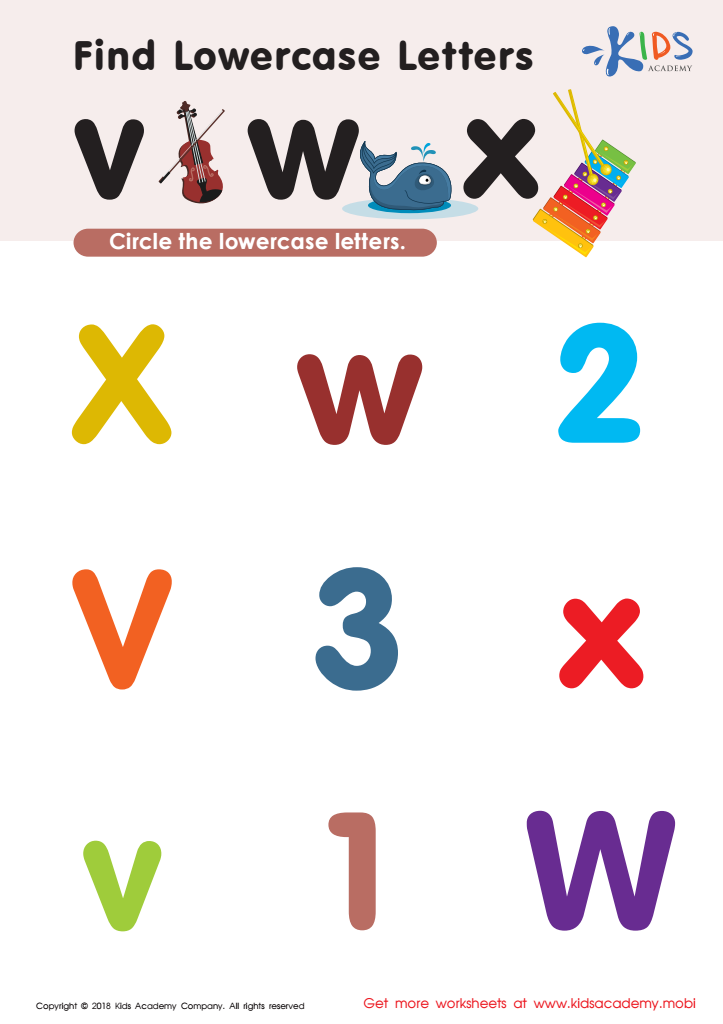
Find Lowercase Letters v w x Worksheet
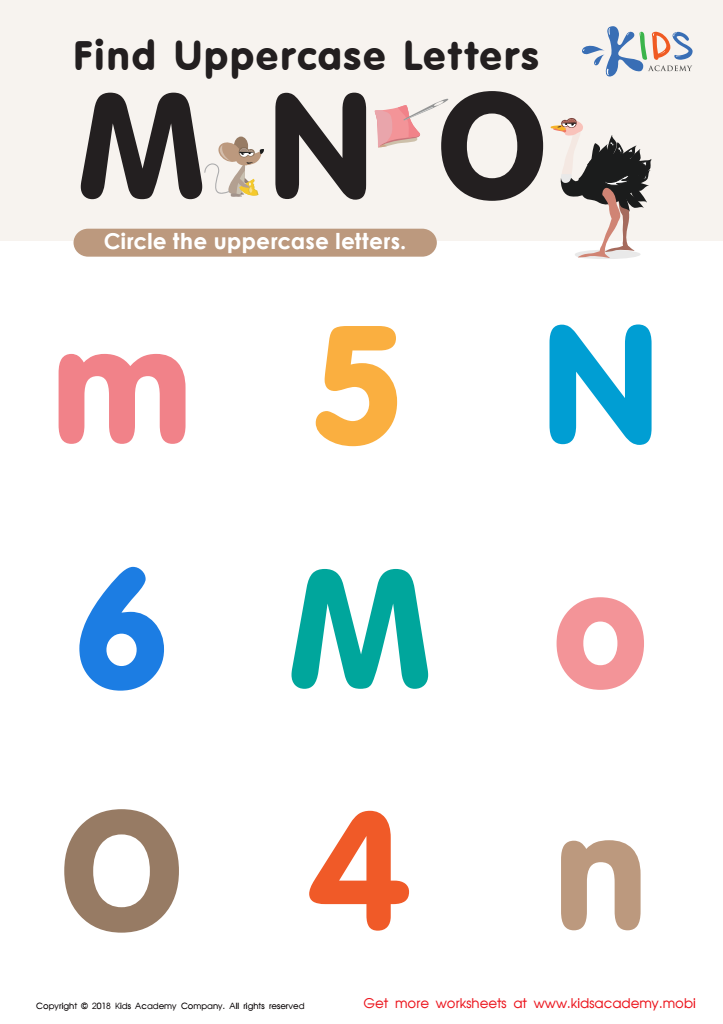
Find Uppercase Letters M, N, and O Worksheet






Letter recognition, both upper and lowercase, is a fundamental skill that serves as the building block for reading and writing. Parents and teachers should prioritize this skill for several important reasons.
Firstly, letter recognition directly impacts literacy development. When children can identify letters, they can begin to decode words, which is essential for reading fluency. This skill also aids in spelling, helping students to visually anchor letters in the words they are writing.
Secondly, understanding the difference between uppercase and lowercase letters is crucial for proper language usage. Uppercase letters are typically used to signify the beginning of sentences and proper nouns, while lowercase letters are used throughout most of a text. A grasp of these distinctions allows children to follow standard writing conventions.
Additionally, early exposure to letter recognition fosters confidence in children as they engage with text. This increases their motivation to explore and interact with reading material, guiding them towards a lifelong love for literature.
In summary, recognizing both upper and lowercase letters equips children with the necessary tools to navigate reading and writing effectively, paving the way for academic success and communication skills that are invaluable throughout life. Therefore, caregivers and educators should emphasize the importance of this fundamental skill.







