Fairy Tales Worksheets Activities With Answers for Ages 3-9 - Page 3
62 filtered results
-
From - To
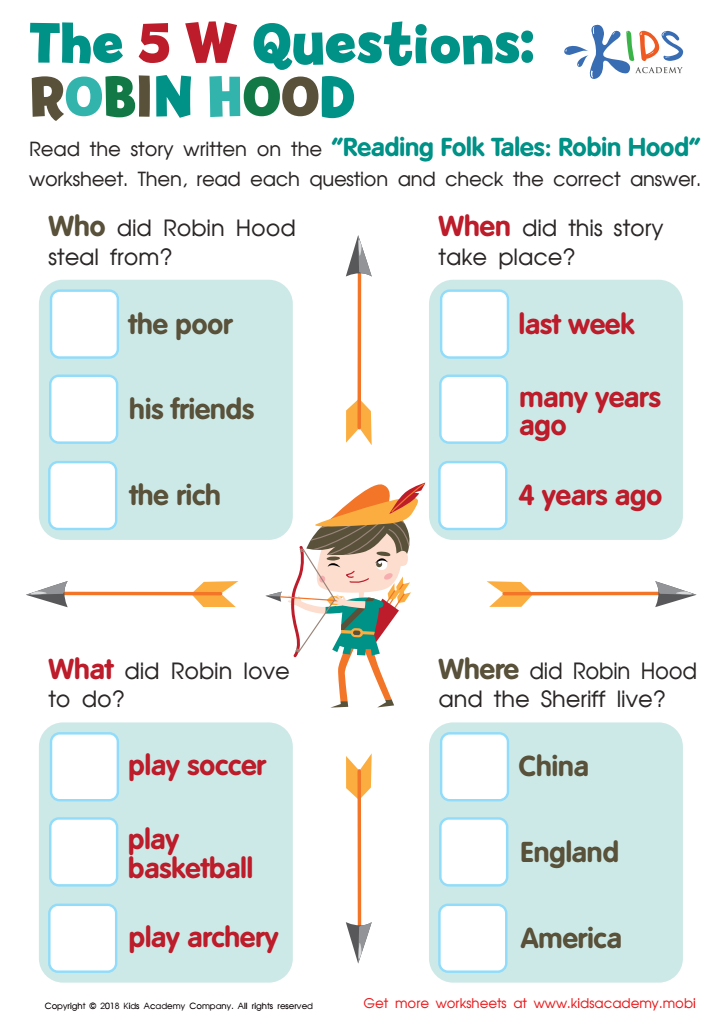
The 5 W Questions: Robin Hood Worksheet
 Assign to My Students
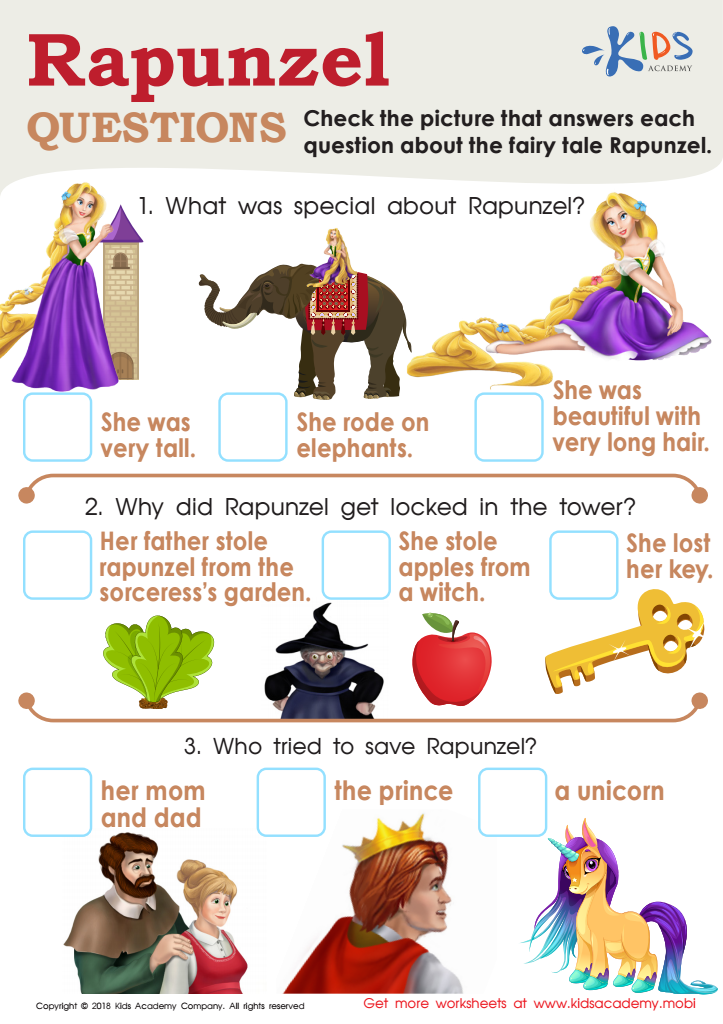
Rapunzel Questions Worksheet
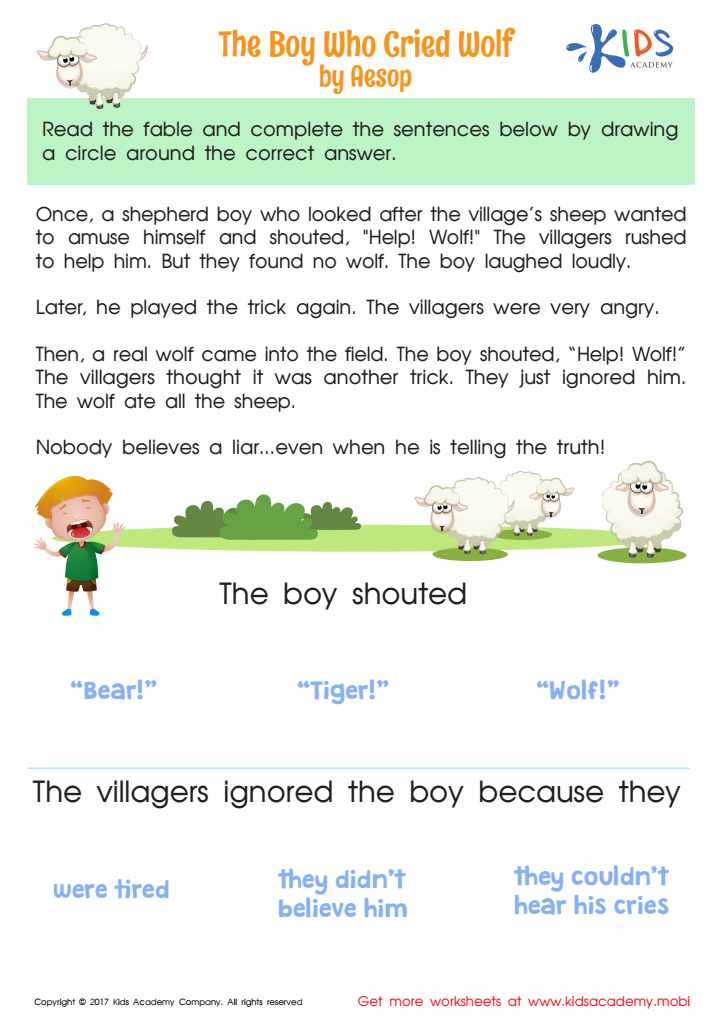
The Boy Who Cried Wolf Worksheet
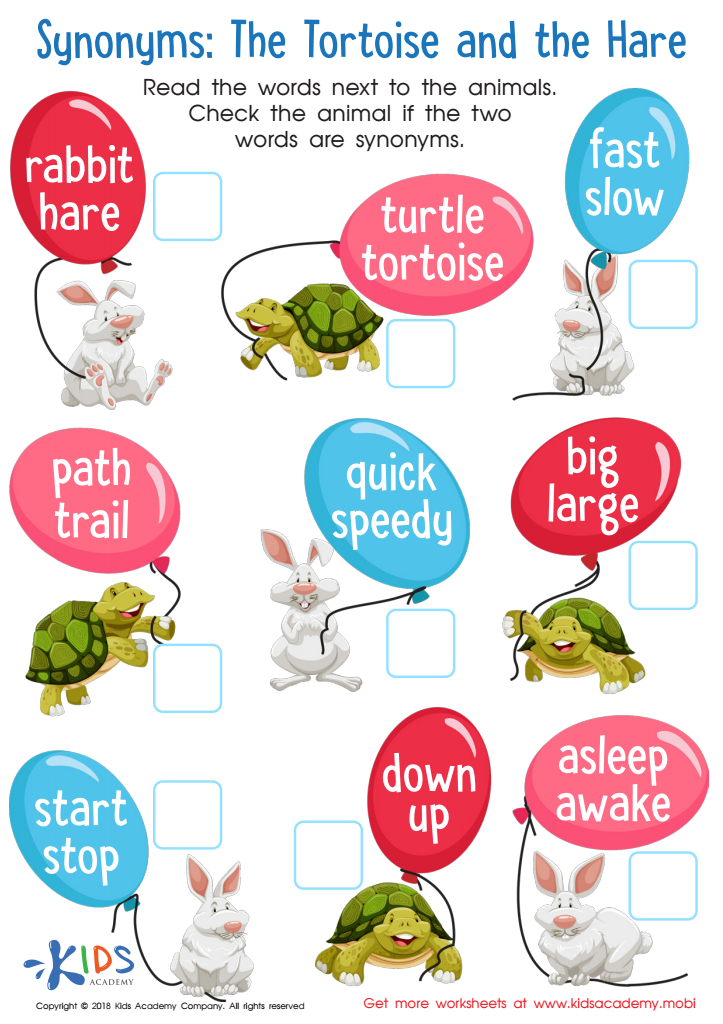
Synonyms: The Tortoise and Hare Worksheet
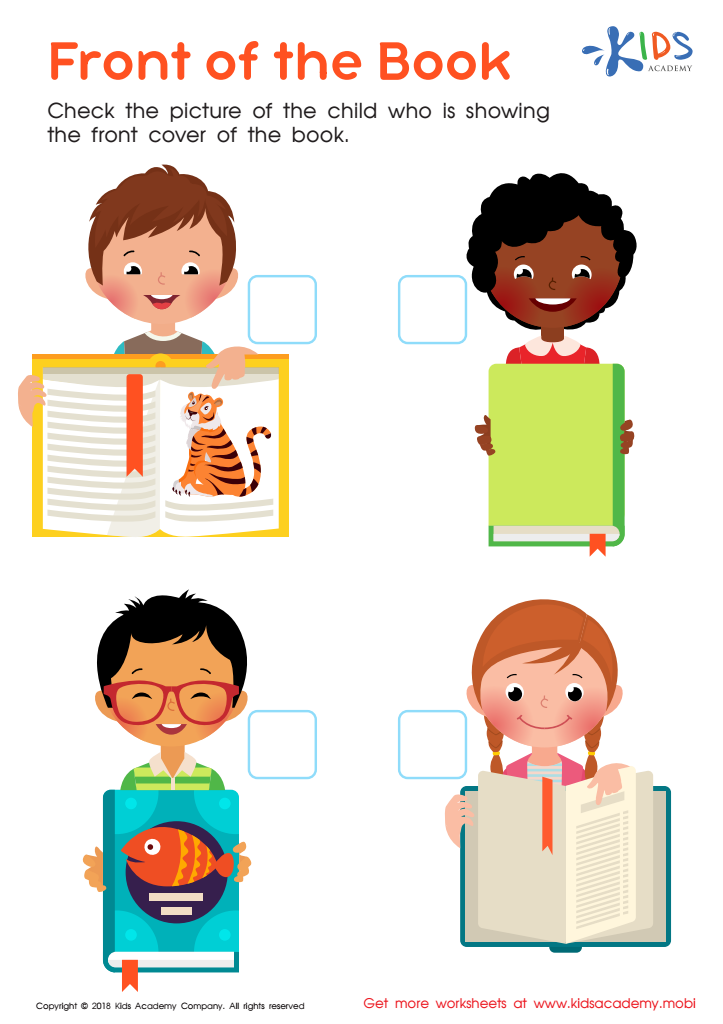
Front of the Book Worksheet
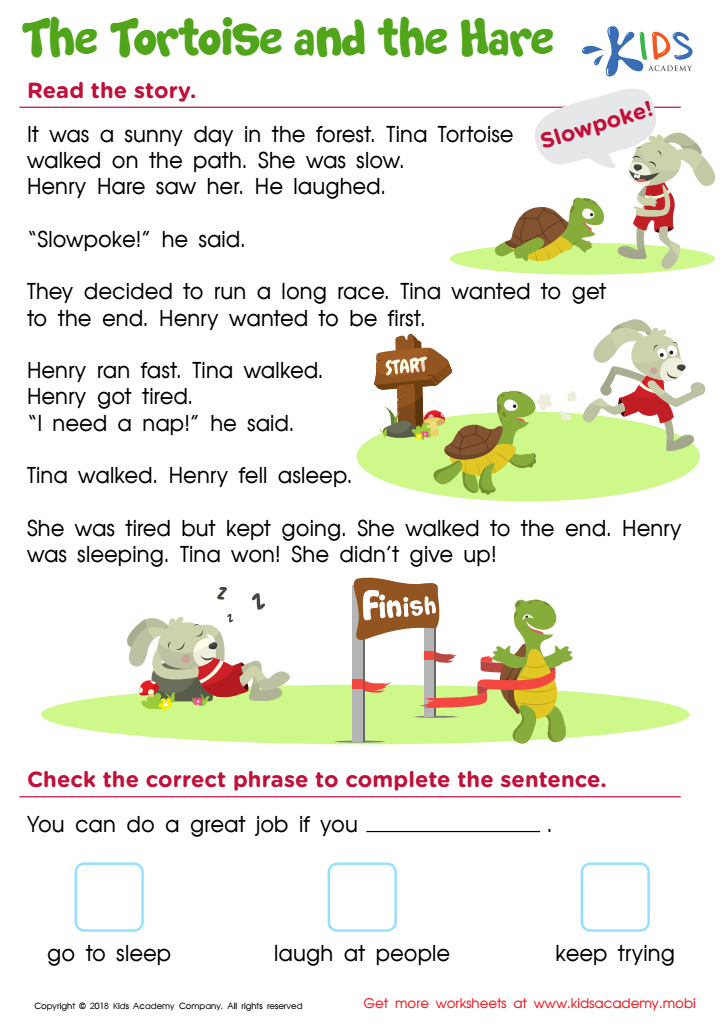
The Tortoise and the Hare Worksheet
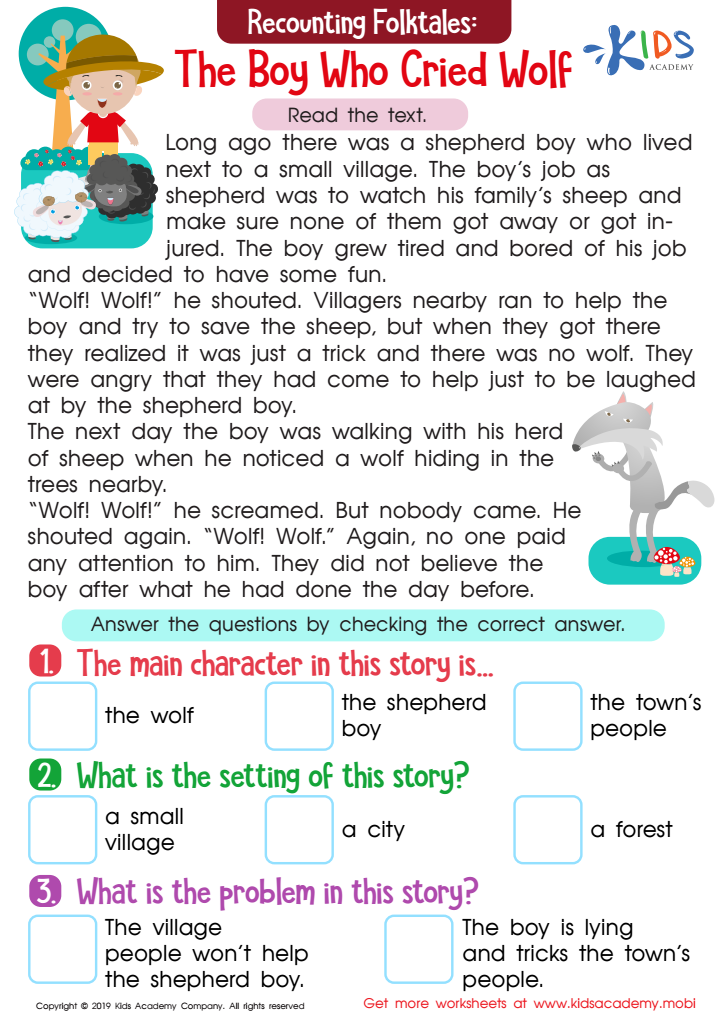
The Boy Who Cried Wolf Part 1 Worksheet
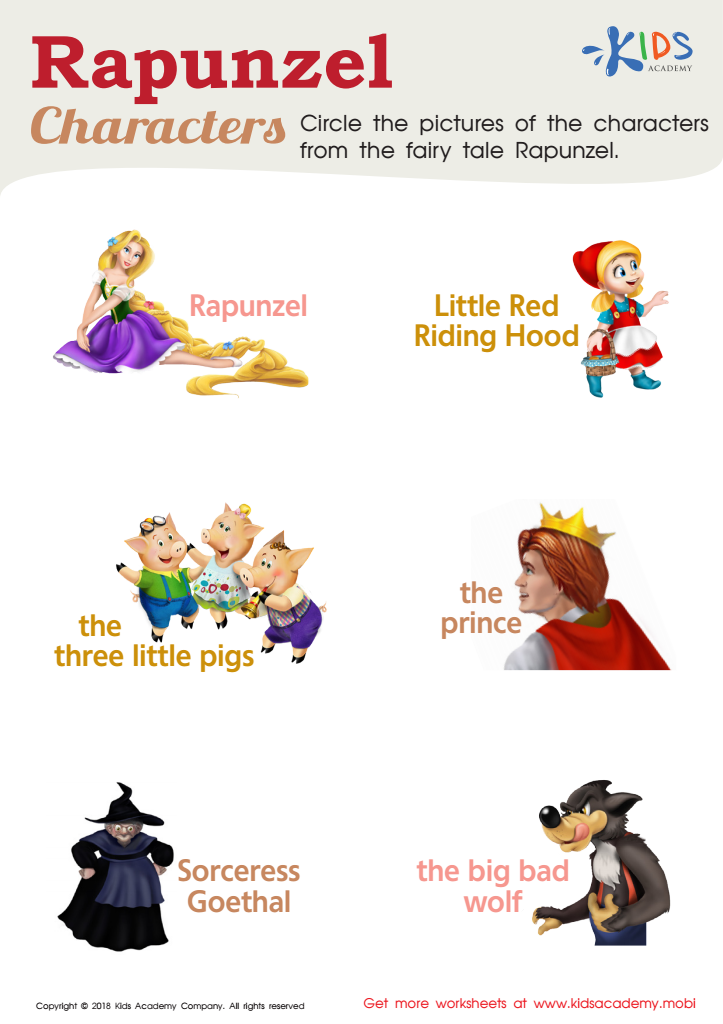
Rapunzel Characters Worksheet
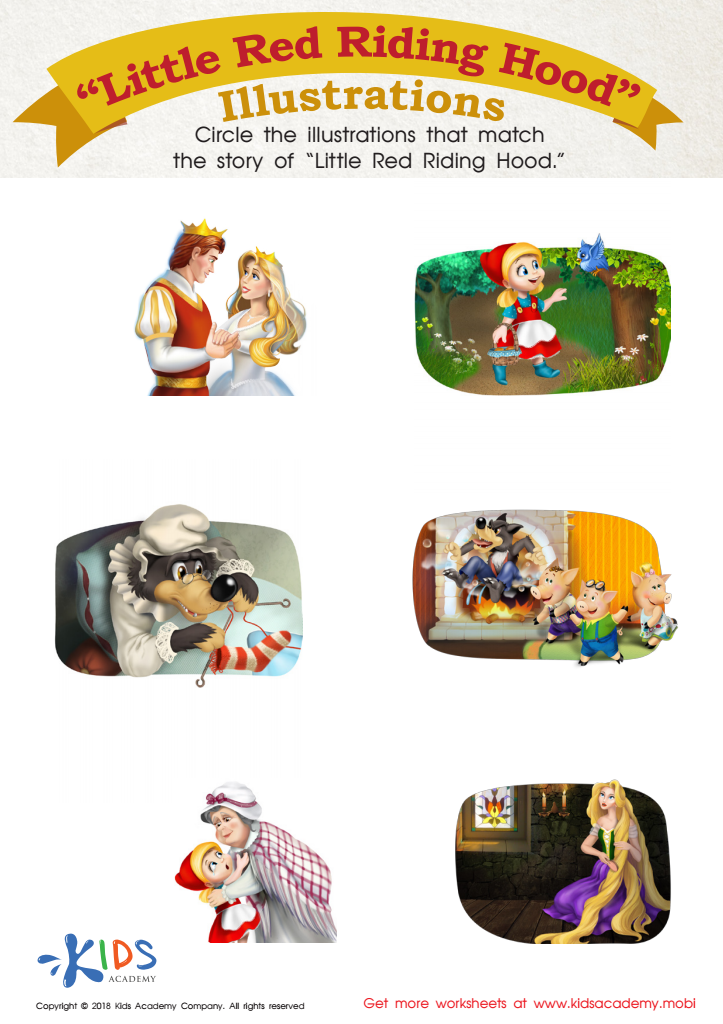
Little Red Riding Hood: Illustrations Worksheet
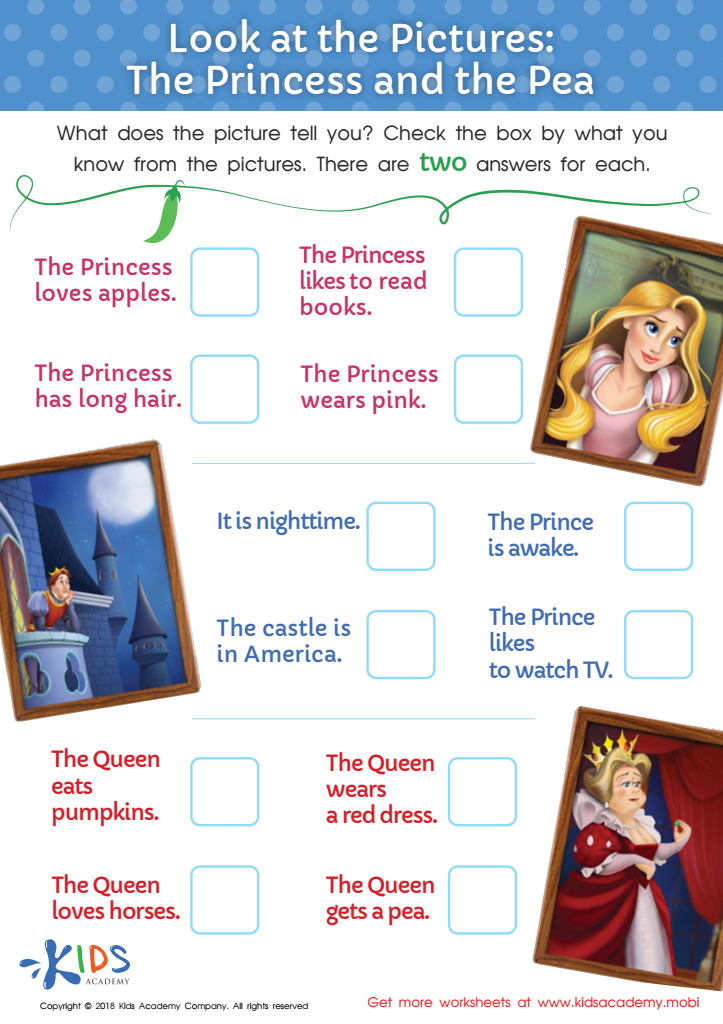
Look at the Pictures: The Princess and the Pea Worksheet
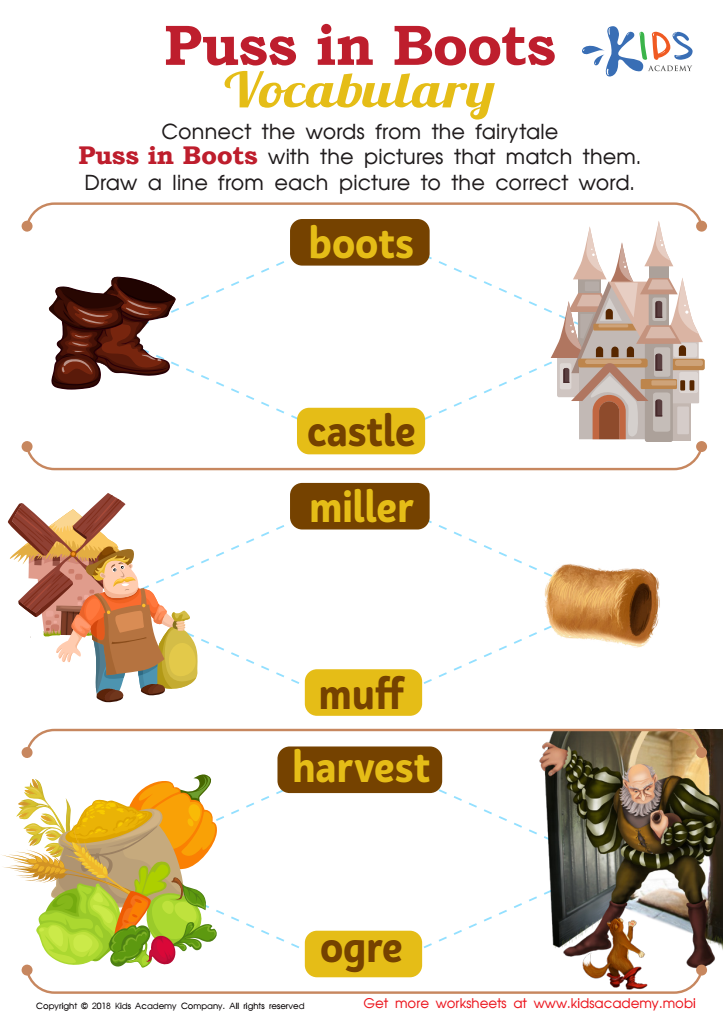
Puss in Boots Vocabulary Worksheet
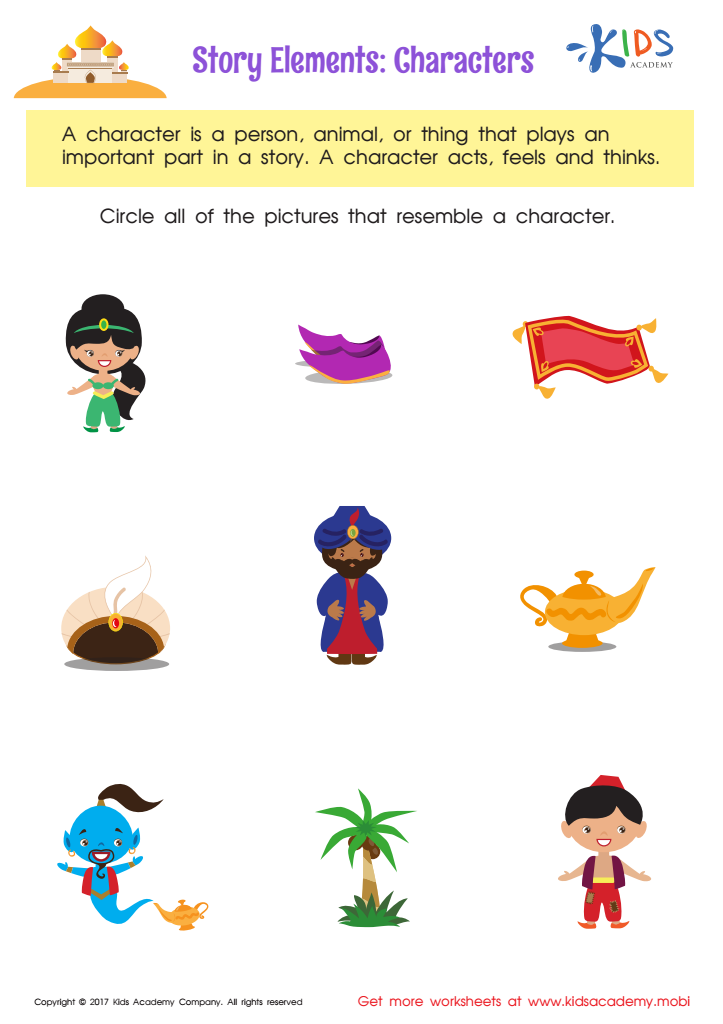
Story Elements Printable
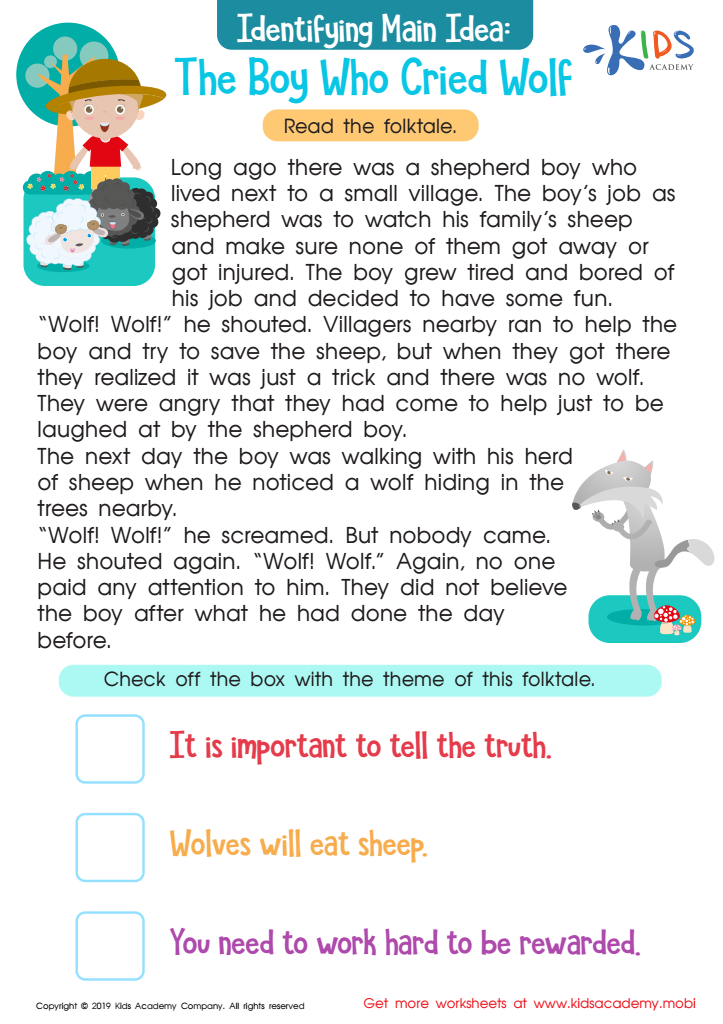
The Boy Who Cried Wolf Part 2 Worksheet
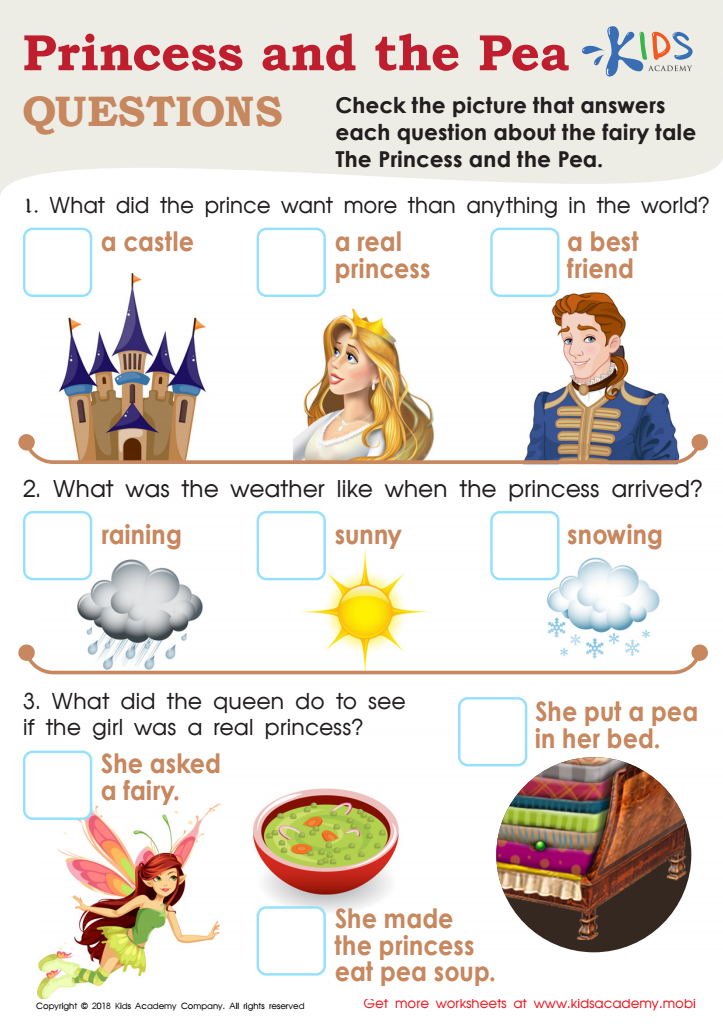
Princess and the Pea Questions Worksheet







Fairy tales are essential tools in the early educational journey of children ages 3-9, and engaging in fairy tale activities offers a wealth of benefits. Firstly, these stories spark imagination and creativity, fostering cognitive development as children visualize characters and settings. When paired with hands-on activities, like art projects or role-play, kids can explore narratives deeply, developing critical thinking and problem-solving skills.
Moreover, fairy tale activities can enhance language skills. By discussing story plots and characters, children expand their vocabulary while learning sequencing and structure. These activities often encourage dialogue, promoting social skills and collaborative learning through group storytelling or puppet shows.
Additionally, fairy tales often encapsulate moral lessons, helping children grasp concepts of right and wrong, empathy, and resilience. When parents and teachers integrate discussions surrounding these themes, it cultivates emotional intelligence.
Furthermore, fairy tales are culturally rich; they introduce children to diverse stories and traditions, fostering an appreciation for different cultures. In summary, integrating fairy tale activities in early education and at home nurtures various teaching principles, making it a valuable learning tool for young children that supports academic growth and emotional development.








