Tracing Worksheets Activities With Answers for Ages 5-8 - Page 6
159 filtered results
-
From - To
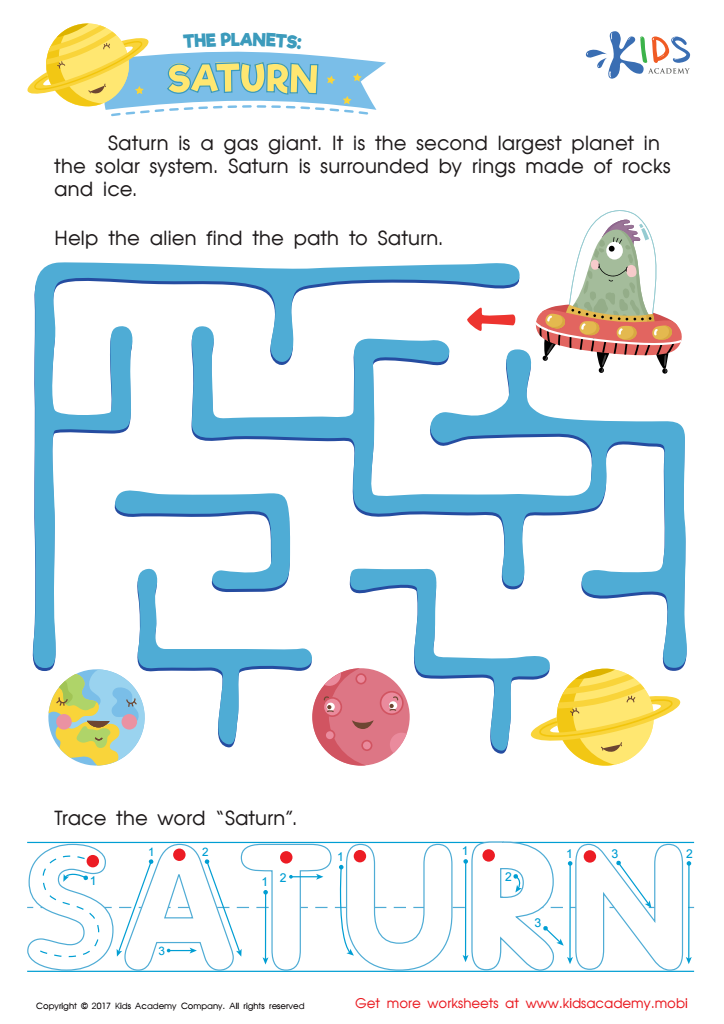
The Planets: Saturn Printable
 Assign to My Students

Santa Claus Tracing Winter Words Worksheet
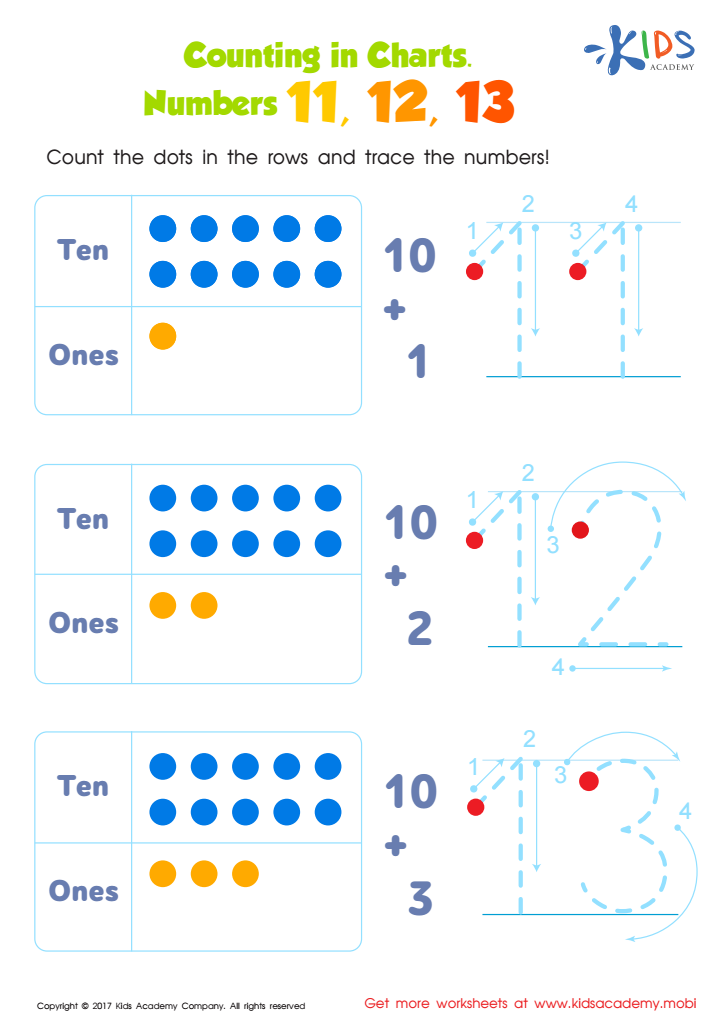
Number Tracing Worksheet For Kindergarten
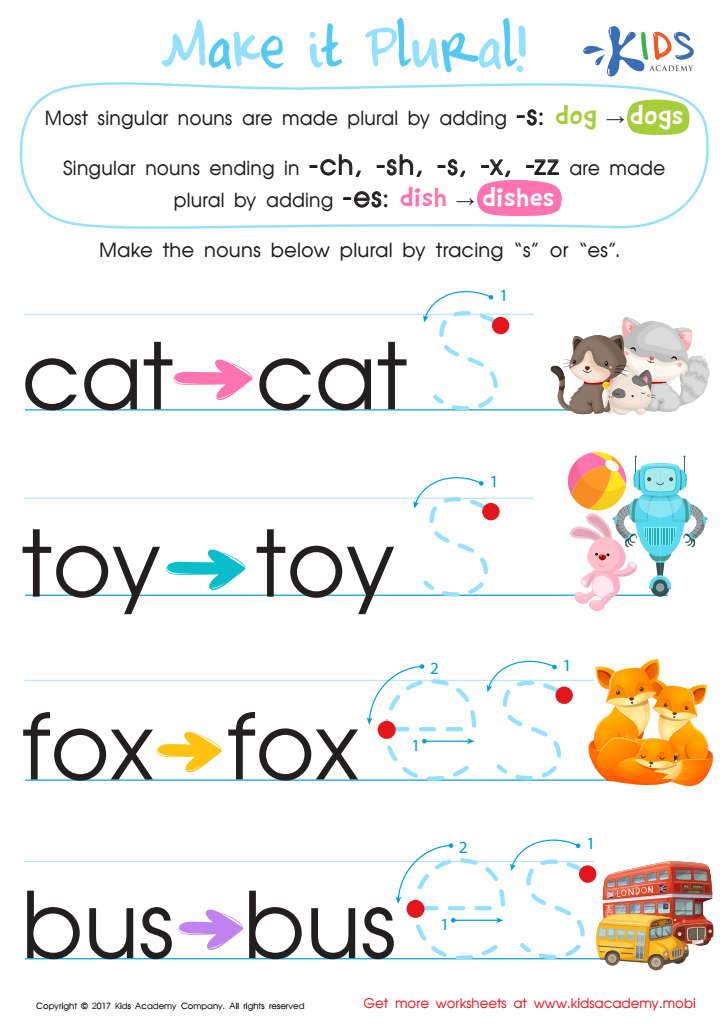
Make it Plural Worksheet
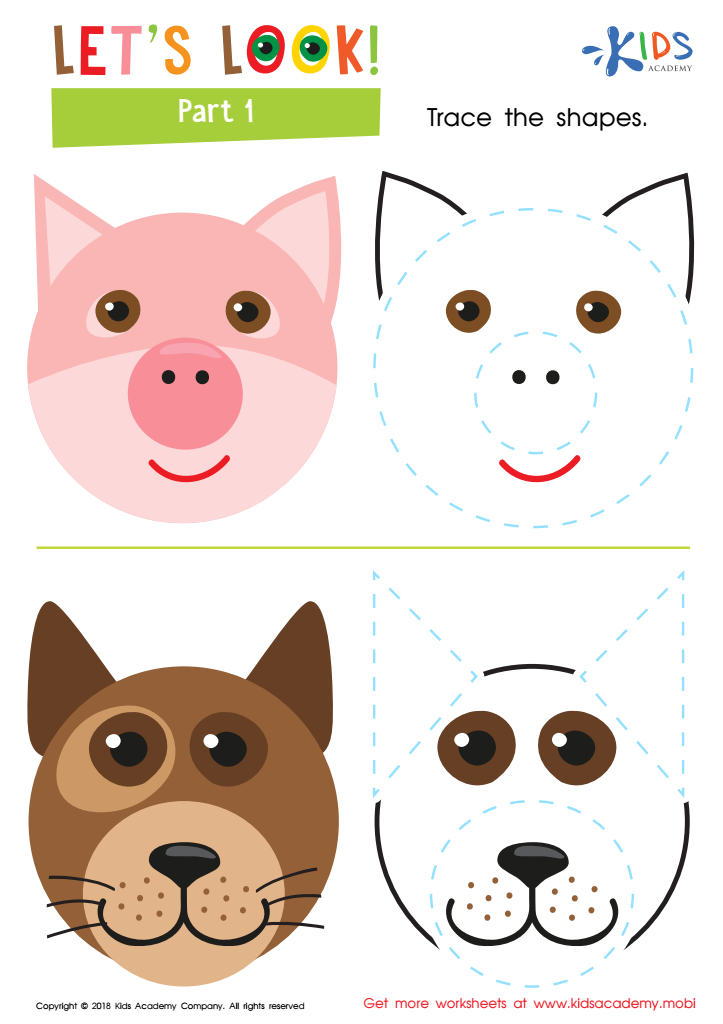
Let's Look! Part 1 Worksheet
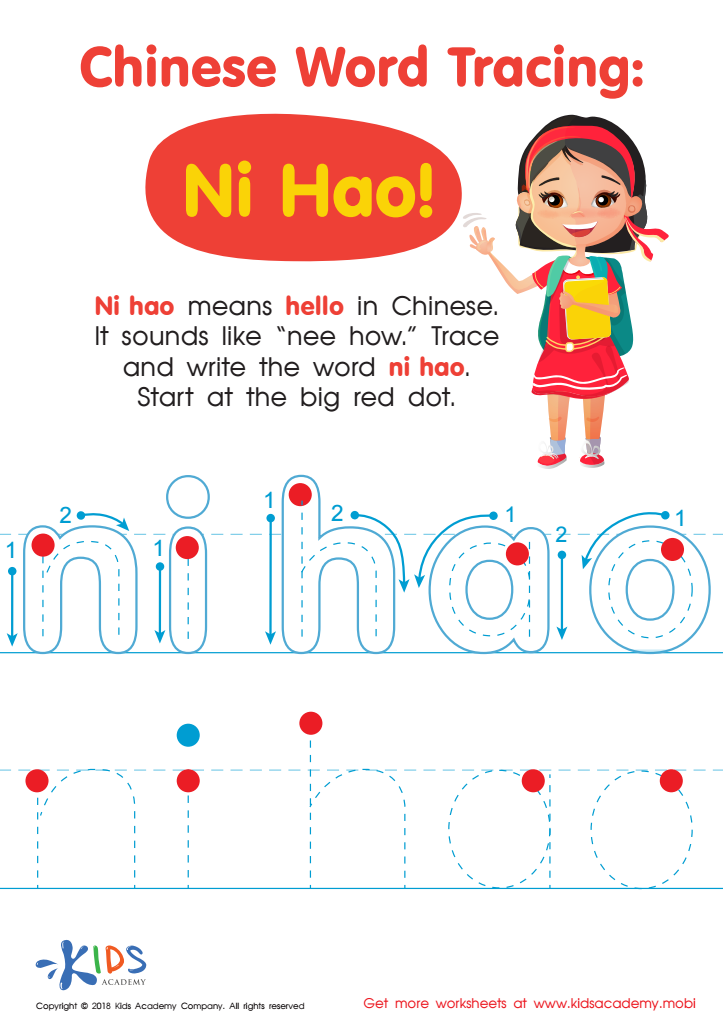
Chinese Word Tracing: Ni Hao Worksheet
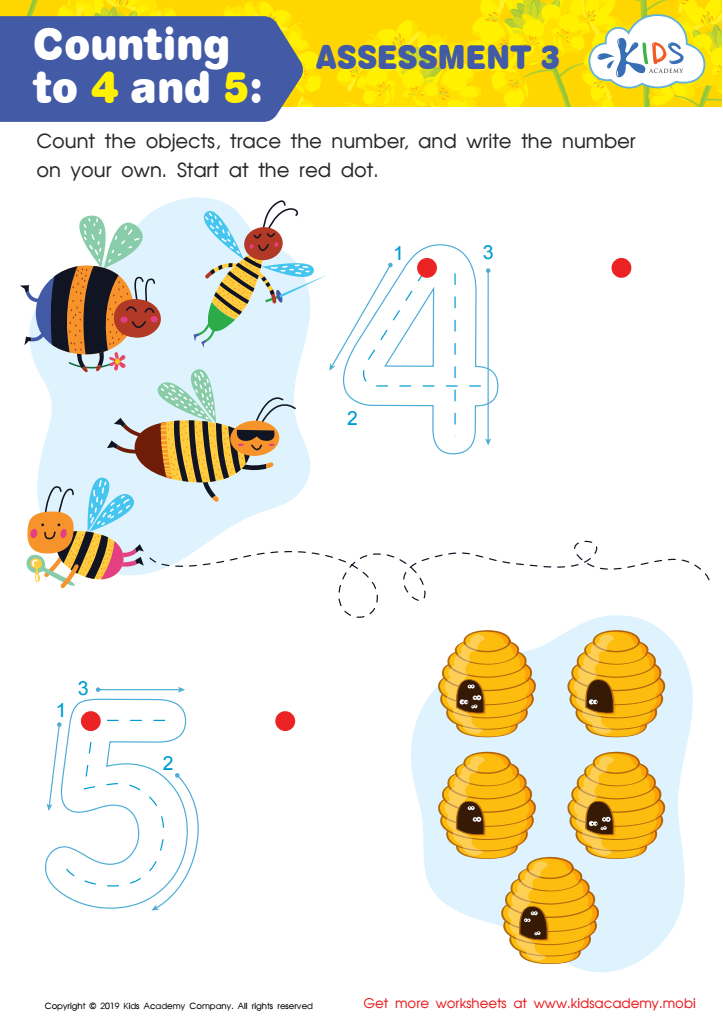
Counting to 4 and 5: Assessment 3 Worksheet
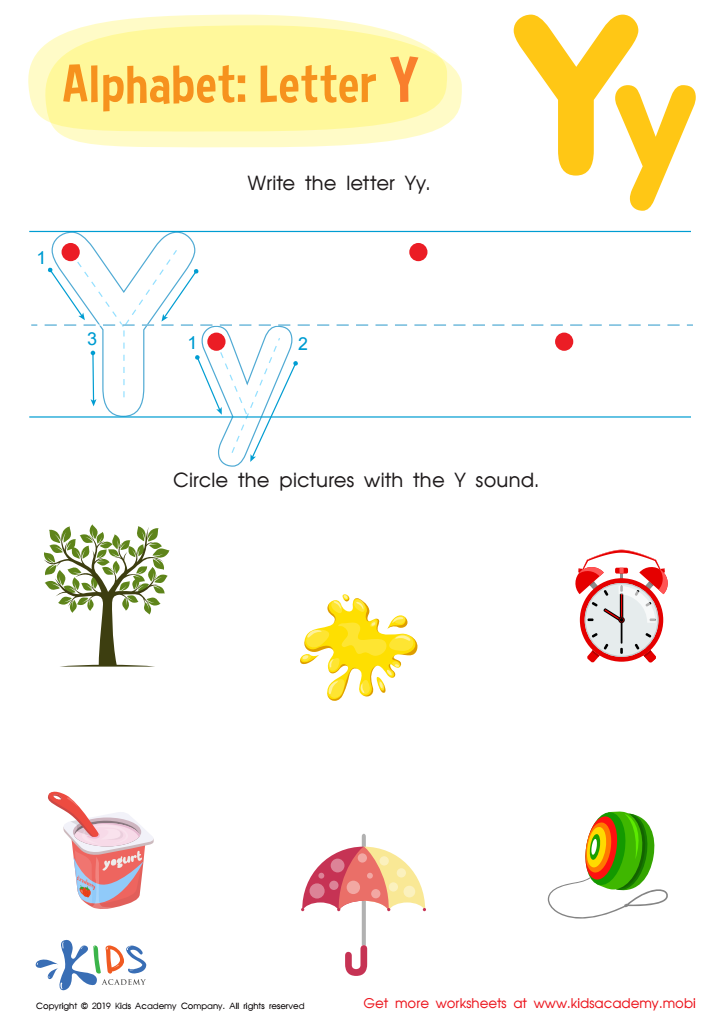
Letter Y Tracing Worksheet
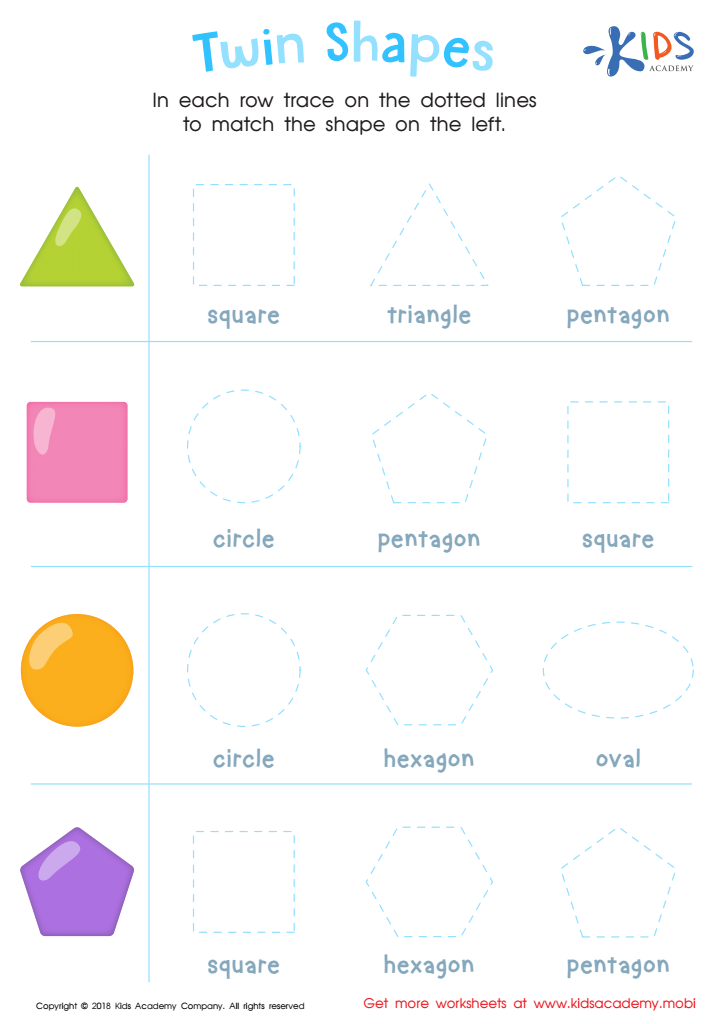
Twin Shapes Dot-to-Dot Worksheet
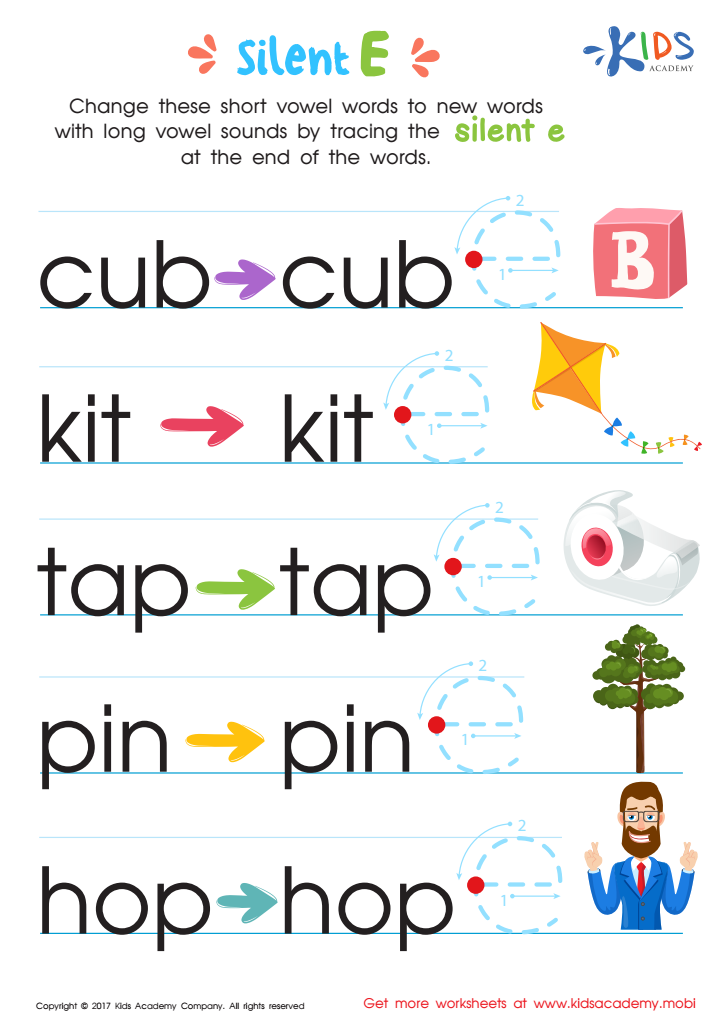
Silent E Words Worksheet
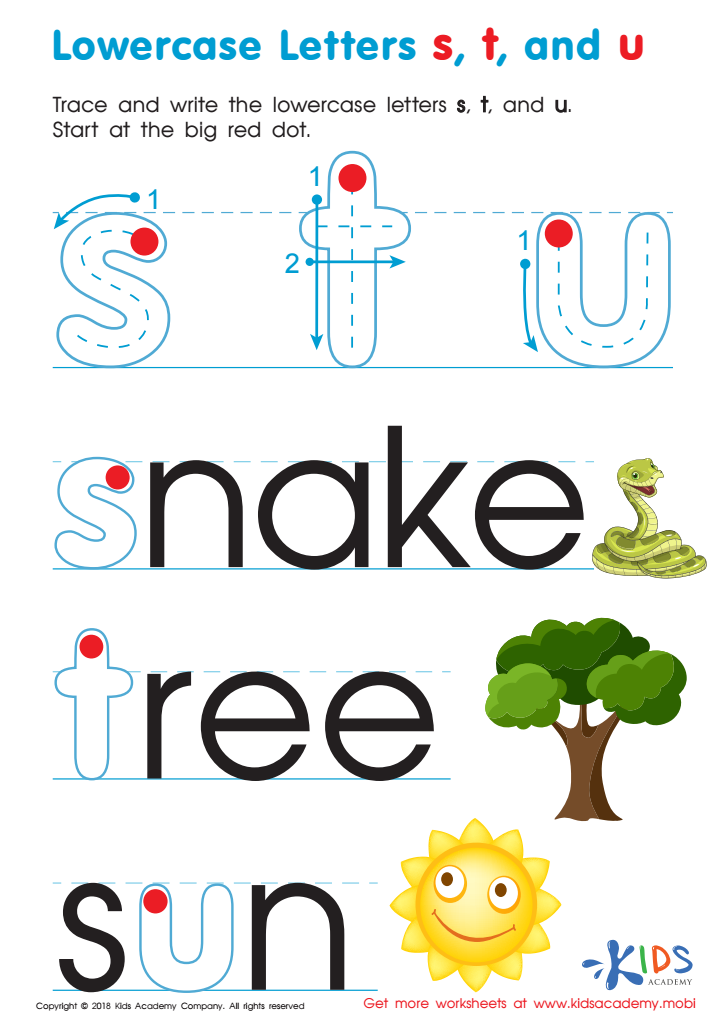
Lowercase Letters s t u Worksheet
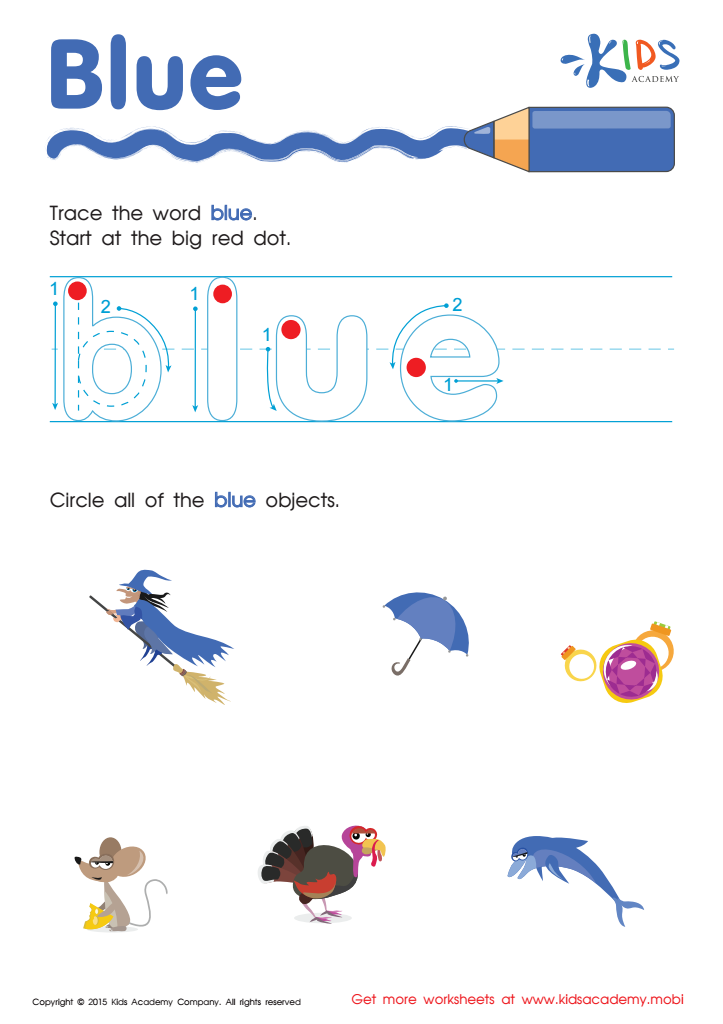
Blue Tracing Color Words Printable
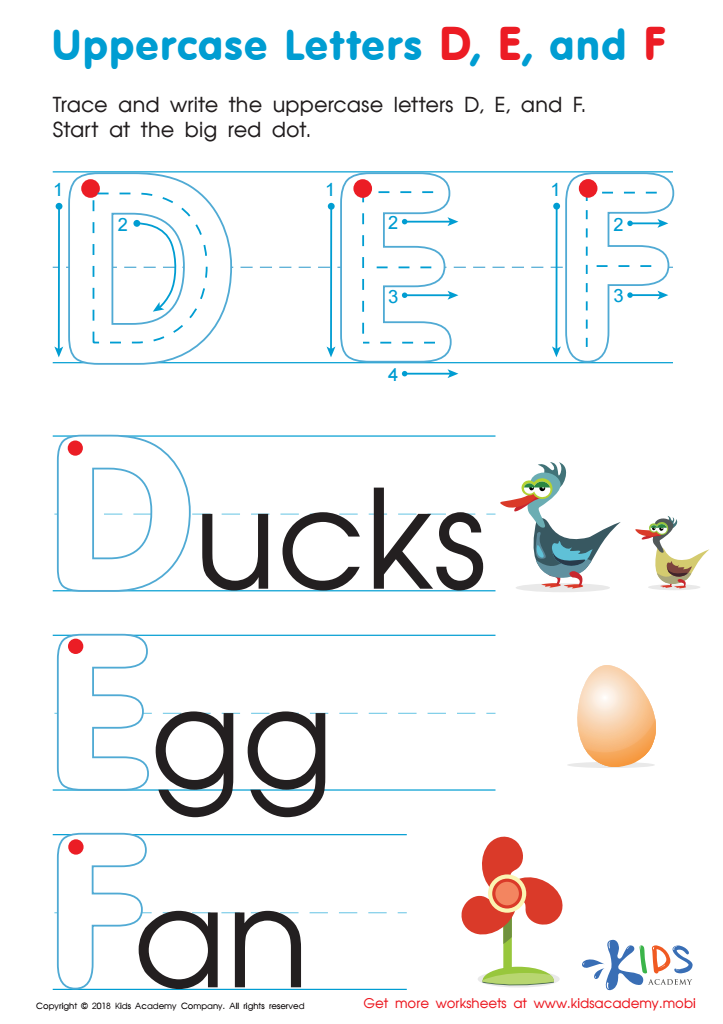
Uppercase Letters D, E, and F Worksheet
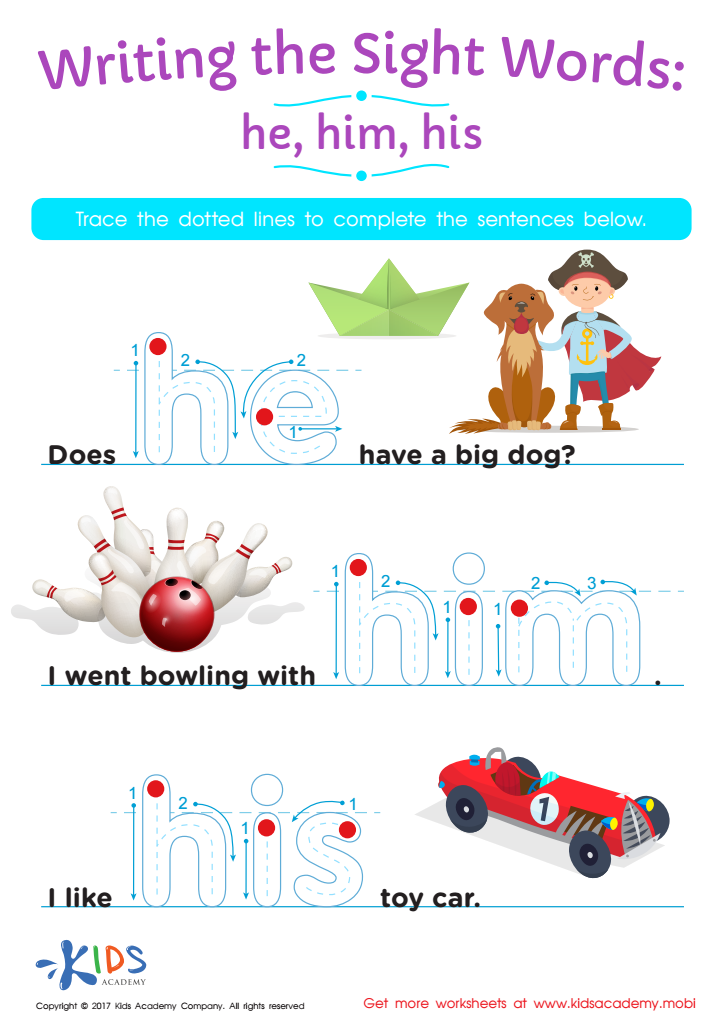
He, Him, His Printable Sight Words Worksheet
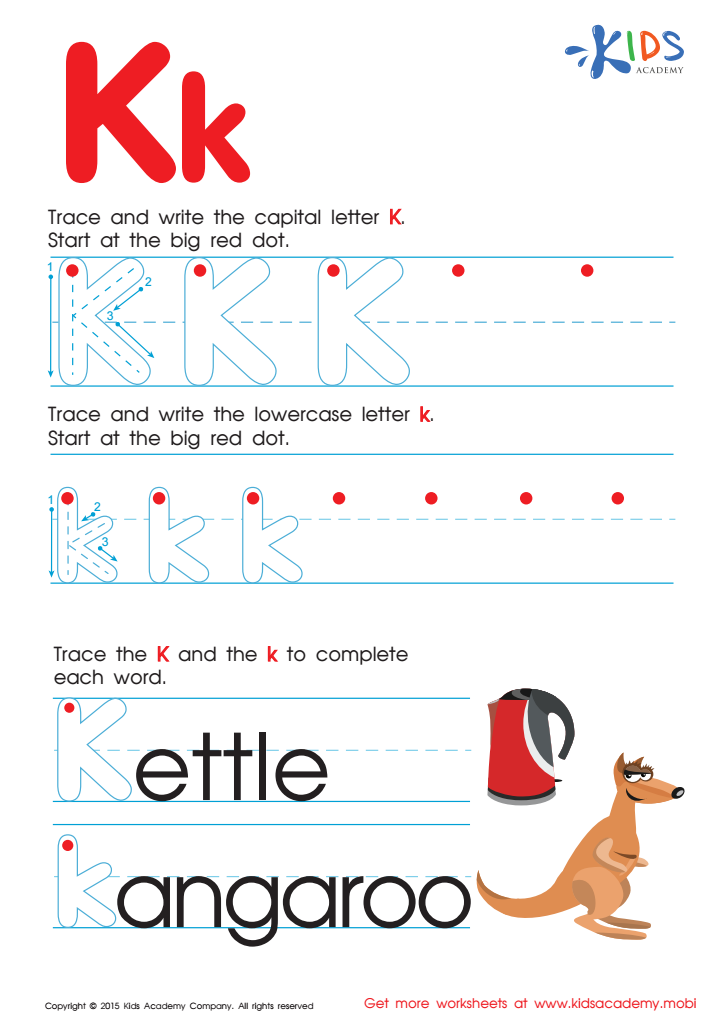
Letter K Tracing Page
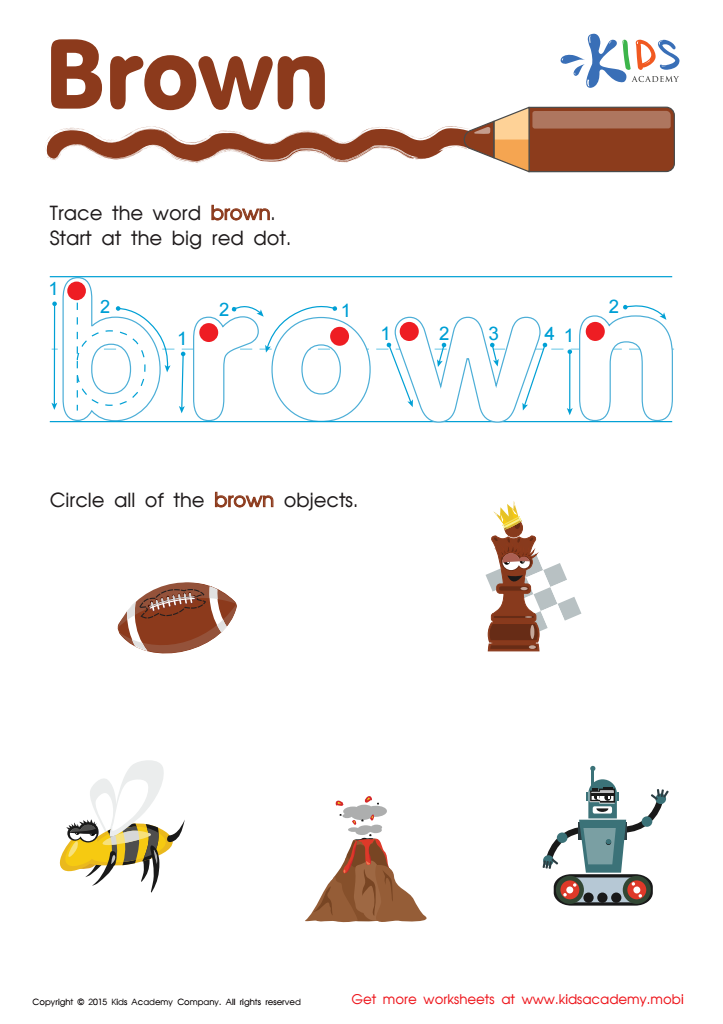
Brown Tracing Color Words Worksheet
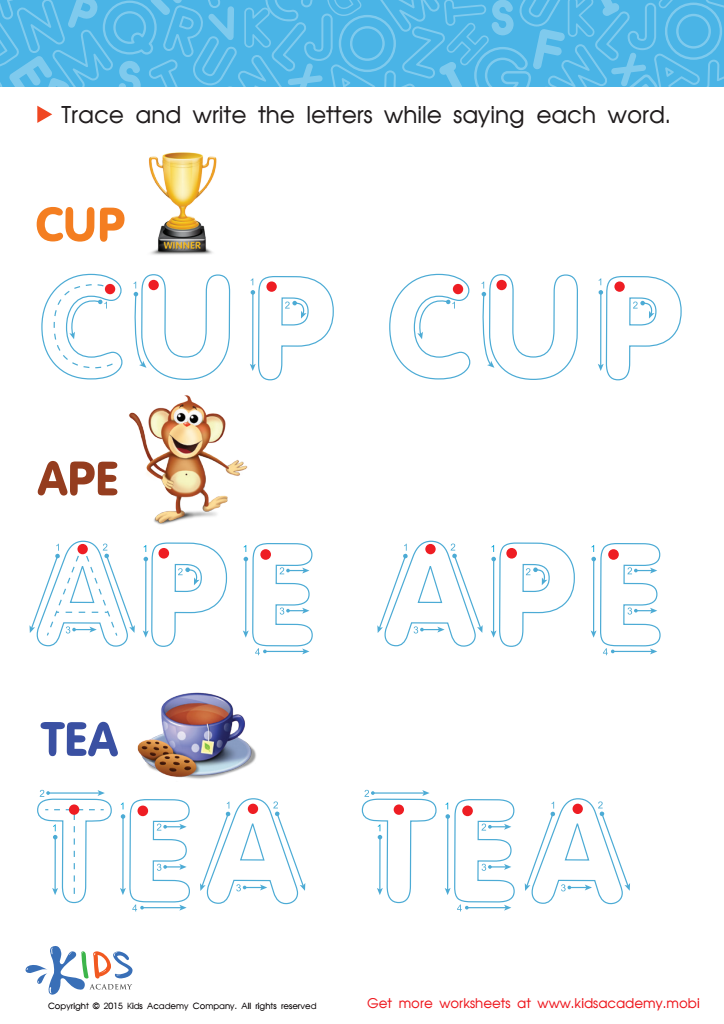
A Cup, an Ape and Tea Spelling Worksheet
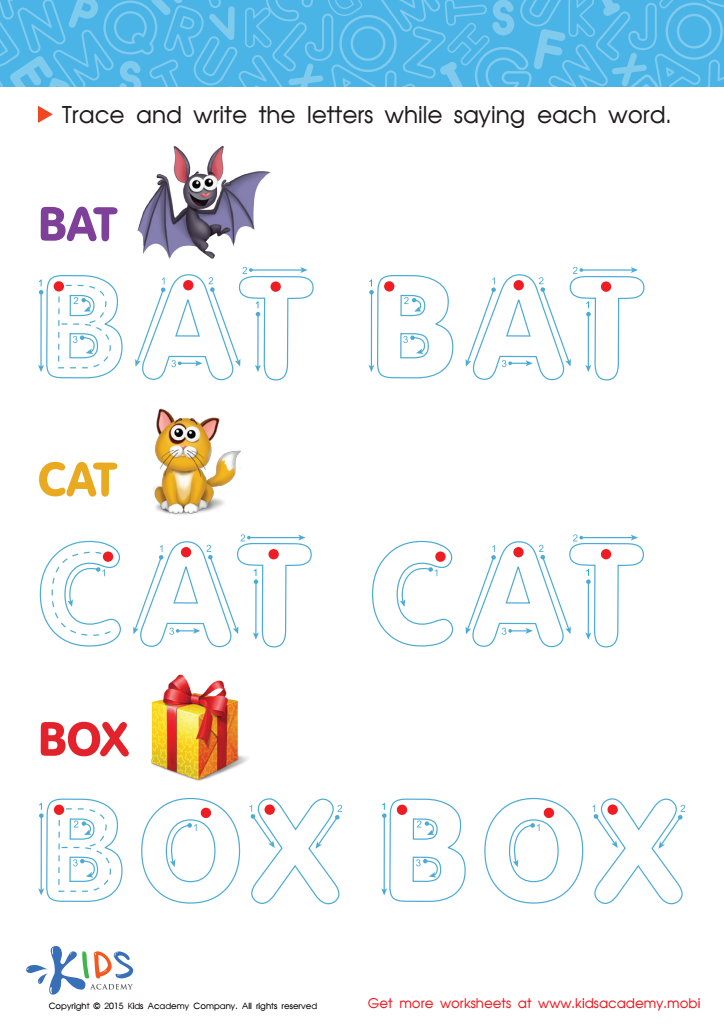
A Bat, a Cat and a Box Spelling Worksheet
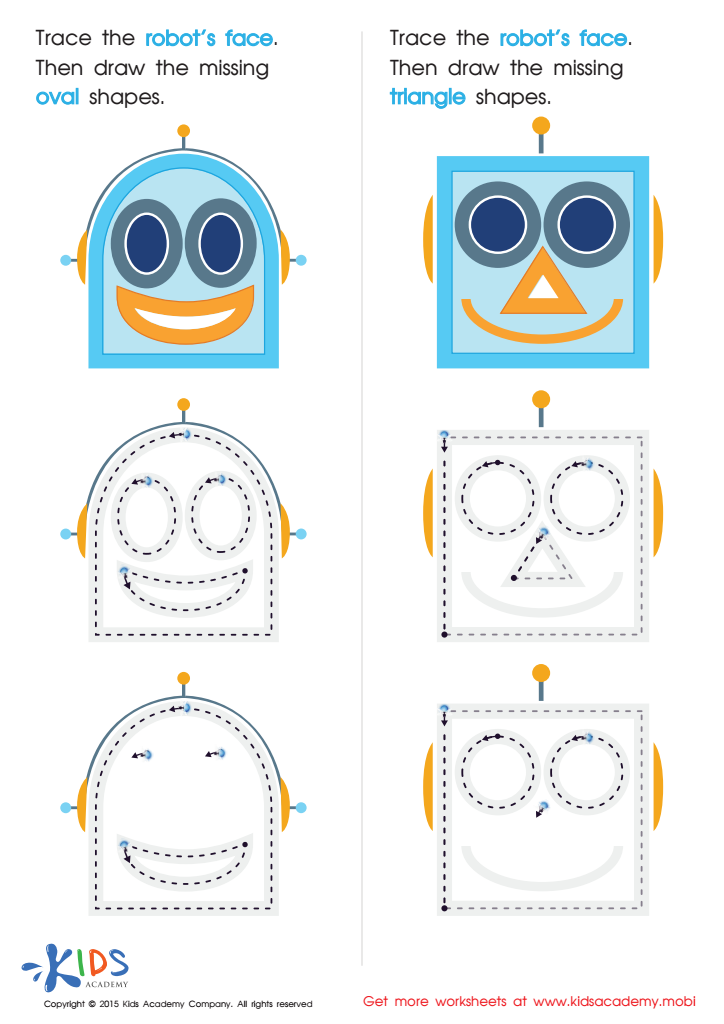
Drawing Ovals And Triangles with Fun Printable
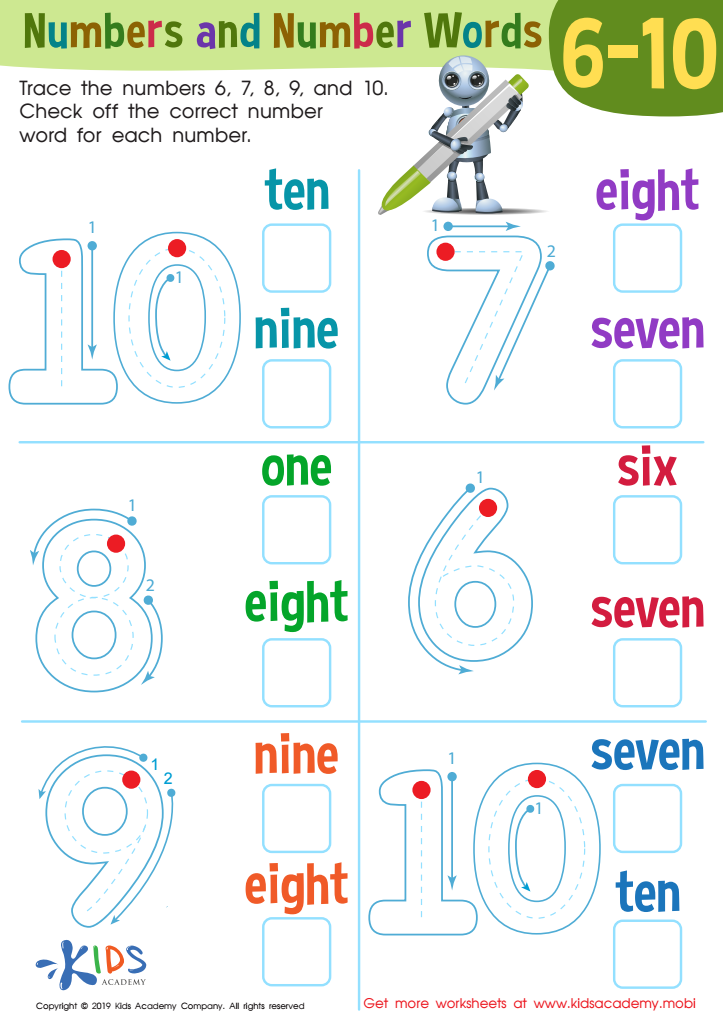
Numbers and Number Words 6–1 Worksheet
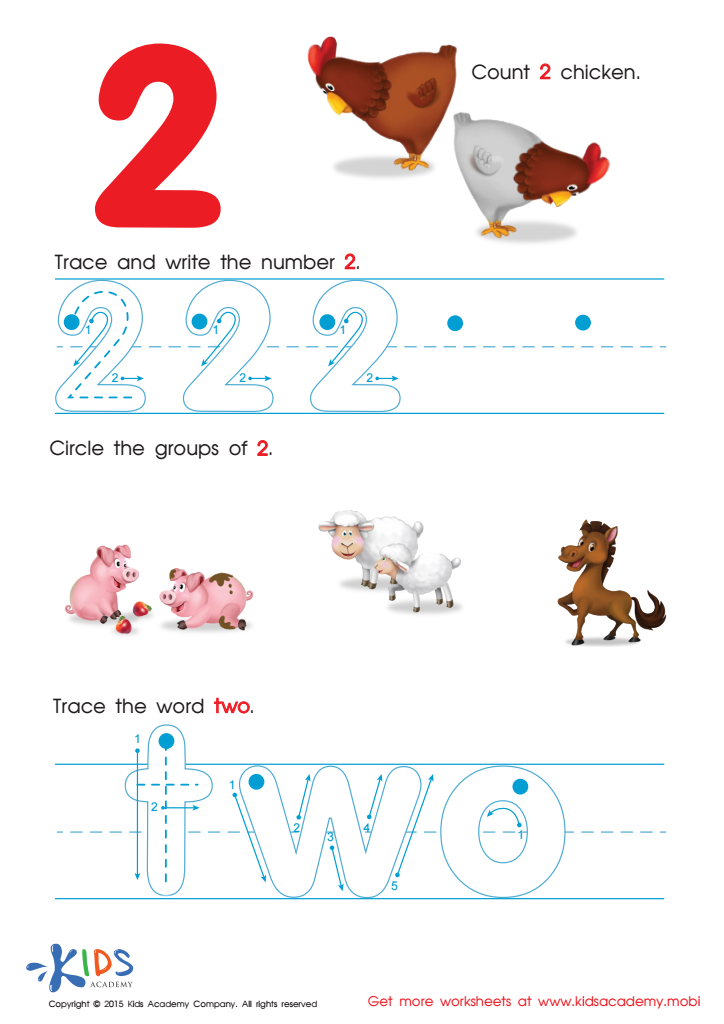
Learn to Write the Number 2 Worksheet

Letter F Tracing Page
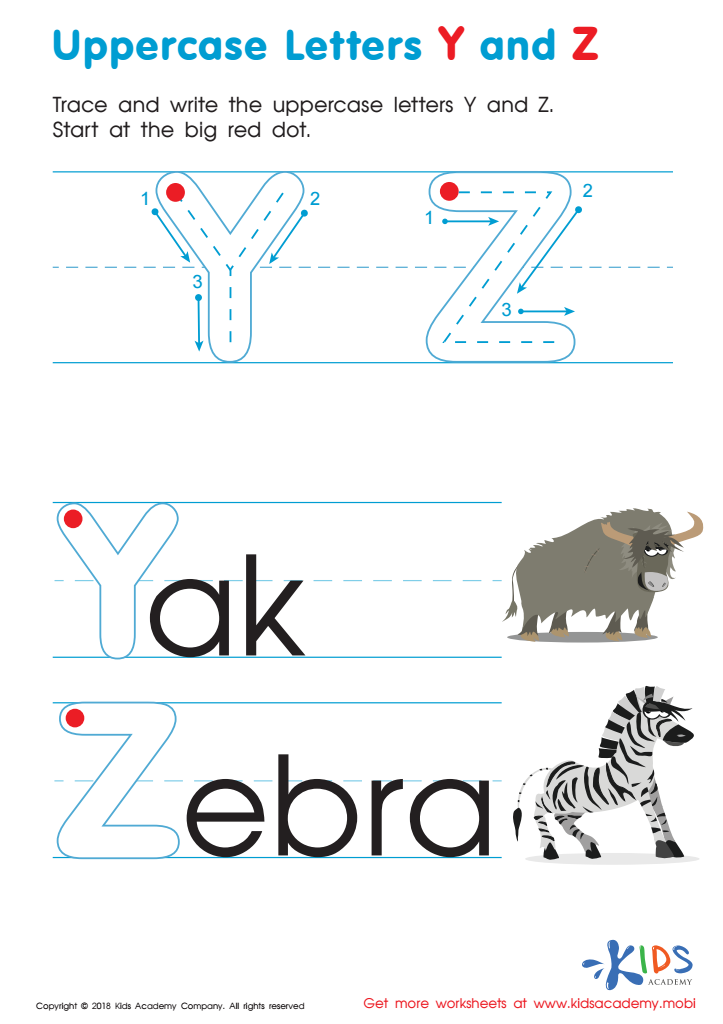
Uppercase Letters Y Z Worksheet
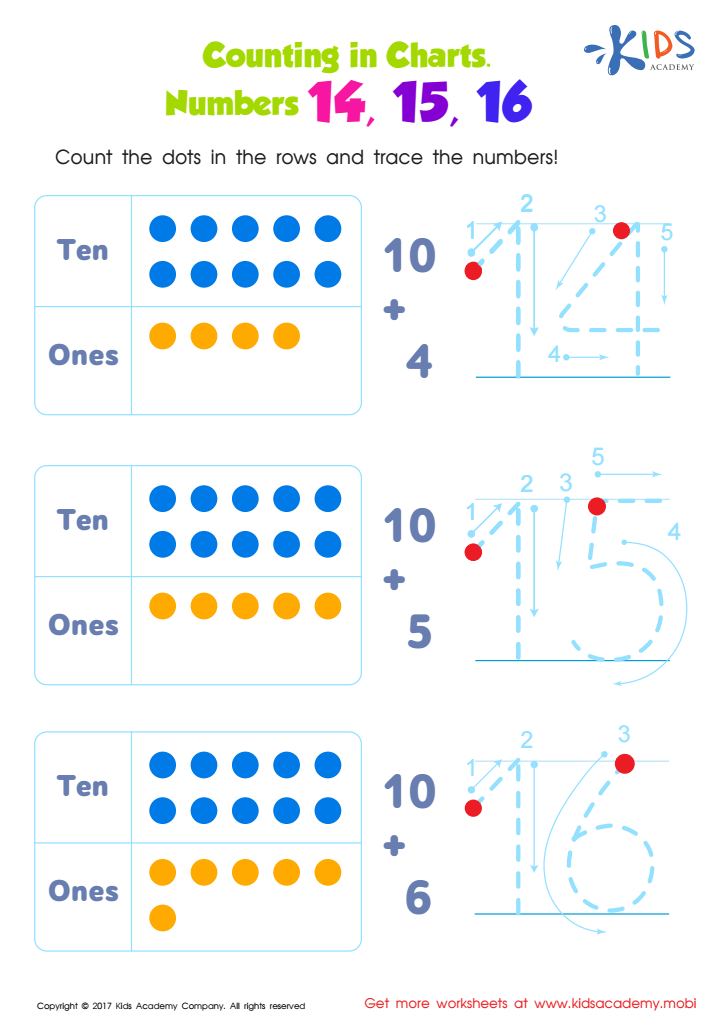
Number Tracing Worksheet







Tracing activities are vital for children aged 5-8 as they contribute significantly to early development in several areas. First, these activities enhance fine motor skills, allowing children to improve their hand-eye coordination and dexterity, which are essential for tasks like writing and drawing. As they trace shapes and letters, they develop muscle memory, making it easier to write independently later on.
Moreover, tracing activities foster cognitive development. They encourage recognition of letters, numbers, and shapes, aiding in reading and mathematical skills foundational at this age. This visual and tactile approach helps cement understanding in a fun, engaging manner.
For teachers and parents, incorporating tracing activities can be an effective teaching strategy, combining play with learning. They offer a structured way for children to explore and practice new concepts, ensuring kids learn through connection and repetition—essential for retention at this formative stage.
Additionally, tracing can be adapted to meet individual learning needs, making it an inclusive resource for diverse classrooms or home settings. Overall, prioritizing tracing activities not only supports skill acquisition but also builds confidence, laying the groundwork for future educational success.








