Geometry Worksheets Activities With Answers for Ages 5-9
7 filtered results
-
From - To
Explore our engaging Geometry Worksheets and activities designed specifically for children ages 5 to 9. Our resources feature a variety of fun and interactive exercises that help young learners grasp essential geometric concepts, including shapes, symmetry, and measurement. Each worksheet comes complete with answer keys, ensuring that parents and educators can easily assess progress and understanding. These carefully crafted activities not only entertain but also enhance critical thinking skills, making learning geometry an enjoyable experience. Perfect for home or classroom use, our worksheets cater to different learning styles and allow children to build a strong foundation in mathematics. Start exploring today!
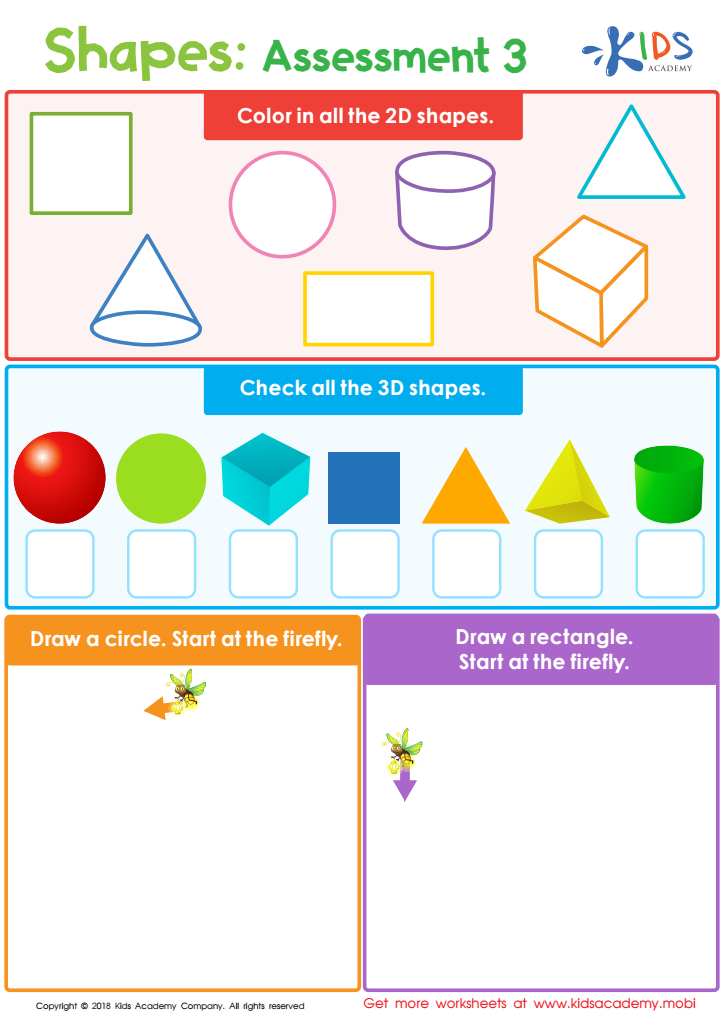
Shapes: Assessment 3 Worksheet
 Assign to My Students
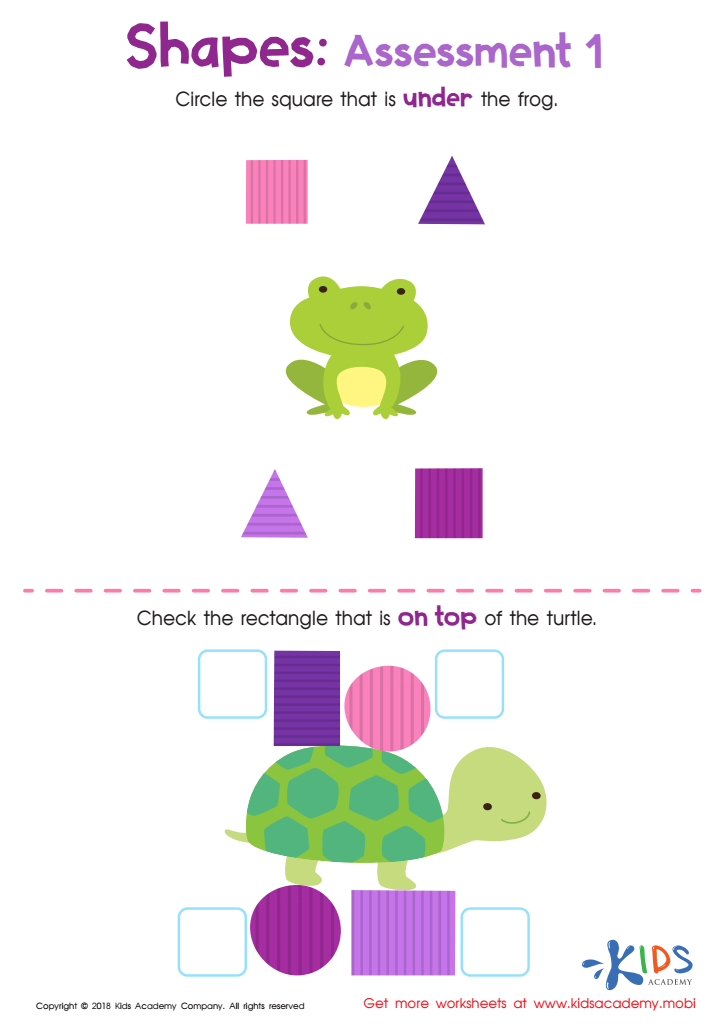
Geometry – Assessment 1 Worksheet
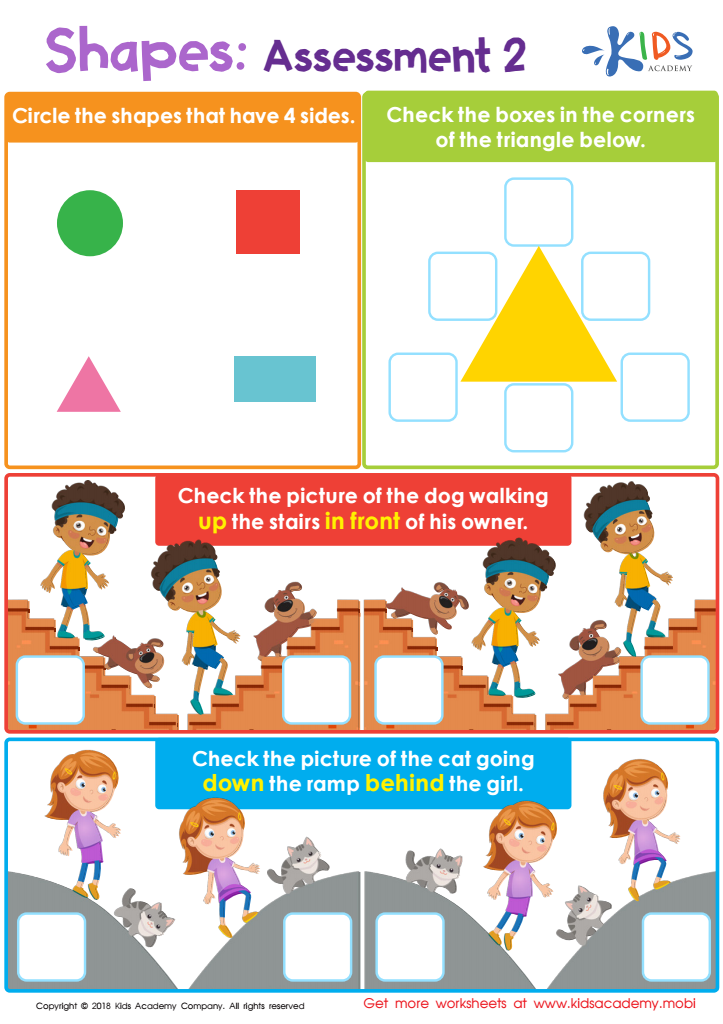
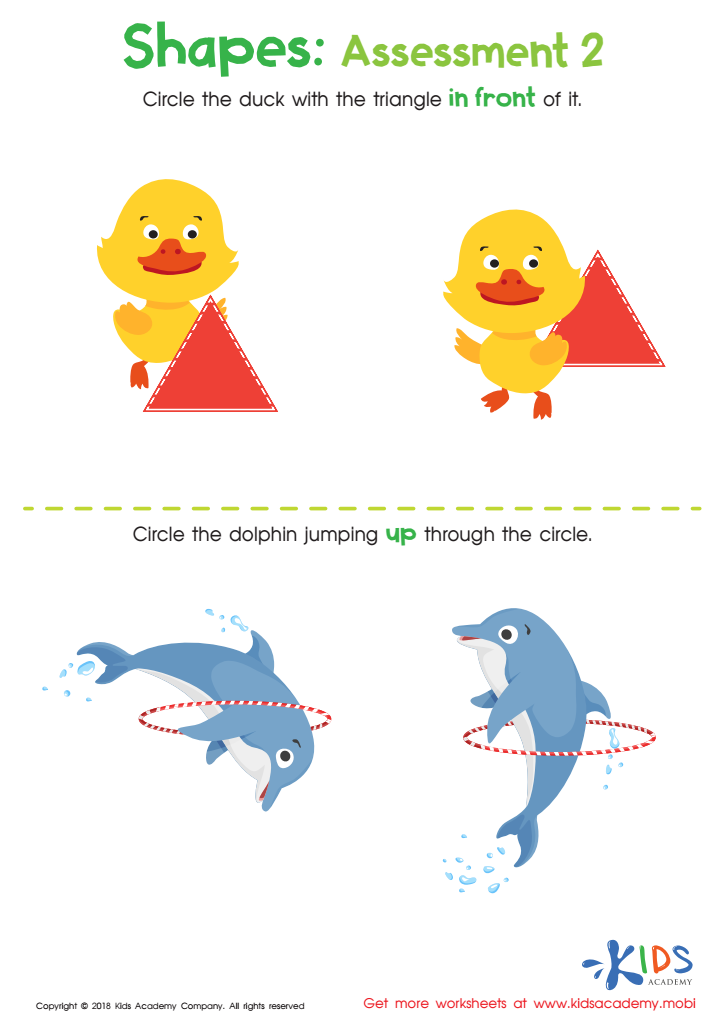
Shapes: Assessment 2 Worksheet
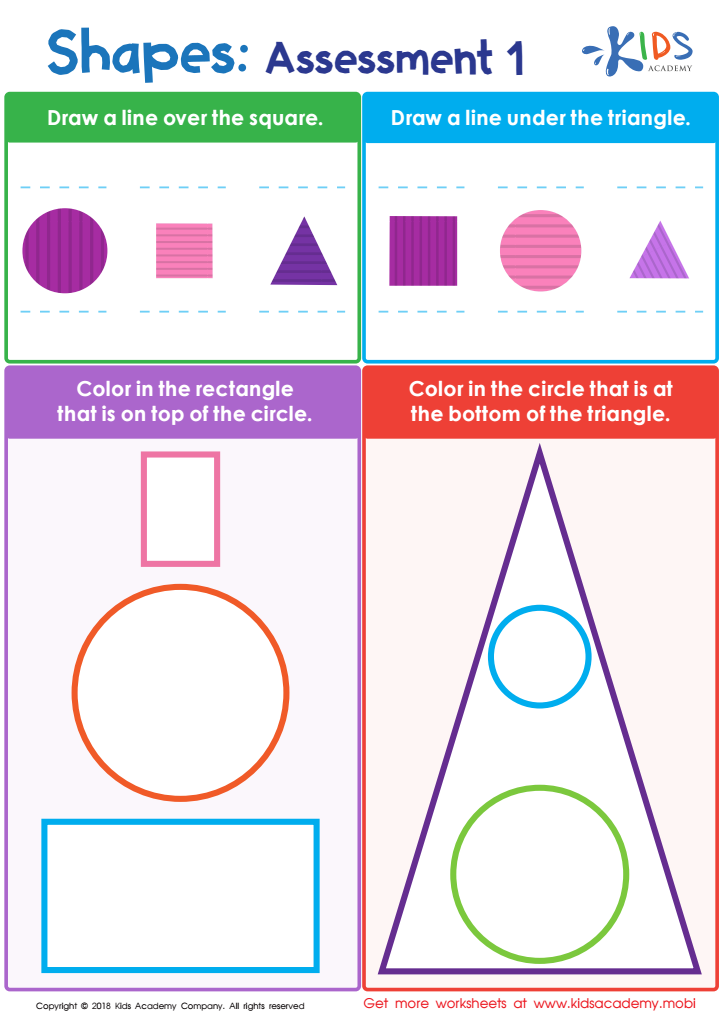
Shapes: Assessment 1 Worksheet
Geometry – Assessment 2 Worksheet
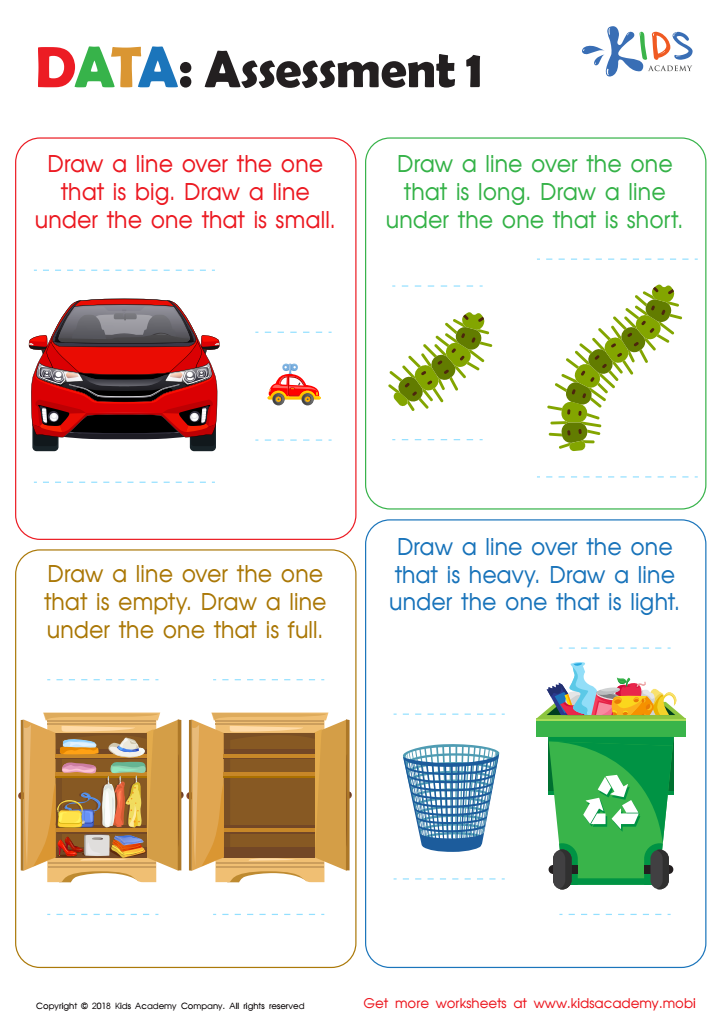
Data: Assessment 1 Worksheet
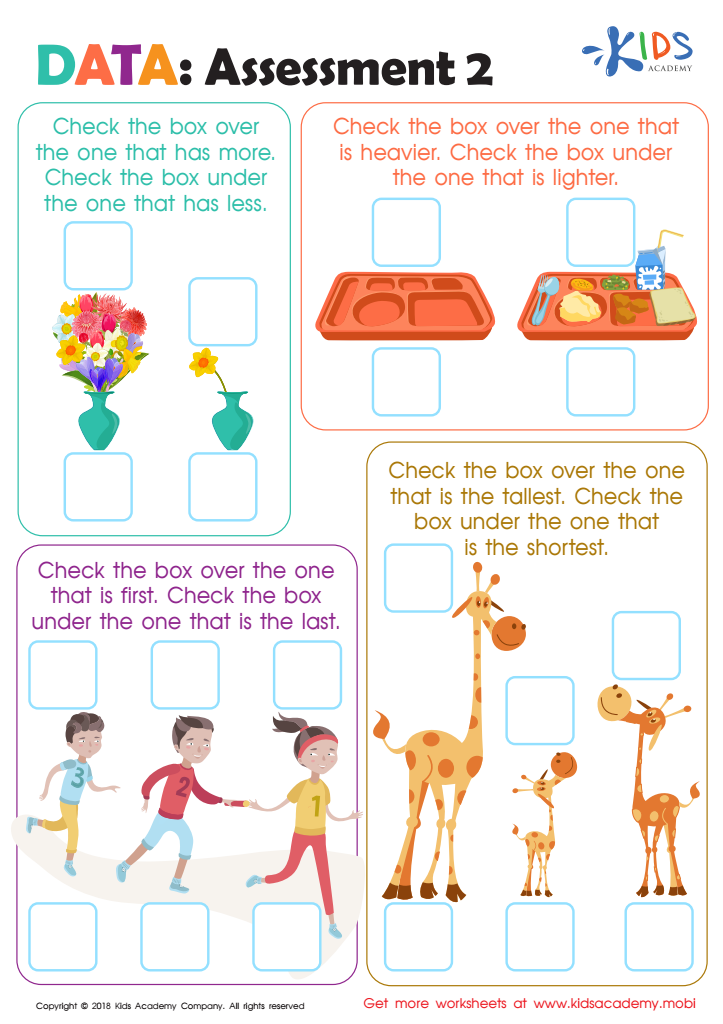
Data: Assessment 2 Worksheet







Geometry activities for ages 5-9 play a crucial role in foundational math skills development. Parents and teachers should care about these activities for several reasons. Firstly, geometry enhances spatial reasoning skills, allowing children to better understand shapes, sizes, and the relationships between different objects. This foundational knowledge is essential not only for future math topics but also for critical thinking and problem-solving in everyday life.
Moreover, engaging geometry activities encourage hands-on learning, which is vital for young learners. Activities such as shape sorting, building with blocks, or exploring patterns foster creativity and make abstract concepts tangible. These experiences promote active engagement, allowing children to visualize and manipulate structures, thereby solidifying their understanding.
Additionally, providing answers and guidance helps reinforce learning, allowing children to reflect on their mistakes and discover solutions independently. This process cultivates resilience and confidence, essential attributes for academic success.
Lastly, geometry is often integrated into real-life scenarios, such as recognizing shapes in nature or art. By connecting schoolwork with the world around them, parents and teachers can instill a lifelong appreciation for math. In conclusion, thoughtful geometry activities not only build essential skills but also foster a love for learning in young children.








