Tracing Worksheets Activities With Answers for Ages 5-9 - Page 7
159 filtered results
-
From - To
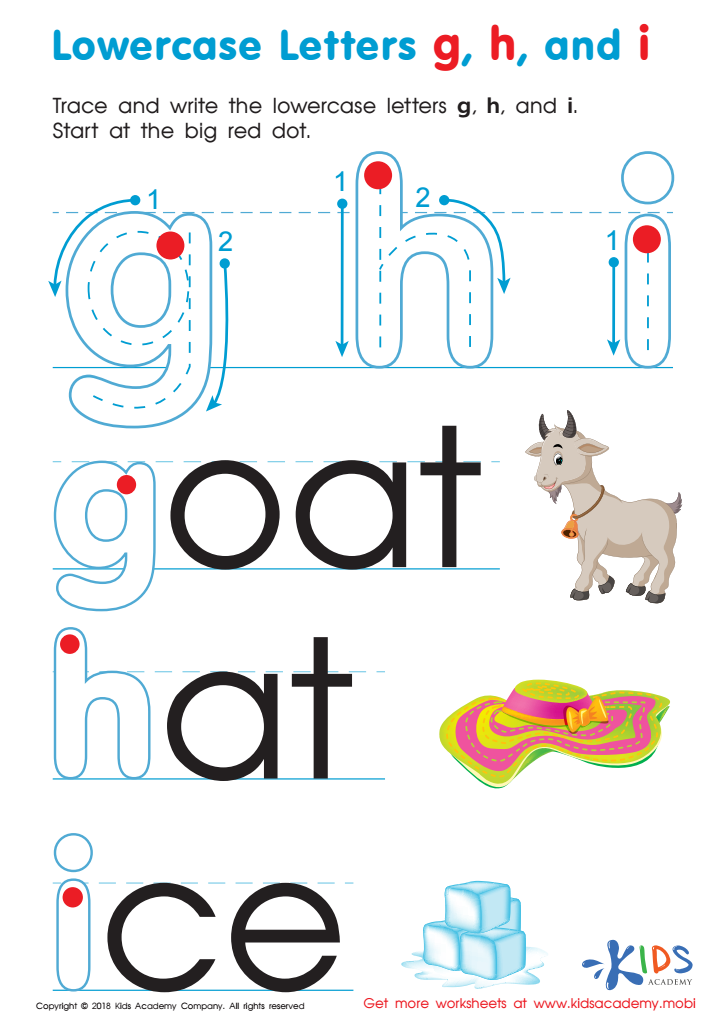
Lowercase Letters g h i Worksheet
 Assign to My Students
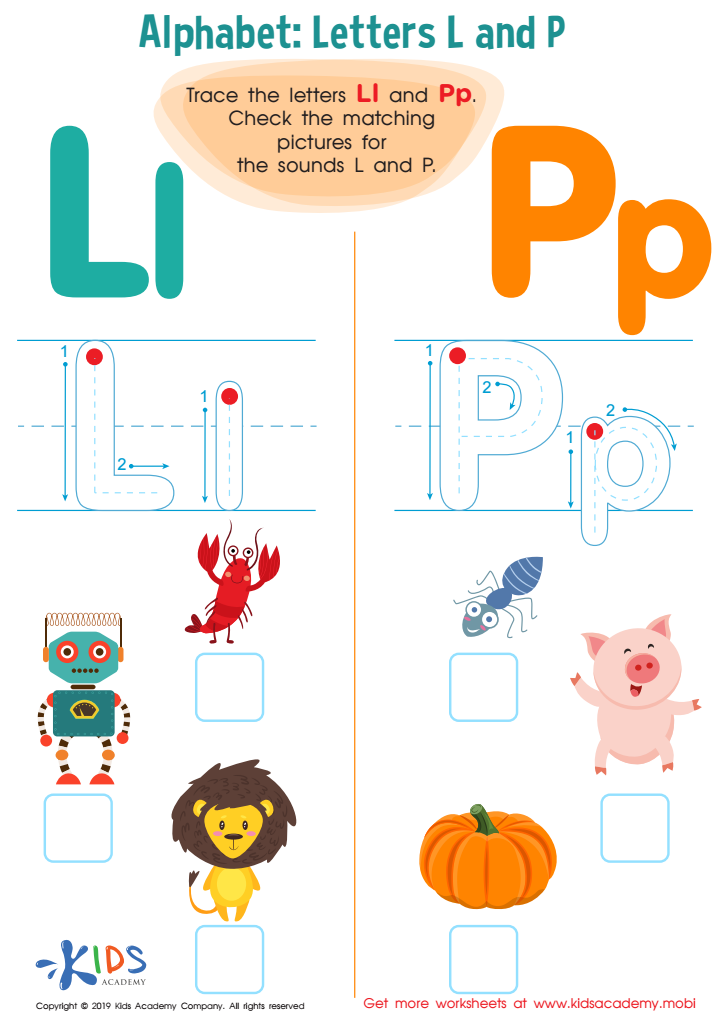
Letter L and P Tracing Worksheet
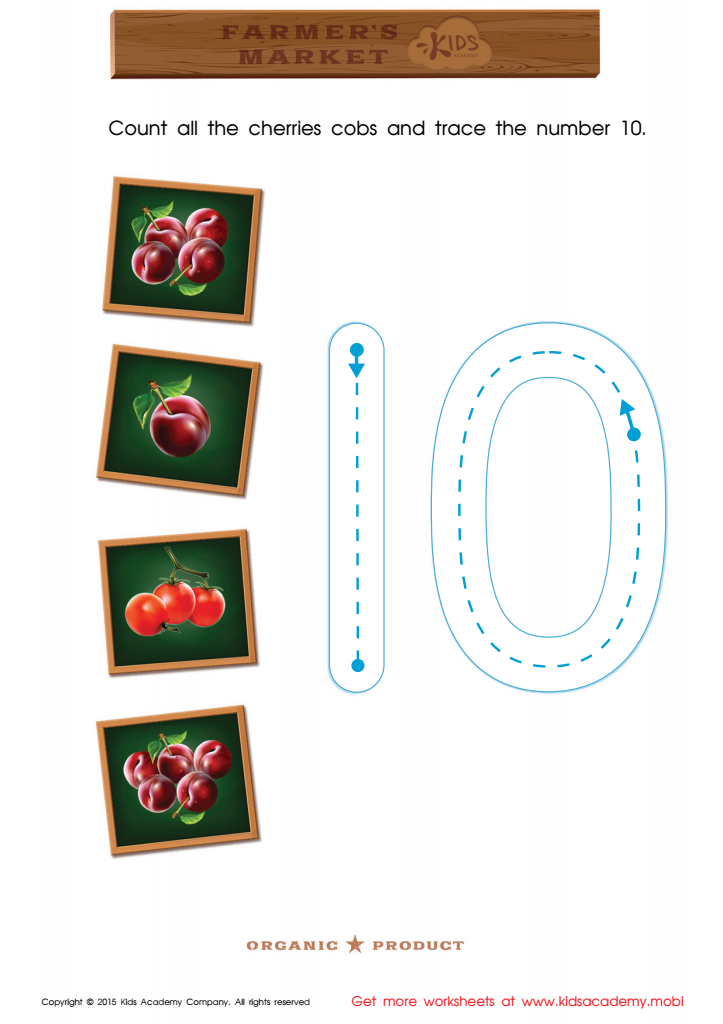
Count the Cherries and Trace the Number 10 Printable
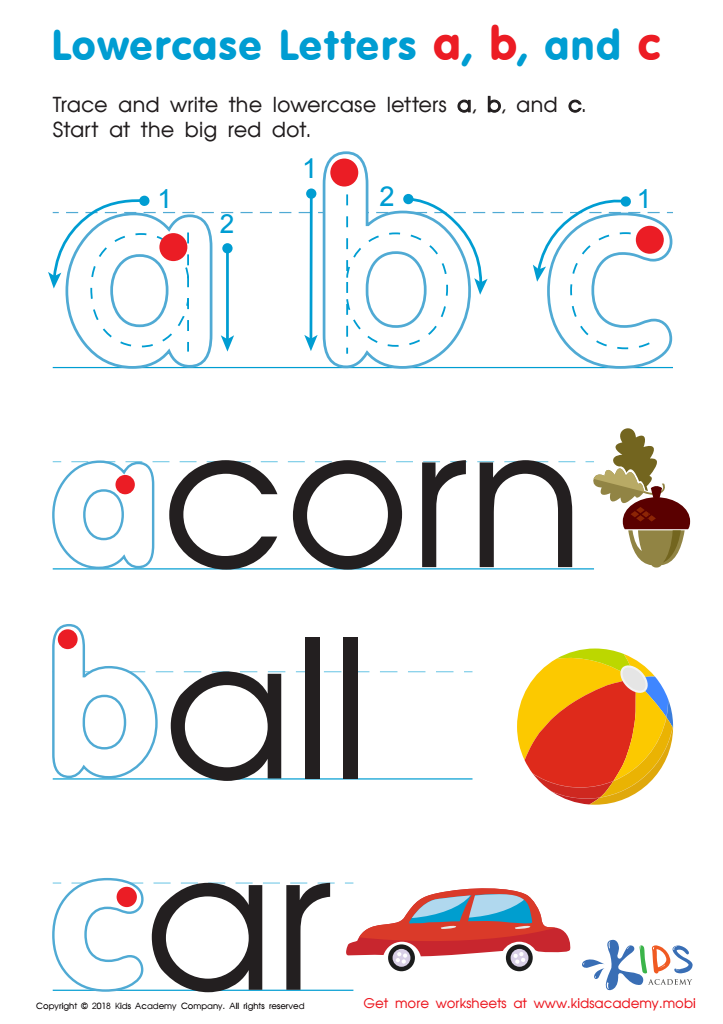
Lowercase Letters a b c Worksheet
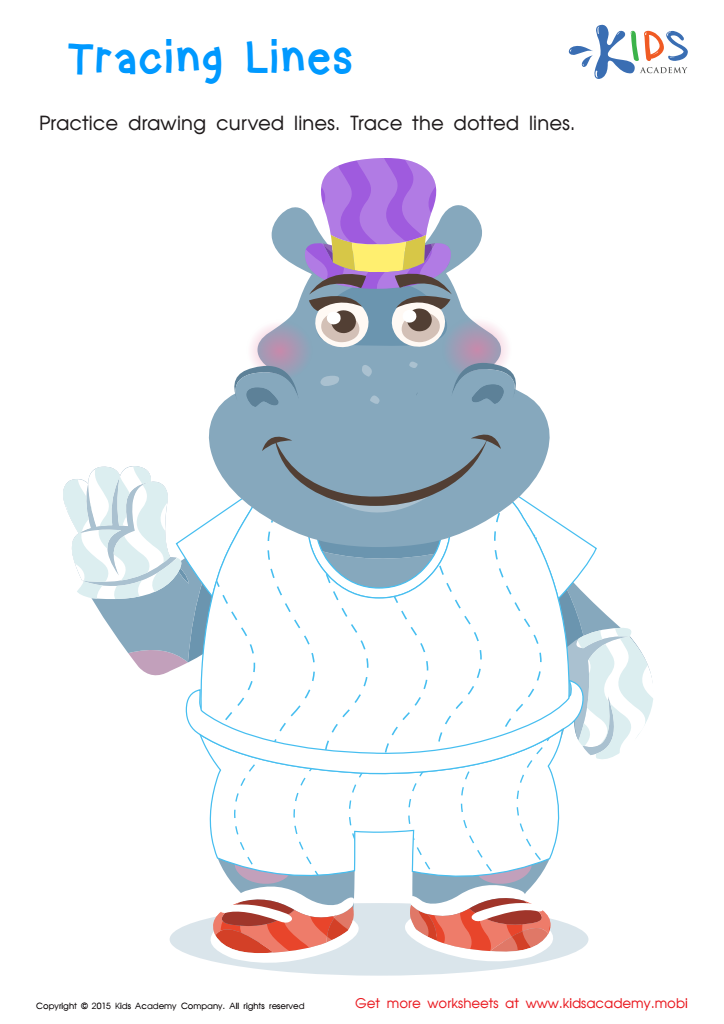
Tracing Lines Worksheet
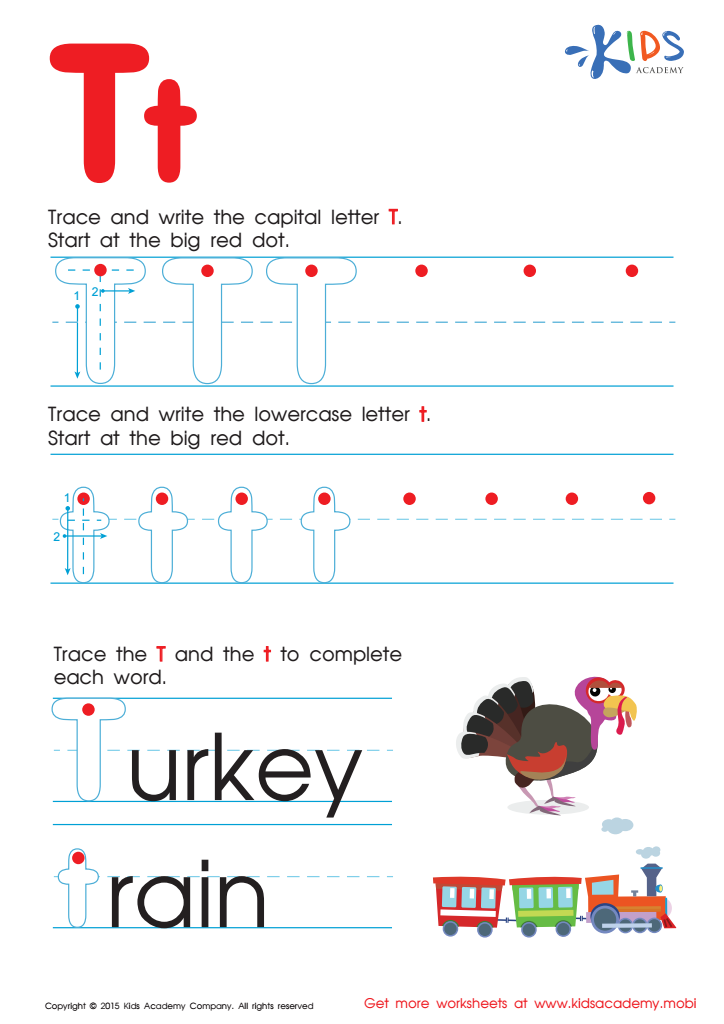
Letter T Tracing Page
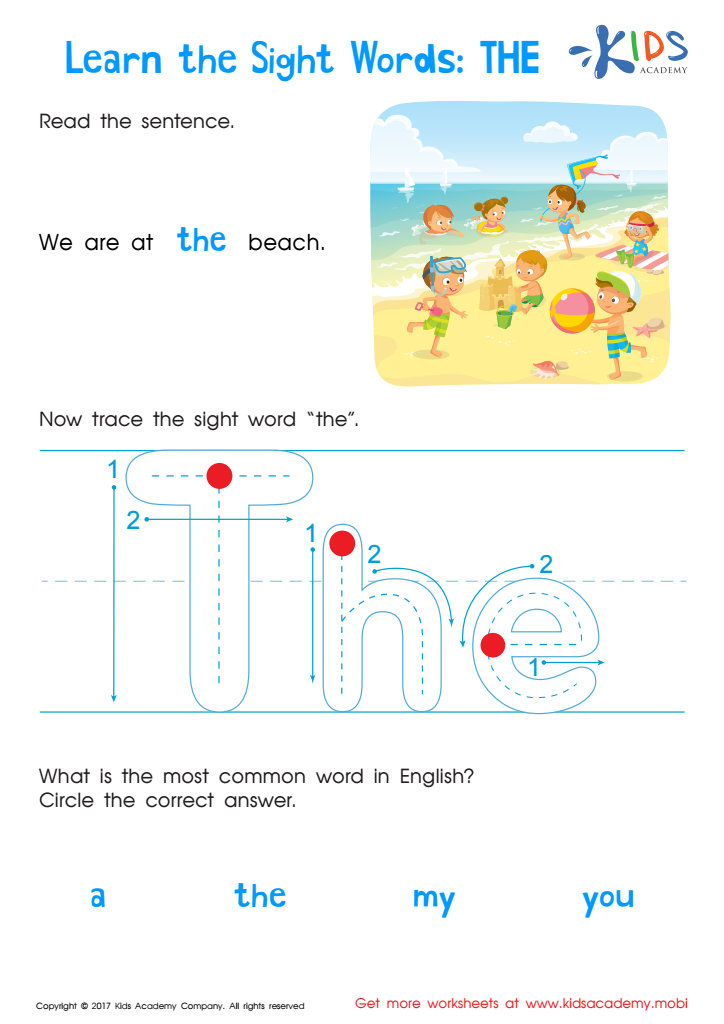
Sight Words: The Worksheet
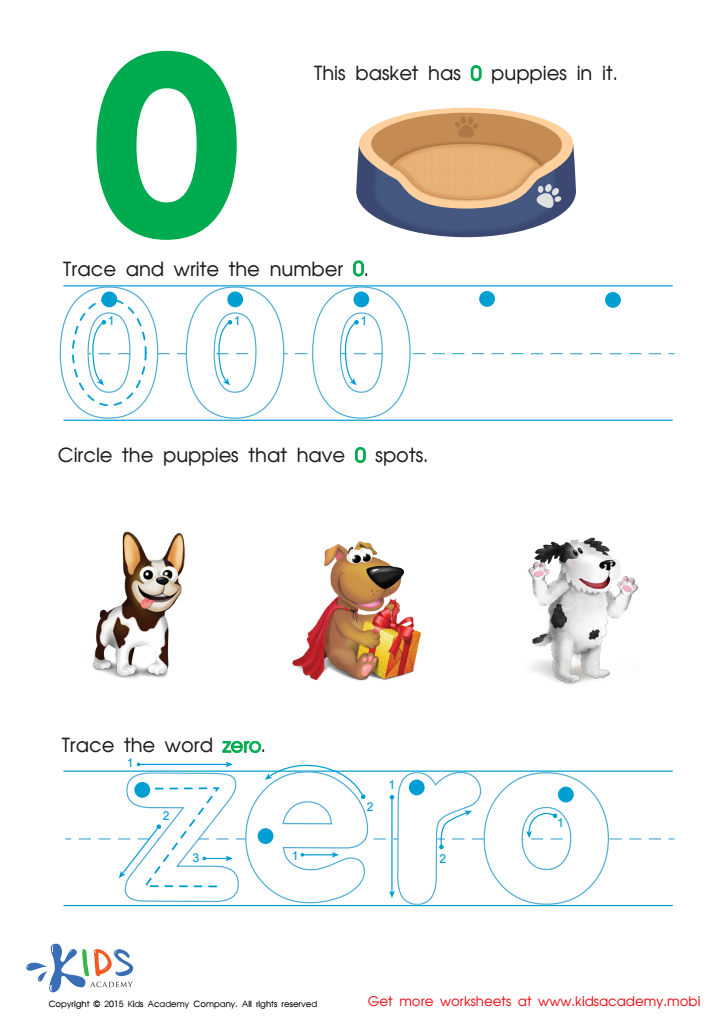
Trace And Write Number 0 Worksheet

Letter D Tracing Page
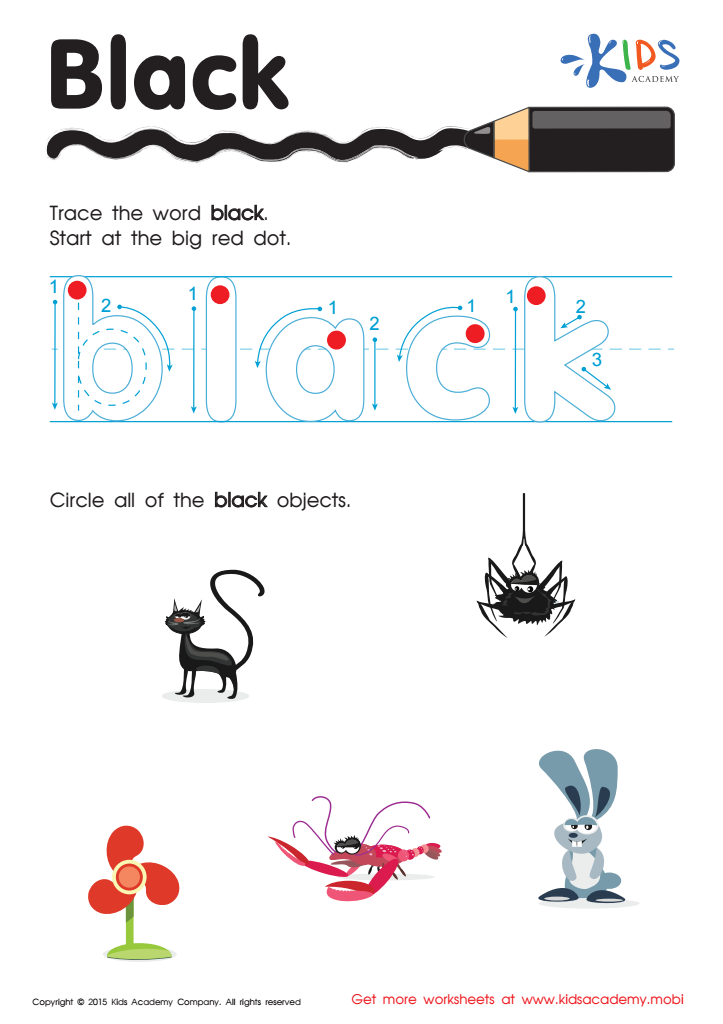
Black Tracing Color Words Printable
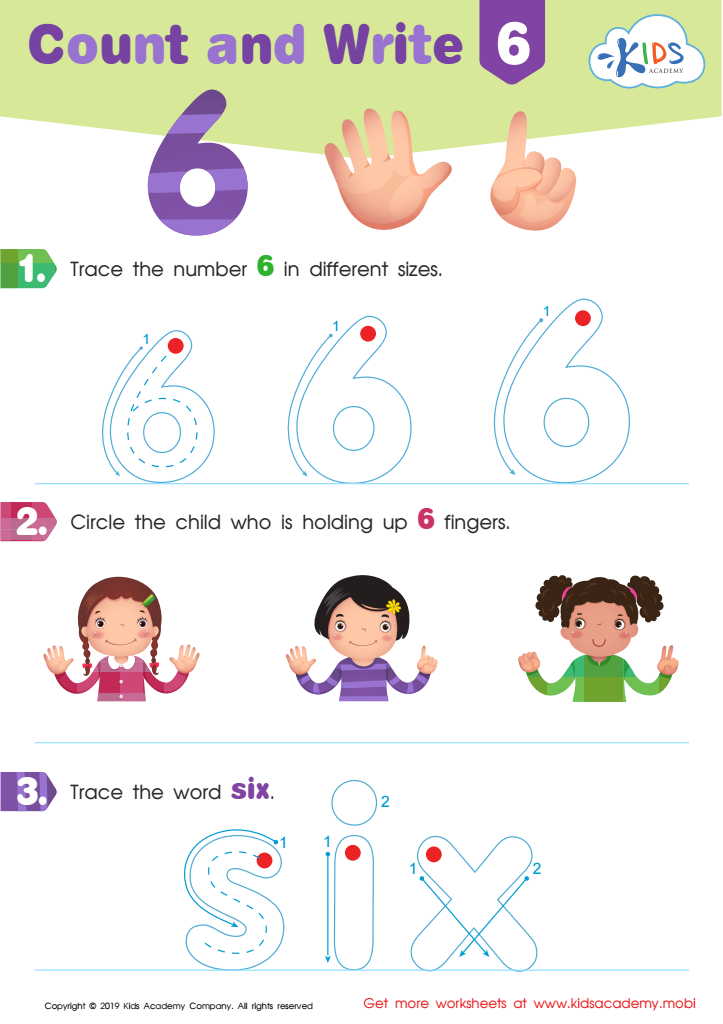
Count and Write 6 Worksheet
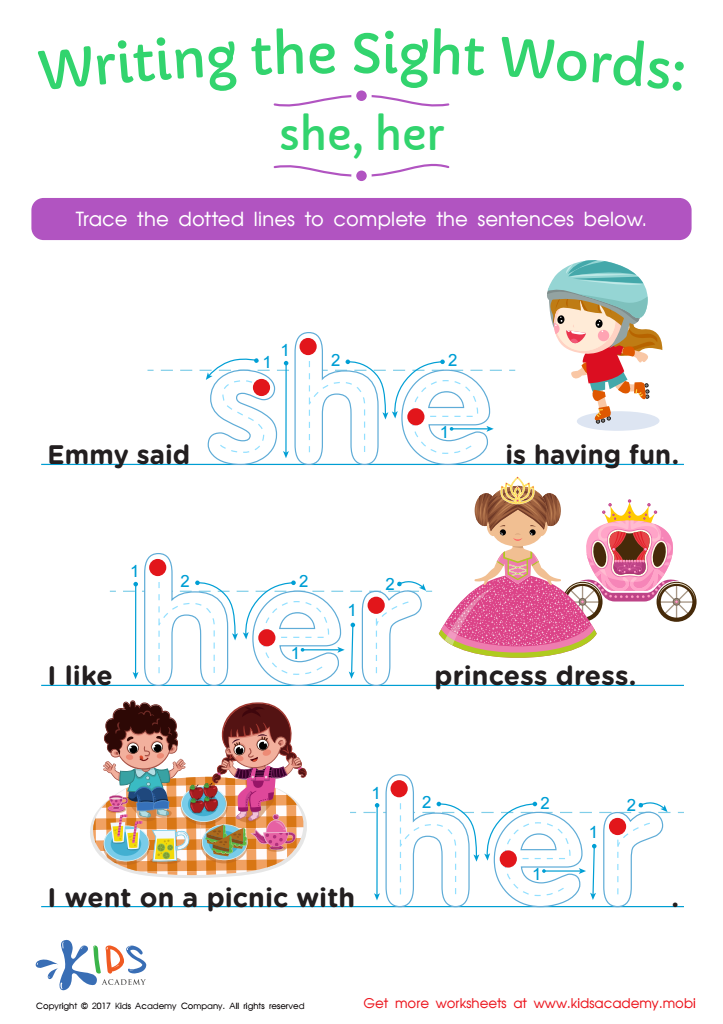
She, Her Printable Sight Words Worksheet
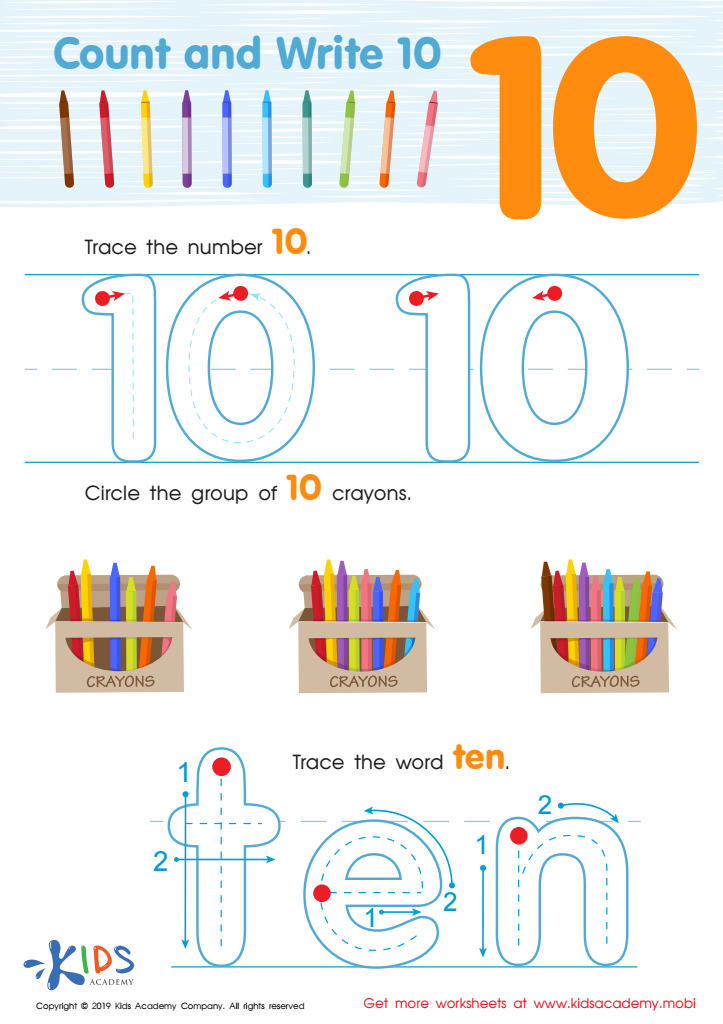
Count and Write 10 Worksheet
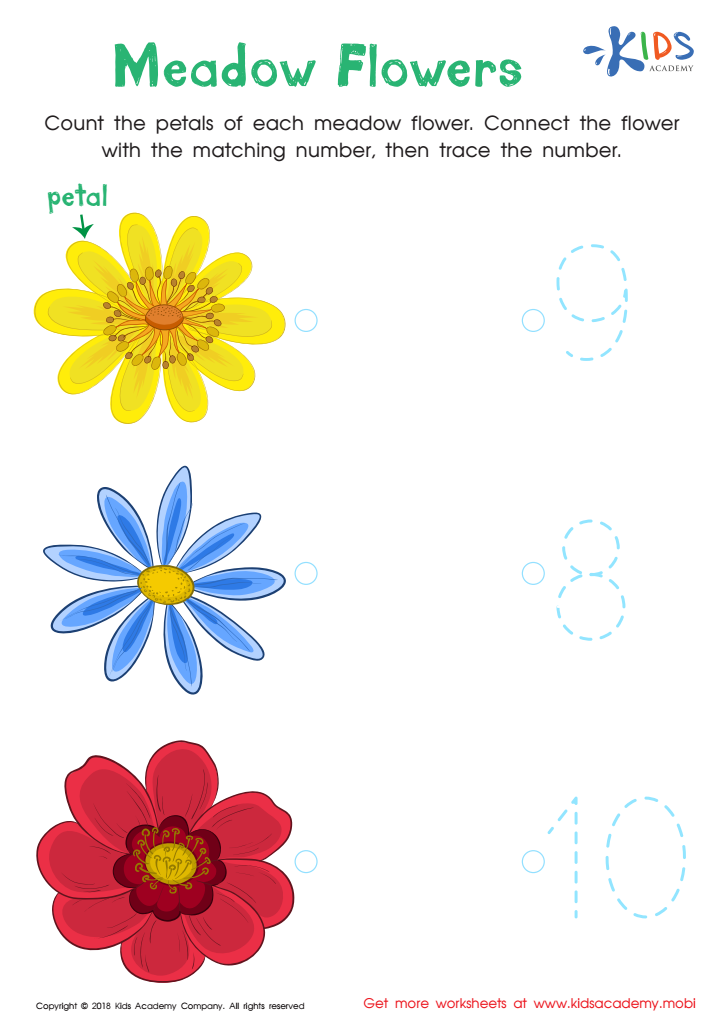
Kindergarten Number Tracing: Medow Flowers Worksheet
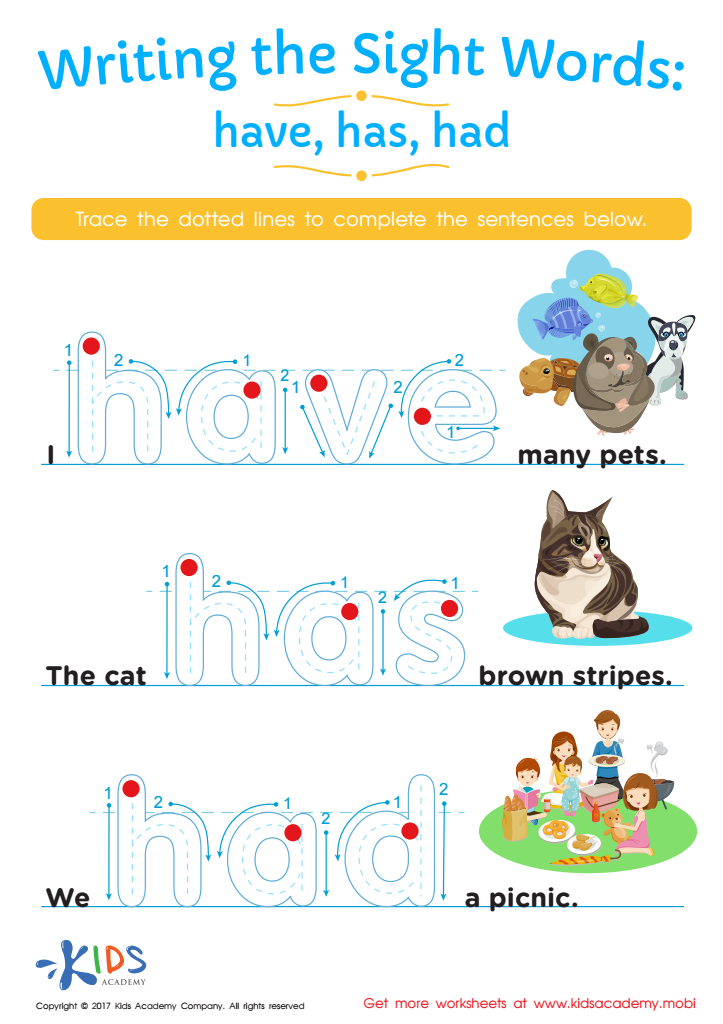
Have, Has, Had Worksheet Sight Words Worksheet







Tracing activities for children aged 5-9 are essential for developing foundational skills crucial for their academic success and overall development. Firstly, tracing helps enhance fine motor skills, which are critical for tasks such as writing, drawing, and gripping tools. By repetitively following lines and shapes, children improve their hand-eye coordination and strengthen the small muscles in their hands.
Moreover, tracing activities often incorporate letters, numbers, and shapes, making them a fun and engaging way to develop literacy and numeracy skills. As children trace letters, they begin to recognize their shapes, develop phonemic awareness, and learn proper writing techniques. This early exposure lays the groundwork for proficient reading and writing abilities.
Additionally, tracing enhances concentration and focus. The repetitive nature of these tasks encourages children to pay attention to detail, fostering a mindset conducive to learning. With answer keys often included, tracking progress becomes easier for both parents and teachers, making it a valuable assessment tool.
Ultimately, tracing activities not only support the cognitive and motor skill development of young learners but also offer an enjoyable way for them to engage with foundational academic concepts, ensuring a solid start in their educational journey. Parents and teachers should prioritize these activities as essential learning tools.








