Mazes Worksheets Activities With Answers for Ages 6-8 - Page 3
70 filtered results
-
From - To
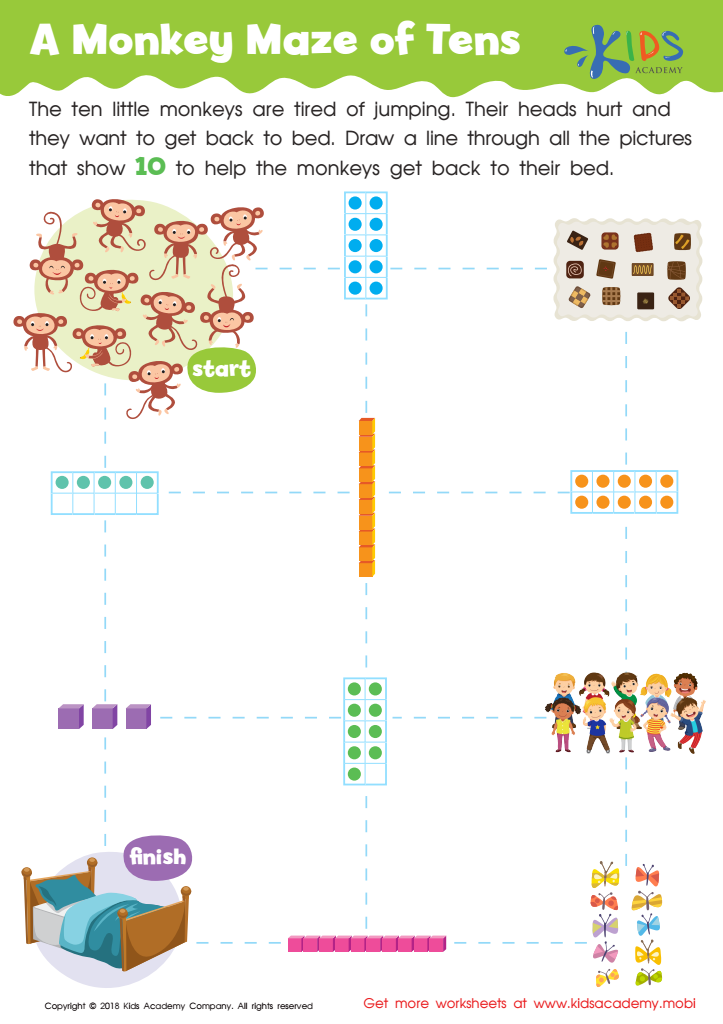
A Monkey Maze of Tens Worksheet
 Assign to My Students
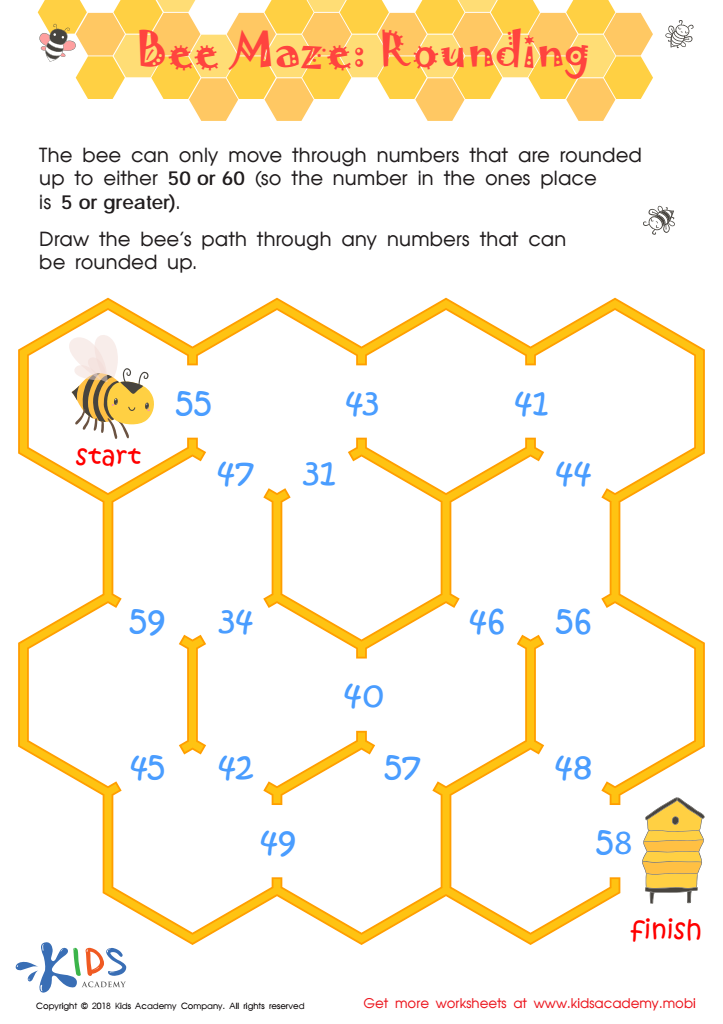
Bee Maze Rounding Worksheet
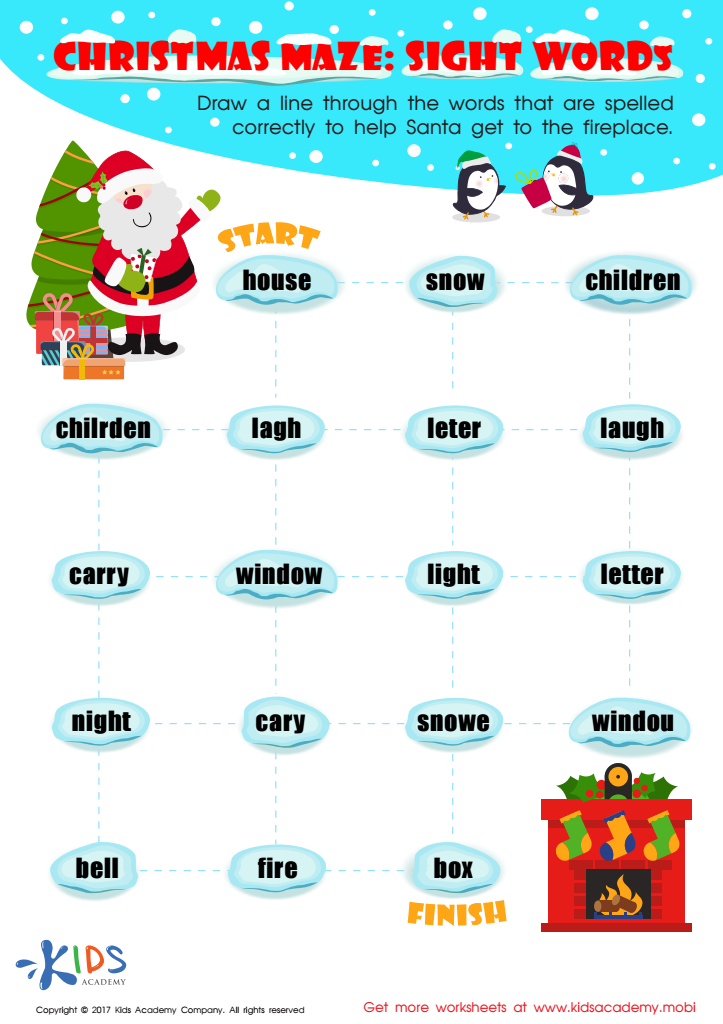
Sight Words Christmas Maze Printable
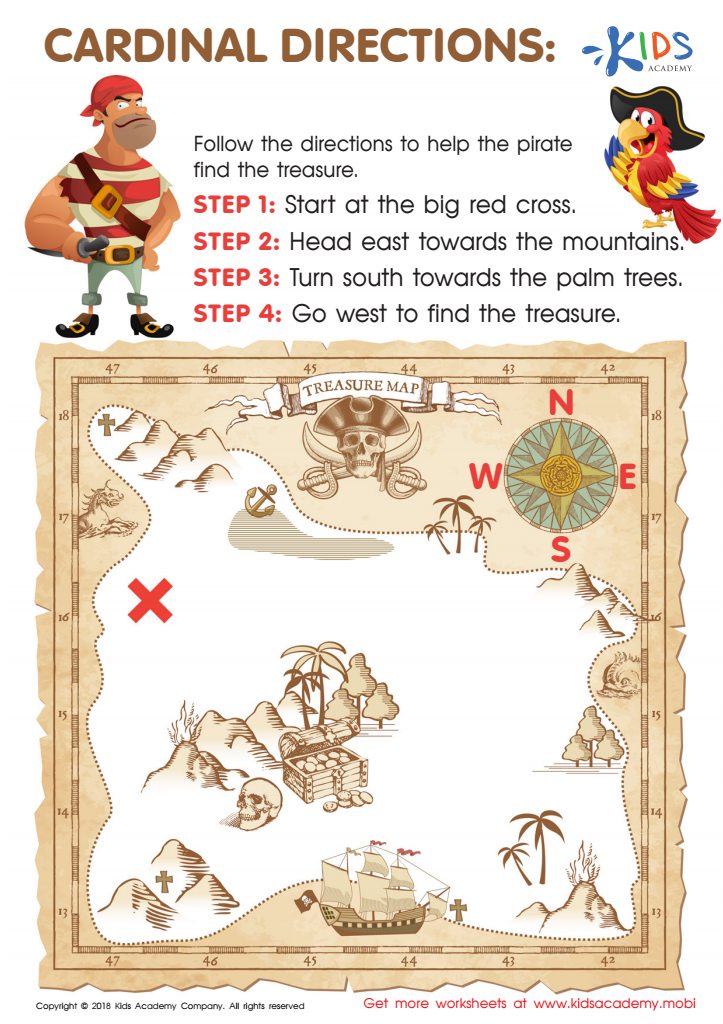
Cardinal Directions Treasure Map Maze Worksheet
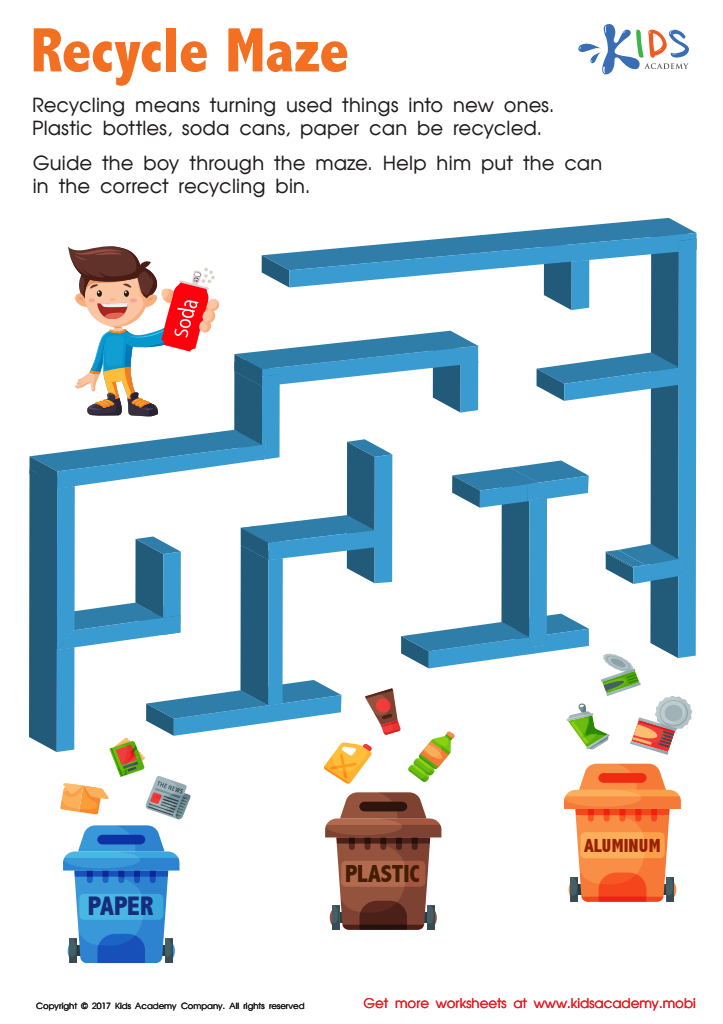
Recycle Maze Worksheet
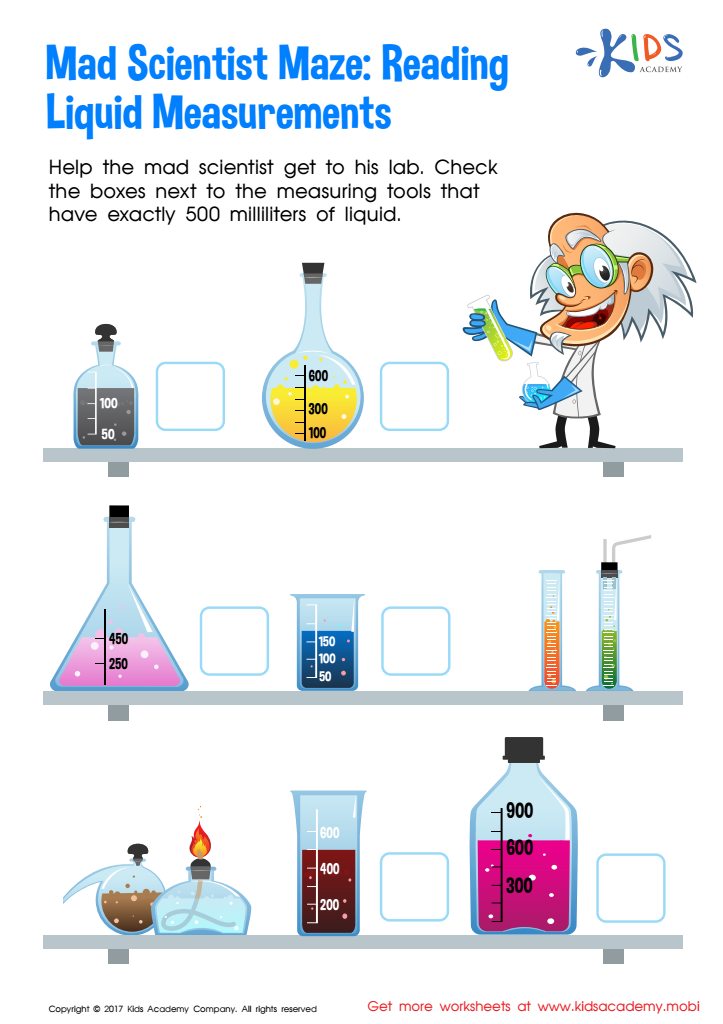
Reading Liquid Measurement Worksheet
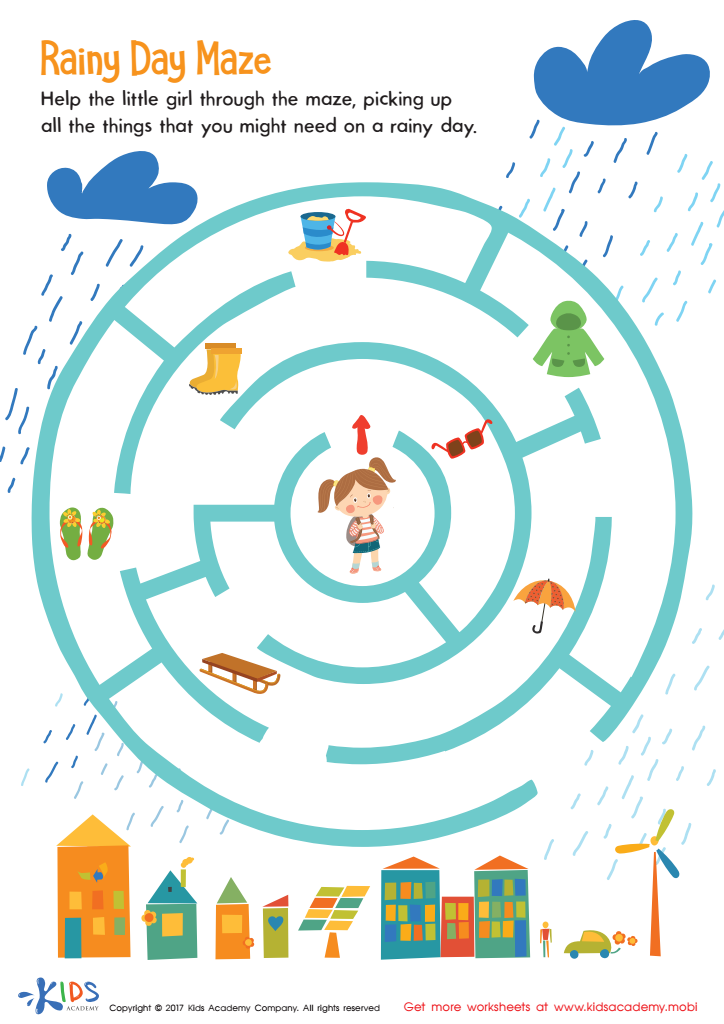
Rainy Day Maze Worksheet
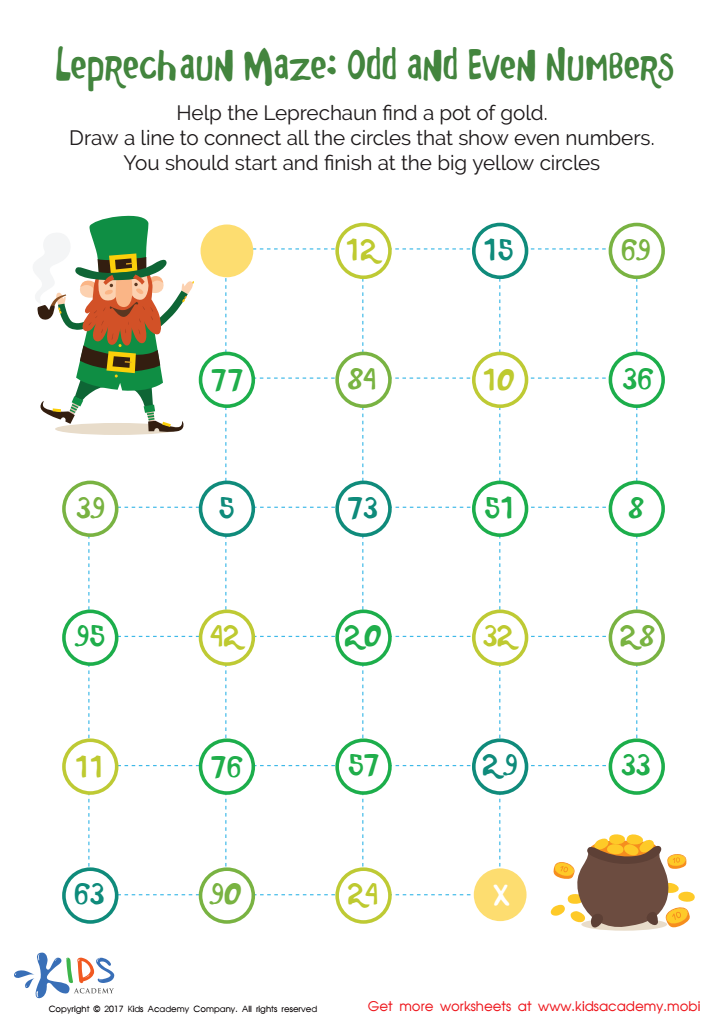
Leprechaun Maze Printable
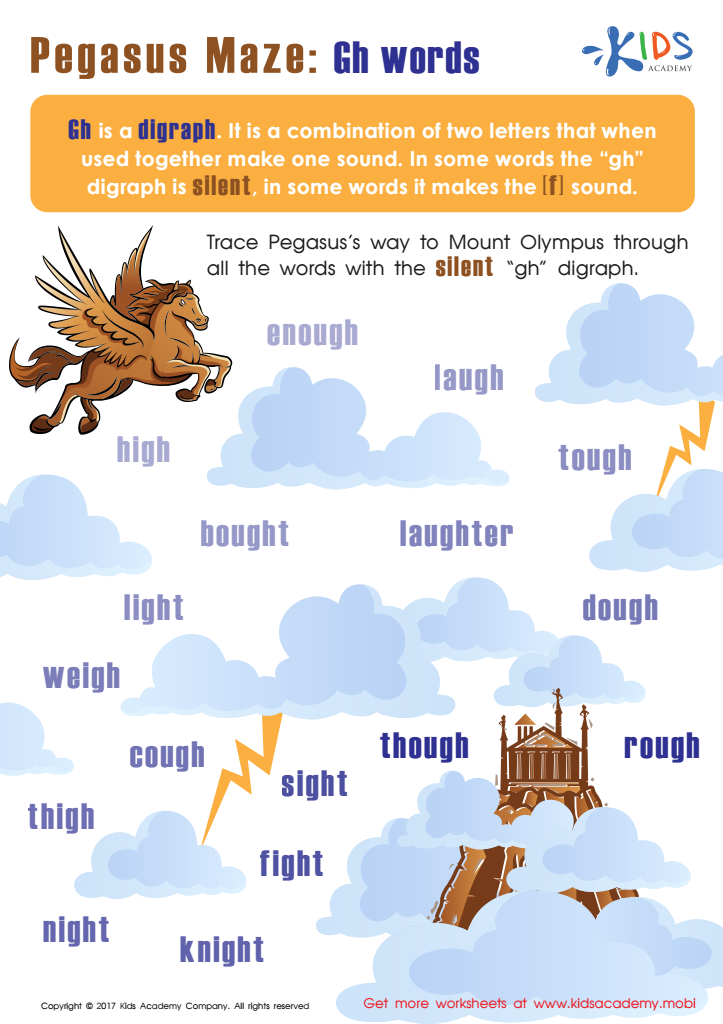
Pegasus Maze: GH Words Worksheet
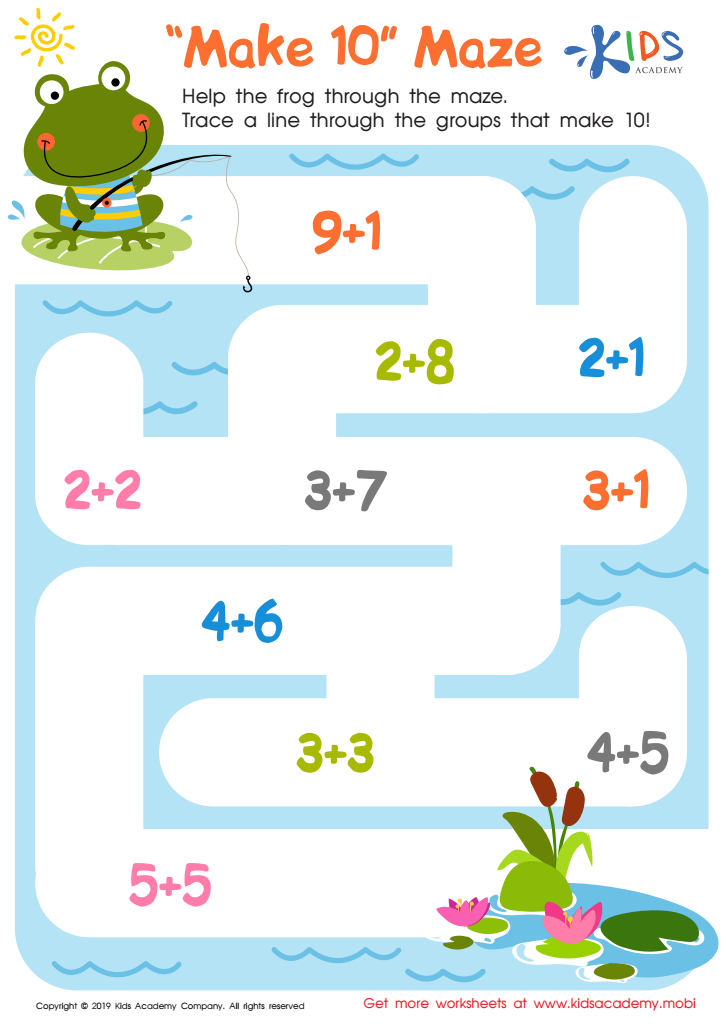
Make 10 Maze Worksheet
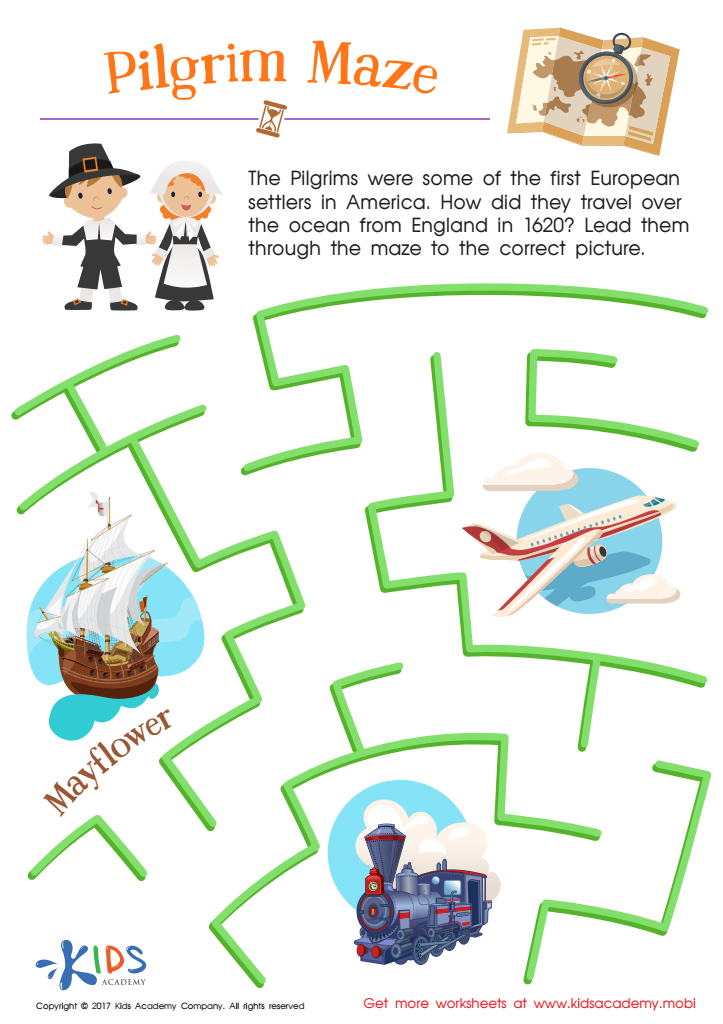
Pilgrim Maze Worksheet
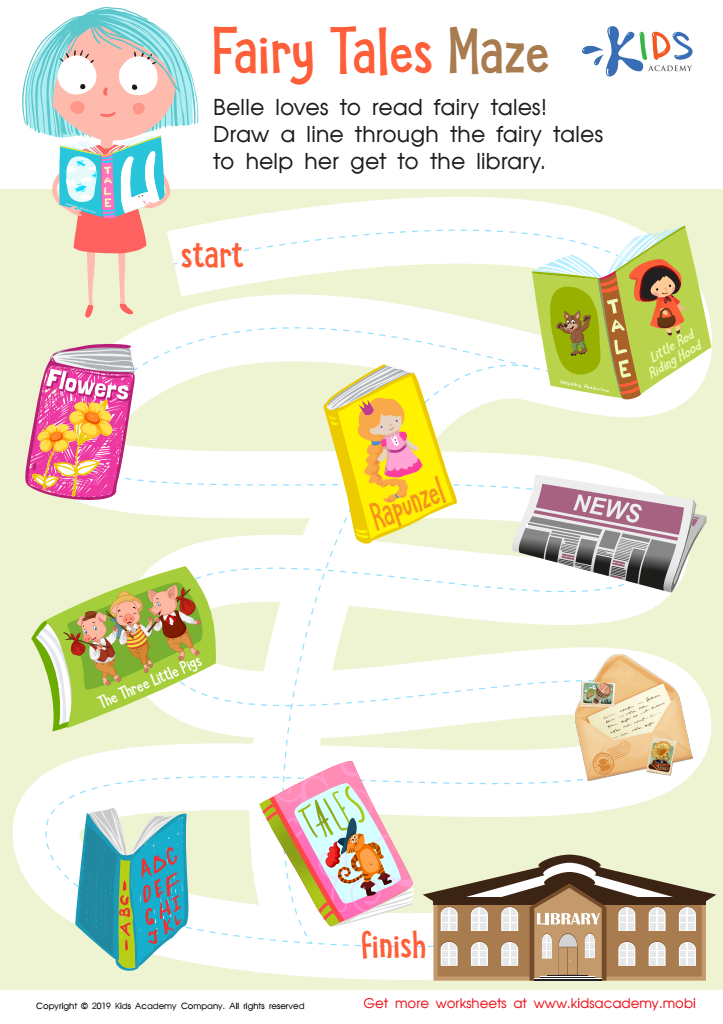
Fairy Tales Maze Worksheet
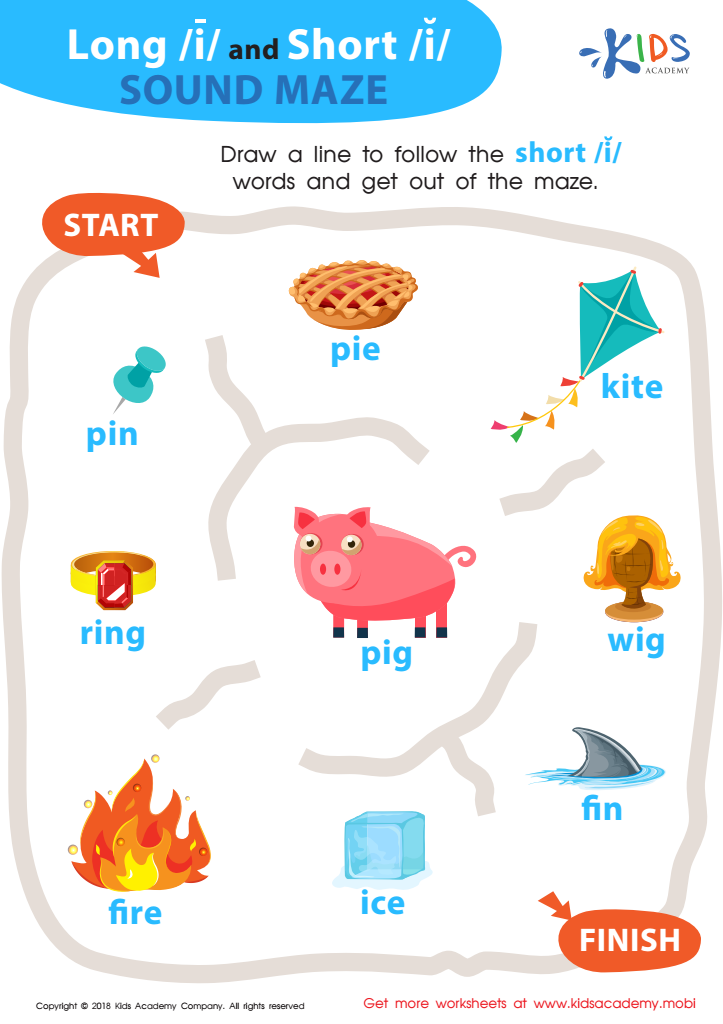
Reading: Long I and Short I Sound Maze Worksheet
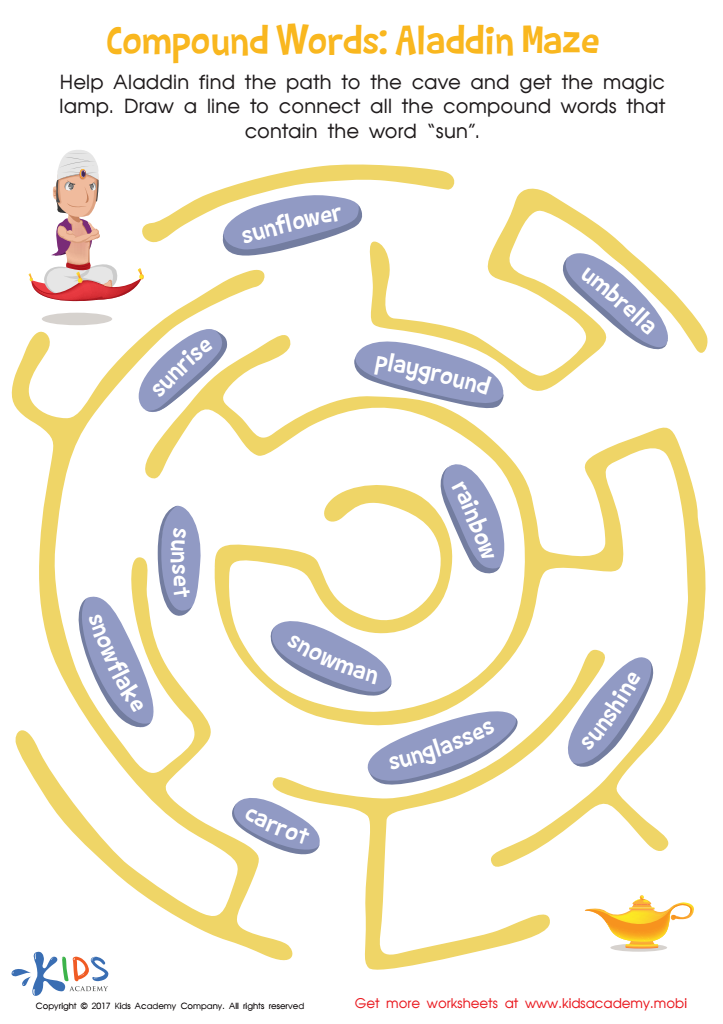
Compound Aladdin Maze Word Structure Worksheet
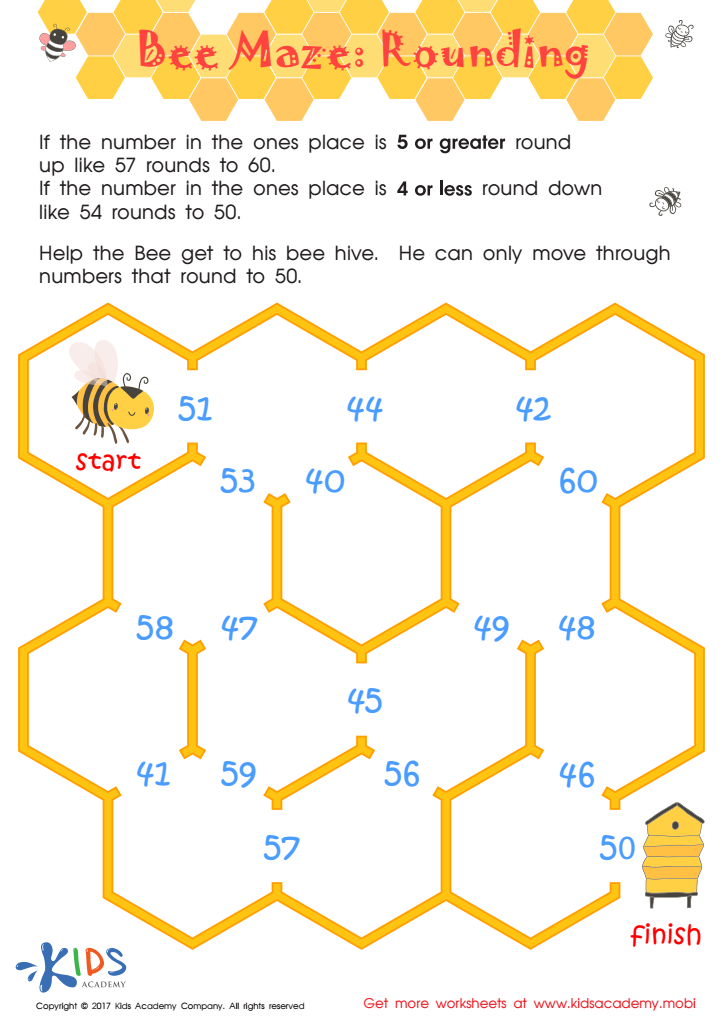
Bee Maze Worksheet
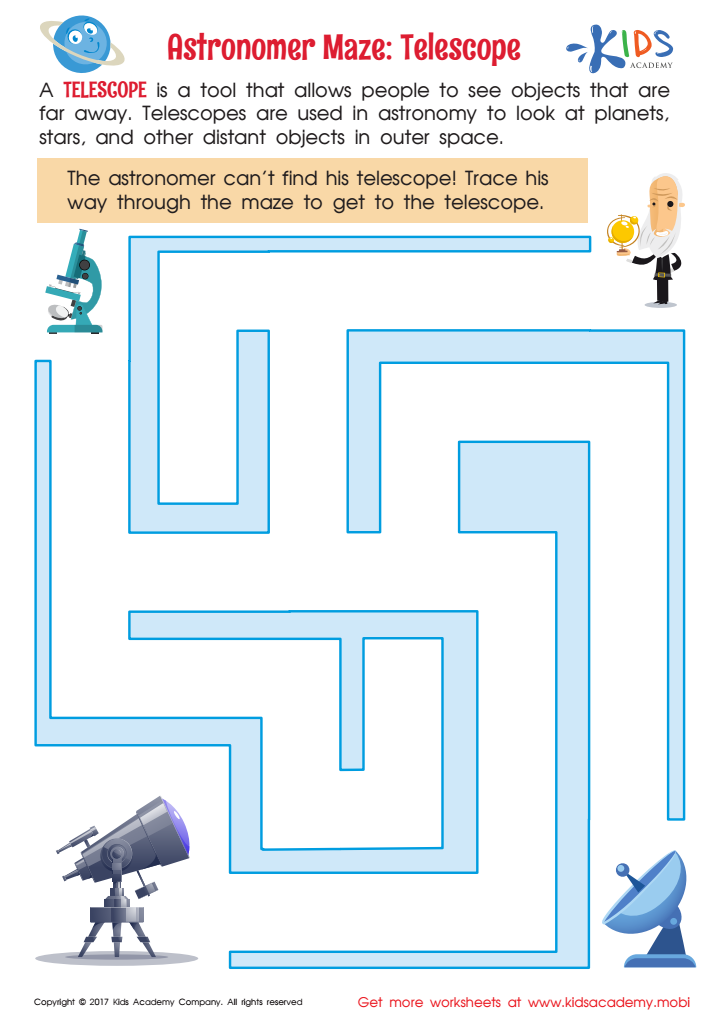
Astronomer Maze: Telescope Worksheet
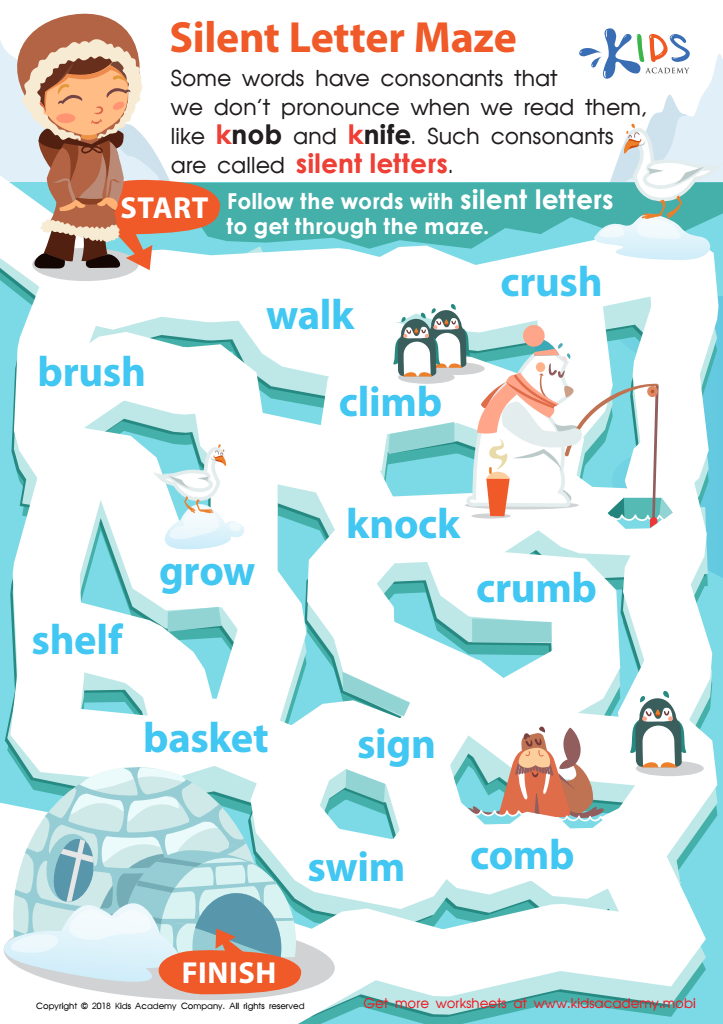
Silent Letter Maze Worksheet
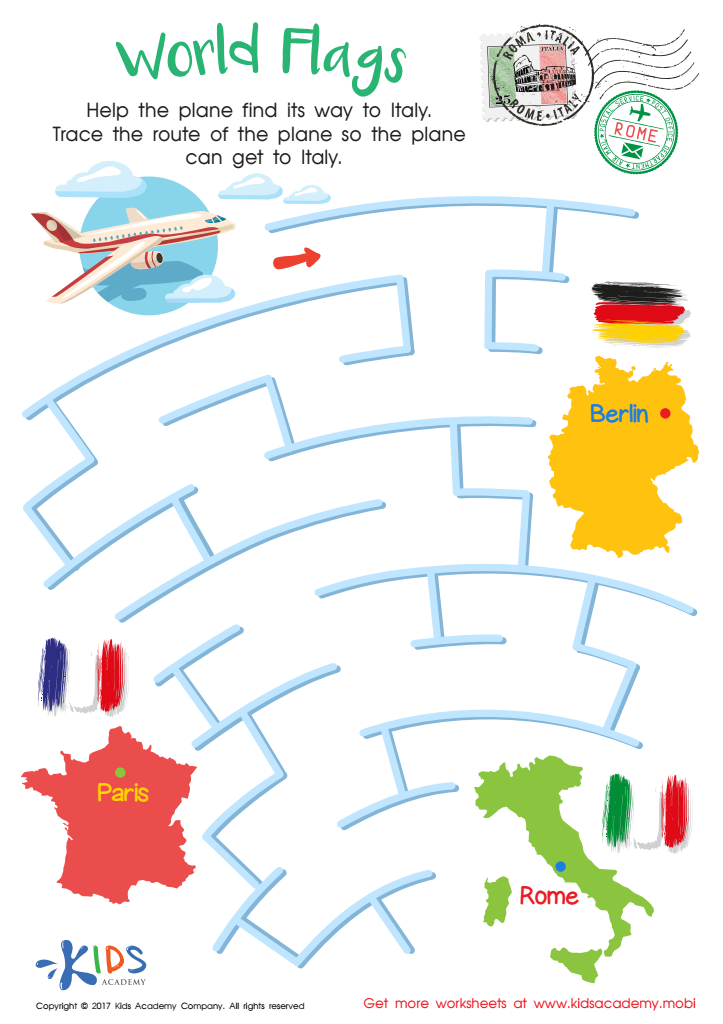
World Flags Maze Worksheet
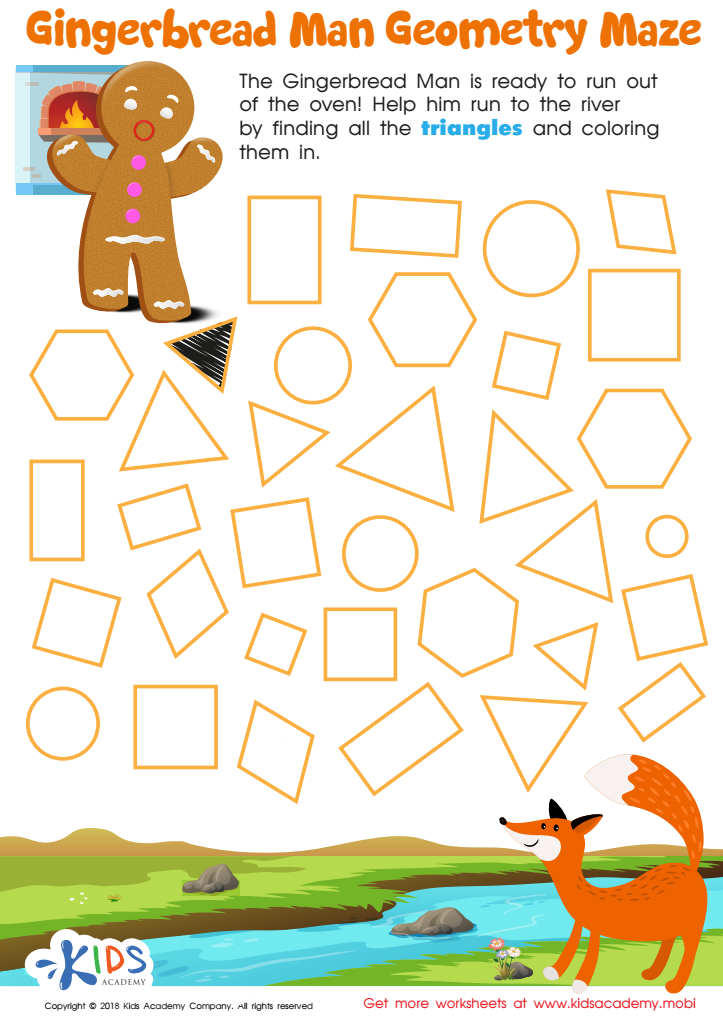
Gingerbread Man Geometry Maze Worksheet
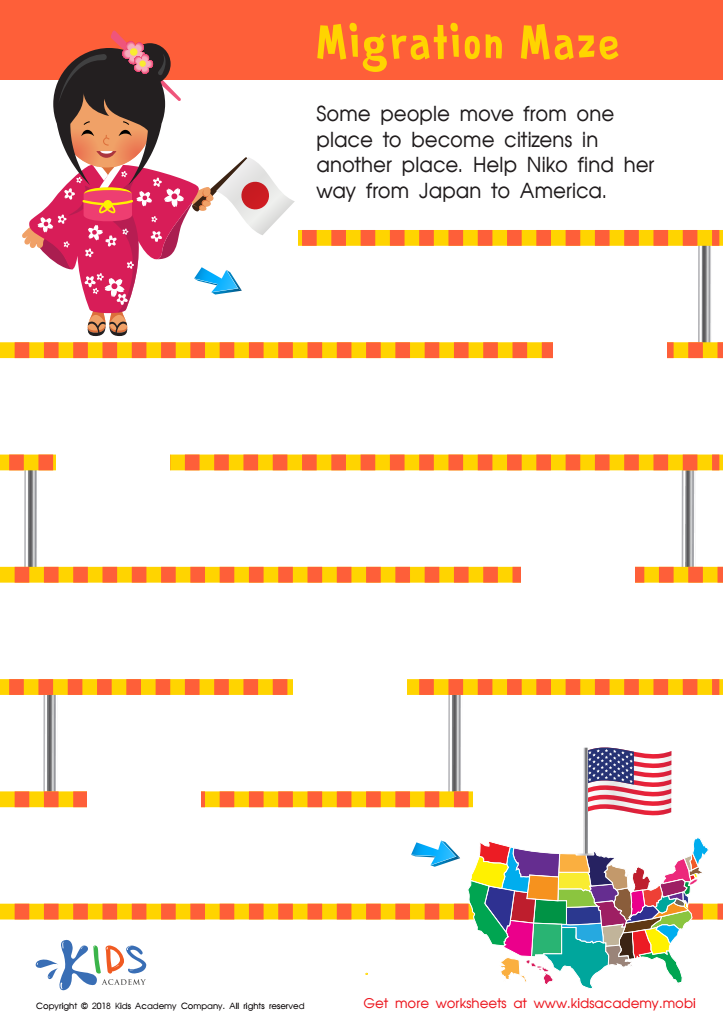
Migration Maze Worksheet
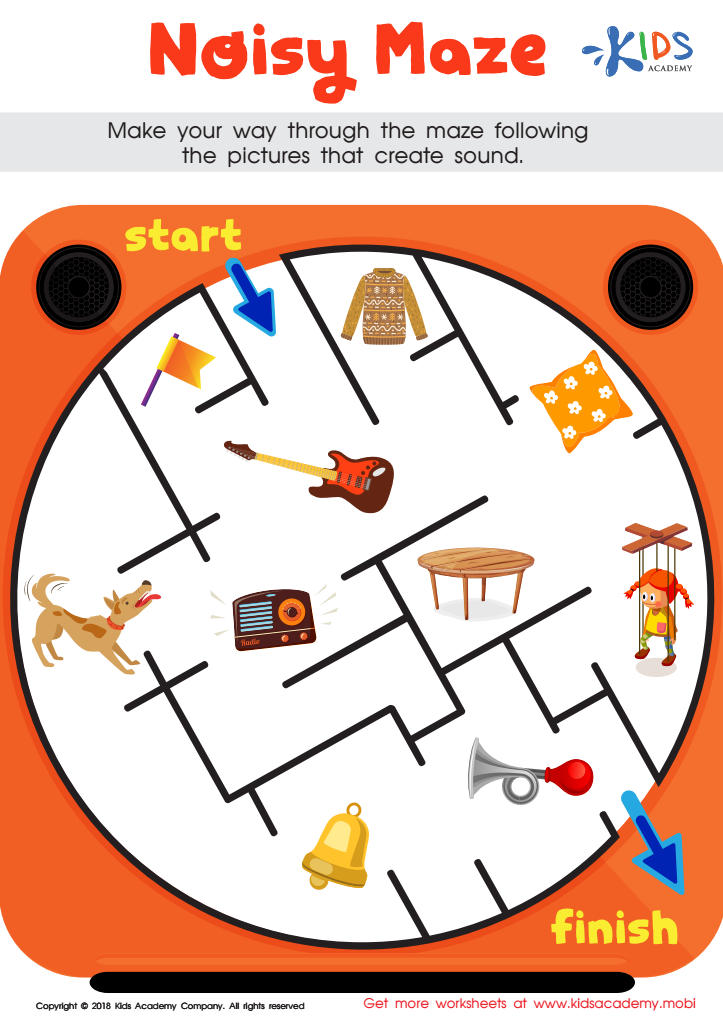
Noisy Maze Worksheet
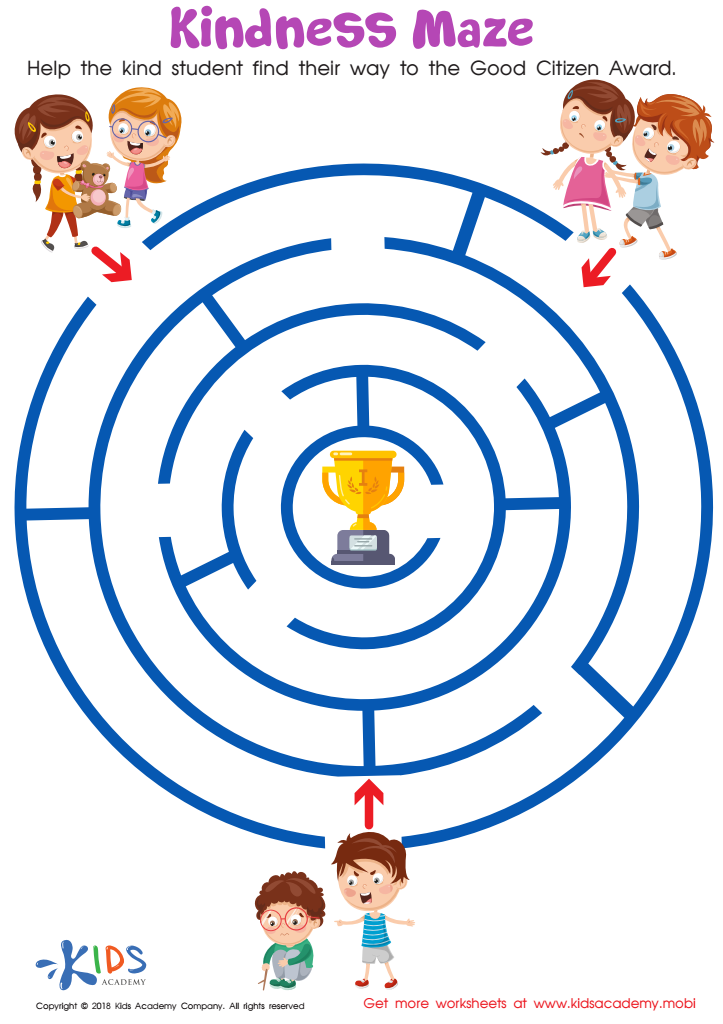
Kindness Maze Worksheet






.jpg)
Mazes are not just fun and games for children; they serve as powerful tools for cognitive development, particularly for ages 6-8. Engaging in maze activities helps enhance critical thinking and problem-solving skills as children must analyze their options and think strategically about how to navigate from start to finish. This kind of activity also supports fine motor skills, as kids use pencils or pens to trace their paths, developing hand-eye coordination and dexterity essential for writing and other tasks.
Moreover, mazes provide a sense of accomplishment, motivating students to persist through challenges. Completing a maze boosts their confidence and fosters a growth mindset, teaching children that perseverance leads to success. Additionally, maze activities can be easily adapted to incorporate educational content, such as mathematics, shape recognition, or reading skills, making them versatile tools for learning.
For parents and teachers, implementing maze activities is a low-cost, engaging way to promote academic skills while providing a fun break from traditional learning methods. Overall, these activities play a significant role in children's holistic development, making them invaluable for enhancing both learning and play.








