Easy Reading Worksheets Activities With Answers for Ages 3-9
9 filtered results
-
From - To
Discover a treasure trove of engaging reading worksheets designed for children ages 3-9! Our easy reading worksheet activities offer a fun and interactive approach to developing literacy skills. Tailored to capture young imaginations, these worksheets include vibrant illustrations and age-appropriate exercises. Each activity comes with clear answer keys, ensuring prompt feedback and easy monitoring of progress. Teachers, parents, and caregivers will find these resources invaluable for supporting early reading comprehension and vocabulary development. Explore our collection today, and inspire a love for reading in your little ones with enjoyable activities that foster critical thinking and creativity!
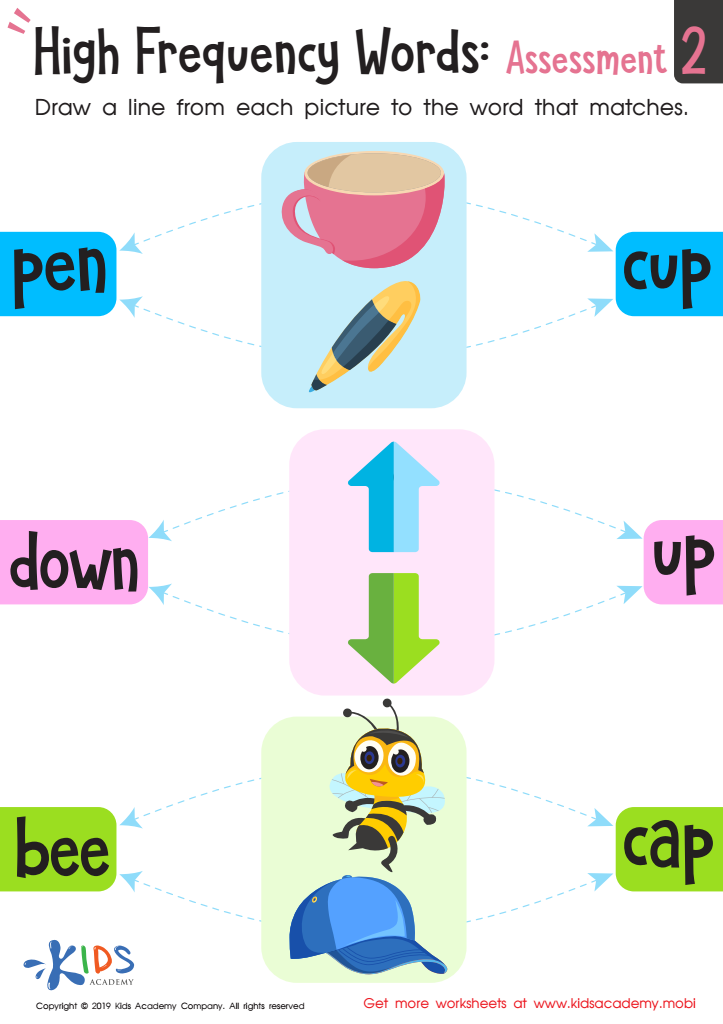
High Frequency Words: Assessment 2 Worksheet
 Assign to My Students
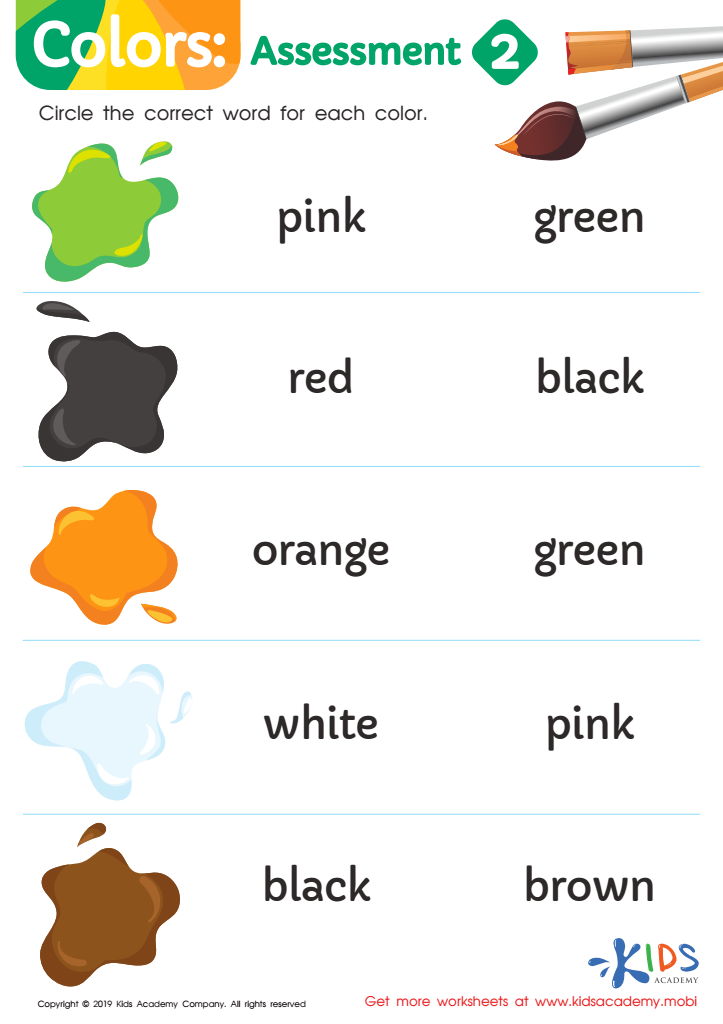
Colors: Assessment 2 Worksheet
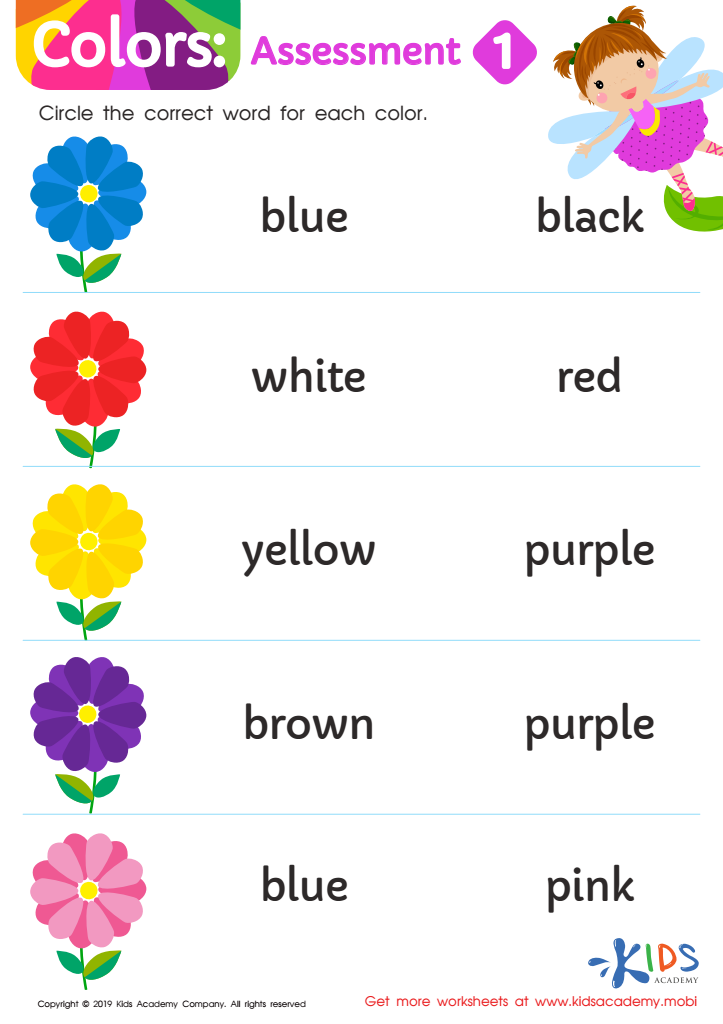
Colors: Assessment 1 Worksheet
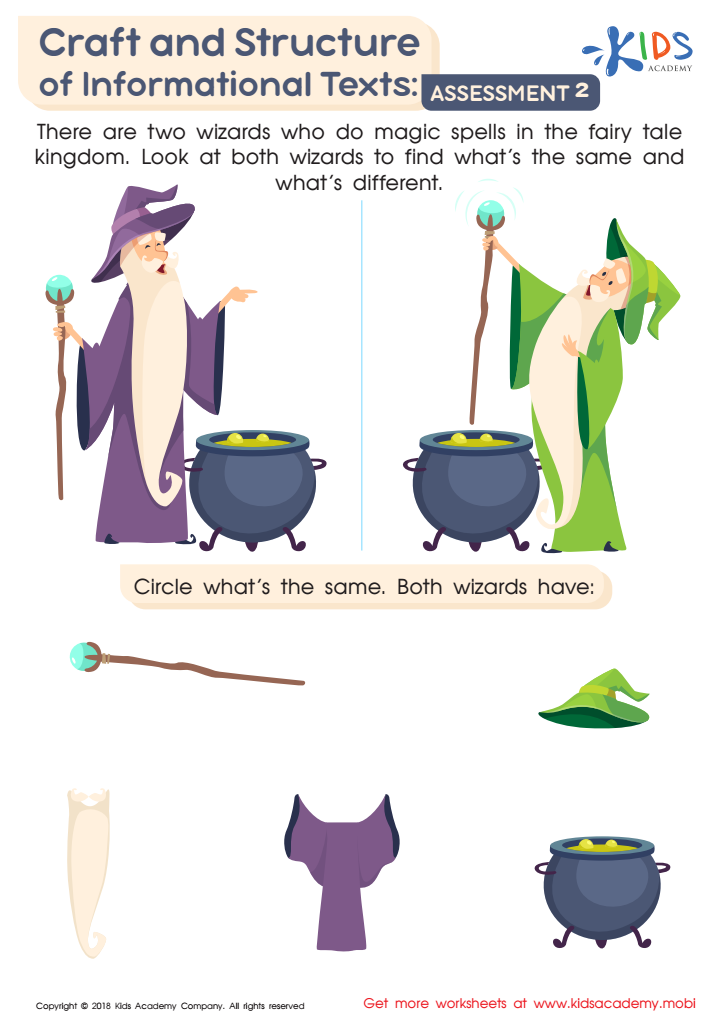
Craft and Structure of Informational Texts: Assessment 2 Worksheet
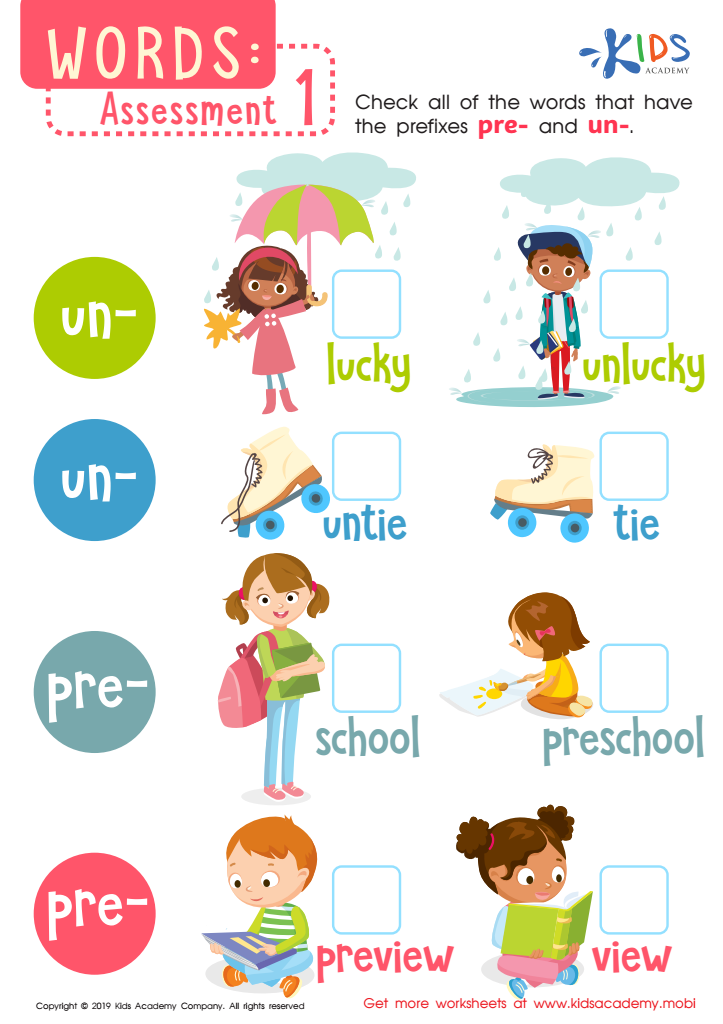
Words: Assessment 1 Worksheet
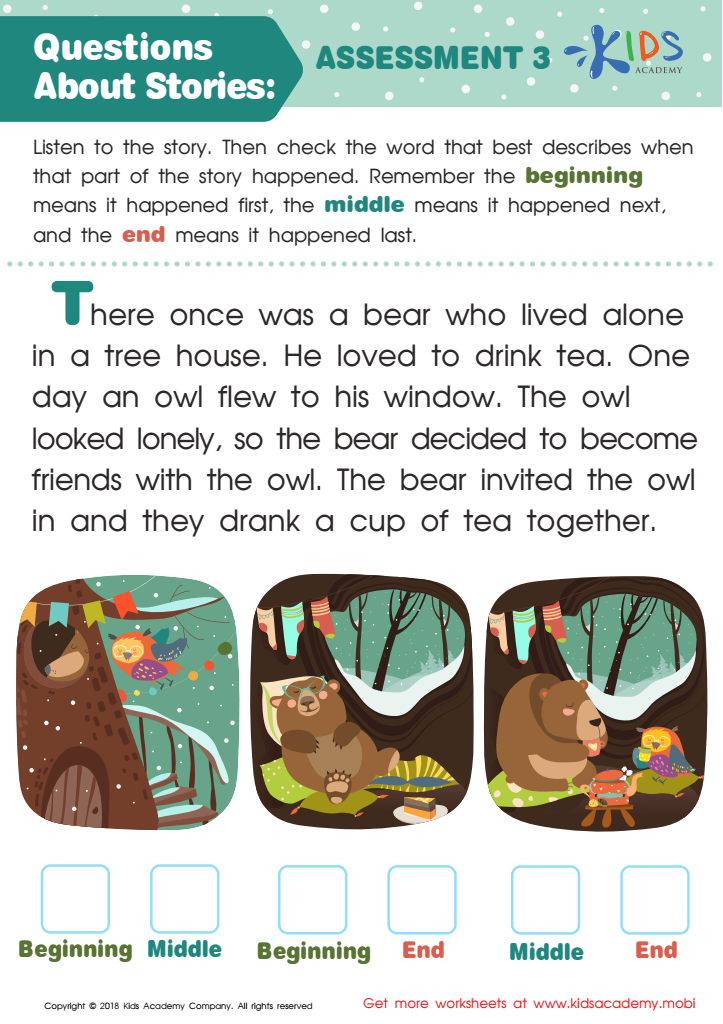
Questions About Stories: Assessment 3 Worksheet
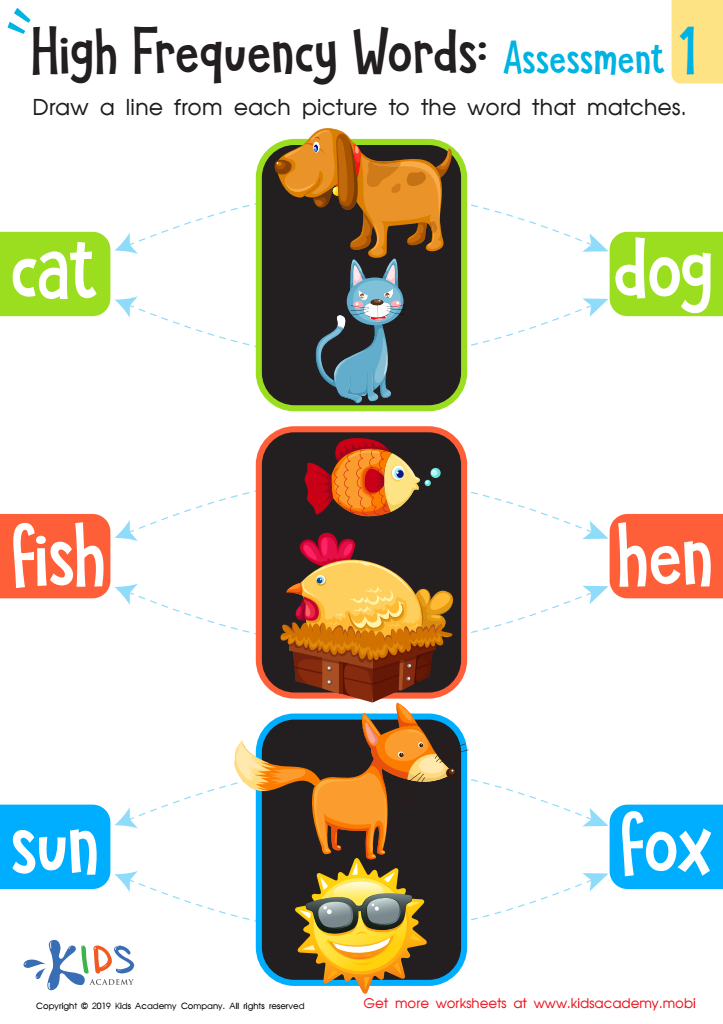
High Frequency Words: Assessment 1 Worksheet
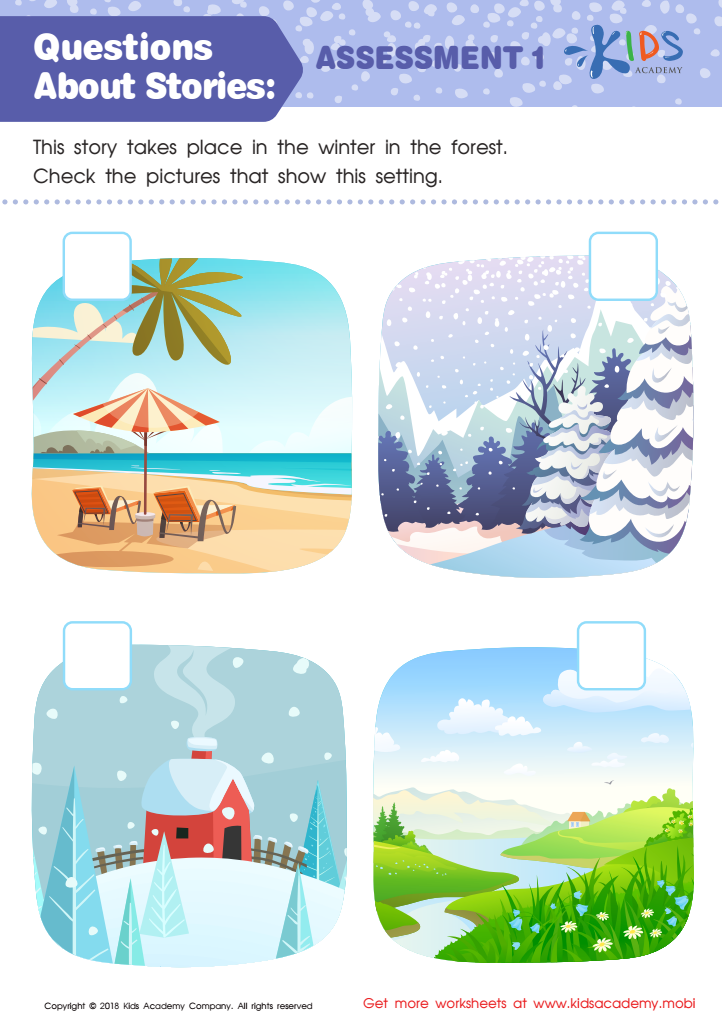
Questions About Stories: Assessment 1 Worksheet
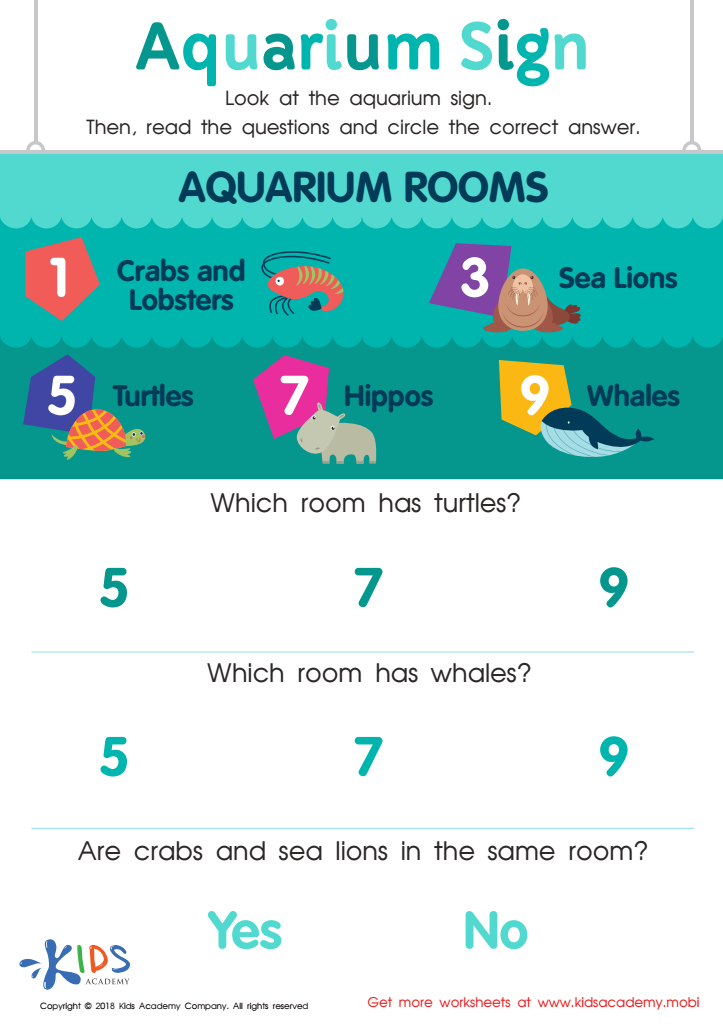
Assessment: Aquarium Sign Worksheet






Parents and teachers should prioritize Easy Reading Activities With Answers for ages 3-9 because these activities offer essential benefits in early literacy development. During these formative years, children are developing foundational skills such as phonics, vocabulary, and comprehension, which are critical for their future academic success. Engaging, age-appropriate reading activities can make learning more enjoyable, fostering a lifelong love for reading.
Moreover, these activities often provide immediate feedback through simple, clear answers, allowing young learners to gauge their understanding and progress. They encourage critical thinking and problem-solving, helping children to develop the skills necessary to interpret and analyze texts as they grow.
Furthermore, structured reading activities support differentiated learning, accommodating various reading levels and learning styles. Parents and teachers can choose activities that align with each child's unique needs, making learning accessible and effective.
Lastly, fostering strong reading skills enhances communication abilities and supports cognitive development, empowering children to express their thoughts and ideas clearly. Overall, investing time in Easy Reading Activities lays the groundwork for successful literacy acquisition, promoting academic achievement and setting children on a path toward lifelong learning.








