Easy Tracing Worksheets Activities With Answers for 6-Year-Olds
17 filtered results
-
From - To
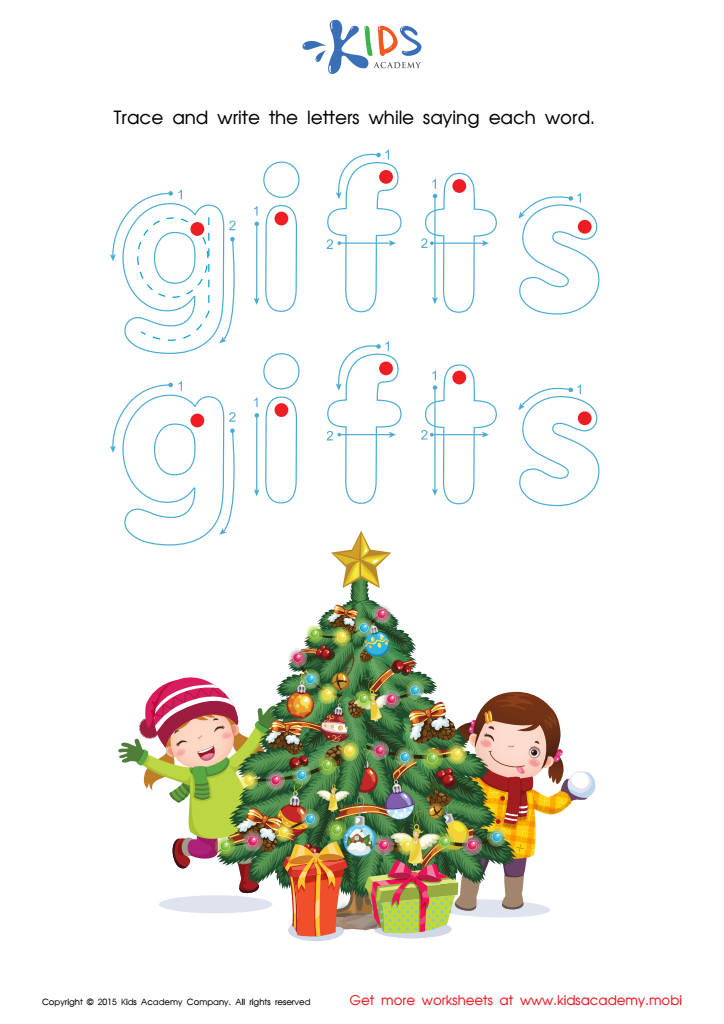
Christmas Tree Tracing Winter Words Worksheet
 Assign to My Students
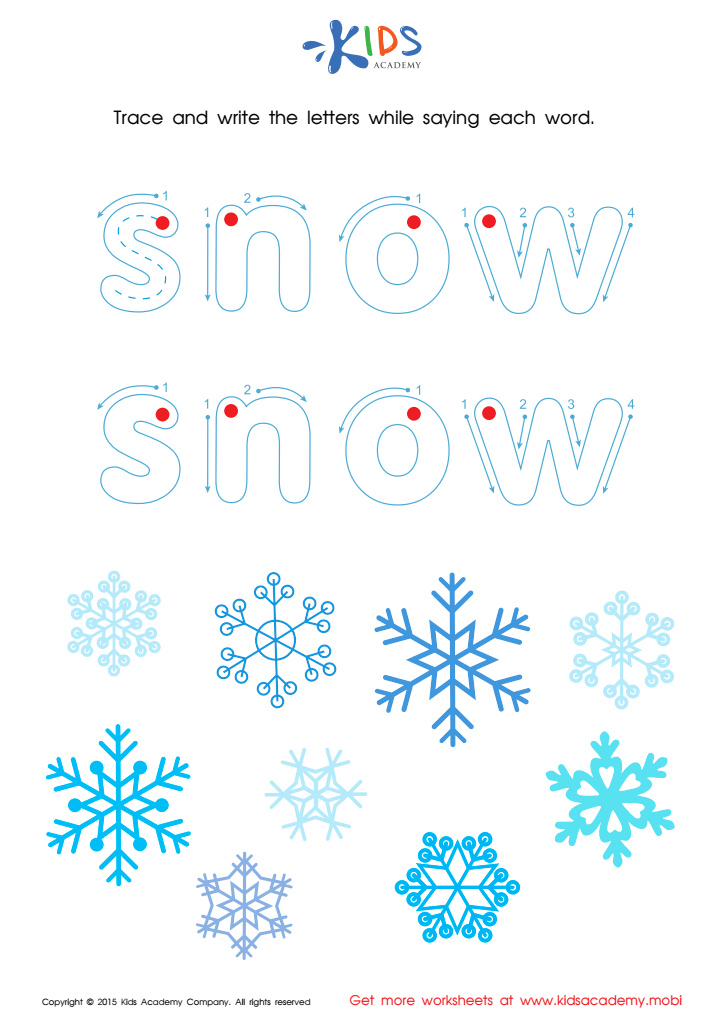
Snowflake Tracing Winter Words Worksheet
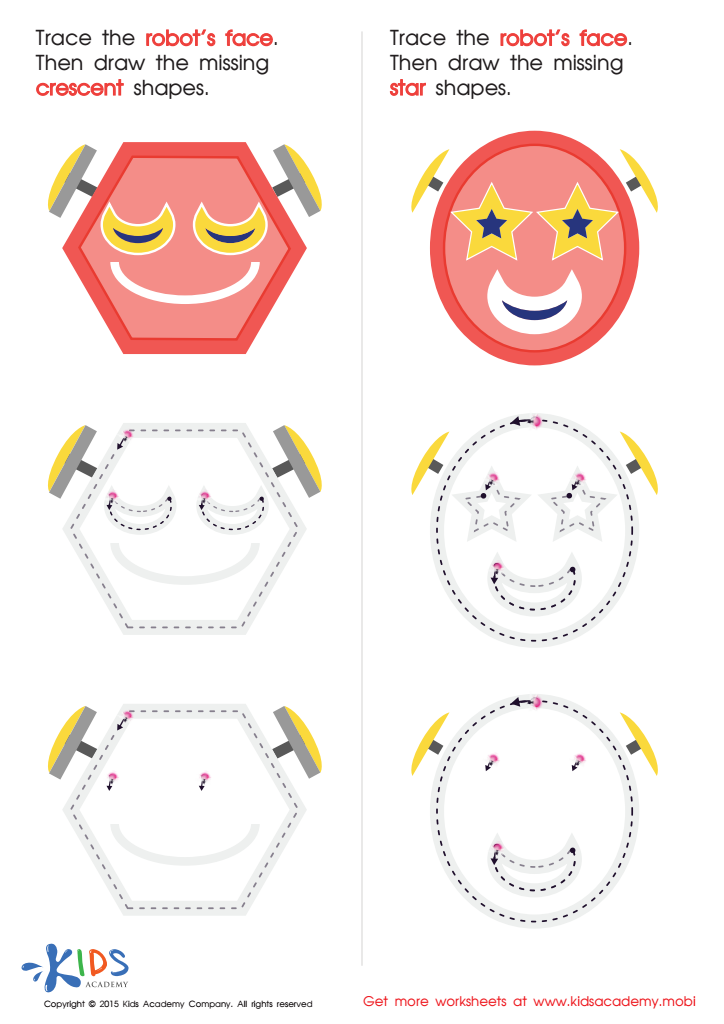
Composing a Robot's Face of Crescents And Stars Worksheet
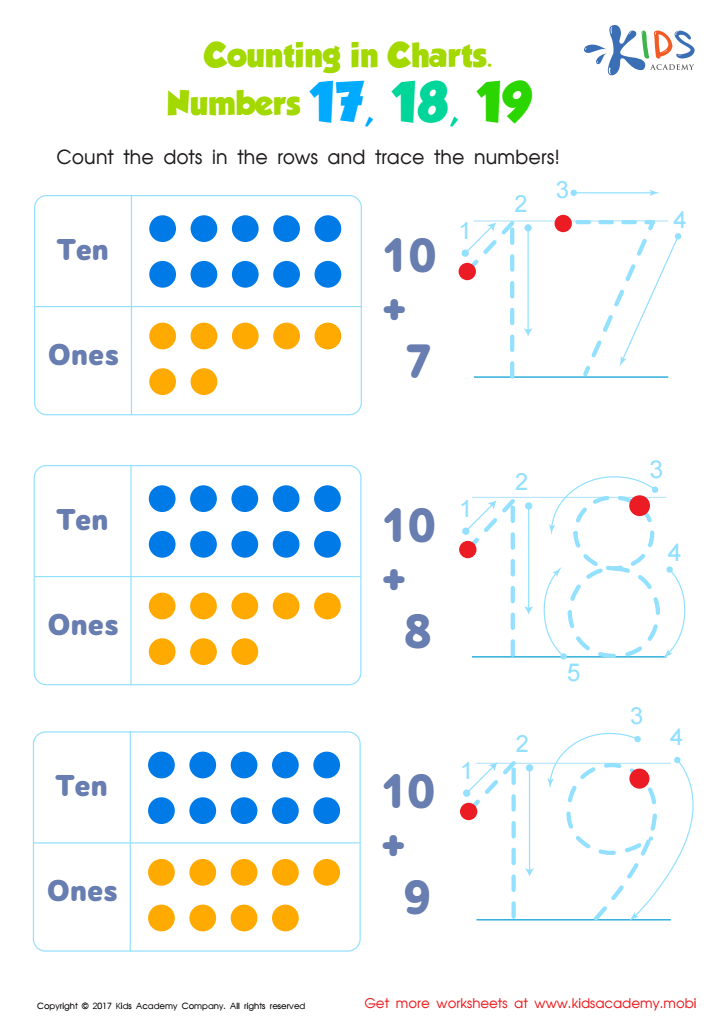
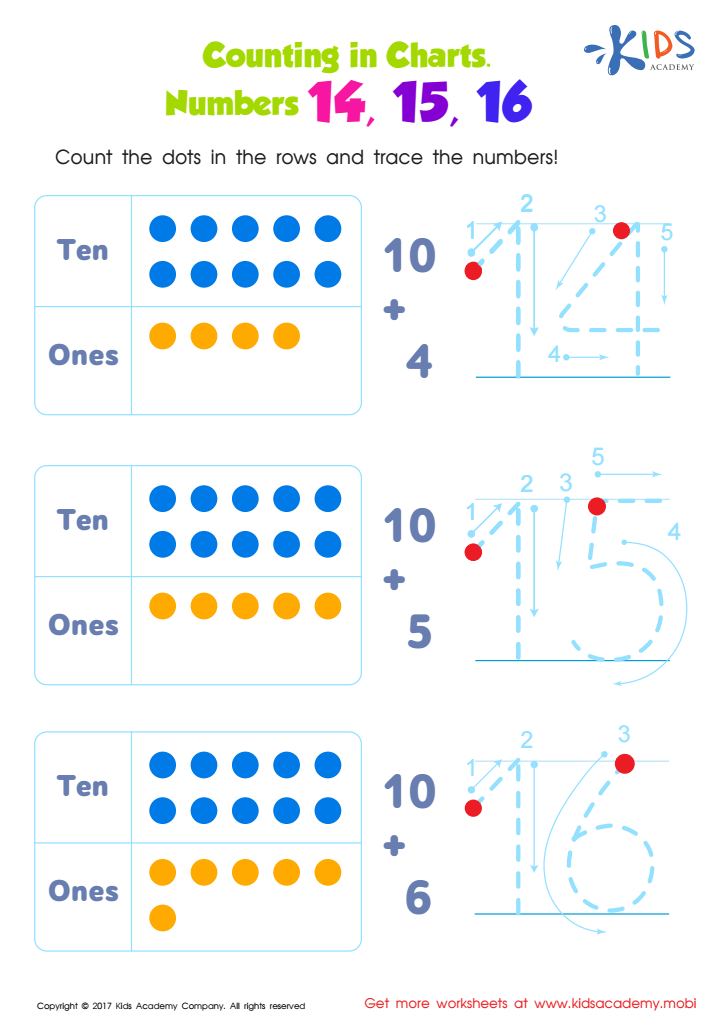
Kindergarten Number Tracing: Counting in Charts Worksheet
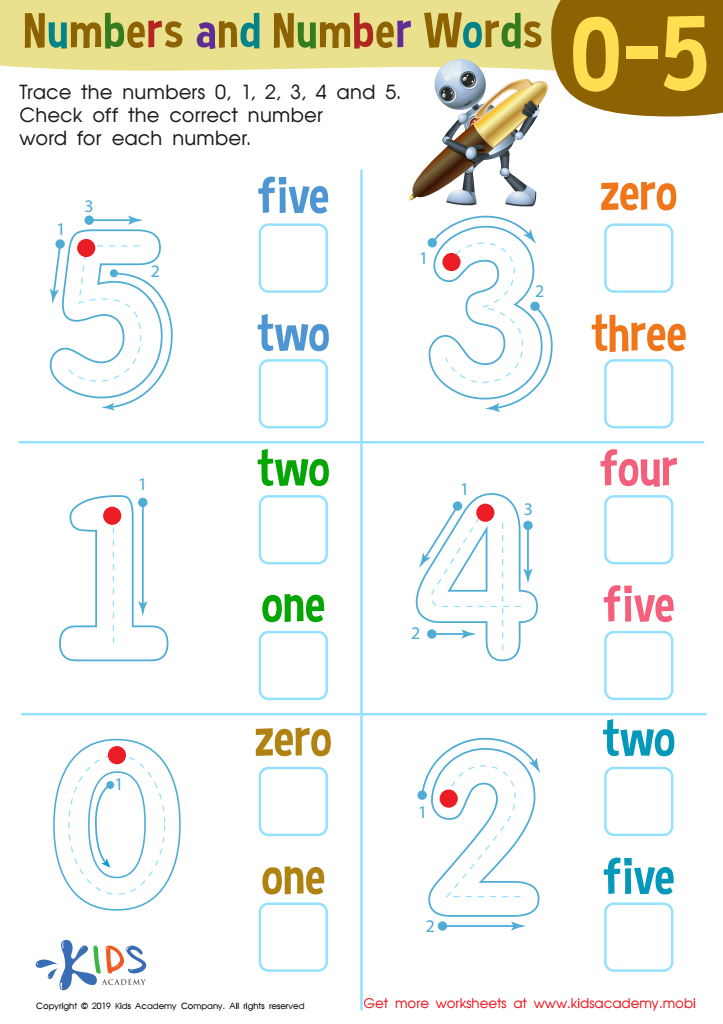
Numbers and Number Words Worksheet
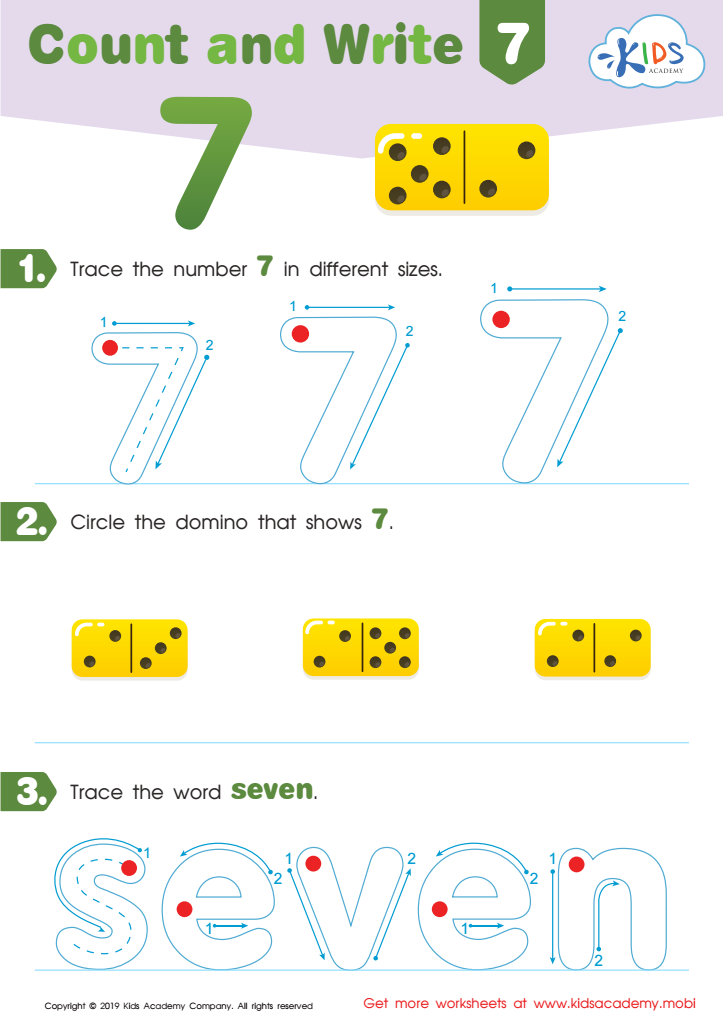
Count and Write 7 Worksheet
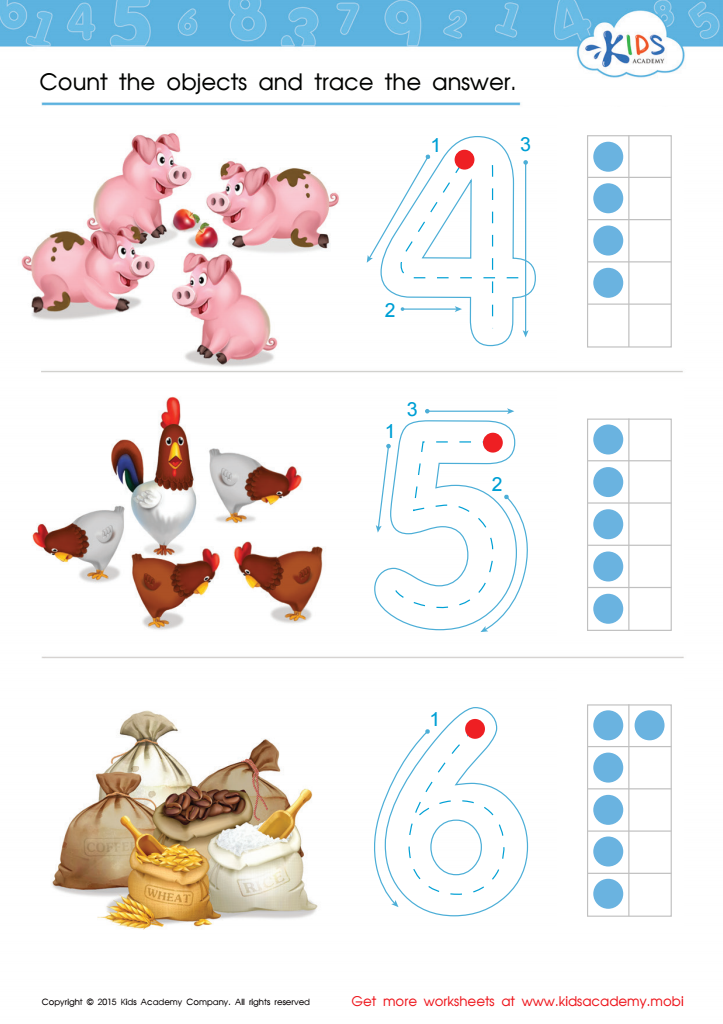
Count and Trace 4 – 6 Worksheet
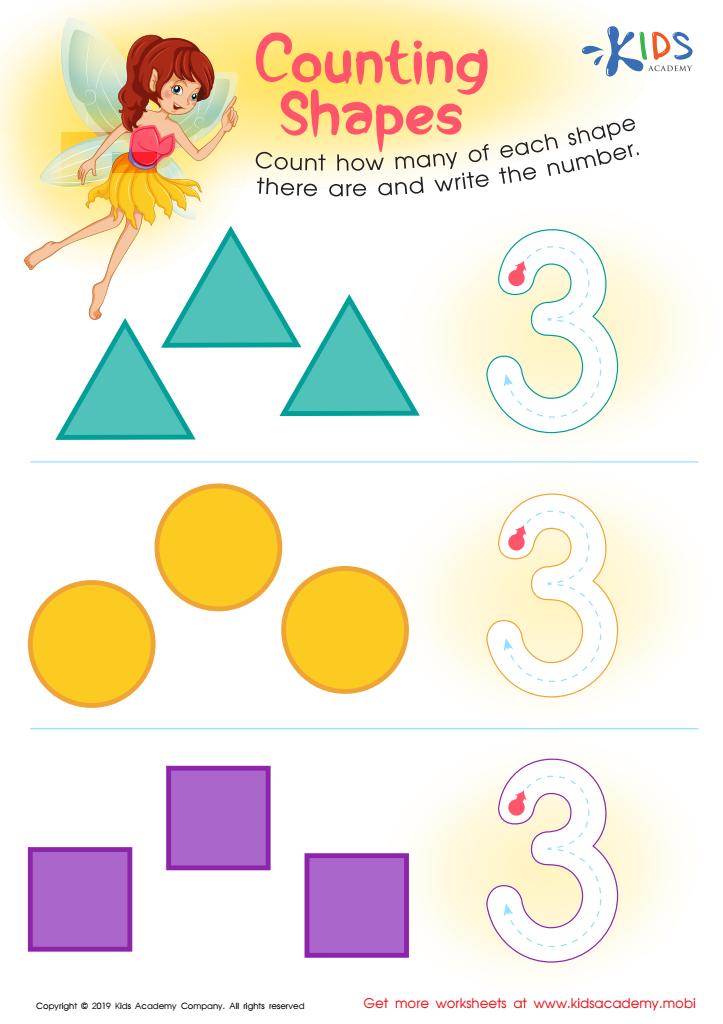
Counting Shapes Worksheet
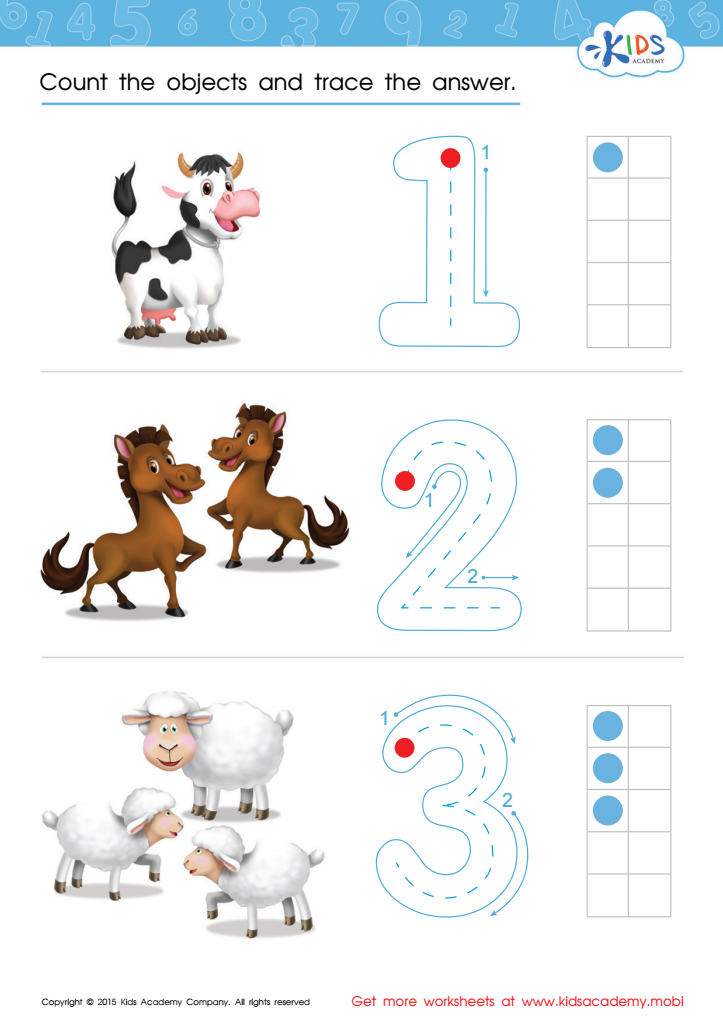
Count and Trace 1 – 3 Worksheet
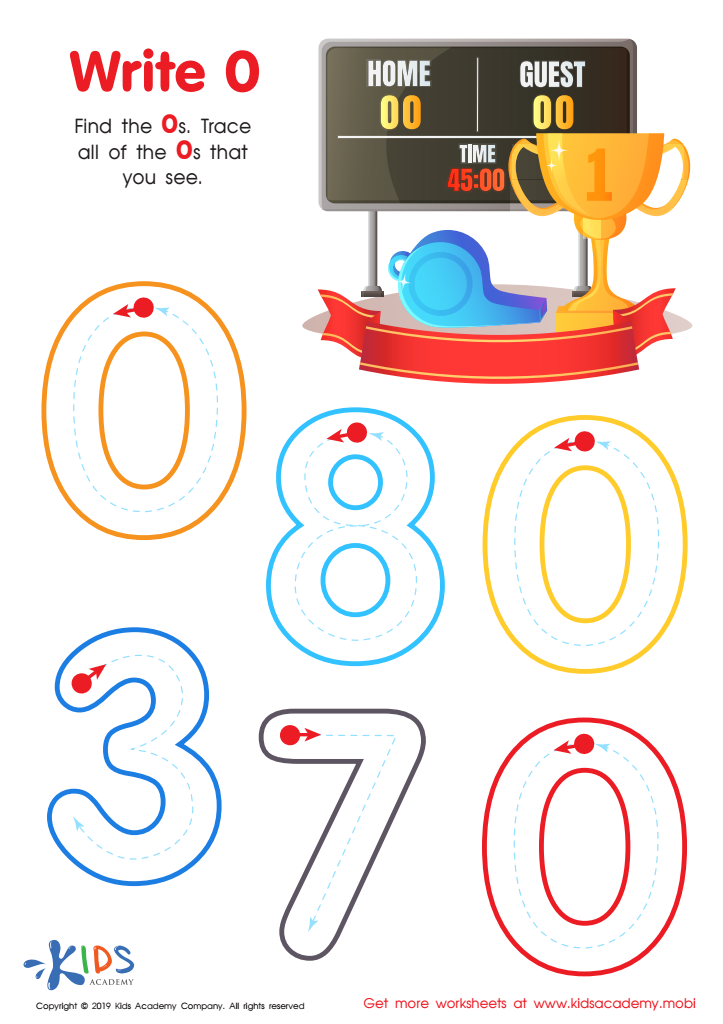
Write 0 Worksheet
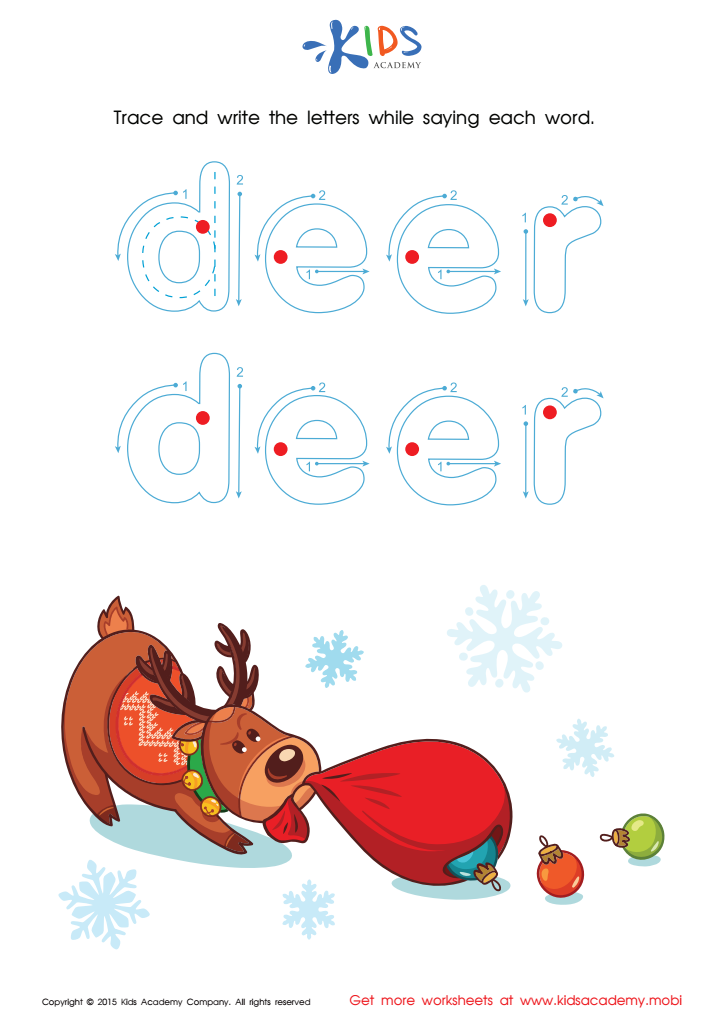
Deer Tracing Winter Words Worksheet
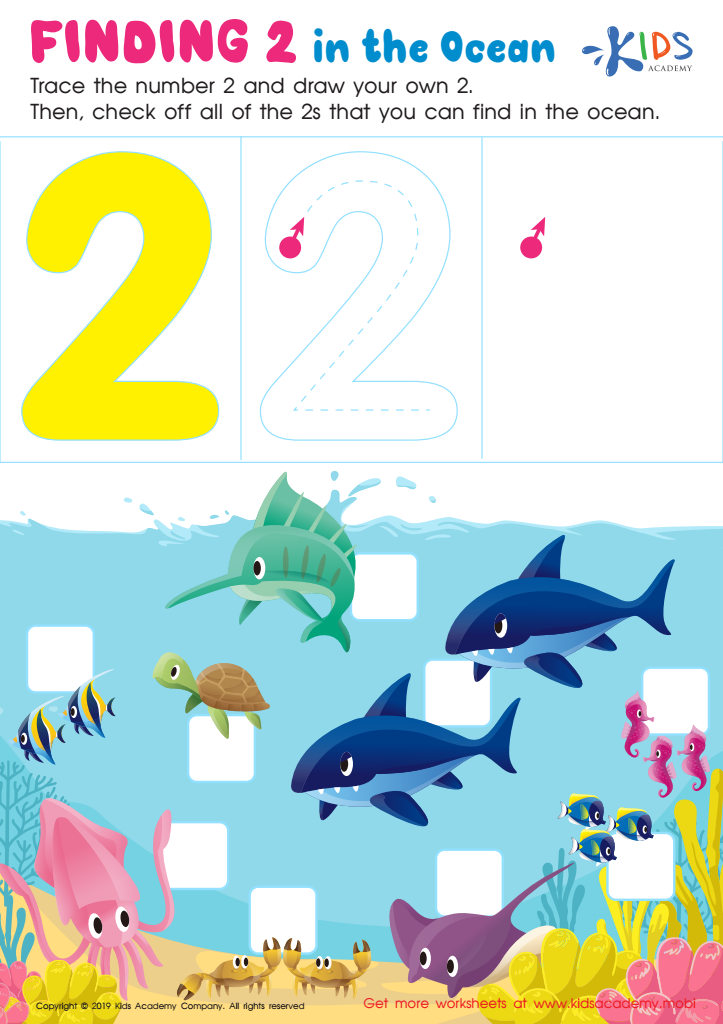
Finding 2: In the Ocean Worksheet
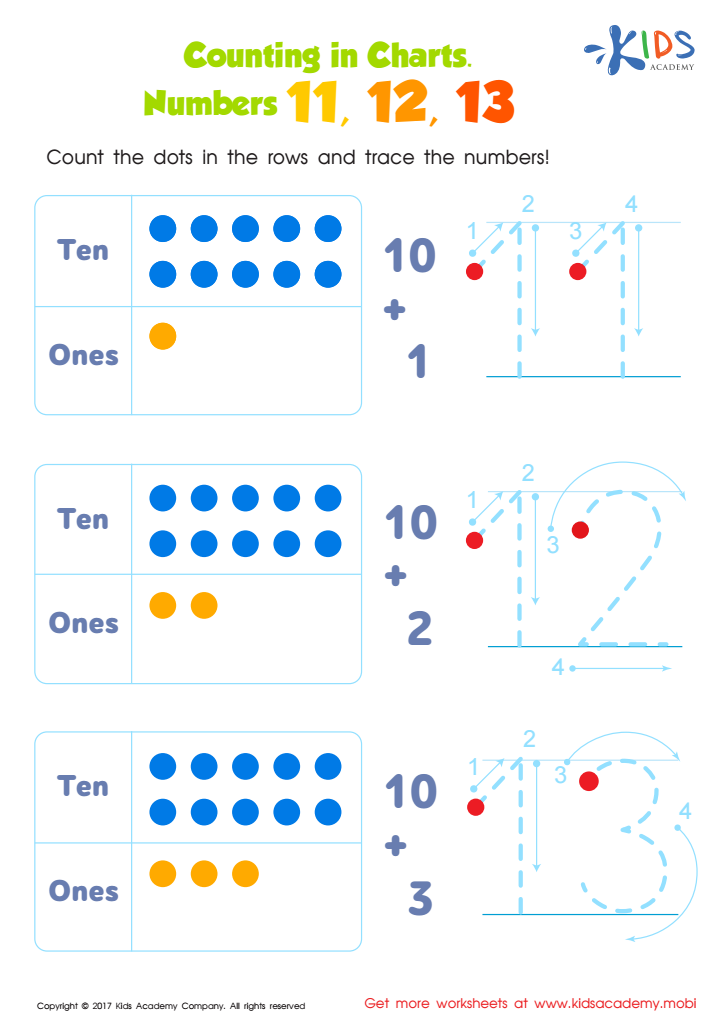
Number Tracing Worksheet For Kindergarten
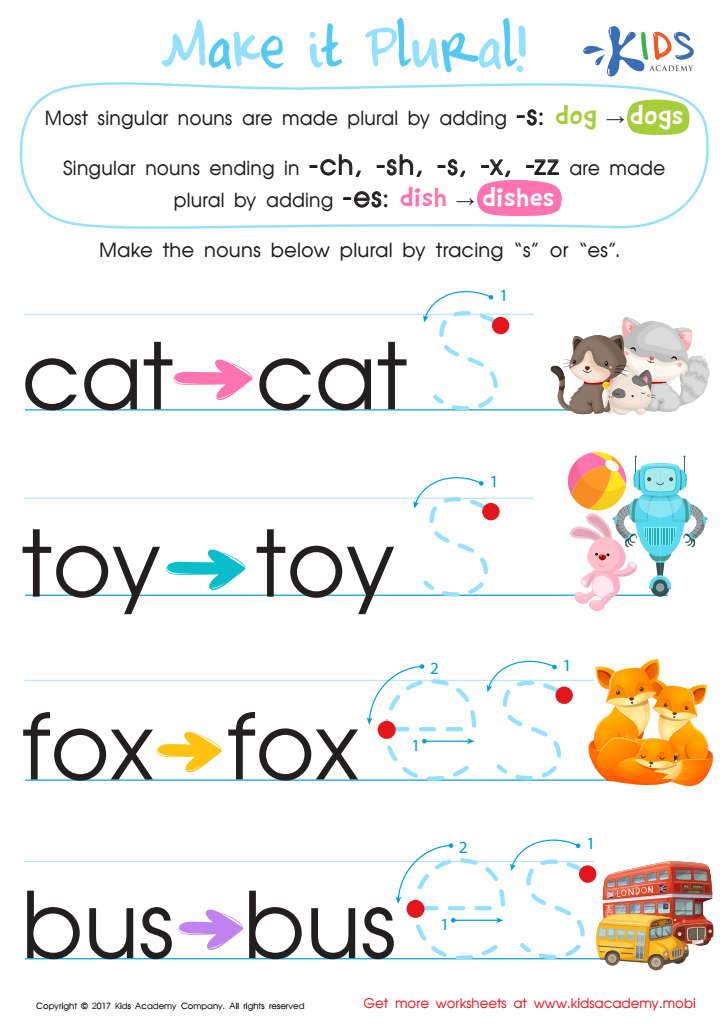
Make it Plural Worksheet
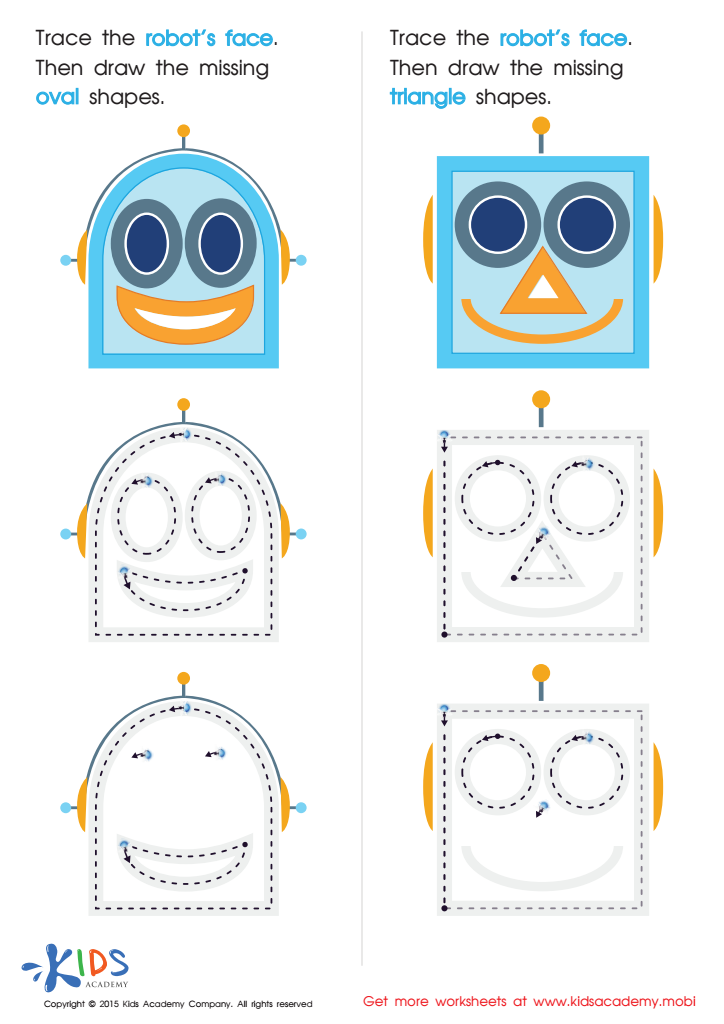
Drawing Ovals And Triangles with Fun Printable
Number Tracing Worksheet


.jpg)





Easy Tracing Worksheets Activities with Answers serve as an essential tool for early childhood education, providing a myriad of benefits for young learners. These activities are designed to be engaging and straightforward, yet they pack a powerful punch in terms of educational value. The reason why they are so useful comes down to several key aspects.
Firstly, easy tracing worksheets help in developing fine motor skills. The act of tracing shapes, letters, and numbers strengthens the muscles in the hands and fingers, which is crucial for handwriting and other tasks that require manual dexterity. By engaging in these activities, children can improve their grip and control over writing instruments, laying a solid foundation for future writing skills.
Secondly, these worksheets enhance cognitive abilities. Tracing activities require concentration and the ability to follow visual guidelines, which can improve cognitive skills such as memory, attention, and spatial awareness. As children trace, they also learn to recognize shapes, symbols, and patterns, thereby boosting their visual discrimination skills and setting the stage for early literacy and numeracy.
Another significant benefit is the inclusion of answers in Easy Tracing Worksheets Activities. The presence of answers allows for immediate feedback, which is vital for learning. Children can compare their work with the correct answers, helping them understand their mistakes and learn from them. This feedback loop can significantly boost their confidence and encourage a positive learning experience.
Moreover, these worksheets are versatile and can cater to various learning styles. Whether a child is a visual, auditory, or kinesthetic learner, tracing activities can be adapted to suit their needs, making learning more personalized and effective.
In conclusion, Easy Tracing Worksheets Activities with Answers are not just another educational resource; they are a fundamental tool that supports the development of essential skills in young learners. Through these activities, children not only learn how to control a pencil and recognize patterns but also develop cognitive skills and confidence, setting a strong foundation for their educational journey.








