Normal Tracing Worksheets Activities With Answers for Ages 3-7 - Page 5
98 filtered results
-
From - To
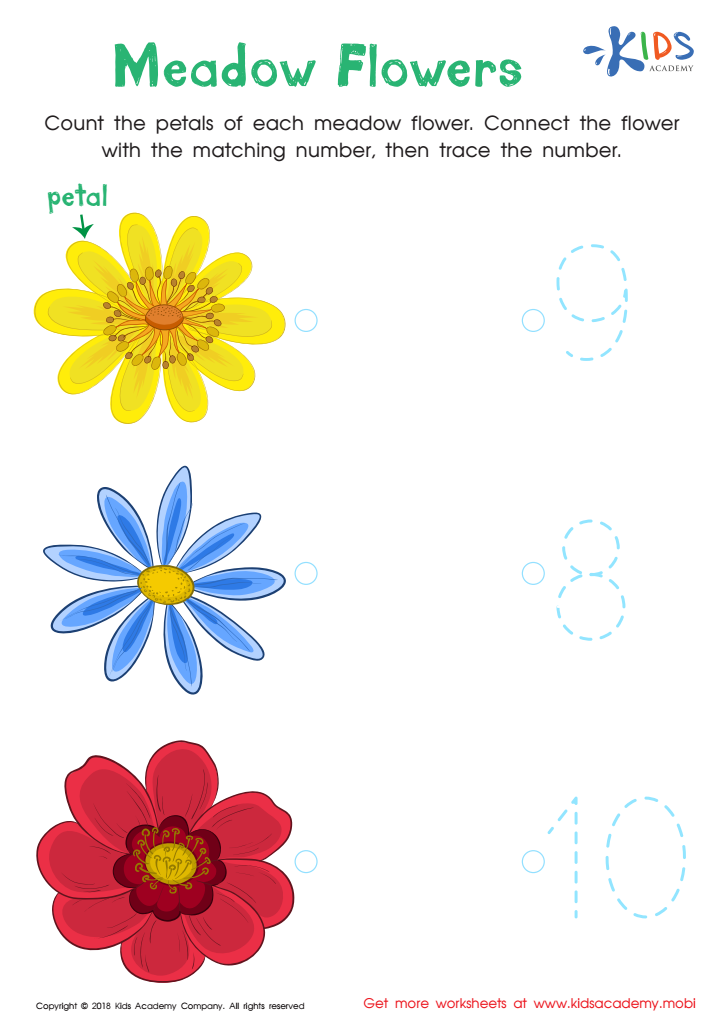
Kindergarten Number Tracing: Medow Flowers Worksheet
 Assign to My Students
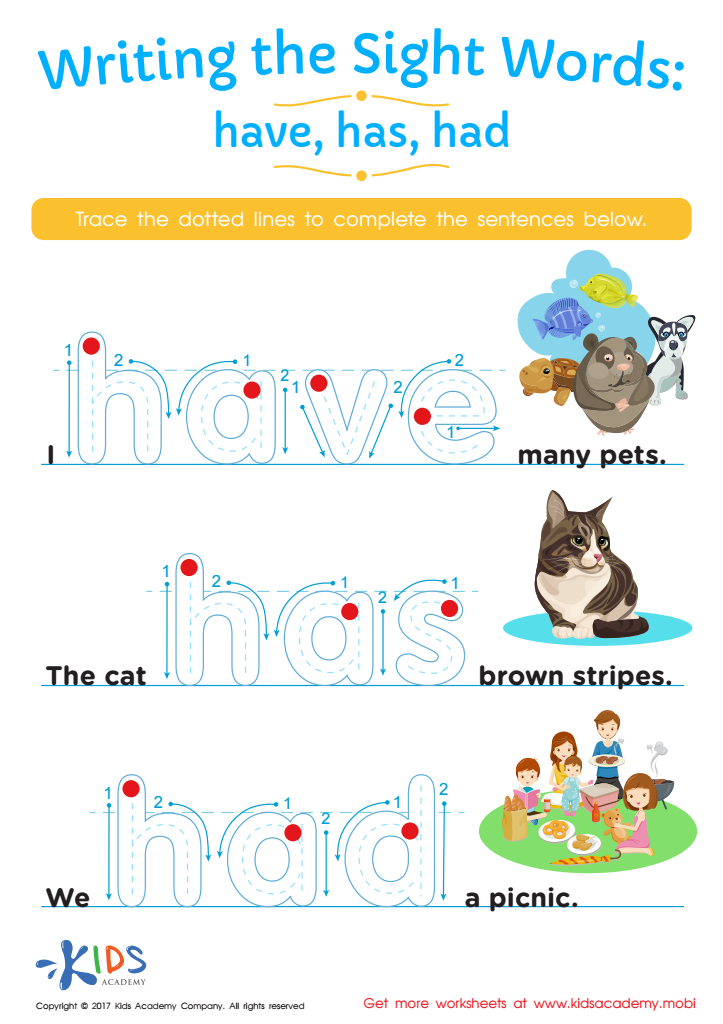
Have, Has, Had Worksheet Sight Words Worksheet








Normal tracing activities are vital for children aged 3-7, serving as an engaging way to develop crucial fine motor skills, hand-eye coordination, and cognitive abilities. Parents and teachers should care about these activities because they lay the foundation for successful writing and creativity in young learners. Tracing helps children improve dexterity, enabling them to grasp writing utensils with control and confidence.
Furthermore, tracing activities introduce early literacy skills by familiarizing children with letters, numbers, shapes, and patterns. These skills are essential for reading and mathematical understanding in later years. Additionally, normal tracing exercises can be tailored to align with various learning styles, making them accessible and enjoyable for a diverse range of learners.
Interactive tracing activities also provide opportunities for bonding between parents and children or collaboration among peers in classroom settings. This enhances their social skills and nurtures a positive learning environment.
In summary, normal tracing activities contribute significantly to a child's development during the critical early years. Therefore, parents and teachers should prioritize incorporating these engaging and educational exercises into daily routines to support children's overall growth and learning.








