Normal Tracing Letters Worksheets Activities With Answers for Ages 3-7 - Page 2
32 filtered results
-
From - To
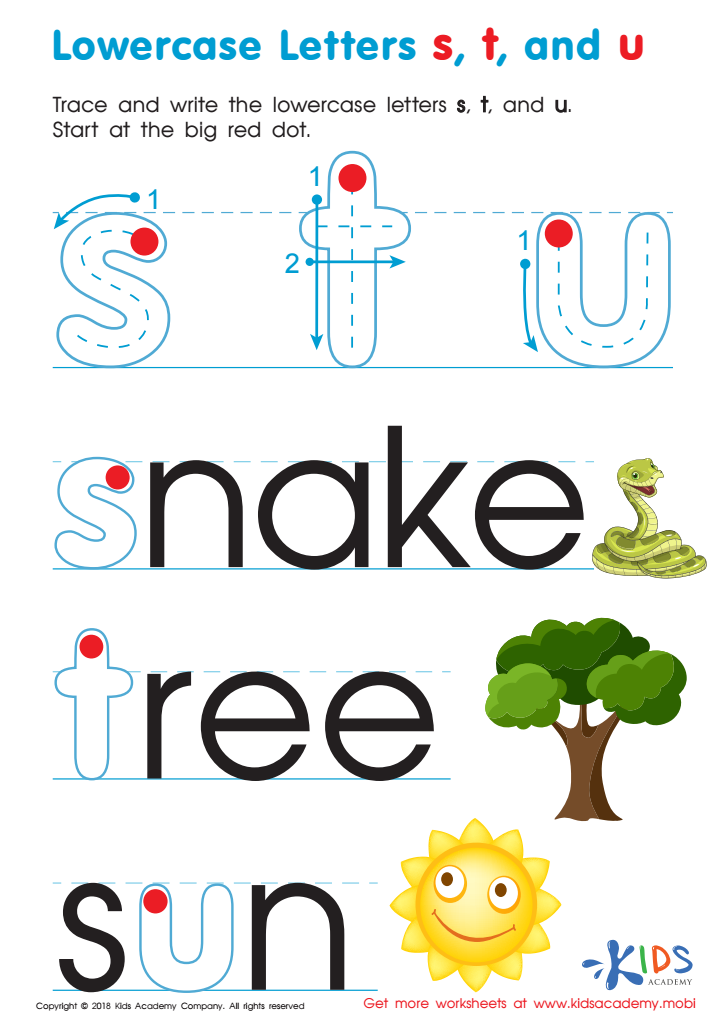
Lowercase Letters s t u Worksheet
 Assign to My Students
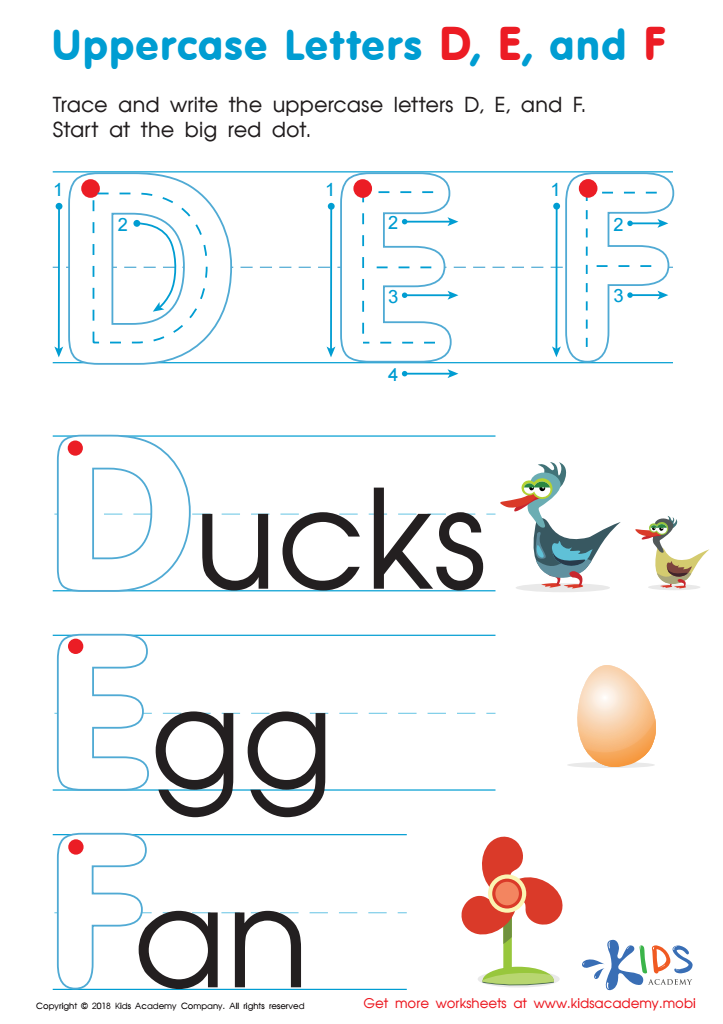
Uppercase Letters D, E, and F Worksheet
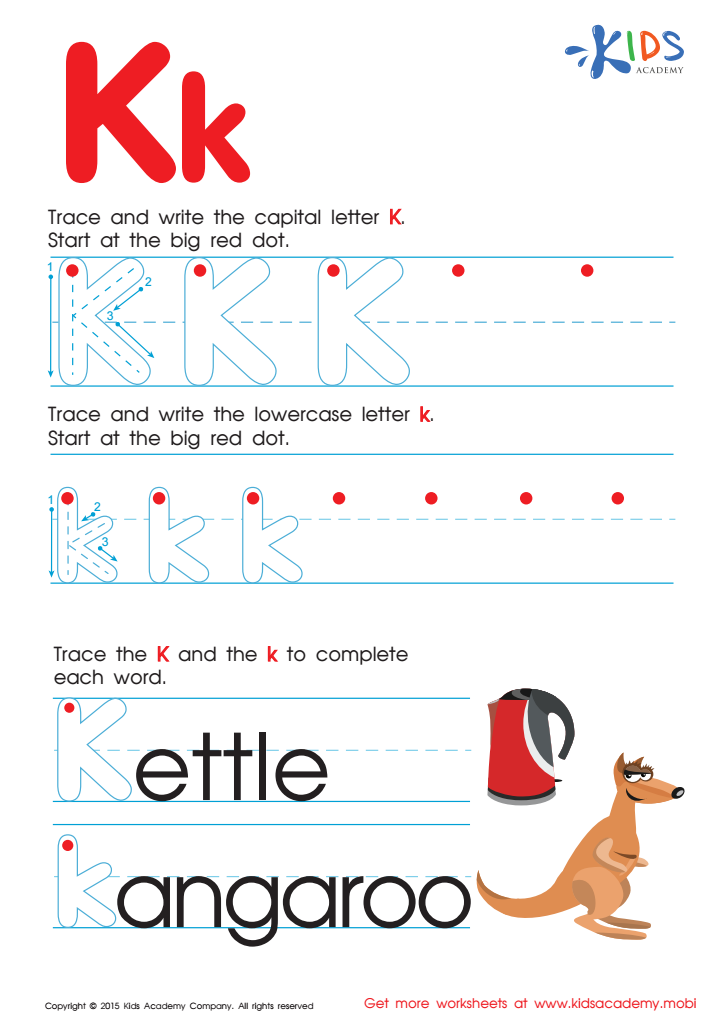
Letter K Tracing Page

Letter F Tracing Page
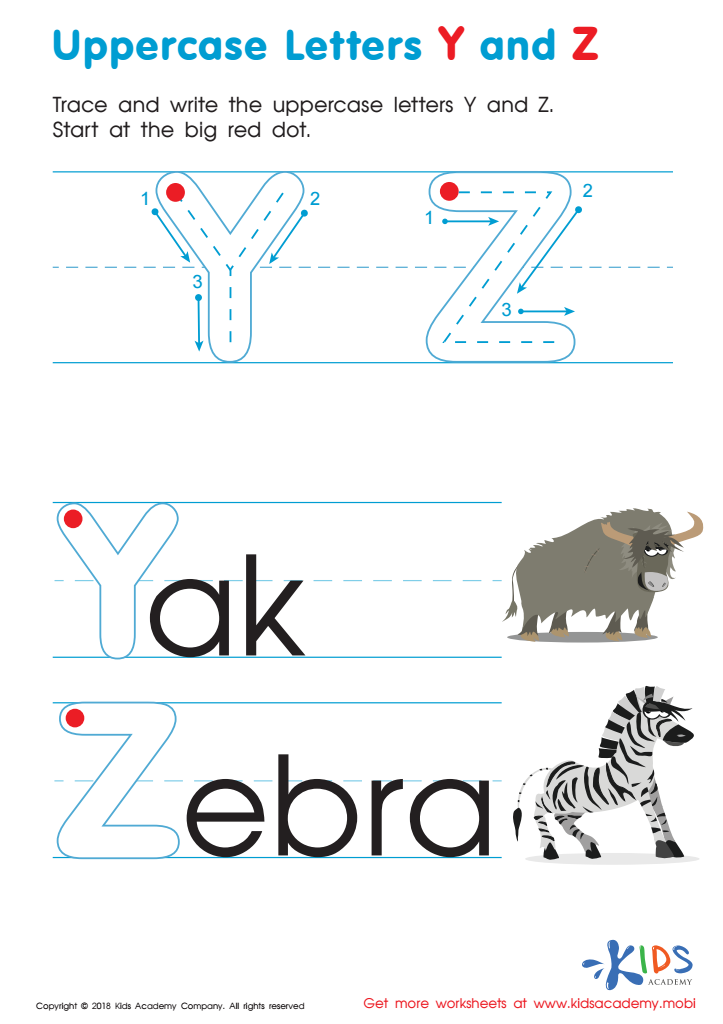
Uppercase Letters Y Z Worksheet
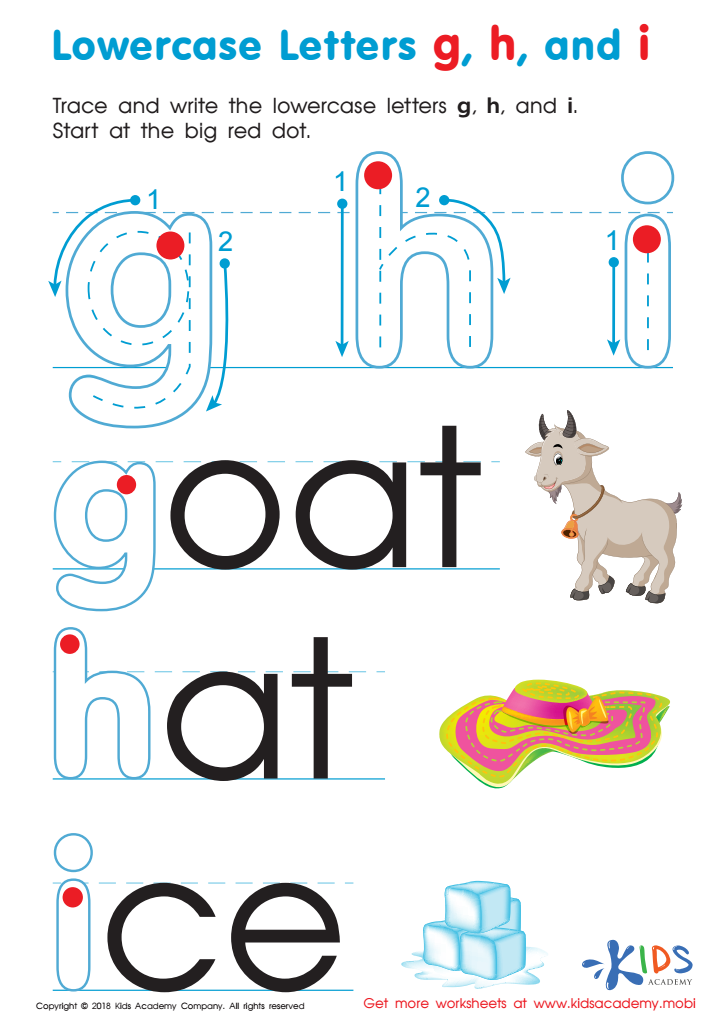
Lowercase Letters g h i Worksheet
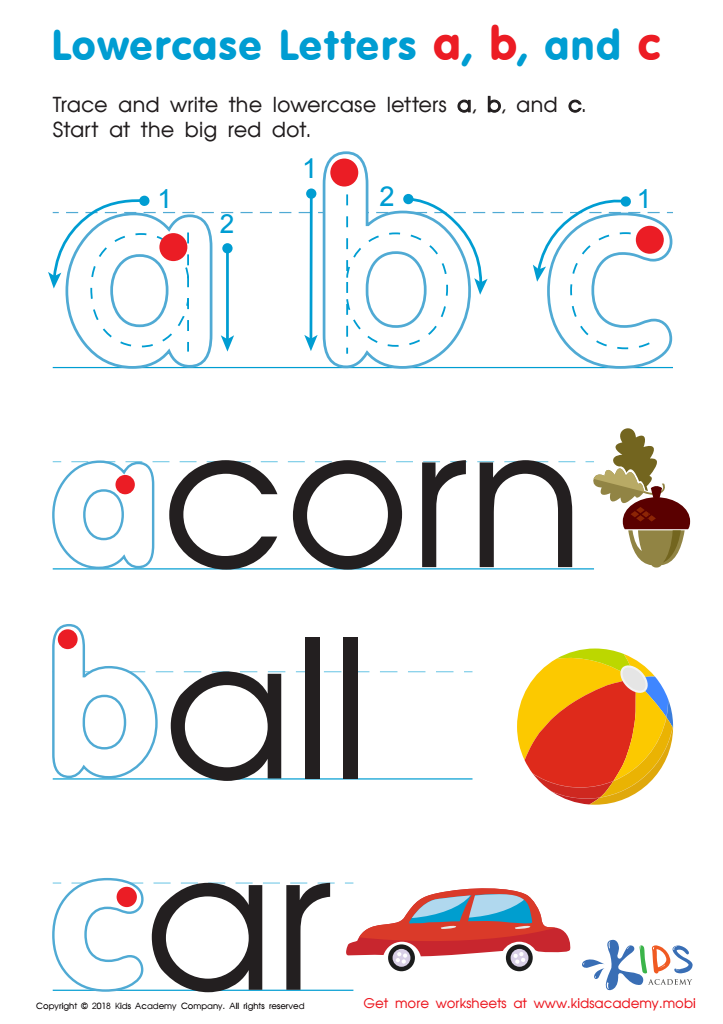
Lowercase Letters a b c Worksheet

Letter D Tracing Page








Normal tracing letters activities are essential for children aged 3-7 as they provide a foundational skill set that is crucial for early literacy development. These activities engage young learners in a fun and interactive manner, helping them to establish proper handwriting techniques while fostering fine motor skills. Tracing letters reinforces letter recognition, enhances hand-eye coordination, and builds the confidence necessary for writing.
Parents and teachers should care about these activities because they cater to diverse learning styles, allowing children to progress at their own pace. Effective tracing activities often include answers or guides, enabling adults to assist their children and monitor progress, ensuring they grasp key concepts without feeling overwhelmed.
Additionally, tracing letters lays the groundwork for reading comprehension and vocabulary development. As children develop their writing capabilities, they become more self-assured in their ability to communicate their thoughts and ideas. This proficiency, nurtured in early childhood, often translates to academic success in later grades.
Ultimately, incorporating tracing letter activities into the daily routine encourages a love for learning, making reading and writing enjoyable, essential components of a child’s educational journey. Therefore, investing time in these activities is a vital step in preparing children for future success.








