Normal Matching Worksheets Activities With Answers for Ages 3-9 - Page 2
42 filtered results
-
From - To
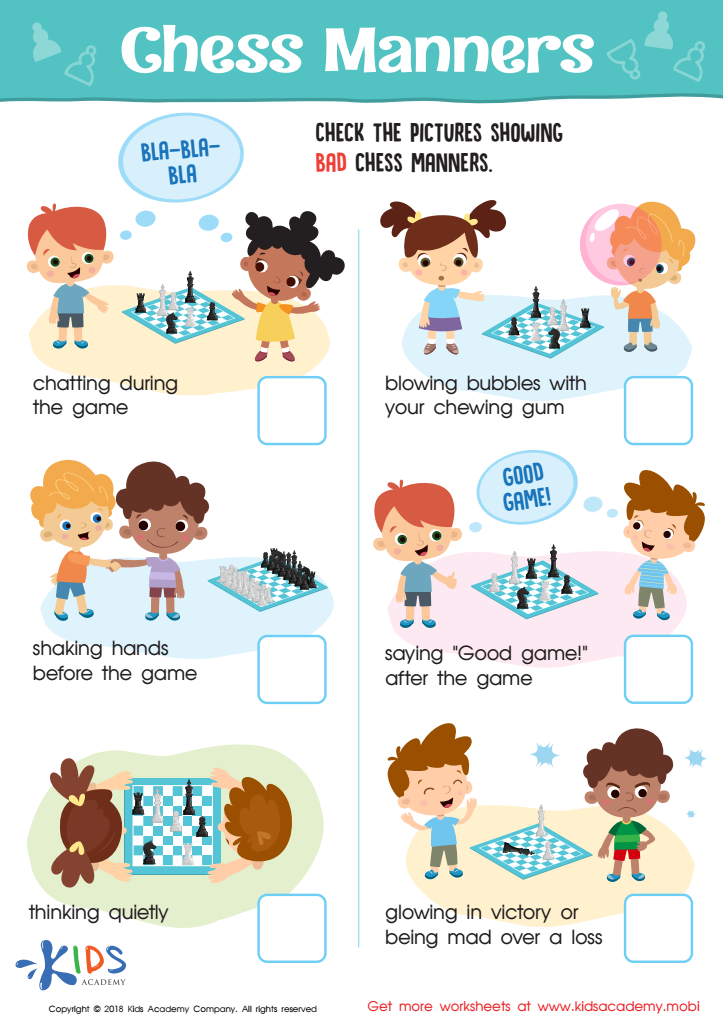
Chess Manners Worksheet
 Assign to My Students
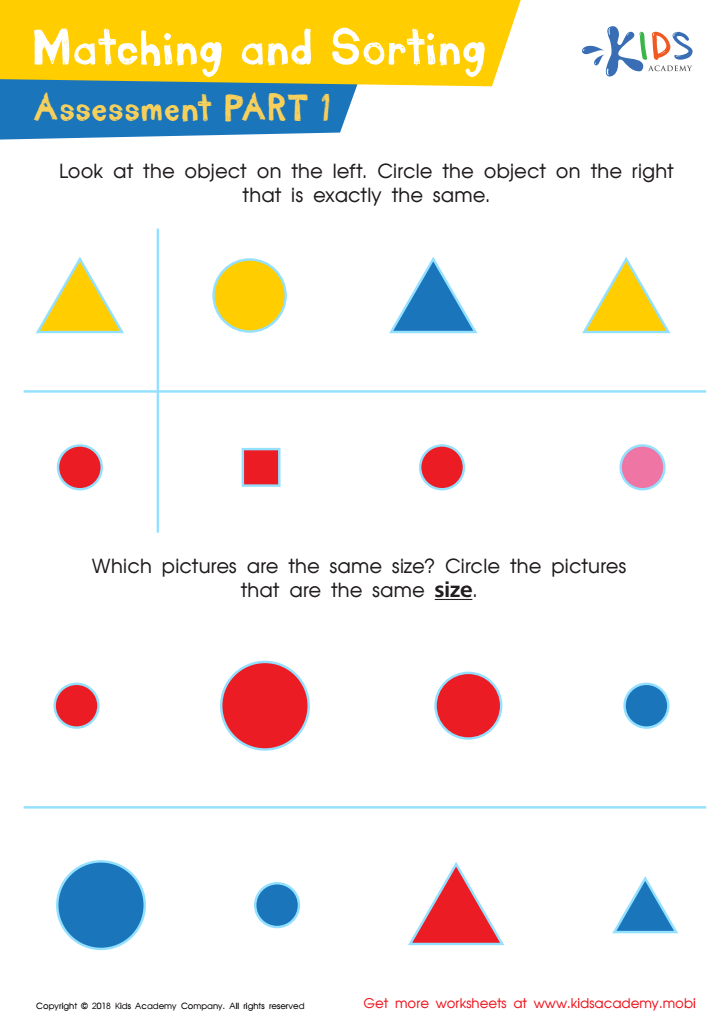
Matching and Sorting for Kindergarten: Assessment 1 Worksheet
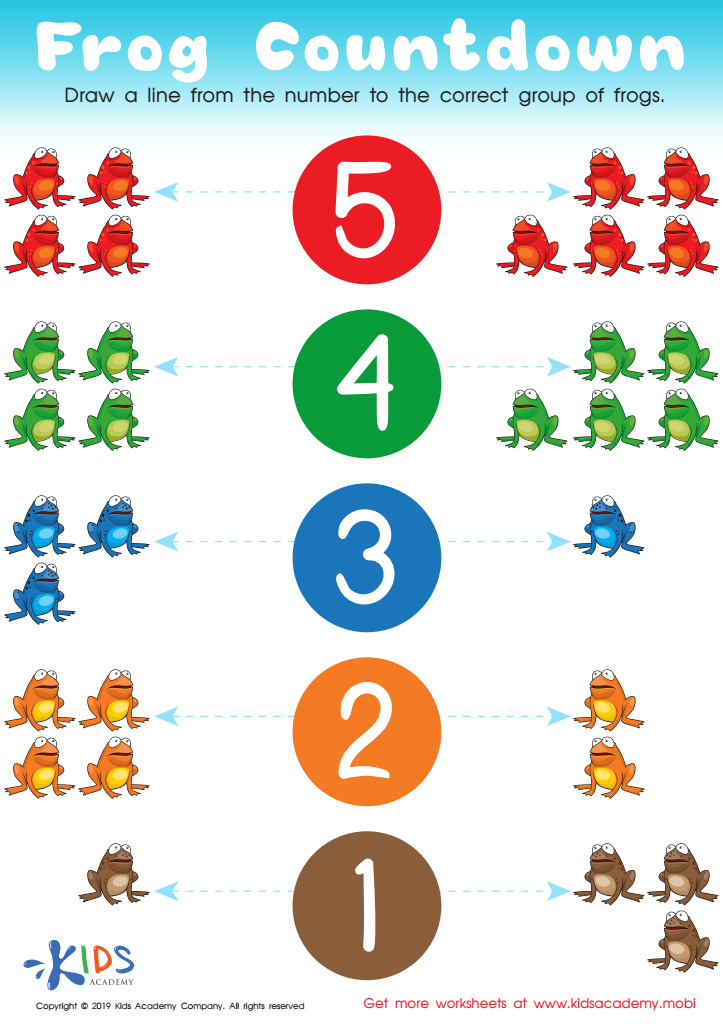
Frog Countdown Worksheet
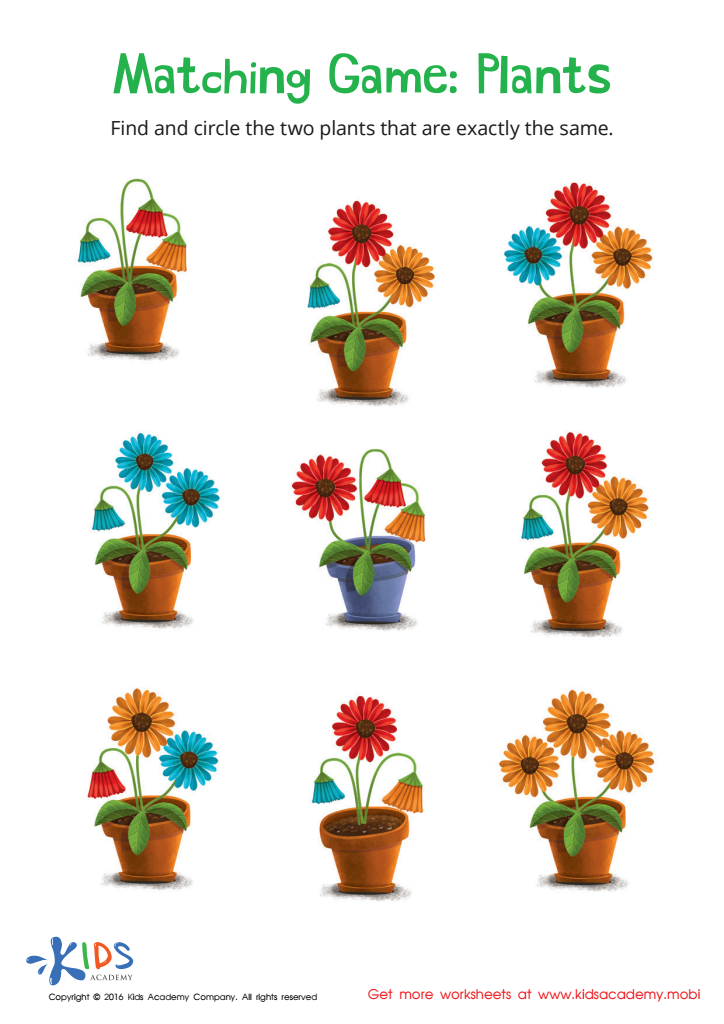
Matching: Plants Worksheet
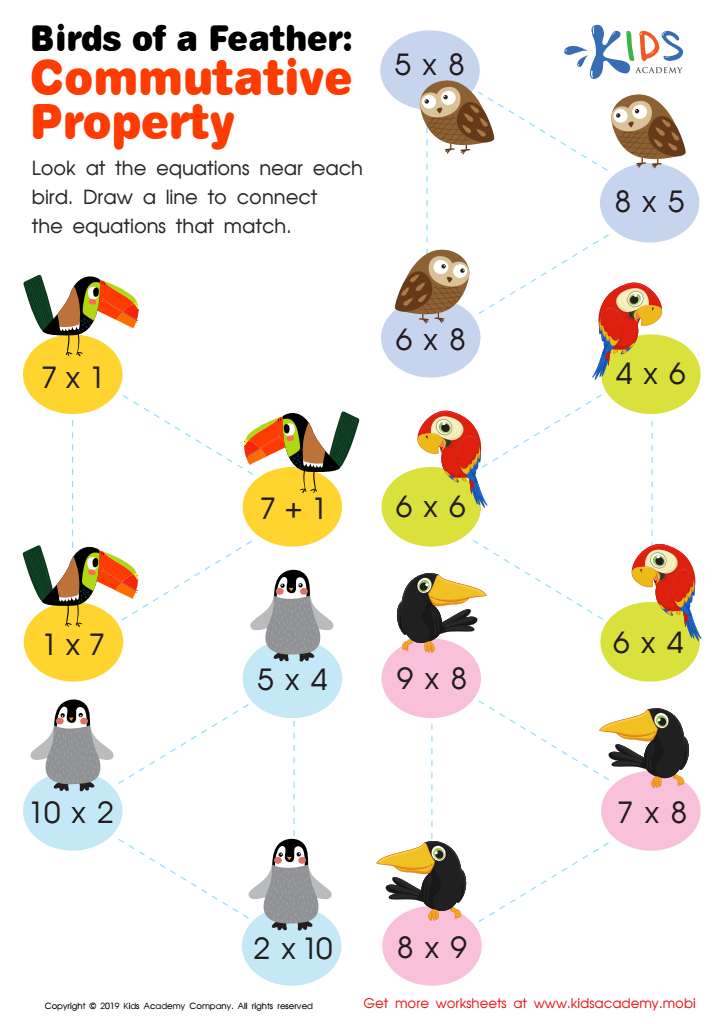
Birds of a Feather: Commutative Property Worksheet
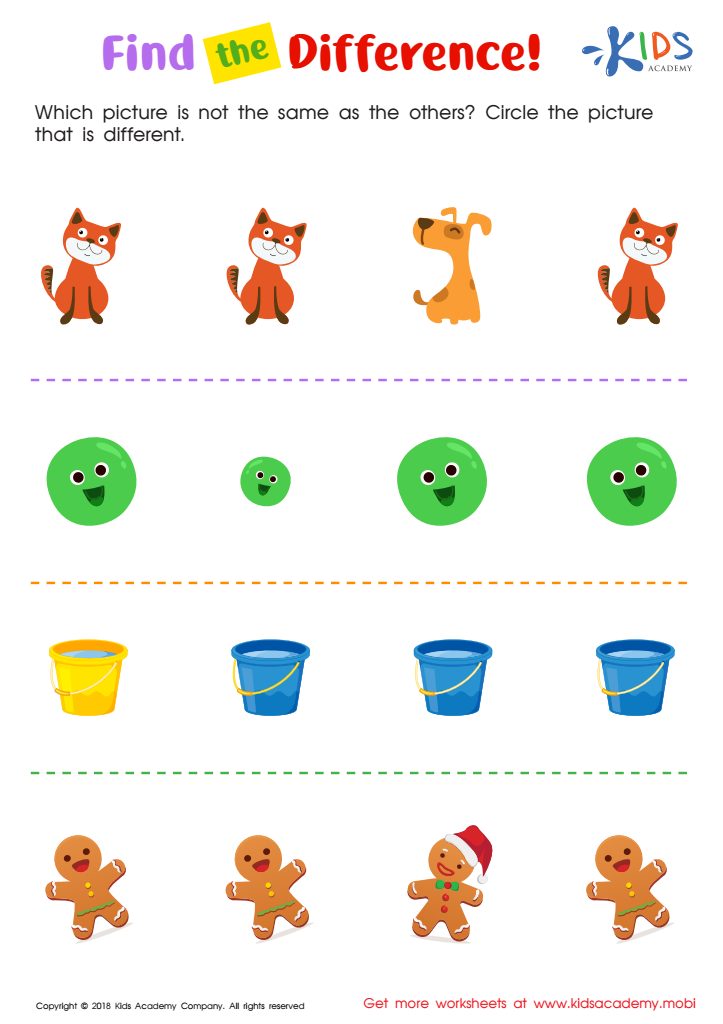
Find the Difference Worksheet
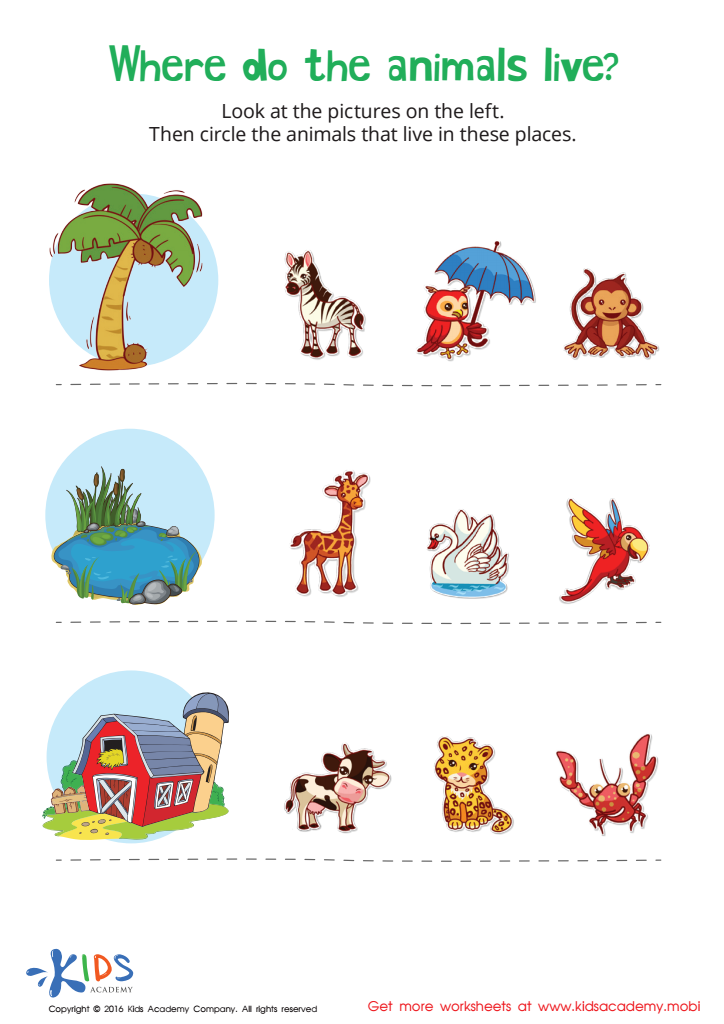
Where Animals Live Worksheet
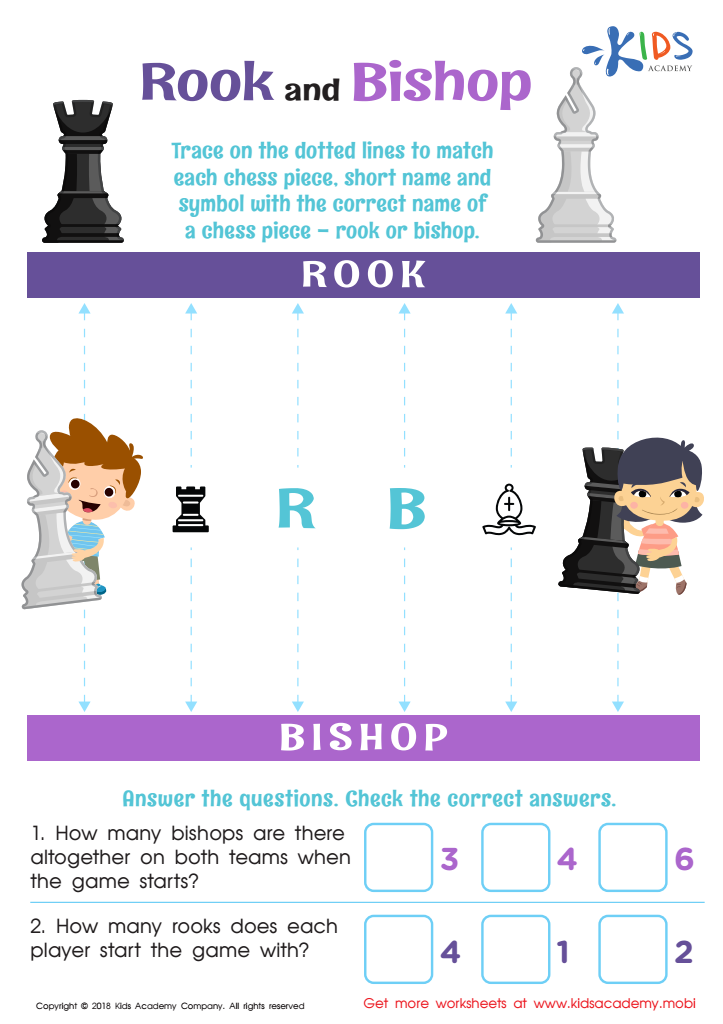
Rook and Bishop Worksheet
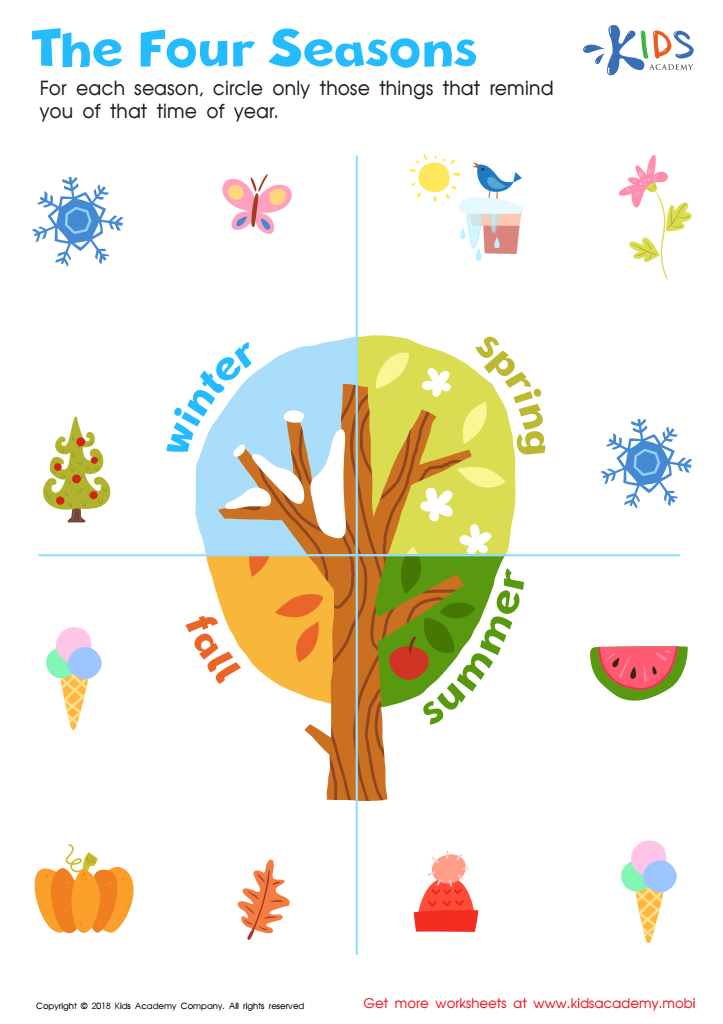
The Four Seasons Worksheet
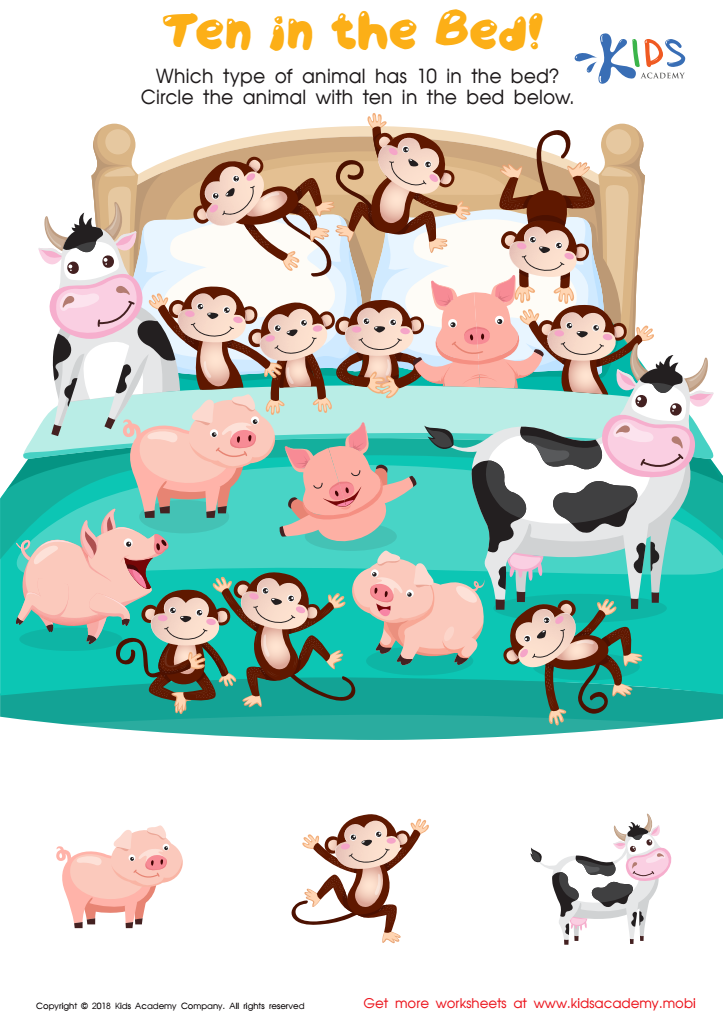
Ten in the Bed Worksheet
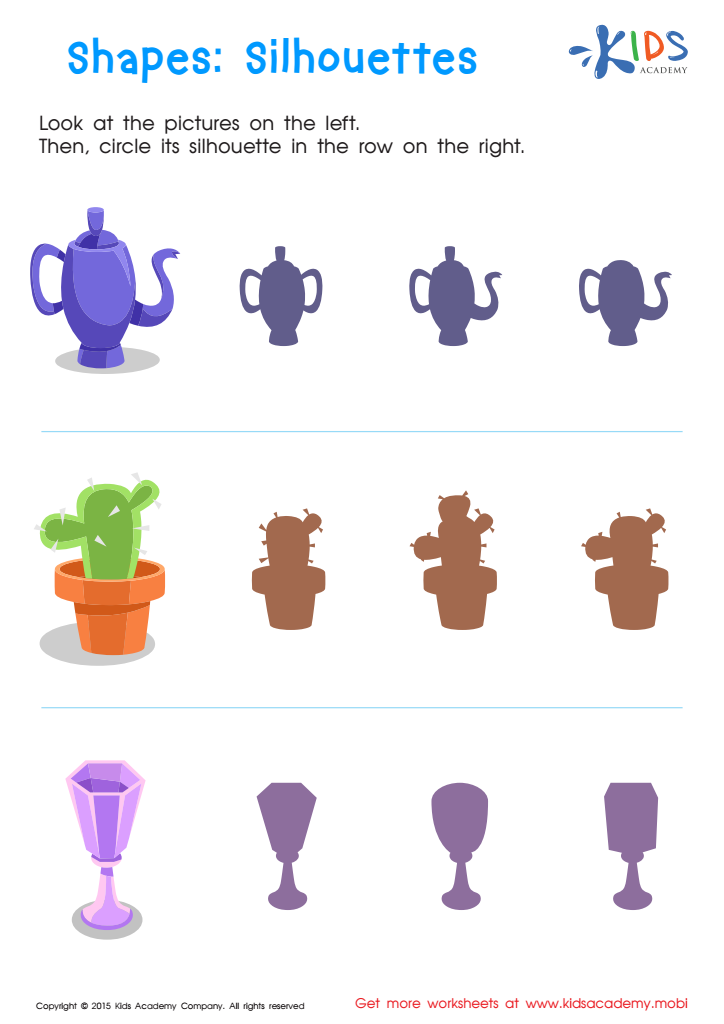
Silhouettes – Shapes Worksheet
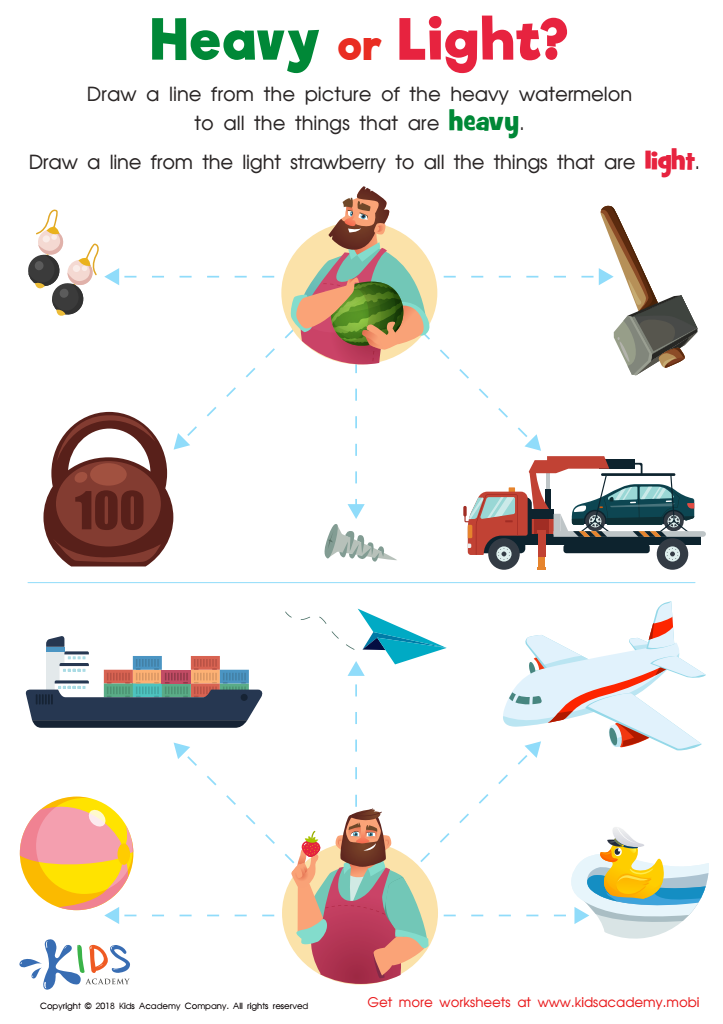
Heavy or Light? Worksheet
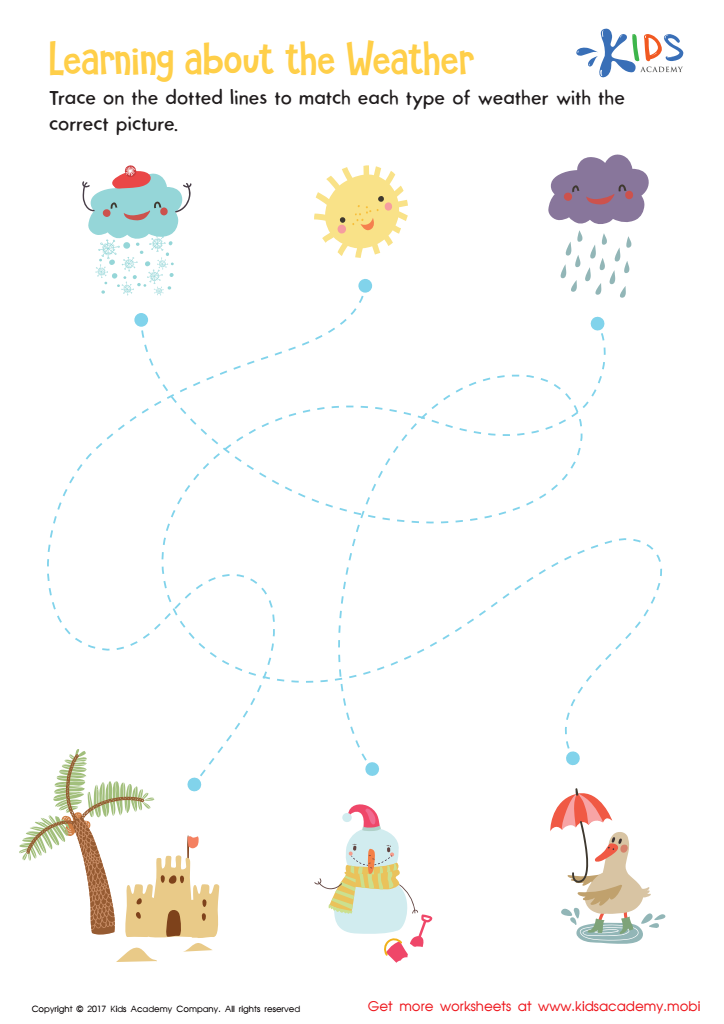
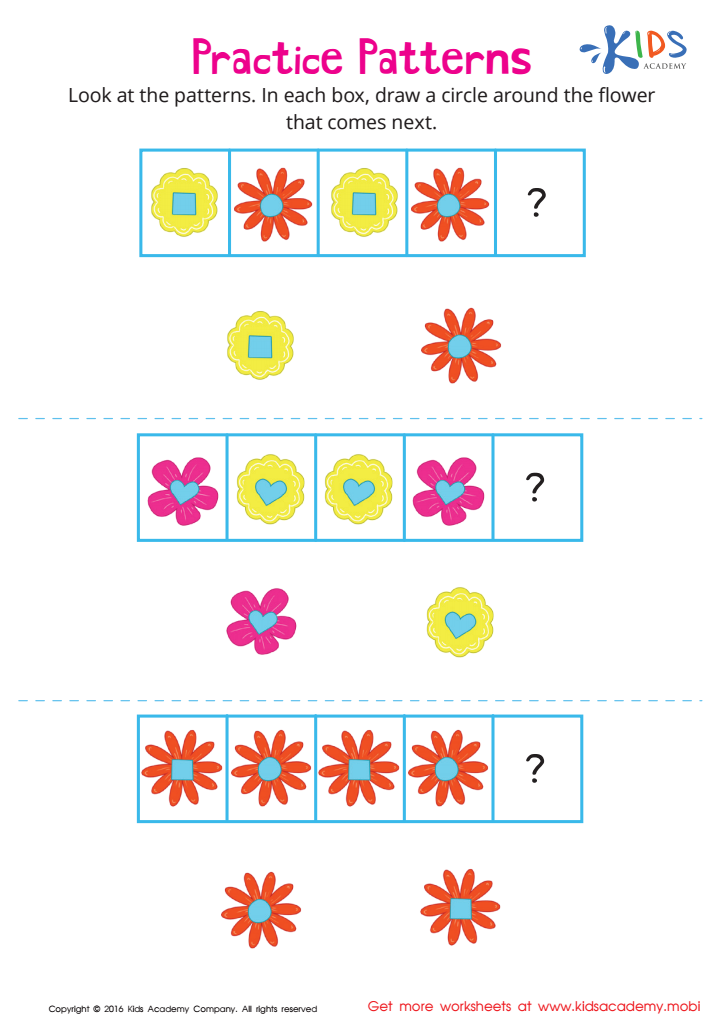
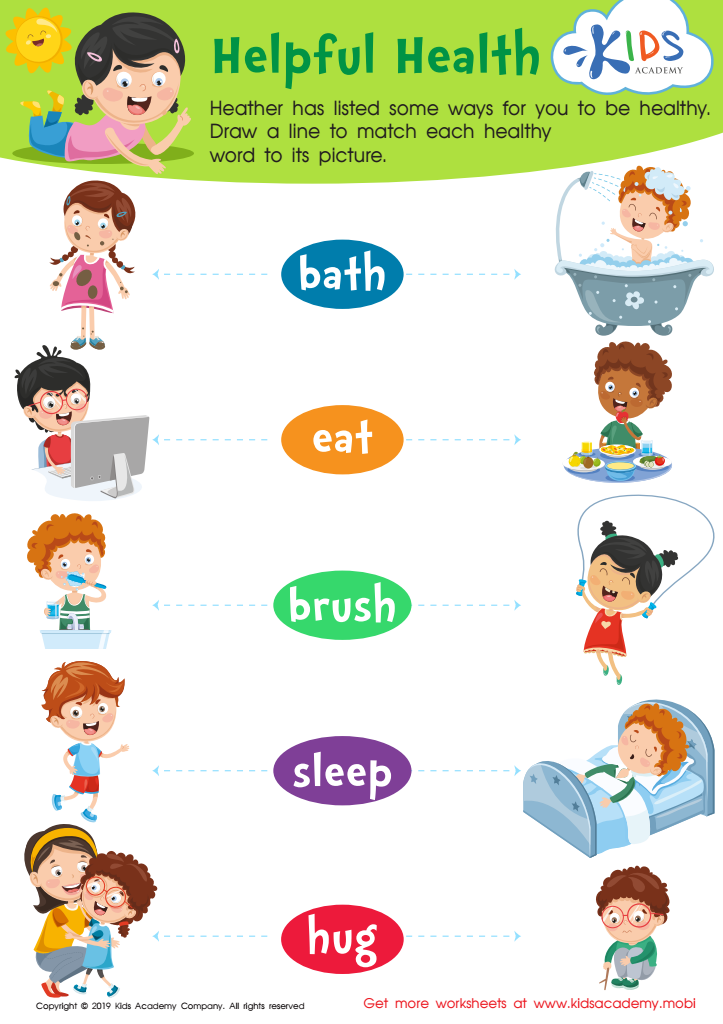
Helpful Health Worksheet
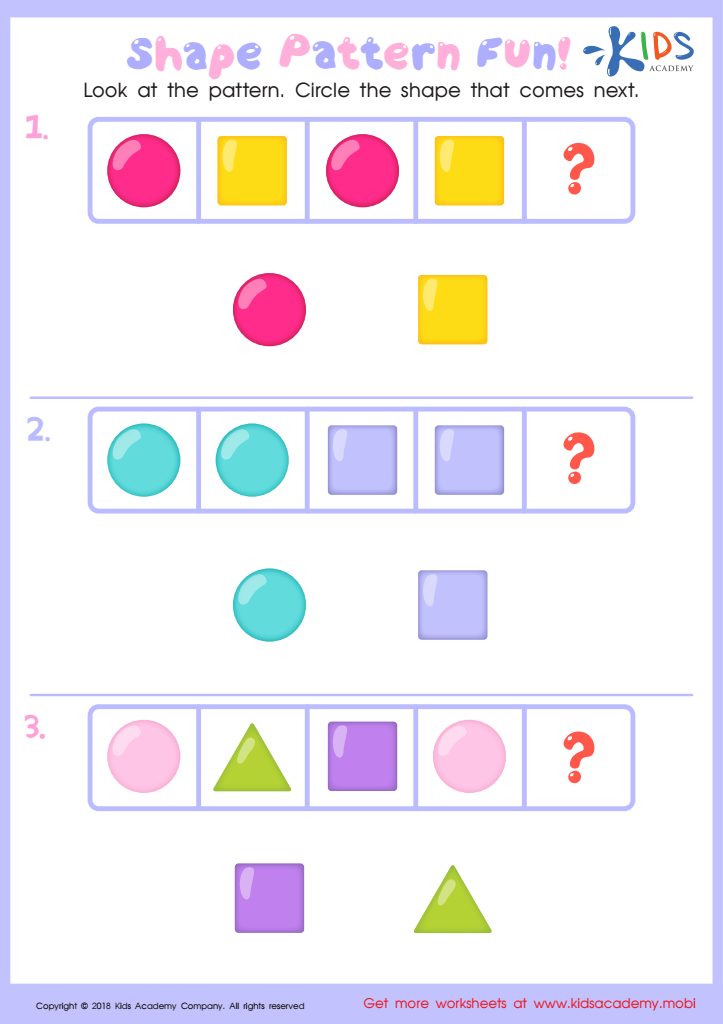
Shape Pattern Fun Worksheet
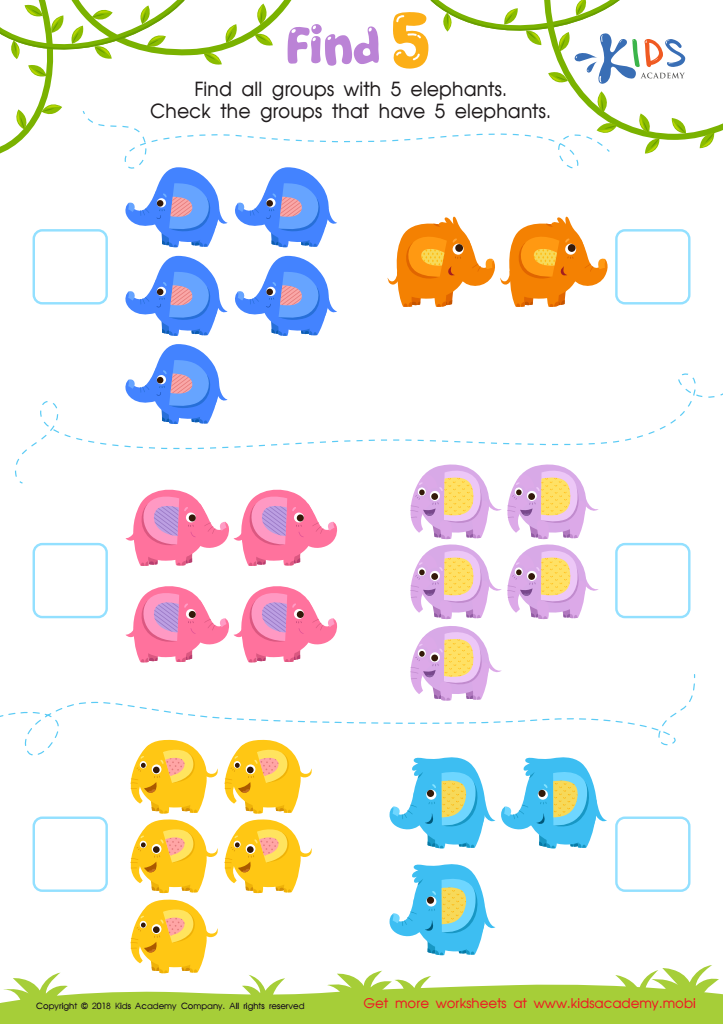
Find 5 Worksheet
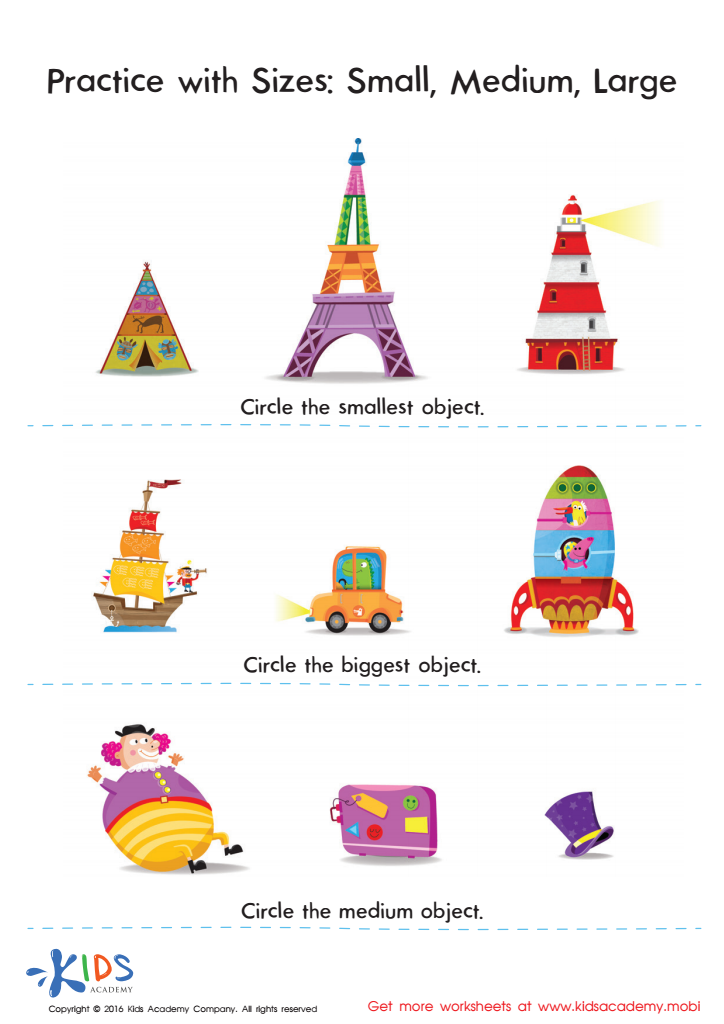








Normal Matching Activities are essential tools for the cognitive and social development of children aged 3-9. These activities not only enhance recognition and memory skills but also foster critical thinking and problem-solving abilities, which are foundational for academic success. Engaging in matching exercises helps children learn to categorize objects, understand relationships between different concepts, and improve their observational skills.
For parents, these activities offer a fun and interactive way to bond with their children, while also supporting learning at home. By incorporating Normal Matching Activities into daily routines or playtime, parents can create enriching experiences that complement formal education.
Teachers, on the other hand, can use these activities to reinforce lesson plans and support diverse learning styles within the classroom. Matching exercises can be easily adapted for various subjects, such as vocabulary for language arts or identifying shapes and colors in math, making them versatile teaching tools.
Ultimately, both parents and teachers should prioritize these activities not just for their educational benefits, but also for their ability to promote cooperation, patience, and resilience—skills that are vital for navigating both academic and social environments. Encouraging these matching games shows a commitment to holistic child development.








