Addition Facts Worksheets for Ages 3-4 - Page 2
26 filtered results
-
From - To
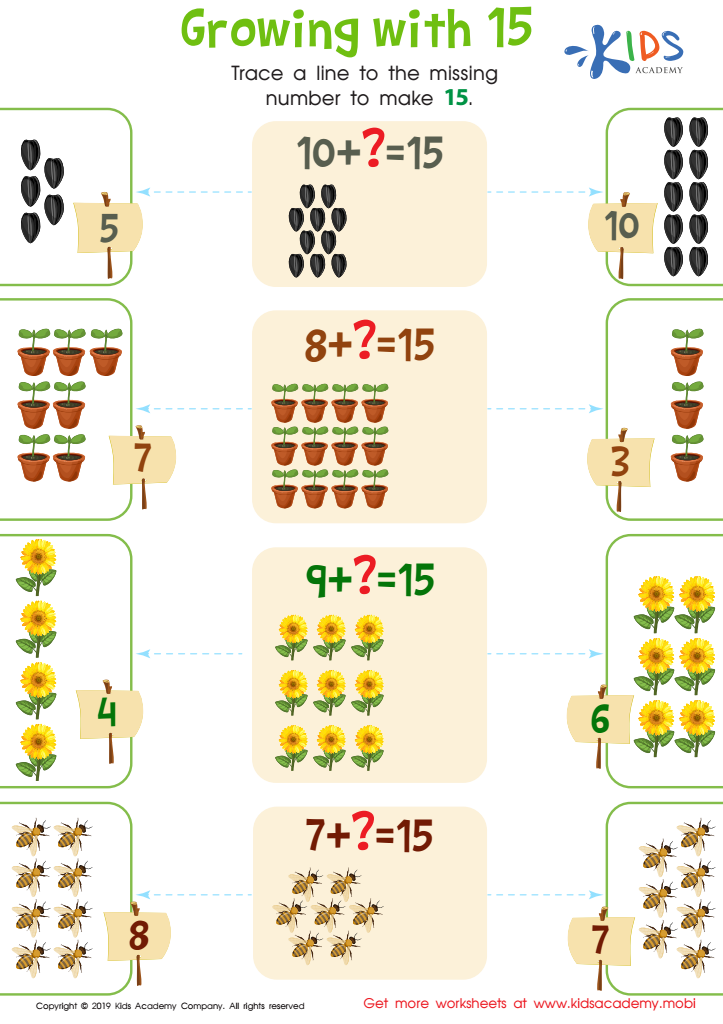
Growing with 15 Worksheet
 Assign to My Students
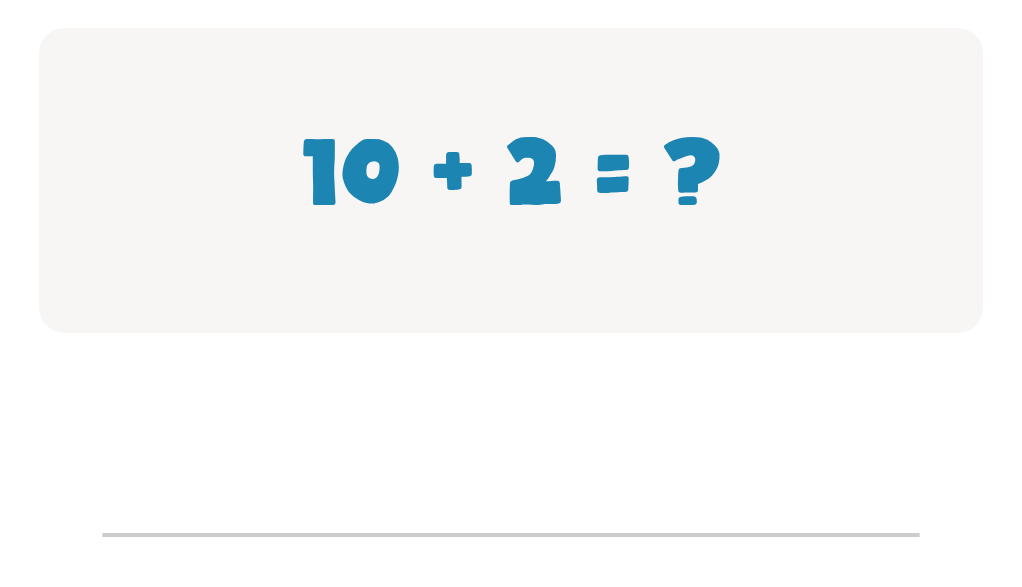

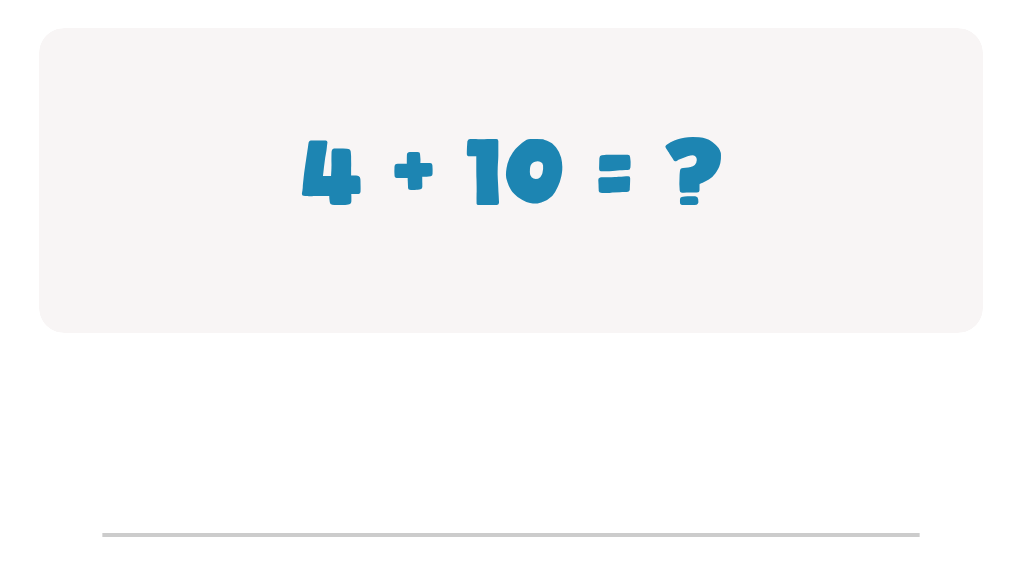
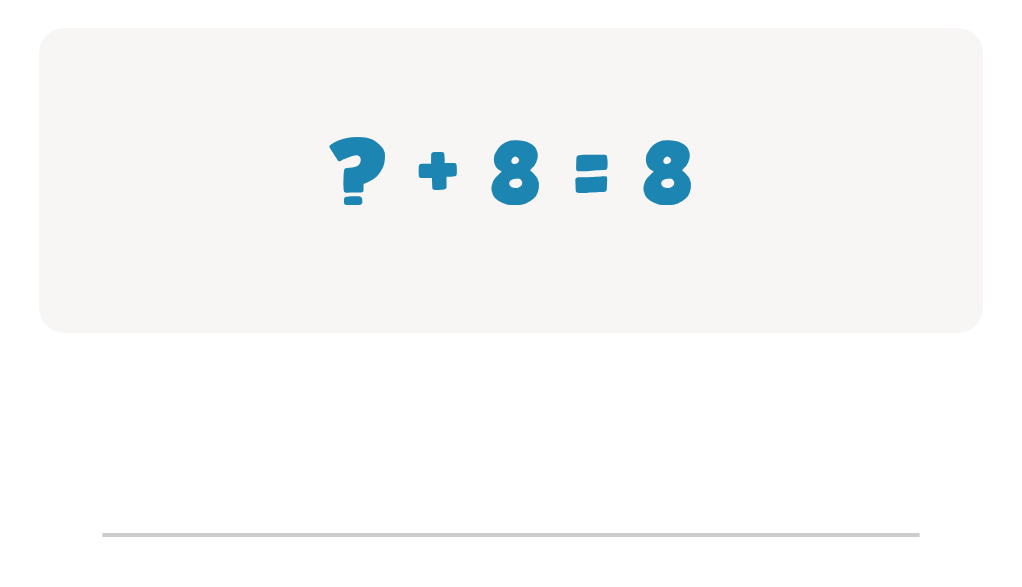

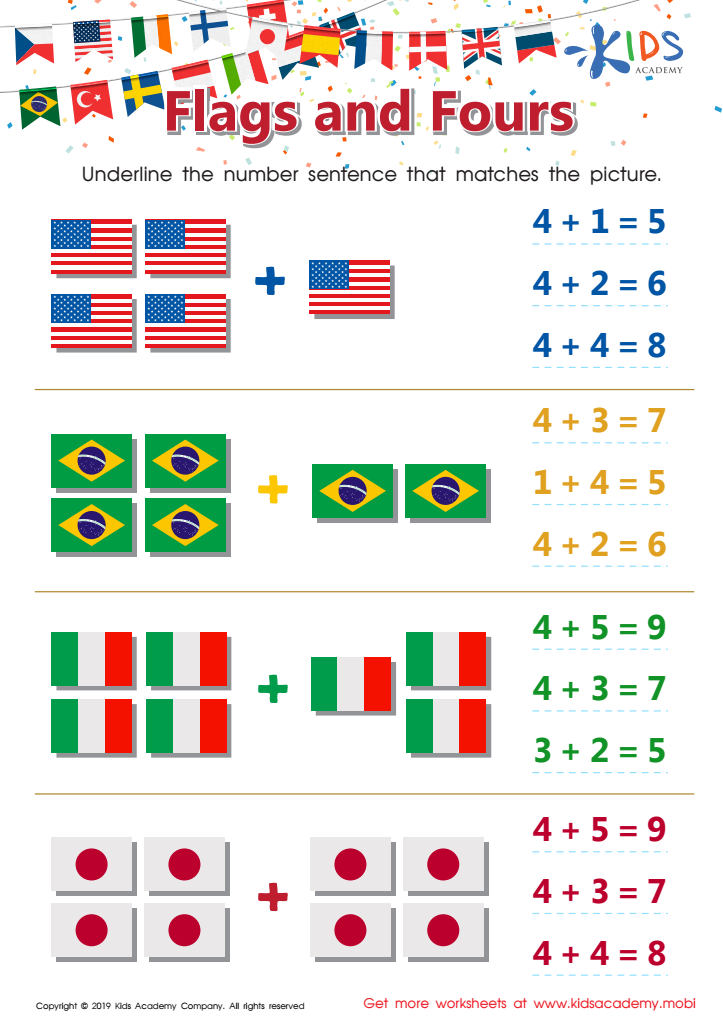
Flags and Fours Worksheet








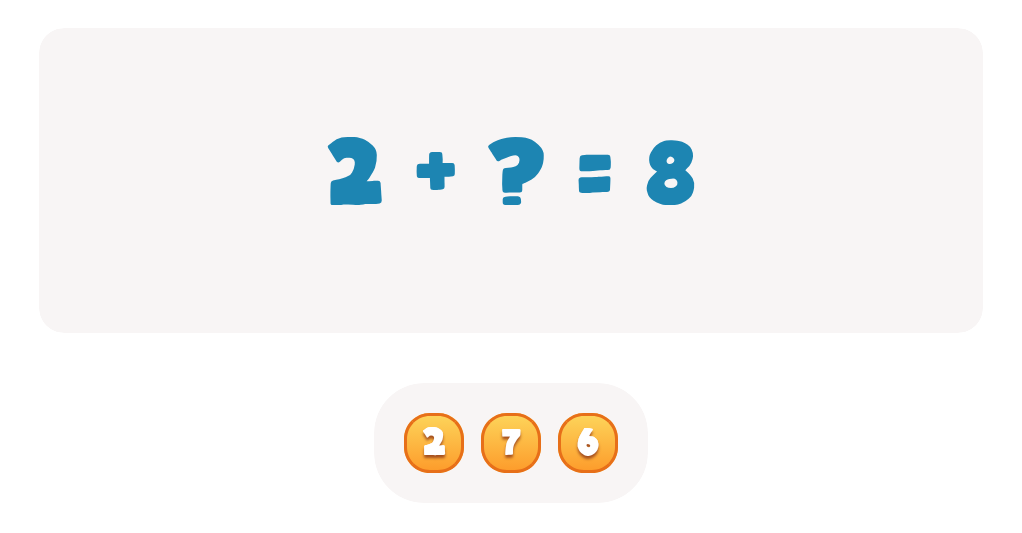
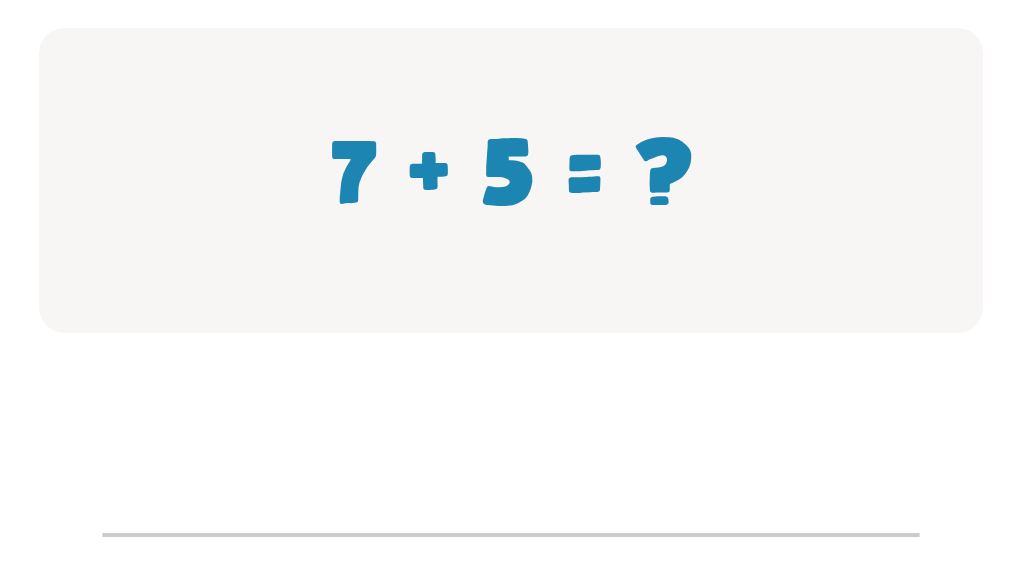
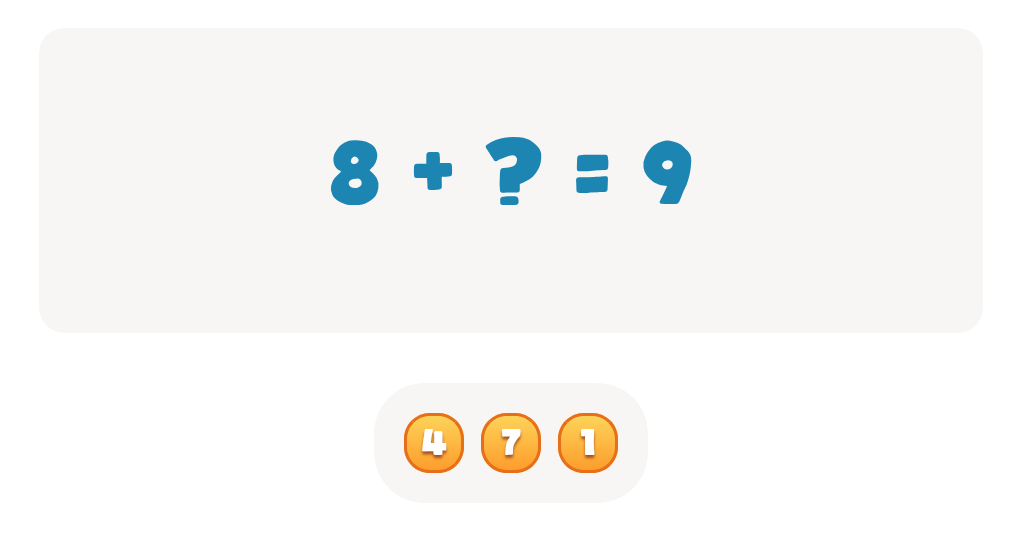
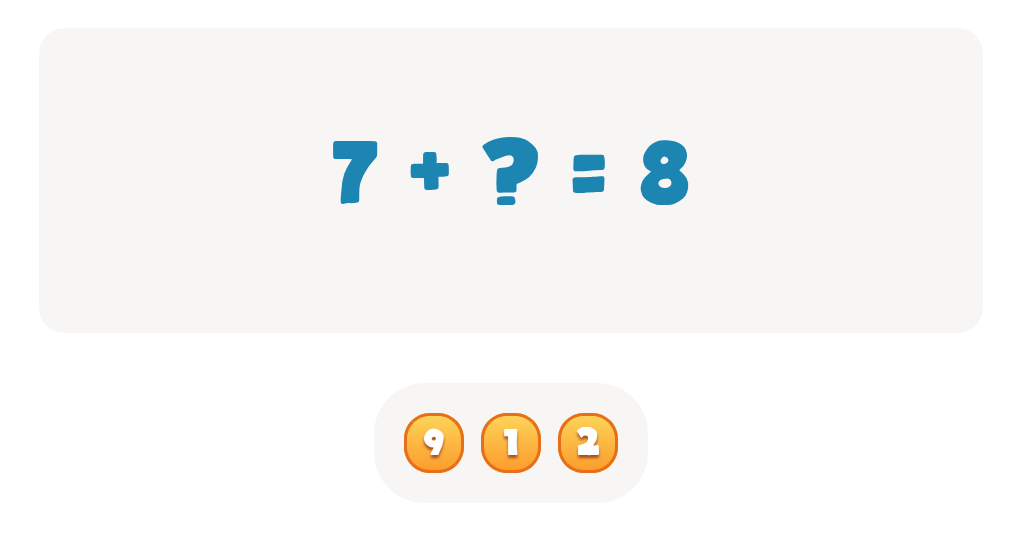
Parents and teachers should prioritize addition facts for children aged 3-4 for several compelling reasons. At this early developmental stage, children are naturally curious and eager to learn. Introducing basic addition concepts in a fun and engaging manner lays the foundation for future mathematical understanding. Mastery of addition facts fosters cognitive development, encouraging problem-solving, critical thinking, and logical reasoning skills.
Moreover, engaging with number concepts through playful activities promotes language development and enhances communication skills. This age group thrives on repetition and reinforcement, and incorporating addition into games and daily routines can make learning enjoyable. When children grasp basic addition, they experience a boost in confidence, which has a positive impact on their overall attitude toward mathematics.
Additionally, early exposure to addition facts prepares children for more complex math concepts in subsequent years, making the transition smoother and reducing anxiety. By nurturing these essential skills early on, parents and teachers can ensure that children build a strong mathematical foundation, equipping them with the tools necessary for academic success and lifelong learning. Overall, fostering early math skills is an investment in a child's cognitive growth and future capabilities.








