Comparing Numbers Worksheets for Ages 3-6 - Page 2
25 filtered results
-
From - To
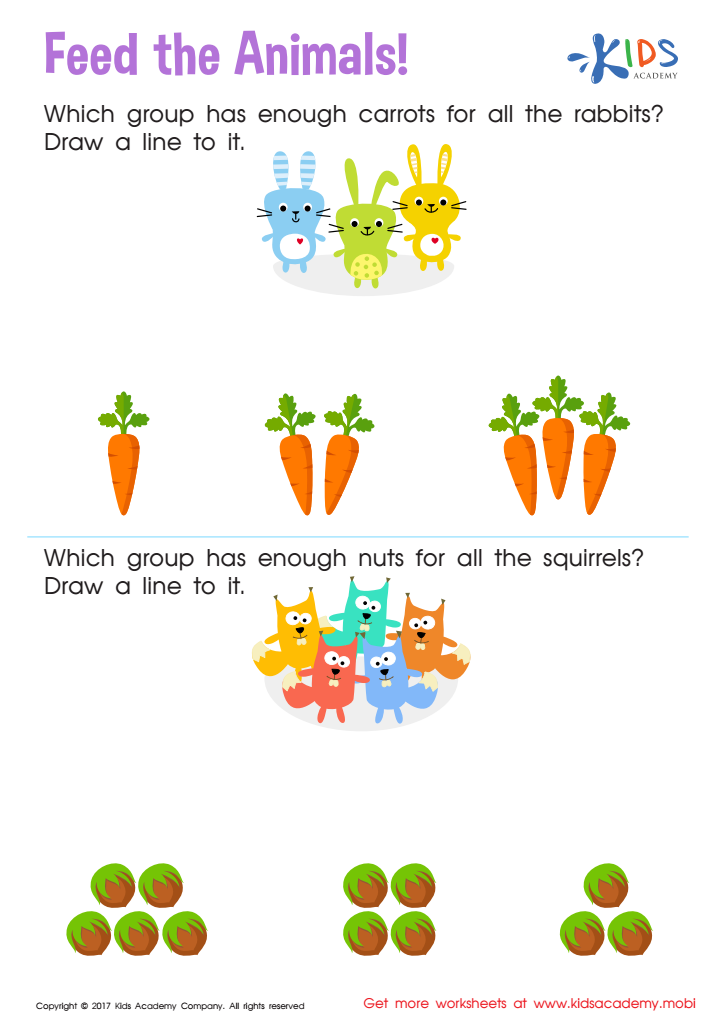
Count and Match: Feed the Animals Worksheet
 Assign to My Students
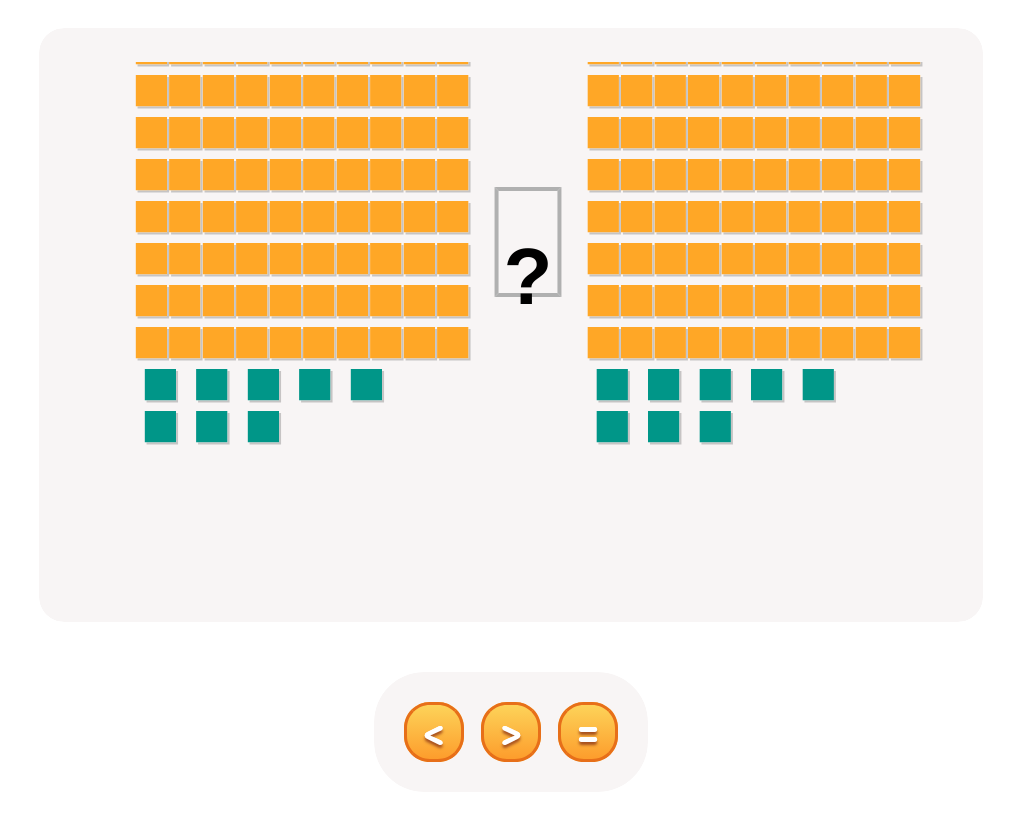

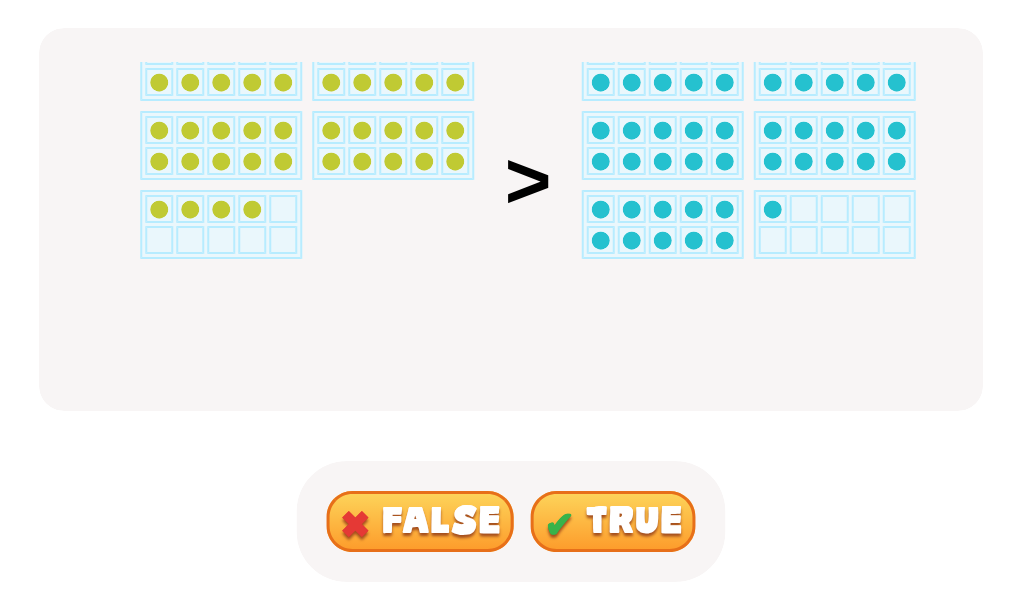
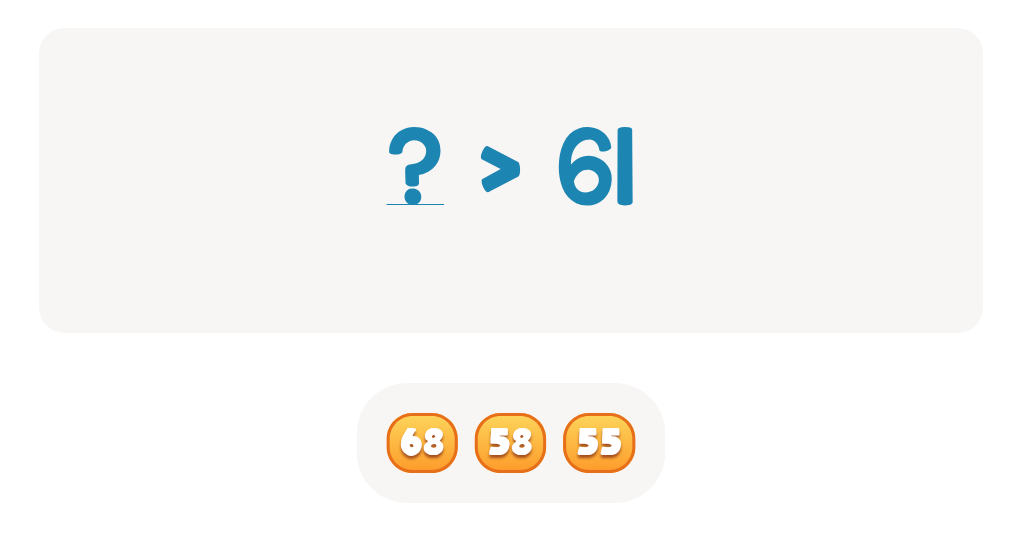
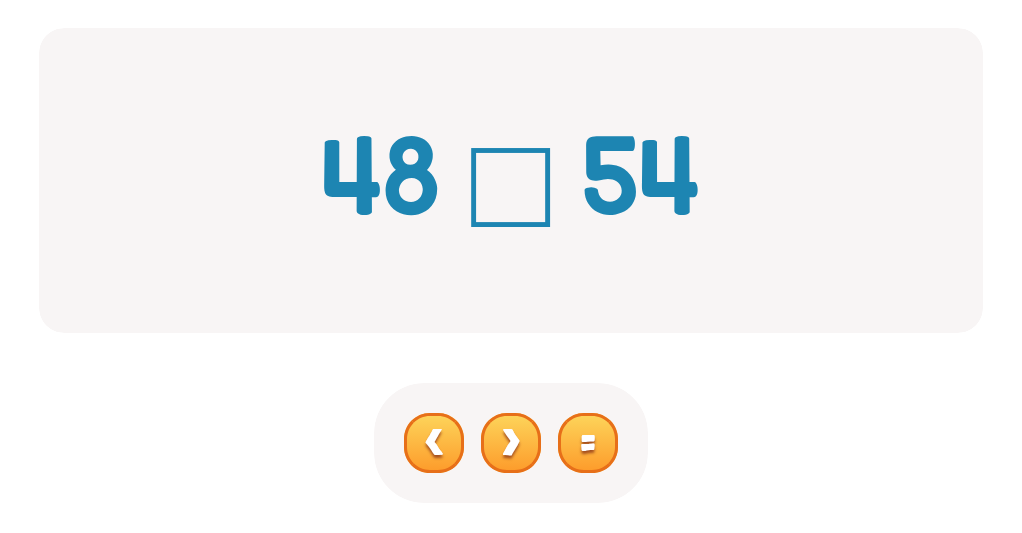
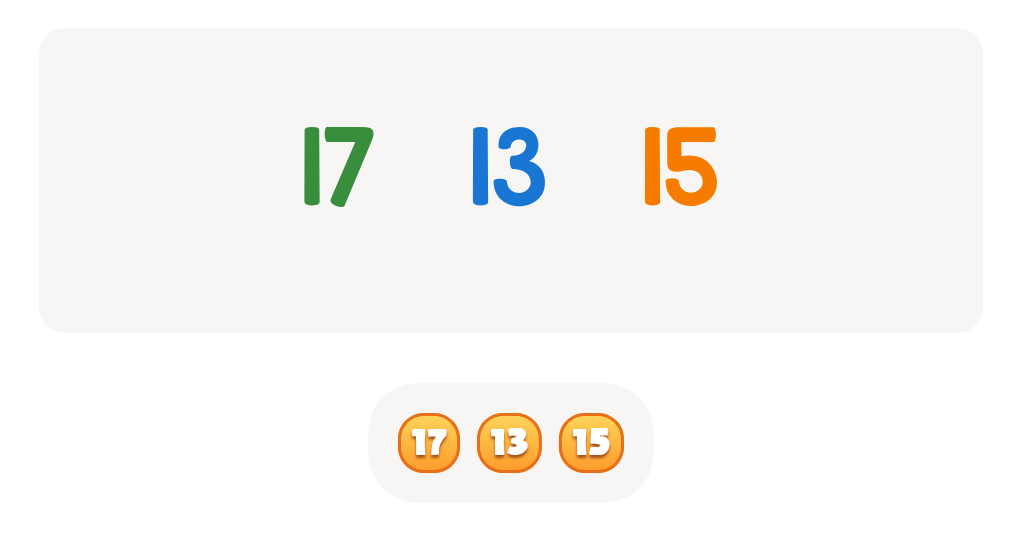
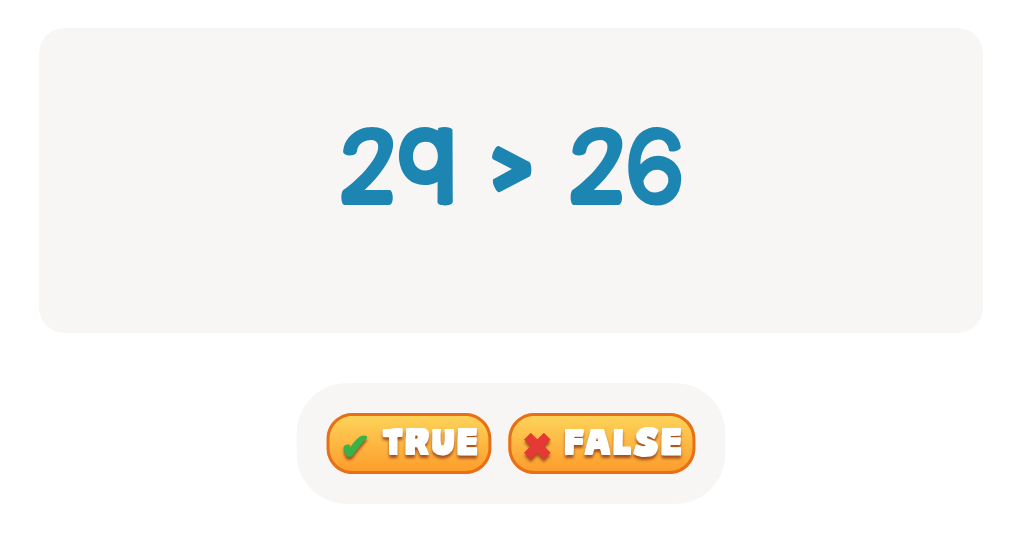
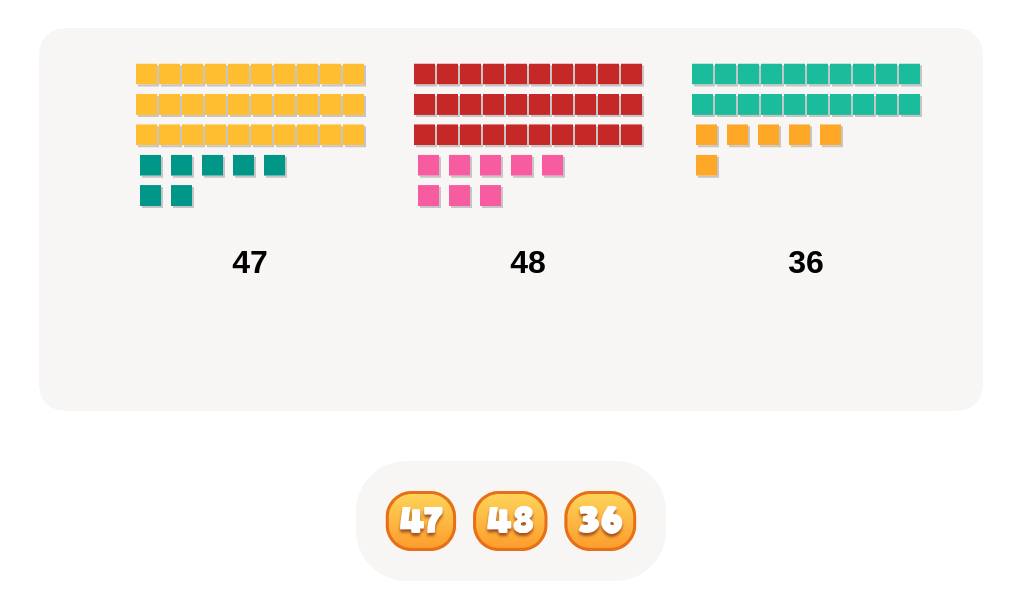
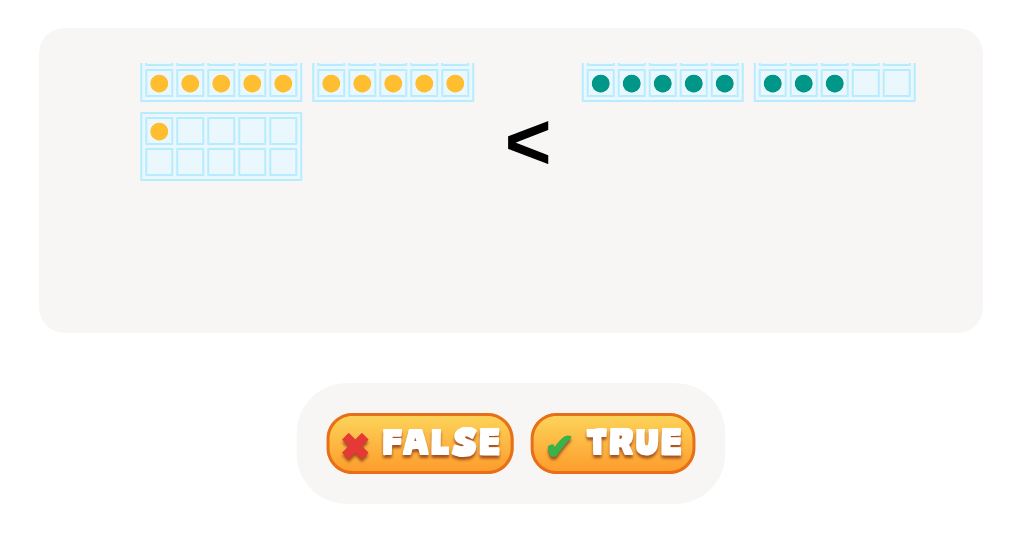
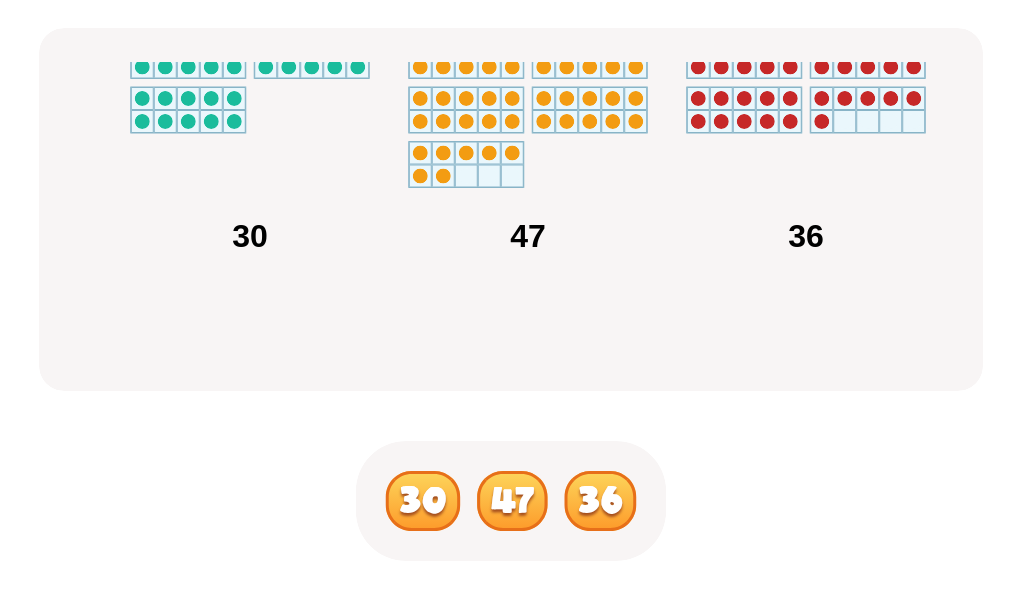








Teaching young children to compare numbers is essential for their early mathematical development and cognitive skills. Comparisons help children understand basic concepts like "more," "less," and "equal," laying the foundation for more complex arithmetic in later years. For ages 3-6, children's brains are like sponges, eager to absorb new knowledge. Introducing number comparisons during this critical period fosters their ability to make relationships between quantities, enhancing problem-solving and logical reasoning skills.
Additionally, comparing numbers supports language development as children learn to articulate their thoughts, such as using comparative language—"bigger," "smaller," "greater," and "less than." Engaging activities can make this learning fun and interactive, promoting both social skills and teamwork when done in groups.
Furthermore, grasping the concept of number comparisons helps children navigate daily life experiences—whether estimating portions of snacks, sharing toys, or engaging in games involving turns. For teachers and parents, understanding these foundational skills is vital. They can create more meaningful play experiences and learning opportunities to ignite children’s mathematical curiosity. In a nutshell, fostering number comparison abilities early equips children for academic success and lifelong learning.








