Sorting Worksheets for Ages 3-6 - Page 2
25 filtered results
-
From - To
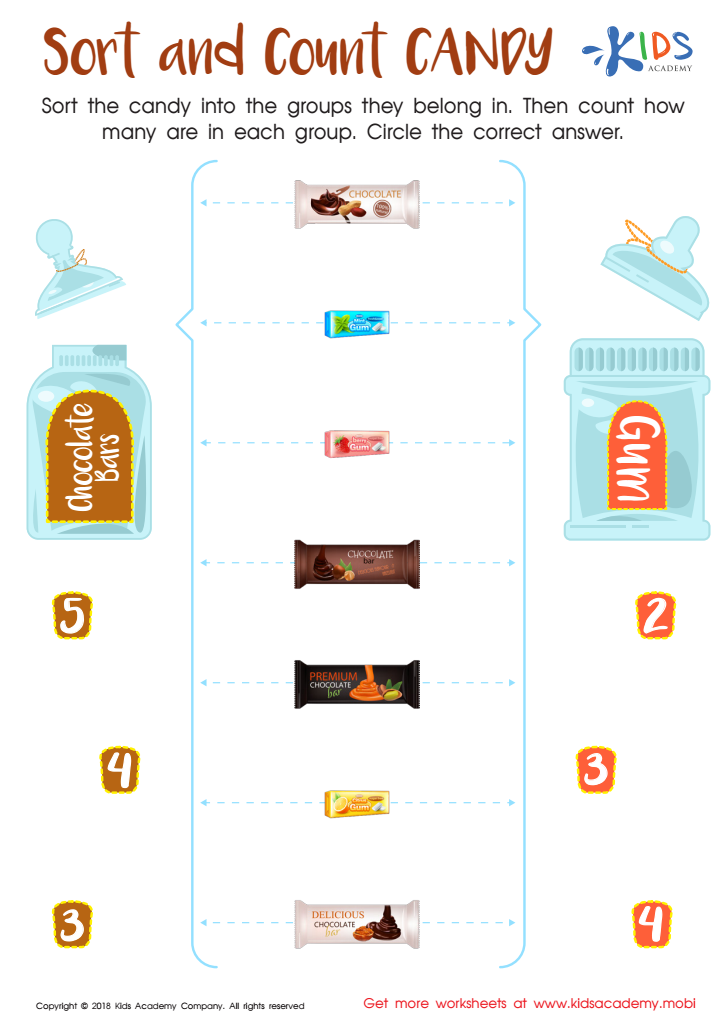
Sort and Count Candy Worksheet
 Assign to My Students





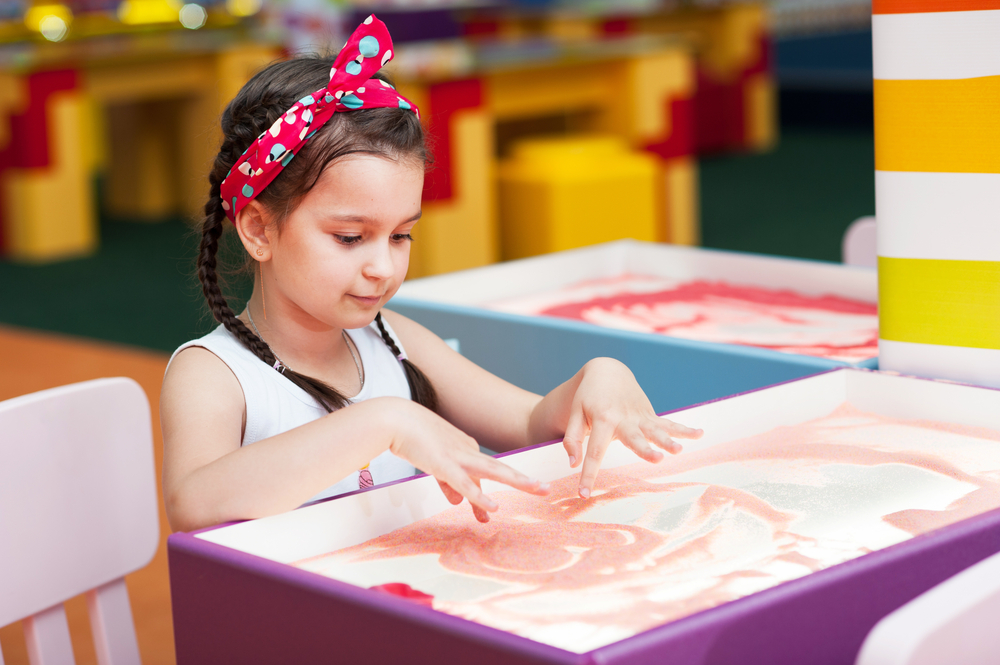


Sorting activities are crucial for young children aged 3-6 as they lay the groundwork for essential cognitive and social skills. Engaging in sorting helps children categorize objects based on attributes like color, shape, and size, enhancing their critical thinking and problem-solving abilities. This foundational skill in classification supports more advanced concepts in mathematics and science, fostering a mindset prepared for analytical tasks later in life.
Moreover, sorting activities promote fine motor skills, as children manipulate various objects, improving their hand-eye coordination and dexterity. As they engage in sorting tasks, children learn to follow instructions and develop a sense of order, which contributes to self-regulation and organizational skills.
Sorting also encourages language development, as children learn to describe the items they are sorting, expanding their vocabulary and communication skills. Additionally, cooperative sorting activities foster social interaction and teamwork, teaching young learners to work together, share ideas, and develop empathy.
Ultimately, sorting is a playful and engaging activity, making learning fun while providing vital skills that form the foundation for academic and social success. For parents and teachers, fostering these activities is not just beneficial but indispensable for holistic early childhood development.








