Consonants Worksheets for Ages 3-8 - Page 2
34 filtered results
-
From - To
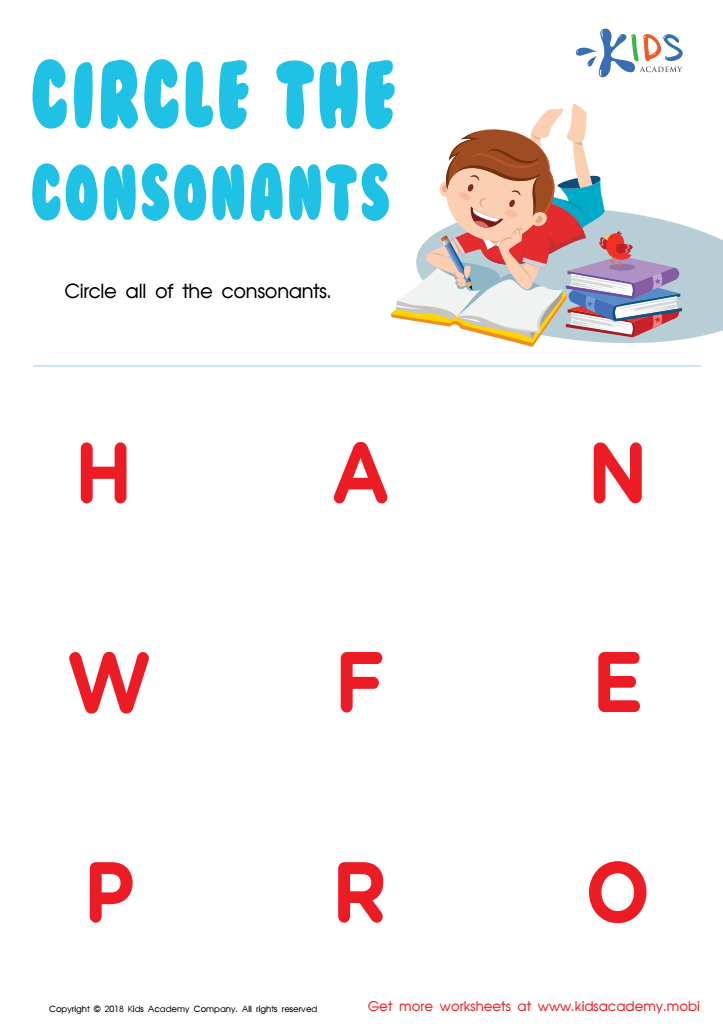
Circle the Consonants Worksheet
 Assign to My Students
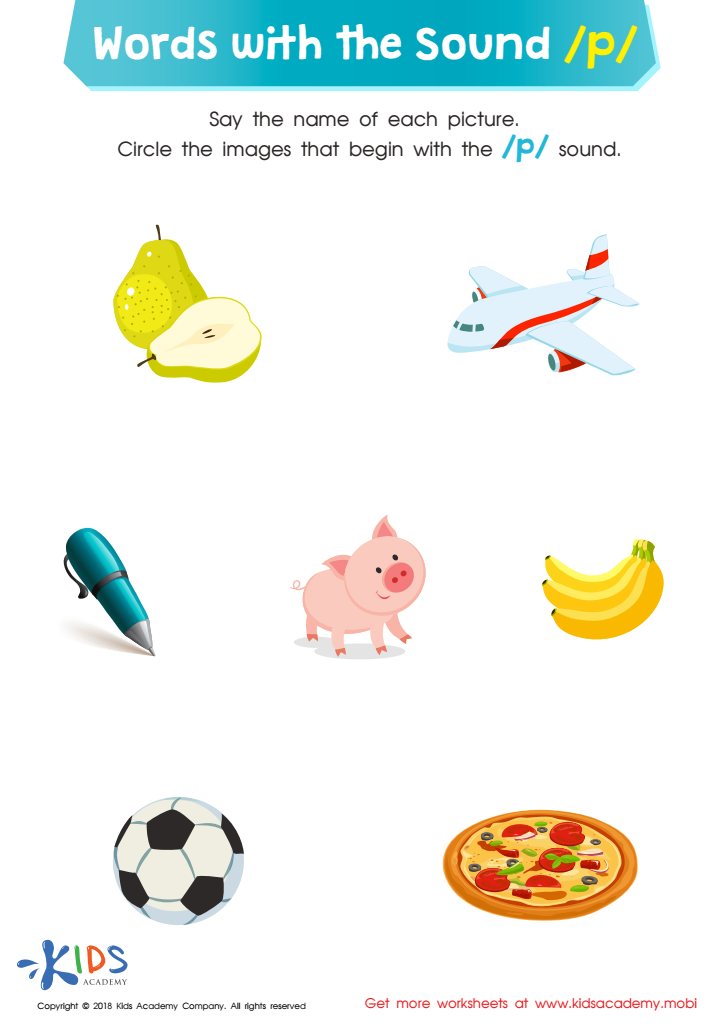
Words with sound p Reading Worksheet
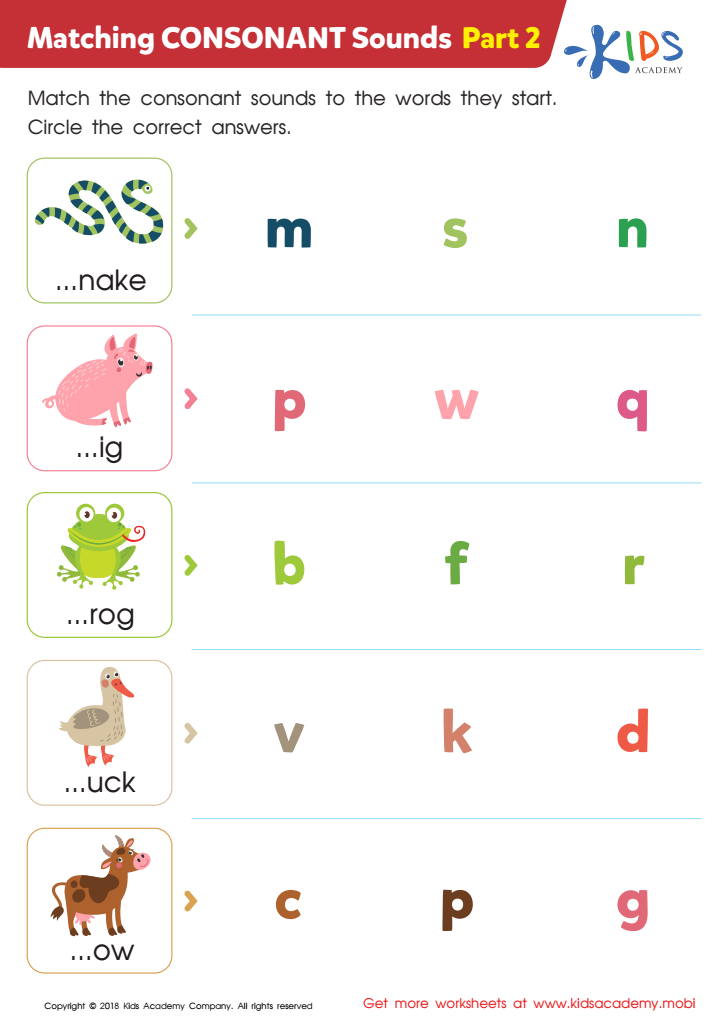
Matching Consonant Sounds: Part 2 Worksheet
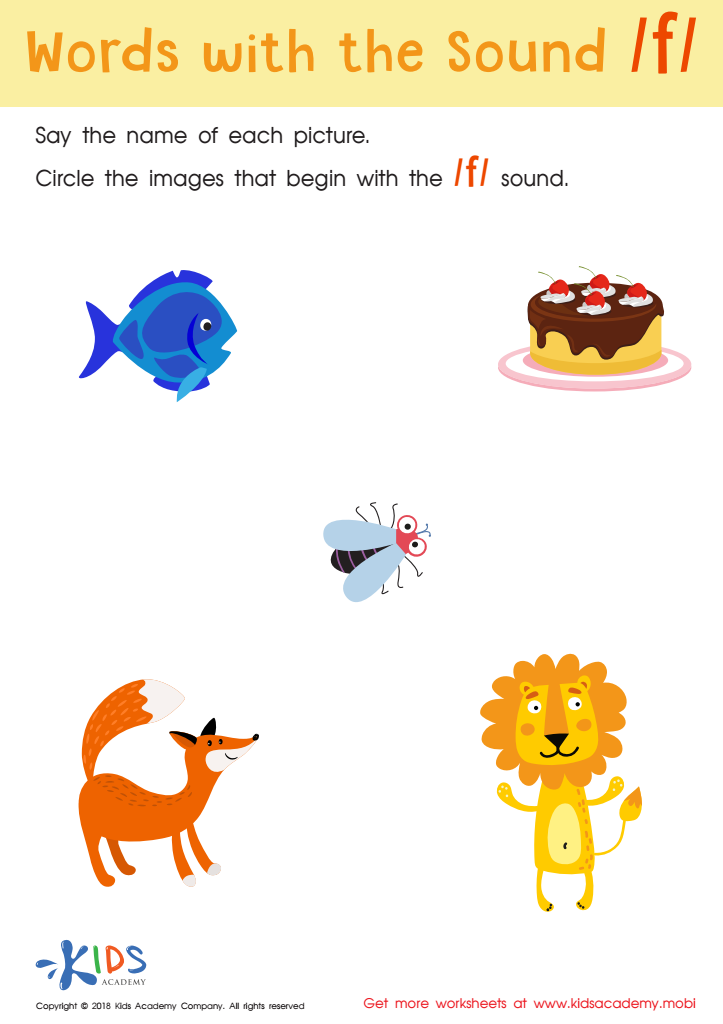
Words with sound f Reading Worksheet
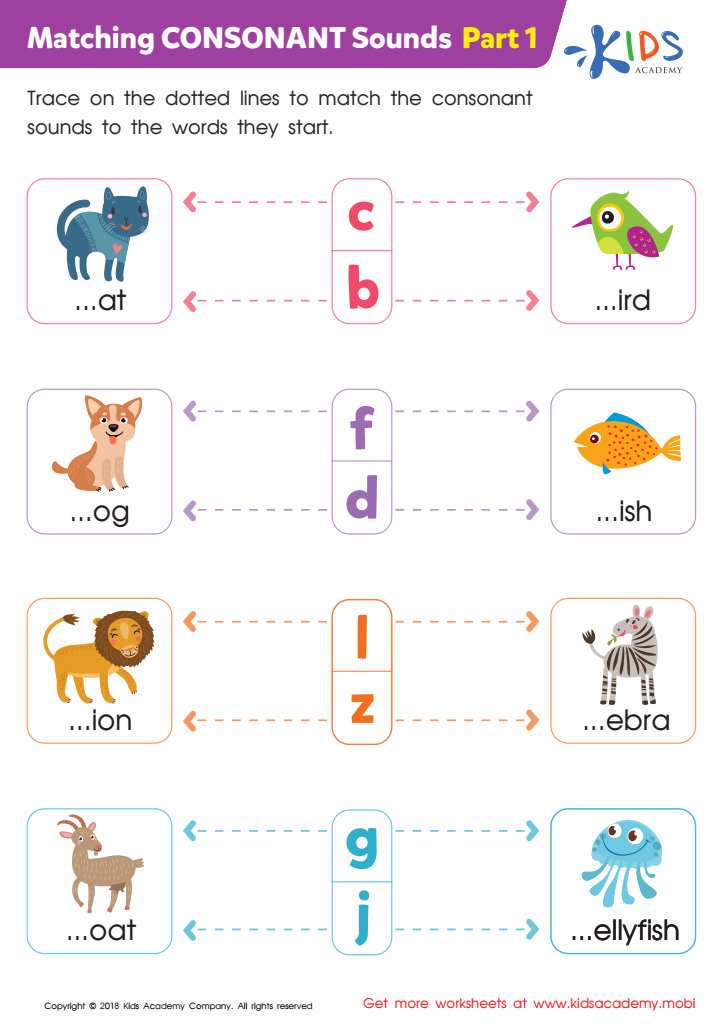
Matching Consonant Sounds: Part 1 Worksheet
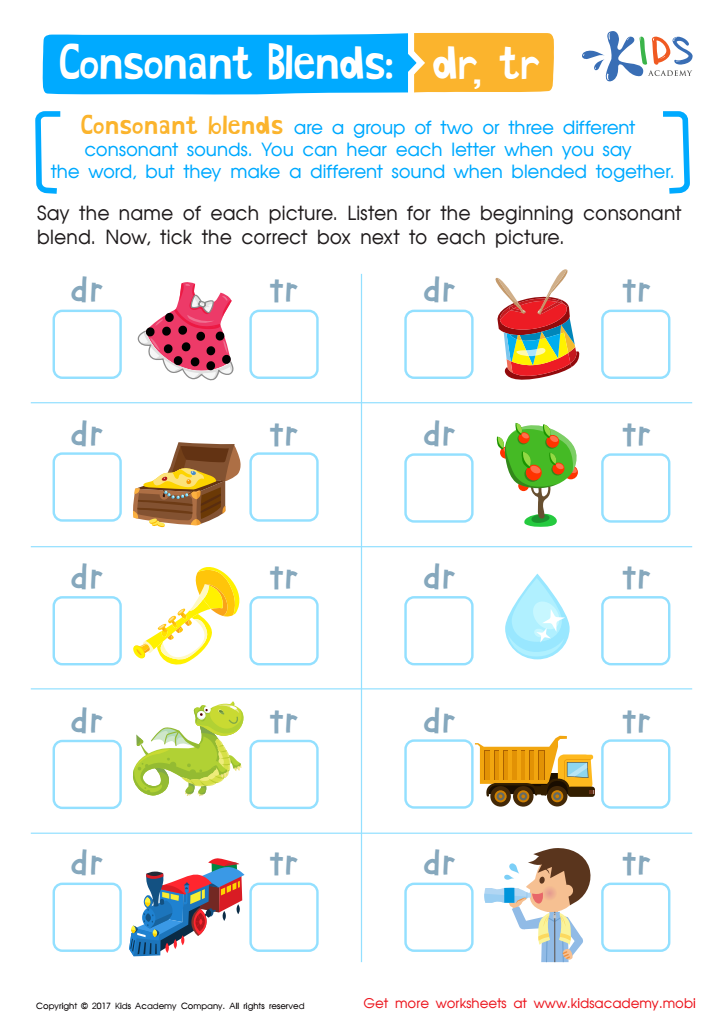
Consonant Blends: "Dr" and "Tr" Printable
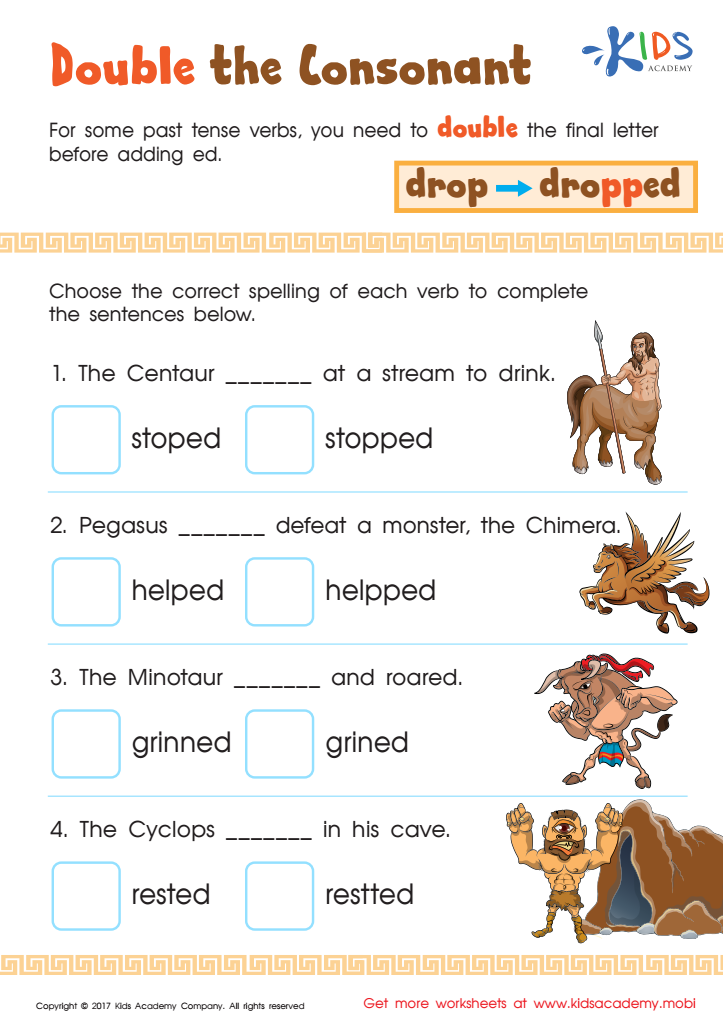
Double Consonant Spelling Worksheet
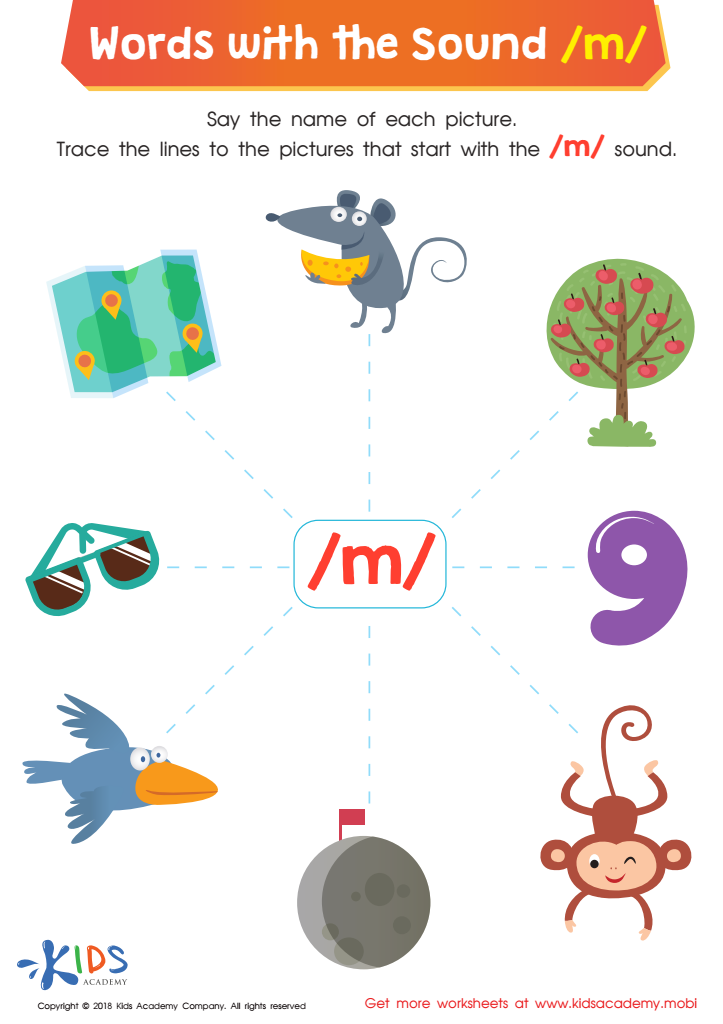
Words with Sound M Reading Worksheet
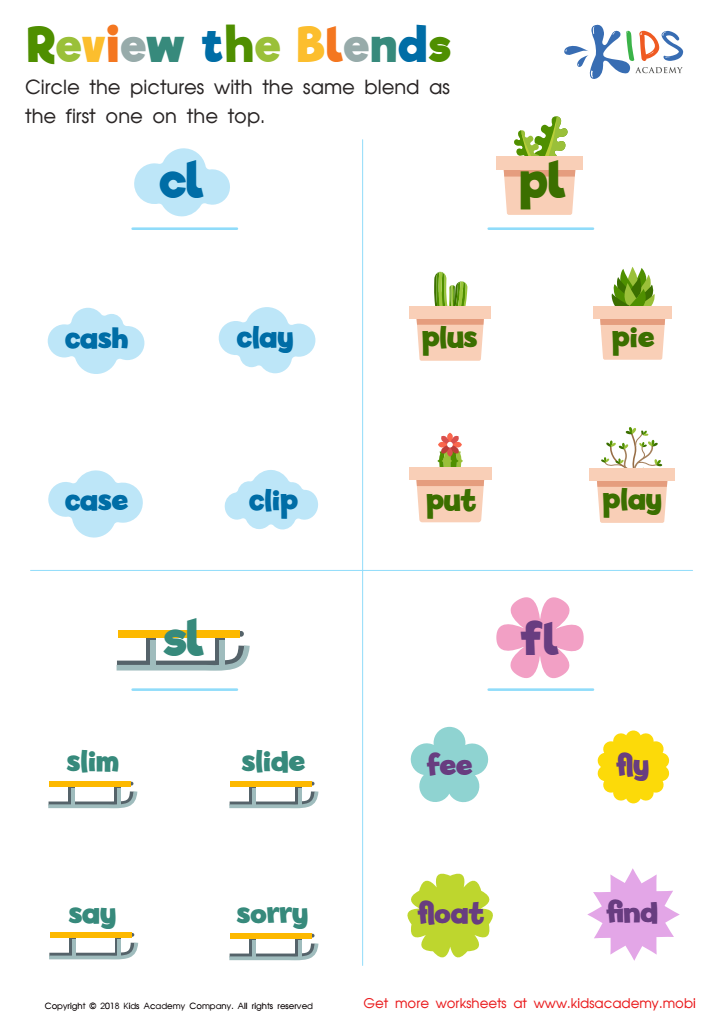
Review the Blends Worksheet
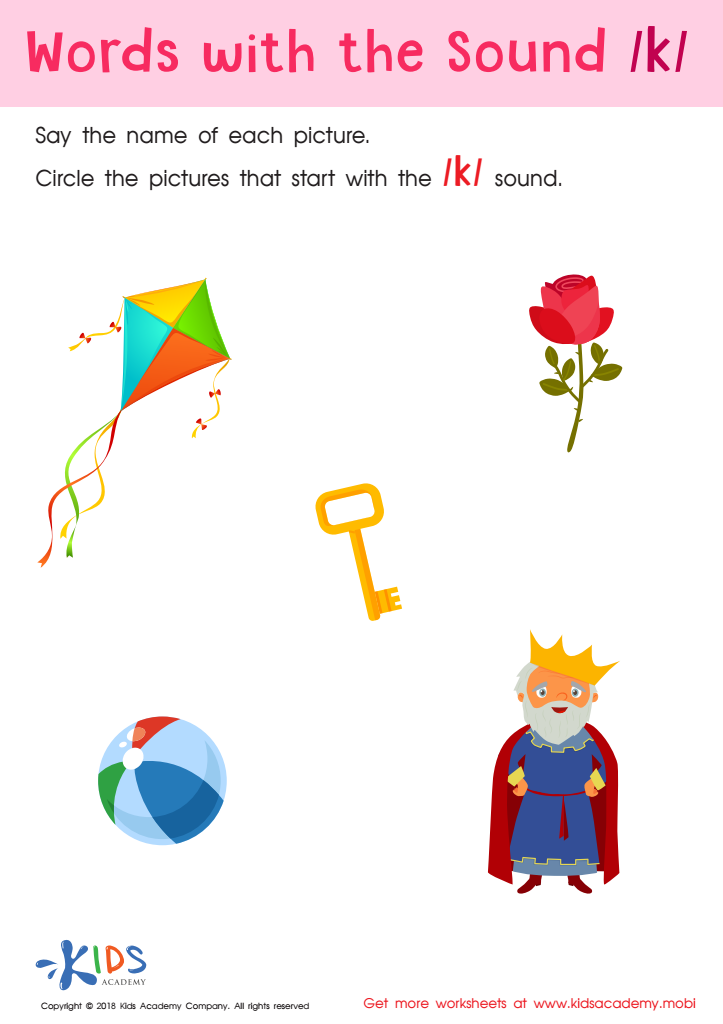
Words with sound k Reading Worksheet



Parents and teachers play pivotal roles in early childhood education, and focusing on consonants is crucial for children aged 3-8. During these formative years, children are developing their language and phonemic awareness, foundational skills necessary for reading and writing. Consonants make up the majority of sounds in English, and they are essential for word formation and comprehension.
Children who master consonant sounds early on tend to read more fluently and write more accurately. Understanding these sounds— both individually and in combination with vowels—helps kids decode new words, an essential reading skill. This boosts their confidence and helps them become enthusiastic readers.
Moreover, consonants are crucial in speech development. Clear pronunciation of consonants allows children to communicate more effectively, reducing frustrations and improving social interactions. Encouraging regular practice with consonant sounds also aids in developing listening skills, as children learn to differentiate and articulate various phonetic elements.
By emphasizing consonants in early education, parents and teachers set the stage for future academic success. Engaging activities, such as songs, games, and storytelling, can make learning these sounds enjoyable. Proper attention to consonants fosters solid literacy foundations, enabling children to thrive in their educational pursuits and beyond.







