Numbers Worksheets for Ages 3-8 - Page 22
510 filtered results
-
From - To
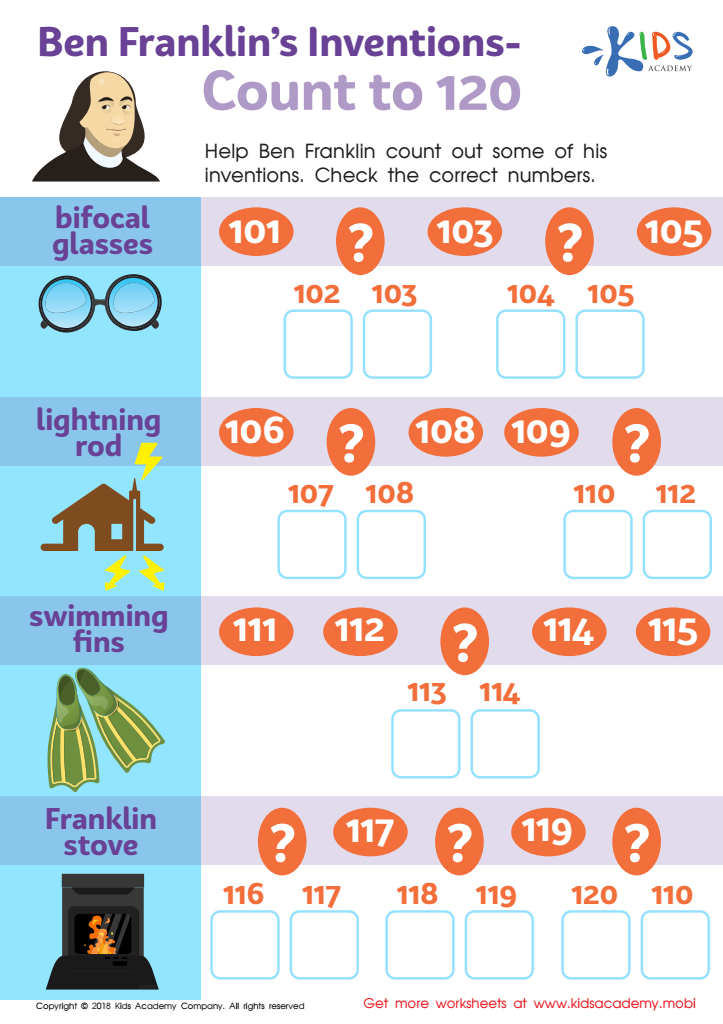
Ben Franklin’s Inventions – Count to 120 Worksheet
 Assign to My Students
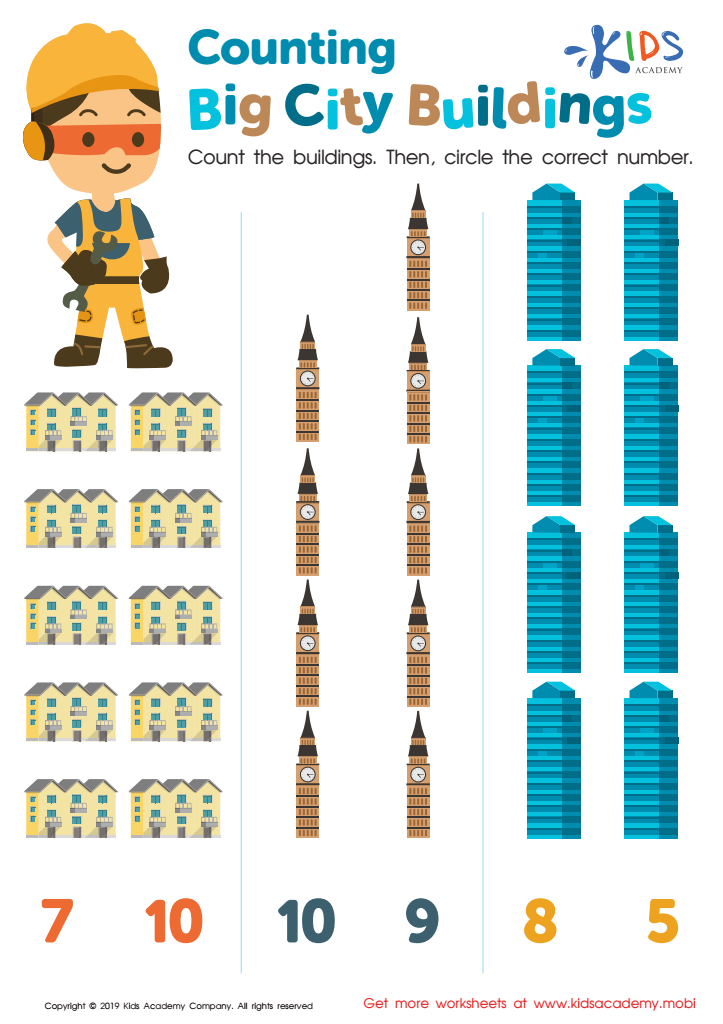
Counting Big City Buildings Worksheet
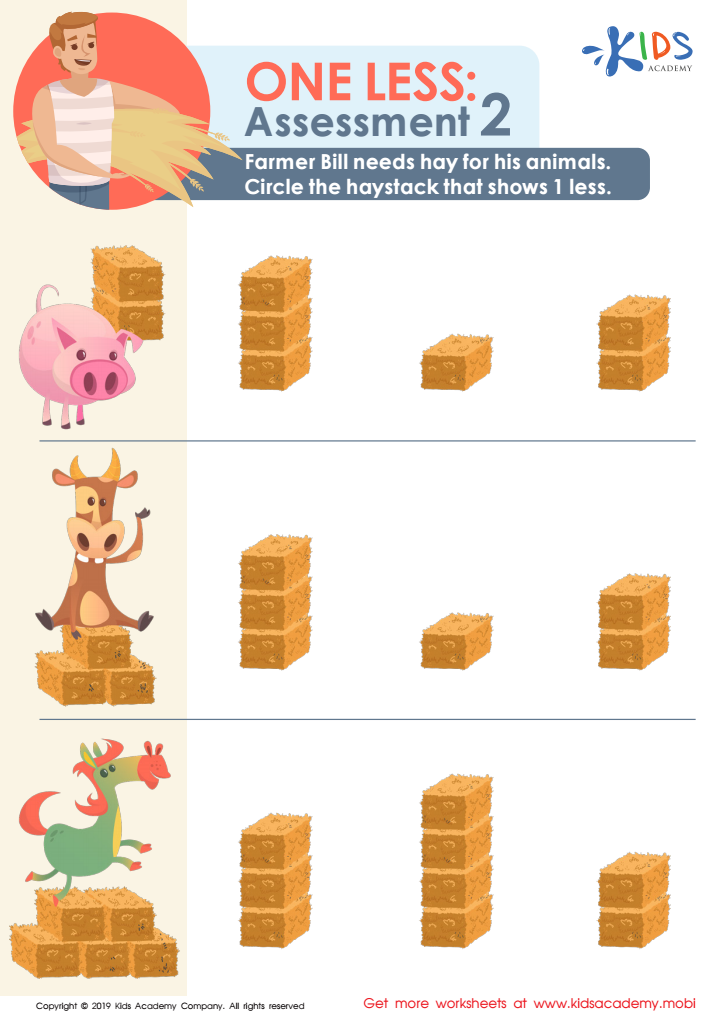
One Less: Assessment 2 Worksheet
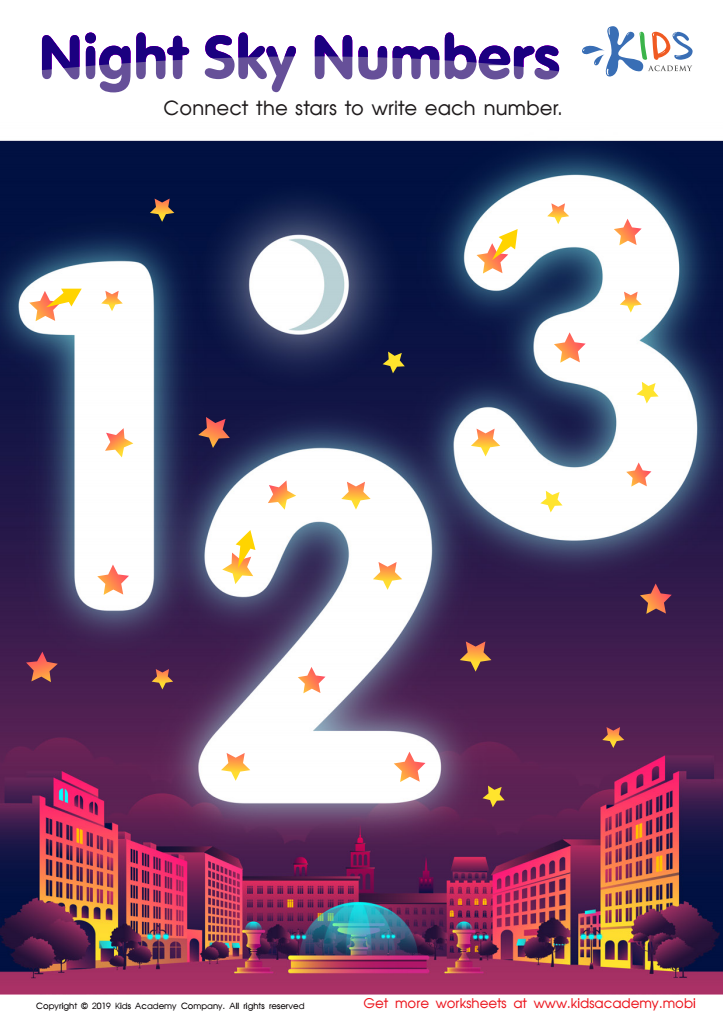
Night Sky Numbers Worksheet
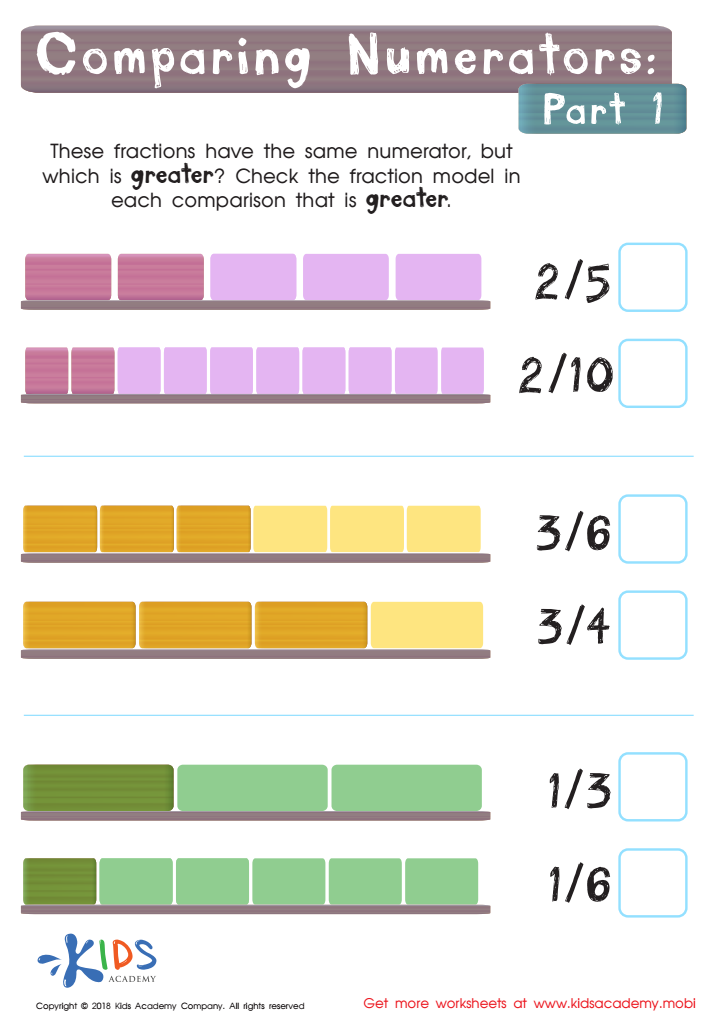
Comparing Numerators Part 1 Worksheet
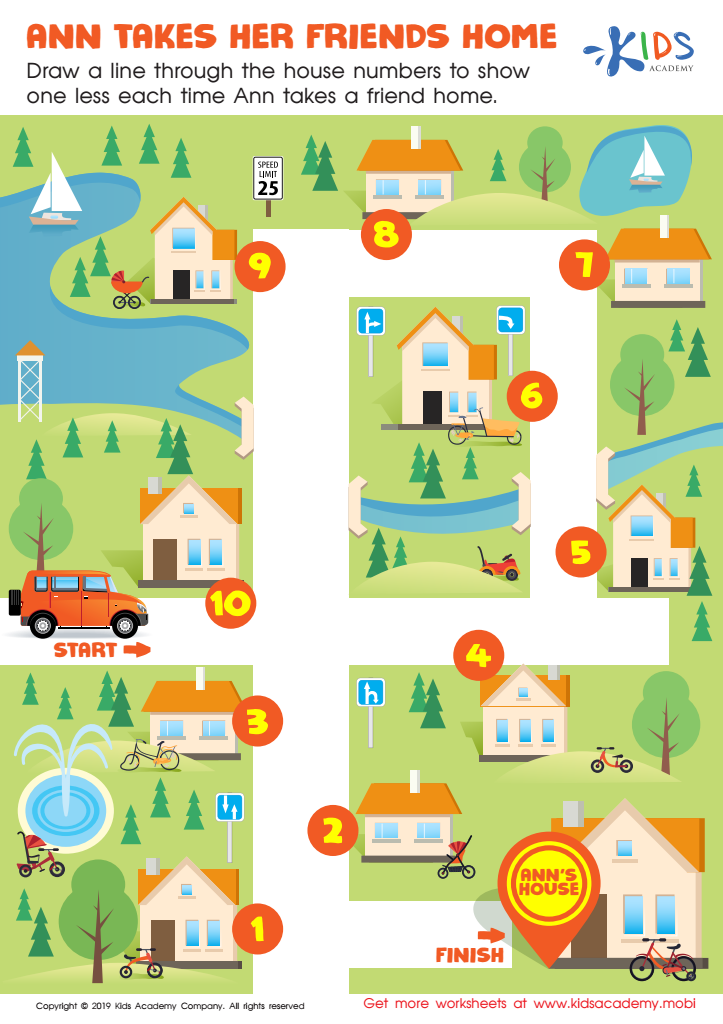
Ann Takes her Friends Home Worksheet








Understanding numbers at an early age sets a critical foundation for children aged 3-8 and should be a priority for both parents and teachers. At this developmental stage, children's brains are most receptive to learning new concepts, and number skills are integral not just for math, but for understanding patterns, sequencing, and problem-solving. Grasping basic numerical concepts enhances cognitive abilities such as memory, attention, and logical reasoning.
Early exposure to numbers also encourages a positive attitude towards math, making it less likely for children to develop math anxiety later. Activities like counting objects, recognizing numerals, and understanding simple addition and subtraction can make learning fun and engaging through play-based methods, storytelling, and hands-on activities.
Moreover, numeracy skills are essential for everyday tasks, such as telling time, understanding money, and measuring distances or quantities, fostering independence and practical life skills. When parents and teachers invest time and resources into teaching numbers, they arm children with the tools they need for academic success and everyday life, creating a well-rounded, confidence-boosted learner. Additionally, a strong numerical foundation is linked to better academic performance across subjects, as math skills are often intertwined with other areas of learning, including science and literacy.








